

















Historical redlining policies from the 1930s, which systematically denied housing loans and insurance to communities of color, created lasting environmental inequities that persist today; research across 108 US cities found that formerly redlined neighborhoods are, on average, about seven degrees hotter than non-redlined areas due to reduced green spaces, street trees, and increased freeway placement, demonstrating how racist urban planning decisions continue to affect residents' exposure to extreme heat through the urban heat island effect.
How Redlining Drives Extreme Urban Heat Inequality
Added:The historical context of redlining and how the Home Owners' Loan Corporation (HOLC) graded neighborhoods in the 1930s based on racial demographics.
The Urban Heat Island (UHI) effect, specifically how building materials like concrete and asphalt absorb and re-emit heat compared to natural landscapes.
The foundational concept of environmental justice, which addresses the unequal distribution of environmental benefits and burdens based on race and socioeconomic status.
Basic urban geography principles, including how land cover, tree canopy, and impervious surfaces affect local microclimates.
Urban planning and mitigation strategies, such as green infrastructure, equitable urban forestry, and the deployment of cool roofs and reflective pavements.
The public health impacts of extreme heat, focusing on how heat waves disproportionately cause morbidity and mortality in historically marginalized neighborhoods.
The application of Geographic Information Systems (GIS) and satellite thermal imaging to map and analyze municipal climate disparities.
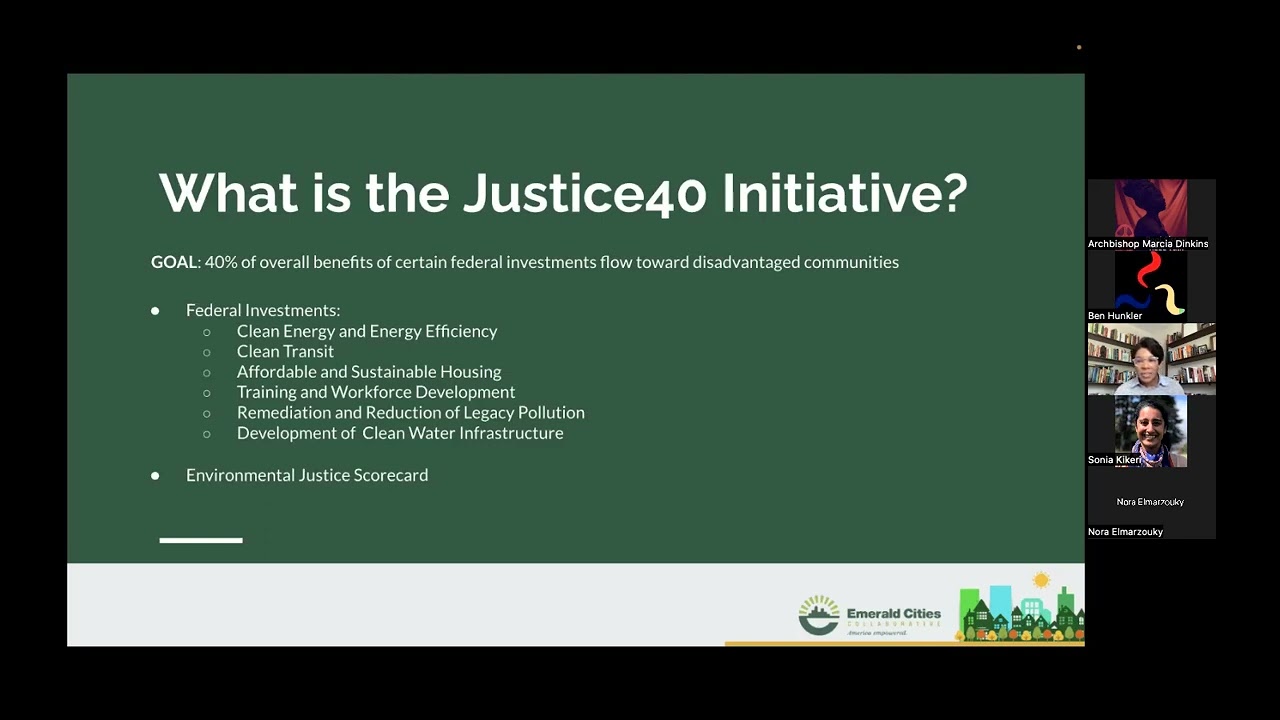
Policy frameworks and climate adaptation plans, such as the Justice40 Initiative, aimed at directing environmental investments to disadvantaged communities.
58K views383likes5:07Original Release: 2020-08-04
As you move through a city, you probably noticed summer heat can be a lot worse, depending on which neighborhood you're in.
Take these two parts of Portland, Oregon – Lower Albina and Council Crest, they're about three miles apart.
One neighborhood has lots of trees and a great view of downtown, while the other sits next to it interstate and gets up to 19ºF hotter.
This isn't exactly a coincidence.
Many of the neighborhoods that get hit by the most extreme heat today can actually be traced back to racist city planning policies from nearly a century ago.
When we studied 108 cities across the country we found a systematic pattern that the redlined communities were today, on average, about seven degrees hotter than their non redlined counterparts.
Redlining was the government-sanctioned effort from the 1930s to segregate communities of color by refusing to give them housing loans and insurance.
"There were already lots of racial covenants that neighborhoods would basically say we are not going to allow Negroes.
I think was the language Chinese, Japanese, Hindus in these neighborhoods and redlining kind of codified this or now was allowable."
The federal government rated in housing desirability on four tiers.
The lowest was a graded D and colored red.
"They were not provided green spaces, they weren't provided street trees, they weren't provided a lot of investments that many other neighborhoods received.
And so a policy that had played out 80 years ago was affecting what you and I would experience in our neighborhoods today."
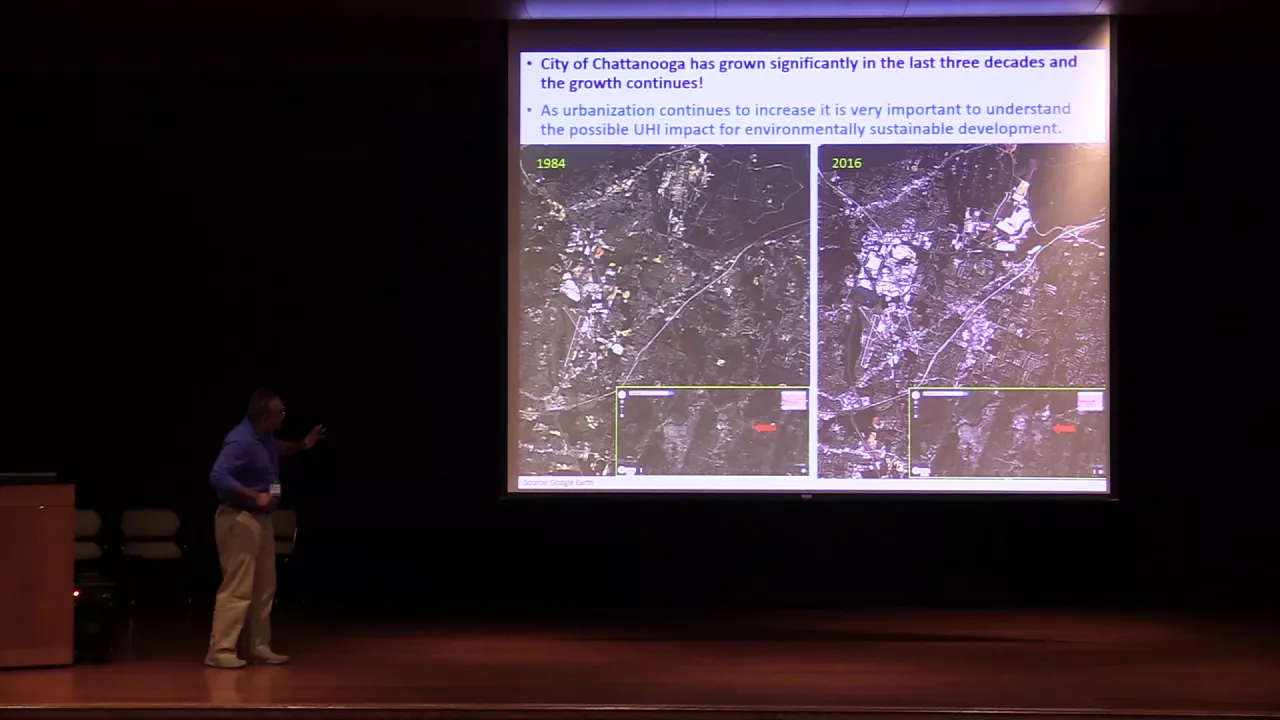
Maybe you've heard of the urban heat island effect where cities are significantly hotter than surrounding areas. Urban areas with roadways, asphalt, and large buildings turn solar radiation to heat.
These features absorb the heat from the sun during the day, in the evening when temperatures are supposed to cool down.
The retained heat is released back into the neighborhood.
Redlined neighborhoods were more likely to be slotted for freeways, while green-coded neighborhoods were more likely to be given parks.
Here's what that means for cities like Portland.
He can see hotspots near highways and pavement while trees West of the river keep things cool.
Portland was actually the most extreme example of all the cities studied.
"These areas have not had any interventions to change the neighborhoods since that period."
One of those formerly redlined areas is Lower Albina, a historically Black neighborhood.
In the late 50s, the city of Portland flattened 30 acres from neighborhood to make room for a stadium and parking lots.
A few years later, the state bulldozed through the heart of the neighborhood to make way for the freeway, demolishing more than 300 homes.
This led to a massive decline in what was once a thriving Black community.
"In Portland, because you don't have the Confederate history.
We do have these monuments that engender the same kind of position of power that Southern Confederate monuments do and the freeway is one of them. Certainly I-5 and the other is the Memorial Coliseum.
That's our Robert E. Lee statue."
This is Rukaiyah Adams.
She grew up in the Albina neighborhood and chairs a nonprofit called Albina Vision, a group that's working to repair the damage done to the Black community of Portland's Albina neighborhood.
Albina Vision has proposed a plan to redevelop the area, lidding the interstate, building affordable housing, and pushing for large scale urban green spaces to cool the city.
Meanwhile, the Oregon Department of Transportation has proposed expanding the I-5 freeway further.
"We do not agree with the direction it's going. We don't think that's the right way to heal the community because we were so intentional in destroying Black communities.
We must also be intentional about rebuilding them."
Lower Albina, like a lot of breadline neighborhoods in Portland and elsewhere, has gentrified.
Interstate construction decimated the population, but it's bounced back over the past few decades.
"The discussion about Harriet Tubman Middle School and the safety of the air for kids is a major issue.
Now, that even creates a point of tension, right?
So as we talk about I today, a lot of Black folks are frustrated because they are basically saying environmentalists didn't care about the health of Black children when it was all Black, but now they care when their kids are there.
" As climate change accelerates and we race to solve it cities will continue to change exponentially.
And with renewed calls for racial and environmental justice, solutions should include those who haven't had a say in the planning process.
"It's a little easier more recently, now that we're talking openly about systemic racism, because we're beginning to identify the ways that it plays out in the urban form.
I'm hoping that over time people start to reflect a more equitable of how we should all live in the city.
But I just hope that by the time we get to that conversation that neighborhoods aren't so gentrified that there are very few people of color and the ones that remain now are the ones that are relatively privileged."
Up Next
2:00
Exploring the Umayyad Mosque of Damascus in 360°
@GrandPalaisRmn
148.4K views•2018-04-13

33:02
The Great Schism of 1054: Causes and Consequences
@SacredCathedrals
113.5K views•2026-02-19
91:57
The Geopolitics of the Ukraine War and the Rise of Global Autocracy
@JordanHarbingerShow
468K views•2025-04-19
17:05
Understanding the Cold War: Superpower Conflicts and the Road to Détente
@OverSimplified
46.1M views•2019-01-24
Related Study Plans & Knowledge Roadmaps
Structured learning paths in History
history
Byzantine Iconoclasm: Theology, Art & Politics
01Foundations of Byzantium and Early Christian Images
02The First Iconoclasm: Leo III and the Crisis of Images
03Empress Irene, Nicaea II, and the Second Iconoclasm
+ 2 more learning modules
9h5 modules
Explore Roadmap
history
Iranian Revolution (Causes, Events & Legacy)
01The Pahlavi Dynasty and the Roots of Discontent
02The Spark of Rebellion and the Rise of Khomeini
031979: The Fall of the Shah and the Climax of the Revolution
+ 2 more learning modules
8h5 modules
Explore Roadmap
history
Mali Empire: Mansa Musa, Trade & Timbuktu
01Foundations of the Mali Empire
02The Trans-Saharan Gold and Salt Trade
03The Reign and Pilgrimage of Mansa Musa
+ 1 more learning modules
6h4 modules
Explore Roadmap
history
1947 Partition: Politics, Borders & Legacies
01Foundations of British India and the Divide
02The Political Negotiations and the Mountbatten Plan
03Drawing the Boundary: The Radcliffe Line
+ 2 more learning modules
8h5 modules
Explore Roadmap