The Umayyad Mosque in Damascus, built in the 8th century AD on a site occupied since 805 BC, represents a groundbreaking innovation in Islamic architecture as the first mosque to achieve such refinement across a large area, combining ancient Syrian models with distinctive Islamic improvements; its iconic Dome of the Treasury features rich 13th-14th century mosaics and housed the mosque's most valuable items above ground for security, yet since 2011, the Syrian conflict has placed this UNESCO World Heritage Site in danger, demonstrating how digital technology now helps preserve and reconstruct such irreplaceable cultural treasures for future generations.
Exploring the Umayyad Mosque of Damascus in 360°
Added:Deep Dive
Historical context of the Umayyad Caliphate, including its rise, expansion, and the establishment of Damascus as its capital in the late 7th and early 8th centuries.

İslam Medeniyetinin Doğuşu - Konu Anlatımı | 39 GÜNDE AYRINTILI TYT TARİH KAMPI 2026-27 | 7
64.4K
The Umayyad Caliphate (661-750 CE) was the first major Islamic dynasty, established by Muawiya with Damascus as its capital. Key developments included the failed siege of Constantinople, the controversial hereditary succession system, and the Battle of Karbala that intensified Shia-Sunni divisions. The caliphate expanded into Spain through Tariq bin Ziyad's conquest but was halted at the Battle of Poitiers (732 CE). The Mawali policy discriminated against non-Arab Muslims, contributing to the dynasty's decline. The Umayyads also established the first Islamic currency and made Arabic the official language.
Click to watch →
من هو السفياني المنتظر؟ │ تقريبا │ الموسم الثالث │ الحلقة 7
131K
The Umayyad Caliphate emerged from pre-Islamic ties between Abu Sufyan and Syria, established in 41 AH with Syria as its political center. The dynasty transformed Syria from an agricultural province into a political, military, and cultural hub through urban development and administrative reforms. However, internal divisions between Qaysi and Yemeni Arab tribes led to the dynasty's collapse. The last caliph Marwan favored the Qaysi faction and moved the capital to Harran, alienating the Yemeni tribes who refused to support him against the Abbasids. The Battle of the Zab marked the decisive defeat, leading to the loss of Syrian privileges and the emergence of the Sufyani expectation among Syrians who believed a future leader would restore Umayyad glory.
Click to watch →

أفضل مراجعة دراسات تانيه اعدادي ✅👌 اضمن تقفيل الدراسات 🚨🔥
482.9K
This section covers Umayyad Caliphate history. In 41 Hijri, Muslims gathered to support Muawiyah as Caliph after Ali's assassination. Hasan ibn Ali voluntarily transferred the Caliphate to prevent civil war. Muawiyah relocated the capital from Kufa to Damascus. Historians consider Abd al-Malik ibn Marwan as the second founder who consolidated power and restored stability. Walid ibn Abd al-Malik's reign is considered the golden age with significant construction projects and territorial expansion from Spain to China.
Click to watch →
History of The Umayyad Caliphate | Casual Historian | Islamic History
100.7K
The Umayyad Caliphate (661-750 CE) was the first major Islamic empire, established after the assassination of the third caliph Uthman, which triggered a succession crisis and civil war; despite administrative innovations like bureaucratic reforms, the construction of the first Islamic navy, and the building of the Dome of the Rock, the dynasty ultimately collapsed in 750 CE when the Abbasids overthrew them, with the surviving Umayyad prince Abd al-Rahman I fleeing to establish the independent Emirate of Cordoba in Al-Andalus.
Click to watch →

ทำไมอณาจักรอิลาม ถึงยิ่งใหญ่ขึ้นมาได้? #ประวัติศาสตร์ในคลิปเดียว I แค่อยากเล่า...◄2028►
350.7K
The Umayyad dynasty (661-750 CE) established the first hereditary Islamic monarchy, moving the capital to Damascus. They expanded the empire to include Iran, North Africa, and Spain, implementing formal administrative systems. The Dome of the Rock in Jerusalem became a symbol of Islamic power. However, internal conflicts, regional neglect, and Shia opposition led to their defeat in 750 CE. Some Umayyads fled to Spain, establishing an independent emirate that preserved Islamic culture in Europe.
Click to watch →
Deep Dive
The multi-layered religious history of the site, specifically its transition from an ancient Roman Temple of Jupiter to the Christian Cathedral of St. John the Baptist before its conversion into a mosque.

The World’s Cheapest Capital City - Inside Damascus With A Local Girl, Syria 🇸🇾
376.6K
The Umayyad Mosque in Damascus contains remarkable evidence of religious coexistence spanning over 2,000 years. Originally a Roman temple to Jupiter, it became a Christian church dedicated to St. John the Baptist, and finally a Muslim mosque. For 70-75 years after the Muslim conquest, Christians and Muslims shared the same entrance. The mosque can accommodate 4,000-5,000 worshippers and contains the head of John the Baptist, which Muslims also venerate. Construction took 10 years with 12,000 workers.
Click to watch →
وجدت مكان نزول المسيح في آخر الزمان - حسن هاشم | غموض
837.6K
The Umayyad Mosque in Damascus represents one of history's most remarkable religious transformations. Originally a Canaanite temple, it successively served as an Amorite sanctuary, Aramean temple to Atargatis, and Roman Jupiter temple. In the 6th century CE, it became the Cathedral of John the Baptist. During the Islamic conquest in 634 CE, Caliph Al-Walid ibn Abdul Malik converted it into a mosque, ordering precious stones and marble from across the world. Legend holds that workers discovered Prophet John the Baptist's head in a hidden chamber, which Al-Walid returned to its place. The mosque has survived numerous earthquakes, fires, and reconstructions, evolving into the iconic structure known today.
Click to watch →
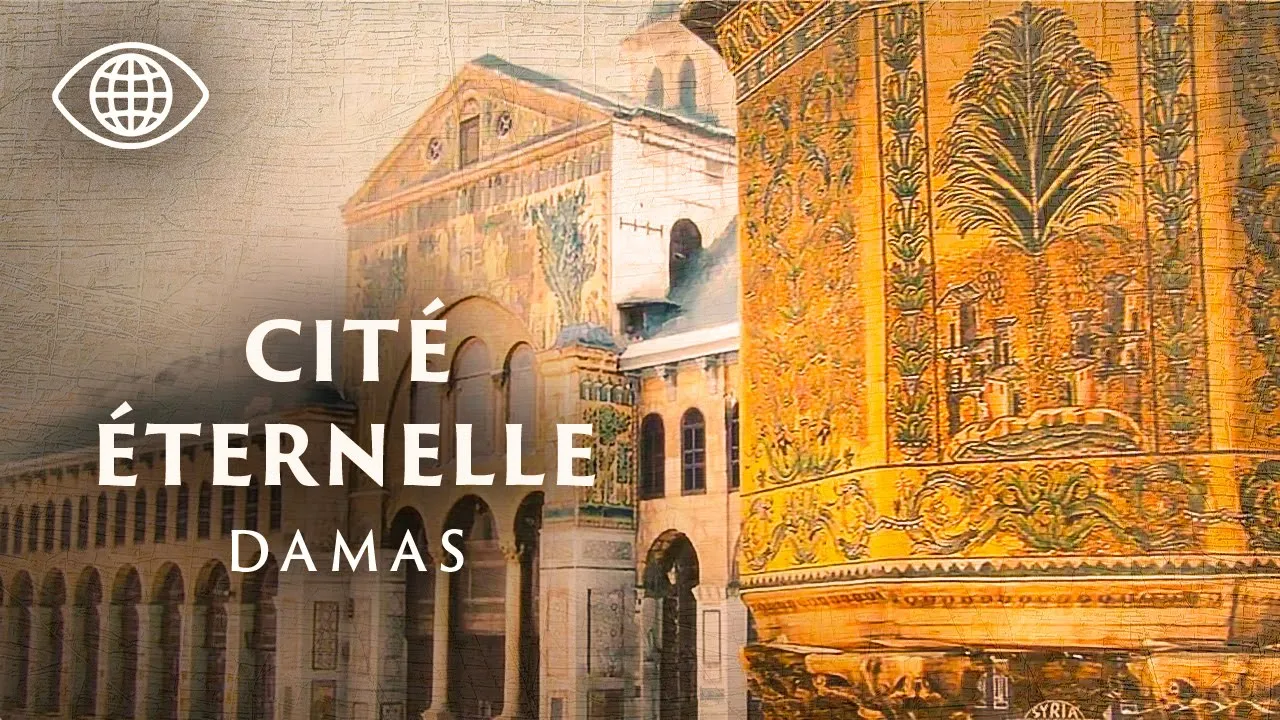
Damas à travers 4000 ans d’Histoire et de Civilisations | Documentaire Civilisations - AMP
645
The Great Mosque of the Umayyads contains within its walls the entire history of religious transformation in Damascus. It was built within the enclosure of the Roman Temple of Jupiter, which had been partially converted into a Christian church. The Roman temple itself had been constructed on an earlier Aramaean temple dedicated to the god Baal. At the end of the 9th century, the interior was converted into a Christian church dedicated to Saint John the Baptist until the Arab conquest. During a brief period, Muslims and Christians shared this sacred space, with Muslims turning right and Christians left to pray. The mosque was destroyed multiple times but restored by Damascene artisans after the last fire in 1893.
Click to watch →
Чему нас может научить темпорология? . Встреча 5. Переход от античности к Раннему средневековью.
202
The Church of John the Baptist in Damascus (6th century CE) represents the earth-air-water transition in religious history. Originally a Roman temple, it was converted to a Christian church during the Byzantine period. The church became associated with the relic of John the Baptist's head, which was brought to the site. The church was later converted to a mosque by the Muslims in 636 CE, demonstrating how religious sites can change hands and meanings across different historical periods and elemental phases.
Click to watch →

深入敘利亞千年聖地!世界第四重要清真寺藏施洗者約翰頭顱 280公斤巨型《古蘭經》震撼曝光|三立財經iNEWS
358
The Umayyad Mosque site has been a place of worship for over 3,000 years. Originally a temple to Hadis (Aramaic god of rain and thunder) until 64 BC, it became a Roman temple of Jupiter. By the 4th century, Byzantine Christians built a church dedicated to John the Baptist. When Muslims entered Damascus, they divided the site: the western side remained a church while the eastern side became a mosque. For 70 years, both faiths shared the same gate peacefully. Caliph Al-Walid I faced challenges building the mosque due to existing agreements, but through diplomatic negotiation, he secured the eastern church, enabling the mosque's construction.
Click to watch →
Deep Dive
Fundamental terminology of Islamic sacred architecture, such as the qibla wall, mihrab, minbar, minaret, and the sahn (courtyard).

Maravillas del ARTE ISLÁMICO | ARTE ANDALUSÍ
63K
Key architectural elements of Islamic mosques include: (1) The Qibla wall - oriented toward Mecca, serving as the focal point for prayer, (2) The Mihrab - a niche in the Qibla wall from which the imam leads prayer, (3) The Maqsura - a rectangular space reserved for important figures during prayer, (4) The Minbar - a pulpit used by the imam during sermons, (5) The Courtyard (Sahn) - an open space at the entrance with a fountain (ablution area) for ritual purification before entering the prayer hall, and (6) The Minaret - a tower for the call to prayer.
Click to watch →

Architecture of Islam and Persia - Arch15b Week05A
204
This segment covers two fundamental elements of Islamic architecture. The minaret is a tall, slender tower usually part of a mosque with a balcony from which the muezzin calls Muslim prayer through a melodic chant audible throughout the city. The mihrab is a niche carved into the wall inside every Islamic temple that indicates the direction toward Mecca, serving as a compass for worshippers. The lecture also introduces the semi-dome concept and explains how Ottoman architects sought to replicate or surpass Aya Sophia's achievement through these elements.
Click to watch →

Tema 58 en video (completo) - Rafael Montes
7.3K
Islamic art finds its best expression in architecture, characterized by horizontality, clear volume definition, and landscape integration. Materials are generally poor (brick, wood, masonry), with various arch types (semicircular, horseshoe, pointed, lobulated, interlaced). Muslim artists perfected barrel vaults, groin vaults, and possibly invented ribbed vaults, using semi-spherical, quarter-sphere, and caliphal domes. The mosque is the main Islamic building, not a house of God but a community gathering place, explaining its greater size. It features a central courtyard (sahn) with ablution fountain, porticoed zone, minaret for the muezzin, and prayer hall (haram) with qibla wall, mihrab (decorated niche), and minbar (pulpit). Three fundamental types exist: hypostyle hall mosque (with columns/pillars), Umayyad model (with porticoed courtyard and central dome), and four-iwan mosque (Persian origin with four vaulted halls).
Click to watch →
Islamic Architecture | History of Architecture | Asian Architecture
3K
Islamic architecture emerged from synthesizing diverse building traditions across conquered territories under unified philosophical principles. Key characteristics include absence of essential differences between religious and non-religious building techniques, abstract decorative elements using geometric patterns, calligraphy, and plant motifs, preference for uniform decoration over focal elements, and emphasis on symmetry and balance reflecting the concept of perfect creation centered on God. All structures orient toward the qibla (axis pointing toward Mecca). Essential mosque components include the courtyard (sahn), fountain (fawara) for ritual purification, mihrab (niche indicating Mecca direction), minbar (sermon platform), dikkat (porch), and minaret (tower for call to prayer). Arabesque represents elaborate repeating geometric forms symbolizing infinite divine creation.
Click to watch →
What Were The Greatest Structures Of The Dark Ages?
1.5M
Most mosques are square or rectangular in plan because they must align with the qibla wall, which indicates the direction of Mecca. The word 'qibla' means direction in Arabic. In the Prophet's house, a simple spear stuck in the ground marked the way to pray. The center of the qibla wall is marked by the mihrab, a niche that is always the most ornate part of the wall—likely inspired by the culminating niches of Byzantine churches. To the right of the mihrab stands the minbar or pulpit, based on blocks of wood the Prophet used when his growing congregation could no longer hear him speak.
Click to watch →
Deep Dive
Basic knowledge of Byzantine artistic influences, particularly in glass mosaic techniques, which heavily influenced early Islamic artisans.
Rick Steves Art of the Middle Ages
855.4K
The Byzantine Empire preserved Roman heritage through Constantinople, constructing Hagia Sophia with revolutionary dome technology. Venice absorbed Byzantine influences through Saint Mark's Basilica, learning mosaic techniques that created golden illumination. Meanwhile, Muslim Spain under Moorish rule developed sophisticated art, with Cordoba's Great Mosque featuring horseshoe arches and geometric designs. The Alhambra exemplified Islamic art principles combining engineering with calligraphy, avoiding figurative representation in favor of geometric patterns and Quranic verses repeated thousands of times as sacred visual chants.
Click to watch →

EUROPEAN ART HISTORY | Medieval ART Early Christian, Byzantine, Romanesque & Gothic Art LT Grade TGT
183
Byzantine Art was characterized by distinctive materials and techniques. Gold was used extensively to symbolize the divine, and colored glass was used in mosaics to create luminous images. The most important technique was the use of tesserae (small pieces of colored glass or stone) for mosaics. The most famous example is the mosaic in Hagia Sophia, depicting Christ Pantocrator surrounded by angels and saints. Mosaics were particularly valued because they created luminous and colorful images enhanced by natural light entering through windows. The most important examples of Byzantine mosaics can be found in churches throughout the Byzantine Empire, including Hagia Sophia, St. Mark's Basilica in Venice, and the Church of the Holy Sepulchre in Jerusalem.
Click to watch →

LaunchPad: Making Ancient and Byzantine Mosaics
225.7K
Byzantine mosaics required a sophisticated four-layer foundation system (statan, rudus, nucleus, and setting bed) made of brick, rubble, lime, and mortar, followed by meticulous planning using string, nails, compasses, and colored pigments to guide tessera placement, with artisans cutting marble and glass into precise shapes using hammers and chisels before leveling the finished surface with pumice stone.
Click to watch →

Art of Eternity - The Glory of Byzantium - BBC Documentary
317.5K
The sixth-century mosaic in the Church of St David in Thessaloniki demonstrates how strongly Greco-Roman and Hellenistic artistic traditions influenced early Byzantine Christian art. The muted blues, reds, and greens create a sculptural quality, while the artist appears to be taking the powers traditionally attributed to pagan gods and redirecting them toward the new Christian God. The subject matter comes from the Book of Revelation, specifically Ezekiel's vision of Christ surrounded by the four evangelists.
Click to watch →

История - обманщица!!! Вся правда про якобы древний собор Святой Софии в Константинополе...
61.9K
Byzantine mosaics represent a sophisticated artistic tradition that combined spiritual symbolism with technical innovation. The Deesis mosaic depicts the Virgin Mary and John the Baptist leaning toward Christ, asking for forgiveness at the Last Judgment. Artists achieved subtle color transitions using half-and-half-tone glass pieces, creating effects like Christ's blush. They deliberately created asymmetry in Christ's face to emphasize His dual divine and human nature, and designed His eyes to follow viewers as they moved around the room—a technique invented in Byzantium and later adopted by Russian masters. The mosaics were modified over centuries: saintly faces were removed, names changed, and new imagery added. A 10th-century mosaic depicting Constantine IX and Empress Zoe shows evidence of alterations: as Zoe's husbands died, their faces and names were removed and replaced with new ones, demonstrating how religious artworks were modified to reflect current circumstances.
Click to watch →
Prerequisite Knowledge
- Concept 01Historical context of the Umayyad Caliphate, including its rise, expansion, and the establishment of Damascus as its capital in the late 7th and early 8th centuries.
- Concept 02The multi-layered religious history of the site, specifically its transition from an ancient Roman Temple of Jupiter to the Christian Cathedral of St. John the Baptist before its conversion into a mosque.
- Concept 03Fundamental terminology of Islamic sacred architecture, such as the qibla wall, mihrab, minbar, minaret, and the sahn (courtyard).
- Concept 04Basic knowledge of Byzantine artistic influences, particularly in glass mosaic techniques, which heavily influenced early Islamic artisans.
Subsequent Learning
- Step 01A comparative study of other major Umayyad architectural monuments, most notably the Dome of the Rock in Jerusalem and the Great Mosque of Córdoba in Spain.
- Step 02The modern challenges, ethics, and methodologies of cultural heritage preservation and restoration in active or post-conflict zones like Syria.
- Step 03The evolutionary trajectory of mosque architecture as it transitioned from the Umayyad style to the Abbasid, Fatimid, and Ottoman imperial styles.
- Step 04The role of advanced digital technologies—such as 3D photogrammetry, virtual reality, and laser scanning—in the documentation and global democratization of archaeological sites.
Umayyad Mosque
Umayyad Mosque
0:07Playing Section
- 1
This monumental mosque in Damascus introduced a new architectural style.
- 2
Its design set foundational precedents for future mosque construction.
- 3
Digital reconstruction preserves its historical splendor for the future.
The Politics of Digital Heritage and Virtual Normalization
While 360° virtual tours offer global accessibility and aid in digital preservation, critical heritage scholars argue they can sanitize complex political realities. In conflict zones like Syria, digital preservation of prominent sites like the Umayyad Mosque can be instrumentalized by state actors to project an image of stability, secular multiculturalism, and recovery, effectively masking ongoing human rights crises and selective heritage destruction. Furthermore, critics of virtual heritage point out that digital representations risk 'digital colonialism' when curated by external entities, and fail to capture the living, spiritual, and sensory authenticity of a sacred space, reducing a communal place of worship to a static, aestheticized digital commodity.
Deep Dive
A comparative study of other major Umayyad architectural monuments, most notably the Dome of the Rock in Jerusalem and the Great Mosque of Córdoba in Spain.
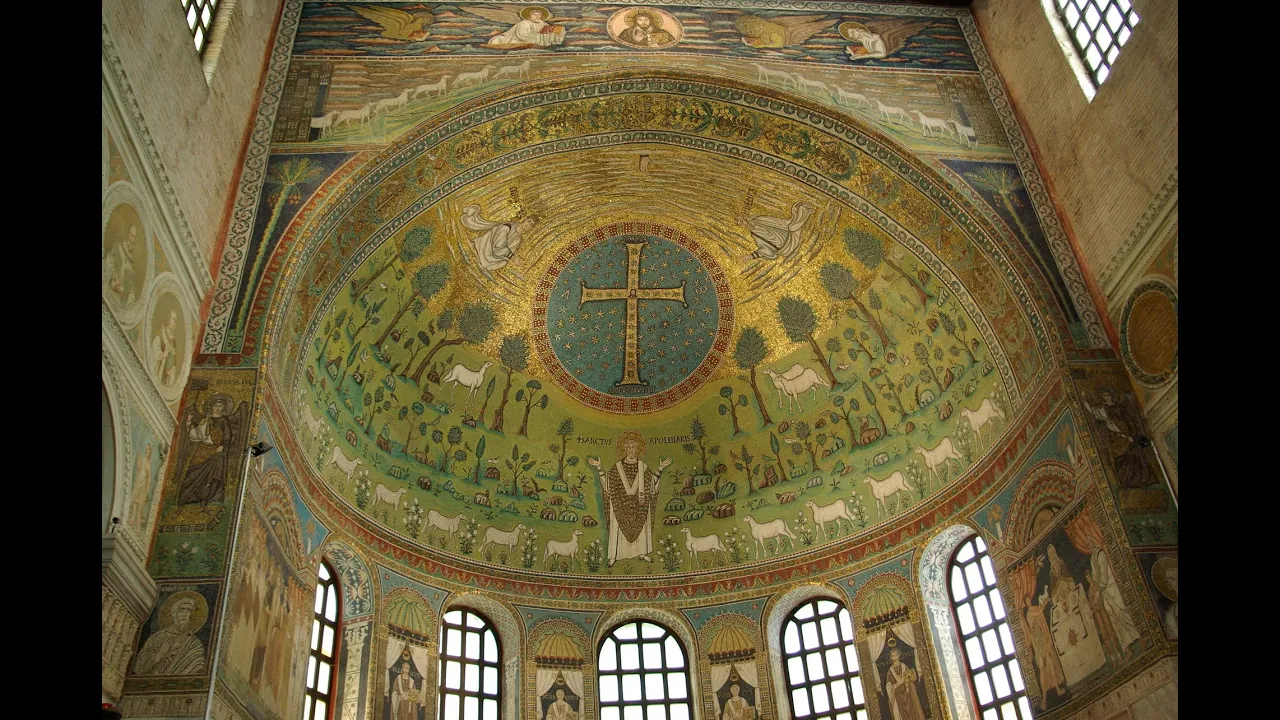
Stealing from the Saracens: How Islamic Architecture shaped Europe, Diana Darke
3K
The Dome of the Rock (690 CE) synthesized Byzantine elements while introducing innovations: octagonal plan with central dome, exterior mosaics, and two unprecedented features—the pointed arch at the arcade base and the first trifoil arches below the dome. The Damascus Umayyad Mosque combined Greek temple gables, Byzantine domes, and square minarets modeled on Byzantine church towers. For nearly a century, Christians and Muslims shared the building through opposite entrances. When Umayyad prince Abd al-Rahman escaped to Spain and founded Córdoba, he brought all Umayyad architectural traditions. The Great Mosque of Córdoba contains what engineers call the earliest ribbed vaulting—examined by Spanish engineers who found geometric perfection requiring no repair over a thousand years. Mason marks reveal overwhelmingly Muslim builders. The mosque's trifoil arches and red-and-white coloring spread northward through merchant networks.
Click to watch →

Book Launch "Stealing from the Saracens" by Diana Darke in conversation with Tanvir Hasan | LLF2021
629
When the Umayyads conquered Syria (630-750), they inherited and blended existing architectural styles rather than demolishing previous buildings. The Dome of the Rock was the first Islamic architectural statement, copying the octagonal shape of Syrian churches but placing all decoration on the outside (unlike Byzantine churches with plain exteriors). This was a political statement that Muslims were different from Christians. Inside, it contains pointed arches and trefoil arches (triple arches), innovations that would later influence Gothic architecture. The Umayyad Mosque in Damascus was shared by Muslims and Christians for nearly a hundred years, with both groups entering through the same entrance but turning in opposite directions. The mosque features green and gold mosaics by a Byzantine craftsman who absorbed the Trinity and triple window idea, while iconography shows Islamic paradise gardens. The Cordoba Mosque (now a cathedral) shows Islamic influence in Spain, with its minaret going up in registers becoming narrower toward the top—a feature adopted in European church towers.
Click to watch →

NEGARA TERKUAT DI DUNIA DALAM 10 ABAD PERTAMA!!
131.3K
The Umayyads built the Dome of the Rock in Jerusalem and the Great Mosque of Damascus, showcasing their architectural sophistication. These structures represented the fusion of Islamic religious identity with imperial grandeur.
Click to watch →

Masterpieces of Islamic Art, from the Umayyad Empire to the Ottomans • FRANCE 24 English
249.6K
The Great Mosque of Córdoba in Spain is considered the oldest Islamic structure in Europe and represents the most innovative architectural achievement of early Islamic Spain. Built by early Muslim conquerors in the 8th century, its unique style emerged from the confluence of cultures in Moorish Iberia, where Arabs, Christians, and Jews coexisted for a period of relative peace and tolerance.
Click to watch →
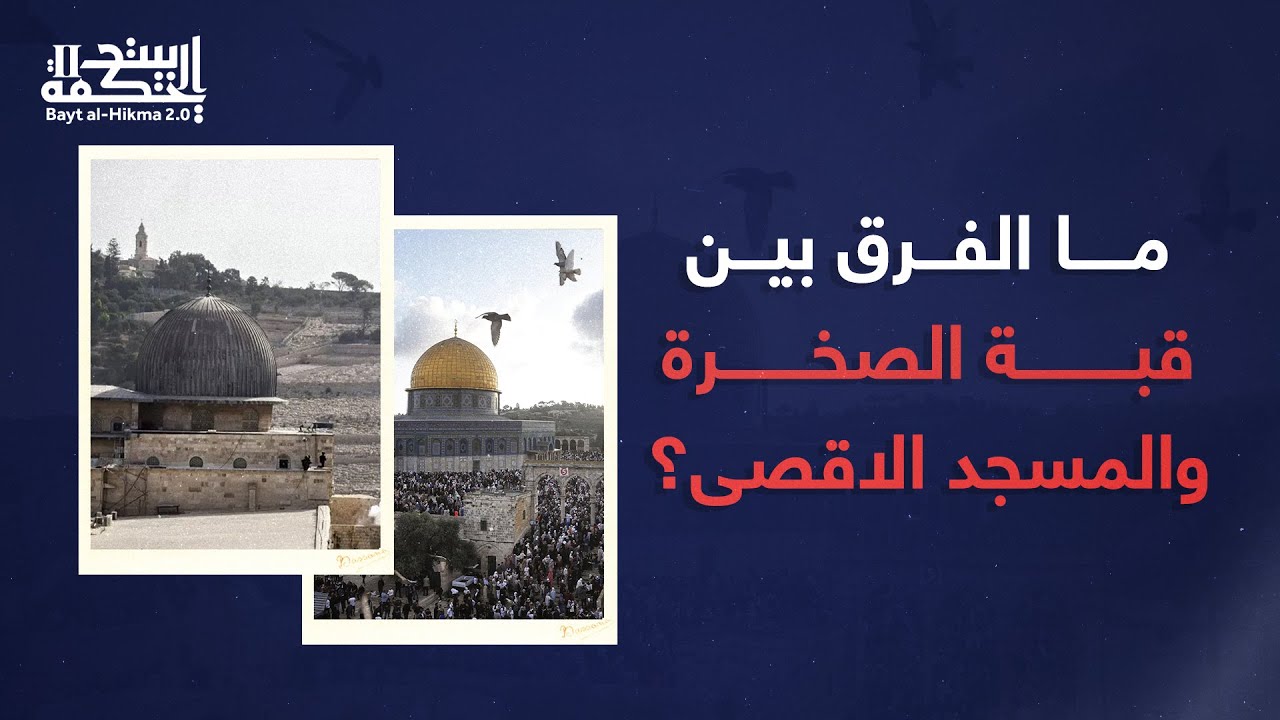
ما الفرق بين قبة الصخرة والمسجد الأقصى؟
137.4K
The Dome of the Rock is the oldest surviving Islamic architectural structure, built during the Umayyad Caliphate of Abd al-Malik ibn Marwan, while the Al-Aqsa Mosque complex encompasses approximately 200 landmarks covering 36,000 square meters on Mount Moriah in Jerusalem, including the Dome of the Rock as its most prominent feature.
Click to watch →
Deep Dive
The modern challenges, ethics, and methodologies of cultural heritage preservation and restoration in active or post-conflict zones like Syria.
Conversations on the Destruction of Cultural Heritage in Iraq and Syria
4.9K
After conflict ends, the immediate priority should be restoring living cities and addressing humanitarian needs like displacement camps, though monuments are important. Restoration cannot be rushed and must examine every stone to understand what survived. The Iraqi population strongly desires restoration since historical architecture is tied to community identity and landscape. Restoration must involve collaboration with local colleagues and students to educate future generations. M Abdul Karim, Director General of Syrian Antiquities, heroically worked to preserve what he could. Anything done must respect local wishes while ensuring responsible, collaborative restoration efforts.
Click to watch →
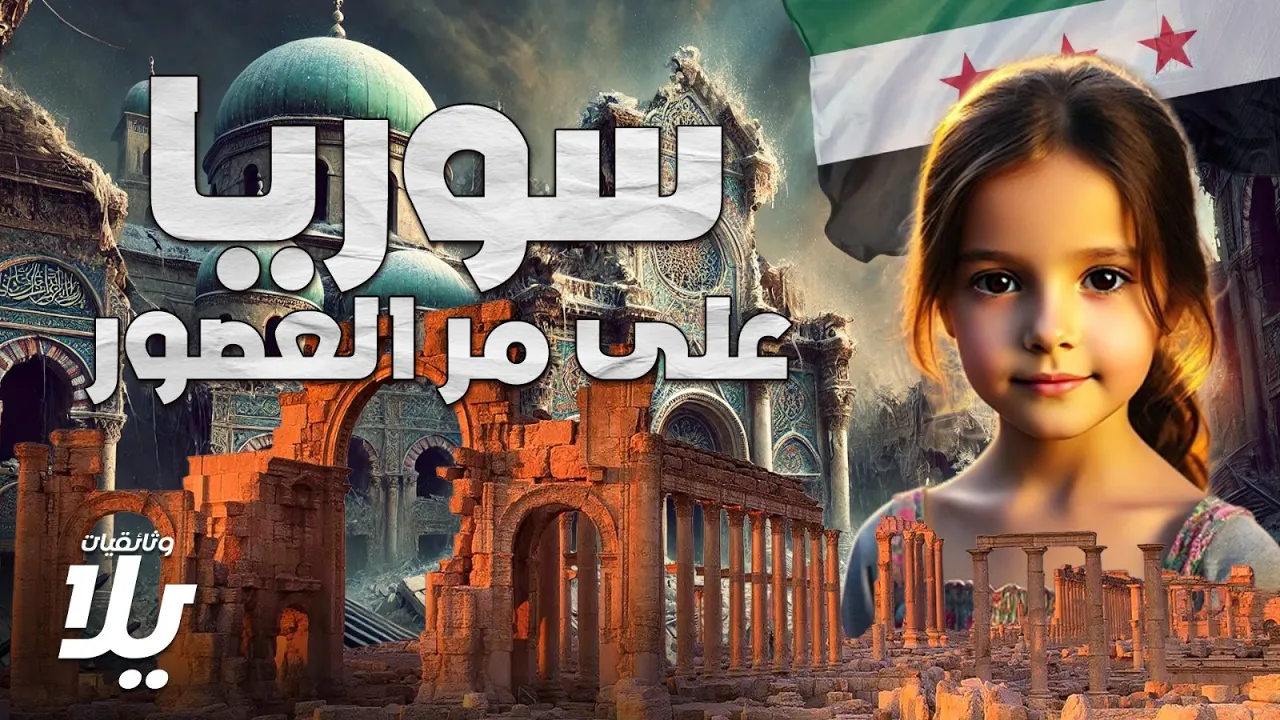
سوريا 🇸🇾.. إرث التاريخ على مر العصور - فيلم وثائقي
12.7K
Heritage restoration presents fundamental challenges that cannot be fully resolved regardless of expert skill. The video explains that restoration cannot fully restore sites to their original state, creating tension between scientific preservation (maintaining authentic materials) and tourist expectations (recreating original appearances). Syria's heritage, including sites like Palmyra, belongs to all humanity, making preservation a global responsibility. The video documents how armed groups deliberately destroyed heritage sites, representing systematic attacks on human cultural heritage that shock the global community.
Click to watch →

Webinar 8 ENG - Cultural Heritage and Recent Armed Conflicts
177
In Syria, numerous sites including those on the World Heritage List have suffered severe damage. The prestigious Medina of Aleppo was terribly damaged, with fires destroying traditional market structures. The famous Citadel was badly damaged despite its massive stone architecture. The Temple of Bel in Palmyra was completely demolished by Da'esh in 2015. In Yemen, four World Heritage Sites exist: Sana, Shibam, Zabid, and Socotra. Even World Heritage Sites like Sana have been targeted during the war. In Iraq, Mosul experienced massive destruction between 2014-2018, described as a 'ghost city' with nearly no population remaining. Restoration efforts included the Anuri Mosque (11th century), churches, and the Mosul Museum. As of April 16, 2024, UNESCO has verified damage to 485 sites in Ukraine since February 2022. In Sudan, Poland has been helping create the National Museum in Khartoum and restore Paleo-Christian paintings and frescos of Faras. In Gaza, cultural heritage is being targeted, with everything demolished including buildings, churches, mosques, and schools. Heritage professionals working in conflict zones face significant protection challenges, requiring military protection to access conflict zones. The Blue Shield was created after the war in Iraq to provide a kind of presence for monuments, but this remains an unsolved problem.
Click to watch →

Culture : Protéger le patrimoine dans les zones de conflit
204
Cultural heritage restoration in conflict zones involves complex multi-phase processes and significant challenges. The Raqqa Museum restoration demonstrates this: after partial destruction in 2013, civil society began restoration following the 2017 liberation. The process involves building restoration, collection reconstruction, and systematic inventory work with international specialists. Heritage sites serve as symbols of resilience and hope for affected communities, representing freedom and resistance against extremism. ALIPH operates across 22 countries, supporting over 100 projects including Iraq's Mosul Museum and the 6th-century St. Catherine arch in Egypt. Key challenges include persistent instability requiring security assessments, demining requirements for post-conflict sites, damaged local civil society capacity, and adapting to global crises like pandemics.
Click to watch →

Cultural Heritage in Times of War and the Present Crisis in the Middle East - Sir Derek Plumbly
1.6K
This section outlines practical approaches to protecting cultural heritage in active conflict zones and facilitating post-conflict reconstruction. Effective strategies include digitizing and recording heritage sites to preserve information; monitoring damage through satellite imagery and ground contacts with heritage professionals; providing training and support to local professionals working in conflict zones; strengthening community resilience to protect heritage within their areas; and cutting off illicit trafficking proceeds to deprive extremists of funding. The UK's Cultural Protection Fund of £30 million represents institutional commitment, while programs training local archaeologists in emergency retrieval demonstrate capacity-building approaches essential for sustainable heritage preservation. The section emphasizes that heritage restoration serves important economic functions, as demonstrated by Syria's 88.1% GDP reliance on tourism before the conflict. Beyond economics, heritage restoration facilitates social cohesion and identity reconstruction for displaced populations, contributing to broader peacebuilding objectives.
Click to watch →
Deep Dive
The evolutionary trajectory of mosque architecture as it transitioned from the Umayyad style to the Abbasid, Fatimid, and Ottoman imperial styles.
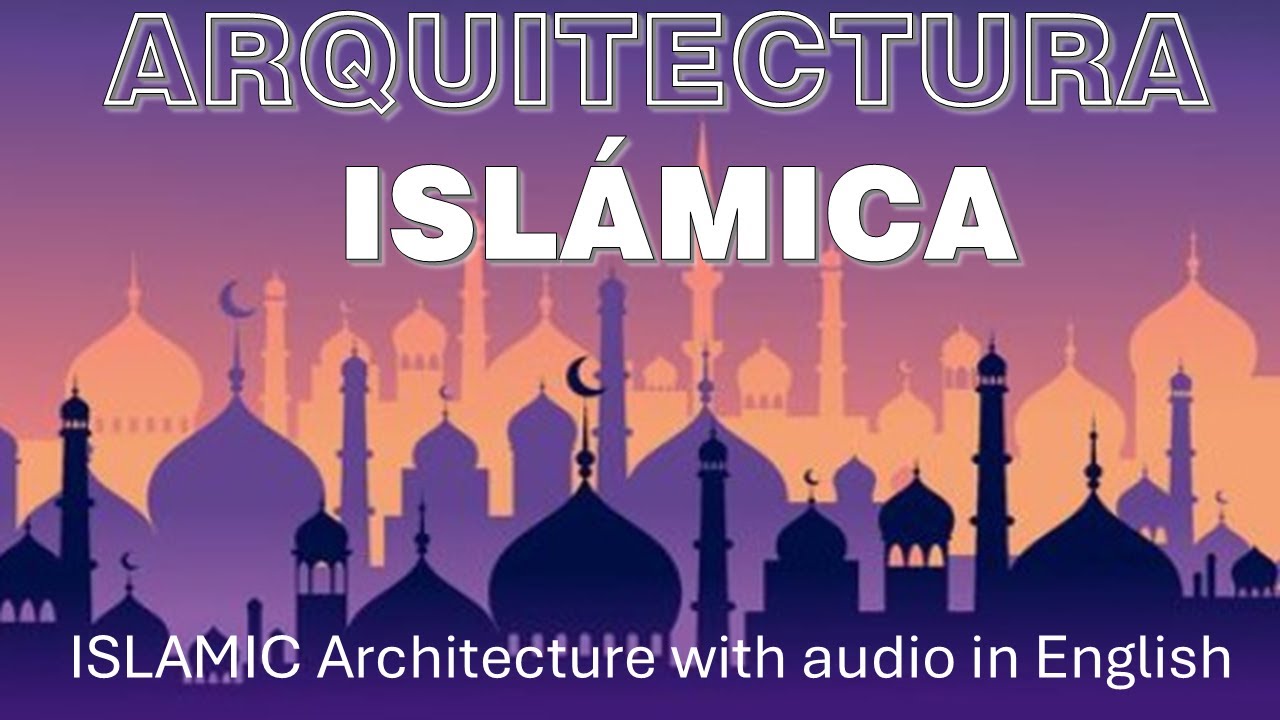
Arquitectura Islamica Características y Elementos Principales Tipologias de Mezquitas
210
Islamic mosque architecture evolved through distinct types: (1) Arab/hypostyle mosques (earliest, Umayyad/Abbasid dynasties) - square/rectangular plans with courtyards and covered walkways, numerous columns supporting flat roofs (e.g., Mosque of Cordoba with ~850 columns); (2) Central domed mosques (Ottoman innovation, 15th century) - large central dome over prayer hall with smaller domes elsewhere, influenced by Byzantine architecture (e.g., Suleiman Mosque); (3) Four-iwan mosques (11th century emergence) - four vaulted iwans opening onto central courtyard, developed from pre-Islamic Persian architecture (e.g., Great Mosque of Isfahan). Each type reflects adaptation to climate, materials, and cultural influences.
Click to watch →
Tema 58 en video (completo) - Rafael Montes
7.3K
The Umayyad period (661-750) created an empire from India to the Iberian Peninsula, with artistic forms impregnated with Byzantine influences. The Dome of the Rock (680-692 AD) in Jerusalem is the oldest standing Islamic building, unique in Islamic art, relating to Byzantine central-plan octagonal temples with four porticos symbolizing the sanctuary as world center. The Umayyad Mosque of Damascus (635 AD) inaugurated the hypostyle hall mosque type. The Abbasids (750-1258) transformed Islam from exclusively Arab to a Muslim empire, prioritizing brick and adobe over stone and marble. They planned Baghdad (762 AD) with circular universalist layout and Samarra with its T-shaped plan and helical minaret recalling Babylonian ziggurats. The Desert Castles (7th century) served as caliphal residences, with Qaysariyeh in Jordan featuring figurative representations of defeated monarchs.
Click to watch →
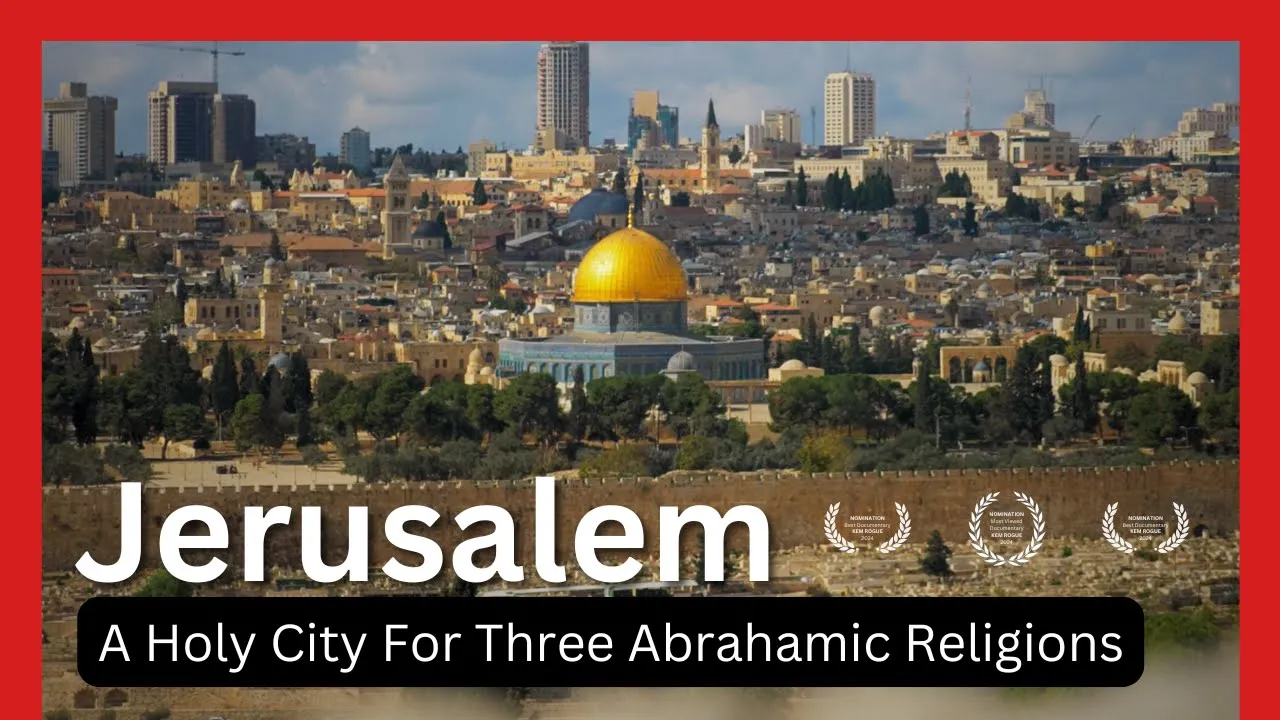
JERUSALEM - A Holy City For Three Abrahamic Religions | Documentary
2.8M
Al-Aqsa Mosque (al-Haram al-Sharif) is Islam's third holiest site after Mecca and Medina, hosting Al-Aqsa Mosque and the Dome of the Rock. According to Islamic tradition, Prophet Muhammad traveled on Buraq from Mecca to al-Aqsa, joined other prophets in prayer, then ascended to heaven—a journey through seven heavens where he received the five daily prayers. The compound covers one-sixth of Jerusalem's Old City with over 200 historical monuments. Al-Aqsa Mosque, originally built by Caliph Omar on wooden supports, underwent renovations under Umayyad, Abbasid, Fatimid, and Ottoman rules. It features seven naves, marble columns, and Quranic mosaics. The Dome of the Rock, oldest surviving Islamic architecture, has an octagonal design with vibrant ceramic tiles, intricate mosaics, and a central Foundation Stone sacred to all three Abrahamic faiths.
Click to watch →
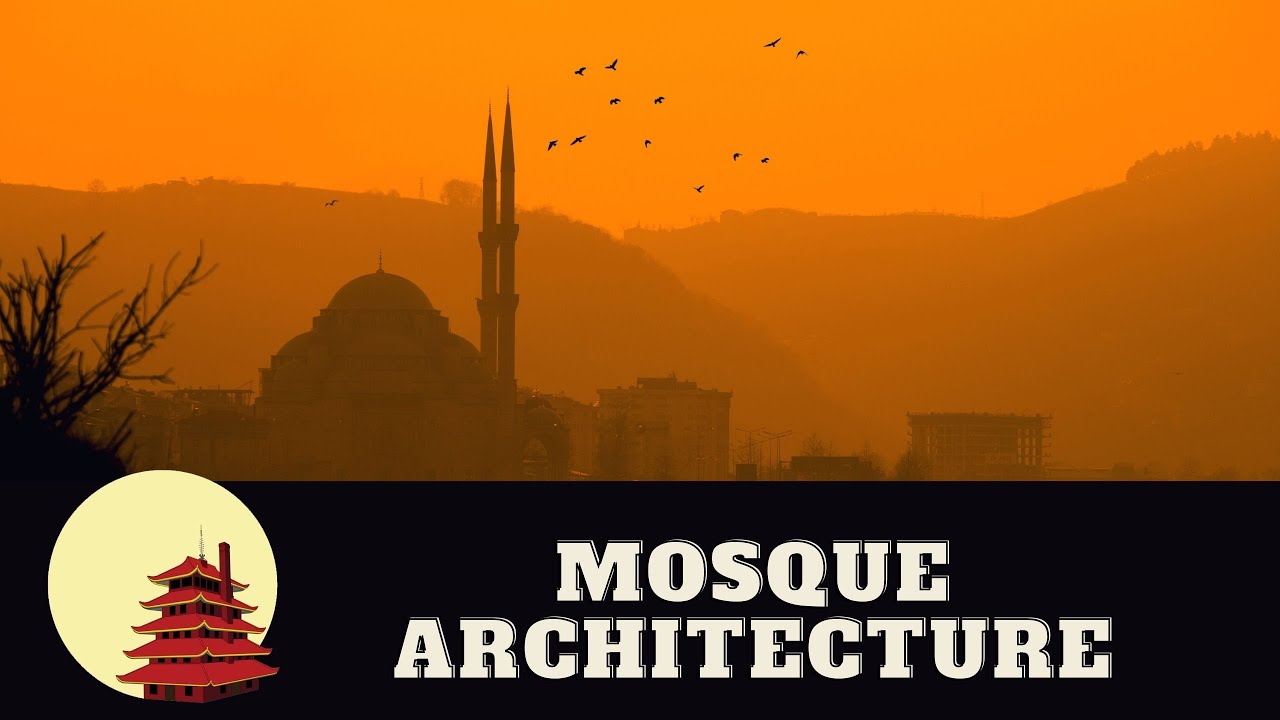
Mosque Architecture
755
Islamic civilization was never monolithic but comprised diverse groups with distinct cultural and religious identities. The Umayyads ruled from Damascus before being overthrown by the Abbasids, with one prince fleeing to Spain to establish a 400-year dynasty. The Ottomans rose in Anatolia around 1300, conquering Constantinople in 1453 and absorbing Byzantine styles. The Safavids, a Shia Turkic group from Turkmenistan, settled in Iran and became cultural rivals to the Sunni Ottomans. Each dynasty developed distinct architectural styles: Umayyads favored hypostyle halls with horseshoe arches, Ottomans emphasized domes and minarets, and Safavids created lyrical, finely detailed structures. Arabic script, particularly Kufic, served as primary decoration in sacred spaces where figural art was forbidden.
Click to watch →

Ottomans, Mughals & Moors - The Great Muslim Empires | Empire Builders | Free Documentary History
63.6K
The Dome of the Rock in Jerusalem, built by Caliph Abdul al-Malik after Muslim conquest, is the oldest Islamic shrine and a triumph of religious expression. It is a perfect octagon reaching 40 meters high with distinctive blue Armenian mosaics added by Ottoman Sultan Suleiman. The Umayyad Mosque in Damascus, built on the site of a Roman temple and Christian basilica, set the standard for mosque architecture with its imperial grandeur combining Roman capitals and Byzantine mosaics. Both structures represent the evolution of Islamic architecture from humble beginnings to monumental expressions of imperial power.
Click to watch →
Deep Dive
The role of advanced digital technologies—such as 3D photogrammetry, virtual reality, and laser scanning—in the documentation and global democratization of archaeological sites.

João Ribeiro e Patrícia Machado – A Fotogrametria Digital
1K
Digital photogrammetry is a technique that generates three-dimensional models from photographs using specialized software, enabling the virtual reconstruction, documentation, and interpretation of archaeological sites and artifacts. This technology serves as a powerful tool for democratizing heritage by making archaeological evidence accessible to the general public, allowing researchers to test interpretations, document sites during excavations, reconstruct ancient structures, and even create facial reconstructions of historical individuals. The technique bridges the gap between traditional archaeology and modern virtual archaeology, facilitating both scientific analysis and public engagement with cultural heritage.
Click to watch →

Arqueólogo João Rosa, mostra Sítios Arqueológicos, Encontrados na Barragem Porcos - Parte 02 🌵
969
Modern archaeology employs 3D scanning and photogrammetry for documentation and analysis. 3D scanning uses infrared light to capture detailed models, allowing rotation and measurement without physical handling. Photogrammetry creates 3D models from multiple photographs using standard cameras, making it more accessible and cost-effective. Both technologies enable researchers to share digital models globally, facilitating collaborative research and public engagement. The resulting models allow virtual examination of artifacts and sites, democratizing access to archaeological discoveries and preserving information for future study.
Click to watch →
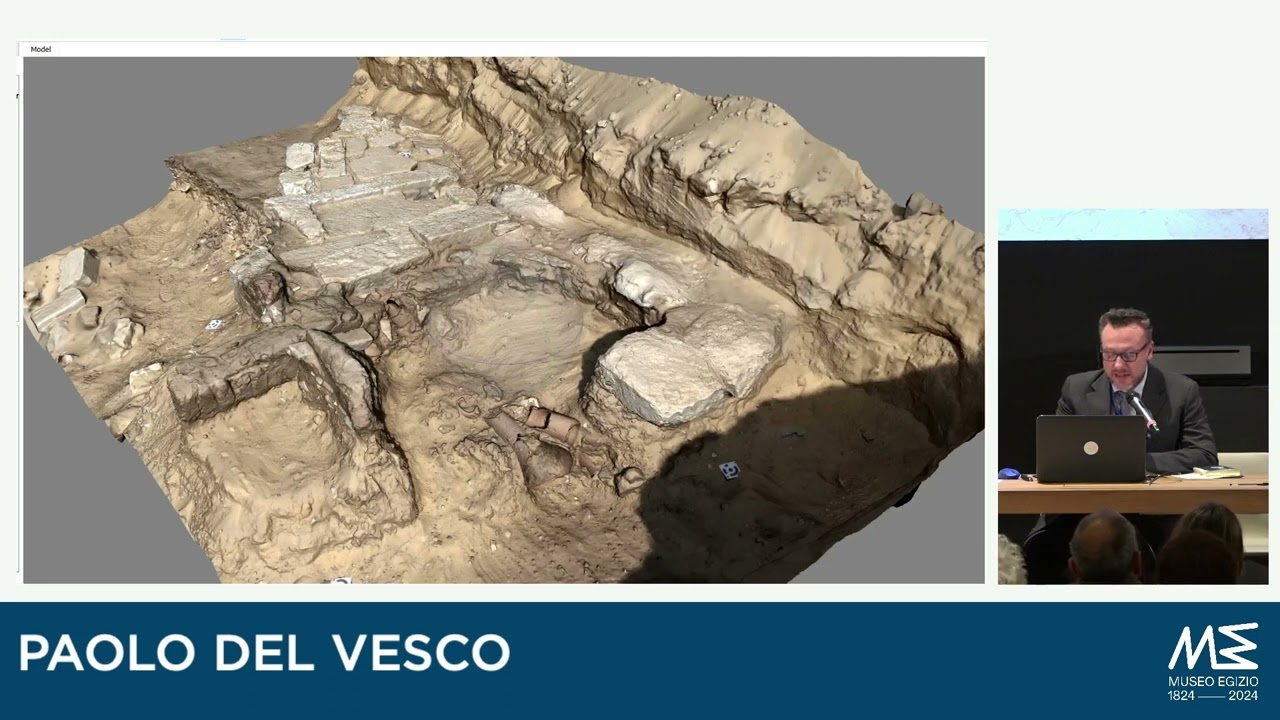
Egyptian Archaeology at the Laptop’s Edge.Intangible contexts in archaeological and museum practices
219
Archaeology has always been keen to adopt new methods, tools, and technologies for documentation, more readily than borrowing theoretical approaches from cognate disciplines. The first experiments with information technology began in the late 1950s, when computers were used for statistical analysis on artifacts, followed by spreadsheets, databases, digital cameras, GIS technologies, total stations, and laser scanners. Digital photogrammetry has proven extremely valuable due to a good balance between accuracy and affordability compared to laser scanners. This 3D documentation is the most efficient way to record archaeological contexts, involving photos from different angles and marker measurements with total stations. After processing, archaeologists obtain photo-realistic models allowing them to revisit on-site situations, view structures from any angle, take measurements forgotten during excavation, and produce zenal views without aerial photos.
Click to watch →

Bears Ears National Monument Digital Documentation & Virtual Tours: Whitney Peterson & Jared Lundell
1.3K
Modern archaeological documentation combines LIDAR scanning and photogrammetry to create highly accurate 3D models. LIDAR uses lasers to measure distances with millimeter precision, while photogrammetry provides texture and color data through overlapping photographs. Collecting comprehensive documentation requires extensive fieldwork—Mule Canyon Village documentation involved 1,590 aerial photos, 1,000+ ground photos, and 69 lidar scans, totaling over 4,000 images and 100+ scans. This data creates detailed 3D models that serve as canvases for virtual tours, allowing users to explore sites freely and engage with contextual information at various points of interest.
Click to watch →

Recreating Heritage Sites with Unreal Engine & Houdini | Inside Unreal
20.5K
Combining photogrammetry and laser scanning creates optimal heritage documentation: (1) Laser Scanning - provides superior geometric accuracy for main structural areas using direct line-of-sight measurement; (2) Photogrammetry - delivers superior color information for surfaces that cannot be directly scanned (vegetation, occluded areas); (3) Software Integration - requires sophisticated tools capable of merging different data types; (4) Field Execution - depends on ideal weather conditions, accessibility, and timing before sites deteriorate further.
Click to watch →
Umayyad Mosque
Umayyad Mosque
0:07- 1
This monumental mosque in Damascus introduced a new architectural style.
- 2
Its design set foundational precedents for future mosque construction.
- 3
Digital reconstruction preserves its historical splendor for the future.
The Politics of Digital Heritage and Virtual Normalization
While 360° virtual tours offer global accessibility and aid in digital preservation, critical heritage scholars argue they can sanitize complex political realities. In conflict zones like Syria, digital preservation of prominent sites like the Umayyad Mosque can be instrumentalized by state actors to project an image of stability, secular multiculturalism, and recovery, effectively masking ongoing human rights crises and selective heritage destruction. Furthermore, critics of virtual heritage point out that digital representations risk 'digital colonialism' when curated by external entities, and fail to capture the living, spiritual, and sensory authenticity of a sacred space, reducing a communal place of worship to a static, aestheticized digital commodity.
Historical context of the Umayyad Caliphate, including its rise, expansion, and the establishment of Damascus as its capital in the late 7th and early 8th centuries.
The multi-layered religious history of the site, specifically its transition from an ancient Roman Temple of Jupiter to the Christian Cathedral of St. John the Baptist before its conversion into a mosque.
Fundamental terminology of Islamic sacred architecture, such as the qibla wall, mihrab, minbar, minaret, and the sahn (courtyard).
Basic knowledge of Byzantine artistic influences, particularly in glass mosaic techniques, which heavily influenced early Islamic artisans.
A comparative study of other major Umayyad architectural monuments, most notably the Dome of the Rock in Jerusalem and the Great Mosque of Córdoba in Spain.
The modern challenges, ethics, and methodologies of cultural heritage preservation and restoration in active or post-conflict zones like Syria.
The evolutionary trajectory of mosque architecture as it transitioned from the Umayyad style to the Abbasid, Fatimid, and Ottoman imperial styles.
The role of advanced digital technologies—such as 3D photogrammetry, virtual reality, and laser scanning—in the documentation and global democratization of archaeological sites.
148.4K views1.1Klikes2:00@GrandPalaisRmnOriginal Release: 2018-04-13
the umayyad mosque located in the old town of Damascus is one of the largest and oldest mosques in the world Islamic troops conquered Syria in the seventh century AD sometime later al-waleed IBN abdul al malik commanded that this monumental mosque be constructed on a site that had been occupied by a religious edifice since 805 BC the mosque was the result of a series of important innovations and laid the foundations of a new architectural style it was the first mosque in the history of Islam to present such refinement over such a large area although these innovations are to an extent based on ancient Syrian models the Islamic influence improved significantly upon them the Dome of the Treasury is a small octagonal construction on eight ancient Corinthian columns the building housed the mosques most valuable items kept above ground level for security reasons like the facade of the prayer hall the construction is decorated with extremely rich mosaics dating from the 13th or 14th century AD since 2011 the ravages of the Syrian conflict have threatened the ancient city of Damascus which is now registered on UNESCO s list of world heritage in danger thanks to the work of historians and the invaluable assistance provided by digital technology we can reconstruct the splendor of the mosque for future generations you
Up Next
51:50
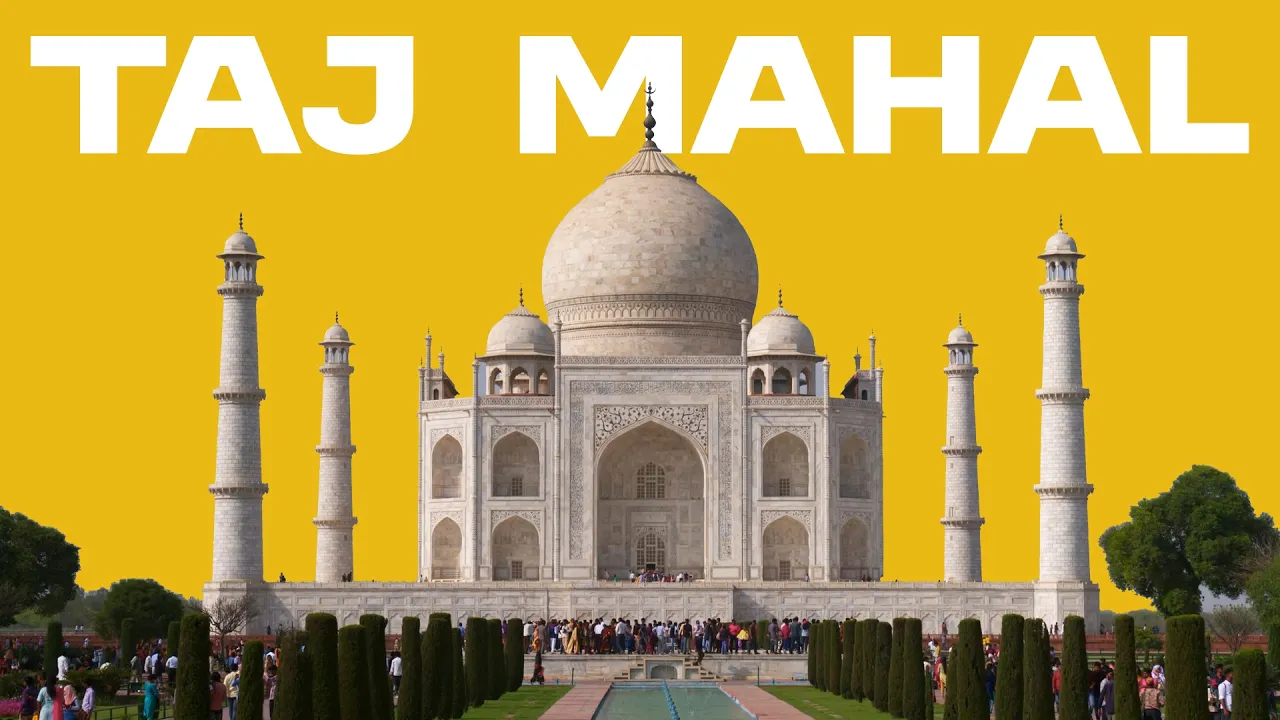
Taj Mahal: Engineering and Construction Secrets of the Mughal Masterpiece
@hazardsandcatastrophes
204.3K views•2024-06-23

33:02
The Great Schism of 1054: Causes and Consequences
@SacredCathedrals
113.5K views•2026-02-19

91:57
The Geopolitics of the Ukraine War and the Rise of Global Autocracy
@JordanHarbingerShow
468K views•2025-04-19

17:05
Understanding the Cold War: Superpower Conflicts and the Road to Détente
@OverSimplified
46.1M views•2019-01-24
Related Study Plans & Knowledge Roadmaps
Structured learning paths in History
history
Byzantine Iconoclasm: Theology, Art & Politics
01Foundations of Byzantium and Early Christian Images
02The First Iconoclasm: Leo III and the Crisis of Images
03Empress Irene, Nicaea II, and the Second Iconoclasm
+ 2 more learning modules
9h5 modules
Explore Roadmap
history
Iranian Revolution (Causes, Events & Legacy)
01The Pahlavi Dynasty and the Roots of Discontent
02The Spark of Rebellion and the Rise of Khomeini
031979: The Fall of the Shah and the Climax of the Revolution
+ 2 more learning modules
8h5 modules
Explore Roadmap
history
Mali Empire: Mansa Musa, Trade & Timbuktu
01Foundations of the Mali Empire
02The Trans-Saharan Gold and Salt Trade
03The Reign and Pilgrimage of Mansa Musa
+ 1 more learning modules
6h4 modules
Explore Roadmap
history
1947 Partition: Politics, Borders & Legacies
01Foundations of British India and the Divide
02The Political Negotiations and the Mountbatten Plan
03Drawing the Boundary: The Radcliffe Line
+ 2 more learning modules
8h5 modules
Explore Roadmap