








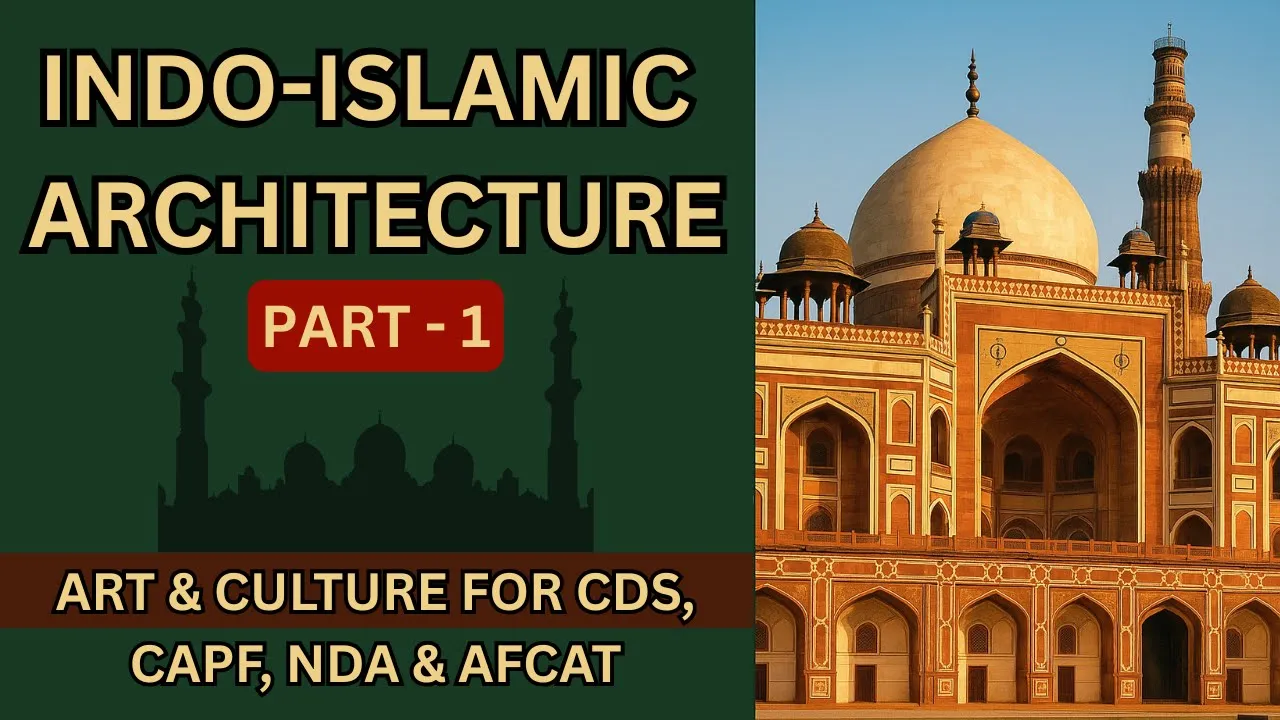









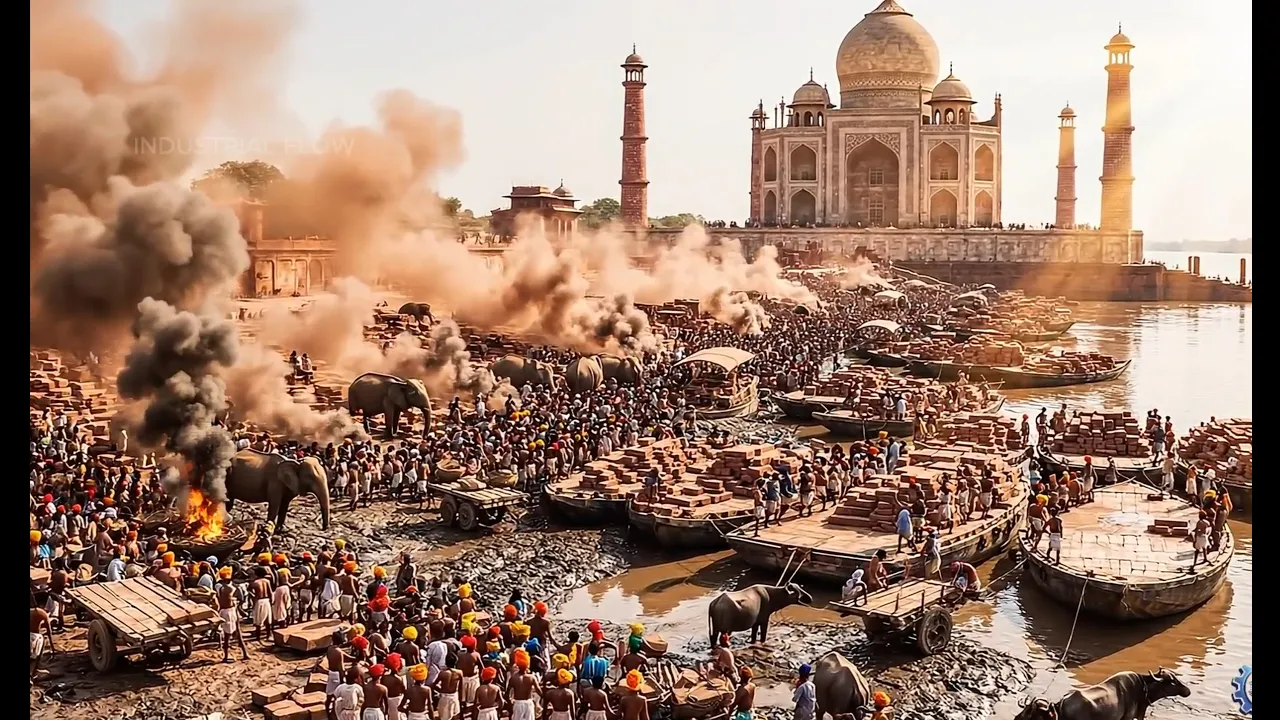







The Taj Mahal's remarkable construction in just 20 years was achieved through innovative engineering techniques including a brick framework skeleton beneath the marble exterior, double dome construction for structural efficiency, and sophisticated foundation systems using brick wells and waterproof mortar made from natural materials like lime, sugar, and plant seeds, allowing builders to construct this massive monument on unstable riverbank terrain.
Taj Mahal: Engineering and Construction Secrets of the Mughal Masterpiece
Added:Historical context of the Mughal Empire in India, specifically the reign of Emperor Shah Jahan and the cultural motivations behind monumental tombs.
Fundamental principles of Islamic and Indo-Islamic architecture, including design elements such as domes, minarets, symmetry, and geometric patterns.
Basic structural engineering concepts, such as load-bearing distribution, the physics of arches, and foundation stability near water bodies.
An understanding of 17th-century construction materials, particularly the extraction and physical properties of white Makrana marble and red sandstone.
Advanced geotechnical engineering challenges and modern solutions for preserving massive stone structures built on shifting river basins.
The application of mathematics and geometry in monumental design, specifically the use of optical illusions and forced perspective in historical architecture.
Comparative analysis of Mughal architectural engineering with contemporary global movements, such as European Baroque or Ottoman architecture.
Modern heritage conservation science, focusing on the chemical restoration of historic marble and the impact of environmental pollution on ancient monuments.
204.3K views2Klikes51:50Original Release: 2024-06-23
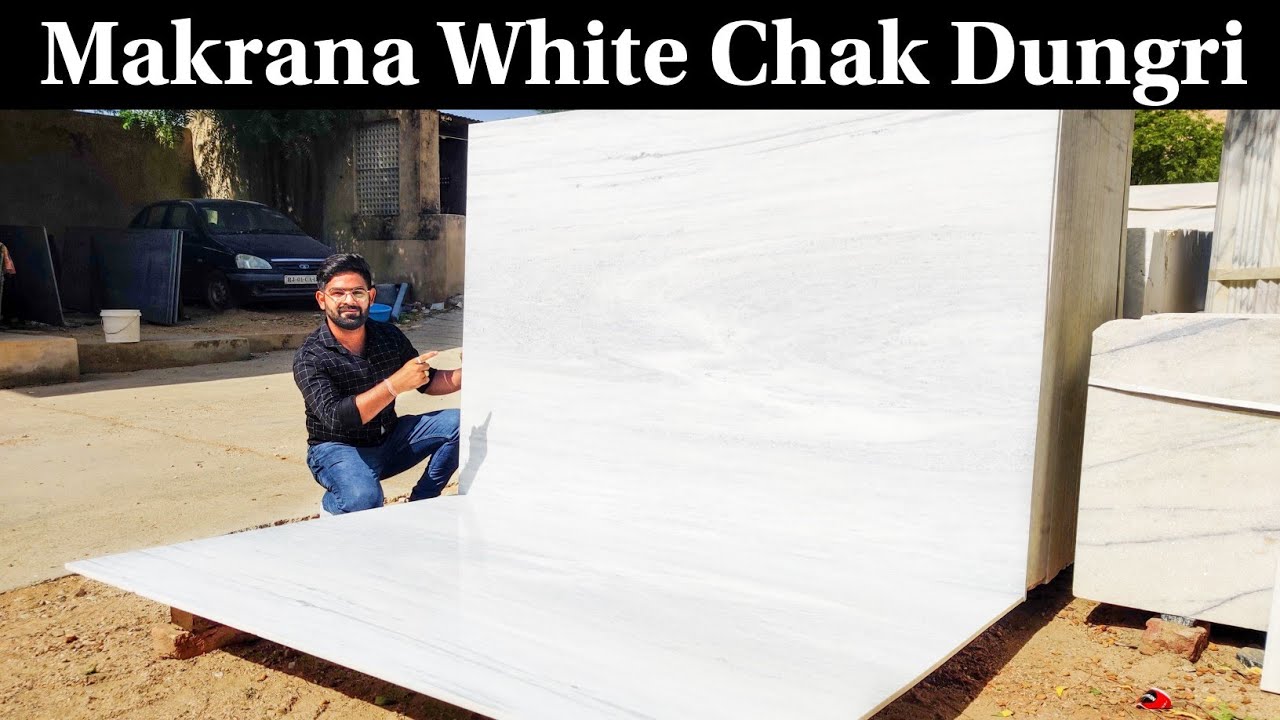
Documentary In the north of India, in the city of Agra, stands the Taj Mahal, a monumental mausoleum of white marble built almost 400 years ago on the banks of the sacred Yamuna River. I don't think a building like this will ever be created again. The dome of this mythical building towers 73 meters, marking the heart of a vast architectural complex stretching 177,000 square meters. It's absolutely grand in scale. So the Taj can really be seen from the moon or from two centimeters away, and it's perfect. The Taj Mahal is a symbol of perfection. The Mughal emperor Shah Jahan ordered it built in the 17th century as a monument of love, in memory of his wife Mumtaz Mahal. Today it is one of the ten most visited monuments in the world with nearly 7 million visitors each year. The extraordinary mausoleum took builders just 18 years to complete and is considered one of the seven wonders of the modern world. It is a masterpiece of architecture and I think it was built as a masterpiece. But it's also one of the most mysterious with many secrets still to be revealed. What most people don't realize is that it is not a building built in marble. By scanning the mausoleum from the satellite scale to the molecular scale, engineers can explore this monumental structure as never before. We can reach magnification levels of 15,000 to 50,000. The enormity of scale from the micro to the macro, from the minuscule to the urban, is really something that makes the Taj absolutely unique. New aerial imagery exposes the genius of the architects and the secrets of its incredible layout. The Taj Mahal looks perfect, but in fact it's imperfect, a little bit like the Parthenon in Athens. It gives visitors the impression of perfection when it's not. How did builders complete this colossal construction in under 20 years, when it took creators of the Notre Dame Cathedral more than a century? People do not realize that such a complex piece of construction can be executed in a short time. What construction techniques, invisible to the naked eye, are hidden deep within the structure? I have the mortar sample that I'll insert into the scanning electron microscope in order to identify the minerals that are present in the mortar. How did builders manage to construct a monument of this magnitude on the unstable banks of a river, even though the mausoleum alone weighs 25,000 tons. The building managed to survive all kinds of floods, earthquakes, and heavy rains. History, science, engineering, exposed as never before, the Taj Mahal finally reveals reveals itself on every scale. The Taj Mahal was built nearly 400 years ago at the heart of the city of Agra, the former capital of the Mughal Empire. The marble mausoleum is octagonal in shape, stretching 58 meters on each side and soaring 73 meters tall, sitting on a base almost 100 meters long. Taj Mahal, in many ways, is hyperreal. While we are in this reality, we are experiencing something that is completely out of this world. I don't think a building like this will ever be created again. Today, the Taj Mahal is listed as a World Heritage Site. It is a masterpiece of architecture, and I think it was built as a masterpiece. I love this building because it transports me into a different realm and again to realize that such a complex piece of construction can be executed in a short time. How did builders complete the construction of one of the greatest architectural complexes in the Indian world in just 18 years? When visitors discover the Taj Mahal, they're impressed by the grandeur of the monument and its richness, with all the materials that are used in its construction, the marble in particular. But that's actually just a shell, an envelope. What most people don't realize about the Taj Mahal is that it is not a building built in marble. Clues to expose the secrets of its rapid construction can be found in New Delhi, 200 kilometers north of Agra, at another mausoleum, the Tomb of Rahim. Many archaeologists consider this monument to be the little brother of the Taj Mahal. It was built 50 years earlier. Over time, the monument has been plundered, stripped of its most precious materials. It offers scientists a unique opportunity to explore construction techniques that builders of the Taj Mahal also used. Examining the structure at a macroscopic scale shows the original marble casing conceals other materials. It does help understanding how the Taj Mahal is built because the white marble blocks, huge blocks of white marble that make the dome of Taj Mahal is built, because the white marble blocks, huge blocks of white marble that make the dome of Taj Mahal are really resting on brick masonry and stone masonry below. A 3D reconstruction reveals how the dome of the Taj Mahal was built. Historically, this is how the Taj Mahal and all of these monuments were built, where imported expensive stone such as marble and red sandstone was only the top 8 to 10 inches. And the interior was built of local stone, random rubble masonry. So how did this building technique speed up construction? The speed of the construction of the Taj Mahal can be explained by the materials utilized by the many builders who worked on this site. About 20,000 workers, according to the chronicles of the time. Scientists think that the use of brick as a framework offered builders a major advantage. Brick is also a material that's made locally, so you have complete control over it right from its conception, as opposed to sandstone, where you might have to quarry a lot before you get the perfect bits. And most importantly, brick can be manufactured a lot more locally than sandstone or marble, which has to be brought in from a large distance away. or marble, which has to be brought in from a large distance away. Brick manufacture doesn't require complex logistics. Today, very close to the Taj Mahal, the principles of production are almost identical. The clay, design techniques, and firing are all similar to those used by 17th century builders. First, we dig the earth. then we add salt and water. To make the bricks we put sand in the mold, then we put clay in the mold, and then the brick starts to come out. The bricks are dried in the sun, before being stacked in a circular kiln dug into the ground, an oven that runs nonstop. It's filled up in sequence. Every day, 40,000 bricks are put into the kiln. 40,000 bricks are fired, and 40,000 bricks are taken out. While workers stack new bricks, others remove the fired bricks so that production never stops. Look at the technique. The spacing is made so that when the coal is put in, it reaches directly to the ground below. The heat rises and bakes all the bricks. A 3D reconstruction exposes how the brick factory functions. It's a perpetual circle, which allows workers to fire thousands of bricks continuously. The central chimney evacuates fumes from the base, accelerating and regulating the process of cooking. This is a vent for the chimney. It's closed now. It's a tunnel to the chimney. There are a total of 20 tunnels in a circle here. All of them lead to the chimney. The bricks will be fired for almost a week, with a peak temperature reaching almost 1,000 degrees. A factory of this size produces 1.2 million bricks per month. Bricks were thinner at the time of the emperor Shah Jahan. Factories were created on site according to need. Using clay from the banks of the Yamuna River, the proximity and ease of production helps explain the speed of building at the Taj Mahal. Constructing in brick allows you to build much bigger buildings than if you did just with stone. It allows you greater control over the shape of the building. By using bricks, builders could create taller structures rapidly. Thanks to the latest technology, scientists can strip the Taj Mahal of its cladding and expose its true form, a skeleton made of brick. The Taj Mahal's dome hides a secret, too. From the outside, it appears to be a single dome measuring 18 meters in diameter and 73 meters tall. Looking at the Taj, most people do not realize that the big central dome is actually a double dome. Building two domes on top of each other allowed architects to build faster and more efficiently. The marble cladding on the outside obscures the true double structure hidden inside. For the Taj Mahal, we have two domes that were built. It's an effect which the architect wanted. So it gives this impression to the visitor when they enter the Taj Mahal. An impression of grandeur with the first big dome and inside, a smaller one. The ceiling of the interior dome is just 35 meters high, while the exterior dome towers 38 meters above. The genius of the architects was to engineer a light structure made with brick that could be built quickly, a giant framework hidden by white marble cladding. To manage all these works is something phenomenal. It's really an industrial project in a pre-industrial age. The craftsmanship is of the highest order. This indeed is a royal commission and of the richest empire in the world at that time. The use of bricks for the Taj Mahal explains the speed of construction. The internal skeleton can be exposed with the latest technology by stripping lining to show how far ahead of their time engineers were and how they made the building of this monumental structure so efficient. The Taj Mahal is an architectural masterpiece, built 400 years ago on the outskirts of the former capital of the Mughal Empire, Agra, on the banks of the sacred Yamuna River, a funerary mausoleum built by the emperor Shah Jahan in memory of his late wife, Mumtaz Mahal. But why did the emperor choose to build the mausoleum on this site, on soft ground that would make the construction more challenging? Examining the site on the satellite scale reveals the secret of its location. MB Rajani is an archaeologist who analyzes geospatial data. MIMI RAJANI, Geospatial data is a large umbrella under which satellite imagery, GIS tools and techniques, GPS. I use satellite imagery and the associated technologies to study archaeological landscape. The study of satellite data alongside field observations reveals that the Taj Mahal is surrounded by several dozen structures spread along the Yamuna River. We use satellite imagery to understand what the layout is like. And sometimes these layouts remain as what we call crop mark, which means in the vegetation patterns. Or sometimes in road patterns, we see these patterns. So using these, we could identify all these 50 riverfront gardens, which form the center of the Shahjani Agra. These structures are the remains of ancient pleasure gardens. In the 17th century, the city of Agra was the capital of the Mughal Empire, which dominated India. The elites of the empire built huge gardens along this river. 3D imagery exposes the extent of these structures at the time. These riverfront gardens, that was the core of the Shahjahan's layout of Agra. So all these were square or rectangular patches of land. It was for either the royal family or the nobility. Pleasure gardens in these prime locations were a mark of power that only the most influential families could afford. And the gardens of the Taj Mahal were amongst the most beautiful. Examining the Taj Mahal and its gardens by satellite reveals the incredible precision of their positioning. So Taj Mahal's location was very important because he laid it out very interestingly. If you look at the layout of Taj Mahal, you draw an axis. It goes straight north-south. None of the other gardens are aligned that way. So I think that location was very carefully chosen by Shahjahan. Aligning the monument and its gardens, according to the cardinal points, ensure the prominence of the Taj Mahal alongside other gardens. But why did the architects choose to build alongside a meandering river, limiting the view of the mausoleum? To solve this mystery, we must examine the monument from the river. We are fairly sure that the Taj would have been enjoyed from the riverside and also from within the river, from boats. So if you're coming from north and you're coming down this very interesting loop, Taj Mahal reveals itself. You know, it's almost like a secret coming. So I think that was also a very well-planned location to show the magnificence, even if you are approaching by boat. The Taj Mahal is part of a series of gardens reserved for the elite of the country at the time of Shah Jahan. One of them in particular intrigues researchers and is the subject of legend. Analyzing satellite images exposes an enclosure of the same size as the Taj Mahal, located directly opposite on the other side of the river. What intrigues researchers is that this structure has exactly the same proportions as the enclosure of the Taj Mahal. There is a myth that a similar building was meant to be constructed on the other bank of the river in black marble. Legend has it that the emperor planned to build his own mausoleum in front of the Taj Mahal. But researchers refute this idea. There is no evidence of this black Taj. And also there is not much evidence, I think, in the remains over there that it was any time planned. With no scientific evidence to support the existence of a black Taj Mahal, what is the function of the enclosure? Now, thanks to geospatial data, archaeologists have a new interpretation. We know that there is a garden bang opposite the Taj Mahal. And the Taj certainly was meant to be enjoyed from across the river visually. across the river visually. This is Mehtaab Bagh, which is right on the north side of Taj. As you can see, Taj is there, and we are on this side, and we have the river in between. So it's right on the opposite of Taj. And the layout of Mehtaab Bagh is a mirror image of Taj's layout. Archaeologists have found traces of a platform that might have formed the base of a pleasure pavilion. So I think it's one of the best views from here of the Taj Mahal. And no wonder Shahjahan wanted to experience it for himself, and he had this Mehtaap Bagh made as a pavilion to view this beautiful monument from. Archaeologists think the enclosure opposite the Taj Mahal was an integral part of the monument's layout, exposing the vision of the architects. The recent revelations have allowed a complete reassessment of the site. But how exactly did this architectural ensemble appear at the time? To answer this question, experts study the most recent aerial images and build their ideas on a particular theory. At the time of the emperor, monuments and constructions were based on symmetry. Even ancillary buildings that you see in the taj complex are built absolutely symmetrically the gardens are laid out in symmetrical ways and a central flowing stream of water becomes the axis along which this symmetry is divided symmetry is a very known idea and very prominent in islamic architecture in general and of course in Mughal architecture. So you will see most of Taj Mahal has symmetry everywhere. Examining the Taj Mahal today exposes an obvious symmetry when seen from the front. It is placed centrally between two monuments, a mosque and a pavilion for guests, identical constructions. But examining the site on a satellite scale reveals that the mausoleum itself is placed on one end rather than centrally. Taj Mahal layout itself is laid out in a rectangle. And if you draw an axis line, it is mirror imaging on either side. But what is important is the central line is north-south, true north to true south aligned. And also Taj Mahal is placed at the top end, north end of the layout. Why is the Taj Mahal not in the center of this complex when the architects of the time based everything on balance? Is this a mistake or an aesthetic choice? New technology, such as the analysis of satellite images, makes it possible to reinterpret the layout of the monument and reveal clues about what the site, obscuring any remnants of the past. A location where people continue to live gets built over, gets reused and redone. But seeing a satellite image, we are able to see the larger layout. So my work can show what has been the evolution of how the landscape has been used from the time it was initially built till now. So if you look at a satellite image, the area south of the main entrance of Taj Mahal also has a pattern, a square pattern, which is of the same measurement as one of the sections of Taj Mahal also has a pattern, a square pattern, which is of the same measurement as one of the sections of Taj Mahal garden. You see that wall? I think that's part of the old wall of the Sarai. This monumental structure, identical in size to the other enclosures surrounding the Taj Mahal, could be a caravan Sarai, a place of welcome for travelers, in the form of a large courtyard that could house merchants, pilgrims, and their animals. These buildings, which can be reconstructed in 3-D, were therefore an integral part of the Taj Mahal complex at the time of its construction. Over time, because this has been lived in, and people have built over it, sort of, the old structures must have deteriorated and built over it. The analysis of the satellite images is corroborated by observations on the ground, like this gateway in the heart of the old city of Agra. This gateway is very typical of Mughal gateways, and what you have is a height that can allow an elephant with a rider to pass through. There's a terrace up there. Can we take a look? OK. This gateway in the heart of the old city could be directly linked to the Taj Mahal. This is the Dakhani Darwaza. The name comes from the direction word for south, and the Dakhani Darwaza faces south. And it's right on axis with the Taj Mahal. And so it's very clear that this would be the first gate that you would pass through in procession to get to the Taj Mahal. And this is the first of the many spaces you encounter as you come to the actual marble monument itself. The architectural complex that surrounds the mausoleum was much larger than today. New technology has allowed investigators to re-evaluate the positioning of the Taj Mahal. has allowed investigators to reevaluate the positioning of the Taj Mahal. If the complex is enlarged by an enclosure to the south, it makes experts reconsider what lies to the north, the gardens known as the mettebag and the sacred Yamuna River itself. So when we see satellite image of this area, we can clearly see the Taj complex itself, where the monument is in the center and the mosque and the Mahmoud Khan on the other side, the garden laid out in the square with its axial paths, and on the south of it is the layout of the entrance complex. By using satellite imagery, we see that the symmetry is there in larger scale and larger layout as well. This re-evaluation of the site gives the sacred Yamuna River a major role as a natural feature in which the mausoleum is reflected, a stroke of genius from the architects of the Taj Mahal. And so one must not limit the Taj Mahal to being a site that is only on this bank of the river. But think of it again as a much larger urban area in which this is the centerpiece, but the rest of the gardens on both banks of the river are to be considered part of the same Taj Mahal complex. The whole site is not complete unless we appreciate what the site stands for and not just a single building on a pedestal. Thanks to new investigation techniques, researchers can determine that the architectural complex of the Taj Mahal was nearly three times larger than today, exposing the talents of builders who place this mausoleum in the center of a monumental architectural complex of 475,000 square meters, the equivalent of 66 soccer fields. In the heart of India rises the Taj Mahal, a monumental mausoleum whose dome soars 73 meters high, overlooking the sacred Yamuna River. How could a monument of this size be built on the shifting banks of one of the largest rivers in India? Building the Taj Mahal was incredibly difficult because of the terrain in which it is located. The builders had two major challenges to take into account when constructing the Taj Mahal. The first was the weight of the building. Since the ground supporting it There are two major challenges to take into account when constructing the Taj Mahal. The first was the weight of the building, since the ground supporting it had to withstand about 25 tons of pressure per square meter, which is enormous. Then its location next to the Amuna river, which is known to have strong sedimentation resulting in extensive erosion. Scientists have analyzed the subsoil of the Taj Mahal and discovered a mixture of clay and silty deposits, extremely loose particles unsuitable for supporting a 25,000-ton monument. You cannot build a building like this on soft soil unless you have very firm foundations. You have to create some kind of solid base. So how is the monumental structure of the Taj Mahal supported? The foundations are inaccessible to investigators, buried several meters deep under the building. But clues can be found by examining soils by georadar and analyzing materials with a scanning electron microscope. Scientists want to understand how builders manage to construct the monument at this site. We want to obtain accurate maps of what we would be likely to find during archaeological excavations, but without having to dig. The geophysical investigations allow us to see elements at depth and produce a detailed map of the subsoil. Scientists have used GEO-Radar to discover a layer of hard soil, located at about 19 meters in depth. A sandstone layer several meters thick on which the foundations of the mausoleum rest. But how did the Mughal architects create foundations strong enough to support a 25,000 ton structure? To understand, investigators examine the banks of the Yamuna River a few kilometers south of the site. Pushkar Sahoni is a specialist in Indo-Islamic architecture. What appear to be wells are actually the piles that hold up this retaining wall against the massive river of the Yamuna. And piles like this were made inside the riverbed. Here is an example of this kind of pile. What you have here, I'm standing in the center of a masonry well that is completely filled in with rubble and mortar. And this creates a pile inside the sandy banks of the river. And so it can support a big weight, not just of me, but a million of me, which would maybe make up the weight of the Taj Mahal. 3D reconstructions exposed the principle of the foundation well. Engineers designed brick wells, stretching all the way to the harder ground below. They dug directly into the clay soils, searching for the hard ground to create a footing. Then they inserted a vertical wooden piling and filled in around it with material. Stonemasons used mortar to waterproof the tanks. But how did they produce a waterproof mortar when artificial cement would not be invented until two centuries later? The lime used in traditional mortars of the time wasn't enough to make it waterproof. The mortar used for the construction of the Taj Mahal is a lime mortar. But for the construction of the wells, they used a mortar that allowed a better resistance to water and erosion. They added elements that made the mortar impermeable. So what is the secret of this water-resistant mortar? Now studying the mortar at a microscopic scale exposes clues. So here I have the mortar sample, in powder form, that I will insert into the scanning electron microscope in order to identify all the minerals that are present in the mortar. The electron microscope bombards the material that will be studied with electrons. First, the mortar is placed in a vacuum chamber. It's like going on a spacewalk. Astronauts can't be sent directly into space. They have to go through a decompression chamber. As the electrons transmit through the sample, a very high resolution image of the material surface structure is revealed. So here we start to see the mortar and the minerals it's made of. We can achieve a magnification of between 10,000 and 50,000, compared to optical microscopes, which reach a magnification of just 1,500. The microscopic study reveals that this mortar is not only made of minerals. We can see that the mortar is also made up of small grains, whose appearance is reminiscent of the morphology of plants. And probably it's actually seeds. It's quite surprising to find plant debris in mortar. Several types of plants have been identified. I also isolated black particles. It's hard to tell if they are mineral or plant species. But they could be spices, like pepper, for example. By analyzing the composition of the mortar under the microscope, scientists have discovered the presence of many natural materials. Sugar, spices, chickpea flour, a local fruit, and tree resin. Investigators have shown that the ingredients have highly impermeable properties. This analysis of the mortar, coupled with the analysis and mapping of the geophysical surveys, allows us to establish a more precise plan of the foundations. A 3D model exposes the scale of the Taj Mahal's foundations. Hundreds of shafts support the phenomenal weight of the monument across nearly 35,000 square meters. So what you have in effect is something that almost looks like a bed of nails turned upside down on which the building is built. Of course, the nails we are talking of are nails that are large and also very deep. The shafts are connected to each other by brick arches, which distribute the weight. A 3D image of the foundations exposes the talent of the Taj Mahal's engineers, who built a solid and efficient structure that would survive the centuries. As we can see, the building has stood the test of time completely. It has managed to survive all kinds of floods, earthquakes, and heavy rains. Today, however, scientists are alarmed by the Yamuna River's decreasing water level. Records of drought and heat taken each year suggest a looming threat to the structure of the Taj Mahal's foundations. A key element of each foundation shaft is the wood that runs through them, wood that survived until today, because the foundations were submerged by river water, creating an oxygen-free environment. The fact that the wood is dry when it has been wet for hundreds of years will create instabilities to the supports of the platform and therefore the monument itself. This will create fragility. So there's a regular monitoring of these foundation shafts. Despite the environmental risks, the Taj Mahal remains one of the most stable monuments in the Indo-Islamic world thanks to revolutionary construction techniques. The Taj Mahal represents an amalgamation of construction techniques which do not only come from India. They are also imported from Central Asia, from the Iranian world. These are notably used in the construction of military works, forts and also dams. The foundations of the mausoleum are inspired by military architecture and civil engineering and are intended to be indestructible. They represent the most successful construction techniques of Asia at the time of the Emperor Shah Jahan. The Taj Mahal was built by the Emperor Shah Jahan 400 years ago, after the death of his wife. Today it's a symbol of beauty. Millions of visitors come every year to admire this icon of perfection. But what is the secret to its appearance? This architectural masterpiece shines because of the marble that covers the monument. The magic of the Taj Mahal lies in its changing color. Gray, blue, pink, white, orange. You have marble. It has grain that is slightly gray and black. And it lends itself to very pleasing, changing surfaces. It interacts with the atmosphere. It interacts with the weather and looks different in different kinds of light in different seasons. This transforming color palette is due to the specific marble chosen by architects to cover the Taj Mahal. It's a unique stone. Examining samples under the microscope reveals that it's composed of dolomite, a mineral more resistant than limestone, but with other similar properties, especially its exceptional capacity to reflect the light. This marble comes from the Makrana mines, 400 kilometers from the Taj Mahal. Examining the area on a satellite scale exposes deep gashes that pierce the ground surface. At the foot of the Aravali mountain range, there are more than 400 quarries that still extract Makrana marble. The mine is spread over 20 kilometers. Now we have reached 90 meters deep. It will never run out. There will always be marble. There have been surveys up to 300 meters deep. There will always be marble. There have been surveys up to 300 meters deep. This rock was formed nearly 400 million years ago by a rise in temperature and pressure deep within the earth. Impurities in the minerals create its unique color and its marbling, features which make Makrana marble unique. This marble came out of the mine and weighs five tons. It will be brought to the factory by truck, and then it will be cut. When the Taj Mahal was built, Makrana marble from these mines was cut into slabs by stonemasons before being transported to the building site. The brilliance of the stone would become the defining feature of the monument. However, a few years ago, scientists realized that the marble was losing its shine and becoming yellow. There was an enormous problem with deposits of several hundred years that had accumulated on the marble. And these had to be removed because they were giving the Taj Mahal a permanent yellow tinge. So how do you restore the splendor and shine of marble? Engineers in charge of cleaning the monument found a solution that was inspired by ancient techniques, avoiding the irreversible damage caused by many modern chemical substances. And this was done using a variety of treatments, mostly reversible and natural treatments, such as using Multani Mitti or Fuehler's Earth as a poultice on the surfaces, which would absorb all the contaminants. This cleaning technique sometimes appears to be more like a beauty treatment than a maintenance procedure. The cleaning processes that have been used on the Taj have involved Multani Mitti, which is used commonly as a face pack. And the same is happening with the Taj, where Multani Mitti has been used to cover the face of this beautiful maiden, and then it's been removed to make it glow again, timelessly. The secret of this technique's success can be revealed by modern science. Examining the mixture on a molecular scale exposes a bentonite clay called Multani-Miti. This volcanic clay is composed of potassium, sodium, calcium, and aluminum, molecules with the property of absorbing toxins from the rock to restore its purity. Ground to a powder and spread on the marble, it becomes a perfect beauty mask for the iconic Taj Mahal. Unfortunately, this marble also looks different in different kinds of pollution. And so a number of air polluting industries around the area were shut down in the previous few decades. To mitigate the risks of pollution, the Indian authorities have excluded all polluting industries in a 10,400 square kilometer area around the Taj Mahal, and banned motor vehicles in a four kilometer square radius around the monument. Today, the Taj Mahal shines as if it's new, impressing the millions of visitors who come to marvel at its perfection each year. impressing the millions of visitors who come to marvel at its perfection each year. But does the Taj Mahal really achieve true perfection? And how can perfection be evaluated? The monument appears to be perfectly balanced and symmetrical. It stretches 60 meters on each side and its dome towers 73 meters high. The Taj Dome is a central attraction. When you see the monument, the dome is so huge and so beautiful, it almost looks like a balloon that is going to lift the rest of the monument up. To the naked eye, the dome appears to be perfectly proportioned. It was a colleague of mine who said the dome is not a symmetry. I found it very strange to believe this. So in order to check that, we took the center of the drum and the center of the finial, and we drew a central line. And we took equidistant intervals, and we measured the right side and measured the left. So here, the drum is equal, but as you see, one side of the curve bulges more than the left side of the curve. So the largest bulge is about 62 centimeters. The 62 centimeter difference between the two curves of the dome is a notable difference in terms of construction, even if it's not obvious visually. It's a three-dimensional object, between the two curves of the dome is a notable difference in terms of construction, even if it's not obvious visually. It's a three-dimensional object, so it has this onion-shaped exterior, and the interior is hollow. So it's not easy to have a plumb line in the center from which you can measure when you're building. So I don't think it was an intentional asymmetry. I think it is a complexity of a three dimension. And there are other anomalies identified by archaeologists. Using modern measurement techniques, such as photogrammetry and laser measurements, investigators discovered that the Taj Mahal has symmetry defects in other symbolic areas of the building such as the minarets. It's been a bit as you can see that's likely to did out word. I don't think it is a imperfection or a mistake I think it that is a deliberate kind of tilt because in case there was a way and the minute had to fall off if it was straight it was quite likely it would fall on the monument and damage the monument. So I wouldn't call it imperfect, but it is a part of the design. For some archaeologists, these are not mistakes, but deliberate decisions by architects, whether for structural reasons in the case of the minarets or for geometric reasons to trick the eye. It's a perspective to give visitors an impression of geometry and perfection, even when it's not the case. From the start, we have a construction with elements deliberately misdirected to give the viewer that sense of geometric perfection. Even the imperfections of the Taj Mahal, whether intentional or not, serve the splendor of the monument and reveal the harmony that its architects aimed for. If you say perfection is by precise measurement, then you can find flaws. So I think perfection in itself has both subjective and objective connotations. So however it is, I think it's a very beautiful and breathtaking monument, no doubt, whether you call it perfect or imperfect. The magnificence of the Taj Mahal goes beyond its incredible symmetry and gigantic proportions. The walls of the facade and the interior of the mausoleum are decorated with thousands of floral patterns. But how could the monument's builders have created such intricate and colorful detail in marble, a particularly hard rock? Analyzing the patterns in detail reveals that they are formed from stones inlaid into marble. It's a technique still used today by the descendants of the craftsmen who worked on the Taj Mahal 400 years ago. worked on the Taj Mahal 400 years ago. We're currently placing the mortar to inlay the gemstones. The technique is called pietra dura, the inlay of precious stones. Here, they cut the stones. The design of the flower is made here. Some of the colorful gems used in the Taj Mahal aren't found in India. A recent study by the Gemological Institute of America has discovered the exact provenance of each of the stones in the Taj Mahal, revealing that the stones were sourced from all over the world. The Taj Mahal was planned as one of the symbolic monuments of the empire of Shah Jahan, and that was reinforced by using precious stones sourced from all over the empire. So there are garnets that come directly from India, lapis lazuli from Afghanistan, carnelian from outside the empire from the Iranian and Iraqi world. Other stones came from even further away. Emeralds mined in the Americas arrived by boat. Amber from Europe was transported over land. Diamonds came from Africa. Lapis lazuli from Iran. Stones from far beyond the Mughal Empire. The fact that the Mughal Empire was an agricultural and also military power allowed the development of a whole network of roads throughout the empire. And these roads also served to supply materials to the great capitals of this period under Shah Jahan. By choosing precious stones from all over the planet, builders wanted to symbolically place the Taj Mahal at the center of the world. Researchers today are still impressed by the sheer magnitude of the detailed stonework carried out at the Taj Mahal. The use of these different materials, these precious stones, is exceptional for this period, because we don't usually find that same richness, the use of all these precious stones in a single monument. The inlay of the Taj is exquisite because while it is something that has to be done precisely on a small scale, it covers entire surfaces. And just sourcing these stones of different colors from various places in the empire and indeed across the world itself was an extraordinary feat. The quality of stonework required exceptional craftsmanship and skill, another sign that this monumental mausoleum was as much a show of power for the emperor Shah Jahan as the creation of a masterpiece close to perfection. The emperor and his architects had created one of the most beautiful monuments in the Mughal Empire, but their project was even more ambitious. The designers of the Taj Mahal wanted to reproduce paradise on Earth. The layout of various courtyards that led to the mausoleum itself played a role. The successive spaces, from the caravanserai to the mausoleum, corresponded to a spiritual path. This is the courtyard just in front of the actual innermost enclosure garden of the Taj Mahal. And so one has to think of the Taj Mahal as a series of movements. Just like you have in a musical composition where you might build up. You go on till you come to the crescendo. And this is the last place where the building will be slowly revealed to you. And as you approach this doorway, you will slowly see parts of it emerge. And so it's like a teaser. And once you get to that entrance, suddenly it really comes up upon you. A symbolic passage from the terrestrial world to the celestial. Inside the final enclosure, satellite images upon you. A symbolic passage from the terrestrial world to the celestial. Inside the final enclosure, satellite images reveal that the garden is divided by four water channels. The Holy Quran repeatedly promises the faithful gardens beneath which rivers flow as their final resting space. So paradise is really defined by the four rivers of paradise, but that is most evident at the Taj Mahal, where the water flowing represents the four rivers of paradise. The mausoleum itself is an octagon, a significant choice. The Holy Quran talks about the eight gateways of paradise, and the central tomb chamber at the Taj Mahal is surrounded by eight chambers, which represent the Hasht Bheesh, or the eight gateways of paradise. The dome and the minarets represent the ascent of souls to heaven. Even the imperfections found here demonstrate the desire to represent paradise on earth. They believe that only God can be perfect. Human beings are not perfect. And very often, they do induce a small element of imperfection to keep up to that work. The Taj Mahal is an icon of beauty. Its stunning symmetry, exquisite detail, and gleaming finish make this monument unique. I think the Taj Mahal is an incredible building that has caught the people's imagination for almost 400 years. New technology has allowed scientists to carry out a complete reassessment of the Taj Mahal and its grounds. Studying its foundations reveal that the builders used techniques from civil and military engineering in their quest to make the building as resistant as possible. The Taj Mahal's location has been re-evaluated using new satellite images, exposing that the monument was once at the center of a complex much larger than today. that the monument was once at the center of a complex much larger than today. The search for perfection has been found in all aspects of construction, from the detail of the floral decoration to the search for perfect symmetry. Not only is it absolutely grand in scale, but it is also perfect in symmetry. So the Taj can really be seen from the moon or from two centimeters away, and it's perfect. The latest revelations reinforce the Taj Mahal's status as a mausoleum with no equal. Thanks to the latest technology, the Taj Mahal is exposed as much more than a simple mausoleum built for love. The ambition to reproduce paradise on Earth symbolizes the power of Shah Jahan, and the skill of its construction ensures the Taj Mahal still shines centuries later.
Up Next

14:26
How Printing Transformed Western Civilization
@depthhistory
954 views•2024-12-04

33:02
The Great Schism of 1054: Causes and Consequences
@SacredCathedrals
113.5K views•2026-02-19

91:57
The Geopolitics of the Ukraine War and the Rise of Global Autocracy
@JordanHarbingerShow
468K views•2025-04-19

17:05
Understanding the Cold War: Superpower Conflicts and the Road to Détente
@OverSimplified
46.1M views•2019-01-24
Related Study Plans & Knowledge Roadmaps
Structured learning paths in History
history
Byzantine Iconoclasm: Theology, Art & Politics
01Foundations of Byzantium and Early Christian Images
02The First Iconoclasm: Leo III and the Crisis of Images
03Empress Irene, Nicaea II, and the Second Iconoclasm
+ 2 more learning modules
9h5 modules
Explore Roadmap
history
Iranian Revolution (Causes, Events & Legacy)
01The Pahlavi Dynasty and the Roots of Discontent
02The Spark of Rebellion and the Rise of Khomeini
031979: The Fall of the Shah and the Climax of the Revolution
+ 2 more learning modules
8h5 modules
Explore Roadmap
history
Mali Empire: Mansa Musa, Trade & Timbuktu
01Foundations of the Mali Empire
02The Trans-Saharan Gold and Salt Trade
03The Reign and Pilgrimage of Mansa Musa
+ 1 more learning modules
6h4 modules
Explore Roadmap
history
1947 Partition: Politics, Borders & Legacies
01Foundations of British India and the Divide
02The Political Negotiations and the Mountbatten Plan
03Drawing the Boundary: The Radcliffe Line
+ 2 more learning modules
8h5 modules
Explore Roadmap