








![역대급 폭염에 온열질환자 속출.. 충남도 대책은? / KBS 뉴스7 대전 세종 충남 [집중인터뷰] - 07월 09일 (수)](https://i.ytimg.com/vi/UibmVZ2-Mww/maxresdefault.jpg)





Urban heat islands disproportionately affect BIPOC communities due to historical housing policies like redlining, which concentrated environmental burdens in marginalized neighborhoods; addressing this requires community-centered approaches that combine green infrastructure, equitable policy interventions, and sustained investment in climate resilience for historically disinvested areas.
Urban Heat Islands and Environmental Justice: A Panel Discussion
Added:Understanding the Urban Heat Island (UHI) effect, including how impervious surfaces like asphalt and concrete retain heat compared to natural landscapes.
The core concepts of Environmental Justice, specifically how marginalized communities historically bear a disproportionate burden of environmental hazards.
An introductory awareness of systemic urban policies, such as historical redlining, and how they have influenced modern neighborhood infrastructure and vegetation distribution.
Basic knowledge of climate change and how global temperature increases amplify local weather extremes, particularly urban heatwaves.
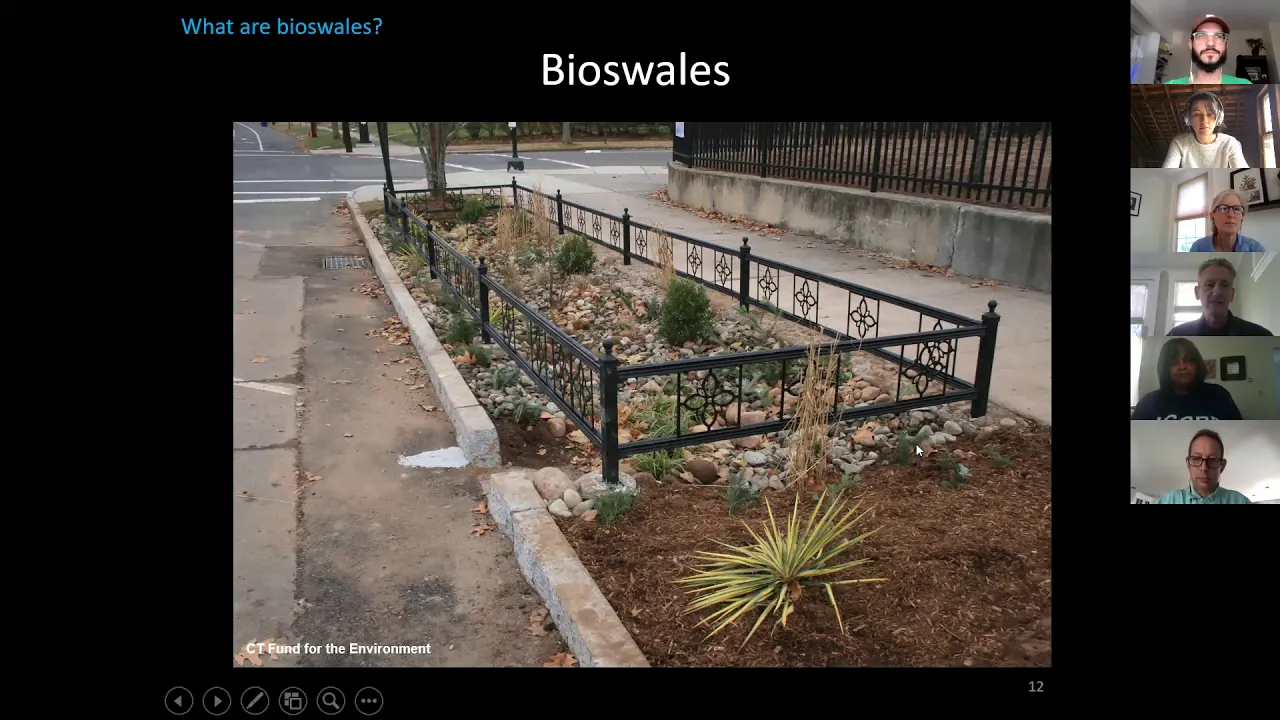
Exploring specific urban design solutions and green infrastructure strategies, such as bioswales, cool pavements, and targeted urban forestry.
Studying the application of Geographic Information Systems (GIS) to map heat vulnerability index (HVI) by overlaying thermal data with demographic census data.
Analyzing the public health policies and emergency response frameworks required to mitigate heat-related mortality among vulnerable populations.
Investigating participatory planning and community-led environmental advocacy to ensure climate adaptation investments are distributed equitably.
178 views3likes1:09:59Original Release: 2021-08-27
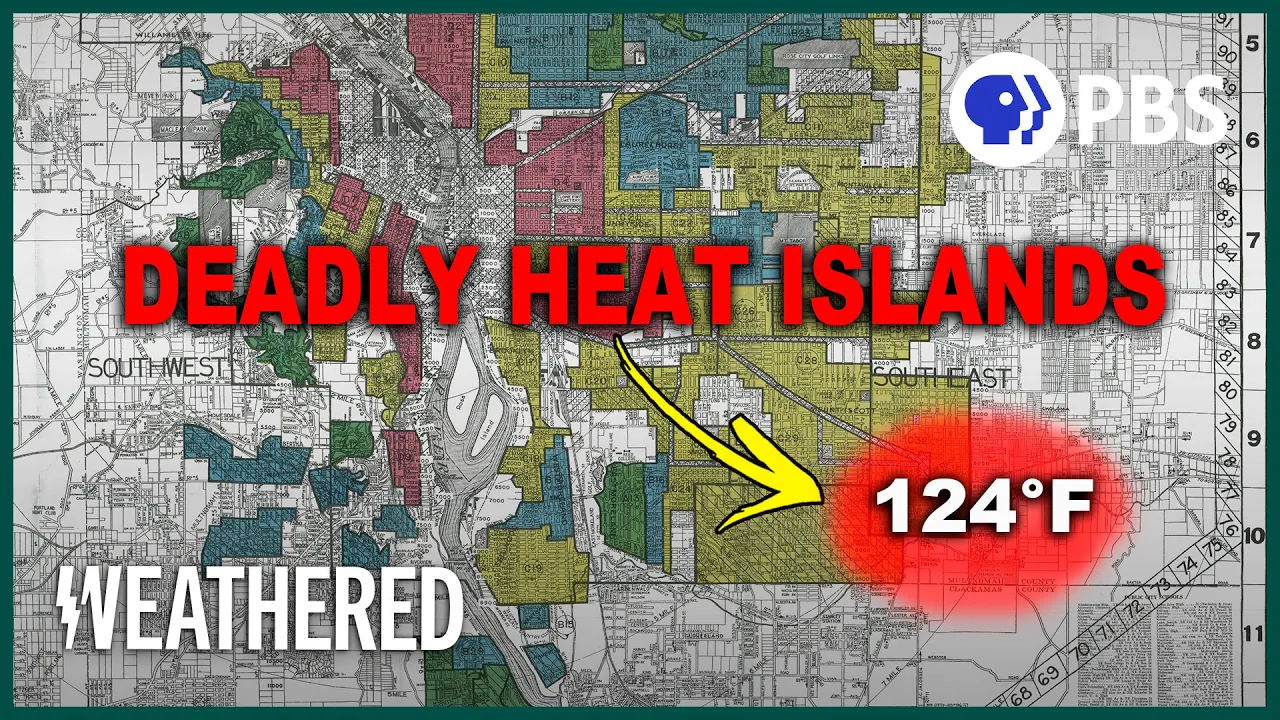
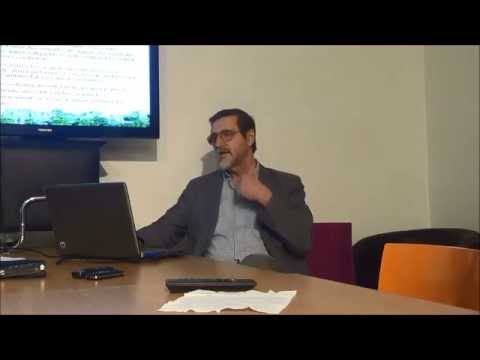
paleoclimatology uh but also got really interested in urban heat islands uh a little over five years ago and have been working in that space ever since i've been really fortunate to help develop a community science model for measuring urban heat islands that's now been replicated in over 50 cities nationwide and a few internationally as well and what this model centers on is building a coalition of organizations that represent governments nonprofits education organizations and other sectors to co-produce a plan for volunteers to go out and collect air temperatures during a local heat wave using vehicle and bike mounted thermometers it's really fun uh gets a lot of media attention and these observations are then used to um to to generate a map that shows the heat burden throughout the entire city and that provides a really highly detailed description of the thermal quality of something like an individual city block which we found to be very effective for place-based interventions and the goal of this work is to foster new and strengthened previous collaborations around climate and other forms of uh justice organizations which ultimately is improving climate resilience in the community through these civically legitimate and actionable data sets we've uncovered some really interesting patterns that reflect housing policy decisions from almost a century in the past and uh many cities are already joining up for campaigns next summer already so i'm really happy to be here and thanks for the invitation thanks let's go next to lisa so hi everybody um i echo jeremy thanks for being included in this panel um i feel like i think i'm the the the the you know the practitioner on the panel not that academia is not um you know uh a very important role in this i i worked i after working in several different organizations on sustainability and various levels of sort of climate change policy or action um i moved to baltimore four years ago sort of to move from higher ed specifically to work in local government because i felt like the the work that was happening there on equity and resilience was so important and was um was not something i could do in my role on the operation side in higher education as we can see there's there's roles on the academic side and so what drew me to the baltimore office is that we're somewhat unique in doing working on both you know kind of regular environmental sustainability issues but climate and disaster preparedness so we we write the plans for climate action but also the federal hazard mitigation um plans that that are required and so you know that that means that that along with the permitting work the other environmental permitting work and the floodplain management work that my office does so flooding and heat um are high on our agenda you know as a bit of an aside we're part of the planning department too so it's it's it's really nice that we have those connections to sort of the land use and the capital planning efforts as we sort of craft our portfolio but you know when you know flooding and heat especially your areas for our residents are really already seeing the impact from the changing climate and heat is one uh that we know from some of the maps that have been you know created by um us and and others on the panel that it really affects our historically disinvested neighborhoods the most and so you know part of the reason i'm here is that i you know given our planning department's past role in creating some of the inequities um in the system you know the burden is really on us to work with our communities and addressing them so i'm looking forward to the conversation thanks robert hi everyone um thanks for uh thanks for including me in this um i'm not an environmental scientist uh i'm a historian uh and uh what has drawn me into a lot of conversations around environmental inequities whether that be heat flooding uh health i'm having more and more of these conversations as a that i did not anticipate having as a 19th century americanist um and it is uh this work that colleagues and i have done on redlining and making a data set available looking that documents and has particularly a spatial data related to redlining in the 1930s and jeremy uh mentioned uh that his heat worked that they've um did that work and then they noticed that this had a striking visual similarity and a statistical similarity to the redlining data from the 1930s and so what's been great about our data set and what's been uh really wonderful about some of the work that jeremy and others have done using this data set is it uh it's um it's not uh trying to draw some kind of causal link between housing policy and environmental uh burdens exactly i mean these are correlation well no let me back that up so it is not as if redlining causes uh environmental inequities today uh there's a correlation there and what redline this redlining data set is is i think of it as like the kind of tip of the iceberg right but this is one uh view that we have of systemic racism in 20th century america particularly in 20th century american real estate because what is more systemic than federal policy and uh the financial institutions the banks and where money goes right so this gets the lisa's point about governments bearing uh some responsibility a great deal of responsibility for the environmental inequities we see in cities today so the real kind of importance of this is not to kind of like get into some kind of wonky question about historical causation um but just to recognize that uh the environmental inequities the environmental injustices that we see in [Music] cities today have some roots and in past policies past governmental policies and that being the case there's um a we know that uh as lisa mentioned that governments have some responsibilities for redress and repair in these areas and b um we recognize the importance and the effect of policy just general right like if if policy makes uh um and helps to create these environmental inequities and are not just kind of accidents of the of the market or the like um policies can uh help undo them right and and i think it also has the one final thing i'll say about this is uh uh we're talking about policies made eight decades ago that were implemented over at least a half century probably that more closer to a century and so we're fooling ourselves and we think that there's kind of any simple policy solutions to this so we have to be in this for the long haul right we have decades of policy uh uh policies that caused uh inequalities we've got decades ahead of us of sustained work to undo those through um through anti-racist and environmental justice policy thanks robert scott finishing off with you i apologize i was muted thank you for the invitation um pleased to be here i'm probably on the opposite end of the spectrum from from lisa i'm an urban climate scientist working within academia and um yeah i think i've always been interested in environmental issues and justice issues broadly and really where i how i got into working on climate is i was an undergraduate in the atmospheric science program at ubc in vancouver canada and i was working in research one summer for a professor and he posed me the following question he said if every second building in toronto had a green roof how much cooler would it be in the city on a typical summer day and so that that question really intrigued me and it turned out at the time we didn't have the the tools embedded in our climate models so we didn't we weren't able to represent cities very well and we certainly weren't able to represent green roofs very well in our climate models and so really that's what i've been doing ever since is developing these models um i did my phd at ubc looking at how can we actually model and represent urban street trees in large climate models so we can model their effects on cooling urban neighborhoods and and finally yeah i ended up doing a post-doctoral my postdoctoral work at arizona state and there i was part of a very large nsf-funded project with a substantive environmental justice component so that's where i started to become aware of these issues in a little more depth and i've since collaborated with some researchers looking at environmental equity in terms of heat in the phoenix metro area and maybe i'll have a chance to share a bit more about that later excellent thanks don't go anywhere scott because this next question is actually for you okay i the ipcc an intergovernmental panel on climate change which many people are familiar with aware of at least um released its most recent report i think a week or two ago um which very plainly kind of states that we are not on track to minimize global warming below the 1.5 celsius uh mark so your work as you're saying your work having to do with green with green roofs um is not just talking about how extreme heat affects communities and urban communities but how the urban communities themselves go back and it's kind of this like feedback loop into impacting extreme heat so can you speak a little bit on how urbanization uh is impacting our ability to or our inability to stay below this 1.5 celsius increase yeah that's a very complex uh two-way interaction between you know urban areas and you know how do we adapt and change our urban areas such that there we can mitigate climate change more effectively but then also how do we adapt our urban areas to the developing climate crisis really because as climate change progresses we get more extreme heat as we all know and then the divide between those who are more heat vulnerable and those who are not is exacerbated um maybe maybe what i'll do here is um talk a little bit about the urban heat island as well um [Music] so this background heat this background warming and and heat waves and extreme heat are going to affect rural and urban areas roughly similarly and they're going to affect all the areas in the city similarly but then there's this added heat burden due to how the city is developed in different areas and i think that's largely what this this panel is about but i just want to like tease a couple things apart here um first of all there's different types of heat islands and there's two main types of heat islands that we can talk about in i think in the current context one is the air temperature of in heat island so it's the air temperature is warmer in the city compared to outside the city and that primarily um exists during the night time and evening hours then there's also the surface temperature urban heat island so surfaces such as pavement and buildings and concrete are much hotter than vegetation and that you might find in more heavily vegetated suburban areas or rural areas and that's that usually peaks more during the day time so we've got these two different ways we can look at the added heat burden due to how we've developed different parts of the city or how we've developed the city and both of them affect how we how comfortable or how warm we feel outdoors and both of them affect the heat burden placed on buildings but what neither of them really clearly captures is the importance of shade in cooling down the outdoors so that's that's a third piece that's really critical to speak about and we all know it feels cooler when we're in the shade of trees or on the shady side of the street so you know right now i think in in on the research side we're working with ways how to address how can we actually capture the effects of air temperature and surface temperature and shade all in one in a combined sort of metric and map that over entire cities and how that varies over the course of the day so we actually have a sense of with all of these factors together where are the hottest areas in the city uh that's still i think we're still working on that but we're getting there and the final thing i want to say is that um so far i've basically talked about outdoor climate and at least in in the u.s my understanding is you know people spend by far the majority of their time indoors so a lot of heat exposure actually occurs indoors and so a huge part of the issue here is not only um the outdoor climate and you know how much vegetation there is and questions like that but also the quality of buildings the building envelopes the ventilation air conditioning and all these factors um so yeah i'll leave it there for now hopefully that's an answer to your question no absolutely that provides us some some crucial framing for moving forward um bringing in now the equity piece the environmental justice speech piece each year we're hearing about these records setting temperatures in our cities but not but hearing less so or definitely not hearing the focus that this is disproportionately impacting black indigenous people of color communities uh within those cities and these these are the communities that are suffering the most from these heatwave heat waves so i'd like each of you to kind of speak to the importance of of bringing these store stories to the floor um and highlighting the environmental justice narratives that are going on at the same time that we have climate change the climate crisis which is affecting everyone um i'd like you to kind of drill down on on the equity piece of this and bringing those stories to the fore so i'll start with you lisa great thanks you know when scott talked about a question that kind of was driving his sort of you know his research um you know it reminds me that that one of the questions i often ask myself in this work is whose story is this to tell just kind of a shorter version of what you're asking besides the obvious ones about like who's around the table who builds the table and you know i i i think it's worth you know stopping and noting that you know we have four white panelists as we're talking about environmental justice and you know i know that i'm the one on this panel today but i i would you know i i do as often as i can try to connect reporters or higher ranking agency staff you know directly to community members when there are questions about that um you know sessions that are during the day which is not a criticism of this session at all are then often harder for us to make those connections the ones where there can be flexibility of those connections or or where we can do that more and so i just needed to start with sort of that you know a humility that i'm going to be maybe an imperfect messenger of of some of the messages and of the importance of this but i i do think that um you know we it is really important to design you know to center those community voices as we set the priorities and design the solutions and and as if we do that then it helps make those narratives be more more easy to share and it helps build trust that if we are indeed proposing the right solutions we're working towards the right end that we've built trust with government um so what are the kinds of things we can miss um you know we have a program with community resiliency hubs um and one of the things we've learned are from from those leaders is that they're constantly under stress this isn't just an issue of when it's hot or when there's another climate-related emergency and so they define resiliency differently than than we had been doing it so we are trying to craft that hub program so that it doesn't just activate during disaster but that it strengthens sort of you know social bonds and and preparedness and support in advance and supports those day-to-day efforts you know we also risking we risk missing what else needs to change what are other needs and solutions um and you know we we met you know i went back and read some of the articles that were published recently about heat in baltimore we talked to the community and what i noticed is that you know that also gave uh them a chance to be critical of government um in a way that that your that if it's filtered through me doesn't come across in the same way and you know i think that's an important statement about what needs to be done because you know and and helping helping make those decisions of what to do because our community members can really be our most powerful change agents you know they motivate their neighborhoods um you know and they can really give additional incentives to local government to make those changes um you know and you know other more specific you know i this is this is a topic i should be more comfortable talking about but you know if if you had a community member in addition or instead of me on this panel you might be hearing um conversations about reparations or other broader systemic changes that that really could impact all of this and and um you know we can i'll stop there and you know maybe there are others who can talk more about that particular topic more uh better than i can sure thanks um and i'm really looking forward to the q and a session of this particular uh session or part of this particular session to get some of those those flavors into the conversation um let's uh i'll hop over here i'll give you a break scott and and go to jeremy yeah and i would i would say it's um you know certainly not lost on on me as well that you know i don't claim at all to know um the best way forward uh with the data and i've learned so much from my colleagues at the local nonprofits that we collaborate to the science museum of virginia here in richmond i'd like to just like call a few of them out if you're interested in um some of the participants uh looking these folks up um groundwork rva which is a teen workforce development nonprofit um happily natural day which is a food justice nonprofit here in richmond south side relief which is actually working specifically in a marginalized community to expand uh tree canopy and and develop advocacy around climate justice in richmond and then virginia community voice which is working on a south side richmond greening plan centering the voice and vision um of the the residents of southside richmond in what the future of green space development looks like so i just wanted to celebrate um those folks who who i've learned so much about how to go about doing this taking climate action to a new level through centering these marginalized communities and what's interesting is that something that we've known noticed about our heat studies uh you know here in richmond baltimore uh dc and then you know dozens of cities around the country is that uh when it when you all of a sudden have a map that shows that there's like tens of degrees of air temperature difference uh at the hottest part of the afternoon just a couple miles away from each other in the city in the same city that that really like localizes this impact of climate on folks who might otherwise see climate change is really far away and time and place and you know most of the time that tends to be white communities on the flip side um in many ways the findings of our studies are not at all a surprise to residents of marginalized communities and mostly communities of color and almost always they have a clear vision for like what their neighborhood already needs and where and it's just been ignored either intentionally or structurally through um the systems that continually oppress them and so if we don't listen and you know center these residents in the conversations we we basically end up with the same processes and systems that gave rise to the harmful practices of things like redlining and urban renewal after that and other forms of really targeted neighborhood disinvestment and marginalization and so it's just interesting that i think we will miss the opportunities to address the actual lived experience of folks that live in these neighborhoods instead of just looking at their lived experience through data which is a lot of the times what us as you know kind of climate practitioners tend to do um you know their their life is just as important as the data set that we use to analyze these issues and um i think then that also means that their ideas are just as important as our professional expertise we should be weighing what the community says um at the same level as you know kind of our our ability to to model the impacts of our interventions and so in effect we can basically be amplifying past harms by not centering these communities and and really treating and listening to them in a way that's respectful and appreciative and ultimately would change the narrative of our local climate change action plans thanks jeremy now robert i want i want to move on now and talk a little bit more about the the mapping inequality project and specifically how when we're talking about climate we're looking back not just the last year the last six years we're looking back decades and we're looking back centuries the same can be said for systemic inequality systemic racism so how does the mapping inequality bring these two things together there's a few answers that question so um one is that uh the mapping inequality uh data set is it i mean it's a project it's a map uh it's used by teachers and i'm just interested uh citizens to look at their cities and we love that too riley so because nobody um is uh people are far more interested in the place they live right like that there's there's an investment in their homes uh in their uh the places that they inhabit and so people being able to go in there and uh explore the data set look at the maps um the response always is is like it looks exactly how is it there oh people were surprised by the residences between the way they think of their cities today and what these these maps look like 80 years ago right and maybe this is like shouldn't come as any surprise to us but it still should be a shock about the entrenchment the calcification of uh vulnerability and poverty in some areas and and privilege and wealth in other areas and how that just does not change over the course of a century and then um one thing we want to do with this is not just kind of let people in kalamazoo or portland or fresno or wherever they are look at their cities and use it for um you know kind of reckon with uh history in their areas and so like jeremy mentioned groundwork designs and they they use our maps um really effectively to uh to and coming back to that question about like investing in uh and centering uh communities of color right like that's they their work is exemplary in as much as they're uh trying to tackle um some of these climate and equity issues um but they're doing it by paying students in these areas and uh training students in these areas and giving them skills and experiences that are really kind of useful so the last thing you want to do is to address these without investing in those communities i mean this what you know this these efforts to redress what's happening in uh hot neighborhoods of color have to benefit the people in those neighborhoods and we have to put people first and not places or temperature right it has to be about control right um yeah so i am sorry back to your question so uh we gave away the data set uh because we want to be able to people look at systems right and we didn't uh know exactly what people would do with it i certainly wasn't anticipating that the heat island research that would be coming out of this um but uh one of the amazing things about this project is giving away that data is alerted us to correlations between contemporary inequalities and past uh inequalities built into these housing policies that we we weren't thinking of that is a has made us even aware that these were these are not new right this is not like there's redlining and like everything was equal back in the 30s climate wise and uh this created these inequities these were built in um from the get-go and so uh when jeremy and his his colleagues uh released uh their study we started kind of noticing more environmental language in the area descriptions so uh scott was mentioning shade we threw the area descriptions into a text classifier and one of the words that is tightly associated with uh b graded neighborhoods blue you know blue neighborhoods higher graded neighborhoods is shade trees is another one and on the other hand if you look at d neighborhoods you get paved and you get word like hot right so these in that these environmental inequities were uh are not new right these are not a product of like post-war climate change they were there in uh in the 1930s and one of the things that was baked in and considered as they were making these um divestment investment um decisions that are baked into the redlining grades yeah thanks and so i know jeremy i know you touched on a little bit on your work with the with with in in the last question but i wanted to know if you could drill down a little bit further as we're talking about you know the people at the roots of the work and especially since you mentioned not looking at it through the lens of data not looking through it strictly through the lens of data um going off of robert's mapping inequality project overview there um can we go into the throwing shade project and then the the relationships kind of through that project yeah sure um so you know the throwing shade in rva project um which is uh really uh pleased that it's still ongoing today because you know the work never ends um is that you know it has its roots in a conversation i had with my colleague duron chavis over lunch when we had gotten our heat island map data back and he took one look at it and he just you know he said really plainly the block is hot and you know our conversation really quickly turned to how many other maps you know including the ones that he was using for his uh food justice nonprofit uh happily natural day you know like vacant properties um food deserts all those things looked exactly like the the redlining map or i mean uh excuse me the heat map and you know um also this this this redlining map tended to look the same way and so that gave me the idea to look at some of the other cities that we'd done these community science uh engagements in you know baltimore boston portland and um they all showed the same pattern as well and hotter temperatures in the formerly redlined areas and this turned into an exploration of all of the cities in the holc database and you know while we hadn't measured air temperatures in all of these cities as uh as uh as professor kranoff said is that we have other ways of kind of proxying for this urban heat island effect and so we used surface temperatures collected from uh satellites and basically looking at the average temperatures in these redlined areas and their other non-redline counterparts we were able to show that in 94 of these cities these formerly red-lined areas in the present day have higher surface temperatures than their non-redline counterparts and this is directly related to the land use in these cities the red lined areas have many fewer trees many much more paved over surfaces and what's been really like you know uh uh building our confidence in in the observations and our conclusions is that since that study was published in january 2020 a bunch of other ones have replicated these findings in a few different ways and adding additional stressors like flooding and air quality uh and showing that basically across the board all of these environmental um uh stressors are proportionally worse in poorer quality in formerly redlined areas than in non-redlined areas and so this throwing shade and rva project basically deepened our involvement with groundwork rva basically giving the students that they work with and engage in their green uh green team basically showing them the map and saying what would you do with this and it was amazing you know leading them through some hands-on experiences with the thermal uh like an ir thermometer we had a small budget to basically say like what would you do if we could if you could prioritize a place and prioritize an intervention and the students took it all the way to planting fruit trees in their school yard not only as a shading eventually you know 20 or 30 years from now they're going to be quite nice shade trees but also to provide fresh food so they again it's that idea that the residents and especially the children in these areas understand these multi-faceted and complex systems uh that work to create these environmental disamenities in their neighborhoods and so it's been really um it's been really great to see not only has throwing shade and rva been really successful locally but it's been applied in other cities uh including now through the groundwork usa network which is uh uh using it in in some ways that model of redlining heat and other environmental stressors as a way to get teens in on climate action in their cities that's really awesome that's excellent going in so so jumping from that now and going to talk about solutions so planning the fruit tree trees is one example of the solution um what are some preventative or you know so look some forward looking solutions but also uh lisa you mentioned reparations um which i won't force you to talk on but when we're when we're thinking about solutions we have to be aware of the context that the current context but also the context in the future so now when we're when we're thinking about this from the standpoint of decision makers your legislators your planners developers built environment professionals what are some steps that they can take some policies uh some best practices some actions that can be taken to to reduce the threat posed by this urban heat island reality uh in in communities of color so i'll start with you lisa great and you wouldn't have to force me to talk about reparations i'm just not sure i'm the i could you know bring um the best uh presentation of those arguments uh without you know talking to more people but you know what i can start with is sharing a couple of the solutions that we've been doing in baltimore and kind of why we think those you know to the extent to which we think those are more universal and so one is kind of an umbrella of response which are the community resiliency hubs that i've mentioned and i think people have heard of this concept in baltimore we currently have 12 of them right now and these are community organizations none of these are our city buildings these are um you know groups that are located in neighborhoods that are vulnerable to these inequitable impacts to climate change um and you know we're looking to improve that that kind of hyper local community capacity to respond to the natural hazards and so our hubs have sort of helped with cooling during heat waves they've handed out water uh helped us distribute box fans that that we got in um but they've also helped provide sandbags um in flood prone areas when there was a flood watch going on you know charging stations during power outages which again is i think a more common view of you know when people think of resiliency hubs that that they have that solar and battery backup or some sort of power backup um you know we've even had them serve as you know post-disaster recovery staging areas and of course they were all of them stepped up and you know you know multiplied their efforts during the pandemic and distributed food hosted testing and vaccination clinics you know just as a quick aside you know back to what we hear what we hear when we listen um our health department reached out to the hubs and said hey can can we come and can we come and do testing next week and our hub leader said you know you've got to come back on a regular basis you can't just come once you know besides the fact that not everybody's going to be able to again make it in that whatever that time window is because you know people have a lot going on but but but you need to keep coming back to sort of show that you're you know that that you know people's voices and time matters to the city um but you know i think you know one way to make solutions more equitable is to make equity explicit as you're planning those and i know that sounds kind of obvious or even glib but you know it's it's about not just saying it but doing it and then reporting and tracking it so um i mentioned that our planning department does the capital planning for the city so for several years now we've reported where money gets spent in the capital budget to the best that we know and we are pushing agencies to to make sure that they give us that information on where it's spent because obviously there's emergency road repairs that the department of transportation doesn't know where they're going to be ahead of time or they wouldn't be emergency road repairs but um you know having that kind of explicit focus um and definition and accountability uh to government i think is important to this um you know what i think we've seen in heat is you know our the staff who are working on this need more resources and and the freedom to plan bigger you're seeing cities uh creating chief heat officers and you know what they're signaling is this is important to us and and their mandate you know to the extent that it is focused on the more vulnerable bipolar neighborhoods you know also sends that signal um you know what we also um are looking to do is to try to be creative and and sort of try new things even if you know we can't do them all the time so some of the ideas again that we've had from some hub leaders um one of them they had water that they were giving out on extreme heat days but they went and put a cooler with ice in the water next to the bus stop in front of their organization because people were waiting in bus stops that don't often have shades speaking of places that need shade um and then also noticing that a lot of them are in areas where there are other social services where for social distance people are having to line up outside in the heat for long periods of time and again trying to get water um you know we haven't succeeded as much in shade in this time frame um and you know really you know sort of um i think expanding our efforts and um you know we even had a hub leader you know talk about how um you know the cooling center you know we've got the cooling center supplied by the city but then there are the um other ones you know and where you know malls and pools might not have been open during the pandemic you know in general if you have more retail you're going to have more sort of cl you know just um cooling areas cool areas that are closer to people that can help get that done and so you know that's that's kind of the approach we're trying to take is to really think big on resiliency hubs that are having a much broader sort of heat mitigation and management plan but also really um diving into some of those detailed ideas that can really help um build up to that bigger plan and see better results thanks lisa um scott how about coming over to you on the same question kind of looking back and looking ahead how do what are some tangible you know applications sure yeah i can speak to this a bit more from the scientific perspective and i fully agree with lisa that working with local communities is is critical and often science can be a little top down and i think that needs to be recognized as we move forward more and more so um i think i'm first i'll just say continuing to admit it mitigate global climate change is critical i think that's that's sort of a big elephant in the room if we if we ignore that um secondly i think i want to say that heat can really be mitigated at different scales so lisa was mentioning bus stops right so at hyper local scales you can provide shade to trees things like that and then you can also think at larger scales like if you want to meet like lower the air temperature in a whole neighborhood then that might you know then you're looking at the overall vegetation cover and providing shade at a larger scale so there's different scales we can think at and i think another thing i think lisa alluded to is really targeting these interventions and we recently did some work um targeting interventions in heat vulnerable areas in phoenix and because it was it's a water limited or certainly will be in the future water limited area we looked at cool materials highly reflective materials and we located the most heat sensitive or heat vulnerable areas based on very various demographic information and then we using in our climate model so this was you know a climate model exercise rather than actual implementation we implemented cool roofs in that in the most heat vulnerable areas and we found that it was actually a very effective way to cool a lot of people a lot of heat vulnerable people in our simulation and um you know and targeting those who need it most um the interesting thing though is even with a fairly drastic implementation like that we found that um thermal equity or environmental equity in terms of heat was not achieved so the the you know the wealthier more vegetated areas at the edge of town were still cooler even after this intervention um but yeah i think more generally i think um mitigating heat using cool materials using trees and vegetation etc are really important i liked what jeremy said about you know addressing heat and flooding and air quality with the same intervention and vegetation is really good because it mitigates flooding as well as addresses heat and if it's implemented right so there's a there's some nuances in here it can also address air quality to a certain extent because trees can worsen air quality um so there's you know it's got to be done right because you really want air air flow for air air quality but also in a hot humid climate you also want air flow for heat you know that's so really thinking about how you plant trees and where you plant trees is critical you want to provide shade but also not block the airflow too much um i think those are a few things but yeah i certainly think mitigating heat in terms of infrastructure like green infrastructure can be very useful climate change and then also providing adaptation options so um you know improving the built infrastructure providing cooling centers things like that such that indoor environments are available that are cooler thanks jeremy yeah i would just say one of the interesting things that i've seen recently was evaluating the different types of shade uh and and the ways that we can intervene and like one of the i i mean as a as a climate change you know general idea is that our cities are going to continue to grow uh whether we whether we want them to or not and the census data actually shows this to be the case um with the largest american cities getting larger and some of the smaller ones achieving their first time over a hundred thousand people in them uh and really one of the interesting combinations of this is like one of the best and most efficient cooling agents as far as shade goes is structural it's it's it there is this green you know i i'm a huge green proponent but what's interesting is that we can actually and starting to see these things all as intertwined is that by providing a denser more walkable more human-centered kind of design of a city we can actually increase uh the green amenities while also uh generating shade at the right times of day that we to to produce the most meaningful outcomes for people that might be at an unshaded bus stop so one thing that i think is really interesting about these things is that we can if we we understand the geometry of a city we understand the geometry of the sun that pretty much never changes so we can always use those sorts of um uh understandings of the natural world and the physics of the natural world around us to really come to kind of one of those it's never going to be a silver bullet it's going to be some sort of silver buckshot solution to these things all happening at once i would also say that based on like that idea of producing and making available cooling spaces we recently made our bus system fare free one of the best ways to cool people down is to give them some sort of free publicly available space to um to cool down and so you know even though it wasn't touted as a cooling solution by making buses free um and hopefully by increasing their coverage and frequency you could have a mobile cooling unit traveling around that most people from these marginalized communities depend on to begin with so there's also these kind of like there are so many solutions that we might not think about as being heat solutions that truly are at the same time that's excellent that's that's really innovative and and i think it definitely should be touted at i mean it's climate is all around as climate change the climate crisis is all around us so all of our solutions should be climate oriented and touted so that they can get those climate dollars as as being climate solutions robert do you do you have anything to add here um i'll take a slightly different act because i'm i'm no expert on on on the environment um i would just say uh from a housing policy perspective uh this could play some role not maybe not in uh in uh lowering the temperature but at least in making a little bit more equitable the way we racially uh are experiencing that's right so i'm thinking of things like uh so city uh cities that are um are uh eliminating uh single families only right and are just kind of working uh to have some zoning policies and other policies uh like federal government you think of like sex grenade uh making that uh more available and um so that you know we have a long history in this country of people of color being consigned to the worst uh places in cities environmentally i'm thinking like the body you think of the word like the bottoms right this has a kind of association with uh communities of color and there's and but it has environmental association too these are the areas that were uh prone to flooding and uh where african americans uh in the late 19th and early 20th century were often consigned in jim crow america and so uh eliminating again like single uh family zoning and um just anything that can uh mitigate the forces that uh maintain the segregation we still see in american cities um at least doesn't doesn't lower the temperature but at least distributes the burden of this a little bit more equitably uh and then i would say you know at the federal level um the biden administration has their justice 40 uh initiative around environmental justice which is to invest uh 40 percent of uh monies that are going to uh environmental um and green efforts uh are supposed to be invested in communities of color you know i don't know where they came up with authority i'd like it to be justice 75. that sounds a little better to me but it is better than nothing um and that uh so at the city level and at the go at the federal level all levels of government we need um policy makers to be really mindful of this and and to still always take into uh consideration issues of racial equity as they're thinking about housing and climate together thanks robert i like the sound of justice 75 also there's a quick kind of aside we do have a justice 40 related session i think it's later on it's it's tomorrow so make sure you check that out for more details there this is going to be our last question from me and then we'll turn it over to audience questions but uh scott you brought up the building envelope and and air conditioning and i want to take some time here and talk about um energy so this is this isn't something we've just substantively talked about yet but when we're talking about the cost of energy the lack of ac the lack of access to air conditioning is often an energy related issue um that is that's a systemic burden that is placed on communities of color and bipod communities um so from a from a zooming out maybe a little bit when we're talking about these systemic issues what are the solutions to ensure that and and i also saw kind of a relevant question to this in the q a but as we're talking about these um these these incremental fixes and and you know these green fixes and retrofits and infrastructure changes and stuff like that how do we fix kind of these root causes um as it relates to what's actually keeping communities of color hot which is you know their their inability to to have air conditioning when they need it in their homes uh and kind of some of the more structural uh things there so i'll i'll start i'll go back to you scott for that okay great yeah um this is probably a little bit outside of my domain of expertise but i'm aware of some of the literature so that i'll give you a a couple things to they can hopefully get the discussion started i think i think one thing is my understanding is that um there's fairly high use of ac by those who can readily afford it and that drives up the cost for others and maybe makes it inaccessible for those who might need it the most in in a lot of cities anyways and and you know a lot of buildings end up being over cooled cooled more than they actually need to be because certain people can afford it and so i don't know if there's you know a way to address that that's not really my domain but i think there's an opportunity there to expand less like distribute the the cooling energy more equitably and i think one thing that's often overlooked is the use of fans so if someone's cooling their house down to 68 and they actually only need to cool it down to i don't know you know i'm trying to convert from celsius to fahrenheit being a canadian down to 65 or something and then and then use fans to get the exact same thermal experience right which is a much more energy efficient solution and then that makes more that lowers the cost of energy for others to to cool themselves so i think one point i would make is that i think fans are an underrated mechanism for indoor cooling and can actually help save energy and maybe i don't know if there's mechanisms to help spread that that cooling energy around well it you know i'm certainly not an energy expert but what i love learning about immensely is uh like vernacular architecture so here in the south um there were uh you know kind of passive cooling techniques that were integrated into housing all over the city um and throughout uh cultures that have dealt with extremely high temperatures um you know uh folks in the middle east in india where they've exceeded you know 105 degrees on the heat index and wet bulb globe temperatures that are dangerous they're for like days on end you know um part of that is like physical acclimatization those the the folks that live in those places become somewhat used to it but they make it uh they they uh and for generations folks that have lived in really hot areas have incorporated building designs that create uh uh airflow and promote cooling passively and so i think that in some ways when we think about like the intersection between housing and uh and the future of renewable energy and all those things is that we can't ignore the fact that there have been generations of architects and folks building housing that didn't have that technology to begin with but still maintained a healthy community even in the warm times of the past which are different from the warm times of the present and future for sure but um so i would say like uh you know on top of the distributed solar on rooftops kinds of stuff that you hear about tax abatements uh you know energy burden kinds of uh uh you know abatements and those sorts of things um you know i think we have to be putting our eyes on weatherization uh you know scott mentioned also painting rooftops white that can dramatically influence the indoor temperatures there are things that we already know work to reduce energy burden to ameliorate it almost entirely through vernacular architecture and then i think that's where we start getting to oh maybe that'll lessen the the lift in order to get the energy justice the where where we need it to so again it's like no silver bullet silver buckshot kind of approach thanks jeremy robert um i was going to say tax abatement too so i'll be really brief um there was a a piece of legislature that was working his way through the iowa state legislature where they were going to do tax abatements i won't get in the navy degree details and i i think it is fairly complicated what they were trying to do but they were using the whole map since the first piece of legislation uh i'd seen that use the hulk maps as a way of shaping uh tax policy uh in in an effort to us i think spur investment uh in some of these areas uh so you do have to worry about gentrification you do kind of worry about the kind of uh the you know eventual uh interests of the state in uh eventually getting more money on uh more taxable property um but uh you know i do think jeremy's right that there's tax maintenance opportunities uh to um to yeah to uh to spur investment in in cooling technologies and and i i would say the same thing about gentrification right like we do need to think about policy there's a couple there's a thread going on in the chat about gentrification like one thing that some cities have done is they've grandfathered in and and uh and locked in uh property assessments uh to keep people from being priced out of their neighborhoods because of rising property taxes and so we just have to think really um justice oriented anti-racist oriented in the policies we're making at the city state and federal level thanks robert lisa you've got the last word before we go to the queue the audience yeah i can say whatever right now um you know i think just like we were talking earlier about heat solutions that you know it's a matter of kind of scale i think there's a scale issue on energy but i also think there's a a customization so you know baltimore unfortunately is not one of those cities that's growing um and so that means that we don't have as many um that solutions that work best for existing buildings don't aren't as impactful for us and and then on top of that we have a lot of existing buildings that are in really bad shape again the the scars of redlining are like horribly visible in this city in terms of uh the condition of a lot of buildings and so you know we can talk about weatherization but you know interesting i just had a conversation earlier this week with our weatherization person and he was lamenting that for example um weatherization doesn't fund ceiling fans um and so making that kind of change so that that is you know that's both a lower cost up front but a lower operational cost option to provide a little bit of cooling you know it's there also needs to be more funding available to sort of critical repairs we have houses that often don't qualify for weatherization because there are too many major things wrong with it to um you know there's a limit of how bad the structure can be uh to qualify for weatherization and you know even things like um you know ensuring that the wiring is sufficient sometimes there's not even sufficient wiring for a ceiling fan um in terms of of getting that in and those those sort of i almost caught think about it as sort of wrap around services that you're you're trying to get you know somebody some affordable cooling and all of a sudden you're fixing you know knob and tube wiring um you know or knob into um maybe i've got that wrong um but you know i think this this also ties to um you know jeremy i'm glad you mentioned energy board i mean that's a measure of success that we're looking to add to our cap because again you know there's scale there's customization but there's also making sure we have these co-benefits and that you know making sure that um you know energy bill assistance efforts can get tied into all of this i think are really important um you know and just a couple of other quick things this is you know these are smaller things that i sadly hopefully aren't the last word because i know we've got some great questions but like one of the things baltimore is trying to do as well is to bring solar community solar into these uh into buildings again rooftop solar works great when you've got a good roof when you're a homeowner when you're not a renter that's maybe moving around a lot whereas community solar that's that's focused on low and moderate income households can have can bring more of those benefits um more broadly to lower income and and maybe majority um you know you know to advance sort of racial equity you know even something as simple as you know tempe uh has an ordinance that require that says that renters are required by city ordinance to have working air conditioning you know that kind of sort of enforcement and regulation to sort of signal that this is important you know i think there's um there's a lot still to be done around energy and i'm glad you brought that in this this affordability and structural issue into the conversation absolutely thank you all panelists we are we're now going to open it up for the audience q a we have a few there supraja who's my wonderful assistant here in the room has collected um questions both from hoova and in the chat in here uh the first one up here is is what's the intersection between urban heat islands and highway development um and and maybe even highway development as it relates to redlining and hope codes uh that's asked by isabel trevino i mean i know robert roberts done a lot of work on this too but you know our redlining paper goes into this a little bit um where you know post redlining many of these communities then served the redlining maps were then the map that was used to derive where the um the highways were going to go so here in richmond for example um the famous famous um maggie walker the first black woman to own a bank uh in in the entire country lived in jackson ward which was a cut like a the harlem of the south uh and in the 1950s and 60s that neighborhood was completely and totally severed and mostly demolished by the installation of a highway system that was meant to just funnel white people back into the suburbs so not only were these in these environmental disparities and disamenities concentrated in these areas to begin with much as like what dr nelson said but then we concentrated even more of them into these areas to make way for white flight um and at the same time the formerly green-lined areas having immense wealth and privilege were able to politically keep those different uses out of their communities so with the the it's just a continual cycle of um you know focusing these land uses that were environmental disamenities into these formerly red-lined areas you can draw a straight line from from hulk mapping to the interstate system um in in almost every city that has one thing i'd add that was perfect yeah the only thing i'd add is that we're we we talk about uh red lined areas as areas that are disinvested in and that's not exactly true they're disinvested in terms of uh access to residential capital there's a ton of investment that goes into there it's not cheap to put in a highway so we invest in these all the time uh or have over the course of the 20th century urban renewal being another example that uh you know wreaked havoc and caused massive trauma for community scholars destroying many of them and that's a massive investment in those places well uh so i just kind of come back to my point like what we need to do is not think about places we need to think about people uh in in when we're making urban policies absolutely um scott or lisa i don't know if you had anything to add there but there's there's a uh growing support for for one question in particular here in the chat as it relates to to so the question reads many cooling measures will involve improvements to private properties rather than on public right-of-way how do we get apartment property managers business owners and small commercial strips in climate vulnerable neighborhoods interested engaged and then the tech financial support they need how to get that support for installing these cooling techniques particularly revan the the thing that popped out to my mind in that question was apartment community apartment property managers because a lot of uh people of color low wealth community members live in apartments so so who wants to tackle this one how do we get the support in that direction maybe you lisa i mean i can get started i mean it's a um you know one sort of stick i mean there's carrots and sticks you know you think of them you know local governments do have the stick of mandating some of these things um the the issue with the most sort of common way of doing that is you know it often is um it gets implemented scatter shot because you tend to do it at a time when somebody has to come in for a permit to do something so you don't just get it um it doesn't just happen exactly where maybe you think it's needed most um you know so the combining those kinds of building code requirements with incentive programs and and leading by example is a way to kind of pull people to these solutions you know if um you know we can't expect a business owner in a small commercial strip for example who isn't a student of heat isn't a student of policy you know unless we signal to those owners that the city thinks it's important because we put in the city code the city thinks it's important because we're doing it in our buildings or we're doing it where we can and oh by the way we're you know giving information on how to do these kinds of things um then you know um so i'm a fan of that combined approach kind of pushing people and kind of pulling them um at the same time and there is a real role for governments um in that to you know a certain extent i think this that the pull part can also be non-profits um you know because um to to help um you know find that foundation you know uh find that funding and and share that out with um you know to help help people find that funding for it because this you know landlord tenant problem is is huge on all of these kinds of issues and um you know we've we do have to find more more solutions so i'm hoping others on the panel have more that i can write down and use yeah i i'm not sure i have a lot to add but i would say that um as scientists we often ignore this issue conveniently and it's a very important one and um i mean it seems to me that if it's properly incentivized and you know if i if i'm thinking about cool roofs for example as jeremy said they're going to reduce energy expenditures so for the person who owns the building is also the person paying the the electric bill the cooling bill um there's there's an incentive there as as long as the actual implementation is appropriately incentivized you know speaking purely economically i would that would be one piece i would add thanks for that scott others i would just i think that those were pretty comprehensive answers i don't think anybody's doing it right yet and i think yet is the the operative word um you know we'll figure it out but i think it has to come through you know we're going through uh immense zoning code changes uh in cities all over the country both addressing single family housing as their single family zoning as robert mentioned as well as like eliminating parking minimums those are the sorts of like scale of things that we need in order to address these uh it's like in in order to start seeing the overlap between these sectors um i think is really where we start to to hit that but um you know you're seeing right now a an immense sell-off of multi-family housing to equity investors from landlords because they can't because of the moratorium on evictions so unless that shining a light on a huge systemic issue that is even bigger than our our climate woes you know so i think that there's there's so many things that are going that are shining this light on like housing is this blinking red light right in front of us and i don't think anybody really truly has their hands around it yet but hopefully we figure out through local zoning as well as incentivizing non-profits as well as you know especially the non-profits that seek to improve housing affordability and secure it that those are those will be enough to start making these sorts of changes thank you um i don't let's see do we have there's one final question we've got two minutes on the clock very interested in uh in artificial turf so i've seen this pop up a couple times in the chat just let's get to it so um is there data this most latest question here is there data about whether heat illness is more common among athletes or artificial turf fields compared with uh on artificial turf fields compared with grass so that's kind of a specific question regarding athletes but can we speak to kind of the contribution of of these artificial areas you know um to the urban heat island effect i mean i can say a couple words um essentially artificial turf is going to get a lot hotter than most other surfaces and it's going to reflect less sunlight at people so in terms of the overall heat budget you know it might come out about even but in terms of actually contact making contact with it it's going to it's it gets very hot um so you know there's been some research looking at um yeah i think jeremy put it in the um in the chat there looking at children's playgrounds and the dangers there so i think yeah used with caution i've seen it you know promoted as a way to save water you know but it yeah it's it's complex and i i wouldn't necessarily um i'd be careful about where it's implemented and how it's implemented yeah and just to add to that as far as like the the the illness and morbidity uh information some of the the only heat-related illnesses that occur in september in virginia are in teenagers uh and it's presumably people that are practicing in outdoor fields now that the the exercise physical exertion is much more dependent on the thermal quality of the whole environment and not so much the surface um so it's much more it seems to be a symptom of either the heat index or the um or the wet bulb globe temperature um so it's like it's probably an additive effect but is it as large as the total heat thermal burden that that individual is feeling especially on like a hot humid stuffy no wind high sun kind of day thanks for that scott and jeremy i also wanted the flag uh folks might want to and i hope it wasn't scheduled at this time but if it was you can watch the recording we also have a session this week on equitable housing and having that conversation about you know i'm sure they'll get into green infrastructure or retrofits and fixes there um in the in the equitable housing session uh in the deep dmv so with that plug i will adjourn this panel thank you very much to our panelists um i have to give my applause like this because i accidentally closed the youtube tab that i used earlier so and attendees feel free to engage with the panelists via hoova um you can send them messages uh assuming you all have registered are on hoova but you can send them messages and engage that way this room will be turning over at 2 20 to um special invited talks this is a group of pres three presentations from um former students uh in the program and other others giving presentations on some of their their work it's not going to be a panel to split this the discussion is going to be more of a kind of slides presentation um and jeremy's put his uh his twitter tag turner handle in the chat so feel free to continue the conversation with these great panelists panelists thank you again for joining us and take care everyone thanks thank you thank you
Up Next
3:49
Urban Green Roofs: A Sustainable Solution for City Challenges
@NPR
273.5K views•2017-07-12

15:54
Life in Biosphere 2: Sustainable Ecosystems & Human Survival
@TED
334.9K views•2009-06-16
14:30
Microplastics Everywhere: How Plastic Impacts Our Lives
@TEDx
100.9K views•2018-05-08
10:28
Ice Stupa Artificial Glaciers: Solving Ladakh's Water Crisis
@SonamWangchuk66
3.2M views•2015-05-03
Related Study Plans & Knowledge Roadmaps
Structured learning paths in Environmental Science
environmental-science
Ocean Noise: Cetacean Impacts & Mitigation
01Fundamentals of Underwater Acoustics
02Marine Mammal Bioacoustics
03Anthropogenic Noise: Shipping & Seismic Surveying
+ 2 more learning modules
16h5 modules
Explore Roadmap
environmental-science
Road Ecology: Corridors, Overpasses & Fencing
01Foundations of Habitat Fragmentation and Carnivore Ecology
02The Road Barrier: Ecological Impacts of Transport Infrastructure
03Principles of Ecological Corridors and Connectivity Mapping
+ 3 more learning modules
14h6 modules
Explore Roadmap
environmental-science
Ocean Acidification: Kelp Buffering & Shellfish
01Fundamentals of Ocean Chemistry & pH
02Chemical Pathways of Coastal Acidification
03Bivalve Physiology & Calcification Under Stress
+ 2 more learning modules
18h5 modules
Explore Roadmap
environmental-science
Ice Stupas: Glacial Retreat & Water Security
01Foundations of Glaciology & Mountain Hydrology
02Climate Change and Glacial Retreat Dynamics
03The Science of Ice Stupas & Artificial Glaciers
+ 2 more learning modules
14h5 modules
Explore Roadmap