




















Green roofs transform unused urban roof space into functional ecosystems that address multiple city challenges: they reduce stormwater runoff by absorbing rainwater instead of letting it flow into drains, mitigate the urban heat island effect by keeping roofs closer to air temperature rather than absorbing 90-95% of sunlight like traditional asphalt roofs, and restore habitat connectivity for wildlife; if implemented at scale across a city's 1 billion square feet of roof space, green roofs could lower urban temperatures by nearly 2°F and absorb over 10 billion gallons of stormwater annually.
Urban Green Roofs: A Sustainable Solution for City Challenges
Added:The concept of the Urban Heat Island (UHI) effect and how built environments absorb and retain solar radiation.
Basic urban hydrology, specifically the differences between pervious and impervious surfaces and how stormwater runoff is generated.
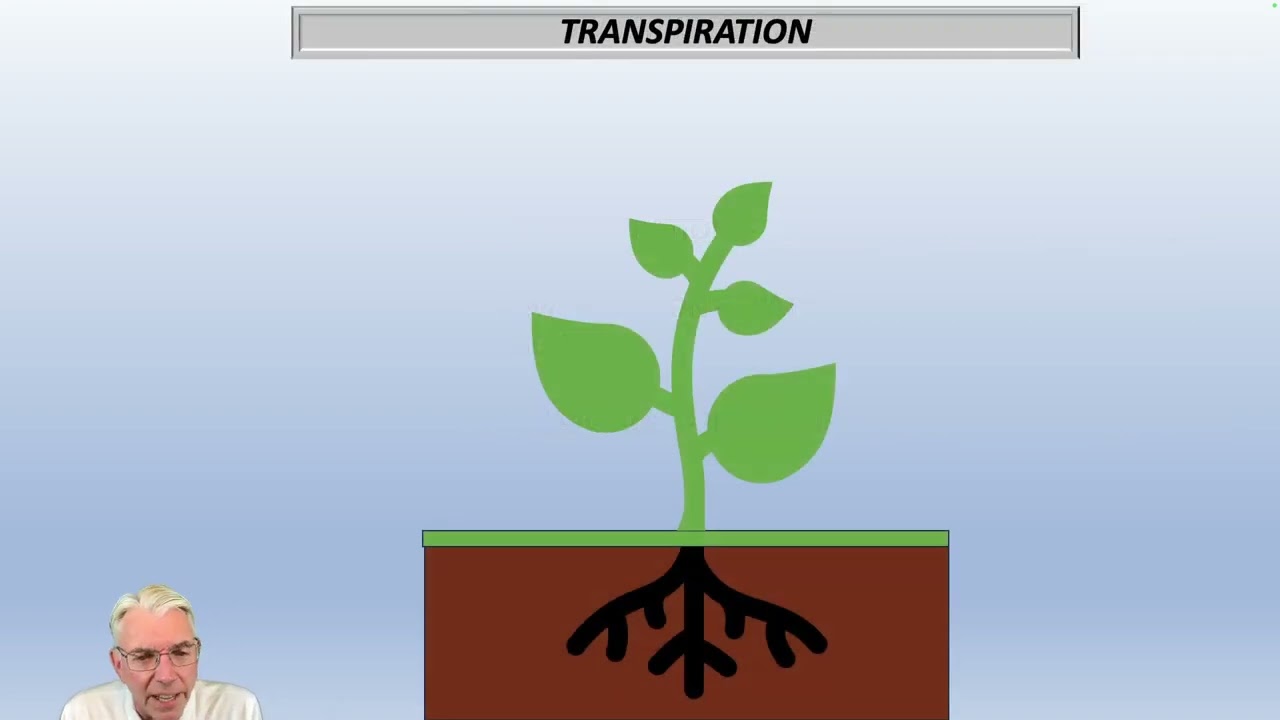
The biological processes of transpiration and evaporation (evapotranspiration) and how vegetation cools surrounding air.
Fundamental principles of sustainable urban planning and the environmental challenges faced by dense metropolitan areas.
Structural engineering and retrofitting challenges, including roof load-bearing capacities and waterproofing membrane technologies.
The economic feasibility and life-cycle cost analysis of extensive vs. intensive green roof systems.
Integrated water management strategies, such as the 'Sponge City' concept, bioswales, and permeable pavements.
Urban biodiversity preservation, studying how green roofs act as ecological corridors for local flora and fauna.
Municipal policy tools, zoning laws, and financial incentive programs (like NYC's Green Roof Tax Abatement) that drive green infrastructure adoption.
273.5K views3.8Klikes3:49Original Release: 2017-07-12
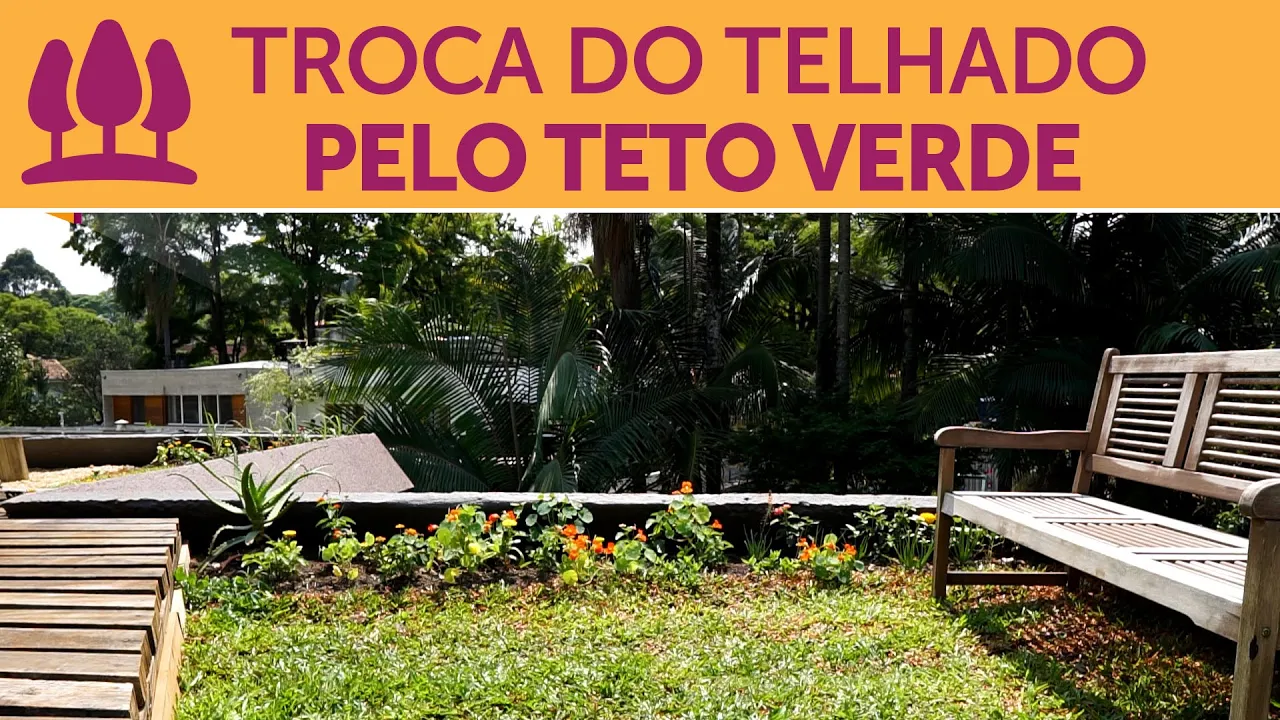
This is the largest green roof in New York City.
It's in the middle of bustling Manhattan, on top of the Javits Convention Center— a behemoth of a building with a six-block footprint.
But the roof hasn't always been green.
Before 2014, it was totally barren.
Now, just a few years later, when people walk out onto the roof, they say things like: "Amazing," "That's great," "I didn't expect this," "What a surprise."
But besides the great reactions, there are practical benefits.
We have 300,000 bees.
We've seen 25 different species of birds on the roof.
We reduced the temperature up here by about six degrees Fahrenheit.
And we also save about 7 million gallons of stormwater runoff that's absorbed in the soil and the plants that are on our roof.
We've been able to reduce our energy consumption by about 26 percent, and that translated for us last year into a saving of about 3 million dollars.
That is impressive.
How does one green roof get so much done?
And what are all of the NOT green roofs in New York City doing with their lives?
First, let's see how much roof space actually exists.
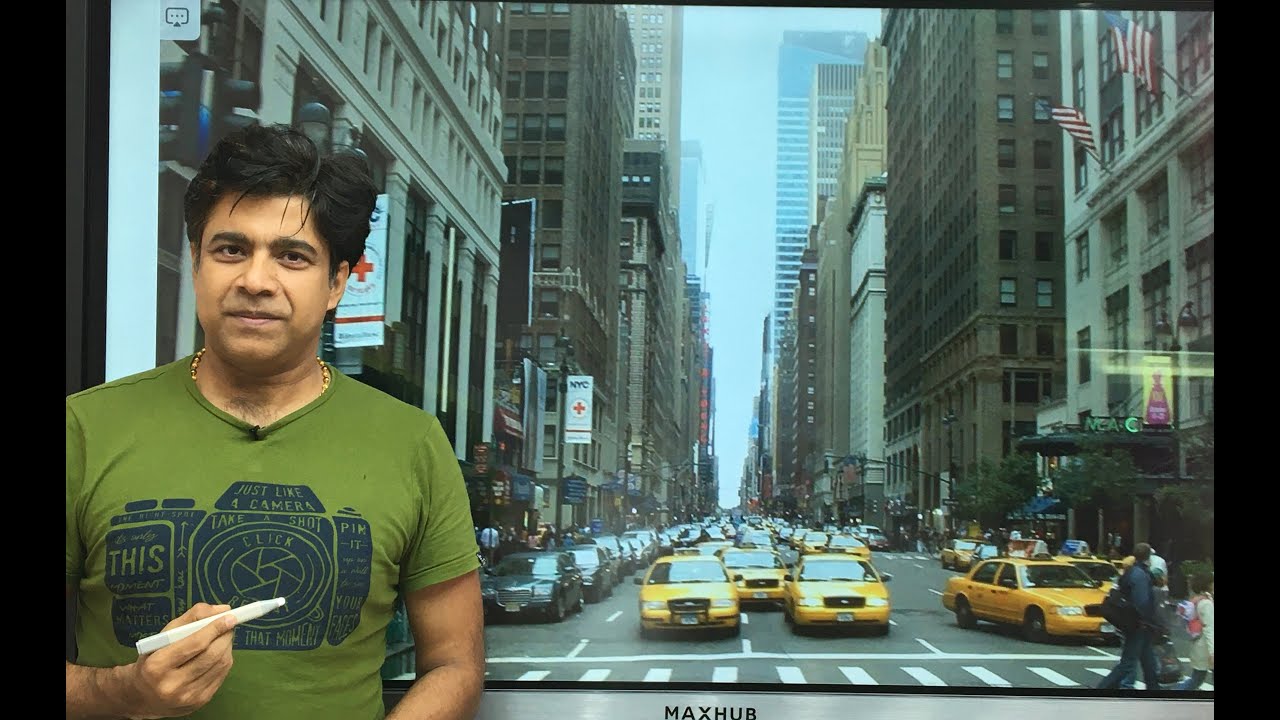
You know, they are a major part of urban landscapes.
The the round number that most of us think exists is about 1 billion square feet.
One billion with a 'b.'
That's like 22 times the size of Central Park, in roofs.
And in most cities, what isn't roof is another impermeable surface like road, sidewalk, or parking lot.
And these surfaces create a lot of problems for cities That green roofs can actually help solve.
Let's take a look at three of these issues. The first is stormwater runoff.
Rainwater goes in pipes. It combines with what's called sanitary water.
When there's too much rainwater, which happens hundreds of times a year around Manhattan, the wastewater treatment systems shut down, and valves just let the water just, you know, shunt out into the rivers. You know, it's got human sewage.
It's the biggest source of pathogens to the Manhattan Island.
With green roofs, that water instead of going into the drain and polluting the environment, ends up just evaporating the atmosphere through the leaves of these plants.
And then, there's what scientists call the "heat island effect," which basically means that cities are significantly warmer than the surrounding areas.
I've seen asphalt roofs get up easily 170, 180 degrees Fahrenheit in the strong sunlight.
They absorb about 90 to 95 percent of the sunlight.
Green roofs, by comparison are close to air temperatures.
Another problem green roofs can help solve is habitat loss.
Cities can shrink or destroy the green space that's crucial for certain plants and animals to survive.
Currently a lot of species might occur in smaller parks throughout the city that are relatively unconnected, But having high densities of green roofs would allow those patches to be more connected.
Letting, for example, butterflies travel from patch to patch with lots of stepping stones of green roofs in between.
And these are just three of the problems that green roofs can help solve.
But to really put a dent in any of these issues cities would have to implement green roofs at a large scale.
Stuart Gaffin, the research scientist you heard from earlier, estimates that if all of New York City's 1 billion square feet of roof space were greened, those green roofs could lower the city's temperature by nearly two degrees Fahrenheit and absorb over 10 billion gallons of stormwater each year.
As cities continue to grow, all that empty roof space starts to look more and more like an opportunity, an untapped resource, a future ecosystem of problem-solving meadows in the sky.
Up Next

3:11
Quantifying Green Roof Benefits: NYC Urban Sustainability Study
@wsj
172.9K views•2008-10-06

15:54
Life in Biosphere 2: Sustainable Ecosystems & Human Survival
@TED
334.9K views•2009-06-16
14:30
Microplastics Everywhere: How Plastic Impacts Our Lives
@TEDx
100.9K views•2018-05-08
10:28
Ice Stupa Artificial Glaciers: Solving Ladakh's Water Crisis
@SonamWangchuk66
3.2M views•2015-05-03
Related Study Plans & Knowledge Roadmaps
Structured learning paths in Environmental Science
environmental-science
Ocean Noise: Cetacean Impacts & Mitigation
01Fundamentals of Underwater Acoustics
02Marine Mammal Bioacoustics
03Anthropogenic Noise: Shipping & Seismic Surveying
+ 2 more learning modules
16h5 modules
Explore Roadmap
environmental-science
Road Ecology: Corridors, Overpasses & Fencing
01Foundations of Habitat Fragmentation and Carnivore Ecology
02The Road Barrier: Ecological Impacts of Transport Infrastructure
03Principles of Ecological Corridors and Connectivity Mapping
+ 3 more learning modules
14h6 modules
Explore Roadmap
environmental-science
Ocean Acidification: Kelp Buffering & Shellfish
01Fundamentals of Ocean Chemistry & pH
02Chemical Pathways of Coastal Acidification
03Bivalve Physiology & Calcification Under Stress
+ 2 more learning modules
18h5 modules
Explore Roadmap
environmental-science
Ice Stupas: Glacial Retreat & Water Security
01Foundations of Glaciology & Mountain Hydrology
02Climate Change and Glacial Retreat Dynamics
03The Science of Ice Stupas & Artificial Glaciers
+ 2 more learning modules
14h5 modules
Explore Roadmap