












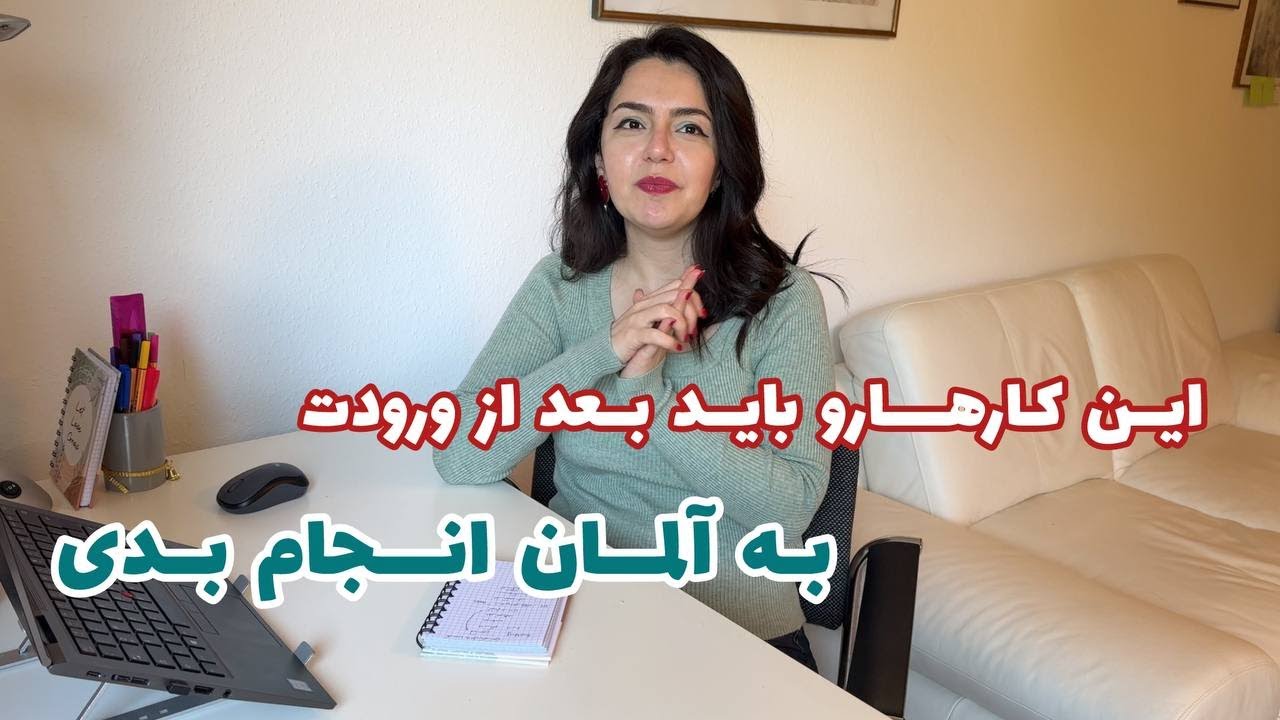

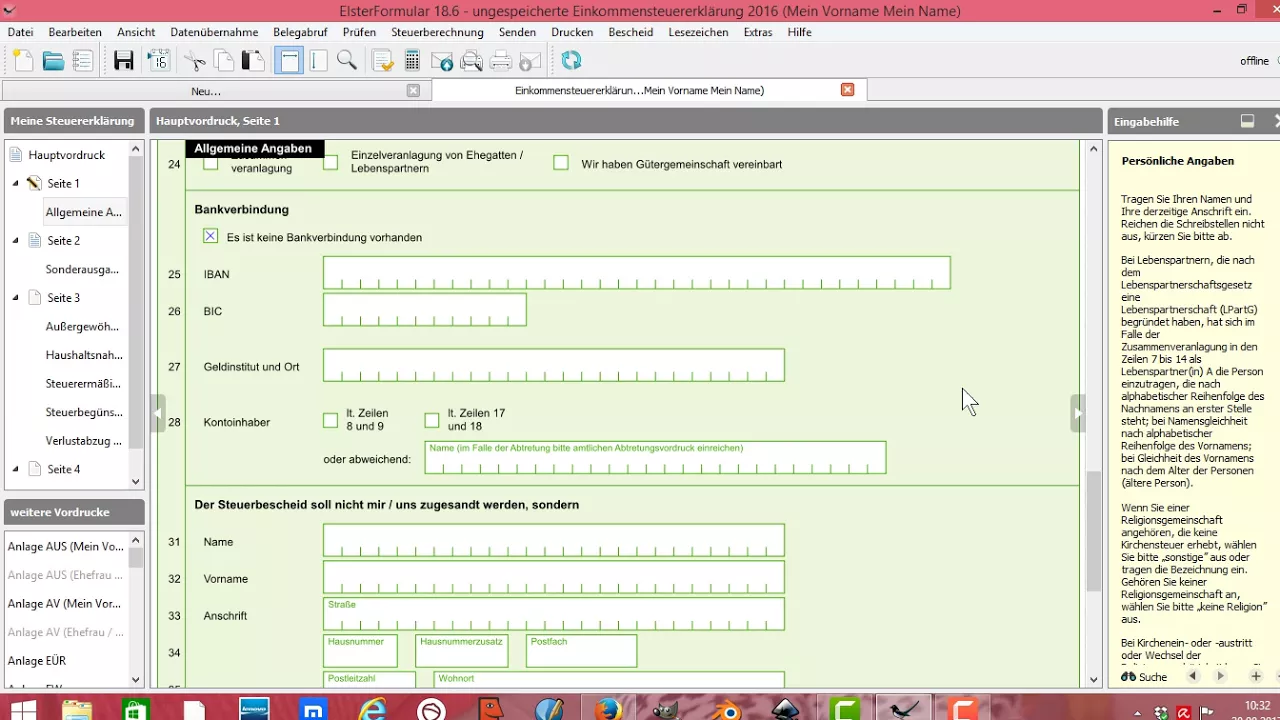



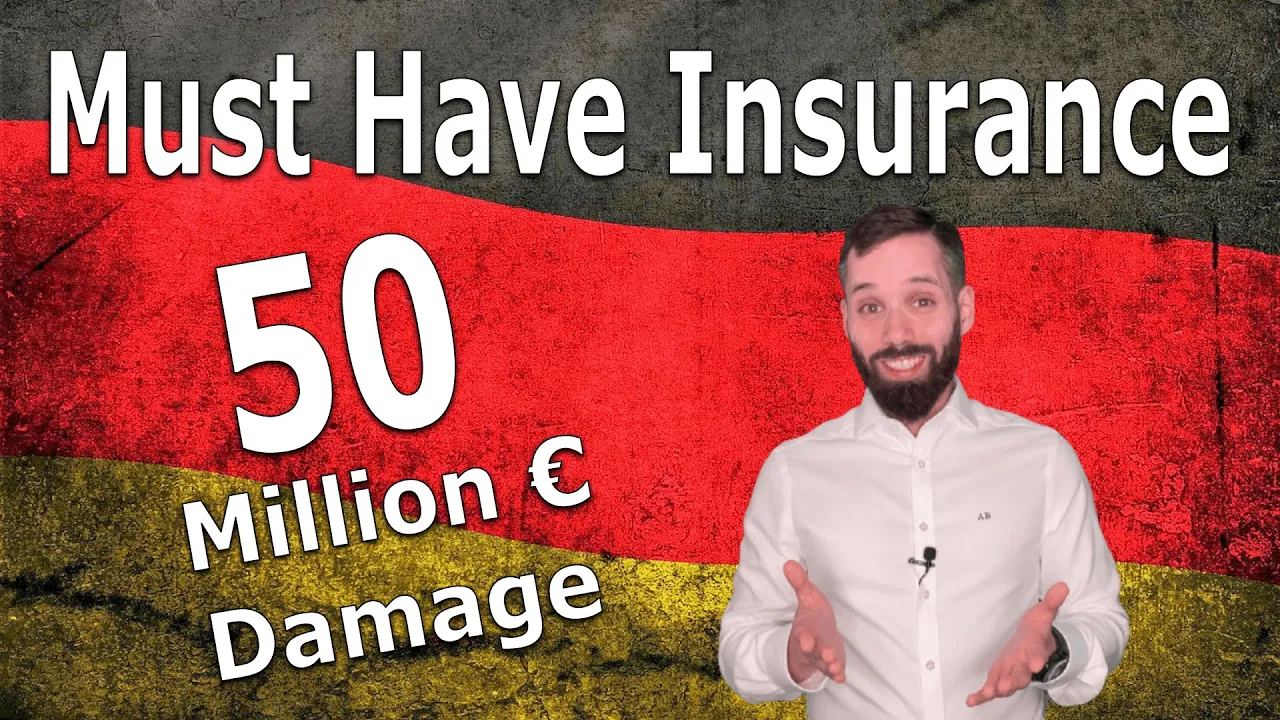





In Germany, insurance is organized into mandatory and optional categories; mandatory insurances include health insurance (covering 90% of the population through statutory or private options), pension insurance (18.6% contribution), unemployment insurance, long-term care insurance, and car liability insurance (mandatory for vehicle owners), while optional but recommended insurances include personal liability insurance, household contents insurance, disability insurance, and legal insurance (covering areas like private law, employment law, traffic law, and rental law with monthly costs around €20-40), with the key principle being that insurance serves as a collective protection mechanism where everyone contributes a small amount to help each other during difficult life situations.
Understanding Insurance in Germany: Mandatory and Optional Coverage for Expats Explained
Added:Germany is famous for being super organized and that also includes regulations for insurance. If you've just moved here or you have been here for a while or you are planning to move to Germany, you've already noticed right that there is insurance in Germany for everything be it car, health, legal issues, what your the content of your home. You can even insure things in your home. But before you fret and panic, not [snorts] all of them are mandatory. So by the end of this video, you will know which of the insuranceances are mandatory that you need to have, which ones are nice to have, how to go about it, where to turn to, and how to see through to know what kind of insurance fits your lifestyle. So shotty lines, let's get ready.
>> [music] >> And we'll also we'll also take a deep dive into the legal insurance not only because of my my field my work field but also because I've actually gotten questions from some of my friends and also some of you chat line about what do I need the legal insurance what do I need to do when I want to go see a lawyer and all of that. Yes, we'll talk about it.
First of all, why why do you need insurance in Germany?
In Germany, certain insuranceances are mandatory for you. And the concept is very simple. We all pay a little bit so that when life goes sideways, we can take that money that we paid to, you know, socket ourselves to help ourselves out of the ditch. This is why there are insurance.
And as I already said, some are mandatory, some are not. Now there are five I'll say I'll I'll list the five main mandatory insuranceances and even these five depends on your life circumstances because insurance is for life situations. So as these life situations get activated in your life that is when you need that insurance but one that doesn't matter whether you are old or young is healthcare.
Everyone needs to have healthc care insurance. It is your fleged as in that's why it's called a fleged physician. It is a mandatory insurance.
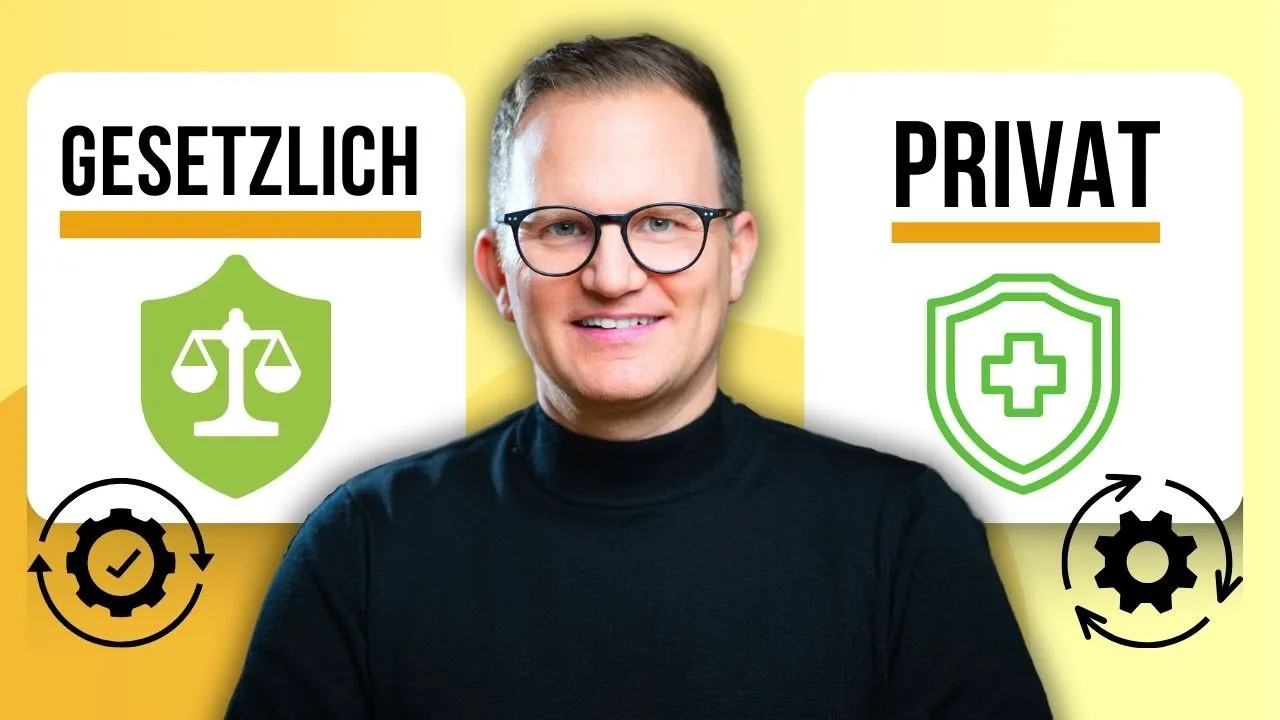
Now in Germany there are two types of health insurance. There is the glish the statutory the public health care insurance and then there is the privat private.
Now everyone automatically falls into this one. Okay. And about 90% of the populace has this one the seditary or gazetic room. The other 10% are in the priest.
And the healthcare insurance the sedary one covers everything from medication to surgeries and all of that. It is only when you have to pay the two. Okay, that's is like €5 or€10 depending on the kind of medication. that usually most of the health care costs are covered. What you would have to pay on top is between€5 and €10. And of course, if you're doing something like physiootherapy, ego theapy per each treatment, per each session that you go, you have to pay a certain amount. And by the time you're done, if you had the 10 um sessions, then you're paying something something between 80 and €100 for all of the sessions put together. So you have to look into which of the health care insurance companies that you want to go to and what do they offer. Okay, that's that. You already know that I'm a big fan of feather insurance because they also cover experts and also give experts especially freelance experts good options when it comes to how they want to get insured in Germany especially when it comes to health care. Now, private health insurance. Private health insurance, as I said, is about 10% of the population that have private health insurance. Private health insurance is not only bound to your health and your age. [clears throat] So, the older you get, the harder it gets for you to join the private health insurance, but first of all, you have to make sure that your income is speaking the language of the private health insurance. So, this is the minimum that you have to make. So, once you cross this threshold, you could be eligible. The health care health insurance provider. Yeah. Health insurance provider would also give you other conditions that you might have to meet being maybe you don't have any underlying chronic um sicknesses or diseases. What kind of person are you?
Are you active? Do you have any kind of implants? You know, these are the kind of questions that they want to know to know if you are someone who is prone to getting sick. Yeah. And then they'll actually decide on whether they will take you on or not. Usually people that like to be on the private health insurance are the civil servants. They have different rates. They have different contracts um requirements or contract conditions. So these are the two main options when you that you have when you are in Germany for healthcare insurance. And as I said earlier, it actually comprises all types of health care services. What you would have to pay on top is usually less. Now let's talk about how much does it cost. The percentage of the health insurance that is taken from your pay is 14.6%.
So 14.6 and depending on which healthcare or health insurance provider that you are with they can also add 2.5 to that. So that is that and sometimes your health care your health insurance providers would would not even charge you on top if you have kids and all of that. That is the perks of having the seditary or the men the public health insurance. But if you have a private, it could be the a different story that each child will be charged extra. Okay. On top of the parents own or maybe the more case you have the cheaper it gets. You would have to look into that. As I said, contact the health insurance provider of your choice and have them explain things to you. But for just for you to have an idea of what this actually entails. So public health insurance covers the essentials as I said from doctor's visits, medications, surgeries, other types of health care services that you need and public um private also does the same thing but be careful private health insurance can get more expensive.
I already gave you the example with children. The next mandatory one is the pension insurance.
It goes straight to Deutsche.
So that that's for you to know. You remember some some in my previous one of my previous videos I talked about the debate that is ongoing about how much pension someone is going to get in their old age. Yes. So it's time for you to start looking at that. Of course, you had liberty to also add different types of pension insurance or pension, you know, plans that you want to have for your future. You can also put that like do that on the side. So, you have the mandatory one that goes to Deutschong and then you can also add on as you go.
Okay. They deduct 18.6% of your in of your income for the pension as well. So almost 20% of your income is going into your pension fund.
The next one that is mandatory is the unemployment insurance.
This is also taken from source and as the name says if you are supposed to lose your job tomorrow that money that you paid into the lost is supposed to carry you through and that is loen one or closen five. Another insurance that a lot of us forget sometimes because the percentage looks so small is the fleger facial home. So fleger physician home is like the long-term um care insurance. So if you should go to the care home in your old age or you should need someone coming to your home to take care of you in your old age then this is what you're paying towards. So it's not too much on your children later. This is also the another type of insurance that is also deducted from source. Now this one is probably the only one that you would have to actively look for and that is where I would say and that's where I would say further insurance is also a good option for you is the car liability insurance caret half.
Yes, it is long. It's even longer if you pronounce K said half.
So if you are a car owner, you would have to get the insurance, the liability insurance for your car.
If you don't have this half, no driving for you. Keep your car in your garage.
Don't go out on the street. Okay. And how does this work? So there are different factors. They would ask things like, have you had any accidents in your in your past? like in the past, are you a new driver? Where do you park your car? Is your car in a garage or do you don't have a garage? Is your car outside?
These are some of the questions that will be asked. And not just that, they would also want to know where you live, the kind of person you are. Are you a student? Are you an employee? Do you own your own business? Yeah. Tai Casco is basically less coverage and Ford Casco is full coverage and that can even cover your own car as well. So you have to look into what options the insurance provider is giving you. Look into retire Costco or for Costco. But basically chassis line you even need the insurance certificate before you can register your car. Okay. So no insurance no car. Yep.
So these are the five main mandatory insuranceances that you can you you need to have. Um I said as I said the last one, the car insurance only if you have a car. But yeah, those are the five main ones that are mandatory in Germany. Now let's come to the nice to have insuranceances. Personal liability insurance. You took your friend's phone, it fell and the screen cracked.
You don't want to pay out of pocket. You don't want your friend to chase you for the money as well. You just have to let the insurance take care of it. You take your friend's data, you send it to your insurance, you tell them what happened, they take care of it. Okay? And the good thing about halfing is that it's it's not expensive. Okay? It's quite affordable.
It's somewhere around it. The younger you are even I think the cheaper it gets. And if you are married or you're in a partnership, you can even get like two for one. So it's it's optional, but I'll say it's a must have because anything can happen. Okay? And if it's just a few bucks, like maybe if you actually break it down, [clears throat] it's maybe 3 to4 a month, then please do it for your sake, like for your mental health and for you to know that nothing bad can happen, you know. So I would I would recommend that actually. The next one is the household content insurance as a house card for sister. It's also nice to have. Um I remember a friend of mine's house has been flooded because her neighbor thought they would want to do things with pipes as in DIY and they flooded the apartment from the top. So something like that you have the house card physician. It helps even though they would have to pay something but you know two two is better than one you know. So yeah, that is something you can do. So your furniture, things that you have in your home. Yeah, it's more for the objects in your home and not for people. House cut. Okay. The next optional one, disability insurance.
Disability insurance.
I would recommend that you do that as early as possible because I always say that human beings, our bodies are machines and the older we get the the more prone we become to, you know, not being able to work. It can happen through an accident, it can happen through sickness, anything can happen, god forbid, but anything can happen. So, an insurance that can protect you from that is definitely a plus. So look into that as well because shy line just because you can't work doesn't mean the bills are going to stop coming like the bills don't stop just because you stopped working. So please look into that as well. I'm not saying because I'm I'm recommending further insurance. You should do everything that I'm talking about. But some of these things I'm talking about I have the group's own face kite. I have the liability insurance. The only thing I do not have is house card. But how's that?
I'm thinking about because my friend's apartment got flooded. All right. Now, let's talk about one insurance that confuses a lot of people.
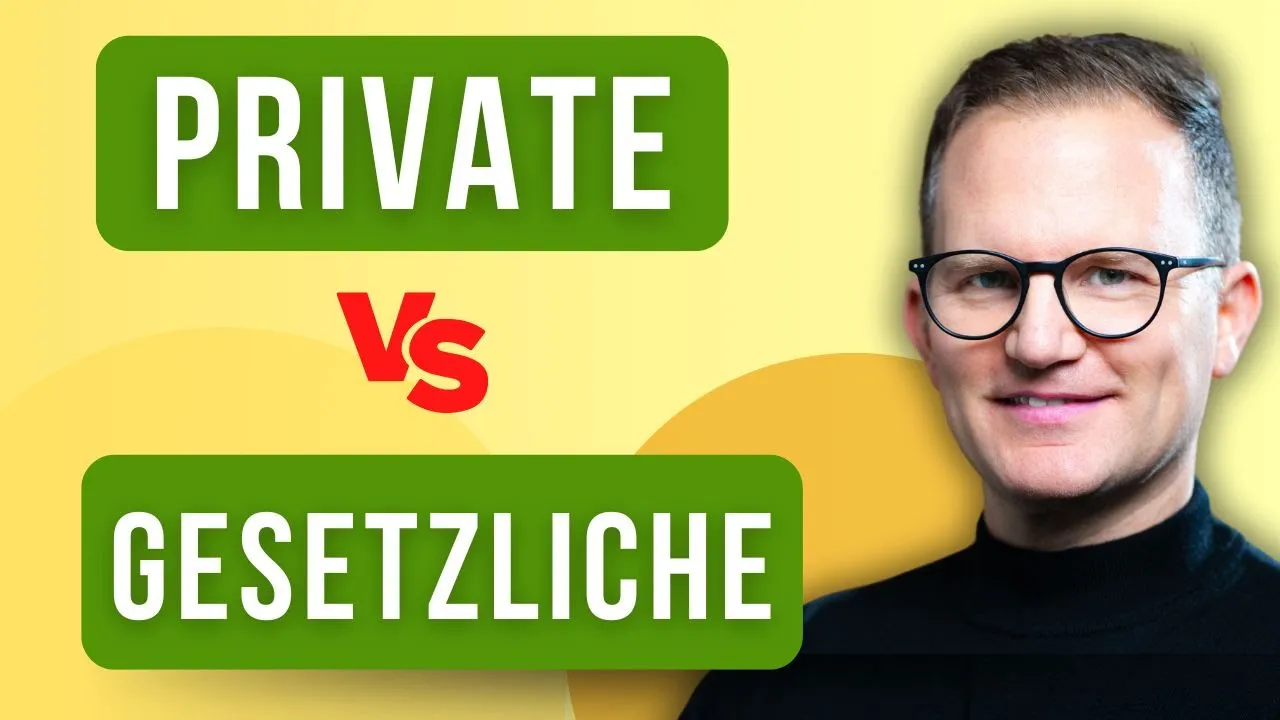
Legal insurance. Now in Germany, legal disputes, small disputes when it comes to your employer not, you know, giving you the pay raise that you wanted or them unfairly terminating your contract or your landlord trying to get you out of the apartment or not giving you back your cartoon when it's time for them to or even other regular private law situations, some contract that you you've signed that you know you're being treated unfairly or it's been breached. Yes, these legal processes or these legal disputes where they come to court or even just between the lawyers without going to court can cost you a few hundred to even a few thousands of viewers depending on what is at hand. And this is why legal insurance is actually recommendable.
So when you have a legal insurance, you can defend yourself, fight for your rights without worrying about going broke. Okay? And for us to understand how legal insurance works, I'm going to use Feather, our sponsor, as a case study. You already know that Feather is your one-stop shop for all types of insuranceances, be it mandatory and the optional ones. Okay, now let's talk about what does the legal insurance cover? What types of legal areas does the legal insurance cover? So we have the private law, we have the employment law, we have the traffic law, we have the rental law and then we also have the criminal protection. Okay. So the private law as I said earlier any type of contracts that you may have even you know claims against your insurance themselves and then we have the employment law or employment area or you know what has to do with your employment your employer labor law and then we also have the traffic law. So the traffic laws is what you know usually comes to play when you're involved in an accident when you have a fine or something like that. And then the tenants law, the tenants law with your landlord also can be covered.
And then when it comes to criminal protection, that one is quite dicey. But usually some of the negligent claims that could also have criminal um law repercussions or to crimes like theft, embezzlement, fraud. These ones can also be covered by the region.
Of course, only if you are not found guilty. This is usually what the insurance companies would want to see.
Okay. So before we talk about how they cover them, let's talk about how much it costs. So the legal insurance is usually done in some kind of module or options.
Okay, so you can choose the modules that are relevant to you in your lifestyle and then you can also leave the options that are not relevant to you and it's usually cost between 20 and 40 per month. Now the good thing about further is that the basic options or the basic package for legal insurance already covers private um law aspects. It covers the employment law as well. It also covers the traffic law as well. These three are covered the ones covered by feather. And then when it comes to the um when it comes to the tenants as in the landlord dispute and the criminal ones you can criminal protection you can use those as add-ons. So you can add those as add-ons and as I said usually the insurance cost 20 to40 a month but with feather you can even pay as low as €13.50 something per month. It depends on the state you are in. The current example that we're using is from Berlin.
Okay. Okay. So, we are using Berlin as a case study um city. So, that's why it's 20 something. But depending on the state or the region, the federal states that you are in your city, it can even be cheaper. As I said, the lowest starts from €13.51. So, please look into wait and see what applies to you. Okay. So, that is that this is how much it cost.
So, for the for example, this what the further does basic package has already three in it. And then you can add the add-ons. What does the insurance usually cover? So the insurance would cover the legal hotline. So the legal hotline is what I would ex um so what I am terming as a legal hotline is you calling your insurance and asking them that you want to speak to someone a lawyer or a legal expert to explain things to you as in your situation. What does it mean? Do I have to go to court? What can I do? This is what I'm calling the legal hotline and federal offers that as well. Right.
And then the insurance would also cover legal cost after they have told you you can go to court or if you want to go to court. Yeah. So the legal cost. So the court fees, the lawyer fees and also the sac. The saken is the expert that the court would call on to explain the situation for them or to give their understanding their expert opinion on the situation. And you'd have to pay for that. and expert opinions can cost a few thousand. So it is good if you have an insurance that covers that as well. The good thing about Feather is they do that. And then when it comes to this legal hotline I just mentioned the legal explanations and your first you know encounter your first consultation with the further lawyers is going to be in English. So that is also a plus. I know I always say that learn German but if you are still in the process of learning German you haven't attained that level of German to understand legal things and you have an insurance that is giving you all that I think that is a good deal okay very good deal in fact now that is that so what happens when you actually want to submit a claim now the insurance usually would ask you to pay a deductible but in Germany will say steps behind of between 150 and €300 now when it comes to further I said feather is credible. Feather is transparent as they show you how you choose your model or the options is how you're going to pay.
And when it comes to the deductible as well. If you contact further before hiring a lawyer, it's €150.
Yes, that's a deductible. But if you hire the lawyer and then submit the claim, it becomes 300. So I would say that before you, you know, hire the lawyer, let's further know that that's what you want to do. Maybe it would already be clarified with the first, you know, legal hotline call and they would clarify things for you so you know what to do or how to go about it. But if you still want to press charges or continue with the lawyers services, then it's €150. Okay, that is that. Now, when does your insurance start? When does the insurance protection the legal protection legal insurance protection start? So usually the insurance or the insurance would have 3 to 6 months of waiting time. When it comes to further it depends on which module or which option you chose and what we are talking about.
So you have to check for example if I take the landlord protection how how much time do I have to wait three to six months. If I take maybe a regular private legal issue, how much does I take? Does that do I have to wait for it to start working? 3 months. Yes. So this is how you have to know, you have to check to know when does my protection start because all insuranceances are not going to get into the case when you already in the midst of the the case or in the midst of the trial. So if you already started the court case, they're not going to get involved. Okay? If the case has already started already in the hands of lawyers, you're not going to get involved. So you have to check which of these policies your insurer is, you know, has laid out for your insurance contract, right? So basically the general rule is the insurer does not interfere or help when the case is already ongoing. Another thing that the insurance usually do not cover is when you are the one at fault. Yes, especially in criminal proceedings. If you are found guilty, they will not cover it. I would also advise that before you sign your contract or before you sign onto this legal insurance with your insurer, find out which areas or which legal areas do they not offer at all. For example, Father does not give protection when it comes to immigration law or immigration legal cases, right?
But they would cover in inheritance or marriage um divorce and all that. But some insuranceers would not do the marriage and divorce and inheritance law as well. So please know which options are applicable to your life, which options are vital to your lifestyle before you sign on for that insurance.
So having a legal insurance or facial is not going to make you a lawyer overnight, but it would help you greatly when you want to fight for your rights.
All right. Yes. And yes, we have special situations, students, we have parents, freelancers, pet owners. Yes, these are also different optional things that you would have to look into if you fall into this circumstance. If you have a pet, some dogs also require you to have insuranceances and even pay taxes. And if you're a home owner, you have to look into giu and that is for the home that you are in. Okay? or not the home that you're in but just your building. Okay, that is won't give your home. So shy line, let's recap. There are the mandatory insuranceances that keep the country running, the society running and then they are the optional one that keep you safe. Okay, this is the overview of the types of insuranceances in Germany. And don't think of insurance as a boring bill, as something that you shouldn't be interested in. I'll say that take your time to look at your insuranceances.
which ones which ones are as Germans would say dock it came up with which ones are too much and which ones are the one that you actually need to invest in.
So insurance is not a boring bill it's peace of mind. Okay. [music] And it's something that you have to invest in for your own safety as [music] well. And so if this video helped you to understand the insurance systems [music] or the insurance systems and types in German, please do give it a thumbs up and let me know that in the comment section as well. And thank you so much for watching this video. I really appreciate your support. So give this video a thumbs up, subscribe if you have not yet subscribed, become a shy line as well.
And of course, share it to another shhaty line or another person who just moved to Germany and needs to see this as well. So, see you next time, Shy Line. Cheers.
[music]
Up Next
Climate Change in the Himalayas: Water Conflicts & Melting Glaciers | Documentary Analysis
@DWDocumentary
103.3K views•2022-07-17

Walking in the City: Urban Rituals and the Flâneur in Contemporary India
@PSBTIndia
1.9K views•2016-08-02

FastAPI vs Flask vs Django: Choosing the Right Python Web Framework
@TechWithTim
302.5K views•2024-05-26

Game of Thrones Opening Credits: A Cinematic Analysis
@gameofthrones
46.3M views•2011-04-18
Related Study Plans & Knowledge Roadmaps
Structured learning paths in General & Interdisciplinary Studies