

![[손해평가사 무료강의] 01강 - 보험의 원리 등](https://i.ytimg.com/vi_webp/g9kQE7kdkeE/maxresdefault.webp)























Insurance companies implement cost-sharing mechanisms including coinsurance (percentage payments), co-pays (fixed dollar amounts), and deductibles (out-of-pocket thresholds) to limit moral hazard by maintaining positive marginal costs for insured individuals, thereby reducing the price distortion that would otherwise encourage excessive healthcare consumption; additionally, insurers use monitoring programs and gatekeeping requirements (requiring primary care physician referrals) to further control moral hazard through behavioral incentives and controlled access to specialist care.
Health Insurance Cost Sharing: Coinsurance, Copays & Deductibles
Added:Basic principles of insurance, including risk pooling, premiums, and the concept of risk transfer.
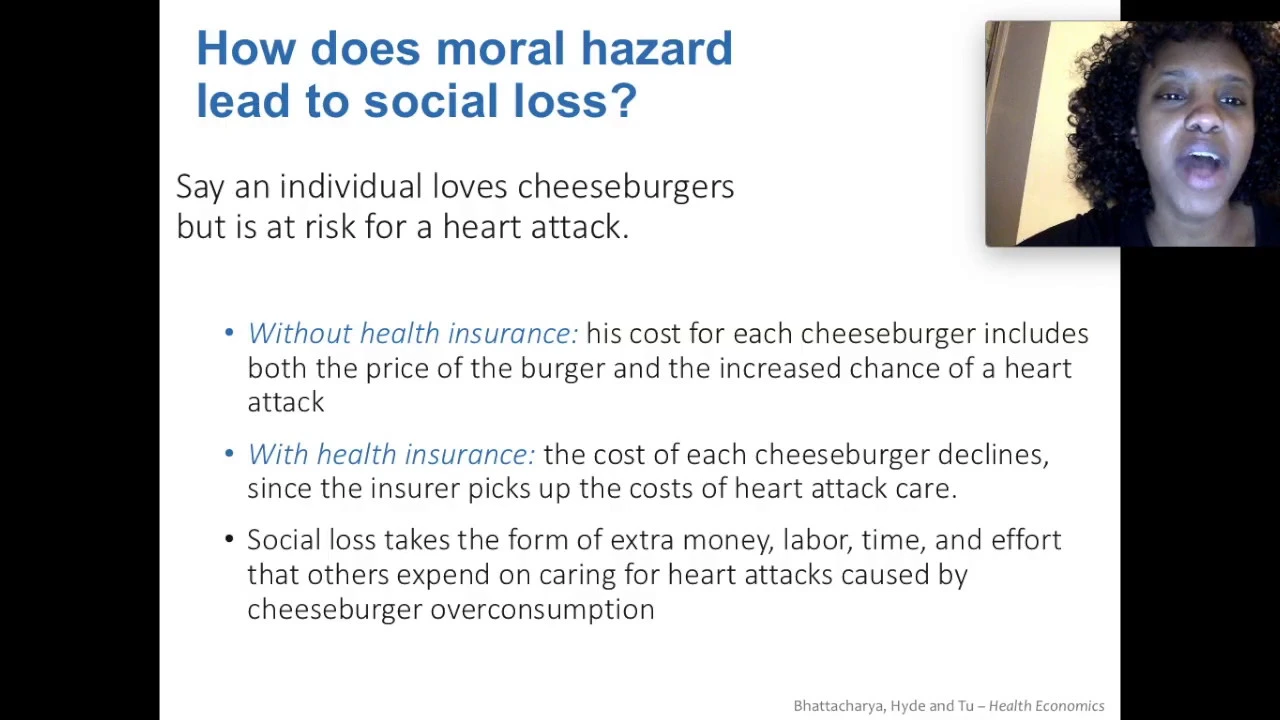
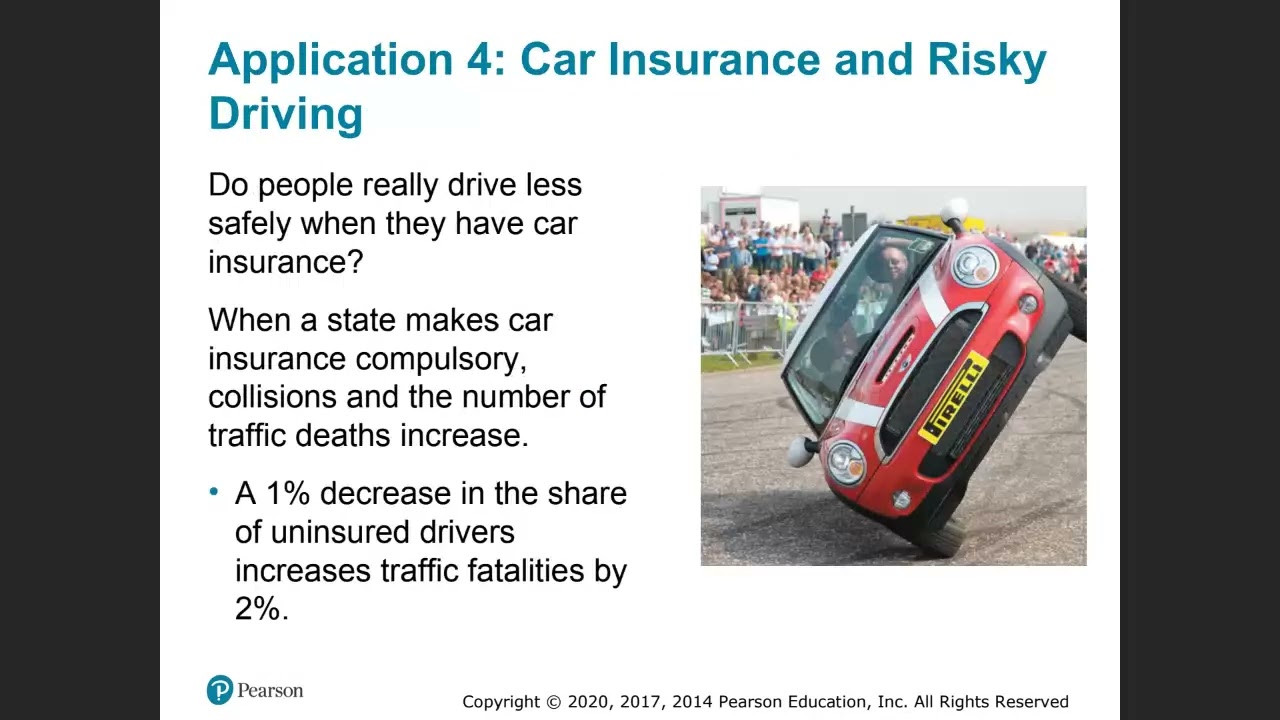
The economic concept of 'moral hazard' and how reducing the perceived cost of a service can lead to overconsumption.
The role of third-party payers in the healthcare market and how it distorts standard supply and demand dynamics.
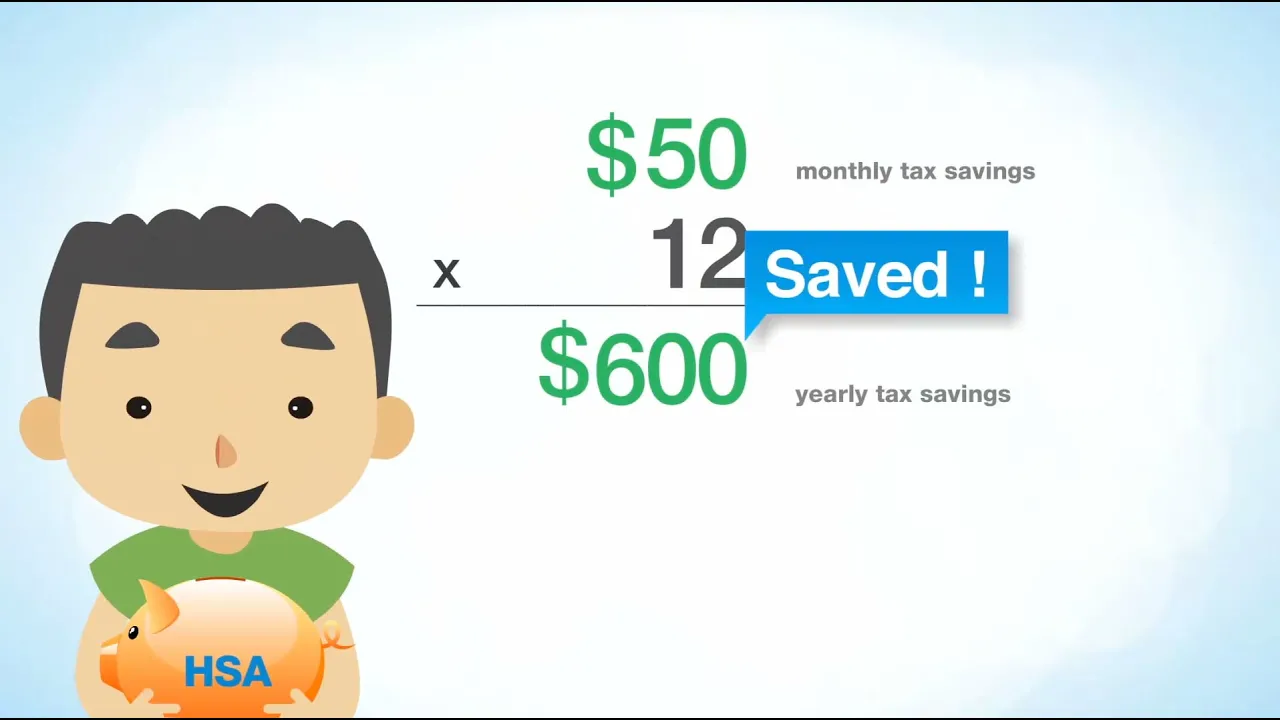
Analyzing how various cost-sharing mechanisms interact to form complex insurance plan designs, such as High-Deductible Health Plans (HDHPs) paired with Health Savings Accounts (HSAs).
Exploring the concept of 'adverse selection' and how insurance companies manage asymmetric information in risk pools.
Examining empirical evidence, such as the RAND Health Insurance Experiment, to see how cost-sharing affects health outcomes versus healthcare utilization.
Understanding the regulatory frameworks and public policies, like the Affordable Care Act (ACA), that limit out-of-pocket maximums and mandate free preventive care.
999 views0likes4:54Original Release: 2020-03-03
so in this video we're gonna talk about how to how insurance companies go about trying to limit moral hazard and insurance markets and so the extent of the moral hazard as we saw in the last video depends on how sensitive demand is surprise and the amount of price distortion that's being caused by the insurance they can't really alter the consumers price sensitivity which is a property of their own demand functions but they do have ways to reduce the price distortion due to insurance and so that's why they implement things like coinsurance co-pays deductibles and they have like programs where they monitor people's health so coinsurance and co-pays these are these are examples of cost-sharing there you might have some of these in your own health insurance policies there are two insurance contract provisions that maintain positive marginal costs for the insured meaning that the additional episode of healthcare costs greater than zero like some nonzero positive amount these plans limit insurance coverage so that they are no longer full insurance so coinsurance it just means that you pay a percentage of your bill and a copay is like a dollar amount that you have to pay a fixed amount every time you go in for a let's say a specialist or a primary care provider so with cost-sharing I'm gonna move myself a little bit out of the way with with full insurance in the graph on the Left you have really no price change regardless of what the quantity of care is that you consume the price is the same thing it's basically just whatever is your insurance premium so the marginal cost of care Falls to zero whereas without insurance you face the full demand curve and the full marginal price of care now with a copay kind of just cut off right in between as opposed to facing P you you face the lower cost of P C in the quantity of care that you consume is in between qu and QA @ Q B deductibles are another kind of tool that insurers can use they set kind of like you it's where you have to be the full price up until a certain amount let's say you have a one thousand dollar deductible you pay the first $1,000 of healthcare expenditures out-of-pocket directly to whoever it is that you see or the pharmacy or something then the insurance policy kicks in after that thousandth dollar so here's what the deductible looks like in a graph so on the y-axis its dollars like out-of-pocket dollar expenses and on the x-axis it's your net health care expenses below the deductible it's a one to one ratio the slope is one here and up until you hit your deductible of Omega in that last example Omega would equal a thousand so Omega is the deductible past the deductible and then coinsurance region this policy has a coinsurance rate levied you pay thirty three percent of the marginal cost so the price is thirty three percent of whatever is the marginal price the slope here is 0.33 once you hit your out-of-pocket maximum at sy now the out-of-pocket expenses are flat the slope of that section equals zero some insurance companies so the final leg example of ways that insurance companies try to limit moral hazard is monitoring so they have things like employee incentive programs where if you go see a nutritionist they'll reduce your bill or if you do yoga or get a fitness test they you know keep track of those things and might reduce your premiums or something so those are ways that they try to limit moral hazards through monitoring people's behaviors and also through things like gatekeeping where you have to go see a primary care physician and then that person has to refer you to a specialist it's a way of limiting moral hazard where an individual ex-post moral hazard where an individual might say I'd rather just go see the internist but really perhaps a primary care physician could have covered it
Up Next

9:08
Controlling Moral Hazard in Health Insurance: 4 Policy Tools & Tradeoffs
@hpam621healtheconomicscuny8
939 views•2020-04-07

5:07
Impact of Yuan in Indo-Russian Trade Amid Sanctions
@WION
261.9K views•2022-07-01
10:33
Behavioral Economics Explained: Rationality, Nudges, and Risk
@crashcourse
1.1M views•2016-03-12

113:18
The Age of Easy Money: Fed & Inflation | Full Documentary
@frontline
21.2M views•2023-03-15
Related Study Plans & Knowledge Roadmaps
Structured learning paths in Economics
economics
Sovereign Debt: Defaults, IMF & Restructuring
01Introduction to Sovereign Debt & Government Bonds
02Debt Sustainability & Credit Ratings
03Anatomy and History of Debt Crises
+ 2 more learning modules
12h5 modules
Explore Roadmap
economics
Market Design: Matching Theory & Gale-Shapley
01Introduction to Market Design and Price-Free Markets
02Two-Sided Matching & The Gale-Shapley Algorithm
03School Choice Systems and Mechanism Design
+ 2 more learning modules
10h5 modules
Explore Roadmap
economics
Impossible Trinity: Forex, Capital & Policy
01Introduction to Monetary Policy and Central Banking
02Exchange Rates and International Capital Flows
03The Mundell-Fleming Model
+ 2 more learning modules
8h5 modules
Explore Roadmap
economics
Healthcare Economics: Market Failures & Systems
01Introduction to Healthcare Markets and Market Failure
02Asymmetric Information and Adverse Selection
03Moral Hazard and Insurance Design
+ 2 more learning modules
12h5 modules
Explore Roadmap