













![17.Dr.Ahmed Abd El-Rahman [Atropine-Atropine Substitutes-Hyoscine]](https://i.ytimg.com/vi/sxH5D9wOpHc/maxresdefault.jpg)





![[LIVE] เรียนรู้จักพื้นฐานเครื่อง Pacemaker CRT ICD](https://i.ytimg.com/vi/K21r4kv-Zdc/sddefault.jpg?v=6a620343)


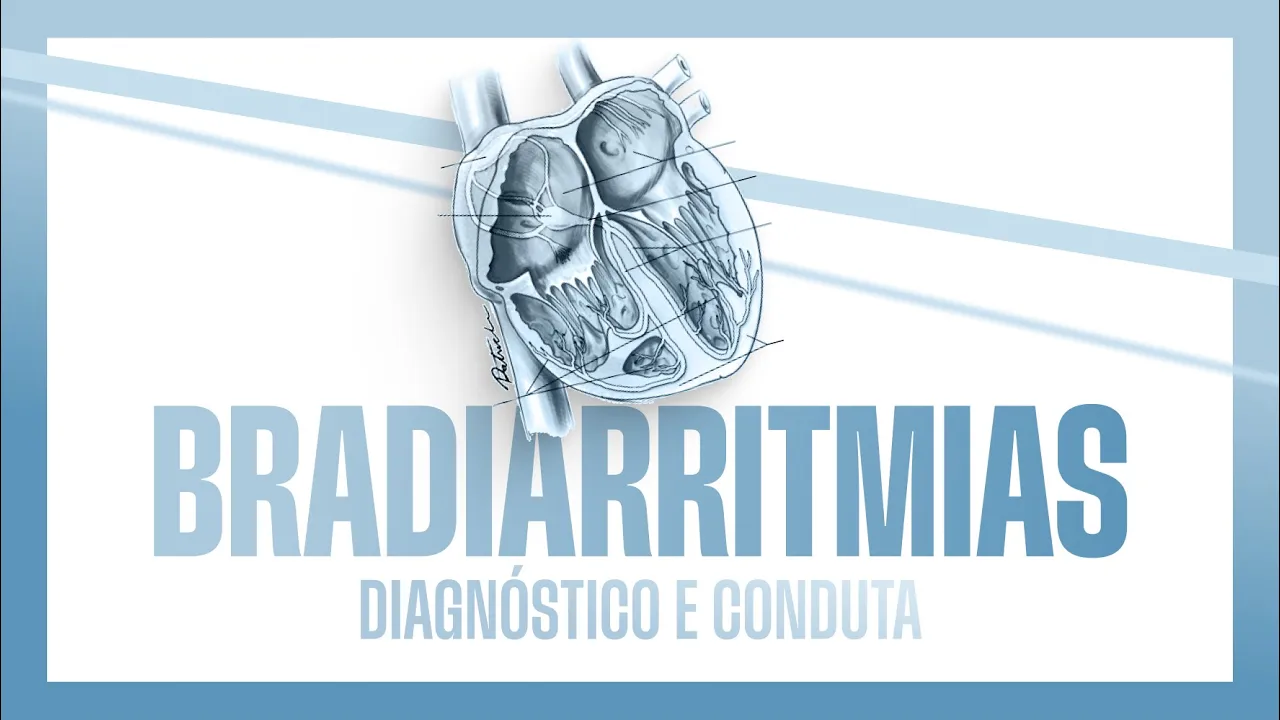
AV heart blocks are classified into three degrees based on the severity of electrical conduction disruption: First-degree involves prolonged PR intervals (>0.20s) with regular rhythm; Second-degree Type I (Mobitz I/Wenckebach) shows progressively lengthening PR intervals before a QRS dropout, while Second-degree Type II (Mobitz II) has constant PR intervals with sudden QRS drops; Third-degree (complete heart block) features independent atrial and ventricular rhythms with no correlation between P waves and QRS complexes. Causes include myocardial infarction, medications (calcium channel blockers, beta blockers, digoxin), and structural heart damage. Treatment ranges from monitoring for first-degree to emergency interventions like atropine, temporary pacing, and permanent pacemaker implantation for more severe cases.
AV Heart Block EKG Interpretation | 1st, 2nd, & 3rd Degree Review
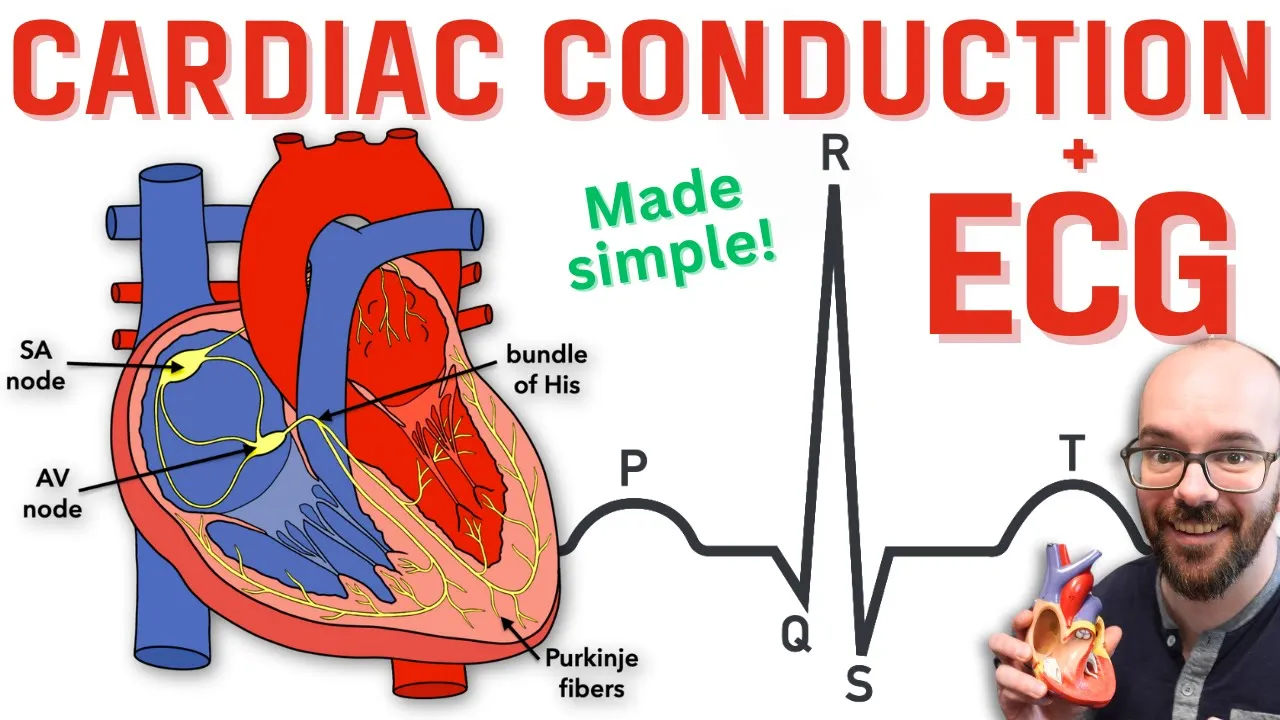
Added:as a nurse you want to be familiar with heart blocks and the reason heart blocks occur in the heart is because there is some type of block in the electrical conduction system now there's various types of heart blocks you want to be familiar with and these types include first degree heart block second degree heart block and there's a couple of these there's a second degree type 1 which has several names it's sometimes referred to as mobitz type 1 or winky Bach and then we have second degree type 2 which is sometimes referred to as mobitz type 2 and then lastly we have the complete heart block which is referred to sometimes as third degree heart block so first let's take a look at first degree heart blocks so whenever you go to analyze this Rhythm you may think at first that you have some type of sinus rhythm but whenever you take a closer peek you will see that it has a subtle little secret it actually has something up with its PR intervals the pr intervals will be prolonged hence they will be lengthened and with this written them the PR interval will be greater than 0.20 seconds and this will occur regularly throughout the Rhythm and the reason that this is occurring is because electrical signal is able to go down through the Atria to The ventricle so you get the P wave and the QRS complex but it is doing this slowly through that AV node which creates that longer PR interval so what are some characteristics and criteria this Rhythm must have in order to be a first degree heart block well whenever you look at this Rhythm it's going to look very similar to normal sinus rhythm the p waves are going to be normal the rhythm of the p waves which looks at our atrial rate will be regular it can have a rate between 60 to 100 beats per minute and then sometimes these rhythms can be a little bit slower so you may see sinus bradycardia with a first degree AV Block in addition the QRS complex is going to be normal it's going to measure less than 0.12 seconds and the QRS complex represented our ventricular right so our ventricular right can be anywhere between 60 to 100 beats per minute or slightly slower and it's going to be regular in addition you're going to have a normal QT interval but when you go to measure the PR interval it is going to be prolonged it is going to be greater than 0.20 seconds and as you can see with this Rhythm here we have a prolonged PR interval that is the only difference between this and a sinus rhythm is this interval now to help you remember this heart block from all the other heart blocks you have to know remember we are dealing with first degree heart block first means one so we're dealing with really one big problem with this Rhythm we have a prolong PR interval that is occurring regularly throughout the Rhythm now what causes first degree AV heart blocks well this can actually be normal in some patients and will continue to monitor it it can also be caused by a myocardial infarction or certain medications such as calcium channel blockers beta blockers and digoxin now what is the treatment for a first degree heart block well typically patients don't have signs and symptoms with this type of Rhythm and usually the only reason we know that a patient's in a first degree heart block is because they had a routine EKG where we could actually see it or we put them on a heart monitor and we could see the Rhythm and see that prolonged PR interval so we'll just continue to monitor them make sure they don't advance to another type of heart block or another type of abnormal Rhythm and if the patient has an extensive heart history they may need to be further evaluated by a cardiologist plus let's say they're on some type of medication that can do this that I listed earlier well those medications may need to be adjusted and this heart rhythm May resolve itself next let's look at second degree type 1 heart blocks also known as mobitz type 1 or winky box now the reason that this rhythm is occurring is because that electrical signal that's going from the Atria to the ventricles is getting progressively slower until it doesn't really stimulate the ventricles to track hence produce a QRS complex so all of a sudden we will drop a QRS complex therefore the key to help you really understand this heart block from all the other types of heart blocks is that that PR interval is going to gradually start lengthening so whenever you look at that rhythm you're going to notice that the P wave is getting further and further away from the QRS complex and then all of a sudden there's a P wave but a missing QRS complex and then the cycle is just going to repeat itself again therefore whenever we look at the characteristics and criteria for this to be a second degree type 1 heart block you're going to see normal looking p waves and the p waves tell us about the atrial rate and atrial Rhythm so the atrial rate will be normal the Rhythm will be regular but the Hallmark is that we're going to have gradually longer PR intervals until we don't have a QRS complex behind a P wave and this cycle will repeat itself again so whenever you do see those QRS complexes they will look normal and they will measure less than 0 0.12 seconds but some of those will be gone and because of that the ventricular Rhythm will be irregular and the ventricular rate will be slightly slower than the atrial rate now what can cause this type of heart block well a monocardial infarction can especially an active Mi that's affecting the inferior wall of the heart because it's causing acute ischemia that's depriving that heart tissue of that oxygen it needs to function in addition medications can do this like calcium channel blockers beta blockers digoxin rheumatic fever and increased vagal tone now how is a second degree type 1 treated well first of all you want to assess your patient and see if they're having any symptoms if they're not you want to continue to monitor them and a cardiologist may be consulted just to further evaluate the patient sometimes they need medication stop that slow that AV conduction system such as the calcium channel blockers beta blockers digoxin and that will help them but you also want to evaluate your patient make sure that they're not having a heart attack in mi and if they are they need treatment and media really now let's say your patient is having symptoms they're presenting with signs and symptoms that shows you that they're having low cardiac output that it's falling the heart's not able to pump blood and maintain itself so the patients having mental status changes they have a really weak pulse their blood pressure is severely low they're pale they're dizzy all that's telling you hey my patient is not perfusing fast something's wrong so with this you want to activate the emergency response system wherever you're at and with this sometimes what will be ordered is atropine or temporary pacing now let's look at second degree type 2 which is also known as mobitz type 2. so the reason that this rhythm is occurring is because electrical conduction system is not sending a steady signal from the Atria to the ventricles because whenever it normally does that we get a P wave followed by a QRS complex and because that signal is not steady we're going to actually lose that QRS complex therefore what you want to remember is that the PR interval does not progressively get longer and long longer and then all of a sudden we drop a QRS complex that happens in second degree type 1. in second degree type 2 that PR interval is going to stay constant meaning it's going to stay the same throughout that Rhythm and then we will lose a QRS complex at some point so whenever you look at the characteristics and criteria for this Rhythm you'll see the following the atrial rate will be normal 60 to 100 beats per minute and the Rhythm will be regular that PR interval is going to be constant it's going to stay the same and the PR interval can actually be normal or it could be prolonged Now The ventricle Ray will be slower less than 60 beats per minute and the reason for this is because we're missing some QRS complexes sometimes which throws off our ventricular array and the rhythm of the ventricular rate will be regular again because we're missing some complexes now whenever you do see the QRS complexes sometimes they can be wide greater than 0.12 seconds or narrow less than 0.12 seconds and this depends really on where that block signal is within that conduction system now what are some causes of this type of heart block well in active myocardial infarction can cause this especially one that's affecting the anterior wall of the heart Advanced coronary artery disease followed by any type of structural damage to the electrical conduction system and then medications that slow the AV conduction systems such as calcium channel blockers beta blockers digoxin and so forth now what is the treatment for this type of heart block with this type of heart block it is considered worse than the second degree type 1 that we discussed earlier and the reason for this is because our ventricular Ray is on the slower side and when we slow down the ventricular Ray it affects how much blood or heart can pump to our body and Keep Us Alive therefore it lowers cardiac output and because of this the patient is more likely to have symptoms with this Rhythm so if a patient does have symptoms that correlate with low cardiac output like low blood pressure are weak polls they're getting cold sweating mental status changes they need treatment so some treatment includes temporary pacing and then insertion of a permanent pacemaker now sometimes patients do have this Rhythm that ventricular Ray is able to maintain their cardiac output so they don't really have symptoms so if that's the case we would monitor them closely and consult with Cardiology for further evaluation that may include stopping certain medications to help with that AV conduction now lastly let's look at complete heart blocks also known as third degree heart blocks this type of heart block is the worst of all blocks and the reason is occurring is because electrical signal from the Atria isn't making it to the ventricles because normally remember whenever the Atria contract it creates the P wave and then right after that we have ventricular contraction which creates the QRS complex so on an EKG strip you should have P wave QRS complex P wave QRS complex and that shows you that signals traveling from the Atria to the ventricles causing control action and it's working so well together but here in this rhythm you're going to have p waves and QRS complexes that aren't collaborating hence working together they're really independent of each other so over here there'll be some p waves they're doing their own thing and then QRS complexes who are doing their own thing therefore whenever we're looking at the characteristics and criteria to determine if this is a third degree heart block you're going to see the following regular p waves making that atrial Rhythm regular and it's rate normal and the QRS complexes will be regular making the ventricular Rhythm regular but there will be less of those QRS complexes than p waves so the ventricular rate will be slower than the atrial rate now it's important to know that the ventricular rate can be 40 or less depending on what structure is firing for the ventricles causing it to contract and when you measure those QRS complexes the width can vary depending on what structure is firing so they can be narrow or wide so greater or less than 0.12 seconds in addition you can have variable PR intervals because again the P wave and the QRS complexes are independent now what could cause this type of heart block well the person could be born with it so it could be congenital or the person has severe heart disease or they have a myocardial infarction or they're taking some type of medication that they become toxic on like digoxin or they have structural damage to their heart that's affecting the electrical conduction system or there is a heart valve problem now what is the treatment for a third degree heart block well with this your patient's usually going to have some signs and symptoms because whenever the heart is beating like this those ventricles and Atria they're really being independent of each other it's not going to perfuse your body so you're going to have a low cardiac output which you can present with a low blood pressure weak pulse mental status changes that patient just doesn't look in their pill they're cold they're clammy all of that's telling you hey that heart is not pumping enough blood throughout the body to keep it alive and this could progress to death so what you want to do is you want to activate that emergency response font system and this will get a team in the room to help you now some treatment that can be given to that patient is that atropine can be administered to help that heart pump more efficiently or the patient could be connected to a temporary pacemaker which will again get that heart beating correctly so we can maintain cardiac output and then eventually the patient will need a permanent pacemaker implanted okay so that wraps up this review and if you'd like to watch more videos in this series you can access the link in the YouTube description below
Up Next

EKG Interpretation: Atrial Fibrillation vs Atrial Flutter
@RegisteredNurseRN
1.4M views•2015-06-26

Graphic Medicine: Comics for Collaborative Healthcare Communication
@nationalpatientadvocate
189 views•2023-12-04

Preeclampsia and Eclampsia Nursing Review: Pathophysiology
@RegisteredNurseRN
1.1M views•2020-04-01
Stages of Labor and Vaginal Birth | Childbirth Animation
@nucleusmedicalmedia
52.1M views•2017-08-18
Related Study Plans & Knowledge Roadmaps
Structured learning paths in Medicine