








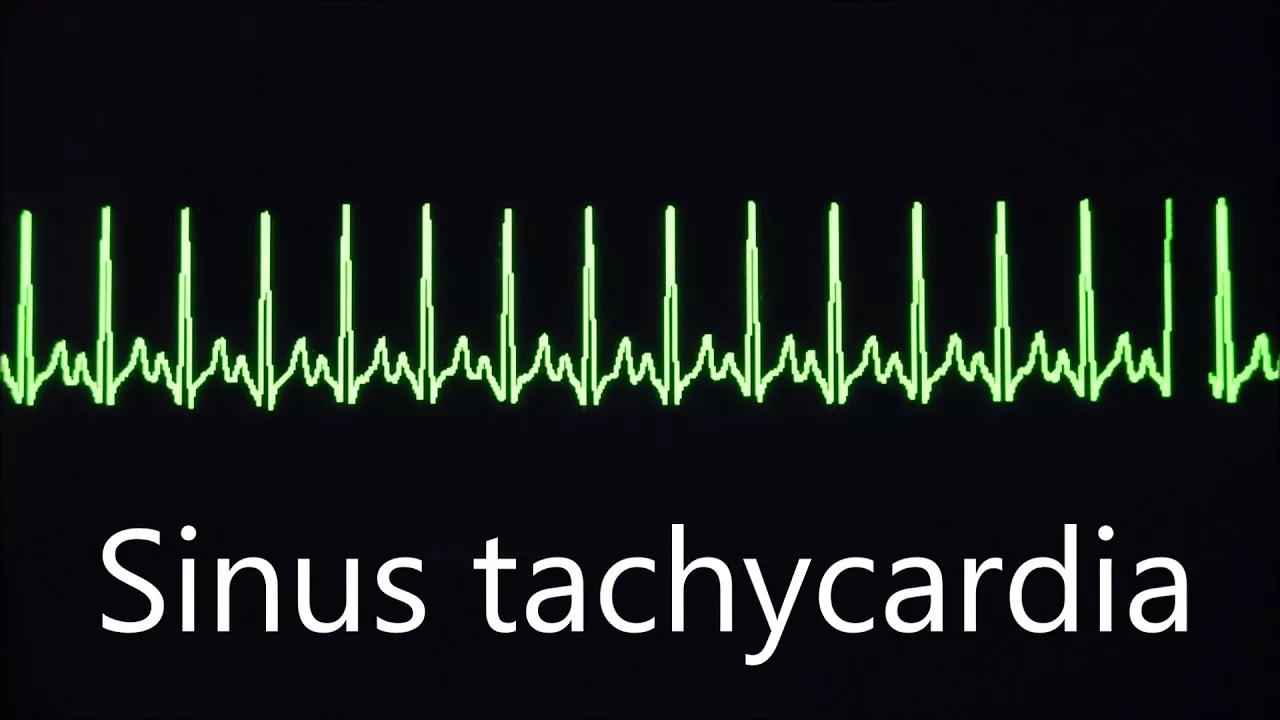









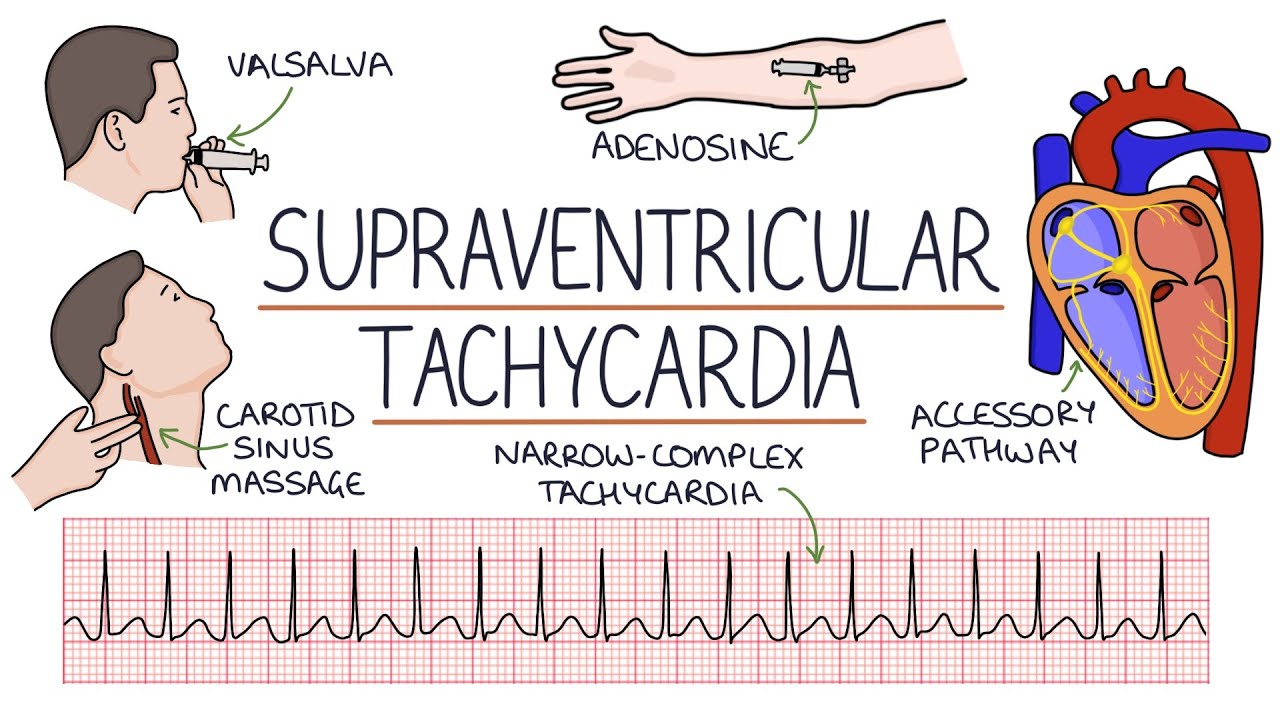


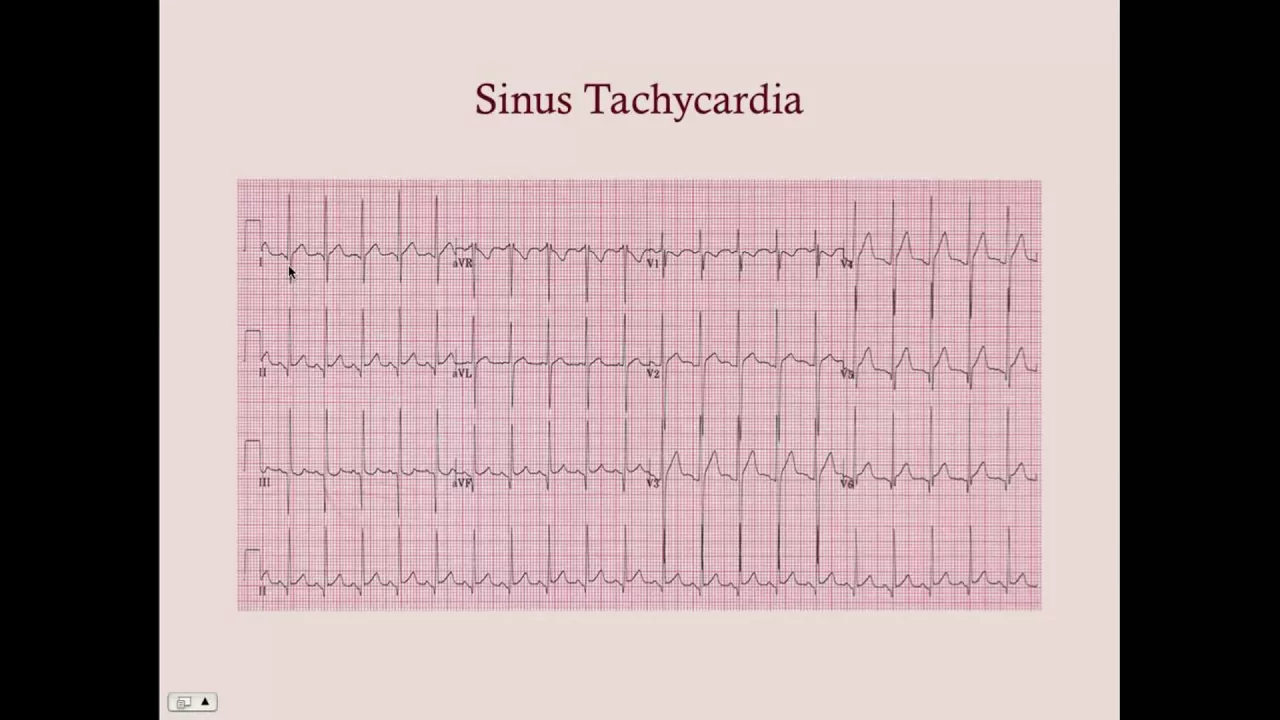
This video teaches how to differentiate between atrial fibrillation (A-fib) and atrial flutter using five systematic EKG analysis steps: (1) Check for P waves, (2) Count P waves in a 6-second strip to determine atrial rate, (3) Assess P wave regularity, (4) Assess R wave regularity and count ventricular rate, and (5) Measure PR interval and QRS complex width. In A-fib, there are no identifiable P waves, only irregular fibrillatory waves (F waves), resulting in an irregularly irregular rhythm with a fluctuating ventricular rate. In contrast, atrial flutter shows characteristic sawtooth flutter waves (F waves) with a regular rhythm pattern. Both conditions have narrow QRS complexes (<0.12 seconds) and require medical management due to the risk of thrombus formation and stroke.
EKG Interpretation: Atrial Fibrillation vs Atrial Flutter
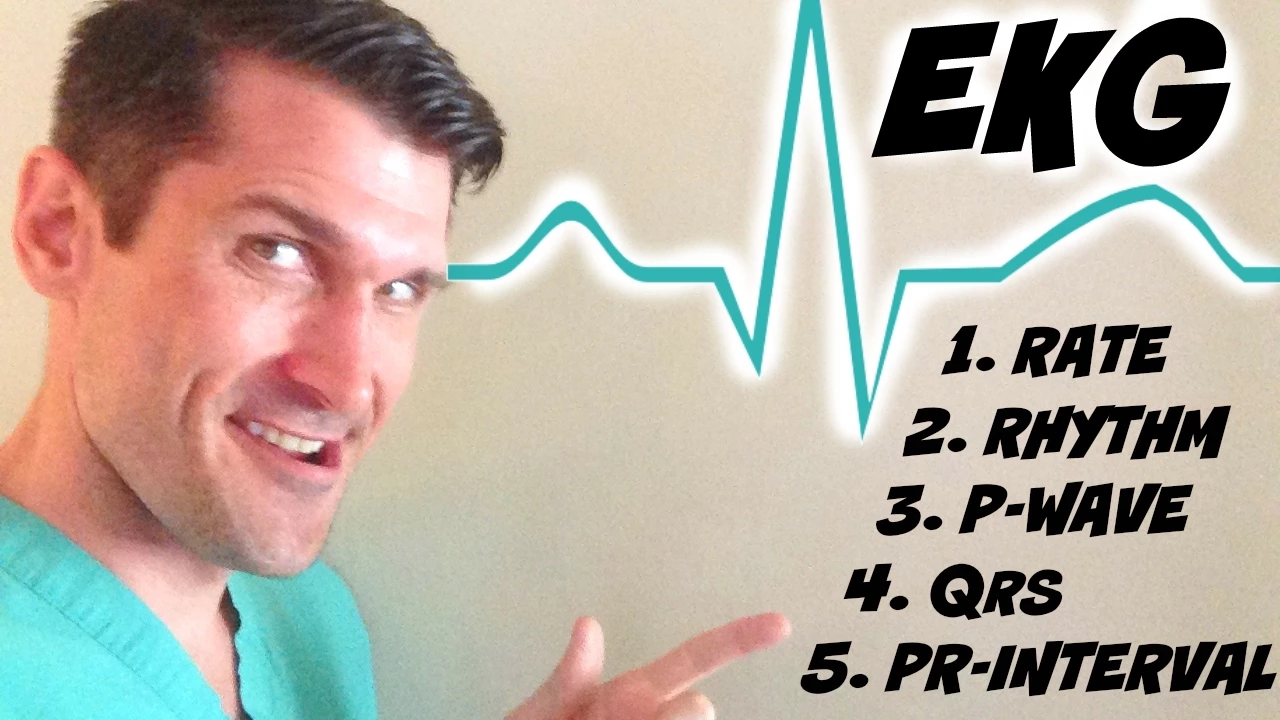
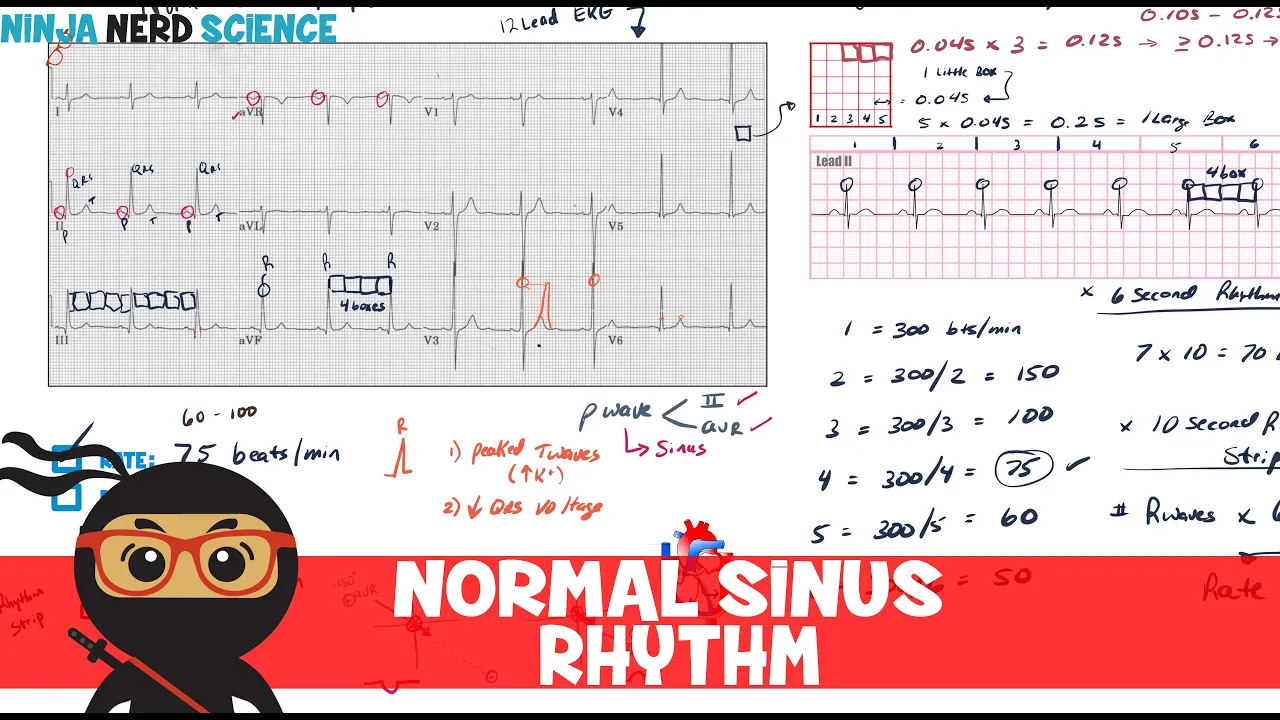
Added:hey everyone it's sarah with registered nurse RN comm and today i'm going to go over EKG rhythms specifically atrial fibrillation and a flutter many people have a hard time differentiating between those two rhythms along with normal sinus rhythm so today i'm going to go over the differences between the rhythms show you on the board what each rhythm looks like what you need to look for the p-waves the are waves and give you five easy steps on how to analyze these rhythms here in a second I'm going to go over those five steps and these five steps are steps that you need to use whenever you analyze any type of rhythm so it can help you differentiate between other types of rhythms such as v-fib v-tach sinus tach and every other type of rhythm that's out there but first before you watch this video if you're relatively new to analyzing EKGs or you need a refresher please check out my other videos on how to analyze the PQRS and how to count the ventricular and atrial rate because it will help give you a foundation and before you watch this video so you won't be that confused and also another important thing after you watch this video be sure to go to our website registered nurse Orion calm and take the quiz on testing your ability to analyze these atrial dysrhythmias so let's get started so the first thing we're going to do is go over those five steps okay the first step whenever you're looking at a rhythm you'll want to look to see if there's any P waves present remember this is the atrial contraction of the heart and if there are P waves how many P waves are there in a six second strip now I was talking to you about the other video on how to count your atrial rate in six seconds and what you do is you count the little boxes that are on your EKG strip and you count until you hit 30 and however many appeared in the 30 in between those 30 boxes you take that and multiply that by 10 and then you have your atrial rate next are the P waves regular this is where you want to use your calipers and if you don't have calipers you can use a piece of paper and you'll measure out to see if each atrial contraction which is your p-waves is regular next number three are your are waves regular this is part of the QRS complex where you have the spike and you want to measure out with either your calipers or a piece of paper if the are waves are regular for how many our waves are in six seconds you're going to do this the same way that you calculated your P waves and next number five if you do have P waves what is the length of your PR interval this is very important whenever you are looking for a heart block and the width of your QRS complex this is where you would count the little squares in between the spike and it tells you how wide or narrow your QRS complex is this is very important because in tachycardias your complex tends to be narrow but in v-tach your complex used it tends to be wide so that helps you analyze those rhythms so now let's go over what a normal rhythm looks like and compare it with atrial fibrillation and atrial flutter right here you have normal sinus rhythm now we're going to apply those five rules or five steps to analyzing this rhythm and this is what you normally get with normal sinus rhythms okay first we're going to look to see if there's P waves present and remember either from the video that you watch on the PQRS wave where I explained it or you just know your P waves present before your QRS complexes and right here in green you can see our P waves so yes we do have P waves now next step is to count how many P waves are present if within six seconds and remember you want to count these itty-bitty squares thirty of them and in between however many thirty are is what your atrial rate is and here our atrial rate is 70 beats per minute we got seven of these p-waves and we times that by 10 and we got 70 so our atrial rate is 70 beats per minute I remember a normal rate is 60 to 100 okay next we're going to see our p-waves regular are they happening at exactly the same time here you can use calipers but right here I'm going to use a piece of paper and how you do that is you get your piece of paper and you mark where the p-wave began which is right here and then you mark where the other p-wave started okay so we have an estimate where it is now we're going to compare the other ones together and we just move our piece of paper and see they're presenting exactly where I marked it so it looks like our p-waves are definitely regular okay next we're going to ask ourselves are our our waves regular this is memory have Q R st so we're looking at our waves these are the tops which are the spikes and we're going to see if these are regular using the same method that we did with the P waves I'm going to mark on our piece of paper and compare them and they are definitely regular so yes and next we're going to count how many of these are waves are in normal sinus are in this rhythm and we have 7 1 2 3 4 5 6 7 so our ventricular rate is 70 beats per minute and we just want to make sure that we don't have a heart block going on or anything so we would count from the beginning because we want to look at our PR interval at the beginning of the P way to the beginning of the QRS and our interval is less than 0.1 2 seconds which is normal I mean it's 0.12 and you want your interval between 0.12 to 0.20 seconds so that's a normal PR again a normal PR interval is zero point one two to zero point two zero seconds and then QRS complex it's very narrow and it's definitely less than 0.1 two seconds okay let's go over our next rhythm atrial fib okay now since we cover normal sinus rhythm which is a normal rhythm most of us are in let's cover atrial fibrillation and atrial flutter but first let's talk about what's going on in the heart whenever you're having these two rhythms what's happening whenever these atrial dysrhythmias are happening is that the foci in the heart are sending various multiple signals to the atrium which is causing them to quiver and when they quiver blood is just pulling in there and it's not shooting through the valves to get through the heart so whenever blood is pulling that is not good that means that a thrombi or a thrombus could be forming and that really puts your patient at risk for strokes and a pulmonary embolism anything like that so whenever this is happening especially at a fast rate we have to get it under control so let's go over atrial fibrillation now using the five steps that we went over we're going to look at this rhythm and whenever you look at this rhythm all you can see majorly are your QRS is and your T waves and in between that you see these little squiggly lines some people may interpret those as P waves those are not P waves they're called fiblet or e waves which are called F waves so those are that now you can't count your pick if you don't have P waves you can't count your P waves so the next step would be how many P waves are there there's none so you'd put unable to determine now number two or second step is are the P waves regular again we don't have any P waves account so that would be unable determine step three our waves now we do have our waves but have you do you notice anything different these are waves are different looking than our other ones a normal sinus rhythm so we want to see if they're regular again you'll want to use your calipers or a piece of paper like I am here we're going to measure out our waves and what we're going to do is we're going to mark on our paper where the first two are and compare them with the others and look they are not matching up at all so it's very safe to say that our our waves are irregular so in afib we have no P waves we can't count the atrial rate and RR waves are irregular so let's keep going step 4 what is the rate of the our waves we can count those because they are present and we're counting them in the six seconds and remember the six seconds you count 30 square small squares and you multiply that about 10 and here we have 80 but because it varies I don't know if you've ever been in a clinical setting and you've seen a patient in atrial fib but you'll notice that their heart rate is constantly fluctuating one minute it'll be 80 next minute will be 86 the next minute and it might be 90 then go back down to 80s it's always fluctuating so here the rates in the 80s and then next you would count your PR interval but we can't count our PR interval because we don't have any P waves but we can count our QRS complex and it's definitely less than 0.1 - it's very narrow so that is the hallmark with the afib so let's go over those again with afib you're not going to have any P waves while you're seeing or F waves okay no P waves and you want can't be able to count the atrial rate and your R waves will be irregular because you have various times that those atrium are quivering and then you have the P Q the QRS wave contracting and you're seeing those are waves so they will be irregular now let's move on to a flutter because there is a big difference between a fib and a flutter and you'll be able to see on this diagram okay for a flutter right here you probably already noticed something different in between your T waves and your PQRS is you have what's called sawtooth appearance of an F wave these are actually very beautiful to see on a real patient who's in a flutter and most of the time your patients will be in afib but there are occasions where you'll see patients in atrial flutter and it's very noticeable and the reason it is is because you have these sawtooth appearances of the F waves now in a theme you do not have the sawtooth appearance of these so that is a huge thing that you will have so let's go through our five steps step number five are there any P waves no there's no P waves only F waves so we can't count the atrial rate step two we want to look at our our waves and we do have our waves and are they regular and we're going to measure them out and typically in a flutter you're our waves will be regular there are some times where they're not regular but here they are definitely regular so they measure right next you'll want to count your ventricular rate and to do that you'll count your are waves and we have one two three four five six seven this is a little bit longer than a six second strip but the rate is 70s and with a flutter it will typically say the same because you don't have the fluctuation like you do in a fib because your are waves are regular here in a flutter so it's the 70s 71 72 and next you would try to count your PR interval but you can't hear because you don't have any P waves and your QRS complex is narrow it's zero point it's less than zero point one two so that's normal so again your atrial flutter will have the sawtooth appearance but it will not have any P waves and your R waves will typically be regular so let's go over real fast again the difference between atrial fib and a flatter a fib you will have no P waves and your R waves will typically be irregular okay in a flutter you will have the sawtooth appearance of your f waves and there will be no P waves and your our waves will be regular so now let's test your knowledge and take a quick quiz a quiz question 1 let's analyze and see what this rhythm is ok using the easy 5 steps let's start ok is there any P waves there are no P waves I just see some T waves and QRS so no P waves question 2 are the P waves regular we don't happy way so we don't know set 5 are waves we do have our waves and are they regular so using either the piece of paper or your calipers let's measure out our ways and see if they're regular and let's see they are definitely not regular so no are our waves are not regular so we know we have no P waves and are our waves are unregulated are in 6 seconds let's count them we look like we have a rate of probably 140 to 150 s so pretty fast that is our rate for our waves and what is the length of our PR interval that's last step we don't have any P waves so we can't count that and the width of our QRS complex is less they're pretty narrow so it's less than 1 point 2 so the hallmark according to what we just learned this is atrial fibrillation it wouldn't be a flutter because we don't have the sawtooth appearance like we did in the other one and it's definitely not normal sinus rhythm because we do not have P waves in this rhythm and our waves are irregular so let's go to the next rhythm okay our second question we have this rhythm here now using our five steps we're going to see are there any P waves no P waves are there and we can't count the atrial rate because there's no P wave so we'll move to step three which are are the are waves regular and we'll measure them out to see if they are and they are most definitely regular so we know that we have no P waves and are our waves are regular how many are waves do we have in six seconds we'll count them out two three four seven we have seven and six seconds and remember the strip was a little longer than six seconds and we can't count the length of our PR interval and the width of our complex is less than one is about 0.12 seconds so we know that we have this sawtooth appearance for our F ways we know that there's no P waves and our our waves are regular so we know that this is atrial flutter now let's move to our next one okay our next rhythm is this let's start with our five steps are there any P waves yes finally we have P waves okay what let's count and see how many P we have in six seconds one two three so we have seven so 7 times 10 is 70 so we have an atrial rate of 70 next let's see if our P waves are regular you're going to use your calipers are a piece of paper and our P waves are definitely regular next we're going to see how our our waves look are they regular as well I'm going to mark those out our our our waves are regular so yes so we have P waves we have an atrial rate of 70 we have our waves and let's count our ventricular rate 1 2 3 4 5 6 7 7 times 10 is 70 so we have a ventricular rate of 70 and the length of our PR interval looks like it's about 0.12 seconds we're measuring from the P wave to the beginning of the QRS to see how long it is you want to do that to make sure you don't have a heart block and the width of our QRS complex is normal at 0.12 as well so here this meets all the signs of normal sinus rhythm so that is our answer to that now to our very last one okay we have this last rhythm as our very last question now let's analyze in it use the the five-step rules first we're gonna look for P waves do we have any P waves all I see our QRS is some T waves and just these little squiggly lines known as F wave so no P waves so since we don't have P waves we can't count the atrial rate and we can't see if they're regular so next we're going to move on to our our waves and we definitely have our waves and let's see if they are regular and it definitely looks like that our our waves are not regular so we have no P waves and our our waves are unregulated in tricular rate using the six second rule it's about the 80s so we have a ventricular rate of 80s and we're going to see if we can't counter PR interval because we don't have a P way and our QRS complex is normal so it's about 0.12 seconds so we know from what we've learned that this must be atrial fibrillation because we don't have any sawtooth appearances and we have no P waves and RR waves or not regular so that is answer to that one so that's the difference between atrial fib and atrial flutter and I hope you found this useful and be sure to go to our website registered nurse RN comm to take that quiz on how well you can differentiate between those rhythms yourself and be sure to check out our other teaching tutorials and subscribe to our youtube channel thank you so much for watching
Up Next

Cardiac Arrhythmias: EKG Interpretation & Nursing Quiz
@Alilamedicalmedia
18.8K views•2024-07-15

Graphic Medicine: Comics for Collaborative Healthcare Communication
@nationalpatientadvocate
189 views•2023-12-04

Preeclampsia and Eclampsia Nursing Review: Pathophysiology
@RegisteredNurseRN
1.1M views•2020-04-01
Stages of Labor and Vaginal Birth | Childbirth Animation
@nucleusmedicalmedia
52.1M views•2017-08-18
Related Study Plans & Knowledge Roadmaps
Structured learning paths in Medicine