












![Antiarrhythmic Drug Class Mnemonic and Pharmacology [Made Easy - Medical, Nursing, and USMLE]](https://i.ytimg.com/vi_webp/gM9ic0zGttU/maxresdefault.webp)








Cardiac arrhythmias are classified by their origin site: sinus rhythms originate from the SA node (normal 60-100 bpm, with variations like bradycardia <60 bpm and tachycardia >100 bpm), atrial rhythms include atrial flutter (regular 250-400 bpm atrial rate with slower ventricular rate due to AV node block) and atrial fibrillation (chaotic multiple impulses causing irregular ventricular response), while ventricular rhythms such as ventricular tachycardia (wide QRS complexes, 100-250 bpm) and ventricular fibrillation (irregular random waveforms with no identifiable P/QRS/T waves) are considered lethal and require immediate treatment.
Cardiac Arrhythmias: EKG Interpretation & Nursing Quiz
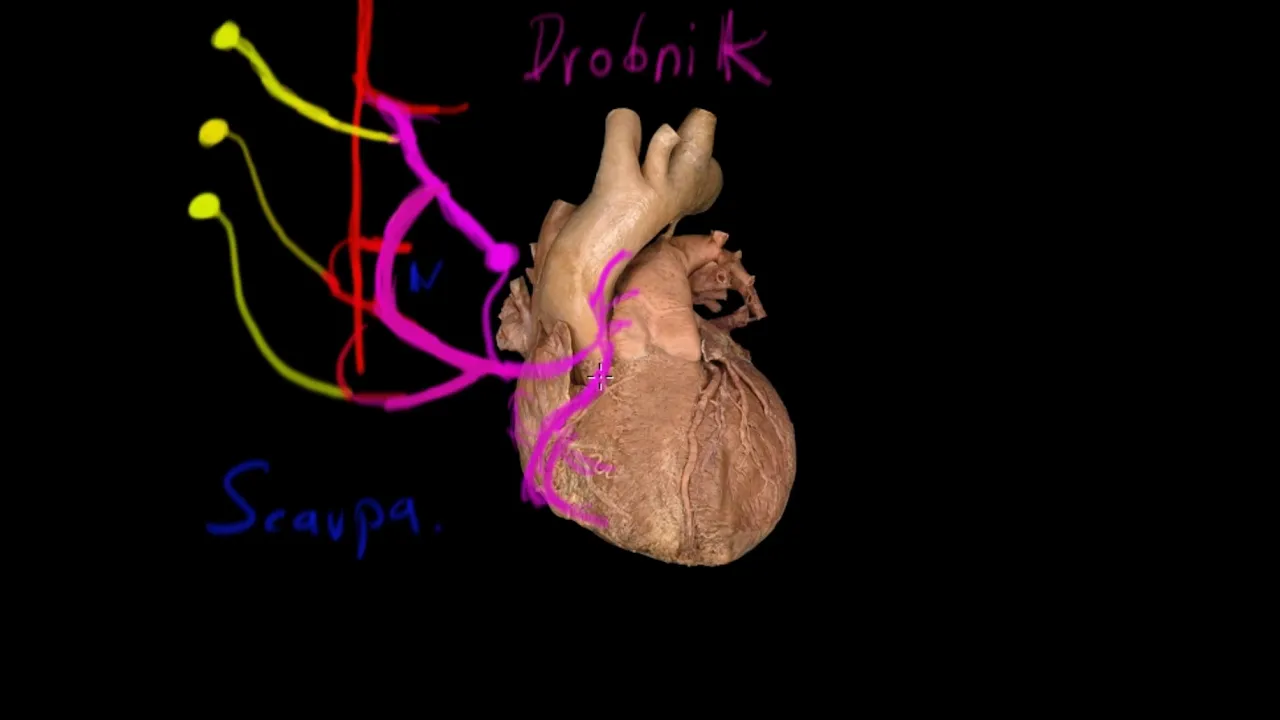
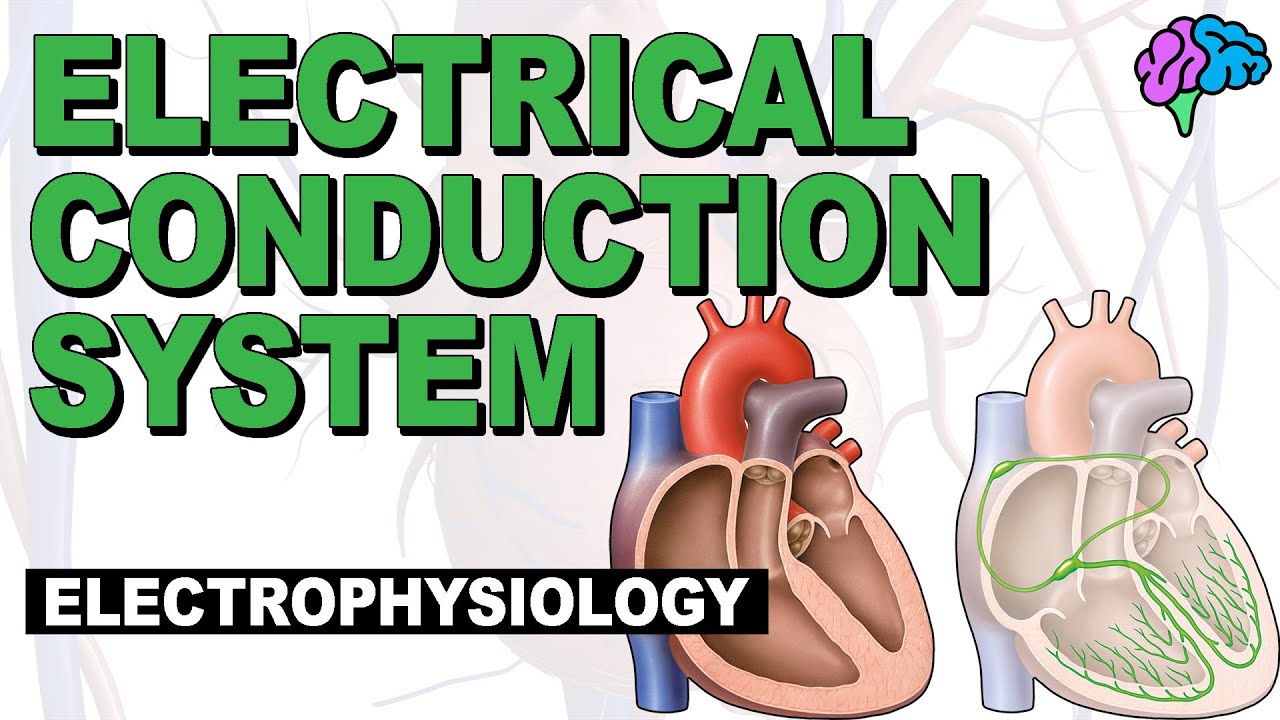
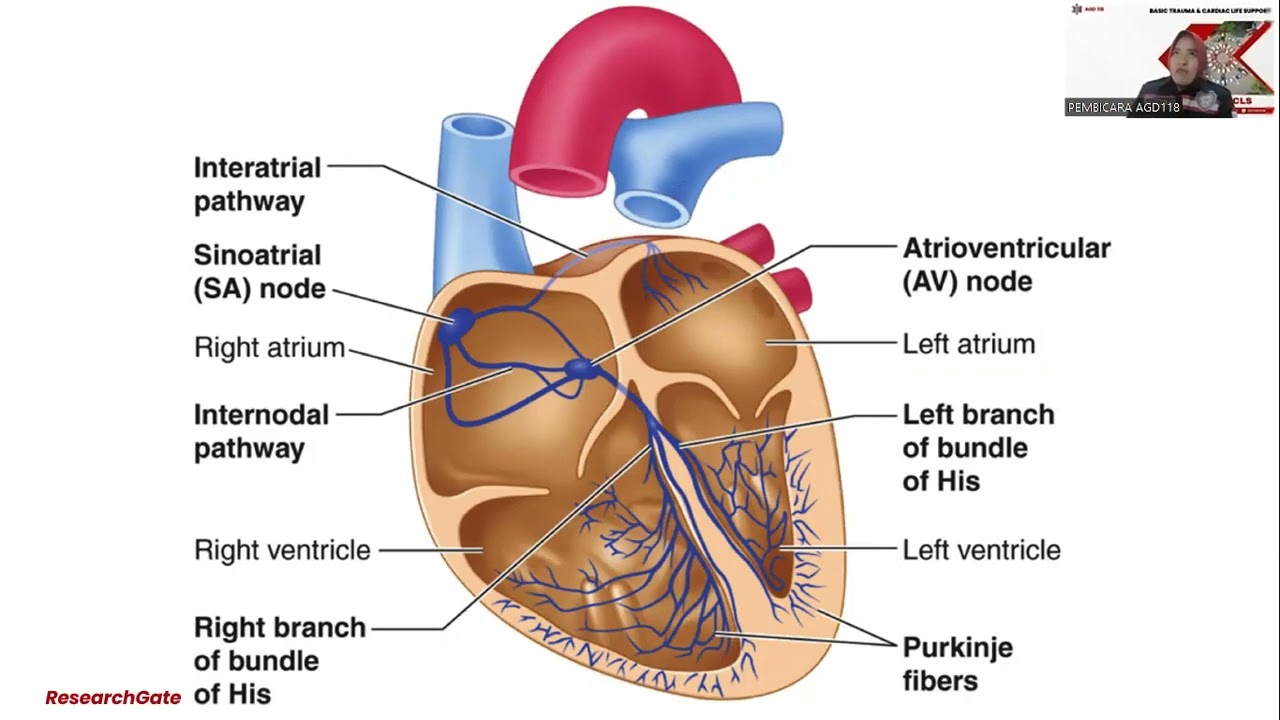
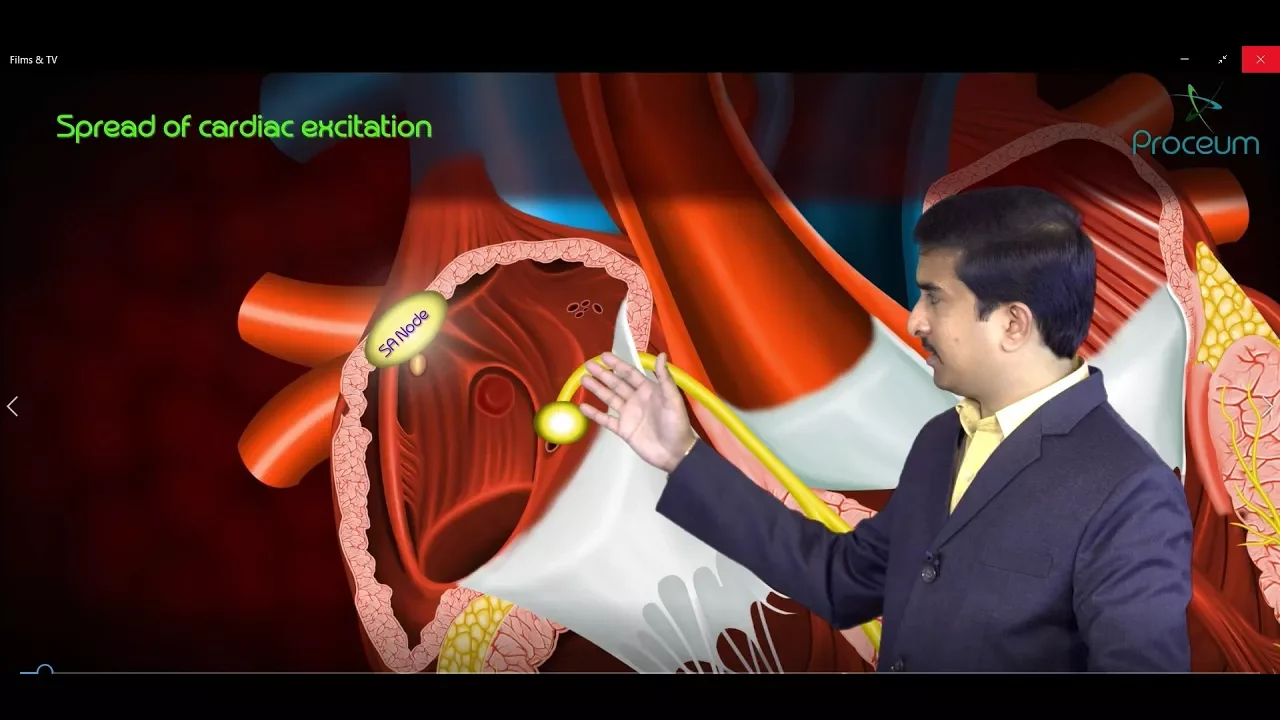
Added:Anatomy and physiology of the heart's electrical conduction system, including the SA node, AV node, Bundle of His, and Purkinje fibers.
Understanding of standard EKG grid paper calibration, specifically how to measure time (seconds) on the horizontal axis and amplitude (millivolts) on the vertical axis.
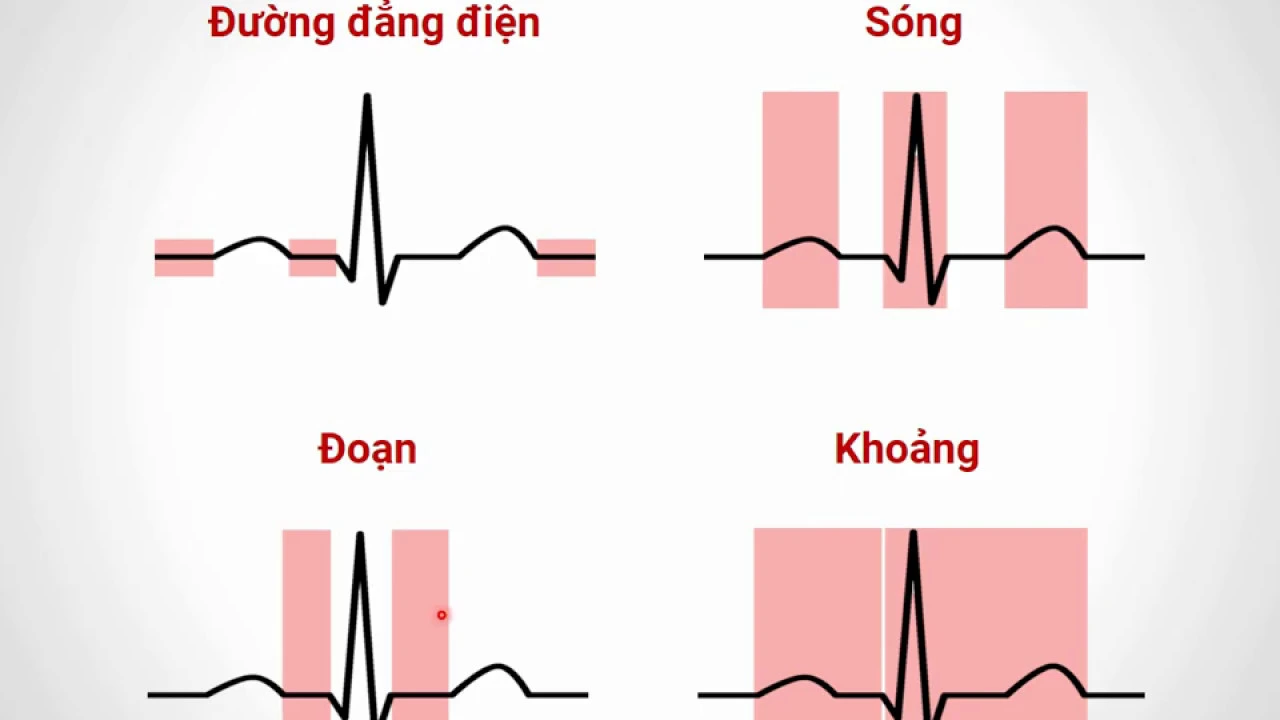
The components and normal measurements of a normal sinus rhythm waveform, including the P wave, PR interval, QRS complex, and T wave.
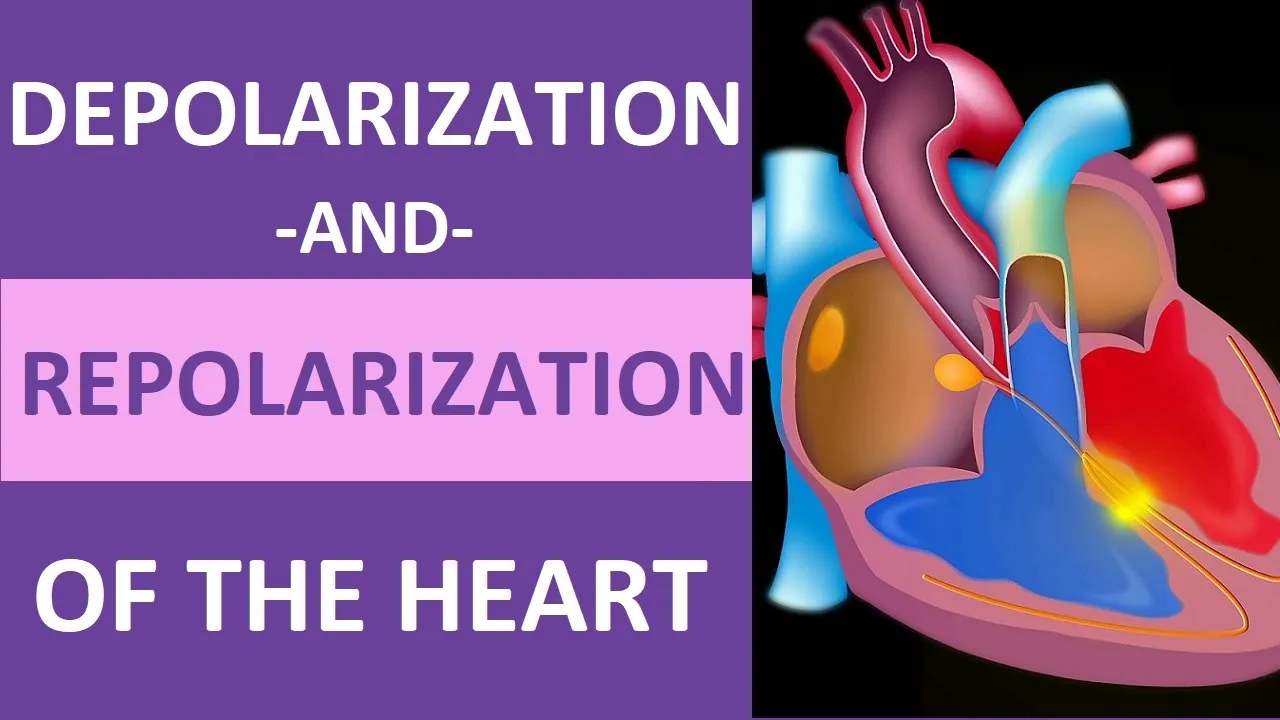
Basic cardiac electrophysiology concepts, specifically depolarization and repolarization of the atria and ventricles.
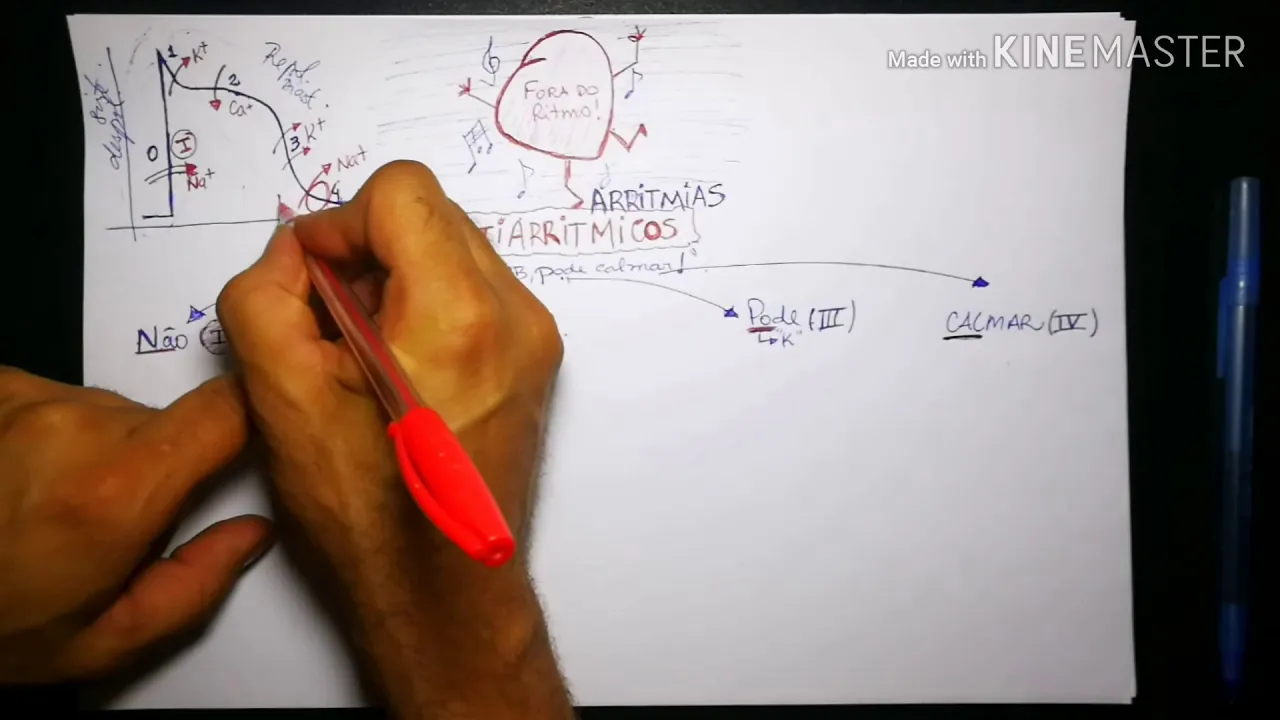
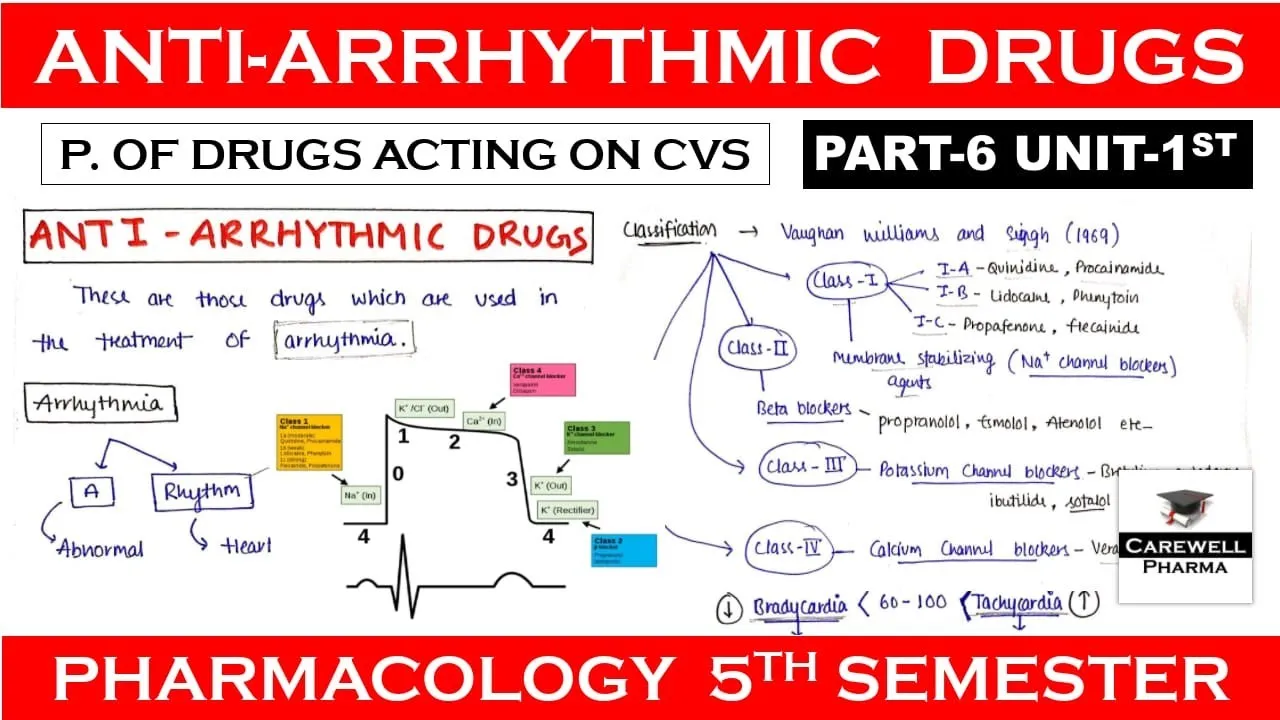
Pharmacological management of arrhythmias, including classifications, indications, and side effects of antiarrhythmic medications (e.g., beta-blockers, calcium channel blockers, amiodarone).
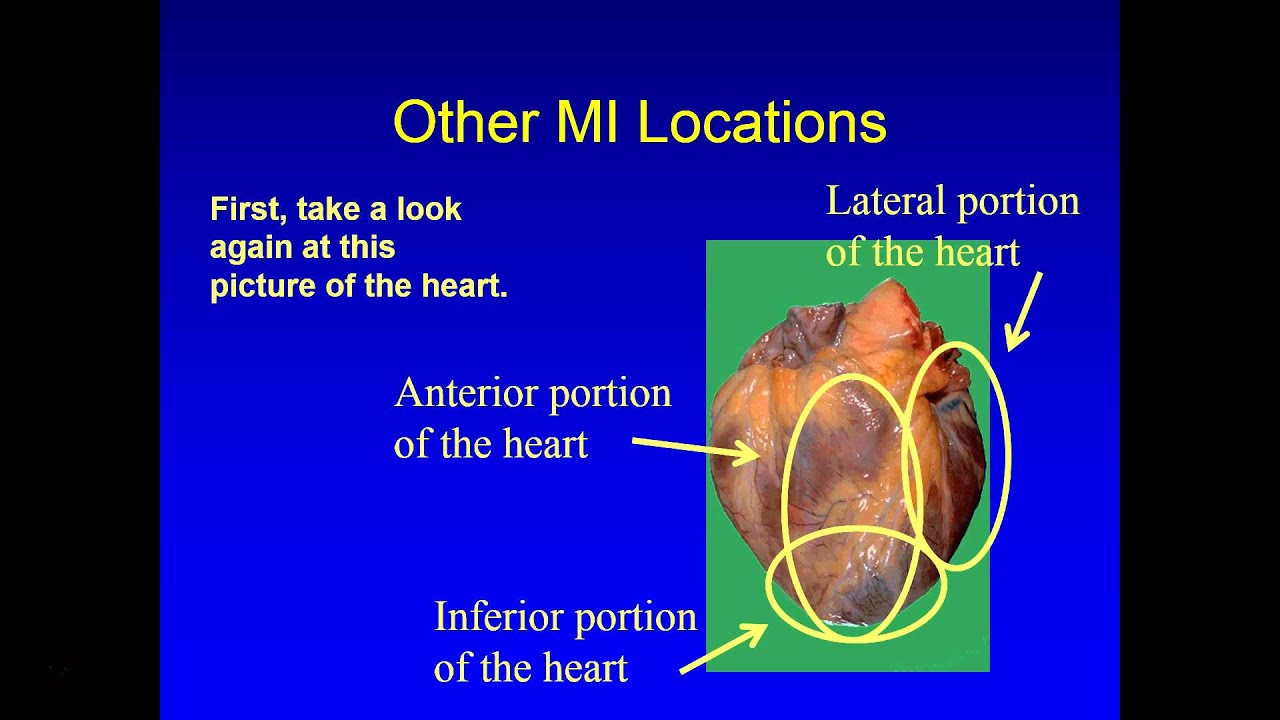
Advanced 12-lead EKG interpretation, focusing on identifying localized myocardial ischemia, injury, infarction, and bundle branch blocks.
Emergency cardiac protocols and life support algorithms (ACLS/BLS) for lethal arrhythmias, including the use of defibrillation, synchronized cardioversion, and pacemakers.
Clinical nursing assessment and nursing diagnoses for hemodynamically unstable patients experiencing acute rhythm changes.
18.8K views342likes11:58Original Release: 2024-07-15
[Music] cardiac arhythmia can be classified by site of origin sinus rhythms originate from the sinoatrial node or SA node atrial rhythms originate from the Atria ventricular rhythms originate from the ventricles sinus rhythm is the normal Rhythm of the heart set by its natural pacemaker in the SA node in a healthy heart the SA node fires 60 to 100 times per minute resulting in the normal heart rate of 60 to 100 beats per minute the most common variations of the sinus rhythm include sinus brachy cardia when the SA node fires less than 60 times per minute resulting in a slower heart rate of less than 60 beats per minute and sinus tachicardia when the SA node fires more than 100 times per minute generating a faster heart rate of greater than 100 beats per minute sinus Brady cardia and sinus Tachi cardia may be normal or clinical depending on the underlying cause for example sinus Brady cardia is considered normal during sleep and sinus Tachi cardia may be normal during physical exercise deves cardiac arrhythmias that originate from other parts of the Atria are always clinical the most common include atrial flutter atrial fibrillation and AV noal re-entrant tachicardia these are forms of supraventricular tachicardia or SVT atrial flutter or a flutter is caused by an electrical impulse that travels around in a localized self-perpetuating Loop most commonly located in the right atrium this is called a re-entrant pathway for each cycle around the loop there is one contraction of the Atria the atrial rate is regular and Rapid between 250 and 400 beats per minute the ventricular rate or heart rate however is slower thanks to the refractory properties of the AV node the AV node Blocks part of atrial impulses from reaching the ventricles in this example only one one out of every three atrial impulses makes its way to the ventricles the ventricular rate is therefore three times slower than the atrial rate ventricular rate in a flutter is usually regular but can also be irregular on an ECG atrial flutter is characterized by absence of normal p-wave instead flutter waves or F waves are present in Saw tooth patterns atrial fibrillation or aib is caused by multiple electrical impulses that are initiated randomly from many ectopic sites in and around the Atria commonly near the roots of pulmonary veins these unsynchronized chaotic electrical signals cause the Atria to quiver or fibrillate rather than contract the atrial rate during aib can be extremely high but most of the electrical impulses do not pass through the AV node to the ventricles again thanks to the refractory properties of the AV node node those that do come through are irregular ventricular rate or heart rate is therefore irregular and can range from slow less than 60 to Rapid more than 100 beats per minute on an ECG a fib is characterized by absence of p waves and irregular narrow QRS complexes the Baseline may appear undulating or totally flat depending on the number of ectopic sites in the Atria in general larger number of ectopic sites result results in a flatter Baseline AV noal re-entrant tachicardia or avnrt is caused by a small reentrant pathway that involves directly the AV node every time the impulse passes through the AV node it is transmitted down to the ventricles the atrial rate and ventricular rate are therefore identical heart rate is regular and fast ranging from 150 to 250 beats per minute ventricular rhythms are the most d dangerous in fact they are called lethal rhythms ventricular Tachi cardia or vac is most commonly caused by a single strong firing sight or circuit in one of the ventricles it usually occurs in people with structural heart problems such as scarring from a previous heart attack or abnormalities in heart muscles impulses starting in the ventricles produce ventricular premature beads that are regular and fast ranging from 100 to 250 beats per minute on an ECG vac is characterized by wide and bizarr looking QRS complexes p-wave is absent vtac may occur in short episodes of less than 30 seconds and cause no or few symptoms sustained vac lasting for more than 30 seconds requires immediate treatment to prevent Cardiac Arrest ventricular tachic cardia may also progress into ventricular fibrillation ventricular fibrillation or viib is caused by multiple weak ectopic sites in ventricles these unsynchronized electrical signals cause the ventricles to fibrillate rather than contract the heart pumps little or no blood viib can quickly lead to Cardiac Arrest viib ECG is characterized by irregular random wave forms of varying amplitude with no identifiable p-wave QRS complex or t-wave amplitude decreases with time from initial course viib to fine viib and ultimately Flatline quiz time e e are you a fan of alila medical videos if so you will love our new Ala Academy based entirely on our highly effective animated mini lectures our courses are designed to follow a typical syllabus in each subject each topic is extensively Illustrated and comes with quizzes to test your understanding downloadable PDFs for a quick review as well as images for you to use in school projects or presentations we are known for producing highly effective animated videos that explain the most difficult Concepts in record time we have no doubt that our courses will be a lifesaver for both students and teachers alike so do come check them out alila Academy clear concise effective with extensive visual resource no one explains like alila does
Up Next

6:34
Bundle Branch Block: Causes, ECG Signs & Treatment | Pathology Review
@osmosis
324.6K views•2022-08-15

48:47
Graphic Medicine: Comics for Collaborative Healthcare Communication
@nationalpatientadvocate
189 views•2023-12-04
5:10
Hyperkalemia Pathophysiology, ECG Changes & Treatment Explained
@Alilamedicalmedia
611K views•2017-03-13
3:05
Stages of Labor and Vaginal Birth | Childbirth Animation
@nucleusmedicalmedia
52.1M views•2017-08-18
Related Study Plans & Knowledge Roadmaps
Structured learning paths in Medicine
medicine
Abnormal LFTs: Diagnostic Workup & Pathology
01Liver Anatomy and Basic Physiology
02Introduction to Liver Function Tests (LFTs)
03Hepatocellular vs. Cholestatic Patterns
+ 3 more learning modules
12h6 modules
Explore Roadmap
medicine
Analyzing Blood Smears: RBC, WBC & Platelets
01Introduction to Blood Components & Smear Preparation
02Normal Morphology of Blood Cells
03Erythrocyte Pathologies & Morphological Variants
+ 2 more learning modules
12h5 modules
Explore Roadmap
medicine
Mechanical Ventilation: Waveforms & Alarms
01Anatomy and Physiology of Breathing
02Introduction to Mechanical Ventilation & Core Modes
03Ventilator Settings and Waveform Interpretation
+ 2 more learning modules
12h5 modules
Explore Roadmap
medicine
Neuro Exam: Localization & Stroke Syndromes
01Foundations of Neuroanatomy and Vascular Supply
02The Neurological Examination: Step-by-Step
03Principles of Neurological Localization
+ 3 more learning modules
18h6 modules
Explore Roadmap