









![[BIO] Membrana Celular](https://i.ytimg.com/vi_webp/Jk9_gHPqSGc/maxresdefault.webp)












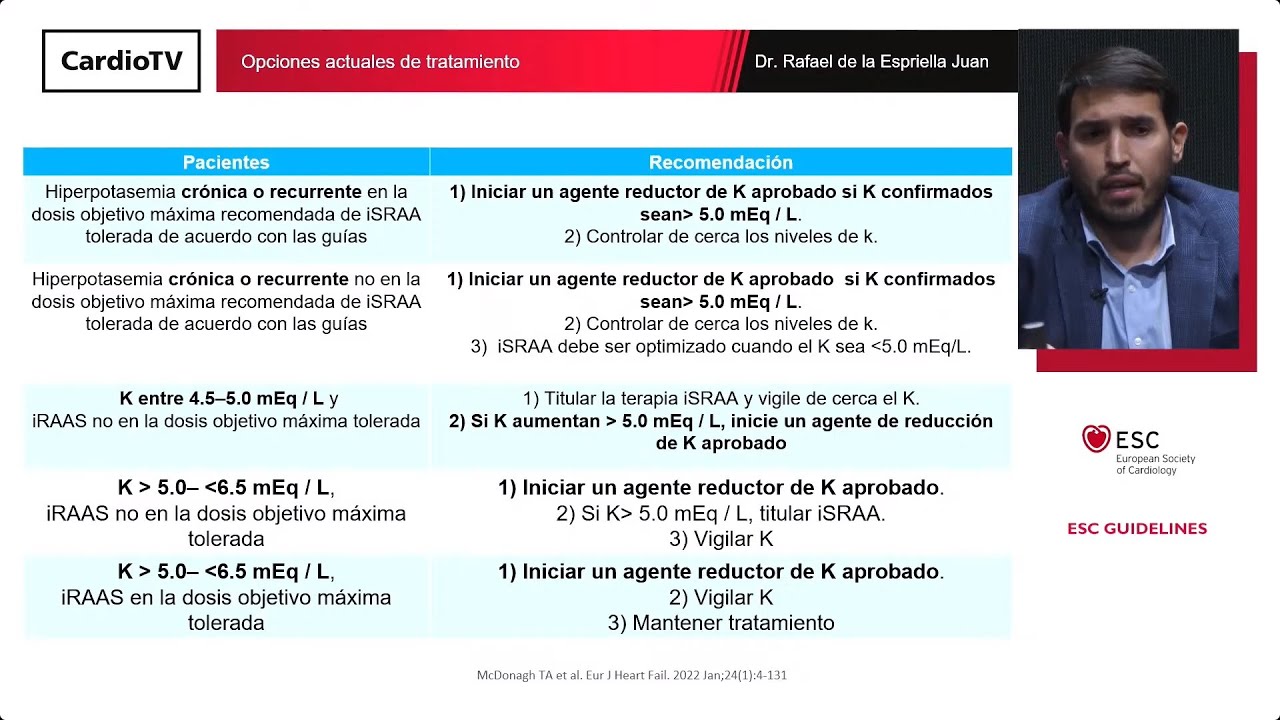
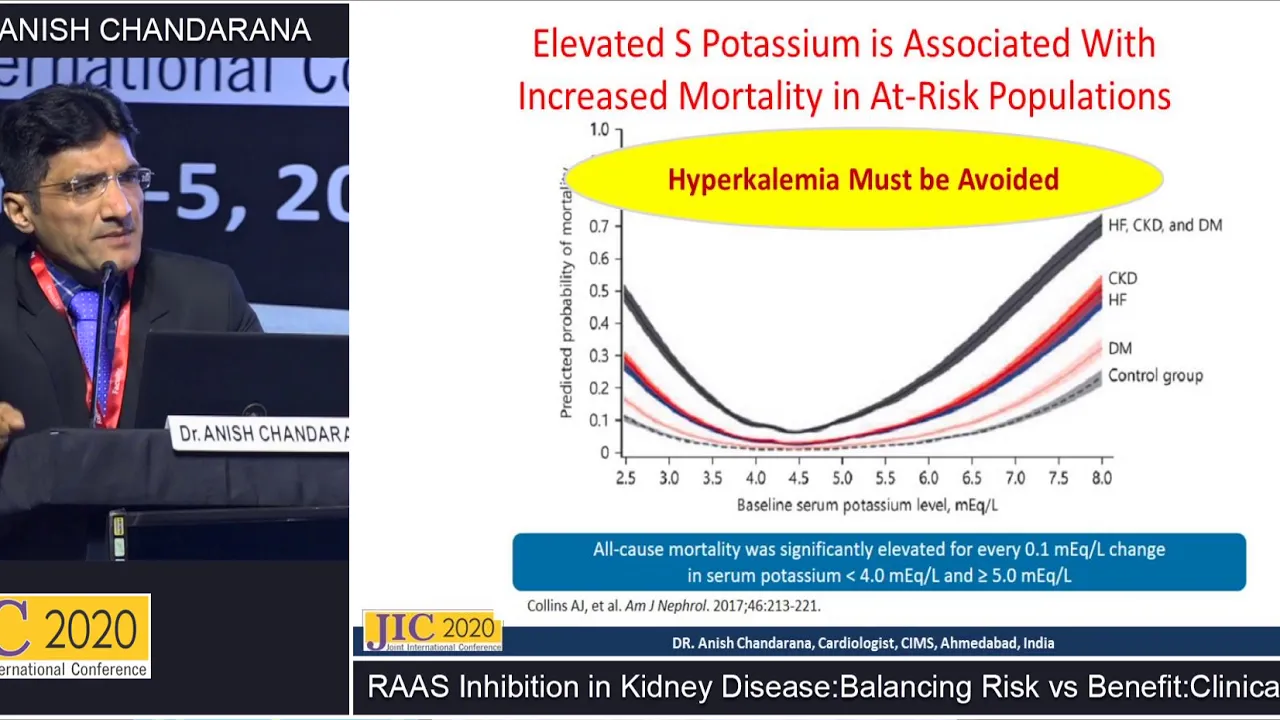

Hyperkalemia (serum potassium >5mmol/L) disrupts cardiac electrophysiology by reducing the potassium gradient across cell membranes, decreasing resting membrane potential and initially increasing myocyte excitability before causing slowed sodium channel activation and conduction; ECG changes progress from peaked T-waves to widened QRS complexes, requiring immediate treatment with calcium infusion, insulin to shift potassium intracellularly, and hemodialysis for severe cases.
Hyperkalemia Pathophysiology, ECG Changes & Treatment Explained
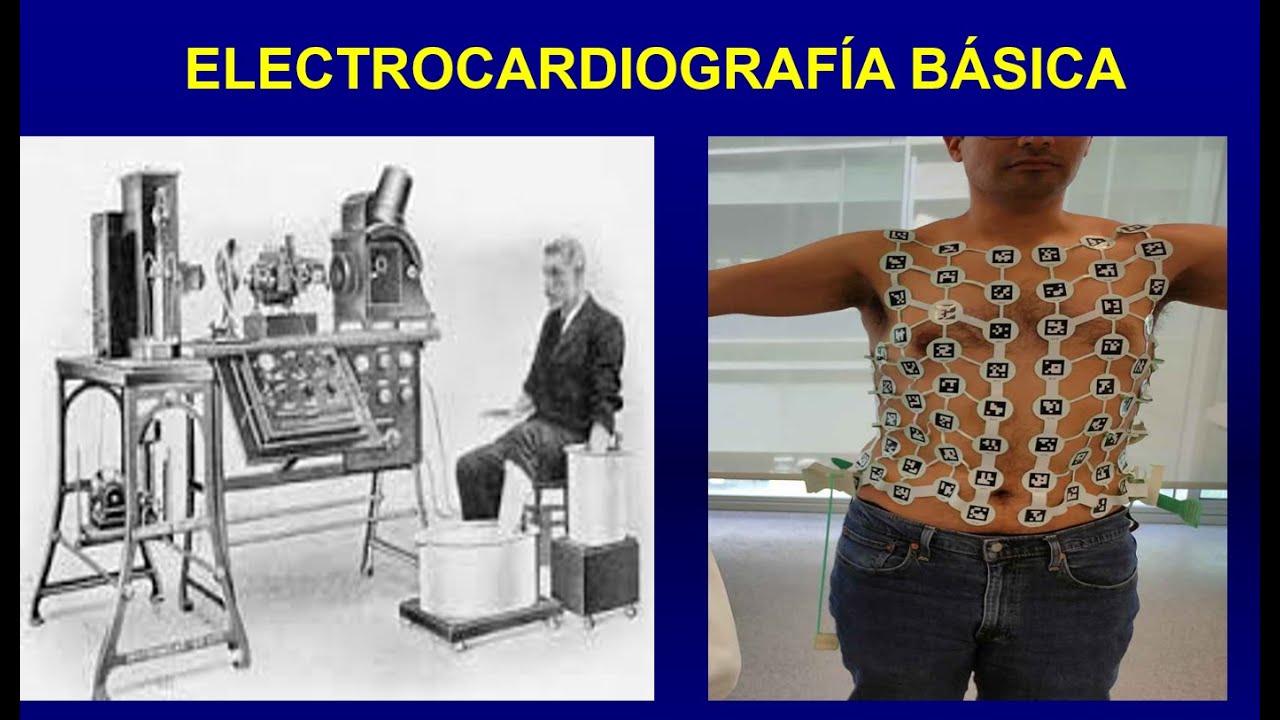
Added:Normal cardiac action potential physiology, particularly the role of potassium ions in maintaining the resting membrane potential and driving repolarization.
Basic ECG interpretation, including the physiological meaning and standard morphology of the P wave, QRS complex, and T wave.
Renal physiology basics, specifically how healthy kidneys and hormones like aldosterone regulate systemic potassium homeostasis.
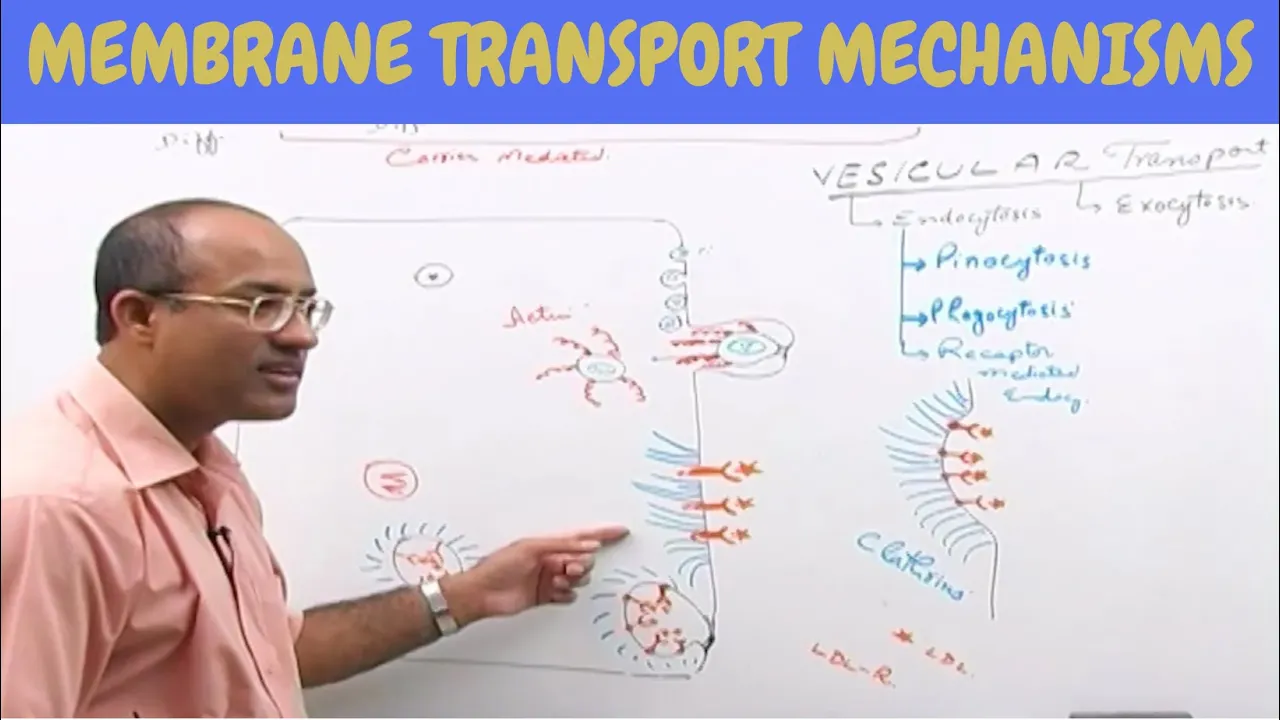
The biophysics of cellular membranes, including electrochemical gradients and the function of the Sodium-Potassium Pump (Na+/K+ ATPase).
Pathophysiology, clinical presentation, and ECG manifestations of hypokalemia (low serum potassium) for a comparative understanding.
The cardiac effects and ECG manifestations of other major electrolyte disturbances, such as hypercalcemia, hypocalcemia, and magnesium imbalances.
Advanced emergency medicine protocols and pharmacodynamics of hyperkalemia treatments (e.g., the distinct roles of calcium gluconate, insulin/dextrose, beta-2 agonists, and potassium binders).
Long-term clinical management of chronic hyperkalemia in patients with Chronic Kidney Disease (CKD) or those taking RAAS inhibitors.
611K views8.8Klikes5:10Original Release: 2017-03-13
Hyperkalemia refers to abnormally high levels of potassium in the blood. In normal circumstances, more than 90% of the total body potassium is intracellular; the remaining is in the extracellular fluid and blood plasma. The ratio of intracellular to extracellular potassium is important for generation of action potentials and is essential for normal functions of neurons, skeletal muscles and cardiac muscles. This is why potassium levels in the blood are strictly regulated within a narrow range between 3.5 and 5mmol/L. As the normal daily dietary intake of potassium varies widely and can be as much as 100mmol a day, the body must quickly and precisely react to keep blood potassium levels within the normal limits.
This is achieved by 2 mechanisms: - Excretion of potassium through the kidneys and intestines; with the kidneys playing a predominant role.
- Shifting of potassium from the extracellular fluid into the cells by the sodium/potassium pump. The pump is mainly regulated by hormones such as insulin and catecholamines.
Hyperkalemia is defined as a serum potassium concentration HIGHER than 5mmol/L. Hyperkalemia may result from decreased excretion, excessive intake, or shift of potassium from inside the cells to extra-cellular space. Usually, a combination of factors is responsible. The most common scenario is a renal insufficiency combined with excessive potassium supplements OR administration of certain drugs. Impaired kidney function is most prominent; excessive intake or extracellular shift is rarely the only cause. Mild hyperkalemia is often without symptoms, although some patients may develop muscle weakness. Slow or chronic increase in potassium levels is less dangerous, as the kidneys eventually adapt by excreting more potassium. Sudden onset and rapid progression of hyperkalemia, on the other hand, can be fatal. Primary cause of mortality is the effect of potassium on cardiac functions.
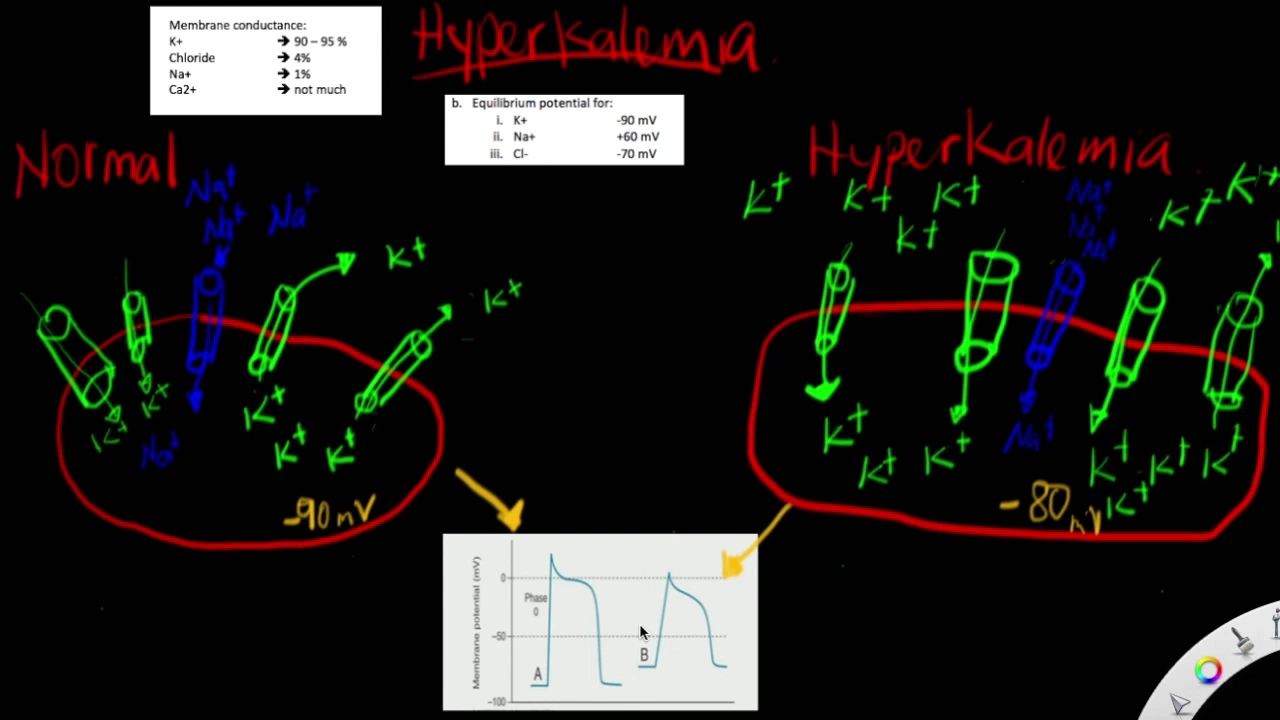
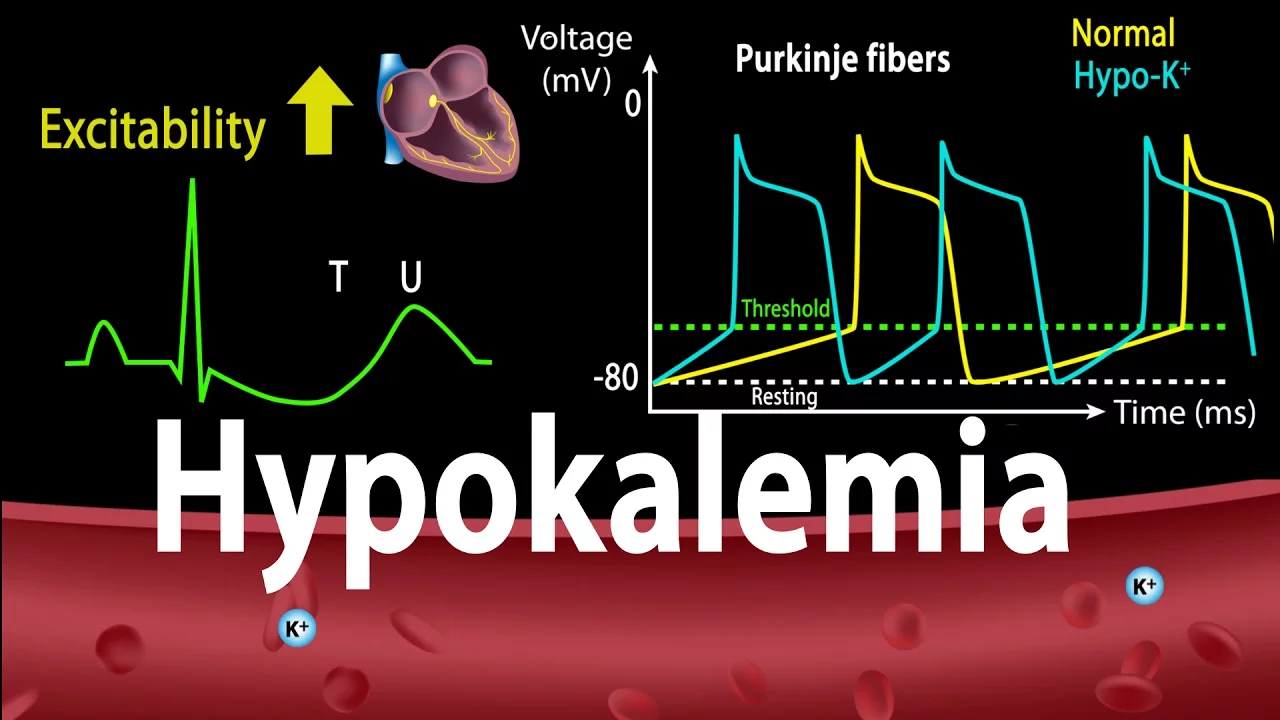
As potassium levels increase in the extracellular space, the magnitude of potassium gradient across the cell membrane is reduced, and so is the absolute value of the resting membrane potential.
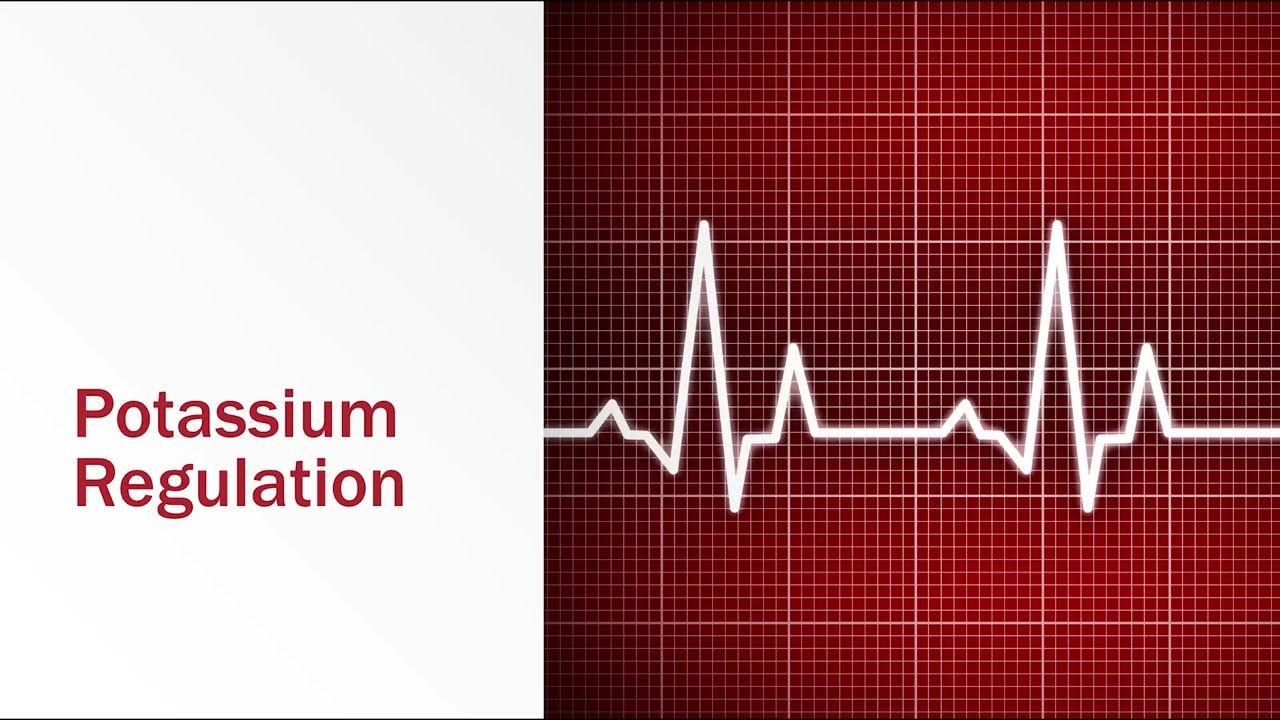
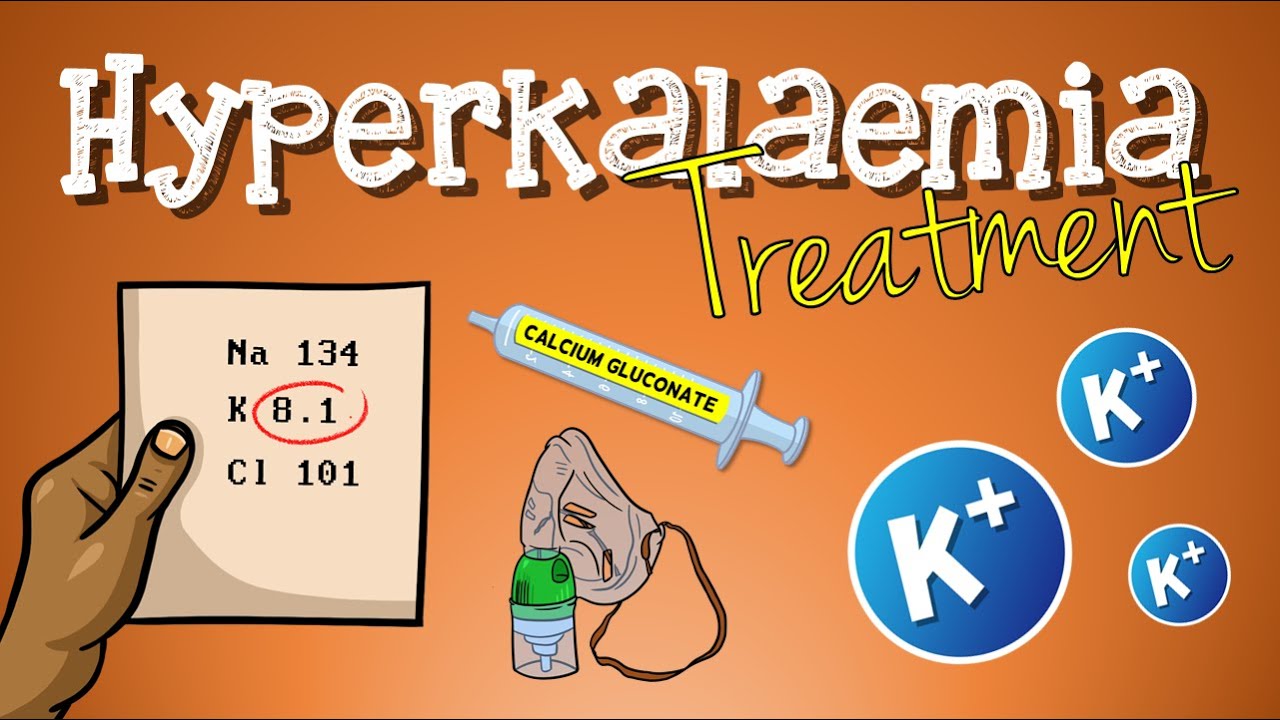
Membrane voltage becomes less negative, moving closer to the threshold potential, making it easier to initiate an action potential. The effect this has on excitability of myocytes, however, is complex. While initial changes seem to increase myocyte excitability; further rise of potassium has the opposite effect. This is because the value of membrane potential at the onset of an action potential determines the number of voltage-gated sodium channels activated during depolarization. As this value becomes less negative in hyperkalemia, the number of available sodium channels decreases, resulting in a slower influx of sodium and subsequently slower impulse conduction. In experimental models, ECG changes produced by hyperkalemia follow a typical pattern that correlates with serum potassium levels: peaked T-wave, P wave widens and flattens, PR interval lengthens, QRS complex widens and eventually blends with T-wave. In practice, however, this pattern is present only in a fraction of hyperkalemia patients and does not always correlate with potassium levels. This makes diagnosis on the basis of ECG alone very difficult. Given the dangerous nature of acute hyperkalemia, it must be suspected in any patient having new bradycardia or conduction block, especially in those with renal problems. Severe hyperkalemia is treated in 3 steps: - Calcium infusion is given to rapidly reverse conduction abnormalities. Calcium antagonizes the effect of potassium at the cellular level, stabilizing membrane potential. However, it does not remove potassium, and should not be used in the case of digoxin toxicity.
- Insulin is administered to stimulate the sodium/potassium pump, promoting intra-cellular shift of potassium. - Hemodialysis is performed to remove potassium from the body. Longer term treatment for hyperkalemia without conduction problems consists of reducing intake and increasing excretion.
Up Next

51:03
Hyponatremia: Causes, Diagnosis & Treatment | Clinical Guide
@Medi-Lectures
51.8K views•2021-06-17

48:47
Graphic Medicine: Comics for Collaborative Healthcare Communication
@nationalpatientadvocate
189 views•2023-12-04

11:58
Cardiac Arrhythmias: EKG Interpretation & Nursing Quiz
@Alilamedicalmedia
18.8K views•2024-07-15
3:05
Stages of Labor and Vaginal Birth | Childbirth Animation
@nucleusmedicalmedia
52.1M views•2017-08-18
Related Study Plans & Knowledge Roadmaps
Structured learning paths in Medicine
medicine
Abnormal LFTs: Diagnostic Workup & Pathology
01Liver Anatomy and Basic Physiology
02Introduction to Liver Function Tests (LFTs)
03Hepatocellular vs. Cholestatic Patterns
+ 3 more learning modules
12h6 modules
Explore Roadmap
medicine
Analyzing Blood Smears: RBC, WBC & Platelets
01Introduction to Blood Components & Smear Preparation
02Normal Morphology of Blood Cells
03Erythrocyte Pathologies & Morphological Variants
+ 2 more learning modules
12h5 modules
Explore Roadmap
medicine
Mechanical Ventilation: Waveforms & Alarms
01Anatomy and Physiology of Breathing
02Introduction to Mechanical Ventilation & Core Modes
03Ventilator Settings and Waveform Interpretation
+ 2 more learning modules
12h5 modules
Explore Roadmap
medicine
Neuro Exam: Localization & Stroke Syndromes
01Foundations of Neuroanatomy and Vascular Supply
02The Neurological Examination: Step-by-Step
03Principles of Neurological Localization
+ 3 more learning modules
18h6 modules
Explore Roadmap