



![Open Sound Control [1997]](https://i.ytimg.com/vi/Oy2xbLViNcU/maxresdefault.jpg)


![[Kraftwerk Pop Art] Documental sobre los pioneros de la electrónica / Sub Español.](https://i.ytimg.com/vi_webp/TIbEwOuOzqw/maxresdefault.webp)

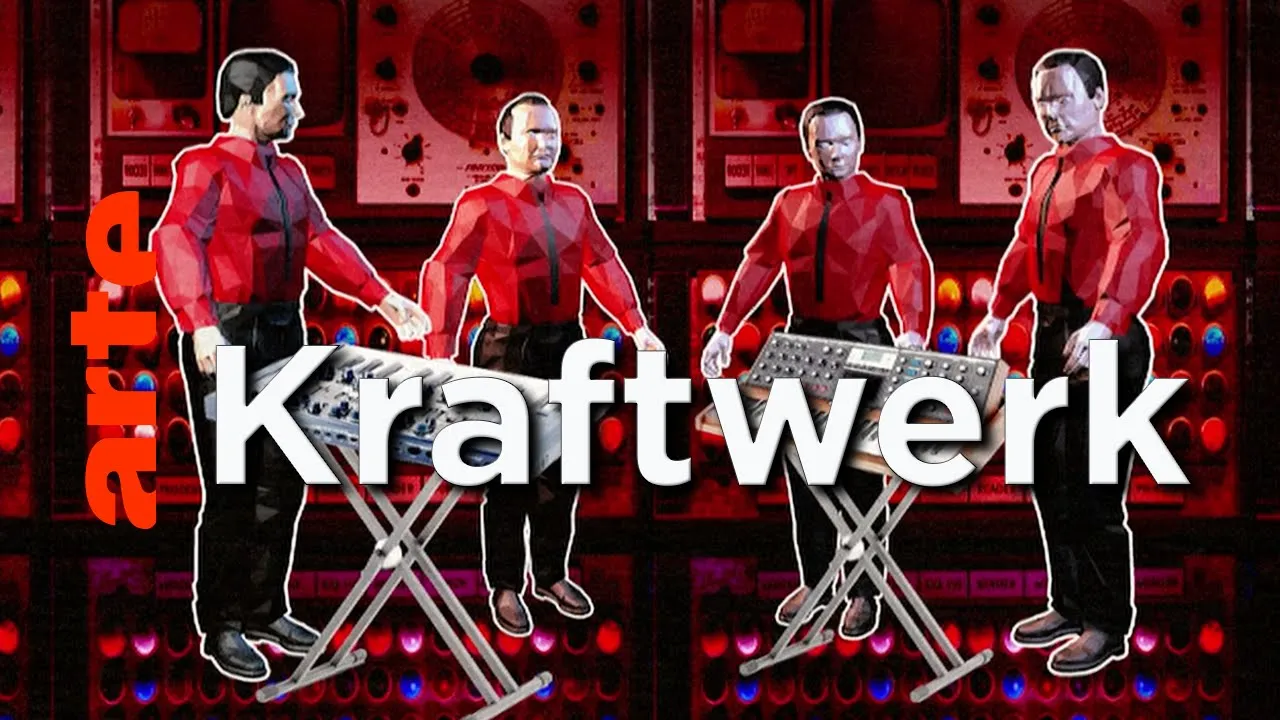













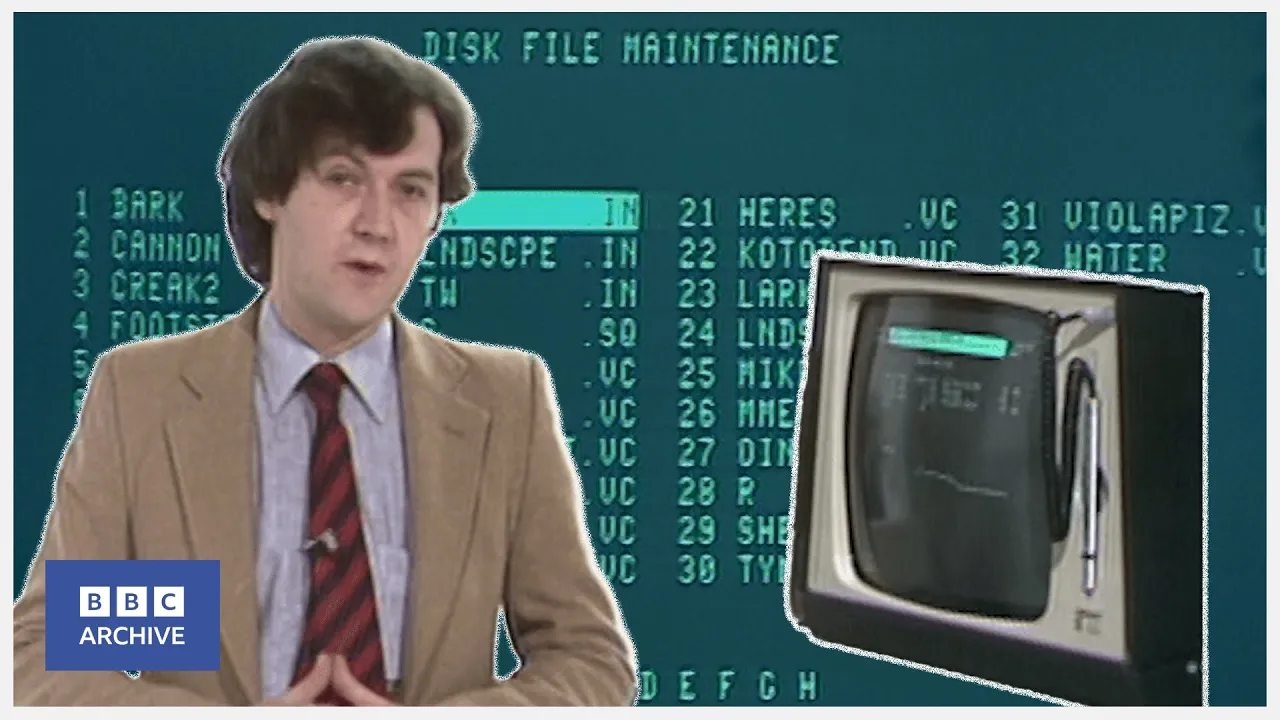

British synth pop emerged in the late 1970s as a revolutionary movement where post-punk musicians abandoned traditional rock instruments for synthesizers, democratizing music production and transforming electronic experimentation into mainstream pop success; this shift was driven by affordable technology like the Mini Moog 700S, the punk ethos of accessibility over technical skill, and the influence of German electronic pioneers like Kraftwerk, ultimately producing iconic acts such as Gary Newman, Depeche Mode, and Soft Cell who achieved massive commercial success while establishing electronic music as a legitimate form of popular art.
The History of British Synth Pop: An Academic Documentary on Electronic Music (1970s-1980s)
Added:Understanding the socio-economic climate of late 1970s Britain, particularly the economic decline and the rise of the DIY punk movement.
Basic knowledge of electronic sound synthesis, including the difference between acoustic instruments and electronic signal generation (oscillators, filters, and amplifiers).
Familiarity with early electronic music pioneers, such as Germany's Kraftwerk, who transitioned electronic sound from experimental avant-garde to structured pop.
An overview of the Post-Punk transition, specifically how artists began moving away from traditional guitars toward experimental instrumentation.
The introduction of MIDI (Musical Instrument Digital Interface) in 1983 and how it standardized electronic music production globally.
The 'Second British Invasion' and how British synth-pop acts utilized the rise of MTV to dominate the American music charts in the 1980s.
The evolution of 1980s synth-pop into modern electronic dance music (EDM) subgenres, such as House, Techno, and Synthwave.
Analysis of digital sampling technology (e.g., the Fairlight CMI) and its role in moving electronic music past pure synthesis into sampled soundscapes.
669.3K views9.5Klikes1:27:50Original Release: 2011-08-22
[Music] welcome to a time when there were no guitars and no drums just synthesizers it was the 1970s the place was Britain and our heroes were a Maverick bunch of young Pioneers obsessed by cftb and science [Music] fiction all across the country these synthetic dreamers would imagine the very sound of the future yesterday and by the'80s their dreams would become a reality as Britain went synth [Music] pop welcome to a time when machines ruled the world I stand still slipping on the Shady Street and I watch that man to a stranger think you only know me when you turn on the light now the room is lit red danger complicating circulating you life New Life operating generating New Life New Life by the 1970s we were living in the future our cities were going Space [Music] Age Victorian slums have been torn down and replaced by ultramodern concrete highrises [Music] Entertainment also looked to the Future our Cinema and television screens were full of tantalizing glimpses of a future that seemed just around the [Music] corner released in 1971 Stanley Kubrick's Clockwork Orange was a futuristic and violent vision of concrete Britain that captured the Zeitgeist the film soundtrack was composed by American synth Pioneer Walter now Wendy Carlos it would have a profound effect on a generation of wouldbe musicians that was probably a lot of people's maybe first time they'd heard electronic music you know on the score to that film it made me forever associate classical music with people getting their heads kicked in which is is kind of a bit strange the soundtrack to Clockwork Orange fantastic sin sounds in that you know Big M synthesize that when the Carlos used and they were all orchestrated well Wendy who who then said she was Walter I've never quite worked out what was going on there was was an absolute inspiration you know and the first time we'd ever heard that sort of absorbent synth based sound just raved about it some of the people who would be the future postpunk people would listen to the the three or four sort of original compositions that Carlos did on that soundtrack that were much more Sinister and forboding they was a kind of a linkage made there between those sounds and the idea of a cold future a bleak future and that probably sort of sunk quite deeply into the psyche of a lot of young musicians at that time for a generation of electronic dreamers Carlos's soundtrack would offer a glimpse of an alienated synthetic future but the True Divine spark would arrive on our television screens in 1975 Tomorrow's World gave Britain its first glimpse of craber a German band who played only electronic [Music] instruments they would invade our Shores later the same [Music] year we played one of our first gigs 1975 of our English tour in Liverpool the Wings Over britsh to was playing the same night in the town that was also the reason why our Hall was only half [Music] crowded all of our posters were stuck right next to the posters of the wings so it made us proud of course you know amazingly they came to Liverpool um in October of 75 and I sat in seat C 36 and witnessed the first day of the rest of my life 75 was all you know the year of long hair and flare trousers and guitar solos and these guys all came out in suits and ties two of them looked like they were playing electronic tea trays with wired up knitting needles and I was just blown away it really it was it was incredible we had no long hair we didn't wear blue jeans we we had suits on Gray suits short hair you know and we looked like uh the children of Vanna F brown or Vanna f c and we saw us so you know engineer musicians like that instead of dancing Boys on on on the stage to arose the girls you [Music] know the interesting thing afterwards there was a knock at our backstage door it was a band they were called orchestral Maneuvers in the dark and the leader Edie mlki was really astonished and happy that he was meeting us in person and he said You know guys you have shown us the future this is it we throw away our guitars tomorrow and buy all synthesizers in terms of inspiring people to to not just have a synthesizer in their rock band but to be completely electronic I think you can never underestimate the impact of craft work trying Express had the same impact on the synth poppers that the Anarchy in the UK had on people who wanted to be punk rockers next year craft hoped to eliminate the keyboards all together and build jackets with electronic lapels which can be played by [Music] touch in British music in the mid-70s the synth was a remote Beast although they would become much cheaper later in the decade a synthesizer then could cost as much as a small house they were associated with Rich and technically gifted Progressive musicians until Punk came along you had to be Keith Emerson if you wanted to be in a band you had to have learned your instrument for at least eight or nine years before you would dare come out and play it and it was the inspir simply the inspiration of of the Damned and The Clash um that said get up and do it you know do your best if it's crap maybe maybe the Simplicity will get you [Applause] through whilst the music didn't concern itself with synthesizers the attitude of the punk movement would Inspire those with an interest in electronic music to do it themselves oh why ride all the infrastructure around punk we absolutely loved it's just that the actual music we saw us being quite old fashioned and and having and being being a bit of a one trick pony so what we did was we took the attitudes of punk and gave it a different context IE let's make music that nobody's heard before across the country small pockets of experimentation surfaced inspired primarily by Punk and craft V when my studio at home in southeast London one day I opened my email inbox and there's like 10 emails from very desperate bunch of people saying you've got to go to eBay now and buy this and what it was was craft work's original vocoder which was being sold on eBay and it was the one that was used on alaban I thought well this is the equivalent for a guitarist of getting Jimmy Hendrick guitar that was used on Purple Haze or something you know TV I first got a synthesizer in 1977 and I bought a secondhand cor 700s from Mar's music shop in Cross [Music] Road the thing that pissed me off about Punk was you had to learn three cords to to be in a punk band if you had a s you have to do is press one key with a finger you know I don't need a TV screen I just stick the aerial into my skin advances in technology in the late '70s heralded the invention of the affordable s costing no more than an electric guitar Daniel Miller used his to form the normal an experimental act that supported Punk groups Miller Drew on the work of English author JG Ballard whose Crush was another futuristic vision of Britain warm leatherette warm leatherette I just broken up with a girlfriend who you know I was very much in love with and friend of mine said I'll read this book I don't know and I read it and it and it's really um had a huge using all these puns like impact but a huge impact on it see the breaking glass in the underpass it wasn't like science fiction in the sense that it was out of space and stuff right that it felt like it was 5 minutes into the future and I loved that aspect of it the fact that it was It was kind of so outrageous but so possible at the same time leatherette warm leatherette by the normal the normal was the Alias of Daniel Miller the crashing steel the lyrics are just a pry of some of the concepts in in Crash bad's novel which was about people who have car accidents and find that there after their sexuality has been diverted and they they obsessed with being turned on by car crashes so you know the lyric like the handbrake penetrates your thigh quick let's make love before you die warm Lea the music was supposed to to be visual you know like driving along a you know a highway with big buildings either side and going into a tunnel there's there's quite a lot of humor in it really I mean like it wasn't meant to be like apocalyptic or dystopian [Music] Lea Miller was one of Britain's first synth punks and he wasn't alone in the north of England a bunch of computer programmers dreamt of a similar future well we love JG balard and in in fact you know Roxy had a song to HB uh about Humphrey Barden we had a song for for JG which was about JG Ballard the future were a bunch of sci-fi nerds from Sheffield they formed in 77 and played only synthesizers when I bought my Cor 700s in 1976 it was the first time there was a monophonic synthesizer which you could do stuff with which was kind of domestic level entry level in terms of price it was 350 quid I think and I remember distinctly thinking at the time I was a computer operator and there was a decision day where it was either buy a secondhand car and learn to drive or go and buy this this monophonic synthesizer and uh that proved to be quite a faithful day because I still can't drive but um I still got that synthesized this is a a mini cor 700s and and was sort of the first affordable since a fantastic machine completely eccentric they give you a book A book of patches with it and because it was Japanese that there would be be things like like cynthy cat or funny frog you know and you can't follow why it's doing what it does but it sounds great usually with a synthesizer you can get it to do something for you you that you you know you don't have to be manually good at all that was why we turned to them in the first place cuz no one could learn how to do the guitars either cuz we'd all tried my brother's a great guitarist he tried to teach me just hurts your hand so we uh use these things and you you know you can press a switch on them and they'll they'll do things for about 10 minutes it's quite interesting if you got a tape recorder you can put it down put something next to it and it'll sound all right the day that I joined the band Martin came around to my house and he had two two records under his arm one was trans Europe Express and one was I Feel Love and he said look we can do this I think that was that was his actual phrase We Loved all that stuff I mean like the concept albums that J did with Don sum 1 2 3 4 5 used to play those continuously and this wasn't some kind of post gay ironic thing it's just because sounded great and interesting and you're never really sure what the next set of sounds coming up was going to be I feel it just didn't sound like any record that had been before it's it came on the radio and and you couldn't quite believe what you were hearing it was hypnotic but it was driving Mara's moo music was the Disco single of 77 its success would set the template for the future of the future we were in fact much more influenced by maroda than we were by craftwork ever on ever since anyone that knows we use since oh you sound like craftwork don't you well we use the same instrument so some of the sounds are a bit the same we never really wanted to be craftwork we wanted to be a pop [Music] band we wanted to embody a sense of futurism without being so [Applause] and it just so happened we uh a friend of ours he had bought for him this um science fiction board gang called Star Force and it was prodigiously tedious I mean it was real geek stuff uh and it was impenetrable you couldn't play it there was the rise of the Human League or something and we thought the Human League that is such a cool name the Human League set out to make electronic pop for the modern city falling the city is human BL you take home your no so time isig but come soon we've had it easy we should be glad highrise living is not so the human leag had a totally different spin on synthesizers where that it was much more like this bright technocratic optimism thing and in fact one of their early songs blind youth you know they make fun of people who go on about dehumanization you and it's such a big one it's been around since rich is De humanization it's easy to say but if you're not AIT you know the city's okay I'd say most of the brightness came from Martin Martin's very optimistic and if anyone's moaning about anything Martin will go and write a song in the opposite direction I think I felt a bit gloomy about the concrete jungle and everything which is ridiculous cuz I'm a tow you know I gravitate towards concrete you know if you put me in the country I would just find the nearest town and go I'll be sitting in the bar quite quickly you take isig soon unfortunately British pop music wasn't quite ready for a synth Le group of futurists just yet but in 1978 the Human League weren't the only group experimenting with electronics in Sheffield this is the old um saline art college which used to be part of the Sheffield poly Technic in the 1970s I believe the Human League also played this very place for their first ever uh live show in Sheffield Cabo volter did perform um In This Very Room yeah I mean we just thought there was nothing nothing for us you know I mean it was all kind of bloated super groups and and and Progressive bands who weren't even from the same kind of social backgrounds you know they were probably Public School educated whereas I think you know most of the scene in Sheffield was pretty solid kind of working class you you'd find little bits of the interesting music within perhaps some of the pr Rock stuff where there'd be a weird little synth [Music] break but then you know once you kind of start to discover all the German bands you realize that there were entire albums that were made of electronics whilst the Human League TR of Pop Cabaret Vol were anything but using Electronics to explore Sheffield a city tone between the past and the future I remember watching louds of Science Fiction things in the 60s like Doctor Who and things like qu toas and all these kind of strange things seem to happen in kind of old Gas Works or industrial [Music] environment there there was another worldliness about it you might see an alien or giant blob creeping across the the floor glowing bright green from radioactivity very Arty group they obviously the name Echoes daada they were really into William Burrows and his ideas of like control and surveillance they actually use quite a lot of guitar but it was so heavily processed it didn't sound like rock and roll guitar it sounded more like a synthesizer they also put synthesizing type effects on The Voice which is probably one of the most disturbing things they did you know have a guy singing but it sounds more like a dalc than you know a human being at night time you'd hear distant booming noises which you know would probably be something like a drop Forge or steam hammer or something you certainly knew that you you were on the edge of you know heavy [Music] industry everything in their music was kind of alienated and you know the music that comes from people who are kind of divorced from any kind of Natural Life any natural rhythms uh the music for a kind of hostile environment if I've ever been asked to explain that movement I always call it the alienated synthesists and you know throbbing gristle Cabaret voler Joy Division uh who were were a little bit less obviously syy um everyone everyone was sort of like that we were all going around in Long coach from secondhand Shops and and saying how terrible things were with a synth across the penines another pocket of alienated synthesists dreamt of an electronic future in the spiritual home of British pop [Applause] music we are in Matthew Street in Liverpool and I'm actually standing outside of the door to what used to be Eric's club which is where we played our first gig where we invented OMD to play at this place and it was course the club where we all used to come um the bunnyman in the teardrops played within a month of us playing here as well this was a place I saw dvo play their first English concert and all of the influential bands that we could get to come to town played here apart from crafer who played the big theater down the road and then literally 10 yards away is the cavern Club you got Erics and the cavern right across the road from each other when Paul and I started uh being interested in electronic music we were very young we had no money and it was totally unrealistic to think about getting you know the big kind of keyboards that you saw on TV or on stage with some of the the keyboard players in the ' 70s my mother had a K's mail order catalog and they had some synthesizers our first cor micro preset was bought from my mother's catalog for 36 weeks after 776 a week I seem to recall this was the first Sy and we've made the first really the first two albums with this you know and it's like um it's quite a basic [Music] syn can you believe that the [Applause] [Music] record the major record labels largely ignored synth music forcing bands like OMD to look to newly formed Indies instead in 1978 OMD would sign to factory a movement of sorts was beginning to coales I think think the first wave of bands that sort of came out of the closet in the late '70s um we were all working independently of each other there was no unified movement it didn't all start in one club or one town there was no gang of people who all had a Manifesto that we were going to do the new British electronic music it was small pockets of people in different parts of the country who were independently obviously listening to the same things I I did make an electronic drum machine cuz I'd seen craft work with their sticks so I thought I can make one of those and so I did and so some of the early sort of synth drums were this was this sort of very Heath Robinson looking box with all these plates on there with these sort of sticks with wires that that we did the the drums to [Music] electricity all all SS of energy the ultimate Discovery [Music] ELC to be free we were horrified when Tony Wilson said you know what do you do is the future of Pop right pop we're experimental German influenced you know we're not pop at all how dare you call us pop we were absolutely mortified uh we couldn't see it at [Music] all totally by accident Paul and I and I guess others at the time had distilled the electronic experimentation and the kind of Glam pop of Britain from just a few years earlier into what was going to become which didn't seem at the time but was going to become the future of pop music by the start of 1979 the future of pop music seemed a long way off as as the combined efforts of the normal OMD and the Human League had failed to trouble the charts but dabbling in synthesizers was becoming increasingly durger even for died in the wool punks at the other end of the East lanks Road another Factory band who had become one of the greatest electronic Acts were taking their first synthetic steps the first synthesize we had in Joy Division was a a little thing Transcendent 2000 and I actually built it from a load of components at the time I had inom I couldn't sleep very well so I got I used to get this magazine called Electronics today or something like that and in it was this sythesizer and and if you were to buy one in those days it was incredibly expensive and we didn't have any money so I thought well this is really cheap so like 200 quid and how difficult can it be to build it and it was like soldering components in you know by hand took about two months of doing that and then it didn't work incredibly well you know I remember we went to write a track in a studio called Cargo in uh Rochdale and when we went in i' uh we found a little w sgan that you switched to battery power it switched it on and it blew a fan you could play cord buttons on it so I was messing about with his cord buttons and then Martin hannet I think had broughten in a Selena string synth and you can play more than one note at a time on it so I got the organ and and and the synthesize and hit these C buttons and there wrote atmosphere J division track just seem to write it there in the studio W in I think we wrote the music and then he wrote the words that night and then recorded the vocals the next day which is amazing when I think about it the danger always danger and was talking life refilling don't walk away whilst it seemed the North had the lead in Post Punk synth Pioneers things were also stirring down south John Fox was the former lead singer of ultrax he worked in shage in London's then unfashionable East End [Music] these modulus were the first generation really of working synthesizers and then um the companies decided to make a cheap version of it because no one could afford these uh or very few people could afford those and they condensed all that down into this London seemed almost empty in the' 70s I used to walk around the streets and they when news papers blowing around in a car in the distance and gray concrete walls and everything seemed gritty and and and lost somehow like we lost Direction and uh I wondered what that was about I wasn't angry about it anymore as we were supposed to be as punks I just wanted to make music for it the kind of music that I could [Music] hear standing in the dark watching you glow liting our rece nobody I know underpass underpass is such a bardian idea you know the underpass with the sodium lights and you might be mugged and it's uh you know very 7s dystopian the spectral City this was the Industrial bit of London that has served the docks and done some manufacturing and both of which had gone it was like living an equator Mass movie because I realized and discovered that underneath all this area are the plague pits where the bodies were thrown so that inevitably leaks into the music that's why a lot of my music's so dark I think it's cuz I come from Lancashire and where did I end up but in a place even more [Music] [Applause] [Music] Sinister Fox's music wasn't the only synthetic portrait of the '70s Metropolis an experimental group of artists known as throbbing gristle had been forging their own electronic industrial sounds in their death factory down the road in [Applause] Hackney Grim yeah it was Grim it was very rundown the factory was an old trouser Factory and it was near London Fields And in the basement we were on level with the plague pits that's why it got called the death factory there was still a lot of sort of antagonism um left over from I know it sounds like unbelievable postwar because there were still people there like the park keeper used to be one of M's Brown [Music] [Applause] Shirts I mean it sounds a bit of a cliche now but at the time we were trying to sort of reflect the sounds around us in some weird way our studio was in like a an industrial area and there were lots lots of different noises going on all the time and we were sort of trying to reflect all these sounds and the way they all come together into like this weird mish mash of electronic experimental [Music] textures we felt kinship with a lot of bands didn't we especially sort of Sheffield bands yeah cab volter those people but I think the kinship was the fact that we were all independent [Music] yeah Chris Carter in tring gristle was a sort of nut for tangerine dream and and that kind of music so they were wear sort of some hypnotic dreamy electronic thring GLE tracks that were actually quite sort of Pretty in a in a funny sort of shape and way and I had the these scents um and because they were um homemade sents they weren't bought sort of off the shelf they weren't Roland and CS um they sounded quite unique anyway they didn't sound like regular [Music] SCS and then I built this effects unit I saw this design in Practical electronics and you could combine all the um effects together and um put a guitar through it or a voice or anything so I started building these units for stubbing gristle and called them [Music] gyers we were never Punk we're not Punk we were industrial we're an industrial experimental music [Music] band come 1979 British electronic music was still being ignored by mainstream labels so Dan Miller founded Britain's first electronic indie mutes to release recordings by kindred spirit Gadget as well as his own [Music] work I wasn't interested in rock and rock music at all at that point I'd really only was interested in electronic music and I thought that was the future of where exciting music was going to come from and I wanted to be part of promoting that to one of mut's first releases would be strangely preent I've came across an old Chuck Berry song book that I had at home and I thought I would be like what I wonder what that sounds like done on synthesizers long distance information give me Memphis Tennessee help me find everyone said you got to release it's amazing you know and I thought okay um what should I do cuz I don't um I don't think it's doesn't kind of fit in under the normal kind of name and then I just thought what about if there was a group that were all teenagers and their first choice of Interest was a synthesizer rather than a guitar that hadn't happened yet John Peele I remember i' I'd given it to him and I was listening to the radio was with a couple of friends he said we got three versions of Memphis Tennessee tonight one is the original the two cover versions one is really terrible and the other one's really great I oh God and fortunately the what he really like M he played it twice take it away that was one of the biggest moments of my in my entire career in the music and that's the end of tonight's program in which you heard the desperate bicycles the slits the meons alternative TV the UK subs and Sham 69 more of the same unpleasant and disorientating Racket on tomorrow night's program until then from me John Peele good night and good riddm getting your record on the Peele show was one thing but nobody was ready for what happened next what sort of makeup do you put on I mean you appear very white well it's it's all natural actually it's um max Factory is the p and it's 28 which is just natural it's not a white makeup it's it's normal and then I just powder that with skin tone powder and then just the [Music] eyeliner and the Pain's sping up on my walls a man on the 24th of May 1979 the future finally arrived SM a cigarette he was a punk he loved sci-fi he even read JG Ballard but most impressively Gary Newman was on top of the Pops I wish magic was real yeah I wish fairies were real and all that kind of stuff I love all that sort of thing um probably never grew up I suppose from that point of view out the first time he was on top of the pops think either she found me or I found her are you watching this have you seen this man he's fantastic you [Music] know the the look and the sound was so different just for a second I I remember you sort of alien wasn't [Music] it I was in a lot of trouble at school I sent to child psychiatrist and things like that which turned out to be um apparently [Music] [Applause] Asbergers I felt more comfortable on my own the classic laner I suppose you know didn't go out drinking didn't go out clubbing too much so now I'm alone now I can think for myself I went to Studio to make a Punk album um which would have been my first album and when I got there um in the corner of the studio there was a mini mood luckily have been left on this sound which is a huge big I don't think basy thing and the room shook you I just realized you can just press one key and all this other stuff happen you there was a massive amount of power in them and depth I just never heard never heard anything like it before one note people like ourselves and cab voler and the Human League had all just got used to the fact that we existed and there was somebody else sharing our space and then Along Comes you know who I I guess at the time we thought it was Johnny come lately who the hell is this guy from London um who's on telly and having a massive hit record never heard of him Newman was Britain's first synth pinup hello Sarah hello Gary hello sir and my friend show read in the newspaper that your M does your hair is this true yeah that's right she've been doing it since I was about four all right thank you she put she put the streak in the side as well yeah I really like Gary's music I think he made the best records of that time I think he if anyone really condensed it into a form that was perfect at that [Music] point Newman would immediately show that his number one success was no fluke cars was part eulogy to JG Ballard and part testimony to living in' 70s London I was in my car and uh couple of men in the van swerve around me and pulled up in front got out and were clearly going to give me a bit of hammering you trying to get me out and kick in the car and screaming and [Music] shouting go safest of all I can lock on my doors it's the only way to live in I was pretty scared you know I locked on the doors and I end up driving up onto the pavement and shot on the pavement cuz I couldn't get any go anywhere um you know people obviously leaping out out of the way cuz I was in a bit of a [Music] panic cars is just about feeling safe in amongst people um in a car cuz no one can get you you're in your little bubble here in my car where the inent down will you visit me please if I open my door in cars oh I was gutted when cars came out I thought it was really [Music] good all this time we were convinced just a matter of time before we have a number one record cuz you know part arrogance and part stupidity um and then somebody comes out of the blue and does it with sales totaling in excess of 10 million Gary Newman was a new kind of pop star but being at the front of the synth way had inevitable [Applause] drawbacks Musicians Union tried to ban me for I think the first year I was around because they said I was putting proper musicians out work although I had to be a member to get on top of the PS so caused me load of grief actually the music press were pretty harsh it wasn't rock and roll it wasn't on it wasn't working class it wasn't worthy it wasn't earthy it wasn't real it wasn't sweaty it wasn't manly it was pretentious and pseudo intellectual and I I am absolutely convinced that Newman's career was shortened by nasty nasty vitriolic journalism but again if what what they' been before me they' been Punk the whole anti-hero thing so Not only was I doing electronic music was he wasn't particularly pleased with anyway but I'm standing up saying I want to be a pop star love it all this ATI here I said before that I nothing to do with that yeah I want to I want to be famous and I want to be standing on stages and I don't speak for the people because I don't even know them the decade would end with Newman as the unlikely synth pop hero come good what lay around the corner would see the synth transformed from Post Punk experimental tool into the pop instrument of [Music] choice as the'80s dawned the future finally arrived and it wasn't going to be alienated [Applause] a shift to the right heralded a new era in Britain an era in which prosperity and material wealth would be vaunted above all else there would be no room for experimental dreamers in the Me decade you were a success or you didn't [Applause] [Music] exist the big hit of 1980 was Visage whose Fade to grave followed fast on the heels of Newman's [Music] success it seemed the future had passed the human Le by we f f I think there were three number one hits certainly Dave Stewart and Barbara gasin Gary Newman and I think the Flying Lizards might have been number one with money and I actually stood there after I think we've done a couple of LPS but and I thought we just we've blown it we now look look like the also Rams and everyone's taken the idea and done a lot better than us the best things in life are free but you can give them to the birds and bees I want money that's what I want that's what I want that's what I want I told to put the studio one there to be told that I was being thrown out the [Music] group and uh it was a bit like School of Rock and I you know with Jack Black going you can't throw me out of my own group we'd released reproduction and travel log and done all this touring there was a nagging undercurrent of dissatisfaction from the record company that they weren't selling as many records as they hoped I think i' I'd made a big effort on a photo session and Martin hadn't even turned up and suddenly I was hearing these stories that Martin was never ever going going to appear on a stage with me again which I think he only said because that's what what Brian fery said about Eno in Legends whil the Human League were crumbling something was brewing in the most unlikely of places bason was a new town built for the postwar East end overspill it wasn't one of Pop music's more romantic places but a bunch of kids were going to ditch their guitars and reinvent synth music as Pop when we were growing up basilon was a very violent town we had the highest crime rate for about 5 years on the Trot but I can remember going back to basilon and going down to the pub with some friends and I had like you know black nail varnish going to the bar and ordering a drink you know i' totally forgotten about it wasn't even thinking about it and some guy just said to me what the have you got on your fingernails the PES mode formed in 1980 they had a spot at their local disco well crops was a really ordinary disco well there was a crocodile yeah it was quite a sorry looking animal but it was alive they had this night once a week where they play things like like the human leag and S sale and and also bands would appear [Music] there slipping on a shady Street and I watch that man to a stranger think you only know me when you turn on the light now the room is Liv danger complicating circulating New Life New Life operating generating New Life when I first started playing symph asiz it would have been people like um the Human League um orchestral Maneuvers in the dark their very first album I was a big fan of Daniel Miller's work as the Silicon teens and as the normal and also fad Gadget who was on mute records Vince was sort of the boss of the band he was unbelievably driven to earn £30 a week in the yogurt Factory and save £970 you know a week to save up to buy a s you know he forc the pace this actually was the original depes mode drum machine that we used for live Dave's job before he s to set the tempo so number seven would be fast number two would be slow etc etc I owned Alto that what really got us to go out by our first synthesizers the whole you know things that were happening around that time with craft work and even early Human League stuff [Music] generating I was I was really happy that the first time I heard them was when I saw them play live cuz they're fantastic live they started and I thought wow this sounds this sounds interesting there like four little mono syns kind of teetering on beer [Applause] crates they had fan base with them and the fans weren't watching the band they were just dancing Miller first saw Dees mod supporting Gadget in East London he signed them to mute none of us knew what we were doing by the time I met to pesh we just released our first album compared to them I was an experienced industry person but actually I knew nothing you know they needed a bit of help in the studio so I think you know first of all I introduced them to some ways of working using sequencers they never used a sequencer before everything was like played by hand this is the legendary AR tr600 bought it secondhand in 1979 um it was being sold one of three being sold by Elton John's road crew after a world tour used extensively on all the depression mode albums I was involved with especially on the first album where it was really the one of only two cents that we used you can hear it going out of tune on that note there it's not way in tune at all but depes mode would prove to be the real silicon teens the combination of sex appeal and synthesizers would make them one of the biggest pop acts of [Music] 1981 I just can't get enough I just can't get enough other things you do me and everything there I just can't get enough I just can't get enough we s and slide me fall in love and I just can't seem to [Music] get when did pesh mode when we were gigging we'd all carry our symph asiz us and I for some reason you know had to buy the heaviest sympathizer out all of them you know and we didn't have cars or anything so we we be on the train and this really is quite heavy you so I'd have this thing under my arm Fletcher would have um moo Martin had a Yamaha I think on the train so when we did our first top of the pops you know we were on the trains with these syers you got the trains top of the par yeah from buland to F Street in the [Music] underground but like Newman before it wouldn't all be plain sailing for depes I think you know you've got to remember that in during our pop period you know we had lots of fans and and a lot of people liked us but a lot of people hated us but certainly the'80s um was a a real old Battle Royal between us and journalism in in general music journalism oh it was just really you know um pop it was you know I think I can understand why people hated what we did you know looking back on it now and it wasn't just the sound it was we were young kids and we we just did anything that came along so you know every TV that we were asked to do we did and it didn't matter how stupid it was he said do you think he might give me a kiss before the end of the day and I said I don't know asking myself but I think if I ask you you might if I turn my back you might just what happened behind well you know there's something very unb about electronic music to start with they want bands to be like they were in the 60s already four guys guitar bass and drums pretty lead singer skinny jeans you know conventional kind of thing that's really what sells newspapers I guess I mean they'd written to PES mode off anyway as a teeny bot band a one hit wonder especially once Vin left they thought that's over you know in November 81 Clark unexpectedly quit I was and still am a bit of a control freak so you know and with the Advent of computers and sequences I realized that I could make all of the music myself you know I didn't need necessarily other people to play the parts and I got a real satisfaction out of programming all the parts myself [Music] without their Chief songwriter it seemed the game was up for depes mode before they really got [Music] going in the same year A reversal of Fortune had seen a new luck Human League finally get in on the pop action partly thanks to a lineup change that took them out of the pages of the enemy and put them on the front page of smash hit you wereing as a waitress in a cocktail bar when I met you I picked you out I shook you up and you around you into we got Joan and Susan simply because we we were booked to do a European tour and Martin and myself became unable to be in the same group and we just thought H well some nice high vocals yeah yeah let's let's try a girl be a bit different and and try a girl um and from that the step was that that if we were going to take a girl on the road with with a load of of terrible Randy idiots like us there ought to be two of them to look after each other and and Jin and turned up I was been sarcastic there by the way with sitting there reading books really we will both be sorry don't you want me baby Don't You Want Me Oh don't you want me baby Oki spotted the girls dancing in a futurist nightclub in Sheffield our parents thought this some ulterior motive something's going on but then um Philip came around and met both sets of parents and they thought he was a decent enough guy and then we went to school with our parents and they t to the Head teacher who thought that it would be good good for her education to have six weeks going around Europe because we could go to art galleries and things like that [Music] [Applause] [Music] put we never went to set off galleries we did go to a lot of clubs yeah we went to we went to Cologne Cathedral too that was about the most that was about the most cultural thing we ever [Music] did music is loud get around town you need to sound proud your voice to the sound of the crowd it also meant that we could appeal to women as well as men the the early Human League was a very male based group and and and really only Lads in Long coats liked us and some transvesti okay pop music let's go anyone here like the human be released in 81 dare crystallized the new synth pop [Music] sound we did something that could only be done at that stage while we were doing it they were bringing the machines in that enabled us to do it for instance the very first lindrum I think that arrived in England came into our studio and we took the drums off sound of the crowd and put the lind drum on and without that Pro probably it wouldn't have worked I mean I I remember when Martin russan got the lindrum and it was like a child at Christmas getting you know the first fire engine or something and he was jumping up and down and all the boys were you know like oh it's a drum you know because before that apparently the drums had been the hard one of the hardest things to do and now there was this box that was sort of this big and and you could program it and and they were all very excited and we were a bit like okay boys now the floodgates were open the rush to Market swept every aspect of British life in the early' 80s everything was now up for grabs including pop music in an attempt to Eclipse his ex- bandmates former Human League member Martin we would cash in on the times with a concept album we were doing the day shifts they were doing the night shifts in the same Studio they were making deare we were making pent house and pavement I've never been so motivated in my life believe me I said we are going to make it stylish fantastic finally the shackles are off we can start using other instruments cuz it's you know the original Manifesto is broken but we're still going to make it predominantly um elic and so the idea was that suddenly we're not a group we are ripping open the facade I'm going no this is great music but it's a business it really is a business doesn't matter Bob Dylan can sing all he wants he's busy Brown noosing The anr Man Behind the [Music] scen with the [Music] but ironically and we were totally antier and always have been you know fascist gr thing Etc it got taken on board by the by the aspirational Yuppy culture in the early ' 80s as as their kind of theme Tunes a lot of the time like let's all make a bomb they completely miss the point of the song Totally and it's like yeah mate oh I remember listening to that yeah braces it's fantastic mate love the poundy tales my not everyone wanted in on booming Britain Cabaret volter were neither into ponytails nor popularity their vision of Britain was concerned with the inner city riots that erupted across the country in summer 81 people say that the special G town was the soundtrack to the unrest of that year but a lot of people you know alternative think that Red Mecca was the sound of that and you know I think I've said in the past somehow that Insurrection on the streets kind of found its way into the music you kind of took some heart and the fact that some people were kicking back against the system all be in a in a quite a crude manner and we're prepared to take on the police [Music] you know we weren't paranoid this stuff was was slowly happening you know the rise of surveillance culture the rise of the you know rightwing in America the fundamentalist Christians all in the name of Jesus and then youve got like the revolution in Iran with the the Sha being deposed and the general feeling that things are moving to the to the [Music] right meanwhile something strangely synthetic was happening in the sleazy underbelly of London's [Music] Soo I was going to lots of Northern Soul clubs so it was kind of I was listening to kind of C work in Northern Soul which kind of you know where things develop from really in my [Music] head yeah missed it we had the money we' come to Soho and just hang around Soho and just getting ideas which is why where the the name came from sometimes I feel I've got to run away was the Raymond review bar back in like 1980 or whatever and that's that's where that photograph's from we were just kind of fascinated by being that these two Northern Hicks and mistakes and suddenly like wow this is amazing it was a sort of was kind of glamorous and dangerous and lots of neon lights and and stuff which we were kind of fascinated by now I'll run from you this Tainted Love you give I give you all a boy could give you take my tears and that's not nearly oh the first people doing the electron thing really kind of came the alienation I am hollow inside kind of thing like Gary new and you get this sort of second wave where you got the sort of cold glistening syn sound but the singer is actually very very emotional Mark AR's a good example he's like torridly emotional some to hold yought and you think is it's like there's a passionate super passionate singer and then the one other person usually a guy with the the synthesizer and I think almost they're kind of using the syn more as like a miniature or condensed Orchestra like they can get all the sounds they need out this one box uh so really it's more like electronic song mus where Soft Cell Leed others would follow having left depes mod Vince Clark would form his own duo with a rhythm and blues singer also from basilon Vince I met for the first time when I was 11 we both went to the same Saturday morning music school it was a a council rung thing where I believe he was playing violin and I was playing OBO and even though we'd never spoken at that time I just uh recognized him for this the the fact there was three of them three brothers with this white blonde hair looking like little family of ducks going across the road you know once um I left AES I had some songs um which I wanted to demo for the record company one of them being on theu looking window above it's like a story anyway I got in touch with Alison cuz I vaguely knew her me we didn't have plans to form a band or anything we had no history together we just went from the demo to the recording studio to make him the first record all I needed was the love you gave all I needed for another day and all I ever knew only you I wasn't overly interested in technology I couldn't even afford a record player or or a cassette player so the idea of buying Hardware was you know there's no point in lusting after things you can't have it's like me thinking about a miniskirt was never going to happen L to the words that you say it's getting harder to stay when I see you well Vince CL then fors another one of these classic sort of uh Fire and Ice groups you know the ice is the synth and then the fire is Alison moer so it's that's almost like a a template for 80s pop is you know the synthesizer guy the synthesizer ban and then the super passionate singer usually female or maybe gay male you know it's kind of the duo replaces the rock [Music] band you know it's it's an affront to rockism isn't it just the look of those bands you I need but when we first started working in uh yazu it was like he was effectively suffering from a a very recent divorce it's like these were his his childhood mates uh pesh mode you know this was a a huge thing for him to go from being a a a local boy like the rest of us without a great deal of Hope without many prospects you know without any qualifications the last thing I'd heard about him is he was driving uh Vans for our whites crashing them and leave him on the street [Music] side yazo signed to mute records in 1982 and to his surprise Daniel Miller found himself with another wildly successful pop Act from the city walked into I turned around when I heard sound I footsteps on the FL just like addiction now I'm you I need some time to get it right [Music] your don't know let you go there was nothing right about it it was quite soulful music with a very cold old electronic be she didn't fit the typ cast female pop star image at [Music] all you know and it's become a cliche now but at that time the quiet second bloke on synth was was sort of wasn't a [Music] clich in the 18 months that we existed myself and Alison never got to know each other there was no we never went out to a PO to have a drink or you know did any of that stuff any socializing it was just in the studio working to actually come across somebody who was unfathomable who who you could not penetrate and at the same time uh had regardless of what he says a burning ambition you know he he was an ambitious boy and uh what was amazing about it is he actually achieved his Ambitions which again like I say come from where I I came from me you didn't see that very often and uh and I wanted to penetrate him not biblically obviously but I just wanted to be in the studio so much I just you know I I would I would have been in there 24 hours a day you know it was um it was like being in a Sweet Shop synth pop was becoming increasingly popular and increasingly Grand OMD would enjoy three top 10 hits in 1982 two of which were about Joon of Arc we were quite intellectual you know pompus stuck up our own asses I guess you could say you know we were going on top of the pops with Bonnie Langford and Elton John and Cliff Richard amongst others and we were playing a song that was in wal's time that started with 45 seconds of distortion and had no chorus and had a melron planer what sounded like bag pipes well explain how it works actually it's fairly straightforward it's a musical computer and as you know Eric the right hand is lead instruments with a choice of 18 different ones and the left hand is rhythms in this half and backgrounds in this half and it's all been fed under hundreds of tape tracks theatron is a very very early sampler before Samplers went digital it was a very analog thing here's a French accordion with a viese wals it was a nightmare to use on stage we're playing in this Tiny Town in in the middle of France and the melron was completely out of tune because all the town were drawing the power down so much cooking the motor wouldn't spin fast enough thank you well David isn't the musician as you know but I have a professional pianist here who who can really show you what the manatron can do the number of people the number of people who thought that the equipment wrote the song for you well anybody could do it with the same equipment that you've got [Music] off had a heart would she give it it's all played by hand believe me if there was a button on a syn or a drum machine that said hit single I would have pressed it as often as anybody else would have but there isn't it was all written by real human beings and it was all played by hand to the point where Paul and I thought we were going to get arthritis in our fingers from playing baselines like that for hours on [Applause] [Music] end between 1981 and 1983 synth pop reigned Supreme our charts were a chalk full of Duos and groups who set aside changing the world in favor of making it with a synth on top of the pops some of them want to use you some of them want to get used by you some of them you've got to remember that it was the first time ever that someone could sit and make a record on their [Music] own your rhythmics came along and and they did remember they did sweet dreams in the basement you know they recorded on an eight track tape machine Annie sang Sweet Dreams into a little shoe microphone holding it in her hand you know and won a Grammy for [Music] it and in 1982 Along came a song that turned the alienation of the original synth Pioneers into a full-blown Epic would score like one of the biggest synth poop hits ever called Vienna which has that you know total fism of middle europ you know Vienna it's the Habsburg Empire it's you know the romance of Central Europe freezing breath on a window pain lying waiting the movies we were watching and the music we were listening to at the time all coming out of Europe and the history that Europe had you know Vienna being as beautifully romantic uh you know City this beautiful place and you put all that together and you've got this fantastic image you've got this wonderful I'd never been to Vienna when we wrote the song you know I didn't know anything about [Music] Vienna you try putting that down on a piece of paper that you're going to write a song that's a 4 and 1/ half minute long electronic ballad that speeds up in the Middle with a viola solo throwing and it doesn't equate it doesn't work but the time when you're young and you know na naivity is a wonderful thing this means nothing to [Applause] [Music] me not to be outdone by their English syn pop derivatives craft would return in 1982 to score their only number one single success cashing in with a song that they' originally recorded in 19 [Music] 78 with the model that was in England to be a hit that was a complete different story we weren't we didn't expect it ourself she's a model and she's looking good the reason was the following we had already a single to be played on the radio in England and it was Computer World and the man of the Emi London house he didn't know what to put on the bside and he thought and he thought and he thought maybe 2 days longer and suddenly he had the great idea to put the model from the last album the main machine on the bide and then they sent the single to the radios and 80% of the radiers played the bide [Music] she's going out nightclub drinking just champ by 1983 Britain had entered an era of conspicuous consumption and greed that made the late '70s seem like a foreign [Music] [Applause] country it will provide inspiration for depesh Mode's new Chief songwriter the handshake Sil the contract from the contract there's no turning back the turning point of K the early ' 80s were just a terrible time in in Britain and uh I was young and impressionable and you know that that was really when I first got it felt like I was um you know sort of writing from the heart really grabing hands grab all we can all for themselves after all the grabing hands grab all they can all for themselves after all it's a competitive world around the time of construction time again Samplers had just really uh come out so um you know we were just it was it just a whole Revelation to us we you know we were just going out and you know sort of like smashing pieces of metal with sledg hammers you know raiding the kitchen drawer for all the utensils to make percussion sounds just anything we could get our hands on we've got we've got this vague idea at the moment which was used on the demo we've got this Pebble which we got from the mud the mud yeah look white spots heavy stingy Nails anyway the idea is to roll the pebble on this piece of metal along here this window frame thus causing that's making this sort of sound construction time again really started to see as form you know as um the basis of of of what what we are today that was a lot better anyway and the idea is to take that sequence and to make an an interesting Rhythm out of it and to uh sequence it all through the song you know so people dance depes mode pioneered their new sampler based sound in London's sh ditch in those days sh dit was uh there was not a so around but uh now of course with hawton etc etc it's sort of like the trendy place to be but it wasn't when we we were at the Garden studios it was uh not a soul to be seen construction time G what is it this time I remember there was one sound in particular that was us actually hitting uh a piece of um corrugated iron that was the side of a a building site and the sample s of went like o and there was like the site Foreman you know it's a lot it's a lot it's a lot it's a lot it's a lot it's a lot we seemed in the80s really to be doing one band Crusade for uh electronic music you know against the music press that was overwhelmingly rock face we would often do interviews with journalists and we we'd have a big arguments because they just didn't consider electronic music to be real music there a new game like to play you see the game with ADD reality you treat me like a do me down on my knees we call [Music] you know we got accused of certain times of being like a very subversive pop band and I do think that we did get away with you know some stuff that was you know probably risque a for the radio just because we used it in a pop [Applause] context in our early career I mean that seem like you master servant stuff let's [Applause] play let [Music] [Applause] on the reviews they were unbelievably vicious I mean you just couldn't you know real hatred for the real hatred I don't know why wasn't British really a journalist once said that you know is this the music will appeal to alienated youth everywhere and Germans depes mode would eventually find a sympathetic home for their music in America for a lot of Americans England just means gay it's just like you know they think uh it's like a conflation of Oscar wild and various ideas about British boarding school for people who feel different or Misfits in America England does actually seem like this Utopia they imagine everyone in England walks around wearing eyeliner and plays synthesizers you know and so to be a depes mode fan in America was actually quite a sort dissident thing the PES mode were the only act who were truly successful in exporting the British electronic sound the band would enjoy massive popularity in America throughout the' 8s and Beyond consistently filling stadiums across the land back in Britain in ' 83 the sampler was moving synth pop in a different direction suppose I want to send my loved one a rather special musical greeting well I can first let me give the computer an idea of the sound that I actually want to send so I'll prime it again and now I'll speak into the mic hello and we have to wait a couple of seconds now for the Soundwave to come up there it is hello hello hello hello hello hello hello dear when we arrived it the emulator had just been invented and it was completely riveting cuz it had s James Brown going please you know and you put up down the keyboard had a string quartet or an orchestra it had a famous Beethoven rum [Music] R so the first Rec we made Western girls every single sound was actually a sample played on the same keyboard which looked just like a little temp cord the idea is to take real life and put it against beautiful danceable both music cuz we were the last of the thing that started with our Human League and we were probably the first of the thing where pop music was related to dance music and Western ooh western town the de World Boys the petchup boys gave us a glimpse of what the future held for British electronic music but the band that would truly spearhead the shift from synth pop to dance music had evolved out of the ashes of Joy [Music] Division whilst in America New Order would have a synthetic epiphany kind of at the period where Ena died and and we were going recording in New York we spend a lot of time in New York and I was going to uh nightclubs after the studio every night remember sitting there on he kind of steps in a club and thinking would it be great if one day our music was played in a place like this that sort of planted a seed in the head really that that um got me interested in more in synthesizers you know if you play an on car or we were you know points and it's like you's just falling into the Trap you know it's a phony thing doing an oncore everyone expects it you know and well let's get these machines to do a track and we'll just go on if we do onore press a button and then B her off you know that was the [Music] idea [Music] when blue Mundy came out a lot of people didn't like it you know like what what's it doesn't sound like New Order you know it doesn't sound like New Order what what are you doing you know it doesn't sound like you're supposed to sound and a lot of people like don't like that and then it just took off feel you treat me like you do when you play W your hands upon me and told me who you are I guess people went on holiday they would hear it in nightclubs in Spain and Greece and stuff and it come back when it came back we buy it and it' be a big hit over and over [Music] again blue Monday's inscrutable Club call would help it become the biggest selling 12 in of all time originally released in 1983 IT heralded the future for British Electronica a new age of dance music unconcerned with pop charts and Commercial Appeal would gain a massive following that thrives to this day for those electronic Pioneers who had brought the synth into British pop music it was the end of an era it sort of starts I guess around about 883 it was just overdone it was saturated there was too much s po around all my it's all well it was B on syth but actually the actual Melodies and the way the songs were structured were really pretty traditional and quite try you know it wasn't that inventive as electronic [Music] music towards the middle of the80s there was not so much encouragement from the record companies to do more experimental stuff I mean that initial Supernova of post was dying away and and slowly but surely the the cancerous growth of Market Le uhring started invidiously creeping up and and Bland ifying and homogenizing the uh the musical Market in my VI we were a bit lost by then it it was all a bit we felt we'd achieved it we we thought we'd proved our point and it just looked like like we we didn't have anything left to prove the commodification of synth pop marked the end of a golden era in which a generation of postpunk musicians had taken the synth from the fringes of experimentation to the center of the pop stage out of the 70s and into the'80s at the time it was just really really exciting and it was exciting to be um a part of a musical movement that was that had never been done before that was completely different it wasn't a rehash of anything those early electronic records I mean they'd never been done before so it was a a fine time I only knew you for a while we were trying to do something new that's specifically why we chose electronics and and embraced every new piece of equipment we could get our hands on or afford we wanted to sweep away all of the old rock cliches and stereotypes and the leag guitar solos and long hair and everything and then what happens towards the end of the ' 80s and even worse in the mid90s everybody decid that guitars are back in synthesizers are somehow oldfashioned and you get Oasis horror always be together however far it seems we'll always be together together in electric dream [Music] because the friendship that you gave has taught me to be brave no matter where I go I'll never find a better prize
Up Next

10:59
How to Write Synth Funk Bass Lines in Dorian Mode on a Roland SH-101
@AlexBallMusic
191.8K views•2018-11-28

12:54
Triumph of Orthodoxy Icon: Byzantine Art & History Explained
@BenCallan
2.1K views•2024-08-06

9:49
FastAPI vs Flask vs Django: Choosing the Right Python Web Framework
@TechWithTim
302.5K views•2024-05-26

1:42
Game of Thrones Opening Credits: A Cinematic Analysis
@gameofthrones
46.3M views•2011-04-18
Related Study Plans & Knowledge Roadmaps
Structured learning paths in General & Interdisciplinary Studies
general-studies
Elevator Engineering: History, Physics & Cities
01From Hoists to Safety Brakes: The Dawn of Vertical Lift
02Hydraulic vs. Traction: The Engineering Physics of Elevators
03Modern Speed, Safety, and Algorithms
+ 2 more learning modules
12h5 modules
Explore Roadmap
general-studies
Rubber: Material Science, History & Geopolitics
01Origins of Natural Rubber & Mesoamerican History
02The Chemistry of Natural Rubber & Vulcanization
03The Geopolitics of the Rubber Boom & Colonization
+ 2 more learning modules
12h5 modules
Explore Roadmap
general-studies
Containerization: Evolution, Logistics & Trade
01Ancient Trade & Bulk Cargo: Amphorae to Barrels
02The Industrial Revolution & Cardboard Packaging
03The Containerization Revolution: Malcom McLean
+ 2 more learning modules
12h5 modules
Explore Roadmap
general-studies
Textile Tech: Evolution, Labor & Global Impact
01Pre-Industrial Textiles: Handloom & Cottage Industry
02Mechanization: The Spinning Jenny to the Power Loom
03The Factory System & Global Labor Transformation
+ 2 more learning modules
10h5 modules
Explore Roadmap