










![6 Ways To Use Modes On Bass [Finally know what to do!]](https://i.ytimg.com/vi_webp/gUVMbs7CUt8/maxresdefault.webp)

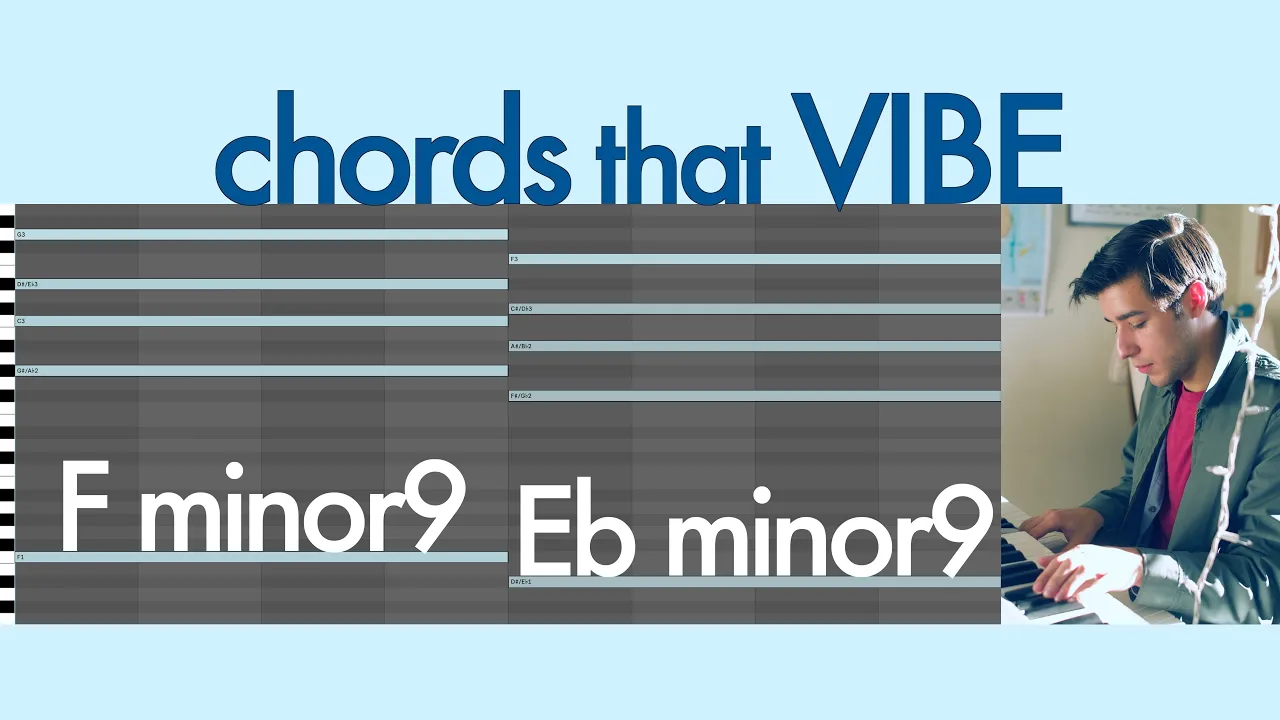





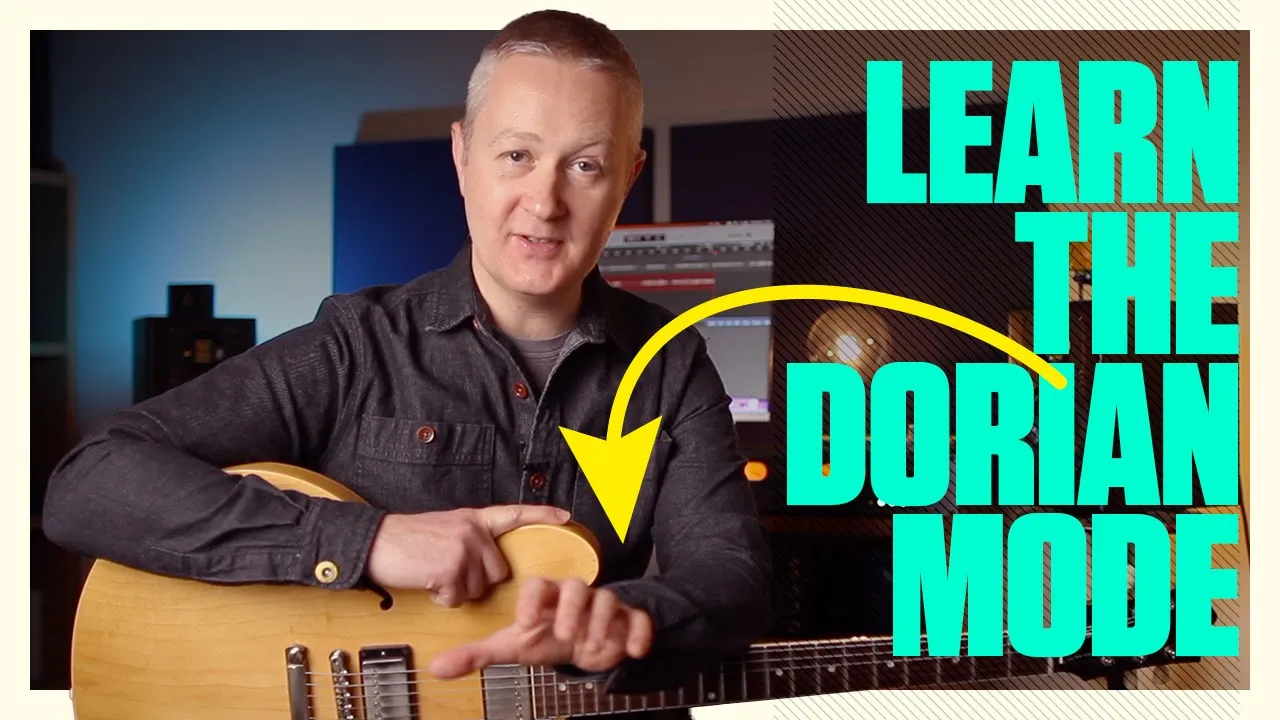


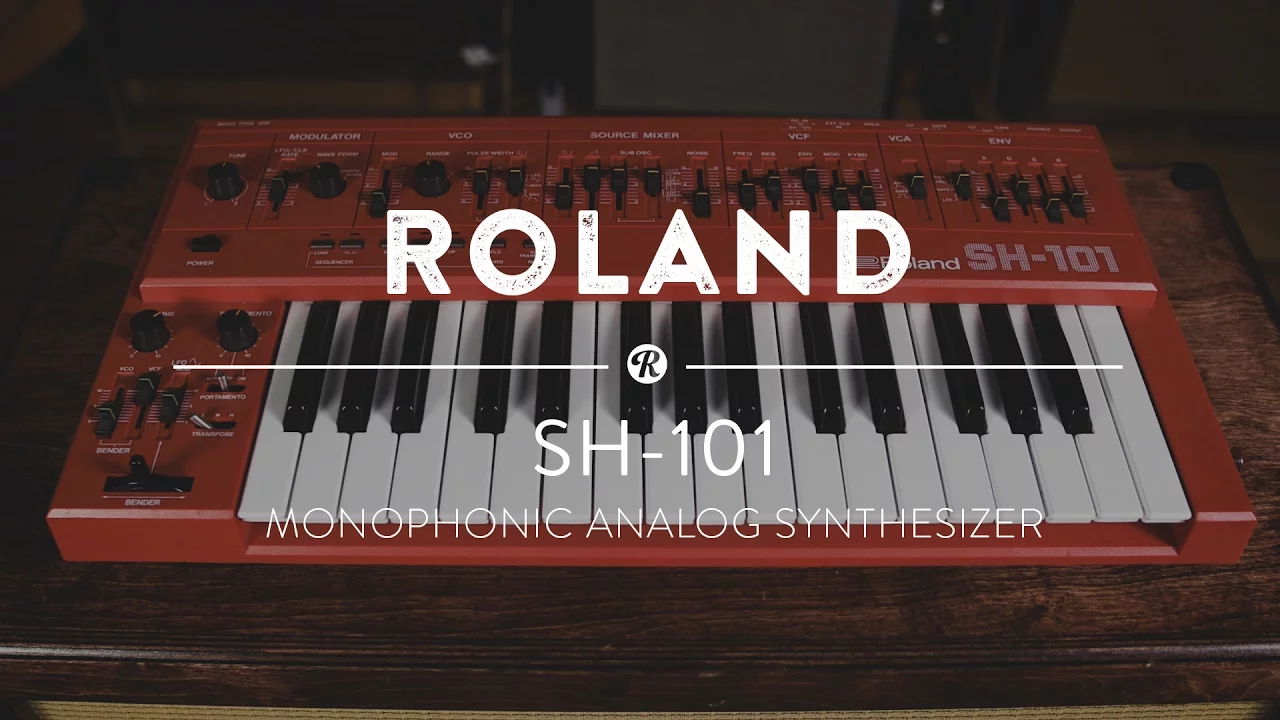
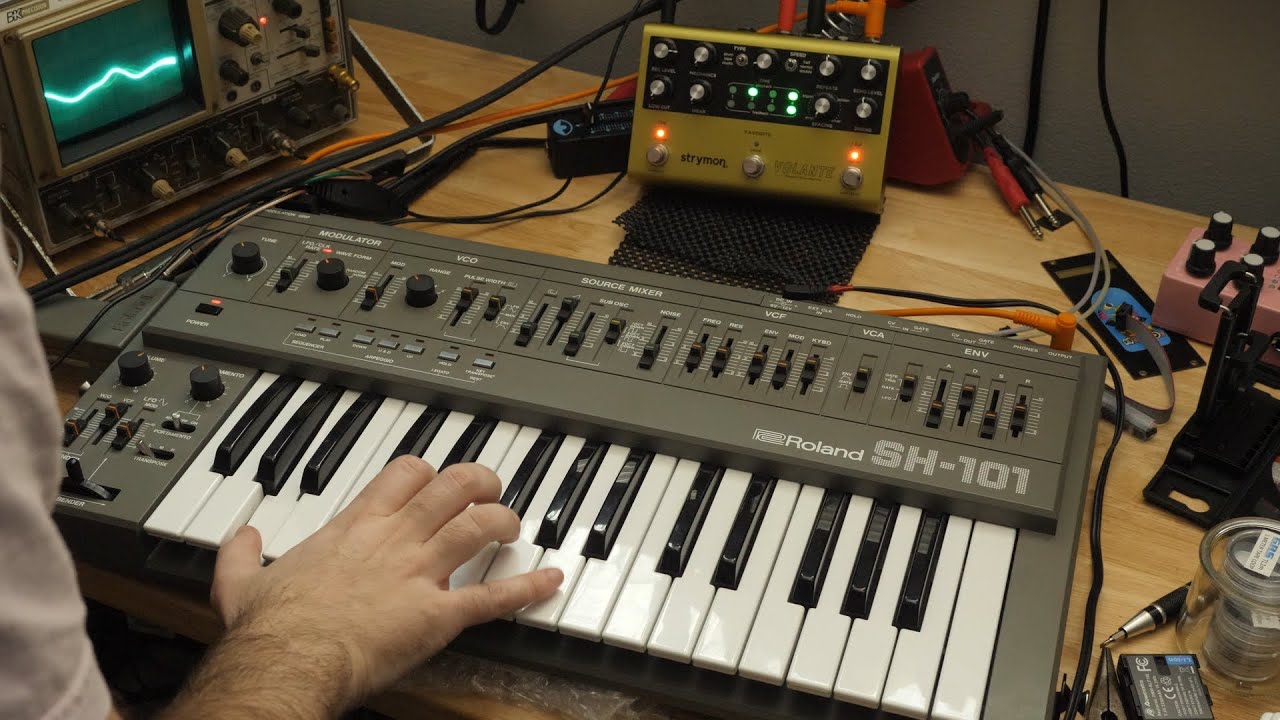
This tutorial demonstrates how to create engaging synth funk bass lines by combining the Dorian mode (which provides the characteristic minor seventh and major sixth intervals essential for funk) with phrase-based composition rather than repetitive one-bar loops, using a Roland SH-101 analog synthesizer configured with a sawtooth and sub oscillator for punchy bass sounds, gated VCA envelopes for tight articulation, and filter modulation for expressive variation.
How to Write Synth Funk Bass Lines in Dorian Mode on a Roland SH-101
Added:Understanding of basic music theory, specifically the construction of musical modes and how the Dorian mode differs from the natural minor scale.
Familiarity with the fundamentals of subtractive synthesis, including the roles of oscillators, filters, envelopes, and LFOs.
Basic knowledge of funk rhythm concepts, such as syncopation, sixteenth-note grooves, and the concept of playing 'in the pocket'.
An introductory understanding of hardware synthesizer interfaces, specifically monophonic analog synthesizers like the Roland SH-101.
Advanced synthesis techniques, such as utilizing CV/Gate control, step sequencers, and envelope modulation to add movement to bass lines.
Applying other musical modes, such as the Mixolydian or Aeolian modes, to write distinct bass lines across different electronic music genres.
Audio processing and mixing techniques for synth bass, including compression, saturation, and sidechaining to achieve a professional funk mix.
Composing and arranging a complete synth-funk track, focusing on layering chord progressions and lead lines that complement the Dorian bass loop.
191.8K views5.6Klikes10:59Original Release: 2018-11-28
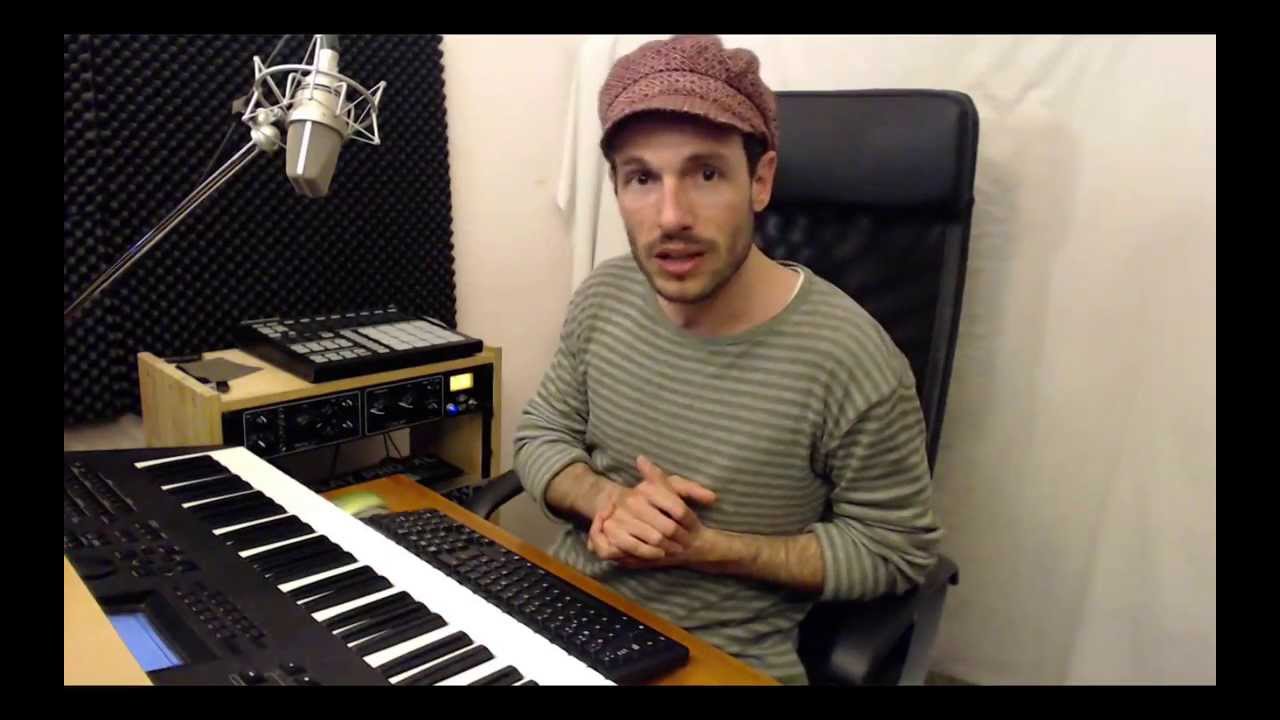
[Music] hey I hope you're good so this week I'm going to do another quick tutorial this time via the medium of synth funk because I wanted to show you two things one is writing monophonic lines as opposed to harmony which you've done in the last couple of videos and the other thing is cuz I want to talk about writing in phrases rather than one bar loops because one of the easiest pitfalls to get trapped in with electronic music with sequences and doors and cut and paste and all that is to get stuck in sixteen step 1 bar loops and so I wanted to talk about ways to break out of that and think in terms of longer phrases that loop rather than one bar but loops so what am i using Roland sh1 awarness a classic analog mono synth from 1982 I've traced the serial number of this one in fact and it came off the production line in February 1983 still going strong these are getting a bit silly expensive nowadays for what they are so the alternatives are the little boutique version of this that Roland bought out a couple of years ago I think bérenger imminently releasing a clone of this you can use a modern roland like the system one that has a plug out version of this all the software emulation is of it or to be honest most software synths or hardware since we'll be able to do similar sounds because it's actually a very simple synth so I'll just talk about the sound very quickly I won't go into in crazy detail so I've got sub oscillator and sawtooth as my main meat of my sound and then I've got a little bit of square wave and that's the square wave that you can change that the pulse width of and the pulse width is being modulated by the envelope that's changing over time but I'm relying on the sawtooth and sub oscillator for the main beef of my sound cuz I want it to be a consistent punchy sounds that's just a little bit of color there filter is kind of half closed with a bit of resonance no no not to the point that it's self oscillating Wow Wow Wow just so it gives it a little peak on the filter cutoff keyboard tracking so honest synth a keyboard is actually a voltage divider one volt per octave on this synth in particular and a lot of other synths in fact so that basically just tracks the filter with the voltage from the from the keyboard so it opens as you play higher and closes as you play lower I do want that not using any mod that would be an LFO on the filter cutoff not in this instance VCA I've gated it you can use the envelope on the VCA obviously but I'm using the envelope and I've only got one for the filter cutoff to modulate it and the settings I'm using on the envelope are not ideal for what I'd want for the VCA and as I've only got the one envelope I'm going to gate the VCA which means it's either on or off there's no shaping whatsoever that's fine because it's a punchy funky bass line so having it a hundred percent on and then 100 percent off it's fine because it makes it really punchy and tight envelope so that's just shaped so that it's making the filter cutoff go while well yeah I've got it set to be retried by a gate you could have it as gate and trigger or LFO with gate it means that envelopes trigger to let go now present note again gets triggered again but if I play legato it's not retreating until I let go and then press it again whereas with the trigger I play legato it still gets re triggered so I've got it gates I just want that little bit more expressiveness because I want to be able to hold some notes over like that so that's why I've got gates it's just a little bit more expressive a bit of LFO on the oscillator a little bit of vibrato very normal stuff and bender I've got two flat seven with us for the riff I'm doing so obviously you can set the amount of Bend it's got a VCF as well as bending it also opens the filter if you bend up and closes it if you bend down and that just helps emphasize a dive-bomb or or a bend up so that's basically the sound I've got set for this let's talk about the notes we're using we're going to use the F Dorian mode mode is probably too heavy of a thing to go into in this video maybe I'll do it on another one some other time but essentially F Dorian is the notes of a flat major but from F to F so that would give you how roots Muse an F G which is a second a flat minor third fourth C which v D which is a major sixth minor seven and we're back [Music] so the Dorian mode is distinctive for having a minor seven and a major six and that's where the funk is found so if you're looking for Bootsy Collins he's probably hanging around here probably recognize that sound there's just Dorian mode obviously funks massive and as loads you can do with it but if you're gonna start somewhere probably the Dorian modes the most obvious place to start so that's what we're gonna use the Dorian mode so my first bar of music just goes like that so that's out straightaway I've done the minus seven to two major six and then so that's it then second bar I'm not gonna just loop that over and over which is the temptation and then just play with the filter cutoff endlessly I'm gonna do something different so I'm gonna go same rhythm but I'm just gonna go the other way so there's one little chromatic pass in there but it's otherwise all still in the Dorian mode Wow and then third bar I'm gonna repeat what I did in the first bar and then fourth bar I'm gonna go wow that's just a variation so I've basically gone melodically a b a c and that just breaks up it being a monotonous loop but it still has enough repetition in it that it's obviously a thing and it's not there's no it's not random it's just very simple still but it's just a bit different to a loop and that's that's four bars and now I'm gonna do another four bars so first bar again second bar again and then the last bar I'm going to do another variation so I've put a little chromatic note in there again so that B doesn't belong in in the Dorian mode so melodically there I've got a phrase as 8 bars long and it goes a b a c a b ad so i've written four bars of music and got eight for the price of four and so that's a phrase rather than a loop so that's you could do that exact technique just take something write one bar that's a then write a variation that's B then go back to a then write variation that's C then go a then B then a then D another variation and you'll have a phrase and that will get you out of a one bar loop in just a very simple and practical way so give that a try if you're getting stuck in loops and then my chorus section I'm gonna do something different I want to create a contrast from verse the chorus if you want your track to feel like it builds you need to put that in the DNA of the music you've got a compose that in because if you don't if you're just using something kind of loopy and monotonous it won't have a lift then you'll wind up trying to throw the kitchen sink at it in the production and mix because it inherently doesn't build and what you should be doing is getting that into the composition into the actual notes this is just such basic stuff but it's so easy to forget about so my chorus so I'm gonna do a little walking thing it's a different rhythm in octaves second time there's just a little variation at the end so again we're doing a BAC the last time just flatten the rhythm out a bit to bring us back to and that's it so now the challenge is to take this riff put a little beat down and then just put some very simple instrumentation in it but have a listen because we've composed phrases and not loops and we've made a a change a contrast from section a to section b I'm barely gonna have to add anything into the chorus section and it'll feel like it lifts because I've composed that in there cisco is computer [Music] that's basically if this video I hope that was helpful so we looked quite a few things they're writing in longer phrases rather than short loops making a contrast from one section to another setting our base sound on an analog synth and using the Dorian mode so quite a lot to take in I hopefully it's helpful if it was let me know if it wasn't let me know and I'll catch you on the next one Cheers
Up Next

17:09
Synthesizer Basics: Understanding Filters, Envelopes, and Oscillators
@StoreDJ_online
2.1K views•2025-01-24

12:54
Triumph of Orthodoxy Icon: Byzantine Art & History Explained
@BenCallan
2.1K views•2024-08-06

9:49
FastAPI vs Flask vs Django: Choosing the Right Python Web Framework
@TechWithTim
302.5K views•2024-05-26

1:42
Game of Thrones Opening Credits: A Cinematic Analysis
@gameofthrones
46.3M views•2011-04-18
Related Study Plans & Knowledge Roadmaps
Structured learning paths in General & Interdisciplinary Studies
general-studies
Elevator Engineering: History, Physics & Cities
01From Hoists to Safety Brakes: The Dawn of Vertical Lift
02Hydraulic vs. Traction: The Engineering Physics of Elevators
03Modern Speed, Safety, and Algorithms
+ 2 more learning modules
12h5 modules
Explore Roadmap
general-studies
Rubber: Material Science, History & Geopolitics
01Origins of Natural Rubber & Mesoamerican History
02The Chemistry of Natural Rubber & Vulcanization
03The Geopolitics of the Rubber Boom & Colonization
+ 2 more learning modules
12h5 modules
Explore Roadmap
general-studies
Containerization: Evolution, Logistics & Trade
01Ancient Trade & Bulk Cargo: Amphorae to Barrels
02The Industrial Revolution & Cardboard Packaging
03The Containerization Revolution: Malcom McLean
+ 2 more learning modules
12h5 modules
Explore Roadmap
general-studies
Textile Tech: Evolution, Labor & Global Impact
01Pre-Industrial Textiles: Handloom & Cottage Industry
02Mechanization: The Spinning Jenny to the Power Loom
03The Factory System & Global Labor Transformation
+ 2 more learning modules
10h5 modules
Explore Roadmap