
























NASA's space exploration programs have produced numerous technologies that have been adapted for civilian use, including memory foam for mattresses, infrared thermometers for medical use, smoke detectors, solar panels, baby formula enriched with DHA, video enhancement software, and LED lighting, demonstrating how aerospace research benefits everyday consumers.
NASA Derived Technologies in Everyday Life and Industry
Added:Understanding the extreme environmental challenges of space exploration, such as microgravity, thermal radiation, and atmospheric pressure.
The basic concept of technology transfer, where scientific discoveries from public sector research are adapted for commercial use.
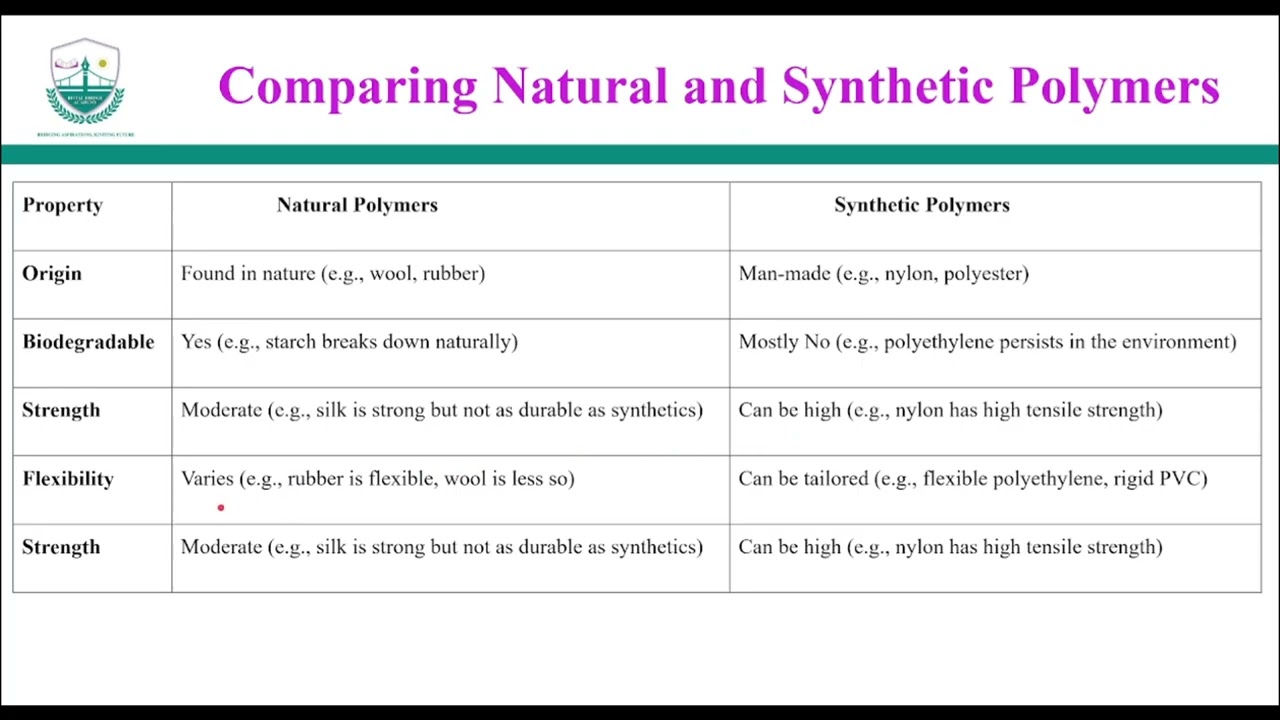
Fundamental principles of materials science, particularly how polymers and synthetic compounds differ from natural materials.
Basic operational concepts of satellite communication and how global positioning systems (GPS) transmit data.
In-depth study of NASA's Technology Transfer Program and the legal/economic frameworks of patent licensing in aerospace.
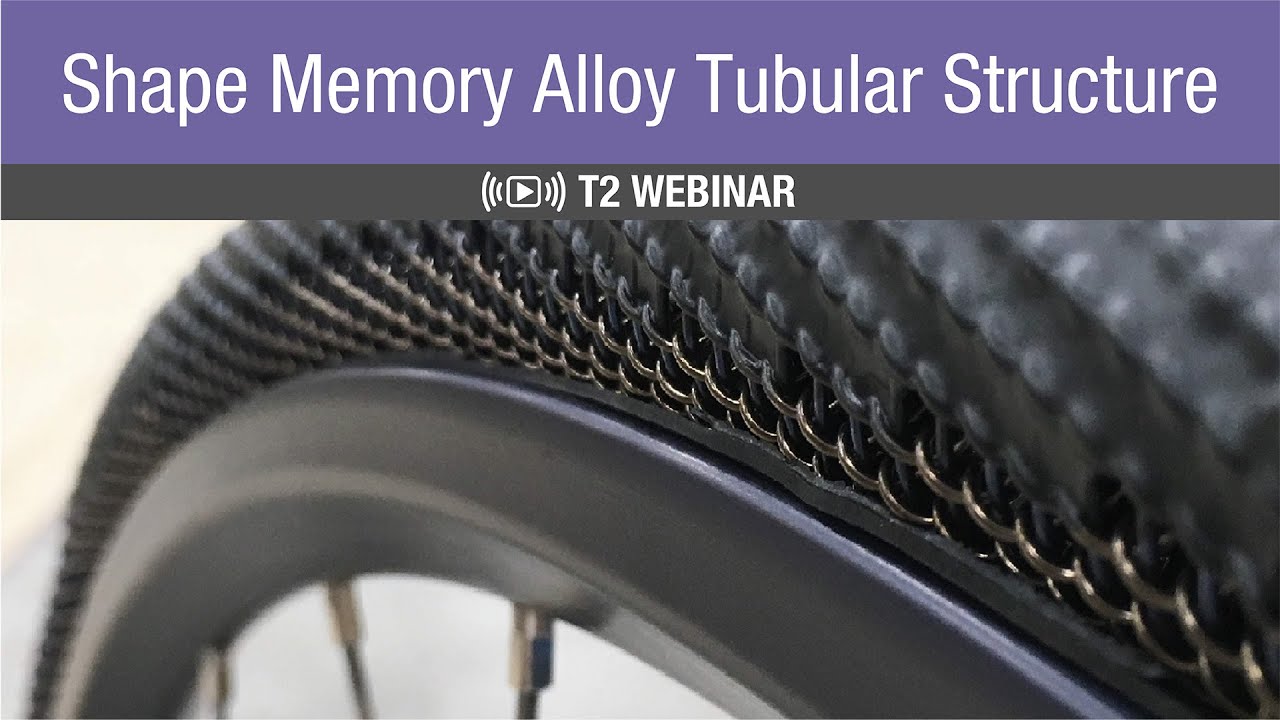
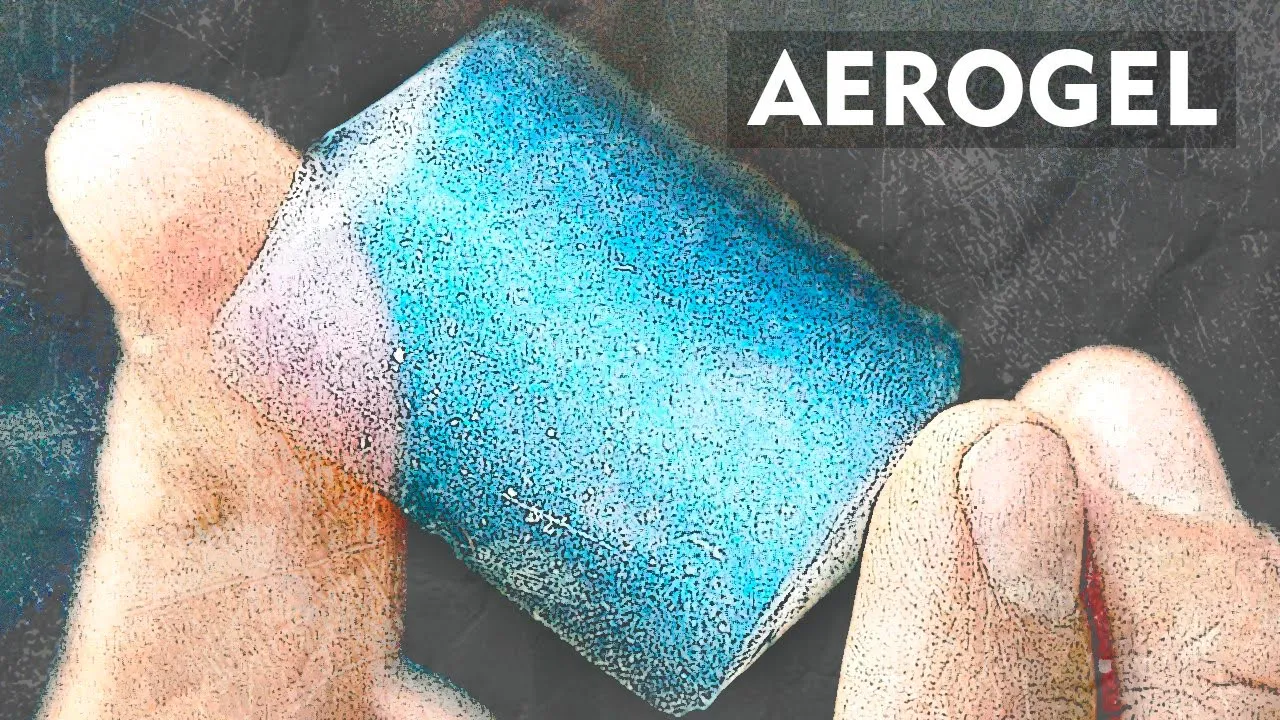
Advanced exploration of modern materials science, such as aerogels, carbon nanotubes, and shape-memory alloys in consumer electronics.
Analyzing the socioeconomic impact and return on investment (ROI) of public funding for space exploration on global industries.
Investigating future 'spinoffs' currently in development, such as water purification systems designed for Mars missions adapted for developing regions on Earth.
90.6K views1.2Klikes14:16Original Release: 2016-09-20
space may be the final frontier but there's a good chance you've already got some Space Age Technology in your home right now maybe even in your pocket in fact maybe it is your pocket the space program is kind of like the people's space lab and so in this video I'm going to give you the rundown on some amazing NASA inventions that have trickled down to us us normies better tires for your car for the Viking Mission Goodyear developed a material five times stronger than steel for the parachute system so the probe could land safely on a Martian surface they put the same technology into their radial tires and now we have tires that last up to 10,000 more miles making sure your car stays on the road you know me I like to keep Things Groovy cutting grooves in Road pavement increases traction prevents skidding and sliding on Curves in rainy weather this technique was first developed by NASA's Langley Research Center in order to reduce aircraft accidents on wet runways smoke detectors NASA designed the first adjustable smoke detector for astronauts during the sky lab Mission which was a part of the US space station fireproof paint a part of the Apollo space capsule's heat shield was designed to burn off forming a protective coating to block heat penetration this same technology can be found in s like pyrro clad a coating which expands in volume when exposed to heat this tough and stable insulating layer provides up to 4 hours of fire protection keeping your grill pretty with invisible braces invisible braces have only become possible because they're as strong as their classic metal counterparts that strength comes from material called translucent poly crystalline alumina created by NASA Advanced Ceramics research to protect the infrared antenna of heat seeking missile trackers infrared thermometers cuz NASA was tired of reading the temperature of Uranus used to detect fevers and as sparis from the dreaded rectal thermometer technology of years prior infrared thermometers were invented by using infrared astronomy technology to measure the amount of energy emitted by the eardrum this method is not only much more Humane but also prevents infections better as well the most comfortable material ever memory foam before you were drooling on that super sweet Temperpedic mattress the same foam was protecting astronauts from incredible g-forces encountered during liftoff and Landing memory foam was developed at the A's Research Center and has found its way into all kinds of products including mattresses pillows cars motorcycles Sports safety equipment amusement park rides and Arenas hes back Saddles archery targets and super comfortable Furniture artificial limbs unless you lost your hand in a lightsaber battle with your cyborg dad chances are your replacement limb isn't going to be just like the original but that's changing thanks to Aerospace Innovations in robotics artificial muscle systems and custom modable materials like memory foam in addition to making the limbs more powerful these advances also improve Comfort by preventing friction between the skin and the artificial limbs energy energy saving solar panels until recently solar panels were too expensive and did not create enough energy to compete with fossil fuels however thanks to NASA's Environmental Research aircraft and sensor technology program we now have solar panels that are cheap efficient and lightweight these panels were necessary to build Ultra lightweight solar power drones for upper atmosph science missions and now we get those same panels at a fraction of the cost keeping the noobs alive with enriched baby formula baby formula was no match for mother's milk until NASA got involved the missing ingredient DHA an omega-3 fatty acid crucial to infants mental and visual development it was NASA's sponsored research that explored the potential of using algae as a recycling agent for long duration space travel they discovered a strain of algae that produces DHA naturally and in high enough quantities to be extracted as a nutrient which is now found in baby formula keeping criminals off the streets with video enhancing back up enhance enhance enhance can you enhance the image from here can you enhance him right here can you enhance it can you enhance it can we enhance this can you enhance it hold on a second I'll enhance every cop show on television should thank NASA for video Imaging stabilization and registration or bizar for short before it was used by the FBI and other law enforcement agencies it was used by NASA for cleaning up blurry nighttime video images vizar has also adopted to serve the military for reconnaissance missions weapons deployment and even Medical Imaging the dustbuster because eating Doritos in outer space can be really messy okay not exactly the case here for the Apollo space mission NASA required a portable self-contained drill capable of extracting core samples from below the lunar surface Black and Decker was tasked with the job and developed a computer program to optimize the design of the drill's motor and ensure minimal power consumption that computer program led the development of a cordless miniature vacuum cleaner otherwise known as the dustbuster keeping us alive with heart saving devices NASA helped develop a life-saving heart pump for patients awaiting heart transplants the ventricular assist device or bad for short functions as a Bridget to-heart transplant by pumping blood through the body in order to keep patients alive until a donor heart is available this device can operate up to eight continuous hours while giving patients the ability to live normal lives and do normal everyday activities keeping us alive with landmine removal Rocket Fuel can be used for more than just Rockets this ingenious D mining device uses a high-intensity flare powered by rocket fuel to ignite and burn unexploded landmines without having them blow up improved mine safety different kind of mine an ultrasonic monitor developed by a NASA scientist for testing tension on bolts and fasteners has found its way into factories and mines these monitors keep workers safe by giving them crucial information on metal fatigue groundwater levels radiation and other information like things like railroad ties and building foundations aing toxic relationships with chemical detection NASA loves to monitor everything in order to collect as much data as possible on missions NASA developed moisture and pH sensors these sensors were built to warn crew members of potentially dangerous corrosive conditions and aircrafts before significant damage occurs this new type of sensor using a special optic fiber changes color when in contact with its Target here on Earth they're used to detect chemical weapons in toxic industrial compounds Edibles not those type of Edibles freeze-dried food in planning for the long duration Apollo missions NASA conducted extensive research into space food NASA focused on freeze drying which is when foods are cooked flash frozen and then slowly heated in a vacuum to remove the ice crystals the final product rains 98% of its nutrition and only weighs 20% of its original weight the result for us earthlings is some pretty tasty food options for camping hiking and other situations where you only have water but let's be real asite ice cream weirdest texture ever and probably the coolest thing ever invented from NASA preventing the Ria with food safety feeding astronauts in zero gravity can get pretty weird as the Space Program ramped up NASA works with Pillsbury not the Pillsbury Doughboy although the Pillsbury Doughboy not SP to be W pretty cool NASA worked with Pillsbury to address two problems food born illness and the more pressing issue crumbs while scientists figured out the crumbs issue pretty easily with bags pouches and tubes Pillsbury I keep thinking is a Pillsbury Dy pillsberry Pillsbury developed the hazard analysis and critical control point for the other problems this new system is a safety protocol designed to prevent food poisoning before it happens US Food and Drug Administration now has applied the ha CCP guidelines for handling of seafood juice and dairy products woohoo woohoo which means no puking after bad milk and seab bass kickass kicks with performance shoe insoles can't talk about NASA without talking about phone they just like love it over there for the moonland Apollo engineers invented a new polyurethane foam fabric for the astronauts boots it gave them Extra Spring while providing ventilation and that same technology found its way in almost every sneaker made sense Air Jordans what about air Armstrongs giving Mother Nature a vacuum by crushing pollution The PRP or petroleum remediation product has revolutionized the way oil spells are cleaned and of course it's NASA Tech the basic idea behind PRP is using thousands of tiny balls of beeswax with Hollow centers to clean up oil spills here's how it works water cannot penetrate the microcapsule cell but oil is absorbed right into the beeswax spheres as they float in the water's surface damaging chemical compounds from the crude oil are soaked up before they can wreck fragile ecosystems all of the birds all of the turtles all of the fish they're NASA fans too making our water drinkable with water purification and while we're talking about water NASA has done everything from making their own water by combining hydrogen and oxygen to recycling what they've already made or already drank and the only thing I can do is to drink my own pee yes by combining the benefits of chemical absorption distillation and ultra filtration you too can sip your own urine and more applicable scenario unless you really want to drink your own pee this technology is super crucial to disaster relief efforts and in places where water is scarce or unhealthy to drink making us see better with LED lighting high-intensity LED which stands for light emitting diodes was originally developed for the NASA space shuttles these lights use tiny amounts of power but are ultra bright and now they're in everything from car headlights Christmas lights to cell phones giving us better eyeballs Imaging processing techniques used in NASA equipment like the Hubble telescope are now being used to detect eye problems what used to take an optometrist close to an hour can now be done with a machine called an auto refractor in a couple minutes scratch resistant everything NASA needed a special coing to protect space equipment from dirt found in space so they came up with their own special Plastics coating now we're enjoying the same technology and sunglasses that are resistant to scratches the internet of things to help you get the things of the internet embedded web technology or ewt software lets a user monitor and/ or control a device remotely over the Internet you're probably already seeing this kind of stuff all the time with like connected thermostats Sprinklers and dog monitors but it was originally developed so astronauts running experiments on the International Space Station lab could monitor progress from any of the onboard laptops it's flashy it's Fab it's myar not to be confused with My Little Pony you see myar all the time it's what makes up those never bursting silver birthday balloons the outer covering of toaster pastries and blankets for marathon runners myar is a special polyester film that has been Metalized making it ultra thin Ultra strong and because it reflects radiation and heat it is just perfect for space travel myar was designed for a NASA balloon satellite experiment called project echo echo echo echo echo e that'd be a weird Echo if it came back to you like that that'd be really weird letting you have snap Geo filters with satellites stemming directly from NASA missions we have satellites and without the 200 or so communication satellites orbiting the Earth every day it would take a long time for you to watch this nickipedia video also a crap ton of our daily life is only made possible because of satellite technology satellites dramatically help us with weather forecast fire detection oil exploration and of course sending selfies my favorite daily Activity thank you so much for watching and if you like this video go ahead and give us a thumbs up hit that thumbs up button and I want to know what you guys think about all of these inventions which one blew your mind the most and which one do you you normally use like on your day-to-day basis that you didn't think came from NASA and hit that subscribe button cuz we have videos just like this coming out every week we want to make sure you never miss a single thing and I'll see you really [Music] soon
Up Next

3:54
Apollo's End: Why NASA Stopped Moon Missions and Shifted Focus
@NSpaceCentre
1.9K views•2020-05-01

12:54
Triumph of Orthodoxy Icon: Byzantine Art & History Explained
@BenCallan
2.1K views•2024-08-06

9:49
FastAPI vs Flask vs Django: Choosing the Right Python Web Framework
@TechWithTim
302.5K views•2024-05-26

1:42
Game of Thrones Opening Credits: A Cinematic Analysis
@gameofthrones
46.3M views•2011-04-18
Related Study Plans & Knowledge Roadmaps
Structured learning paths in General & Interdisciplinary Studies
general-studies
Elevator Engineering: History, Physics & Cities
01From Hoists to Safety Brakes: The Dawn of Vertical Lift
02Hydraulic vs. Traction: The Engineering Physics of Elevators
03Modern Speed, Safety, and Algorithms
+ 2 more learning modules
12h5 modules
Explore Roadmap
general-studies
Rubber: Material Science, History & Geopolitics
01Origins of Natural Rubber & Mesoamerican History
02The Chemistry of Natural Rubber & Vulcanization
03The Geopolitics of the Rubber Boom & Colonization
+ 2 more learning modules
12h5 modules
Explore Roadmap
general-studies
Containerization: Evolution, Logistics & Trade
01Ancient Trade & Bulk Cargo: Amphorae to Barrels
02The Industrial Revolution & Cardboard Packaging
03The Containerization Revolution: Malcom McLean
+ 2 more learning modules
12h5 modules
Explore Roadmap
general-studies
Textile Tech: Evolution, Labor & Global Impact
01Pre-Industrial Textiles: Handloom & Cottage Industry
02Mechanization: The Spinning Jenny to the Power Loom
03The Factory System & Global Labor Transformation
+ 2 more learning modules
10h5 modules
Explore Roadmap