
![C2.1 HL Signalling Mechanisms [IB Biology HL]](https://i.ytimg.com/vi_webp/gU9pamT_Y48/maxresdefault.webp)







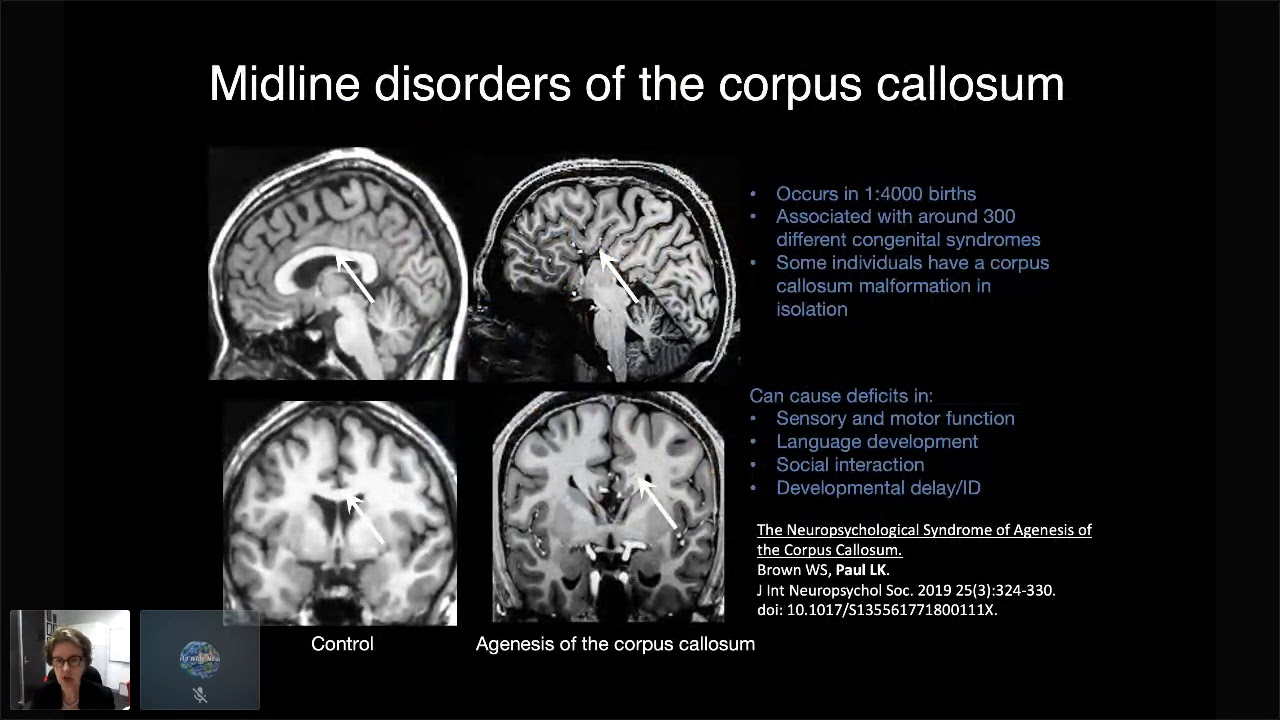




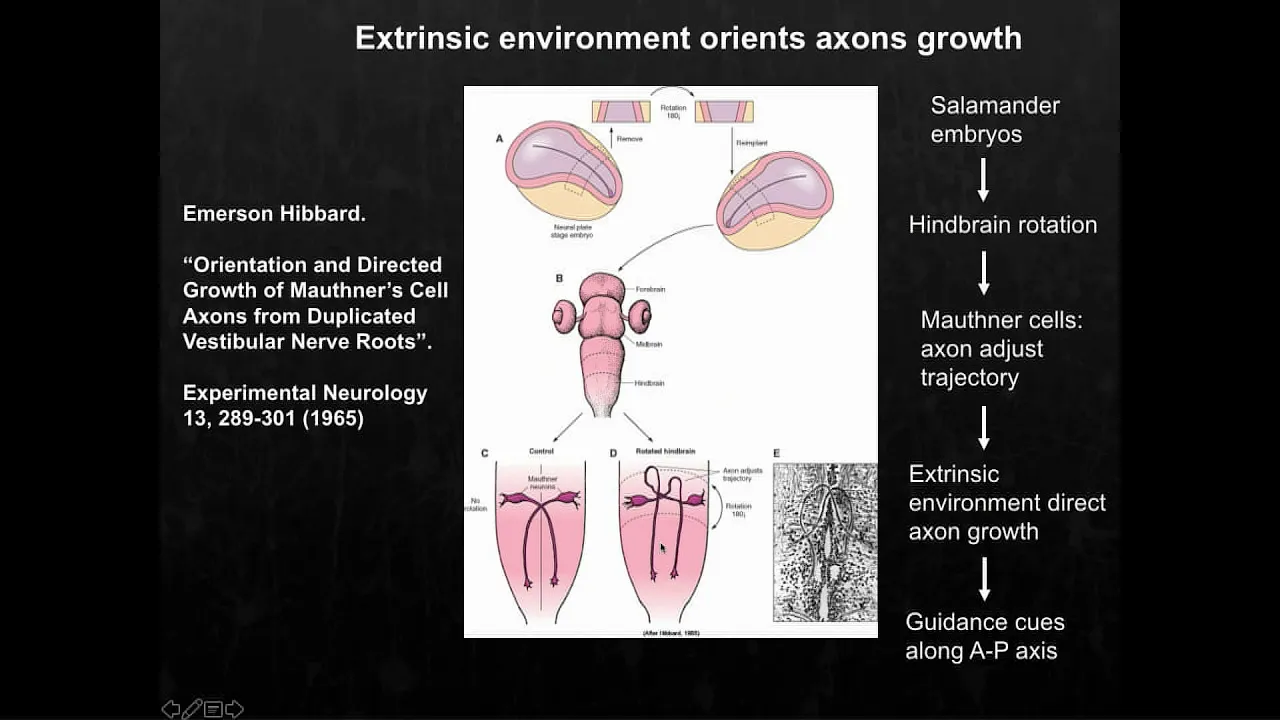

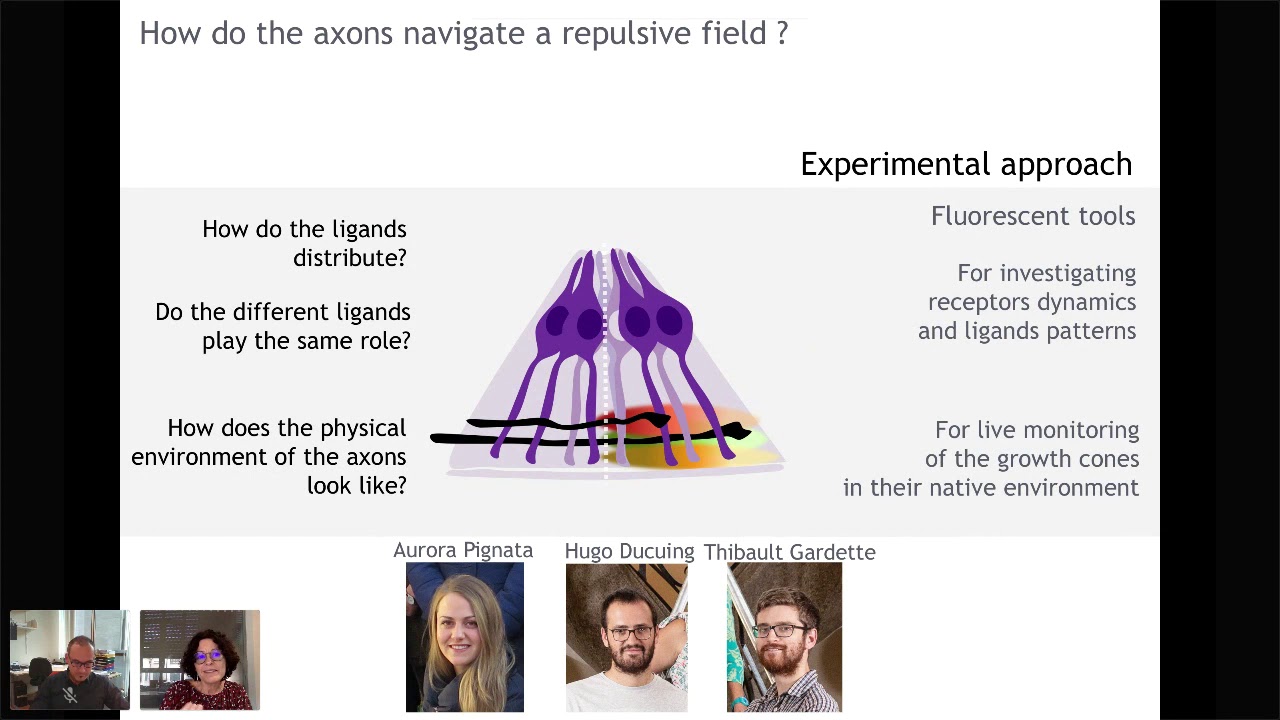

Axon guidance involves a coordinated system where netrin (produced at the midline) attracts axons toward the midline through DCC receptors, while slit (also produced at the midline) repels axons through Robo receptors; commissless downregulates Robo to allow axons to cross the midline, and mutations in these proteins disrupt normal axon navigation patterns.
Axon Guidance: Slit, Netrin, Robo and DCC Explained
Added:Basic neuron anatomy, specifically the structure and function of the growth cone and its cytoskeletal components (actin and microtubules).
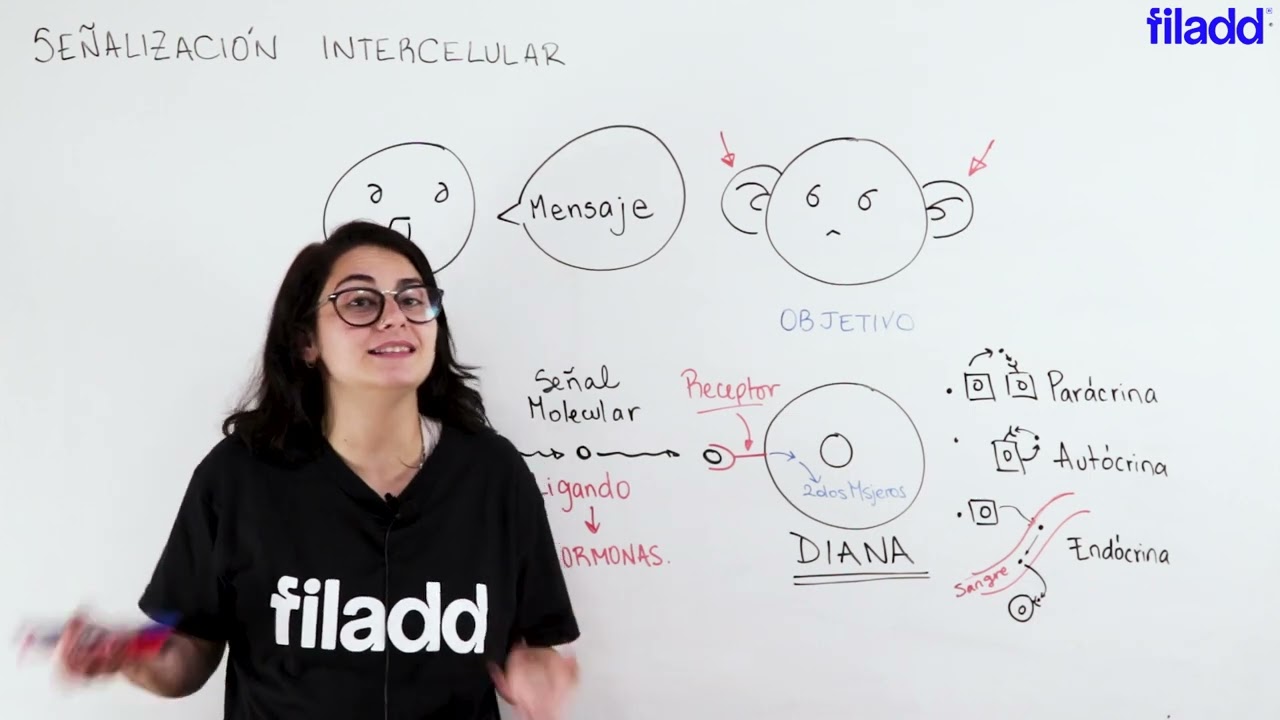
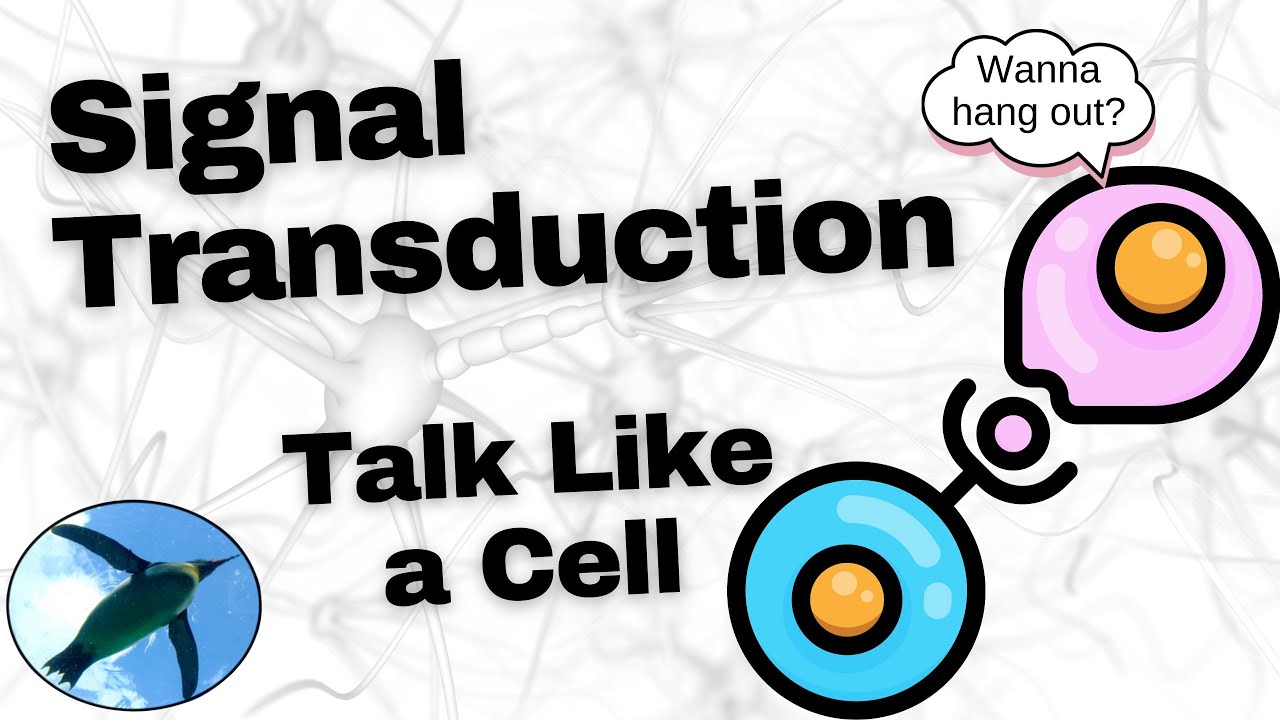
The principles of cell signaling, including how ligand-receptor interactions trigger intracellular signal transduction pathways.
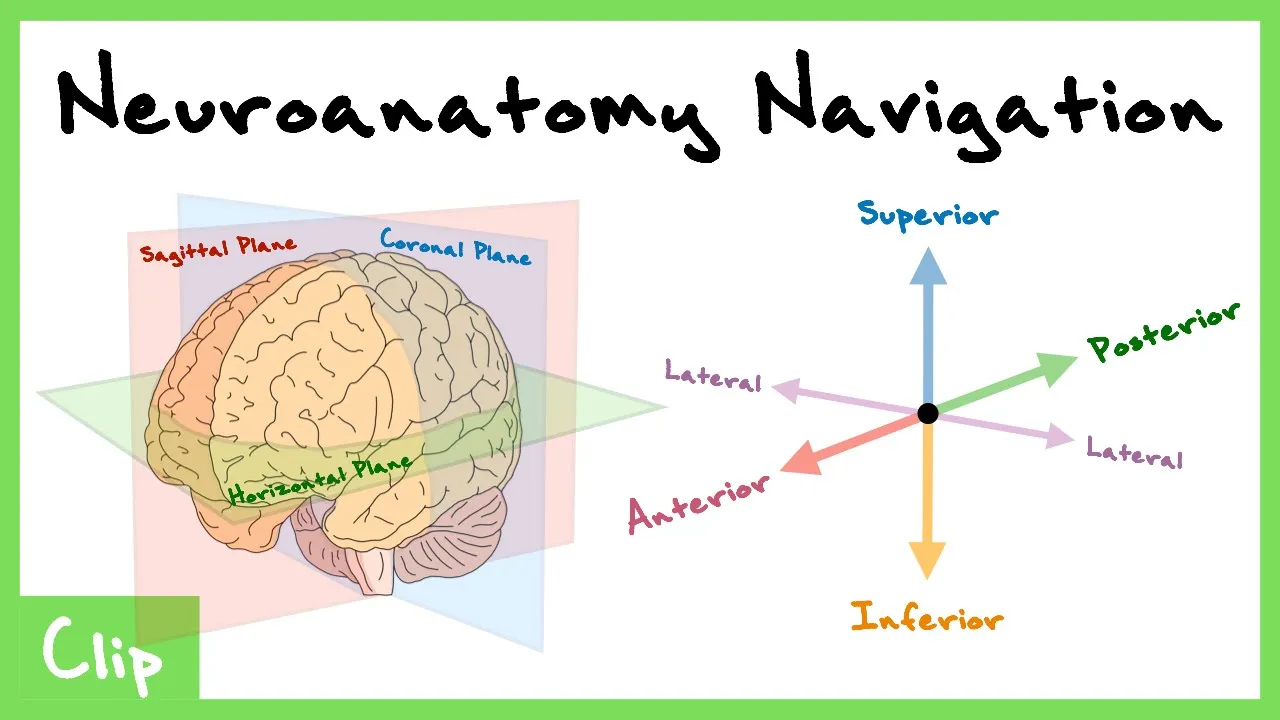
Fundamental neuroanatomy of the central nervous system, specifically the concept of bilateral symmetry and the midline of the spinal cord.
The distinction between chemoattraction and chemorepulsion in the context of cell migration.
Other major families of axon guidance molecules and their receptors, such as Ephrins/Ephs and Semaphorins/Plexins.
The molecular mechanisms of synaptogenesis, exploring how guided axons establish functional synaptic connections with their target cells.
Clinical neurodevelopmental disorders associated with axon guidance defects, such as Congenital Mirror Movements and Horizontal Gaze Palsy with Progressive Scoliosis (HGPPS).
The role of developmental axon guidance molecules in adult central nervous system regeneration and spinal cord injury therapies.
519 views7likes5:05Original Release: 2020-12-09
so today I'm going to talk about axon guidance Okay so we've got a bunch of proteins that are involved in axon guidance and um are pretty much guidance markers so over here we have slit slit is a repulsive protein produced at the midline demonstrated by these red triangles then we have Robo the receptor for slit and there's three different kinds there's Robo one Robo 2 Robo 3 Robo 2 is the most repulsive out of all of them and then we have commiss lless which is a protein that downregulates Robo and then we have netrin which is an attractive protein produced at the midline the little green circles and then we have DCC which senses netron so the way this works is so the the neuro like the axons are pretty much trying to get to the midline because the midline tells you where you are in the body CU axon doesn't know where it is obviously it's like I need to get there so it tells me like where to go what to do so starts off by right here so it starts off it's attracted by n by netron getting closer to the midline and it's sensing that by the DCC so this is what's going on right here so right now Robo isn't a thing it's not sensing slit so it's just slowly trying to get its way to the axon it's not being repelled repulsed by anything yet and then here when it gets to the midline there's a delay and then slit silences the netron attraction so it's no longer attracted to the and so it's only repulsed by the by the slit and so it's repelled by the slit insensitive to nutron so it it goes through the midline through the midline and then it gets out of here and it's just like I gotta go so it's not being pulled back into the midline so that's shown by over here all you have is slit so now that we know that we can look at these mutations in Robo slit and commiss list and pretty much find out what's expressed in each image so this is the wild type and this is the nerve chord in drop so wild type here we have um this the midline slit produced out the midline and so let's look at the each of these pictures so right here we have the axons are not even making it to the midline so what could that be so if there's so much repulsion at the midline then it's commissioner list because there's a mutation in the commissioner list because remember commissioner list downregulates Robo so if there if Robo isn't being um downregulated then there's a lot of reception for the slip protein so there's a lot of repulsion so that's what's happening there and then over here we see these little circle looking figures and then what could that be so that actually could be a mutation for robo which Robo is actually for roundabout so over here Robo usually is the receptor for slit so if there's a mutation in it it's not really sensing that repulsion so like slit is there but it's just it's not sensing it so it doesn't know exactly to go away from the midline so it kind of just go goes in circles you didn't see that um so over here we have all that's at the midline there's no kind of repulsion at the midline so there we have an issue with probably slit because slit is what's like telling the neuron to go away from the midline so without that so it's a slip mutation okay that's it
Up Next

109:25
Vision and the Brain | Stanford Mini Med School
@stanford
84.4K views•2010-05-13
21:55
Deciphering Neural Circuits Controlling Anorexia in Mice | Richard Palmiter
@AllenInstitute
2.3K views•2011-10-10

4:10
Vagus Nerve (CN X): Anatomy, Nuclei & Functions Explained
@Alilamedicalmedia
305.2K views•2022-10-31
13:03
How Exercise Benefits Your Brain: Science Explained
@TED
11.4M views•2018-03-21
Related Study Plans & Knowledge Roadmaps
Structured learning paths in Neuroscience
neuroscience
Appetite Regulation: Brain Circuits & Hormones
01Foundations of Endocrinology and Brain Anatomy
02Introduction to Energy Homeostasis
03Peripheral Signals: Leptin, Ghrelin, and Insulin
+ 2 more learning modules
14h5 modules
Explore Roadmap
neuroscience
Neuroeconomics: Value, Risk & Brain Mechanisms
01Foundations of Neuroscience and Brain Anatomy
02Introduction to Neuroeconomics and Subjective Value
03Dopaminergic Prediction Errors & Reinforcement Learning
+ 3 more learning modules
18h6 modules
Explore Roadmap
neuroscience
Spatial Navigation: Cells, Grids & Brain Maps
01Foundations of Brain Anatomy and Memory
02Place Cells and Head-Direction Cells
03Grid Cells: The Brain's Coordinate System
+ 2 more learning modules
12h5 modules
Explore Roadmap
neuroscience
BCIs: Neural Decoding & Prosthetic Control
01Neuroscience Foundations: How the Brain Signals Intent
02Signal Acquisition: Recording the Brain's Activity
03Neural Decoding: Translating Brain Waves into Data
+ 2 more learning modules
25h5 modules
Explore Roadmap