













![{Ophth-315R_KA} by Dr.Heba Al-Gendy L23C_Ch.10[Infancy ocular diseases]](https://i.ytimg.com/vi/16ObknbW5js/hqdefault.jpg)




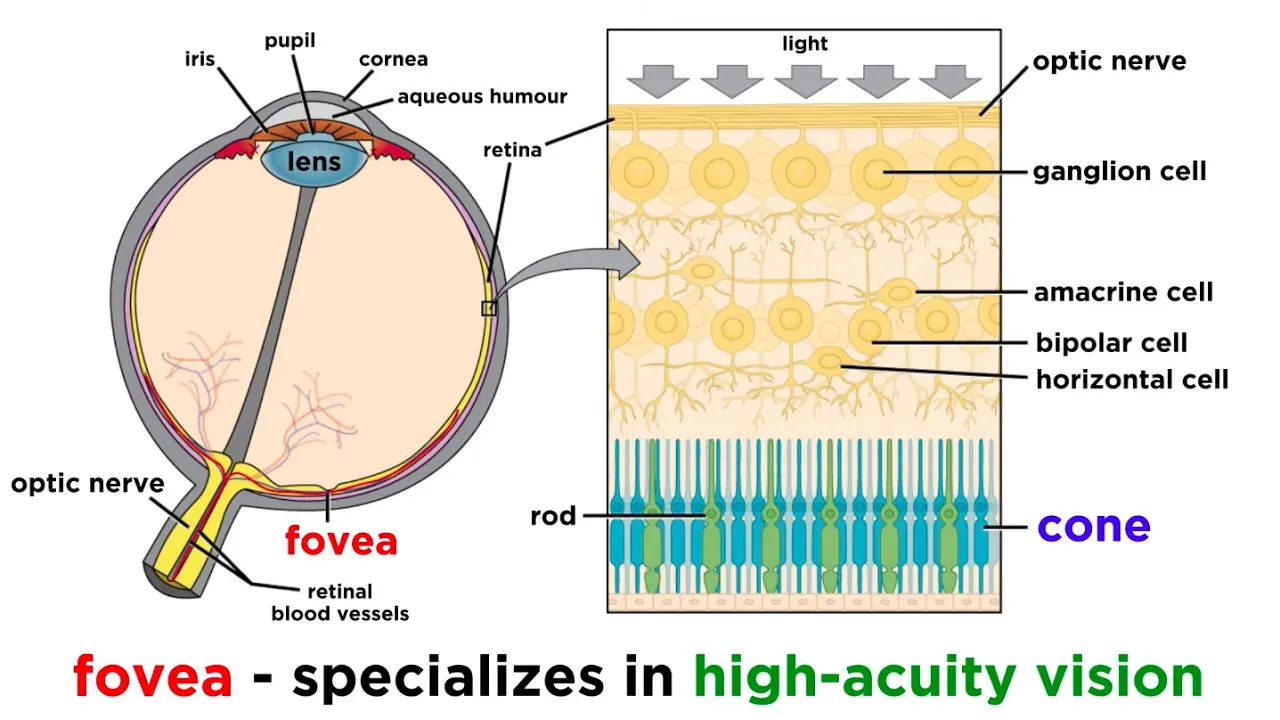

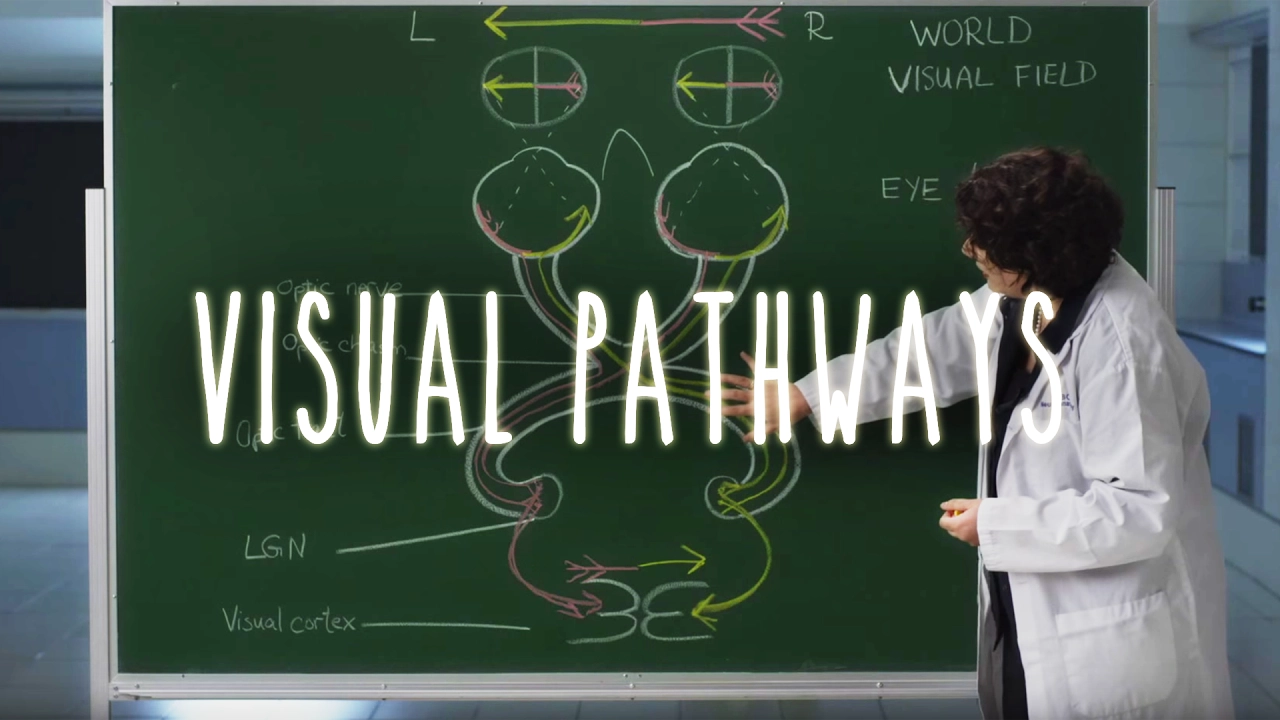

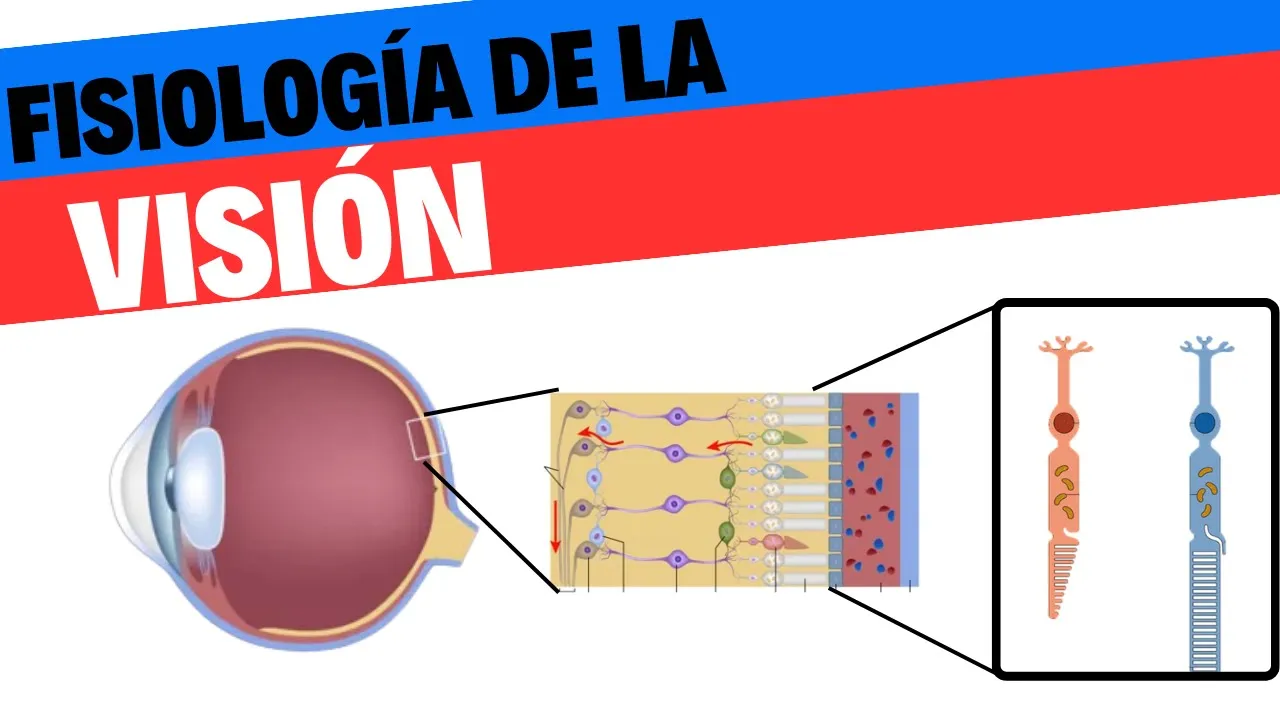

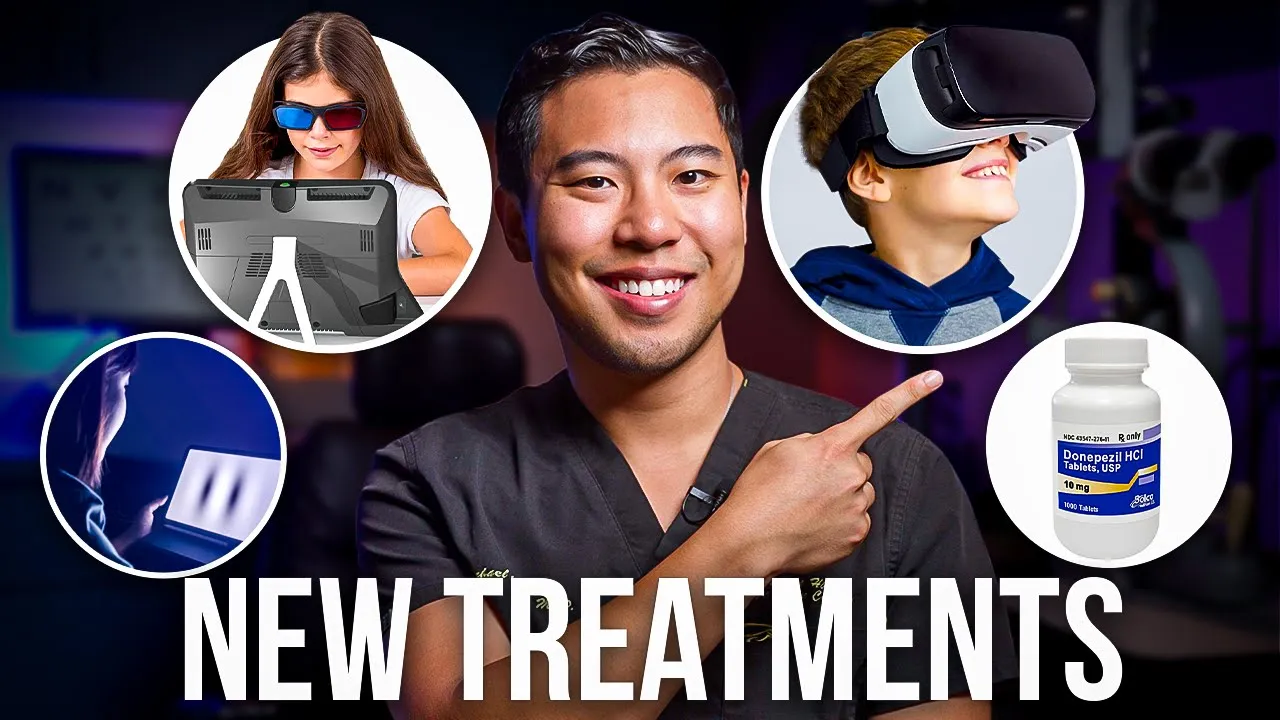


The visual system demonstrates remarkable plasticity during early development, where neural circuits are shaped by both genetic guidance molecules and environmental experience; initial hardwired connections between the eye and brain require refinement through spontaneous activity and visual experience to achieve the precise binocular organization necessary for depth perception, with this critical period of plasticity closing around early childhood, making early intervention crucial for conditions like amblyopia or congenital cataracts.
Vision and the Brain | Stanford Mini Med School
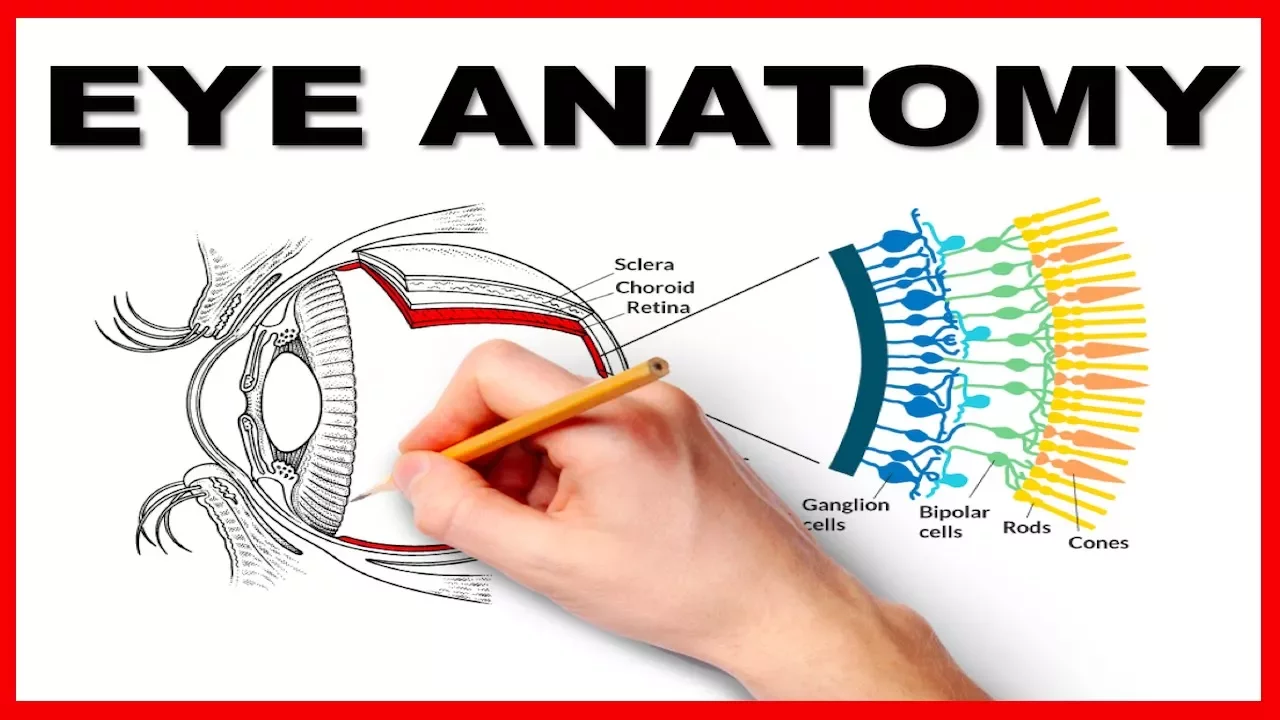
Added:Basic anatomy of the human eye, including the function of the retina, photoreceptors (rods and cones), and the optic nerve.
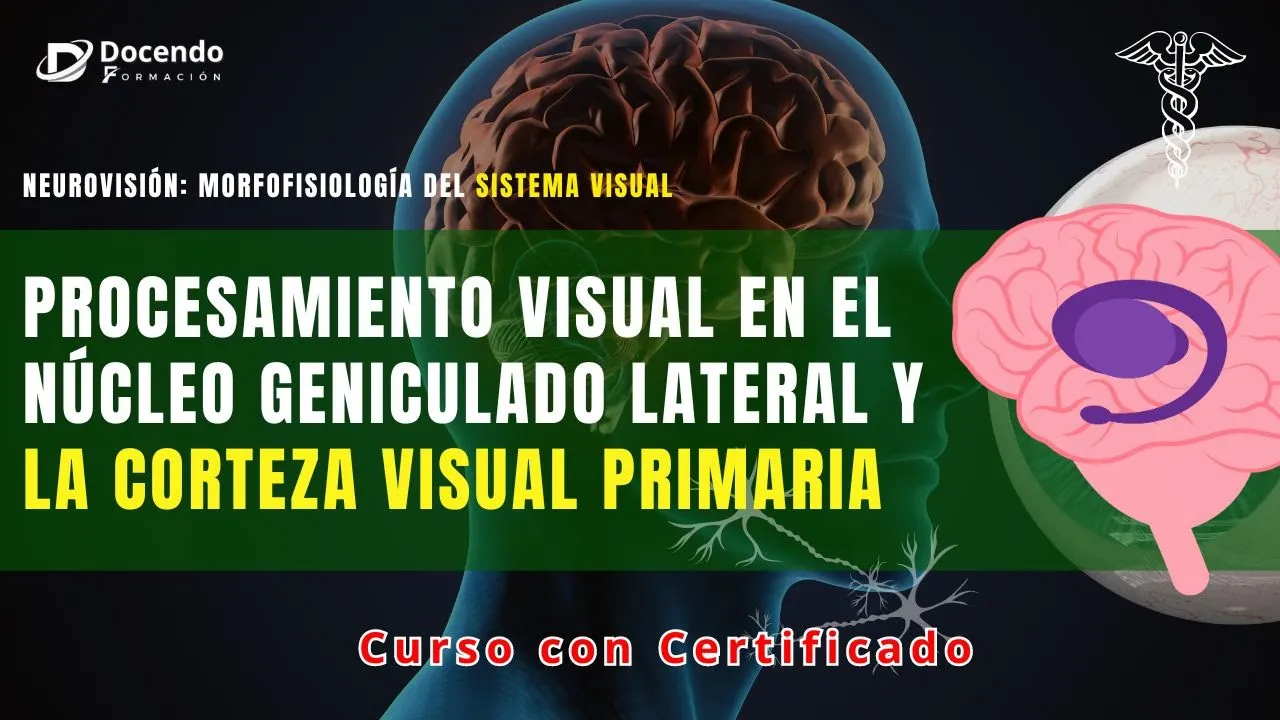
The primary visual pathway, specifically how visual signals travel from the retina to the lateral geniculate nucleus (LGN) and the primary visual cortex.
Fundamental concepts of neuroplasticity, including how neural connections form, strengthen, and prune during development.
An introductory understanding of common visual impairments and ocular diseases, such as macular degeneration and glaucoma.
The concept of 'critical periods' in visual development and the molecular mechanisms that open and close these developmental windows.
Advanced ophthalmic therapeutics, such as gene therapy, optogenetics, and retinal prosthetics (bionic eyes) for vision restoration.
Higher-order visual processing, including the dorsal ('where') and ventral ('what') streams of the visual cortex.
Clinical applications of neuroplasticity in rehabilitating adult patients with amblyopia, cortical blindness, or stroke-related visual deficits.
84.4K views748likes1:49:25Original Release: 2010-05-13
stanford university so we're all glad to see you once again for another i hope very informative evening you know as you look at me and i look at you it's interesting to just pause for a moment and think about what that means it's something that we almost take for granted and you know begin thinking about how vision one of our primary senses is constructed when it starts how it gets formulated how we retain images in our mind over time how they create new neural networks that help to inform our activities give us perception color differentiate us from other species and think about those things that could alter our vision most of us have had some problems many of us wear refractive lenses of one kind or another think about how it would be if they weren't available or if we had an injury or an illness that affected our vision or our perception what it would mean to being here tonight so we're going to have an opportunity to explore uh this very important sense with two different but leading authorities um in vision and in the neurosciences and clinical factors related to this uh important sense and and challenge now as i've mentioned in earlier sessions we've had a number of our lectures given as you know by a single individual and we're going to begin now with a short series of sequences in which we're going to pair a basic scientist someone who's doing fundamental research with someone who's at the edge of translating some of that knowledge into improving the outcome of human disease and i'm very pleased tonight to have two wonderful authorities colleagues and friends carla schatz is truly one of our world's leading neuroscientists i've had the privilege of knowing her for some time but her work began at least her her career began on another coast in cambridge in an institution that i shared a little bit of time in um she was actually a chemistry major at what was then called radcliffe of course now it's called harvard uh and and uh then um went off as a marshall scholar to oxford came back to harvard did her phd in neuroscience with some of the world's leading investigators and then uh began her own personal career and that brought her initially to stanford as a young faculty member where she rose through the ranks rapidly um was i think it's true the first woman in the school of medicine to become a tenured professor which is really quite wonderful i'm very pleased that we have many more today and we're hoping to have many more in the future she did exemplary work here but decided to move to that school with blue and gold colors up in berkeley for a little while but got bored there and then put the crimson on again to become the chair of neurobiology at harvard medical school and that was where i first met her actually when i was chair of pediatrics at the same institution and when i came here i asked carla to serve as a member of our national advisory council the group that oversees the medical school and she agreed to do that and that allowed us to engage in a number of dialogues and planted the seed that maybe she might want to come back and join the farm once again and thankfully opportunities prevailed and the leadership for biox really one of the important elements of stanford and interdisciplinary research became available and she agreed to come as leader and we're deeply appreciative for that so she now is both the leader at stanford as well as a continuing scientist and investigator at the really edge of um leading uh discoveries for which she's had numerous honors and acknowledgments including election to the national academy of sciences and so she is truly a world authority and we'll speak with you in just a few moments but i will introduce her partner not in crime but indeed who is dr mark blumenkrantz um who also started out on the east coast he was a little bit south of boston in providence at brown where he did his undergraduate in medical school training and then he too moved to the west coast to join stanford to begin his work in ophthalmology went to florida to the basketmy institute and then thankfully came back to the palo alto area and ultimately joined the faculty and became the chair of ophthalmology and i've had the privilege of working with him now for almost nine years this april and he has really helped to shape the department of ophthalmology and the program here into truly a leading venture and this will be further codified in two important ways going forward one of them is the establishment of a eye institute that will be here at stanford you'll hear more about this in a pretty short order and i think it will be very exciting indeed but he too as a translational investigator has recognized the importance of the connectivity of clinical challenges to engineering and basic science challenges and so together with his colleagues he's now working on important collaborative adventure which has just gotten some significant funding from the nih that will enable basic and clinical scientists to work in concert so with that i'll introduce carla to begin our program and i hope you'll enjoy the presentation this evening carla well thanks so much dr piso this is that's great uh phil because we've worked together for a long time and little did i know when we started working together we started we were on a panel a career panel where we talked about our experiences in life and we i think we bonded immediately because we shared a lot of personal things and then after that it was all work and all profession but anyhow it's really great to be back i don't know why i left in the first place what was i thinking anyhow so the thing that i have been working on in my lab for really the last 30 years starting at stanford even before is this question that i pose up here which is really how do you untangle nature from nurture and what i want to do this evening is really use the visual system you know use this idea that by studying the visual system uh as not only for itself but also as a a model system for trying to understand uh how genes and environment interact with each other to influence brain wiring and that's actually the goal but of course to do it i'm going to talk really about my favorite part of the brain which is the visual part of the brain now this little cartoon or slide here is really to make the point that you know when you think about the brain and you think about brain circuits one can argue that the number of connections and the number of neurons in the brain is at least if not greater than the number of stars in the universe and when i first made this statement it was at some fancy schmancy meeting i think in washington dc and the problem was that there was a really famous astronomer in the audience and afterwards she came up to me and she said no they're not and and in fact um she's she was right i mean there are more stars in the universe but then i got thinking about it and i can give you the numbers later but i realized that if you actually think about all the brains in the world then there really are more connections and neurons than there are stars in the universe and you know we're talking trillions here so that's that's the order of magnitude maybe several hundred trillion connections it's pretty amazing and you know people like to really ascribe the complexity of the brain and they need to make an analogy that the brain is you know like the most amazing computer and it's a good analogy actually except it's really not quite accurate in the sense that i think the brain is more amazing than even the coolest computer at the moment and the reason is that experience changes the hardware in the brain and even as i talk unless you're asleep in the next hour or so and whether you like it or not really your brain's connections the hardware in your brain will have change as a consequence of experiencing this lecture and i want to give you a sense of the scale of that as i talk but it's not like you know wires all over the brain are changing dramatically but the connections within the brain certain specific connections are changing they're changing their strength and i want to explain how that works and so that's what i'm going to do now i want to spend the rest of time really addressing this question of how is it that experience changes brain wiring and i'm going to start by posing a kind of riddle to you which i hope that part way through the talk you will be able to answer this riddle some of you may actually already be able to answer it but the question is really in what way is the brain like your fingerprint so that's the riddle now i'm going to talk about trying to answer the question by talking about the visual system and using the visual system as an example and let's just think about the visual system for a minute and as phil mentioned really it's our ability the connections and the precision and the details of wiring between eye and brain really are what allow you to experience this wonderful painting by syrah and you know not only experience but if you think about it's quite remarkable what's going on here because he used this ponte lisma this this technique of painting in little points of color and yet what you can see is that these points all add up to an image of a woman at the bath and it's very obvious and your brain is making computations that allow you to extract from these little points the fact that it's a woman sitting and it's because of the neural circuitry and the computations that go on in your brain that you can do this and it's actually even more remarkable in the sense that remember you have two eyes and you could ask the question why is it then with two eyes each eye seeing a complete view of the world how come you don't see double all the time in fact you know you can see double i mean you can make yourself see double right now by pushing on the side of one eye don't push too hard but you know if you do you you can actually see double and of course in certain disorders and diseases of eye musculature for example you do get double vision and it's quite devastating when you have double vision as an adult but the miracle really of brain wiring is that under normal circumstances somehow connections in the brain are set up to bring the separate images from that are coming from the two eyes and put them together in a way that gives you a single uh unified holistic view of the world and i want to talk now about the connections in oh yeah and i forgot to say right it's this set of connections that allows you to bring in the images to fuse images from the two eyes to a single view of the world that allows you to have depth perception depth perception and it's this process in your brain that allows you to experience this you know amazing 3d movie that's it's the connections in your brain that are allowing you to do that and the movie makers are taking advantage of that and some of you alas may not have that 3d effect and that's in part because of aberrations or differences in your actual brain wiring in the visual system now if you look at the first sets of connections between eye and brain you see the first steps of wiring that are that actually take the input separate inputs from the two eyes and bring them together and i just want to discuss these in some detail now before i do let me just say that dr blumenkrantz mark will be talking in a lot of detail about what is going on in there in the eyes themselves and what i'm going to do is talk about what happens once information is processed in the eyes by the the neural part of the eye called the retina i'm going to talk about how that information is then relayed out of the eyes and into the brain to create this from two vision two worlds two visual worlds a single view of the world and you can see it happening actually right here in front of your eyes uh so for example there are output neurons in the right eye and their output neurons in the left eye and these output neurons which for aficionados are called retinal ganglion cells and you can find all the nomenclature in the assigned reading if you want so the output neurons send their connections to a relay station in the middle of the brain and you can see right away that the right eye the left eye and the right eye are sending connections and they're not really converging on single cells they're kind of making layers these little target neurons in this relay structure called the lgn or the visual part of the thalamus so right away you can see that both eyes are starting to converge together and they're they're making connections in separate like layers eye specific layers a red eye layer a green eye layer and so on and let me just say that this diagram is vastly simplified because you know as i write as you get and part of that of course is the you know trillions of connections but there are about a million output neurons in the right eye and a million output neurons in the left eye and there are about 202 million target neurons in this visual relay station the lgn so that's just to start with now also there are symmetric connections on the two sides of the brain so the left eye also sends connections to the right lgn and the right eye also sends connections to the right lgn so there are sets of connections on both sides of the brain i'm just showing you the connections you know that go here to the left side the left side of the brain now the other point i have to make is that there's a lot of information processing that goes on in the eye so you know what happens initially is that the photoreceptors in your eye the rods and the cones in your eye capture light energy and do a miraculous thing of converting that light energy to a neural signal and that neural signal is then relayed through a series of interneurons within the retina within the eye and finally relayed to these output neurons where then the neural signal is passed more centrally to the central visual targets now the other cool thing is that really if you think about the wiring here it's kind of like um making phone calls let's say from the eye to the lgm in the sense that when retinal output neurons get get activated by visual information they actually send a very cool electrical impulse that travels along the nerve fibers from eye to lgn and these fibers are called axons if i make you know if i get technical but the nerve fibers these are long distance connections it's sort of like the trunk lines of telephone wires and at and then however the connections stop in the lgn and a kind of miraculous thing happens there is an ending to the first uh long-distance phone call here and there's a gap between the nerve cells in that are coming from the eye and the target nerve cells in the lgm and if we look carefully at that like we can like magnify this part of the little cartoon and if we look carefully here you can see that actually the the connections from the green eye actually end and there's a kind of gap and then the connections resume and these connections go and turn from the algae at all the way up to the next stage of visual information processing which is called the primary visual cortex which is in the back of your brain in the occipital lobe of your brain and the the critical thing here is that this uh kind of gap in real in relay of information is what we call connections and what we call a synapse that is a gap between one cell and the other cell and this is where a huge amount of the action is in the nervous system in the sense that this is where information can be relayed from one cell to another the target cell can integrate information from lots of these synapses so not just one i've only drawn one but some nerve cells get as many as 10 000 synapses and this is actually where the electrical signal coming down the pipe from the eye is converted to a chemical signal this is where the famous neurotransmitters are released there they diffuse across this gap and then they bind to neurotransmitter receptors on the target on the post synaptic post-synaptic side of the nerve cell and again then through a kind of miraculous process take that chemical uh communication and convert it back to an electrical signal which is then sent along the next trunk line all the way from the lgm to the primary visual cortex and so you know this is where things like prozac act this is where drugs of abuse act it's at these neurotransmitter receptors they can enhance the function of receptors and they can also i mean enhance the function of the receptors binding to the neurotransmitter and they can also block the effect of neurotransmitters so either way anyhow the important concept i want you to remember here is that a synapse is a contact between one nerve cell and another and it's these synapses that are important information processing units they're the connections in the brain and they're the things that can change with use and experience so now let's go to the next part of this circuit diagram so now the lgn neurons which are getting input either from the left eye or the right eye they then send their connections up to the back of the brain the primary visual cortex and you can see again there's a principle of organization here the inputs from the two eyes are again segregated from each other into little patches of green left uh right eye red left eye green right eye left red left eye and so on so on what you're seeing here then again are the little presynaptic terminals coming from the lgn neurons and you can see something very interesting is happening to create this binocular visual system which is that the inputs coming from the two retinas the right eye and the left eye there they all go to the lgn where they form layers and then there's a kind of cutting up or interdigitation of the inputs from the two eyes to form right eye left eye right eye left eye right eye left eye little patches in primary visual cortex and the next step in this process is for these neurons here that get their input from the lgn neurons to connect to each other creating neurons that are both red and green ta-da these would be the first binocular neurons in the visual system now it's many years ago um david hubel and thorson wiesel actually revealed this beautiful segregation or interdigitation of input at the level of the primary visual cortex and they used a very clever technique of injecting one eye with a non-toxic tracer substance and this tracer substance which you can use in an animal model can't use it in humans uh this tracer can travel across the synapse in the lgn and get conveyed all the way up where it accumulates in the pre-synapses in the in the visual cortex and if you look at a beautiful image of such a pattern of connections then you see what's shown here and this is amazing because at this scale every little dot here every little white dot is you know tracer which is about the size of the pre-synapse and the first thing that you can see there are these beautiful stripes of white representing all the synapses coming from in this case the right eye which was injected with the white tracer separated from other stripes of white by stripes of black that are getting input from the other eye which doesn't have the tracer so you are literally looking down into the brain and seeing the detailed pattern of synaptic connections in the visual system representing the right eye and the left eye and you're literally seeing thousands and thousands of these synaptic contacts and the scale here is such that the width of a white right plus left black stripe is about one millimeter about the size of a grain of rice so this gives you a sense of scale here and this actually is in the image that you would see in a monkey visual cortex and this is the same scale as would be present in our own visual cortex if only we could have a wonderful technique with this kind of resolution not possible yet but hopefully someday using mri this will be possible to actually see in detail all of these synaptic inputs which will be really incredibly important for diagnostic reasons and you'll see in a minute why now when hugo and weasel first saw this amazing pattern of segregation they asked a question right away is this hard wired i mean it looks almost crystalline and you would think that in order to get this kind of amazing detail and precision of connectivity would have to be hardwired now i want to tell you about a set of experiments where they tried where they actually answered this question maybe slightly inadvertently and it has to do with a kind of another riddle so now i'm going to do a riddle and a riddle so here's the second riddle so the riddle is really uh this when you're when you get it as an adult or if your grandmother gets a cataract as an adult having had good vision her entire life but then maybe cataract obscures vision so she cannot see for actually maybe quite a number of years if the surgeon corrects the cataract then vision can be restored and actually she can see again really well on the other hand if a child is born with a congenital cataract and that cataract is not immediately fixed so that clear vision is possible through the eye that has a congenital cataract then the child can be permanently blind in the eye that has has the cataract so what is the difference between a child who gets a cataract and grandma who gets a cataract if both have the cataracts for the same amount of time whether it's you know a year or two years or 10 years what's the difference and this is the question that david hubel and torsten visa posed and they developed a model system to study this in animals where they simply closed one eye of a an adult animal or a baby animal in this case could even be a mouse a monkey and so simply close the eyelid to mimic the cataract effect and then they simply ask the same question what happens if you open up the eye and if you open up the eye in an adult no problems just like grandma so you know the it's vision is perfect and and it's possible to see again on the other hand when they did the same experiment in a newborn animal and they just kept the eye closed even for a short period of time like a month or two and opened up the eye again the animal was blind in the eye that had been closed with very little recovery possible so then they asked well what's happened in the brain even though now the eye has perfect optics what happened in the brain so they did the exact same experiment of injecting this white tracer into the open eye let's say in the grandma model and what they found is that these beautiful stripes were there and it was 50 50 right eye left eye didn't matter whether the open eye or the closed eye was injected in other words the circuits underlying vision were stable in the adult but if they did the same experiment in the baby animal and injected the open eye they got a huge surprise and here was a surprise so remember the open eye now the eye that could see the whole time was labeled with this non-toxic white tracer and then they looked in the brain and lo and behold they found that almost all of the visual cortex got input from the open eye and all that was left of closed eye input are these little piddly black holes so teeny little regions that retain input from the closed eye so this was an amazing experiment right because it said right away a number of things first that this is not a hardwired pattern that the pattern can be perturbed by use equal use equal use of the two eyes gives rise to equal size circuits for the two eyes unequal use it's sort of a use it or lose it thing i think i might have well the open eye has more synapses and this is a kind of beautiful illustration of the concept of the plasticity of synapses because now you know it's sort of the the eye that's you used more gets more territory gets more neural circuitry uh subservient vision and it really may be that the reason the closed eye really can't see is because there isn't enough circuits left in the visual part of the visual system to actually subserve vision so this was a as i said it was an extremely important experiment it illustrates this idea of use it or lose it it illustrates that brain local circuits that is within the visual cortex those circuits are not hardwired incidentally it's not like the visual connections went to the ear after you close an eye right i mean so the trunk lines are hardwired and i'm going to come back to that in a minute but within the visual part of the brain the local circuits the details actually matter and are and their details of the circuitry are use dependent and another important thing is that these local circuits are apparently tuned up during critical periods and i'm going to come back to this in a few minutes too but the idea here is that there's some critical period during which time experience is needed to keep these or tune up these circuits so that you get 50 50 between the two eyes because remember grandma even if you close the eye later so it's you know there is there's not this huge use it or lose it thing that happens once the circuits are formed then they're relatively stable but during childhood during these early periods of development these circuits seem to be labile and can be perturbed by experience so this is a very important concept and i want to follow this up now by asking the question you know how does all this happen how is it all working so now um let me just say that the story really starts earlier in development so i want to tell you more about the development of connections here between eye and relay station lgn and lgn and primary visual cortex and so the point i really want to make is that believe it or not initially in development in the embryo the eye isn't even connected to the brain the nerve cells in the eye actually have to so those those retinal ganglion cells or output neurons in the eye actually have to grow out of the eye follow the right pathways and choose the visual target structures in the brain like the lgm and not the auditory you know not the the hearing part of the relay station in the brain so they have to choose the visual part and they do this in a rather miraculous way so in development these uh these long distance trunk lines or connections have to grow and they grow uh using uh very special things of the tips that are later going to turn into the presynapse part of the nerve cell but right now they haven't made it yet to the lgn so they're growing with these processes that are called growth cones and these are essentially little cell molecular sensing devices it's so cool what happens is they grow in a kind of unerring way a long pathways that are strictly marked marked by molecules that tell them to go to the visual part of the brain and not the auditory part of the brain and this process of growing from eye to brain is hardwired it is specified by specific genes for specific proteins that are called guidance molecules and actually a lot is known about these guidance molecules you can just imagine that you know if you were wiring up connections between palo alto and san francisco so you were stringing you know trunk lines for telephones for example you would follow 101 you know you'd go out on university avenue you'd follow 101 you'd go up to san francisco on 101 you'd get off on 5th street or whatever and i guess if if you're me at that point you get lost but the point is it's the same thing in neural development in the sense that the road markers are not you know 101 but they're these famous sets of molecules called semaphorins coherence uh robos um you know netrins i mean these are all you know music to my ears but the point is these are known genes that are important for guidance and they really specify the pathway so early development i mean unless there is a mutation in one of these genes that causes miswiring early development of these major trunk lines in the brain is hardwired and really happens unerringly and incidentally if there are early mutations then usually the fetus is resorbed or aborted so this would be a devastating i mean if you had a big mutation in one of these uh molecules and i want to show you how remarkable these molecules are in the sense that they mediate it's like bumper cars they mediate attraction and repulsion so they actually signal things like plot positives some of the molecules say stick with me you know grow with me together will go together and we'll be attracted to the a target structure and other molecules actually mediate repulsion and say stay away from me and that actually causes the growth cone to move away and there's some lovely movies that colleagues of mine actually at yale university have produced showing this kind of amazing attraction of the growth cone so i want to show you one of these movies now made by paul forsher so what you're looking at here this is a the growing tip the molecular sensing end of a nerve cell growing down a pathway and it's going to hit another pathway here and it's going to actually adhere to this other pathway and you see how it whips along it's starting to whip along and it adheres so strongly it actually pulls pulls the other pathway the other nerve cells so this is a beautiful example of how one growth cone would recognize an attractive roadway or surface and then grow along it which is exactly what's happening at this point and this happens when you have attractive molecules um some of these netrins or seven semaphorins for example you can watch us all day but we should stop okay so the point i want to make then is that basically the framework of brain wiring is a hardwired process that is specified by sets of guidance molecules these growth cone guidance genes there are many many of them they're used in combination and essentially that's what gets growth cones from palo alto to san francisco but then there's more to the story because remember once they get to the main city in the brain they still actually have to go to the local cert they have to go to the right address in san francisco so if you place a phone call you know to the moscone center you want to make sure the phones ring at the moscone center and not all over the place so that is what i call the local circuits that is what happens to the connections within the target city and the point i want to make is that the local circuits are not hardwired they are much more flexible and they're tuned up by use and i've given you one example already which is in these beautiful these the these eye stripes in the primary visual cortex but actually you can see this even more remarkably if you look i want to give you another example now which is the example of how these beautiful layers are formed in the lgm and here's another surprise it turns out that during development these segregated patterns of input from right eye and left eye aren't present initially in the developing brain so here just a little simple diagram again the output neurons in the right eye send their connections to a green eye layer the output neurons on the left eye send their connections to a red eye layer and they're these beautiful layers that are non-overlapping but if you look really early in development what you find is that there are no beautiful segregated layers according to eye the inputs from both eyes are mixed in the target structure in the brain and then there's an amazing remodeling process so just let me emphasize then that the baby's brain is really not like a miniature version of the adult brain in fact the baby's brain is a dynamically changing set of circuits and the most amazing thing to me is that that process of going from the immature to the mature sets of circuits actually requires that the brain sends signals the eye has to signal send signals to the brain in order for this process to happen in other words the system has to be active so you could almost think it's like the system has to be placing phone calls from you know palo alto to san francisco in order to check to see which of these circuits are correct and which are incorrect and then through a process of synapse plasticity some of these synaptic connections are actually removed and others are strengthened and that gives rise to the adult pattern and we know from many kinds of experiments that if you actually block the signaling from eye to brain during this early period of development then the adult patterning does not emerge during development and this has actually fairly important implications during pregnancy in the sense that we know that drugs of abuse can interfere with the signaling process now uh the big question though is that what's going on i mean if it's in utero as it this process is happening in us in utero how can the eye be signaling to the brain and the answer is kind of amazing the eye is signaling to the brain by essentially spontaneously placing phone calls to the brain there is an early period of development in in both brain and spinal cord where nerve cells in one part of the brain send signals spontaneously to the other and make actually they they really make the phones ring in in the circuits and kind of by a process of auto-dialing and error correction the adult pattern of connectivity comes about and so nowadays actually even when you know when when the baby kicks in utero we like to think that actually that's the spinal cord circuits rehearsing for uh movement and and and that's actually what's happening is there's spontaneous activity being run and played through those circuits during those early times in development and that activity is actually being used to tune the circuits up same thing in the visual system and just to give you a sense of this what we know is that we can actually look in on the eye and watch these phone calls being placed and i just want to give you kind of a gestalt of that this is a movie where we are actually looking into the eye in this case of a mouse and every one of these black dots is a nerve cell placing a phone call these are the output neurons of the eye and you can see that they're actually this is all happening spontaneously without vision it's too early for the rods and the cones to even be working and little neighborhoods are kind of auto dialing to the brain and there this is happening over and over again for days and weeks testing connections so let me just summarize then what i've said so what i've said really is that during early development neural activity in the form of actually waves of auto dialing are needed for this synapse plasticity and remodeling to happen and the adult pattern of connections actually comes about during development through this process and in fact for aficionados the way we think this works is that cells that fire together wire together in the sense that locally right the neighbors are placing phone calls and those phone calls are being heard locally in in san francisco and that uh actually strengthens the connections and we also say out of sync lose your link and they're they're actually real cellular mechanisms that um underlie this process i'm happy to talk about them later okay so let me summarize now what i've said so far so what i've said so far then is that in this process of wiring early in development the first thing that happens is the connections form between retina and lgn later the connections from lgn to cortex form in both cases there the local circuits are tuned up by use by neural activity in the case of the retina to the lgm these local circuits or the layers in the lgn are formed by this spontaneous auto dialing process but once vision takes over then vision essentially places the phone calls and so once vision takes over further tuning up of connections happens driven by vision and that's what also drives this beautiful pattern of right eye left eye right eye left eye interdigitation at the level of primary visual cortex okay so i'm going to now ask you can you solve this riddle that i first posed which is the riddle of to what extent is your brain like a fingerprint i think i answered the question right by putting this up and here's the point so each one of us has this beautiful interdigitated pattern of synaptic connections in our visual cortex just like we have a unique fingerprint i mean a fingerprint now like the fingerprint forms in the same whirly pattern however the details of the fingerprint are unique to each one of us the same thing is true in the visual cortex there is always kind of a left to right patterning to the these uh stripes they don't they don't happen up and down actually however the details of the stripes and whether there's a little why here this is unique to each of us and to our experiences and uh so to the this could be used in a way to fingerprint ours us it's it's unique to us and it's unique to um the experience that we've had uh growing up and it can be perturbed by abnormal experience now i want to say a few other things just you know to kind of go on and try to go deeper into mechanism here so what i've said so far is that abnormal vision leads to abnormal wiring but only during a developmental critical period this is grandma again so we could ask what's special about the critical period and you should know the answer what is special about the critical period right brain wiring is still happening so during this time it's possible to really influence how the pattern the detail pattern of circuits and that's what's special and it doesn't mean that as we we age it doesn't mean that we can't change brain circuits but we can't have these wholesale major changes where you know the whole visual cortex becomes white so at that level of detail the circuits are stable and they don't change but at the level of detail of individual synaptic connections there still is synapse plasticity and actually one of the things i'm really interested in in my own lab is trying to find out what is different between the developmental period and the adult period that seems to kind of restrict or limit the extent to which neural circuits can change in adulthood i mean wouldn't it be great to have a pill that you could take as an adult that would revert your brain back to the time when your circuits were still really labeled and able to change rapidly with experience maybe this would be a great therapeutic approach and so i want to spend now a few minutes actually continuing on this line of reasoning and asking could we find molecules that are actually really important for this process of synapse plasticity and circuit tuning that is so abundant in you know the baby's brain and much more limited in the adult brain but you know of course it's still there thank goodness we have this capacity so what i've told you so far is that somehow experience leads to changes in circuits and synapse plasticity and what if there were genes for synapse plasticity just the way i told you there are genes for growth cone guidance you know so those genes are well known but could we now find genes that are actually important in this process and in fact maybe even those genes would be turned on or off by using your brain is it possible to find such genes and the answer is actually yeah it is here's the concept okay here's the concept so of course you know that you you are you have a full complement of genes in every cell but if all of the genes in every cell were always on producing rna which in turn produces the protein that would be needed let's say for synapse building blocks if every cell had every gene on at all the times there would be hair growing out of your mouth and teeth growing out of your ears right so obviously normally in normal development part of development is designed to carefully regulate gene expression so that only the right genes are turned on in the right tissue at the right time so here's the point could it be that in your brain there are certain genes that are turned on by experience so in other words vision let's say visual experience would turn on or possibly turn off other genes and turn on some genes and could we find those genes and see whether or not they're actually important in this circuit tuning up process so that's the logic and one can actually search for genes in the brain that are turned on or off by vision by taking mice in this case because believe it or not mice also have a visual system critical period when they're little and they have to have normal vision during this critical period in order to have normal brain circuits so you can take mice you can raise some of them seeing normally and some of them without vision and then you can take out the brain and you can remove the rna from the brain and you can actually look to see whether or not certain genes are on or off using all kinds of really cool new modern molecular techniques like gene chip analysis and for example here's a case where there's a gene here that's on with vision but is turned down without vision and you can say this is ridiculous you never find genes like that but it turns out they're quite a number of them maybe not you know i mean they're about 30 000 genes in your genome and there may be a few hundred of these kinds of genes and for example this would be the kind of gene that for example if you closed one eye and you look now at the expression of that gene in the visual cortex you might see that it it should be on in the in the stripes that represent the eye that's open and off in the stripes that represent the eye that's closed right that would be a really cool gene to find and that is a gene in fact that's a known gene and this is a real experiment and that gene is actually called bdnf brain derived growth factor it's actually a growth factor for neurons and for these synapses it's actually needed for this synapse plasticity it's very cool and in fact it's known to be disregulated in a form of autism called rett syndrome which i believe maybe ricardo dolmets may have talked to you about i certainly talked about autism i know in previous lecture so uh already that then gives you a sense that it's possible to find such genes regulated literally by using your brain and i assure you that that is happening in your brain right now certain genes in fact immediate early genes for the aficionados here in the audience are being turned on as you pay attention to this lecture and some of the target genes of those are things like bdnf and it's possible looking uh you know doing this kind of experiment over and over ago over and over again you can find things that glue synapses together things that loosen up synapses so they can change certain building blocks for neurons these growth factors and nutrients and as you can imagine these would ultimately we hope soon become agents that we could develop drugs therapeutics that could be then applied to help restore the brain after damage for example or in the case of children with learning disabilities perhaps help them to re to to learn by opening up these critical periods again now i just want to summarize what's known about all these genes and there's another surprise here so there's a whole bunch of these genes that actually are green genes like the one i just told you about bdnf in the sense that these genes are needed for the growth of synapses and if you remove these genes or block their function in mice and animal models then the synapses are stuck the mice actually can't learn and these critical periods of development are stuck for example and and and development doesn't proceed but a big surprise is that there are also set of genes here that uh if you remove them the mice are smarter and there's more synapse plasticity in the brain than normal and some of these genes are also quite surprising in what they are they're supposedly belong only to the immune system but now we know that some of them are actually also moonlighting in the brain so they're they're they're shared they're both in the immune system and in the brain and this is cool because if you think about it if you could actually block these genes it would sort of like you know the idea here is that there's kind of both accelerators and breaks to this system of genetic circuit tuning and you need both to have fine control and what's exciting is that that means there are two kinds of therapeutic approaches that are possible one is give more of these plasticity enhancers synapse plasticity enhancers but the other might be to block get rid of the plasticity limiters and this is a wonderful concept that our brain inherently has more plasticity available than than than we're using all the time and there's there are breaks on that plasticity and if we can really release the brakes we can also engage uh the circuits and re-tune them so this is another potentially really important new therapeutic approach i'm not going to talk more about that what i want to do now is really sum up so you know the question now is this seems like awfully risky business why not hardwire everything you know leaving an awful lot to chance if you if you're born with a congenital cataract or you know you have an ear infection for a long time this is kind of scary right but actually it's really what makes each of us unique so this is going back to the beginning now it's this kind of adaptability that allows us actually to be who we are each of us individual based on our experiences but with a basic layout and plan of the brain that's the same from one to the other and it's you know it's also the kind of thing that lets us adapt to our environment so for instance we don't really know where we're going to be born we we know we're humans we have the the um the motor circuits to produce language we know you know we have the uh the uh you know the larynx and all of the muscles to produce language but we don't know where we're going to be born so this is a really nice example and actually neuroscientists believe that a similar process of circuit tuning is going on in the language producing parts of the brain as i just showed you about in the visual part of the brain there's a kind of use it or lose it there too and you know how hard it is to learn a second language after puberty and the idea there too is that we're kind of all born as citizens of the world and we're actually able to hear all of the distinctions between languages when we're little and as we get older we gradually lose that ability because we don't hear those and we don't produce language so this is really what makes us unique and what gives us our ability to adapt to the world it is risky but that's why our brains are so extraordinary and uh and i think it also means it it allows i think will there be a great therapeutic value as well so with that i know i better stop now and um i think can we have questions do we have time for questions can i comment on dyslexia so let me i think actually this is another good one for dr blumenkrantz to also comment on but let me just say a few things so there is evidence that the wiring is slightly different in the brains of dyslexics from um non-invasive functional mri actually some of which has been done at stanford by a colleague brian wondell and so we think they're they're they're slightly different patterns of connections however a lot of the information still is at the level of these individual synapses that i talked about and we can't see that level of detail in human brain imaging yet so i think that as technology gets better for imaging we will be able to reveal many differences not only between you know our brains just collectively but also in in disorders and particularly in dyslexia maybe in schizophrenia autism where actually there is some thought that this circuit tuning process during critical periods may go awry but how would we see it the trunk lines are all fine it's the local connections that have changed so we need to we need better resolution great thank you okay so we're going to move from this uh really important and profound discussion to some of the practical applications that arise and mark lead us thank you well you could think of carl as the architect and me as the contractor or maybe even the maybe even the carpenter or plumber perhaps but but i think that's a different week isn't it speaking speaking of plumbing for those of you that need to leave we're not going to do a break please feel free and you and you can come back and join us when you get when you're ready but but thank you i i love listening to my colleagues who teach at stanford i'm always so impressed with how bright and articulate and creative they all are so i it's a tough tough act to follow i'll do my best so i'm i'm just by way of introduction i'm i'm an ophthalmologist as well as a translational scientist and in particular i i work on the the back of the the back of the eye the retina and so i'll try to tell you about the whole eye because it's interesting in the way that the eye interacts with the brain to produce vision it's one of the few the brain interacts obviously with many different tissues but in particular the eye to some extent embryologically and in every other way is an outgrowth of the brain and so they're very closely linked and there's lots there's lots to be learned about how neural systems work in general by studying how the brain interacts with it with the eye but why is vision important oh it looks like i have a problem here we fixed this earlier today and i'm concerned that my video my embedded video may not be be running so uh if not yeah yeah well we have a contractor we just don't have an engineer here today i have it on my on my stick and i'm just thinking that it's um i do but it's it's so complicated i i have a suit but i have a suggestion i have i try to be redundant my family tells me i'm redundant but everybody but and uh but at any rate the what what uh what i often tell patients is the eye functions in a fashion analogous uh to a camera and that the retina is like the film in a camera but nobody knows what film is anymore so then i say well it's well it's like a chip in the back of the camera but it turns out that we're not even bitmapped like chips so um so things keep changing so fast but but uh but in general what we say about about that this is that the the presence of good vision is dependent upon the presence of of refracting elements and that's not only the lens inside the eye but the refracting surface of the cornea it's also dependent on clear media and it's subject to aberrations just like any good camera but in order for us to see clearly several conditions have to be met the first is that the light pathway must be clear and that's the pathway through the cornea to the back of the eye the second is that the image must be precisely focused on the retina and the third condition is that the retinal pathways which you just heard about from carla the connections that is between the between the retina and the brain must be in good working order so that's kind of a tall order and all of that has to work so it's amazing that any of us see as well as we do now the eye is really interesting because it's composed of a number of different tissues it's an organ and organs are composed of tissues and there are multiple tissues and for that matter cells within tissues that all contribute to this but in but as a general principle the light travels through the eye through the clear portions of the eye here let's see if i can make this work not so much luck today here we go so it travels through the clear cornea through the lens and it then is projected onto the retina from the retina it interacts with these small elements that are called photoreceptors and of course you've all heard about the rods and the cones and we'll talk a little bit about the rods and the cones there are about 125 about 125 million photoreceptors so there's quite a few and of those the great majority are rods which are responsible for peripheral visual acuity in black and white vision in essence in about six percent only six million cones or so that are responsible for most of the vision that we would consider to be important the face recognition reading color and so forth and all of these uh end up then condensing down to the ganglion cells that you also heard about from dr schatz and those that there are only about a million gangnam cells which correspond to about a million axons that travel from here through the optic nerve and then to the to the pathways to the striate cortex and the lateral geniculate nucleus the lgn that you heard about so there's a lot of of focusing or a lot of simplification that goes on in the retina and that's why the retina is kind of interesting the retina as well as being sort of a light-sensitive film if you will or chip it's also it also has a certain degree of innate intelligence because of the particular organization of the retina the retina is composed of 10 layers it looks very very thin it's less than less than half a millimeter thick but in that in that or a series of these different layers that correspond there's a pigmented layer that that nourishes the retina then there are these rods and cones this is these are called the photoreceptors and there are essentially three layers of neurons that are all connected in serial to get to the brain these these rods and cones are connected to what are called bipolar cells and these bipolar cells and there are more photoreceptors than there are bipolar cells and then there are many many more bipolar cells than there are ganglion cells now why is it that we need this extra layer of cells in the retina why don't you just connect the rods and cones right to the brain and the answer is that there's a certain amount of processing that goes on in the retina where that in essence does a lot of the visual coding and decoding that takes place before it ever gets to the right and not to take anything away from the brain but just to say that there's a certain amount of preliminary information processing or digital signal processing is probably the best way to describe it that goes on actually within the retina um and i'll show you about what i mean by that oh gosh this is this is unfortunate let me go back yeah it's the oddest thing it was yeah so that's a great question so the question is in the experiment with the baby where one eye was closed did they follow up and do another experiment where they then opened up the closed eye and closed the open eye to see if the originally closed eye could recover and that's another way to define the critical period so the answer is yes you can do this reverse you know eye closure and if it's during if it's done during the critical period the originally closed eye can recover and it can actually strengthen again and you can even follow this in terms of actually watching the connections you know the width of these interdigitated stripes get wider and narrower again and if but if it's done after the end about you know like in humans around six years then that there isn't recovery is no longer possible now the only sad thing about that experiment is it's a really important experiment because it's important to uh not let one eye get so weak that it can't be used for vision so it's the way that actually doctors patched the eye yay right way to go so um but what you lose i'm not i'm not quitting now anymore so um but if you the problem is you lose you you lose binocular depth perception so you gain use of both eyes and you can even them out again so that they can recover but often that means depth perception is lost and the the point is i put on the web uh an assignment a story by uh oliver sax called stereo sue and in that story this is what's written about and now you should be able to understand the underlying neuroscience related to that story about her how she recovers her stereo depth perception so okay your turn this is why we have two speakers also so i'm going to skip this but do you want to see it all right all right if you insist okay okay do you all know this or oh let's see here oh yes okay here we go so this is kind of a if you all watch european tv you'll recognize this commercial so when my kids ask is anything i do relevant i say sure uh okay now we can get on to more serious things so so so this is a this is a diagram here of the macula which is an area that i do a lot of work in and you can see it's a specialized area that actually has the the greatest concentration of rods and cones in particular and that's it happens to be very prone to certain diseases and we'll go over those in just just a moment here now the cones are really interesting they come in three flavors if you will colors red green and blue and and they uh they're transmitted on the x chromosome and so the colors that is and so if if you happen to be unlucky enough as about 10 percent of the american population is the male population that is this is where females are clearly superior to males you i never argue with the dean um you get this color various types of color blindness and so it's uh it's quite interesting and there's a lot of a lot of the really interesting genetics prior to the revolution in molecular genetics was really worked out on cones and and in fact if you look at the human genome project and and a lot of the data that's been done the greatest number of mutations and diseases mapped have been in the in the area of the retina and particularly in color blindness and retinitis pigmentosa now the middle neurons you i i asked the sort of rhetorical question before why why bother to have these bipolar cells and amacrine cells and horizontal cells why not just have the photoreceptors send their axons all the way uh to the uh to the occipital to the lgn and the occipital cortex and the reason is all this processing takes place and what do these cells do it's kind of cool and interesting uh they actually um to get back to this analogy about computer processing if we had if we had the luxury of sending a 125 million axons to the brain you could bitmap everything and everything uh in in the real world would correspond to a point in the retina in fact that's true every image in this room corresponds to a point in my retina but in order for me to get that information to my brain and then to my cerebellum if i'm going to catch a ball or perform surgery or whatever you cannot transmit that much information rapidly and so you have to take these shortcuts and that's what these these interconnecting neurons do is they essentially send a direction set to this information that's sent to the brain so that you can and you can get an image of 300 or 400k that looks like a 8 or 10 megapixel photograph and that's what these cells in effect do and they do things like set contour and they they help us to distinguish bright areas from dark areas or edges they help us detect motions that's how frogs catch insects and see them moving very rapidly and so here's an example here now you these are two images and this this is an optical illusion and there's quite a bit of literature written on this in the in the psychology literature but you can see that these two circles it's quite clear that the center of this circle has a much darker shading than the center in this circle right and remember the title this lecture is seeing is believing right does everybody agree with that well i'm not going to embarrass any of you and take a vote but in fact no they're exactly the same color uh it's if you if you obscure these the surround if you will and look only at the center in fact the the shading is exactly the same and this is a phenomenon called surround center center surround where neurons that are adjacent to the center are are tricking if you will the brain into into shutting down the amount of processing that goes on in the center such that that you can determine the edge that's a positive thing in terms of discriminating an object coming at you in the dark but but it can also lead to optical illusions and artists over the years have used this to produce a whole variety of different effects and in fact in case you think this is just a um sort of a my example it's not here's a here's a georgia o'keeffe uh watercolor or i guess it's charcoal i guess and but you can see here that again it looks it would appear that the background here um is whiter than the table top here but if you just and that's because you're making some assumptions based on the color of the adjacent area and then this line but in fact if you cover up the line you can see that the lighting is exactly the same and so this is used with great effect by artists over many many years and decades luminance and shading affect the perception of depth and color and this is not even this is not even your brain uh doing it this is actually processing that's occurring uh in the retina although there's a there's certainly a cortical component to this as well but i bring it up to show you why these bipolar horizontal and immigrant cells this is not an escher it's like an escher but here's another example of this this phenomena where we are we're we're programmed to think that things that are light are assumed to be closer to us in terms of the the illusion of perspective and similarly there are assumed to be higher so what if you take something that's higher and whatever you take something that's lower and make it brighter and something that's higher and make it darker well it creates a sense of confusion and that's why you're having trouble interpreting which side of this uh if you will a chess board is uh closer and again it relies upon this these effects that occur now aside from those issues of lighting luminosity and and shading and so forth there's a whole other host of errors that can occur that really don't work very much to our advantage and those are the so-called errors of refraction this is snell's law i actually still remember this from my college physics and most of you do i'm sure but what it says is that when light travels from a medium of a higher uh index or higher density to lower density or vice versa refraction occurs and it in it and it occurs very much proportional to the index of refraction or which is a function of the of the type of glass or water or whatever it is that's going on and you can use this to your advantage when we construct lenses if we use higher uh refractions we use this then in conjunction with these charts called snell and visual acuity charts to determine what your visual acuity is and you can see here everyone can read the e but probably some of you can't read these lower letters here some of that's because you may be nearsighted or may have other other problems and we describe visual acuity as being a as a as a ratio or a fraction so if you're 20 20 in effect what it means is that you see it 20 feet which you're supposed to see at 20 feet if you see because you uh have limitations in your vision for one reason or another if you if you see it 20 feet what you're supposed to see at 80 feet it means that you have to get that much closer to see things and so that ratio goes down and you could you can also just describe it as a decimal 0.25 and that's a way that we ophthalmologist great vision now what sort of resolution do you need to be able to see we you'll see at the very end of this talk that we we described the whole issue of artificial vision what have you had to replace the retina what if you just couldn't fix it and but but it turns out that we we know a lot now from the from the computer science literature and from the use of printers and all sorts of screens and so forth that pixel size is important if you have very very large pixels uh then you you can't resolve very much probably nobody here in this room uh can recognize what you're what's in this photograph maybe you can but but it's a it's this is what a person uh looking at me from the front row or the second row would see if they had what's called roughly 20 over a thousand or 20 over 1200 vision however by the time you get to 2400 you can start to make out because you have more pixels embedded in that image or they're not blended together that there's two people there but you might not recognize them or know who they are that's about 2400 vision and then as you get to about here you start to recognize some detail you're not sure what's going on in the background but you realize that those are trees and you can actually make out a lot of facial facial detail by around 20 40 or so and that's what we call the cutoff for a good reading vision is around 2040. you can actually get much better than that but that's probably a luxury or an extravagance for many people uh this whole issue of the pixels or the or the small points of light that really construct an image have been well known you know it for years and years but carla alluded to the pointless this happens to be a syrah as well and you can see here this looks sort of like a regular image but if you get closer you can see that sarai used actual individual points of paint or light as they as they term them to create these images but that allow the eye to to perceive them as something quite different this goes on even today those of you that are chuck i happen to be a chuck close fan and you can see he's sort of a modern point to list here and you can see how these are his his famous uh amongst his famous self portraits in which he uses either black and white or even color and it goes on even further on the right here this is a david hockney collage where he's actually taken individual polaroids put them together now these are actually images of what they are just put together to patch together an image which if you're far enough away you really can't even tell it's a collage but look over here this is by a another computer artist graphic artist robert silver he actually has a whole series of images of of random events and but they're put together in such a way that with the luminosity and the color that it's created he's created a self-portrait but but if you you could only be as close as me and really see that now what about the refractive errors you hear a lot when you go to the ophthalmologist about this and uh myopia is another word for near-sightedness and what that means in effect functionally is that the eye is in effect the refractive power of the lens is too great such that images come to a fixed focus in front of the retina another way of looking at it is that the eye is too long and in fact both of those can be true at any rate as a result of this by the time the image reaches the retina it's already out of focus again the beam has started to diverge and so a person doesn't see clearly the opposite condition can occur in so-called hyperopia or farsightedness in which the image actually never even gets to be a point focus now obviously the back of the eyes opaque but if it wasn't the image would come to focus at a sharp point focus behind the retina instead of in front of it there's really no advantage to being farsighted unlike nearsightedness where it allows you to read without reading glasses after the age of 40. farsightedness is just all bad really well try to put the best face you can on things but but there's just not much good about it but but but but the fact is is that you can fix all these things with a very simple uh device a pair of glasses or contact lenses and then finally astigmatism is is kind of a mixed bag it's the idea that depending upon whether you're looking at the vertical meridian or the horizontal meridian objects might be nearsighted in one plane of focus and they might be far sighted in the other and so you it takes a more complex lens it can't be a a pure round lens it has to be a what we call a toric lens to fix it now astigmatism uh i'm sure a quarter of you have astigmatism and people have speculated over the years about various artists and and what their problems have been but some people have speculated that el greco who created these very elongated images may have suffered from severe astigmatism i i don't buy that i think he he was probably just a little crazy but anyway that's been one interpretation and then finally presbyopia uh which is the so-called uh in uh far sightedness it at near so that as we all turn uh a 43 it's the it's actually the the the best uh biological clock that we have uh as as far as i can tell in studying physiology almost everyone in the world at around age 42 or 43 uh starts to lose this ability uh subjectively and by the age of 48 or 50 uh you we've all lost most of our our reading vision and so no matter what a person tells me if they if i see them holding a no matter how youthful they look if i see them holding a book out further i know that they're at least 43 so all the plastic surgery in the world will not will not fool me and fortunately we do have ways to to get around that even and that is refractive surgery and these are procedures that are designed uh to avoid the the need for the use of spectacles or or uh or contact lenses and the idea is that we basically change the shape of the cornea and most people think of the lens as being the most important part of the optical system that that bends light rays but it turns out that the that that that refraction is really based upon the relative difference between the index of refraction between between two uh media so even though the lens has a lot of inherent power in it because you're traveling from light to fluid when you go through the cornea that turns out to be to have the most power and so the small changes in the shape of the cornea make enormous differences in the refractive power of the eye and there are a variety of techniques called lasik and prk that we use to do this and i'll just show you what they do it turns out this is the most common disease in the united states there are about about a quarter of the population is myopic in the united states and another five to ten percent are hyperoptic and then of course 100 over the age of 43 are presbyopic so that means that sooner or later you will have a refractive error um and uh and as a result there's a whole huge need for this in in ophthalmologic or medical circles uh in 2006 1.8 million lasiks or refractive procedures were performed and there have been more than 10 million of those done so it's one of the most common procedures performed this is the so-called prk or photorefractive keratectomy where or where you actually ablate or or flatten the surface of the cornea using an eczema laser which debris tissue one cell at a time in essence and so by by flattening that front curvature it reduces the refractive power and in it it's a good way to to treat myopia i've learned that you don't show real uh surgery on these things uh because people get squeamish so you'll see only cartoons so that nobody has to leave um this is called lasik or and it stands for it stands for laser in situ charitable male uses which is a a way of saying that you're reshaping the cornea with a laser and uh what we do here is we actually first we reflect a little flap of the cornea using one type of a laser and this laser here actually creates a little thin layer of plasma or fluid within the cornea now the cornea is only about a half a millimeter thick so you can imagine the degree of precision it takes to cut this thing very reproducibly um and then these but these uh the laser creates water uh vapor and then what you do is you flip this thing over i'm gonna turn the volume down here i hope it's not distracting then what happens is you actually reflect this flap this is for real and so you actually now have created a hinge or a window then what we do at this point is we then do the same thing i just showed you before in prk is we actually ablate this tissue here um with another laser called the eczema so these are two separate lasers and then what happens is this becomes a little flatter and the the final thing that we do is we reflect this hinge back now you might ask why go to the trouble of making this hinge flap and then why not just ablate the tissue directly and the reason for that is for those of you that have had these procedures you'll know that uh if you just simply ablate the front of the cornea it contains many nerves and it's actually quite painful after you have the ablation performed whereas if you flip this uh the portion of the cornea over and treat internally then you can actually replace this flap of cornea and in effect the procedure is painless um and patients will have 2020 or 2015 vision the next morning with no need to have the eye patched and so forth so it's really quite miraculous some people say this is the greatest uh uh greatest surgical procedure done in the world today in terms of the value safety effectiveness predictability and so forth you could you might argue about that but but certainly it uh it's one of the great procedures and we use a lot of very fancy technology what things called wavefront technology to get rid of second and third order aberrations so not only are you 2020 but 2015 or 2012 and there's kind of almost an arms race going on in ophthalmology as to who can make the neatest coolest laser with the best visual acuity the first day but but of more uh substantial import is the issue of cataracts cataracts of course are nothing that grow in your eye the cataract is nothing more than a clouding of the naturally occurring lens and so this happens to be one type of a cataract here that that's kind of uncommon these days because they get taken out long before then this is another type of cataract this is a this is one that we typically see in patients that have certain underlying metabolic conditions such as diabetes and other conditions as well and either of these will get in the way of the light being clearly transmitted to the back of the eye cataracts cause loss of vision but they don't they don't they do they cause a very specific type of loss of vision they start by darkening things a little bit because the density of the lens actually increases so less light is transmitted even if it's sharp and then they produce loss of things like contrast sensitivity which is which is really a different function than visual acuity it's the ability to to judge subtle gradations of of of light or gray so this is actually a famous uh series of paintings uh uh but by monet in which uh it it was well known that monet suffered from cataracts and as he got older uh he became increasingly unable to assess uh differences in gradation some of this obviously was was his his choice of style but this is the same cathedral it ruined and you can see that over time as these were painted they became increasingly there's less contrast and more monochromatic chromaticity uh here and there's actually a kind of an interesting photo i'll show you in a moment but cataracts are exceedingly common i think if we all live long enough we will all get cataracts and so after the age of 65 or so about 60 two-thirds of us will have a cataract not that we all have cataract surgery but just that the to some extent you'll be aware of it it may or may not impact on your life sufficiently that you would choose to have something done about it so it's very much an age related phenomenon and there's nothing that we know of right now that will prevent the onset of a cataract except good metabolic control if you have diabetes or something now the indications for cataract surgery are kind of elective but people typically use considerations of lifestyle the work environment and recreational activities because there's no medical necessity to have a cataract removed it's not a uh it's not a threat to uh to the functioning of the rods and the cones and as you heard from carla it uh you do not get amblyopia later in life so there's no risk that the brain will shut down and be unable to function so we oftentimes will wait 10 or even 15 years for mild cataracts before they're removed this is this this is a view of the bridge uh by painted by my bonnet it's thought prior to his cataract surgery here which he started to develop elements of abstraction that you know came to define later artistic eras and here's the same bridge this is actually a later painting of the same bridge in the lily ponds are another part of his genre and you can see how he uh and it's it was alleged that he really had a kind of almost a religious experience after undergoing cataract surgery and being able to see the world again in a way that he had recalled as a as a younger artist this is an example here of surgery i'm going to pass because i think we'll run out of time if i don't move along a little bit but these are the lenses that are put in eyes after cataracts you'll recall that i showed you there were two refracting surfaces the front of the cornea and all and then the uh and then also the lens itself and and when you take out the the naturally occurring lens which is the cataract uh if you don't replace it it's uh you don't have the sufficient power uh to be able to image objects uh clearly and so we replace lenses with these so-called plastic or acrylic or silicone lenses that are flexible they fit in the eye in the same and they're placed in the same location that the cataract came out of in the and they are remarkably uh effective um corneal transplantation is a is the other uh issue that comes up if some patients particularly uh um in other parts of the world where there are common uh diseases that we don't see here in the u.s that the most common causes of blindness worldwide at least historically have been things like river blindness and trocomo which we never see in in the united states but uh but they're and they're entirely preventable through a combination of hygiene and and so forth but in in but in the in industrializing world the third world uh they're common and so you have to replace the cornea and we also there are some conditions that we do this some of the work that we do at stanford really relates to developing artificial polymeric corneas uh because there's a there's a relative lack of availability of donor tissue uh in the world glaucoma is really one of the more common conditions uh glaucoma is really a neurologic disease we talk we think of it as an ophthalmologic disease but uh but it really it really is the consequence of a loss of the neural function primarily of the ganglion cells in the optic nerve uh there are three million americans uh that have this disease it typically is associated with elevation of the intraocular pressure but not exclusively so and what happens is as the pressure increases in the eye it produces a gradual deformation of the optic nerve what we call cupping and we think that this impinges on the nerve fibers as they cross out of this optic nerve traveling to the brain and also the individual ganglion cells which seem to be exquisitely sensitive to pressure changes and so here's an example of a of an optic nerve of a normal patient here and here's another patient it's not the same patient in whom this central area of the optic nerve which we call the cup is quite enlarged instead of being about a quarter or a third of the diameter of the optic nerve it's more like 0.6 or 0.7 ratio and this is enough to be a diagnostic of this disease glaucoma so what we do in the majority of patients is we try to reduce the pressure and we do this in response to the patients developing some of the other changes the principal changes that we see with glaucoma which is a function of the loss of the ganglion cells particularly in the periphery of the retina is we we map this out by testing uh the images uh we're testing the the peripheral visual field in what's what's termed a visual uh uh field here and you can see here this dark corresponds to the area that can't be seen and the light is to those areas that can be seen and these are fields that are taken over time in which you can see progressively more and more of the visual field down into the right is being lost here and this would be the cause for an intervention to try to lower the pressure we use a variety of drops to do this and it's it's quite effective rental diseases are the are still the leading cause of irreversible vision loss in the united states cataract we think of as reversible vision loss and corneal diseases similarly but rental diseases oftentimes are irreversible so we try to work and that's also true for glaucoma so we work extra hard to try to prevent these diseases early on before they become irreversible now the interesting thing about the retina which we talked before about was these are the photoreceptors right here these are this is the pigmented epithelial layer and this is the blood supply to the retina here and so the oxygen and other nutrients diffuse across this barrier here and normally and this is this is how the retina is nourished this is a a common disease and in the united states we have about seven or eight million people that have uh macular degeneration of whom about two million have the severe form so it's it's unfortunately very common what happens in the in the this disease which has two forms of dry in a wet form and the dry form of this this membrane that separates the pigmented layer from the blood supply here becomes thickened and as a result there's impaired exchange across here and you see these little yellow dots and patients with this form of the disease still see very well but they are at risk about two to three percent risk per year of developing the wet form and this is the so-called wet or exudative form in which uh actual blood vessels begin to penetrate through this membrane here which is becomes calcified and fragile and these vessels invade under these photoreceptors and they and they eventually destroy and replace the photoreceptors with fibrous tissue and and vascular tissue and you get these very large scars here uh fortunately there is there are there are treatments and there's some very interesting technology uh that's available uh to diagnose and to help treat this these are these are photographs that we take with a variety of digital cameras that show us abnormalities in the pigment layer here here the pigments missing here when we inject a dye you actually see the transmission through these areas of pigment that are missing and these are different dyes that demonstrate different aspects of the physiology in the blood flow underneath the retina we also have another tool that doesn't involve the requirement for any injection of dyes at all it's called optical coherence tomography or oct this is one of the most dramatic imaging modalities that's available today it was pioneered in the eye it's now being applied to other tissues like endovascular techniques as well but what it does is it shows an in in vivo cross-section of tissue so in in the era prior to optical coherence tomography in order to know more about the retinal function you had to literally remove the eye and and put it under a microscope but what the what the oct does and we don't do that very very often but the mice and the rabbits suffer greatly from that but but but i'm just i'm just joking um but these are these are serial images uh from from patients that are being examined uh with this technique which takes about a minute uh to take to do and you can see all sorts of different abnormalities fluid accumulation in the retina tissue pulling on the surface of the retina swelling or little localized attachments of the retina so it's really an amazingly powerful technology that allows us to make very very precise diagnoses into tailored treatment according to how patients are doing i guess the last areas i want to get into are the issue of of what can we do to for some of these really common blinding diseases now i'll cover two the two diseases that i think are the most common the first is macular degeneration this is this is a this is a diagram of a monoclonal antibody uh called uh avastin or bevacizumab uh this is a this is a human engineered protein it was developed up the road by genentech and it's a and it's directed against a molecule called vegf which stands for vascular endothelial growth factor and this molecule is revolutionized retinal uh therapy by being able to block the growth of those blood vessels uh that i showed you before grow underneath the retina and by by applying this this molecule inside the eye it's possible to halt these vessels in their tracks it turns out that if you that there's a lot of protein engineering that goes on and if you break off the arms of this particular molecule here and just use these short fragments or fab fragments here they're about one-third the molecular weight of the larger fragments and as a result they transmit and penetrate the retina more easily and they seem to be able to produce the same effect with with less drug and these are these are the amongst the only graphs i'll show you but they but they show the type of improvement that we're starting to see now in in the in the era prior to this class of agents uh we were we were basically not able to help anyone um to a large extent that developed this very severe wet form of the disease now routinely we can improve visual acuity substantially in between around 30 and 40 percent of patients who lose vision with this disease if it's caught early enough and we can preserve vision if it's caught very early in about 90 or 95 percent of patients so that's a watershed that's only occurred since 2005. so prior to 2005 five years ago we really didn't have very effective therapy for this so it's really been a an absolute boon to patients patients being able to preserve visual acuity and this just shows the only the only part that that really still requires a lot of work is the fact that these treatments have to be administered very very frequently so if you don't administer these drugs almost on a monthly or bi-monthly basis the the effects regress and so a lot of the research that we're doing here at stanford and elsewhere uh relates to finding ways to be able to administer these drugs less frequently which is easier for patients and and for physicians alike and to still get the same benefit it's kind of interesting i just thought i'd throw this in it's kind of a fun story genentech manufactures both of these drugs one is designed for the treatment of systemic oncologic uh problems uh avastin and then it's also manufactures a drug specifically designed for the retina well it turned out that an enterprising translational scientist at the university of miami discovered that if you injected the the uh first drug the one that was originally developed for oncologic complications uh it seems to work roughly in the same order of magnitude as the lucenus except that the if you dilute it down because it's normally given in very high concentrations for oncologic indications it turns out to be it cost you around seven to thirty five dollars per dose but if you buy it in a while it's closer to around two thousand dollars a dose and so you can you can imagine uh how thrilled genentech was uh to hear that someone had been so enterprising and figured this out and so there's been quite a lot written about this and if you read the wall street journal the new york times regularly you know it pretty it pretty much appears about every month or two there's a ongoing dispute about is lucentis really better than avastin or not and it's obviously medicare's acutely interested in this because the there are you know approximately 200 000 patients being treated every year with these drugs so it's just kind of an interesting local story and then finally diabetes diabetes is the leading cause of vision loss uh in the united states in individuals under the age of 65 that those people of working age whereas age-related macrogeneration is the leading cause of vision loss over the age of 65.
so this has a disproportionate impact on the workforce on uh young families and so forth and so on and it's it's a really profound problem you one would think that that as medical science advances that this would become an increasingly less common problem but it's just the opposite american eating habits obesity and so forth it is causing a relative explosion in the number of type 2 diabetics in the united states and so unfortunately this is becoming more prevalent not less prevalent despite all these great causes diabetes causes vision loss from for two different ways either through what's called non-proliferative disease or the or the the macular edema here where where actually fluid leaks out of the capillaries along with lipid and produces these uh accumulations of cholesterol in the macula or it can also lead to the growth of new blood vessels that are actually grow out of existing blood vessels and they they these vessels can bleed or cause traction of the or detachment of the retina and these are very profound causes of loss of vision this is a picture of me a few years ago and and uh last year i tell people phil it's before i became chair but at any rate we use we use photo coagulation to be able to treat this and it turns out to be enormously cost effective therapy it's given usually once or twice works quite well and and uh one thing that we've done here at stanford stanford has long been a world leader in the area of laser photocoagulation and schwallow who got the nobel prize uh for the inventional laser actually was on the faculty here in the physics department and and most of the major laser innovations actually have come out of stanford in the department of ophthalmology over the last 30 years this is a the most recent innovation that came out about five years ago was developed in our department and it's a new laser called pascal which stands for pattern scanning laser and it's a way of instead of applying laser photocoagulation one spot at a time somewhere between 15 and 1800 applications we can apply a raise of anywhere from four or nine all the way up to 56 applications with a single press of the foot switch so you can imagine the benefits to a patient in terms of the timing and it also turns out because we because we're applying so many laser applications more or less semi simultaneously the short the pulse durations have to be shortened proportionally to be able to get that many spots into a single uh press of the foot switch and it turned out completely serendipitously i might add that it that using short pulse durations turned out to be much better uh for patient care it's it's patients are exquisitely less sensitive to pain with a short pulse duration and we also found out and i told carl i would show this slide that the damage to the retina is also more spatially confined so it turns out that the burns are better so as is true in many types of medical technology things that are better uh turn out to be multi-dimensionally better and and truly innovative therapies usually work better in many different ways rather than just in one way and that's this is kind of a good example this is what the laser does you can see over here um that instead of it in it it used to be like firing a rifle you know um and now it's a little bit more like a machine gun i would say shotgun but that sounds very imprecise but you see it produces these patterns on the retina and then when you step on the pedal there that was uh that was about 50 spots yeah and and here's a here's an example here of you you can actually see the scanning beam occur and so it's by any estimates it shortened treatment duration times by about a factor of 7 to 10x not not 7 or 10 percent but seven or ten times uh shorter than they used to be and so it's become the standard of care mostly around the world and the other part that's kind of interesting that i alluded to was that using this type of photocoagulation uh the spots are much smaller uh because of the duration that they don't uh bloom or blossom which is really interesting and so they have a more uniform appearance and there's less collateral damage this is something that i wanted to show you that carl and i talked about which is the idea that that there's plasticity in all aspects of the nervous system including the retina now no one ever had assumed that the retina was capable of remodeling until this work was done within the last two years and it was done by my colleague daniel plancker and it showed that when you place these burns in the outer retina and you leave the inner retina leave the ganglion cells alone you get these you get this coagulation or this necrosis here and this is what we think produces the benefit in the treatment of diabetic retinopathy it turns out you probably don't have to to to treat the full thickness of the retina uh and damage these other connect these other connecting neurons here or the galleon cells well that in and of itself is would be good because it means that we don't get these visual field defects but the other really striking radical thing is this is the same set of experiments look at this this is one week after treatment now it's it was commonly assumed that photo retinol photoreceptors never regenerated or never repopulated but you can see here that as we go out at one month two months and four months the photoreceptor layer has completely repopulated itself and it's all lined up this is this is uh this is quite a a radical thing and uh and you can see here it does take time to do but it means that what it means is that you're not left with these blind spots in your field of vision and yet the benefits of the laser seem to hold so it's it's really changed the way a lot of thinking and now in england it has become the standard of care of the one of the most uh countries with through nice uh that that really places the most uh importance on cost effectiveness not just effectiveness but cost effectiveness it has become the standard of care and so it's and it's related not only to speed and comfort but even these other multi-dimensional benefits so it's just kind of interesting this is a detached retina here and you can see here what we do is we place we place gas inside the eye and the gas flattens the retina and then we laser around the edges here and this is how laser and what is called sterile buckling of vitrectomy are now used to treat retinal detachments readily and then finally not that we would like to admit to this but occasionally we're not able to help everyone and so if all else fails or if patients have these conditions where the photoreceptors are genetically programmed to fail particularly in diseases like retinitis pigmentosa we're still trying to find ways to be able to help those patients and this is where we also have a really interesting program at stanford an artificial vision program where we're developing a synthetic retina or an artificial retina in which it relies upon the use of video goggles to actually transmit infrared images to a photodiode array here and by stimulating the array it will it then electrically creates uh action potentials that are transmitted so as long as the ganglion cells and then the pathways and the lgn and the striat cortex and so forth are intact it's possible to be able to create vision this is the tracking system that's used to be able to do that we have working prototypes for in pre-clinical systems here this is an example here of such a photo array implanted experimentally to be able to show that it can be it can be done and in fact the cells will rewire this is some work that's done uh in the lab that just shows uh that we can use the same type of techniques that are used to create silicone wafers printing to use instead of instead of printing neural printing electrical circuits we can print neural circuits down this is a a time lapse photograph here where we stamped a fibronectin on a synthetic plate and then we grow and these are these are ganglion cells that were loaned to us by ben barris in the department of neurobiology and you can see how they actually follow a track and you'll recall dr schatz showing the idea of actually programming cells sometimes the cell doesn't have to know where it's going it just needs to follow a trail of crumbs if you will and this is the fibronectin that's laid out here on a chip that directs it to the electrode itself and these are these are another example here of what we call an artificial synapse chip where we actually have a a reservoir filled with neurotransmitters so instead of relying upon light or an electrical discharge to be able to trigger an image we we essentially activate this reservoir which then extrudes or squeezes out a small amount of neurotransmitter the neurotransmitter activates a growth cone here and we're actually able to to create an action potential and so this is this is a little further away from being used in humans the the electrical systems are much further along uh but this may be the way that we ultimately are able to not only have black and white vision but by using different reservoirs being able to activate individual cones it's a long way off but we're getting there so in summary i guess i would say that that the eye is an extraordinarily complex and beautiful sensory organ it serves as our link with the visual world aside from uh permitting us to pursue the mundane daily activities of life we derive an enormous sense of aesthetic enjoyment and appreciation from our site and it only makes sense that we that we treasure and protect our site and have an appropriate amount of respect for the eye's fragility its elegance its importance and the what it can teach us not only about our site itself but about the way uh the elegance of of uh human design and i i use that term in a in the very non descriptive way so so thank thank you very much you know just uh one observation in the mini med school tonight we tried to connect and i think in an elegant way did basic science and clinical science this is one of the things we're trying to do more effectively as we teach medical students about the importance of these connections which as you've heard and now seen continue to evolve and develop as new knowledge is accrued that ultimately leads to new discoveries so i want to thank carla schatz and mark blumenkranz for spectacular presentations if you um have any questions i think they'll be willing to answer them up here for a few minutes uh and next week as we move from the eyes we're going to the ears and so we're going to talk about how you hear and what that means okay see you next time for more please visit us at stanford.edu
Up Next
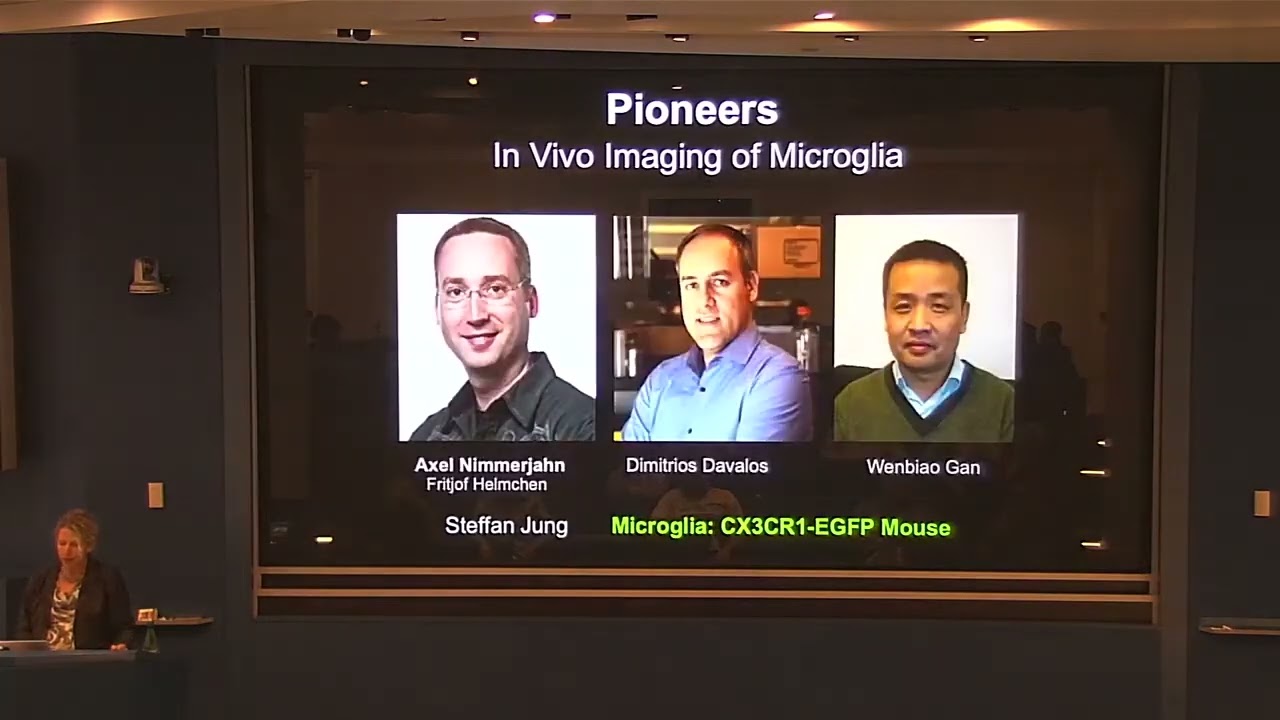
62:47
How Immune Cells Help Wire the Developing Brain | Beth Stevens
@SimonsFoundation
174 views•2024-07-10
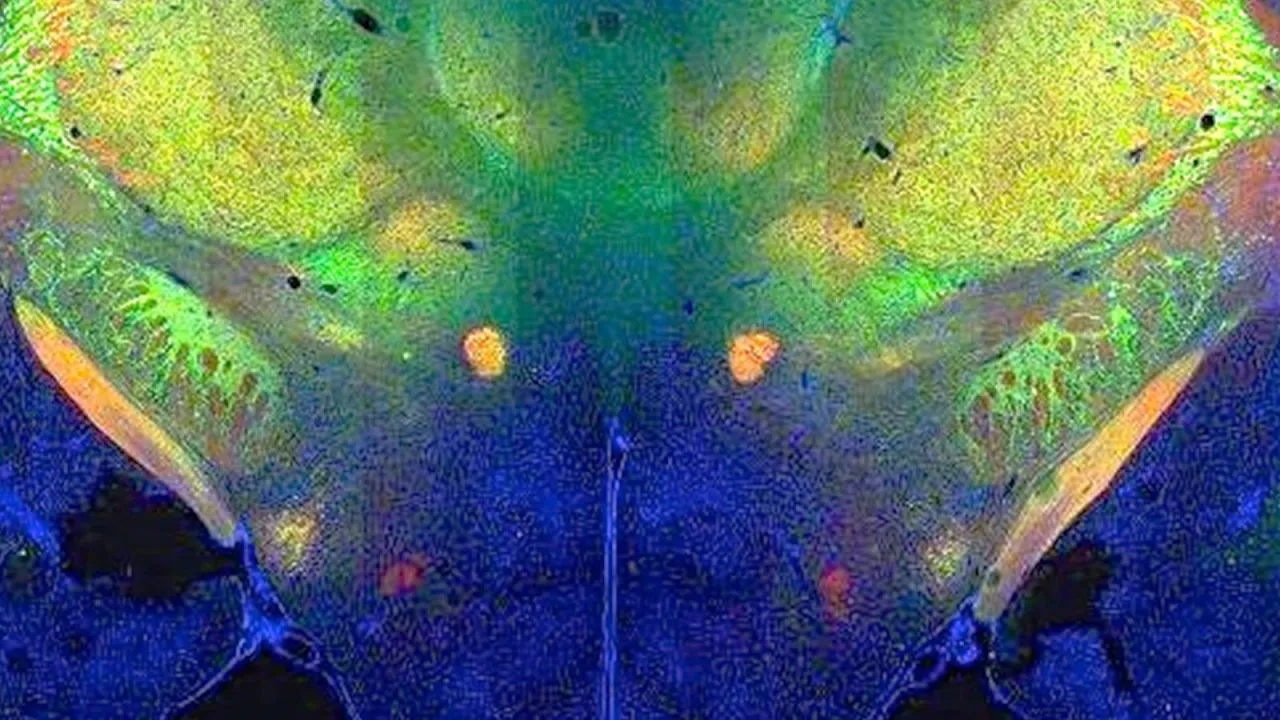
21:55
Deciphering Neural Circuits Controlling Anorexia in Mice | Richard Palmiter
@AllenInstitute
2.3K views•2011-10-10

4:10
Vagus Nerve (CN X): Anatomy, Nuclei & Functions Explained
@Alilamedicalmedia
305.2K views•2022-10-31
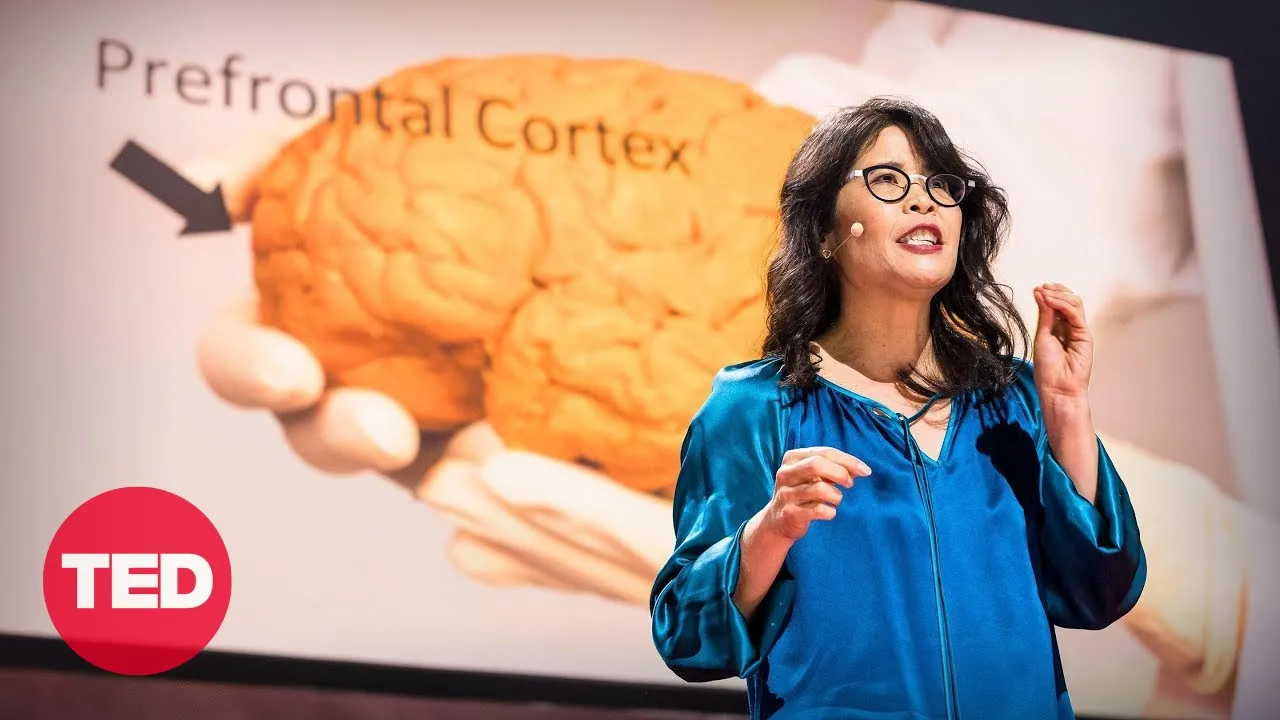
13:03
How Exercise Benefits Your Brain: Science Explained
@TED
11.4M views•2018-03-21
Related Study Plans & Knowledge Roadmaps
Structured learning paths in Neuroscience
neuroscience
Appetite Regulation: Brain Circuits & Hormones
01Foundations of Endocrinology and Brain Anatomy
02Introduction to Energy Homeostasis
03Peripheral Signals: Leptin, Ghrelin, and Insulin
+ 2 more learning modules
14h5 modules
Explore Roadmap
neuroscience
Neuroeconomics: Value, Risk & Brain Mechanisms
01Foundations of Neuroscience and Brain Anatomy
02Introduction to Neuroeconomics and Subjective Value
03Dopaminergic Prediction Errors & Reinforcement Learning
+ 3 more learning modules
18h6 modules
Explore Roadmap
neuroscience
Spatial Navigation: Cells, Grids & Brain Maps
01Foundations of Brain Anatomy and Memory
02Place Cells and Head-Direction Cells
03Grid Cells: The Brain's Coordinate System
+ 2 more learning modules
12h5 modules
Explore Roadmap
neuroscience
BCIs: Neural Decoding & Prosthetic Control
01Neuroscience Foundations: How the Brain Signals Intent
02Signal Acquisition: Recording the Brain's Activity
03Neural Decoding: Translating Brain Waves into Data
+ 2 more learning modules
25h5 modules
Explore Roadmap