





























Sexual harassment encompasses a wide range of inappropriate workplace behaviors, including repeated unwanted advances after rejection, sexually explicit or derogatory comments, physical touching, and hostile work environments based on sex, sexual orientation, or gender identity; employers must take all complaints seriously, conduct prompt investigations, and implement corrective actions, as the victim's perception of offensiveness determines whether behavior constitutes harassment, and quid pro quo harassment (exchanging job benefits for sexual favors) creates strict employer liability regardless of whether the victim ultimately receives the benefit.
NY Sexual Harassment Prevention Training: Case Studies (2023)
Added:Understanding the basic legal definitions of sexual harassment, including the distinctions between 'quid pro quo' and 'hostile work environment' under federal law (Title VII).
Familiarity with the NYS Human Rights Law and how New York State's standards for proving harassment differ from federal standards, such as the elimination of the 'severe or pervasive' threshold.
Awareness of workplace hierarchy, professional boundaries, and the roles of supervisors, employees, and third-party contractors within an organization.
The fundamental purpose of corporate compliance programs and how organizational policies align with state-mandated training requirements.
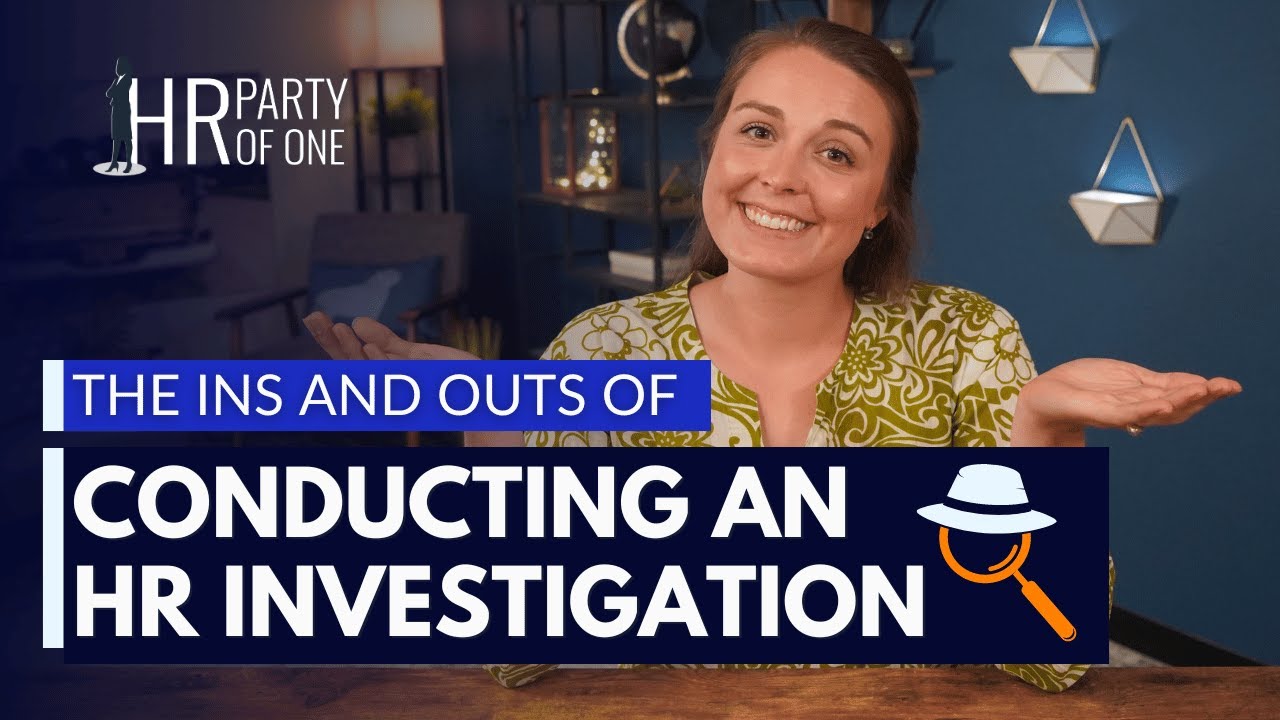
An in-depth study of the internal HR investigation process, including evidence gathering, interviewing witnesses, and maintaining confidentiality.
Understanding anti-retaliation laws and the legal protections available to whistleblowers and employees who participate in harassment investigations.
Mastering bystander intervention techniques and strategies for safely interrupting and reporting inappropriate workplace behavior.
Exploring advanced topics in organizational psychology, such as building a culture of psychological safety, respect, and diversity that goes beyond basic legal compliance.
698K views1Klikes22:09Original Release: 2018-10-25
sexual harassment case studies let's take a look at a few scenarios that help explain the kind of behaviors that can constitute sexual harassment these examples describe inappropriate behavior in the workplace that will be dealt with by corrective action including disciplinary action remember it is up to all employees to report inappropriate behavior in the workplace example one not taking no for an answer LeAnn's co-worker Ralph has just been through a divorce he drops comments on a few occasions that he's lonely and needs to find a new girlfriend Leon and Ralph have been friendly in the past and have had lunch together in local restaurants on many occasions Ralph asks Leanne to go on a date with him dinner in a movie Lee Ann likes Ralph and agrees to go out with him she enjoys her date with Ralph but decides that a relationship is not a good idea she thanks Ralph for a nice time but explains that she does not want to have a relationship with him Ralph waits two weeks and then starts pressuring Leanne for more dates she refuses but Ralph does not stop he keeps asking her to go out with him question one when Ralph first asked Leanne for a date this was sexual harassment true or false false Ralph's initial comments about looking for a girlfriend and asking Leon a co-worker for a date are not sexual harassment even if he Leanne had turned Ralph down for the first date Ralph had done nothing wrong by asking for a date and by making occasional comments that are not sexually explicit about his personal life question to Leanne cannot complain of sexual harassment because she went on a date with Ralph true or false false being friendly going on a date or even having a prior relationship with a co-worker does not mean that a co-worker has a right to behave as Ralph did toward Li Yin she has to continue working with Ralph and he must respect her wishes and not engage in behavior that has now become inappropriate for the workplace Leanne complains to her supervisor and the supervisor as required reports her complaint to the person designated by her employer to receive complaints Ralph is questioned about his behavior and he apologizes he is instructed by the designated person to stop Ralph stops for a while but then starts leaving little gifts for Leanne on her desk with accompanying love notes the love notes are not overtly offensive but Ralph's behavior is starting to make Leanne nervous as she is afraid he may start stalking her question 3 Ralph's subsequent behavior with gifts and love notes is not sexual harassment because he's stopped asking Leanne for dates as instructed he's just being nice to Leanne because he likes her true or false false leann should report Ralph's behavior she was entitled to have effective assistance in getting Ralph to stop his inappropriate workplace behavior because Ralph has returned to pestering Liane after being told to stop he could be subject to serious disciplinary action for his behavior example to the boss with a bad attitude Sharon transfers to a new location with her employer her new supervisor Paul is friendly and helps her get familiar with her new job duties after a few days when no one else is around Paul comes over to Sharon's work area to chat Paul talks about what he did last night which was to go to a strip club Sharon is shocked that Paul would bring up such a topic in the workplace and says nothing in response Paul continues talking and says that all the women in the office are so unattractive that he needs to get out and see some hot chicks once in a while he tells Sharon he's glad she joined the staff because unlike the others she is easy on the eyes Sharon feels very offended and demeaned that she and the other women in her workplace are being evaluated on their looks by their supervisor question 1 because Paul did not tell Sharon that she is unattractive he has not harassed her true or false false Paul has made sexually explicit statements to Charon which are derogatory and demeaning to Sharon and her female co-workers it does not matter that Paul supposedly paid Sharon a compliment the discussion is still highly offensive to Sharon as it would be the most reasonable persons in her situation question 2 by bringing up his visit to the strip club Paul is engaging in inappropriate workplace behavior true or false true simply bringing up the visit to the strip club is inappropriate in the workplace especially by a supervisor and it would be appropriate for Charon to report this conduct a one-time comment about going to a strip club is behavior that Paul would be told to stop even though it probably would not rise the level of unlawful harassment unless it was repeated on multiple occasions question 3 Paul should be instructed to stop making these types of comments but this is not a serious matter true or false false Paul's comments about the female employees are a serious matter and shows contempt for women in the workplace Paul is required to model appropriate behavior and must not exhibit contempt for employees on the basis of sex or any protected characteristic Sharon should not have to continue to work for someone she knows harbors such contempt for women nor should the other employees have to work for such a supervisor management should be aware of this even if the other employees are not and Paul should be disciplined and most likely removed from his current position example 3 no job for a woman Carla works as a licensed heavy equipment operator some of her male co-workers think it's fun to tease her Carla often hears comments like watch out here she comes that crazy woman driver in a joking manner also someone keeps putting a handmade sign on the only porta potti at the worksite that says men only question one women in traditionally male jobs should expect teasing and should not take the joking comments too seriously true or false false whether Karla is being harassed depends in part on Carla's opinion of the situation that is whether she finds the behavior offensive however if at any point Karla does feel harassed she is entitled to complain of the behavior and have it stopped regardless of whether and for how long she has endured the behavior without complaint Karla can always say when enough is enough question to Karla cannot complain because the site supervisors sometimes joins them with the joking behavior so she has nowhere to go true or false Hulse Karla can still complain to the supervisor who is then on notice that behavior bothers Karla and must be stopped the supervisors failure to take Carla's complaint seriously constitutes serious misconduct on his or her part Karla can also complained directly to the person designated by her employer to receive complaints either instead of going to the supervisor or after doing so the employer is responsible for ensuring that all employees are aware of its anti harassment policies and procedures some of Carla's other co-workers are strongly opposed to her presence in the traditionally all-male profession these co-workers have sometimes said things to her like you're taking a job away from a man who deserves it you should be home with your kids and what kind of a mother are you also someone scratched the word on Carla's toolbox question three these behaviors while rude are not sexual harassment because they are not sexual in nature true or false haters are directed at her because she is a woman and appear to be intended to intimidate her and caused her to quit her job while not sexual in nature this harassment is because of her sex and will create a hostile work environment if it is sufficiently severe or frequent Karla complaints about the jokes and other behaviors an investigation is conducted it cannot be determined who defaced Carla's tool box her coworkers are told to stop their behavior or face disciplinary charges the supervisor speaks with Carla and tells her to come to him immediately if she has any further problems Carla then finds that someone has urinated in her toolbox question for there is nothing Carla can do because she can't prove who vandalized her tool box - or false false Karla should speak to her supervisor immediately or contact any other person designated by her employer to receive complaints directly although the situation has become very difficult it is the employers responsibility to support Karla and seek a solution an appropriate investigation must be promptly undertaken and appropriate remedial action must follow example for too close for comfort Keisha has noticed that her new boss Sarah leans extremely close to her when they are going over the reports that she prepares she touches her hand or shoulder frequently as they discuss work Keisha tries to move away from her in these situations but she doesn't seem to get the message question 1 Keisha should just ignore Sarah's behavior true or false if Keyshia is uncomfortable Sara's behavior she has options if she feels comfortable doing so she should tell Sara to please back off because her closeness and touching make her uncomfortable another option is to complain directly to a person designated by her employer to receive complaints who'll speak with Sara although this may not be sufficiently severe or pervasive to create an unlawful harassment situation unless it was repeated by Sara after she's been told to stop there is no reason for Keyshia to be uncomfortable in the workplace there's no valid reason for Sara to engage in this behavior before Keyshia gets around to complaining Sara brushes up against her back in the conference room before a meeting she is now getting really annoyed but still puts off doing anything about it later Sara traps Keyshia in her office after they finished discussing work by standing between her and the door of the small office Keyshia doesn't know what to do so she moves past her to get out as she does so Sara runs her hand over Keisha's breast question two Sara's brushing up against Keyshia in the conference room could just be inadvertent and does not give Keyshia any additional grounds to complain about Sara true or false false Sara is now engaging in a pattern of escalating behavior given the pattern of her to close and touching behavior it is unlikely that this was inadvertent even before being trapped in Sara's office Kisha should have reported all of the behaviors she had experienced that had made her uncomfortable question three Sara touching Keisha's breast is inappropriate but is probably not unlawful harassment because it only happened once true or false false any type of sexual touching is very serious and does not need to be repeated to constitute sexual harassment Kisha should immediately report it without waiting for it to be repeated Sara can expect to receive formal discipline including possible firing example 5 a distasteful trade the following scenario will explain many aspects of quid pro quo sexual harassment tatyana is hoping for a promotion to a position that she knows will become vacant soon she knows that her boss David will be involved in deciding who will be promoted she tells David that she will be applying for the position and that she's very interested in receiving the promotion david says we'll see there will be a lot of others interested in the position a week later tatyana and david traveled together on business including an overnight hotel stay over dinner David tells Tatyana that he hopes he will be able to promote her because he has always really enjoyed working with her he tells her that some other candidates look better on paper but that she is the one he wants he tells her that he can pull some strings to get her into the job and Tatyana thanks David later David suggests that they go to his hotel room for drinks and some relaxation Tatiana declines his offer question one David's behavior could be harassment of Tatiana true or false true David's behavior as Tatiana's boss is inappropriate and Tatiana should feel free to report the behavior if it made her uncomfortable it is irrelevant that this behavior occurs away from the workplace their relationship is that of supervisor and supervise and all their interactions will tend to impact the workplace David's behavior at this point may or may not constitute quid pro quo harassment david has made no threat that if Tatyana refuses his advance he will handle her promotion any differently however his offer to pull some strings followed by a request that they go to his hotel room for drinks and relaxation might be considered potentially coercive certainly if David persists in his advances even if he never makes or carries out any threat or promise about job benefits this could create a hostile environment for Tatiana for which the employer could be strictly liable because David is a management employee after they return from the trip Tatyana asked David if he knows when the job will be posted so that she can apply he says that he's not sure but there is still time for her to make it worth his while to pull strings for her he then asks how about coming out to dinner this Friday and then coming over to my place question 2 David engaged in sexual harassment true or false true it is now evident that david has offered to help tatyana with her promotion in exchange for sexual favors tatyana who really wants the position decides to go out with david almost every friday they go out at david's insistence and engage in sexual activity tatyana does not want to be in a relationship with david and is only going out with him because she believes that he will otherwise block her promotion question 3 tatyana cannot complain of harassment because she voluntarily engaged in sexual activity with david true or false false because the sexual activity is unwelcome to Tatiana she is a target of sexual harassment equally if she had refused David's advances she would still be a target of sexual harassment the offer to Tatiana to trade job benefits for sexual favors by someone with authority over her in the workplace is quid pro quo sexual harassment and the employer is exposed to liability because of its supervisors actions Tatiana receives the promotion question for Tatiana cannot complain of harassment because she got the job so there is no discrimination against her true or false false Tatyana can be the recipient of sexual harassment whether or not she receives the benefit that was used as an inducement tatyana breaks off the sexual activities with david he then gives her a bad evaluation and she is removed from her new position at the end of the probationary period and returns to her old job question five it is now too late for Tatiana to complain losing a place of favor due to the breakup of the voluntary relationship does not create a claim for sexual harassment true or false false it is true that the breakup of a relationship if truly consensual and welcomed at the time usually does not create a claim for sexual harassment however the relationship in this case was never welcomed by Tatyana David's behavior has at all times been inappropriate and a serious violation of the employers policy as the person who abused the power and authority of a management position david has engaged in sexual harassment example 6 an issue about appearances Leonard works as a clerk typist for a large employer he likes to wear jewelry and his attire frequently includes earrings and necklaces his boss Margaret thinks it's weird that as a man Leonard wears jewelry and wants to be a clerical worker she frequently makes sarcastic comments to him about his appearance and refers to him jokingly as her office boy Leonard who hopes to develop his career in the area of customer relations applies her an open promotional position that would involve working in a front desk area where he would interact with the public Margaret tells Leonard that if he wants that job he had better look more normal or else wait for a promotion to mailroom supervisor question 1 Leonard's boss is correct to tell him wearing jewelry is inappropriate for customer service positions true or false false Leonard's jewelry is only an issue because Margaret considers it unusual for a man to wear such jewelry therefore her comments to Leonard constitute sex stereotyping Margaret also is suspicious that Leonard is gay which she says she doesn't mind but she thinks Leonard is secretive she starts asking him questions about his private life such as are you married do you have a partner do you have kids Leonard tries to respond politely no to all her questions but is becoming annoyed margaret starts gossiping with Leonard's co-workers about his supposed sexual orientation question to Leonard is the recipient of harassment on the basis of sex and sexual orientation true or false true Leonard is harassed on the basis of sex because he is being harassed for failure to adhere to Margaret's sex stereotypes Leonard is also harassed on the basis of his perceived sexual orientation it does not matter whether or not Leonard is a gay man in order for him to have a claim for sexual orientation harassment Leonard might also be considered a target of harassment on the basis of gender identity which is a form of sex and/or disability discrimination prohibited by the human rights law Leonard should report Margaret's conduct which is clearly a violation of the sexual harassment policy to a person designated by his employer to receive complaints ie his employers designee Leonard decides that he is not going to get a fair chance at the promotion under these circumstances and he complains to the employers designee about Margaret's behavior the designated as an investigation and tells Margaret that Leonard's jewelry is not in violation of any workplace rule that she is to consider him for the position without regard for his gender and that she must stop making harassment comments asking Leonard intrusive questions and gossiping about his personal life Margaret stops her comments questions and gossiping but she then recommends a woman be promoted to the open position the woman promoted has much less experience than Leonard and lacks his two-year degree in customer relations from the Community College question 3 Leonard has likely been the target of discrimination on the basis of sex sexual orientation and/or retaliation true or false true we don't know Margaret's reason for not recommending Leonard for the promotion but it's not looking good for Margaret it appears that she is either biased against Leonard for the same reasons she harassed him or she is retaliating because he complained or both Leonard should speak further with the employers designee and the circumstances of the promotion should be investigated if it is found that Margaret had abused her supervisory authority by failing to fairly consider Leonard for the promotion she should be subject to disciplinary action this scenario shows that sometimes more severe action is needed in response to harassment complaints in order to prevent discrimination in the future
Up Next

8:11
IPFS Hosting for NFT Collections: A Step-by-Step Guide
@AliSolanki
31.3K views•2021-11-02

12:54
Triumph of Orthodoxy Icon: Byzantine Art & History Explained
@BenCallan
2.1K views•2024-08-06
54:06
Sexual Harassment Prevention Training in New York State
@NYSLabor
658.9K views•2023-04-11

1:42
Game of Thrones Opening Credits: A Cinematic Analysis
@gameofthrones
46.3M views•2011-04-18
Related Study Plans & Knowledge Roadmaps
Structured learning paths in General & Interdisciplinary Studies
general-studies
Elevator Engineering: History, Physics & Cities
01From Hoists to Safety Brakes: The Dawn of Vertical Lift
02Hydraulic vs. Traction: The Engineering Physics of Elevators
03Modern Speed, Safety, and Algorithms
+ 2 more learning modules
12h5 modules
Explore Roadmap
general-studies
Rubber: Material Science, History & Geopolitics
01Origins of Natural Rubber & Mesoamerican History
02The Chemistry of Natural Rubber & Vulcanization
03The Geopolitics of the Rubber Boom & Colonization
+ 2 more learning modules
12h5 modules
Explore Roadmap
general-studies
Containerization: Evolution, Logistics & Trade
01Ancient Trade & Bulk Cargo: Amphorae to Barrels
02The Industrial Revolution & Cardboard Packaging
03The Containerization Revolution: Malcom McLean
+ 2 more learning modules
12h5 modules
Explore Roadmap
general-studies
Textile Tech: Evolution, Labor & Global Impact
01Pre-Industrial Textiles: Handloom & Cottage Industry
02Mechanization: The Spinning Jenny to the Power Loom
03The Factory System & Global Labor Transformation
+ 2 more learning modules
10h5 modules
Explore Roadmap