
















Athletes possess significant social influence that enables them to drive meaningful change in society, as demonstrated by the unprecedented 2020 multi-sport strikes across the NBA, WNBA, MLB, MLS, and NHL following the Jacob Blake shooting, which collectively amplified the Black Lives Matter message and challenged systemic racism; this collective action differs from historical individual protests like Colin Kaepernick's knee or Muhammad Ali's draft refusal, representing a unified front that forces public attention and institutional accountability, though critics often dismiss such activism as inappropriate for sports, revealing underlying tensions about who has the right to speak on social issues.
Examining Athlete Activism in Racial Justice Movements
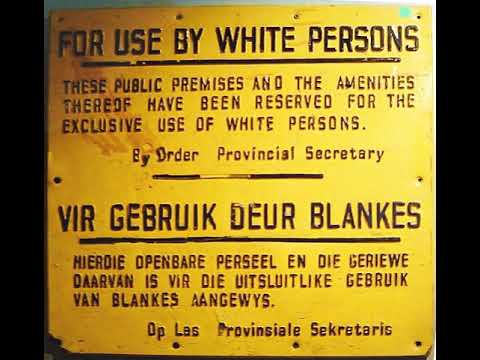
Added:Historical context of the American Civil Rights Movement, including Jim Crow laws and segregation, to understand the environment of early athlete pioneers.
An understanding of systemic racism and the foundational events that led to the modern Black Lives Matter (BLM) movement.
The concept of 'sports sociology' and the perspective of sports as a reflection and driver of broader societal values.
Familiarity with key historical figures in sports activism, such as Jackie Robinson, Muhammad Ali, and the 1968 Olympics Black Power salute.
The role of media framing and public relations in shaping the public perception and legacy of activist athletes over time.
Analyzing the economic impact and corporate response to athlete activism, including brand sponsorships, league policies, and the commodification of social justice.
Evaluating the efficacy of athlete-led initiatives on actual legislative reform, community funding, and voter mobilization.
A comparative study of global athlete activism, examining how international athletes address human rights, gender inequality, and labor rights in sports.
12.7K views264likes25:55Original Release: 2020-09-15
hi i'm from the okay you're watching the stream today we're looking at athletes and activism here's an example this is a moment we gotta keep pushing forward [Music] we want change we want justice [Music] all right to come here [Music] black lives matter [Music] so that was an mba video released in june of this year showing their support for the black lives matter and social justice movements we are talking about the power of athletes and activism and using their platforms i know you've got opinions you can jump in to our youtube comments section and be part of this discussion let me introduce the stream's very own dream team no pressure guess dave say hello tell everybody who you are oh hey my name is dave zirin i'm the sports editor at the nation magazine and i've written a bunch of books about the politics of sports nice to have you welcome back to the stream hello maxwell tell everybody who you are do your own introduction hello everyone my name is maxwell pearce i'm an athlete i'm an influencer and i play for the hall globe charters thanks for joining us maxo and gentel introduce yourself hello everyone my name is jantel lavender i'm with the indiana fever it's the wnba team the women's national basketball association and i'm an activist and i'm happy to be here dantel i'm just looking at the wnba and they are out there they're all in with using our power using our platform if you could pick one moment over the last couple of months of athletes using their platform for activism what was the moment that stuck out at you that really hit home well definitely the entire initiative that the wnba has put forward with say her to say her name campaign and wearing brianna taylor's name on the back of all of their jerseys has been huge sports is one of the biggest platforms i think you can use for for activism because people watch it and people want to see it on tv and when you see athletes taking a stand people take notice people take heed and i think that that's been the the largest the biggest thing i've seen but um since kaepernick and the milwaukee bucks sitting out because of the recent killing of jacob blake maxwell there was a moment for me where i just went gulp i cannot believe they did this and that was when the nfl players came out and said we support black lives matter movement after so long after being so controversial after the take a knee became a political discussion what was the moment for you where you just said this is extraordinary in the world of sport today for me it was when the nba teams decided not to play their games and seeing the impact of that and how quickly it spread to other leagues i mean the mlb the mls a few other leagues and other teams followed suit within 24 hours so to see the impact and and the silence that it brought so many people were looking forward to watching sports games but when they turn on their tv and there's no sports and they're seeing why these players aren't playing it really forces us to think about the injustices that they're speaking up about femi maxwell said because i think what happened a couple of weeks ago when the nba the wnba major league baseball major league soccer the national hockey league naomi osaka and tennis when all these folks in quick order in a matter of hours decided that they were going to go on strike for black lives it was such a remarkable moment because it is unequaled in sports history we're dealing with history without a compass we've never seen athletes step up to this degree and we've certainly never seen them use their labor power to say that racism needs to be challenged and that strike that happened across so many different sports happen because jacob blake who who thankfully is is not dead was shot by the police in the back and that video went viral and then athletes were like we're not we're not playing we can't play we don't feel like we're playing i want to share with you shannon ryan thoughts she's a sports reporter at the chicago tribune and she like you dave says this is something very different that's happening with sports and athletes let's take a look usually when we think about athlete protests we're thinking about individuals maybe muhammad ali or tommy smith and john carlos raising their fists at the 1968 olympics or colin kaepernick taking a knee what's different about today's protest is we're seeing it across different leagues different sports different races genders it's really been a collective push and that's i think through history when we've seen the most changes when there's been a united front from athletes right now you're seeing nba has demanded arenas be used for voting sites um mississippi athletes help to make push for a change to change their state flag to get rid of a confederate symbol whether it becomes a tipping point or not really depends on how much they can keep this momentum going and remain united i also want to share with you some thoughts from the youtube comments and some people are upset that you're using your platform chantelle and maxwell tacomba says the only thing you are doing is destroying the sport and the league chantel you take that first of all that's very interesting because when you have world issues you need to focus on them and being a black woman being a part of sports we're we make up a large percentage of the sporting community especially in basketball and i feel like if we're not being respected how are we able to get out on the court and play a game and that's the part that frustrates me and gets me a little riled up is because you have to respect us as a human being first we are people we do we play this sport but as a people we have to be respected and if you can come to a game and cheer us on then you should be able to respect us when we go home rodrigo says maxwell i'm i'm fascinated by what your answer is going to be rodriguez thank you for for being on the show just because someone knows how to hoop doesn't mean that his or her opinion is of any value wow wow well um first of all it's it's important to understand that whatever whatever job you have let's say you're a politician who's interested in sports you know everyone is entitled to their own level of opinion or intellect on things that they are not a professional in that's that's first and foremost and then secondly i am going just like all of the other athletes i am going to continue to use my platform that i have built to speak on issues that i have direct ties and direct connections to as well as my family members and the members of my community just like chantelle said if if you can come to a game and support me as an athlete then you should be able to support and respect me as the human behind the jersey because we are human beings first and athletes second no matter how way you want to look at dave go ahead yeah just the the ignorance of those statements with all due respect coming from the internet are really overpowering when people say that they don't want sports and politics to mix what they're really saying is they don't want sports and a certain kind of politics to mix they have no problem with politics and sports when we're talking about nationalism when we're talking about celebrating the military heck when we're talking about celebrating the police many teams do these celebrations of law enforcement nights and or whatnot but when it comes to the athletes themselves trying to use the platform that they have built that they have earned to speak out about their lives then all of a sudden the hammer comes down and there is i would argue a seriously racist undertone or sometimes overtone to this statement which is basically shut up and play which is basically get out there and entertain me and i don't want to hear what you have to say and it's amazing that in 2020 we're still wrestling with what was said in 1968 when tommy smith and john carlos raised their fists one of their slogans at in the for the 68 olympics was they said why should we run in mexico city only to crawl home which is still what animates i think the athletic protest today why should we be loved with our uniforms on but then disdained when the uniform is off let me just show you uh naomi osaka she won the us open on september the 12th and these images people were waiting every day what mask is she going to wear have a look here on my laptop and you can see and she is wearing the mask of people who met a violent end because of police brutality every day she had a black lives matter movement mask on and then at the end of the u.s open when she won it this is what she told the commentator who asked her about the mass you said from the beginning you had seven matches seven masks seven names what was the message you wanted to send naomi um well what was the message that you got was more the question i feel like the point is to make people start talking what were you most gratified about the awareness that you raised um i mean for me i've been inside of the bubble so i'm not really sure what's really going on in the outside world all i can tell is what's going on on social media and for me i feel like you know the more retweets it gets or that's so lame but you know the more people talk about it gentile what's it like being a female athlete seeing other actually doesn't even matter being an athlete seeing other athletes all working together to the same end when you saw naomi do that maxwell i know you tweeted out naomi's success on on your twitter account as well gentile you go first that's why you go second well this is phenomenal and she's on one of the biggest stages that you can ask for in the sports community and to see her speaking out it lets people know the seriousness of what's going on in the world and she said something that was very interesting to me she said she wants people to talk and i feel like i would i would kind of tweak that in a sense with being with being in 2020 and it's about action it's about physically going out and physically doing something and i think that there's been a generational shift with this generation and we're tired and we're not going to deal with it and she knows the people that she's around and i love her response when she said what did you get out of it and that to me was huge is because it's the it's our friends that we need to step up it's the people that are around us that are playing with us our our teammates that are not black our teammates that that love us every day when we put on that jersey and compete with them but it's about what they think it's about what they feel if they can hear us cry out and speak out about it and go home and be with a racist family member that's not the message isn't being clear and i love that she mentioned that it's about how the world see it non-african-american people that are not being oppressed how they respond to it maxwell you shared naomi's picture on your twitter feed why absolutely um for one you know it it's it's extremely admirable how naomi has spoken up and and really how the wnba has been leaders in this movement i mean when you think about women in sports they deal with a whole other layer of adversity they have to deal with misogyny they have to deal with hyper masculinity people constantly telling them that they shouldn't be playing the sport which is just completely blasphemous so there's so many additional things that they have to encounter and deal with outside of being especially women of color in sports so i really do tip my hat off to them and i am i am trying extremely hard to match that energy and be in support even when support there can be scarce sometimes dave let me put this to you from youtube this is from mohammed rajahat how much can sports change racism in america well i ke when i hear that question i think about what dr martin luther king said about jackie robinson who called him a sit in her before sit-ins a freedom rider before freedom rides jackie robinson integrates major league baseball in 1947 almost a full decade before the flowering of the montgomery bus boycott and the civil rights movement in the south a sit in her before sit-ins a freedom rider before freedom rides oftentimes sports is like a weather vein in our society and it tells us which way the wind is blowing and sure enough right now what we're seeing is the wind blowing towards justice the wind is blowing towards some sort of reckoning with the history of racism not just in the united states but throughout the world this is a global movement and i think what you're seeing what's so incredible about this is that what it does is it punctures privilege because it's very easy to be a white person in the united states or i guess anywhere throughout the world and not have to confront the reality of what it means to be black not have to confront the reality of what it means to be an indigenous person and when you have sports athletes when you have them speaking out about these issues it punctures that privilege it severs that segregation and it forces people to really confront the realities that people i mean that's what naomi osaka was doing she was saying look if you're a tennis fan you might have the luxury of not knowing who elijah mclean is but i'm going to put that name in front of you you are going to know who elijah mclean is and that's powerful but that's also why athletes i would argue are policed so heavily by the reactionary powers that be because they don't want them using that power precisely because they understand how powerful it is i want to share with you uh athletes gentile and maxwell some really supportive comments these ones this time coming from twitter some thoughts about athletes and activism citizens speak up that's democracy for you and no one surrenders their citizenship at the locker room door doug says the better question is not why are athletes using their platform but why should they be denied an activist role in whatever they believe in and then i'm actually just going to jump across to maxwell something that you tweeted out and a story that reminds us that there is racism everywhere including in sport and in the sports world so tv hosts throw banana at harlem globetrotter you are the harlem globetrotter what happened and why is it relevant to what we're speaking about today so i was given an interview about an upcoming game and i was showing a few tricks with a basketball when one of the reporters excuse me one of the news anchors pulled out a tangerine from his pocket and threw it to me so i caught it very confused returned it to him and then he then threw it to someone off camera who threw the tangerine at me for a second time this time i didn't catch it and then shortly after that a white woman behind the camera threw a banana at me this is all happening on live television and so my initial reaction i caught the banana extremely stunned shocked i didn't know how to even begin to unpack what was actually happening so then i left there immediately and my first thought was i need to get a copy of this video so i got a copy of the video and i debated on whether or not i wanted to go public with it for a while but i knew that i still had a job to do and i didn't want to ruffle the feathers with my job so i tried my best to suppress it and then brianna taylor ahmad aubry george floyd all of these things reignited the flame that had been applied at the time of this experience and that's when i knew that okay it's i have to speak up about this so i decided to go public with the story mainly to use it as a teachable moment for everyone who came across the experience for me i learned the value in using my platform and my voice and the power that i truly have it empowers other people who experience microaggressions on a daily basis to voice their experiences and not be quiet about it and it also shows that you know we need to in order to create real change we're going to have to figure out how to take full accountability for the things that we do and learn from them these microaggressions have a humongous impact on us and it may seem subtle but any person who experiences microaggressions on a daily basis can tell you the actual and true weight of what these kinds of things do dave i want to bring you in on a couple of things that have happened big things happen so the nfl was sort of said you know sorry about the colin kaepernick thing in not so many words the celtics for instance have a look here on my laptop celtics unveiled 25 million dollars a 10-year plan to fight racial injustice you could be cynical because this only just happened in the last few months and the mood last year was not quite this a story that you worked on we've entered the era of branding for black lives which may be suggesting that this isn't truly real but maybe teams and owners don't have any option but to go along with it because what are they going to say no you can't kneel right now how would they say that dave exactly i mean we just have to remember that these are multi-billion dollar corporations and they know which way the wind is blowing and they know that they have very restive players so the nfl for example they do not want their players to go out on strike like the nba the wnba major league baseball et cetera because they make billions of dollars off of television deals so they're trying to figure out ways to make sure that their players are appeased so they're putting forward these initiatives uh but for a lot of the players that's not enough and that's what's so real in all of this so there's all of this fluff there's a lot of branding there's you know putting things like and racism in the end zones and uh and assistant coaches wearing t-shirts that say it starts with us but the players themselves have their own independent line their own independent analysis of what's happening so a lot of teams for example did not go out for this kind of stage national anthem where they also played the black national anthem as it's known lift every voice and sing they stayed in the locker room and the miami dolphins said we don't want to be part of the propaganda we don't want to be part of the fluff and what's so interesting about it is that what the nfl is doing in particular is they're putting out all these statements for racial justice initiatives but if you look at the one word they're not using and the players are acutely aware of this the one word they're not using is police you know they're keeping that out of the picture because they don't want to offend that they're scared i would argue scared of law enforcement scared of the police unions in this country and so they're staying off actually addressing what the players want to address and frankly what the nation wants to address the nation that's been in the streets for the largest demonstrations in the history of the united states and that's police reform and that's the part that i have an issue with sometimes is the money and and it was mentioned also that i have a job to do or it's something that i don't want to lose my job or i want to make sure i'm saying it in a nice way and i think that that's where athletes have to get to where that we know that it's not about hey we have to make sure we don't include police officers not to upset them i know one time in the wnba we had a team that was boycotting against minnesota links was boycotting against the police and the police officers left the game because we were making a stand and saying hey we're tired of the police brutality that our race is experiencing and they didn't even want to hear so to me it's about getting to a place where people aren't afraid and i and even in the sports world it's there's still this tiptoe around the actual idea there's still this tiptoe where you only can do a certain amount in order to keep our fans engaged and that's the problem as well and i feel that's where we have to get to in order to actually see shift people not being worried about the millions of dollars that are being talked about it's really a social issue that has to be excluded and eliminated money can't be talked about and hurting people's feelings can't be talked about because this is a race that's being oppressed against and it's it's blatant it's clear in the media what's happening to black black individuals that are unarmed and to me it's not about money it's not about anything other than what it is and that's where we have to really make a change in a shift and not worry about hey i'm going to lose out on money or hey i'm going to upset the wrong group of people and we're going to lose this sponsorship it has to move from that to hey this is the first issue and then we'll worry about that as it follows yeah yeah yeah i absolutely agree with that because um i think what's different about right now is that you know we're starting to see a shift in the percentages of athletes that are speaking up within these leagues i mean when when you look at the totality of all of the athletes that are now starting to use their platform you're seeing a shared empowerment from the athletes that stood up at the time when they were by themselves and so when you're when you stand up by yourself it your you be your job becomes more of a threat because it's very easy to single one person out but there's strength in numbers and so now that we're seeing a multitude of athletes use their platform and speak about the same things it makes it that much tougher for these leagues in these industries to quote-unquote ridicule them for voicing their opinion or voicing how they feel about human rights and flat out what is right i'm going to bring one more voicing just for the end of the show this is olivia talking about athletes using their platform why it is essential in 2020. let's take a look naomi osaka is a person of influence in an overtly white space she chooses to use her platform to raise awareness on long-standing issues that are yet to be fixed systemic racism police brutality the fact that countless of black people are being unjustifiably profiled and killed by those that are paid and sworn in to protect and serve as someone of the media it's not only how she uses her platform but also how her influence affects her fan base and how they talk and see these matters that affect people who are still marginalized by the powers that athletes getting their fans getting their public to talk about social justice gentile maxwell dave thank you for using our platform to talk about athletes and activism appreciate you thanks youtube i'll see you next time you
Up Next

71:51
Black Dandyism & Diasporic Identity in Fashion History
@NationalArtsClub
26.6K views•2022-01-26

26:22
Walking in the City: Urban Rituals and the Flâneur in Contemporary India
@PSBTIndia
1.9K views•2016-08-02
25:00
Why Western Muslims Join Jihadist Groups in Syria | Analysis
@aljazeeraenglish
177.9K views•2015-03-04

1:42
Game of Thrones Opening Credits: A Cinematic Analysis
@gameofthrones
46.3M views•2011-04-18
Related Study Plans & Knowledge Roadmaps
Structured learning paths in General & Interdisciplinary Studies
general-studies
Artificial Light: History, Tech & Human Impact
01The Pre-Electric Era: Fire, Oil, and Gas Lighting
02The Incandescent Revolution and Grid Electrification
03Gas Discharge and Fluorescent Illumination
+ 3 more learning modules
14h6 modules
Explore Roadmap
general-studies
Elevator Engineering: History, Physics & Cities
01From Hoists to Safety Brakes: The Dawn of Vertical Lift
02Hydraulic vs. Traction: The Engineering Physics of Elevators
03Modern Speed, Safety, and Algorithms
+ 2 more learning modules
12h5 modules
Explore Roadmap
general-studies
Rubber: Material Science, History & Geopolitics
01Origins of Natural Rubber & Mesoamerican History
02The Chemistry of Natural Rubber & Vulcanization
03The Geopolitics of the Rubber Boom & Colonization
+ 2 more learning modules
12h5 modules
Explore Roadmap
general-studies
Containerization: Evolution, Logistics & Trade
01Ancient Trade & Bulk Cargo: Amphorae to Barrels
02The Industrial Revolution & Cardboard Packaging
03The Containerization Revolution: Malcom McLean
+ 2 more learning modules
12h5 modules
Explore Roadmap