
























![アニマルライツチャンネルVOL44[殺して何が解決するのか ー 問題を起こしているのは動物ではなくヒト]](https://i.ytimg.com/vi/colX2FEyt9s/maxresdefault.jpg)

Australia has built an extensive network of fences spanning over 3,500 miles since 1886 to control invasive species like rabbits, foxes, and cats, but these barriers have created unintended ecological consequences including fragmented habitats, altered species evolution, and disrupted natural migration patterns, demonstrating how human interventions can fundamentally reshape ecosystems in ways that persist for generations.
Australia's Fence Network: Ecological Impact on Wildlife
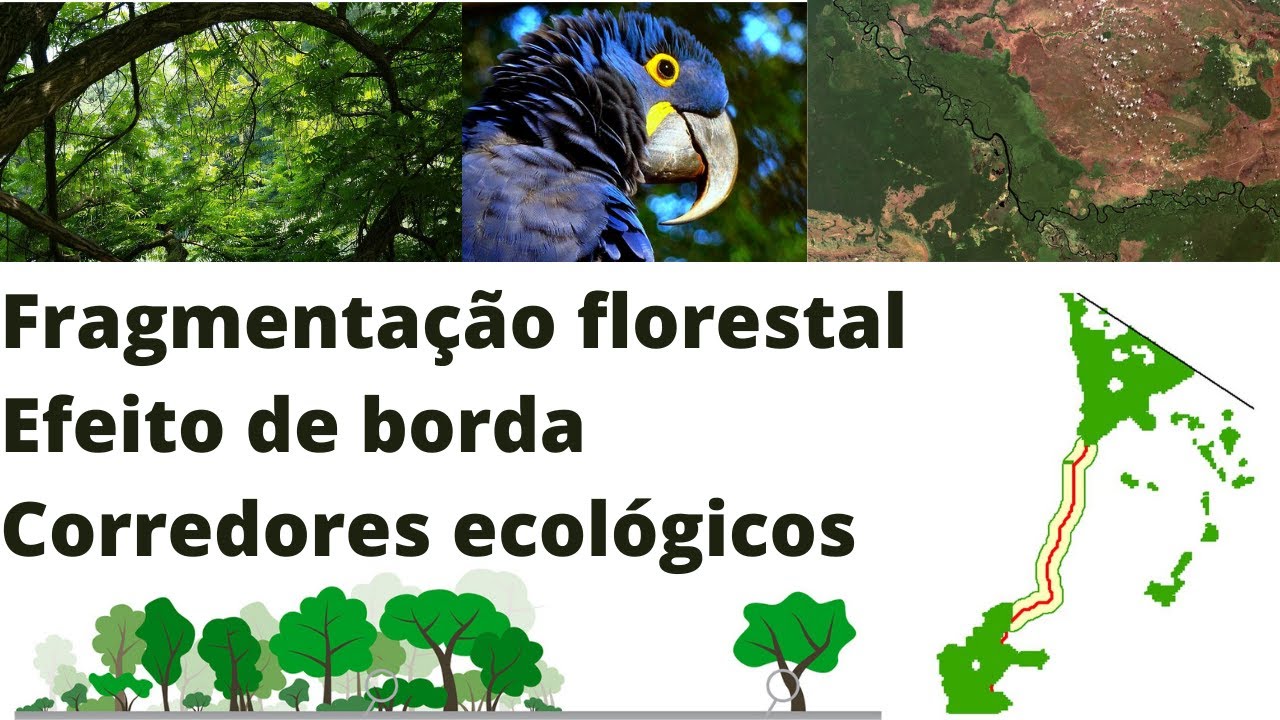
Added:The concept of habitat fragmentation and its general effects on biodiversity and species dispersal.
Basic principles of population genetics, specifically how geographic isolation limits gene flow and drives genetic drift.
The ecological roles of trophic levels, including predator-prey dynamics and trophic cascades (e.g., the role of apex predators like dingoes).
An overview of Australia's unique biogeography, including its endemic wildlife and the history of invasive species introduction (such as rabbits and foxes).
The design and implementation of wildlife corridors and eco-passages to restore ecological connectivity across fragmented landscapes.
Advanced conservation genetics techniques, such as 'genetic rescue,' to manage isolated populations suffering from inbreeding depression.
A comparative analysis of other major anthropogenic barriers worldwide, such as the US-Mexico border wall or Africa's veterinary fences.
Environmental policy-making and wildlife management strategies, specifically evaluating the socio-economic and ecological trade-offs of exclusion fencing.
712.9K views5.3Klikes30:42Original Release: 2023-12-29
by 1886 Australia had started building a fence that spanned 3500 Mi that's almost like the distance between London and New York a fence now divides the bustling fertile southeastern region home to Melbourne and Sydney from the dry harsh Hinterland nearly 138 years on Australia has earned its reputation as the land of fences lots of Australian mammals spend their whole lives Within These fences peering out at the World Through the Wire there are dozens of these fences all over the country some are out in the remote stretches of central Australia While others sit near big cities are animals the only ones Behind These fences people aren't allowed in there what are the odds that this fenced off area is hiding something shocking something that not everyone is ready to accept especially since the number of fences is constantly growing on average Australians build a new fence every year but why did this happen in the first place and why Australia in particular the main reason these extensive fences were built was to deal with the Troublesome rabbit situation if it's believed that it all started on Christmas Day 1859 when Thomas Austin a wealthy English settler received a shipment of 24 wild rabbits from his brother in England Thomas loved to hunt so the rabbits were meant to be his targets and trophies later and if you think that shipping animals halfway across the globe just to hunt them as weird well it is it's freaking weird it's worth saying that rabbits had already been imported to Australia by then they weren't on the continent until 1788 then the first five rabbits were brought in after that approximately 9 separate shipments of rabbits came in over the next 70 years but none of them caused any trouble but when Austin acquired his rabbits it sparked massive colonization across the entire continent I kid you not these rabbits spread out about 60 m per year and within 50 years they taken over the entirety of Australia mind you some areas aren't exactly welcoming but did that stop the rabbits not a chance in 1865 just 6 years after receiving a gift from his brother Austin told the local newspapers that he had killed 20,000 rabbits on his property yet this effort didn't stop or even slow down the rabbit takeover at all the continent became overrun with rabbits consuming all the vegetation in their path and leaving nothing but Barren ground this led to Native species struggling to find enough food to address this Australians didn't just rely on shooting them they also proposed an unexpected solution why not put up fences they had nothing to lose in 1886 they built the very first rabbit proof fence I mentioned it earlier by 1891 the fencing extended several miles but that was just the beginning between 1892 and 1905 Queensland was divided into nine separate rabbit districts mesh fences were erected in each district to contain the rabbit horde it didn't work quite as intended rabbits well known for hopping and digging made the fence less effective but it wasn't a total failure Australians found it kept out pigs kangaroos emus dingos and other big animals rather well that was fantastic news because there are already many farmers in Australia with vulnerable sheep Farmers began to see the benefits of having fences and started putting them up on their own in large quantities in areas where rabbit prooof fences were already installed improvements were made back in 1930 about 20,000 Mi of dog netting covered rabbit fences in Queensland alone the government backed up the citizens efforts taking the game of fences to a whole new level whoosh in 1958 they came up with this plan for a single massive fence whooshh and just a few years all these separate fences that were already there merged into a really long one from then on Australia embraced fences as the go-to solution for animal problems this means the entire continent can't give up on them and the number of fences just keeps growing and growing and it doesn't stop at first glance it seems like a fantastic idea if it benefits Farmers keeping wild animals away from demestic ones sounds great however it only works if you never and I mean never peek at what happens on the opposite side of the fence the fences meant to save lives can actually spell Doom for animals that rely on seasonal migration or movement for survival such as Kangaroos and dingo despite being designed to deter them these creatures often become trapped while trying to pass these barriers leading to a slow and certain death as a consequence in distant regions of the continent the areas surrounding these fences are littered with bones like genuine cemeteries on both sides certainly a few animals find a way past the fence yet they bear marks and wounds as a reminder and not only them a researcher once discovered a mummified Kangaroo on a roadside fenced area it seemed the kangaroo had been hit by a car and the scorching Australian Sun turned it into a mummy fast normally wild Predators would eat the animal and tear apart the bones but in Australia fences kept them away leaving the kangaroo untouched and it's probably not the only case the mummies aren't a big deal really the Australian fence messed with natural select ction people didn't mean to but they created a sharp ecological boundary making a clear line where some animals did well on one side and others thrived on the other as time went on as tends to occur in these cases species started evolving along distinct paths sure you might think it takes forever for evolution to show its effects while that's true there's now evidence suggesting it could happen in just a few decades so what do we have the dingo fin stretches over 3100 M across Australia making it the longest ecological barrier globally dingo can be found on both sides but they're mostly seen in higher numbers in the Northwest lots of animals do well on one side of the fence but struggle just a few feet away it all comes down to having enough dingos around to control pesky foxes cats and rabbits to keep them from causing trouble scientists have even noticed that these kangaroos that are protected from dingo grow much slower the new study even hypothesized that in just a few decades the kangaroos managed to evolve and are now taking their their time to grow well why would they hurry for thousands of years kangaroos needed to grow big fast to escape dingo but on the Southeast side of the fence where there are only foxes taking its slow on growth is a smarter move as it doesn't use up unnecessary energy the kangaroos use this saved energy for something useful while scientists haven't nailed down what for one Theory suggests it might boost their immune system being better equipped to handle diseases is always a good thing for any creature it's not entirely clear why these changes happen so rapidly even the scientific Community doesn't have an answer for that do you and here's an interesting thing if this fence were to be removed it' be a disaster for the Little Kangaroos a wave of dingos would come in and just sweep away the unprepared kangaroos not to mention the competition for resources with larger kangaroos but that's probably the least of their worries we need to realize that the fence is slowly becoming less secure fixing the 140-year-old fence to keep out dingos costs nearly a million ion dollar annually but age is catching up and the dingos along with Kangaroos and Emos are finding their way through in short the fence is having a hard time local farmers are increasingly worried and while the state has allocated $25 million for reconstruction there's a massive amount of work ahead just massive there's a need to replace roughly 1,000 mil of fencing and as you probably realize it's spread out in different area and the longer the fence stands unrepaired the worse the situation gets just a couple of months ago Australian Farmers began expressing concern about a hole in the fence that stretches for 20 mi the repair project for that area has been delayed since 2019 and people are concerned that when it gets really hot the dingos will make the most of the situation the animals are already aware of the whole but things might soon get chaotic wild dogs cause about $11 million in economic damage every year in Australia with 22 million of that happening in New South Wales where the fence broke to put it frankly the Situation's quite a mess originally they put up that fence to deal with rabbits but it ended up making a big impact it changed the landscape seriously you can feel the difference on each side of the fence step onto the dingo side and you'll notice the sand is a bit looser making it harder to walk you can really notice the landscape change when looking at the stesy desert which the fence crosses get a bird's eye view and you'll see different landscape on each side one side has tall sand dunes mixed with thick plants while the other has small dunes and very little vegetation and this is all because of the fence actually it's hard not to notice the change that starts right where the fence goes but what's causing this difference the disappearing dingo seem to be the reason here the conclusion might not seem obvious at first but imagine this with no dingo around to keep things in check foxes and cats had a field day in the area for the past Century they hunted down mice and rabbits which led to fewer of these creatures and more plants growing after all there simply weren't enough rodents to eat the seeds of of the plants as a result we saw excessive growth in some areas and sparse vegetation in others assuming this is all happening in the desert of course the shrubs did their part in molding the dunes they caught sand and muck keeping the wind from scattering it everywhere this caused the dunes to grow on one side the shrubs to flourish and creatures like foxes and cats to find a feast a delightful balance although dingos find it hard to get past the fence there's an animal in Australia that simply ignores fences altogether this this resulted in the war the great emu war of 1932 it all started after the first world war Australians returning from the war had a hard time adjusting to civilian life and the vast interior of the continent remained underdeveloped so the Australian government came up with something ingenious let one problem solve another land grants were issued to former soldiers people began to settle in new areas and suddenly faced a serious problem emus it turned out that these birds can eat huge amounts of plant matter in a day just one emu can devastate a garden in a few hours and a large enough flock yes emu Liv in flocks can sweep over a weed field like a huge pin feathered sight at first emus were easy to scare because they're large and relatively gentle herbivores but eventually they realized that humans couldn't handle them and the birds became Fearless this is my channel now I'm in charge during the summer of 1932 a flock of 20,000 hungry emus went looking for food they had headed straight through a fence intended to keep away rabbits and just walked through it they seemed unfazed by human attempts to stop them eventually even the noise of rifles didn't bother these determined Birds additionally they evaded the shots resulting in wasted ammo emu aren't exactly small some stand over 6 ft tall but with their unique body taking down an emu was quite challenging basically the people fail the government stepped in providing funding for the war and they brought in 10,000 rounds for a machine gun a machine gun to fight Birds but guess what it didn't work the emus were too quick fleeing as soon as the men tried to attack they even attempted shooting from a truck but that clearly wasn't a great plan in the final report the major stated that his teams had used up 9,860 rounds of ammunition to kill 986 emus that is it took 10 rounds of ammunition per dead bird it was a crushing defeat the Emu won at one point an Australian P jokingly suggested that the government commission medals and then give them to the emus well they deserved them didn't they yes today the fences may be strong enough to stop the Emu but 100 years ago the rules of the game were very different still why was Australia dubb the land of fences or the fence continent well primarily it holds the unfortunate record for the highest Extinction rate worldwide mostly due to the loss of natural habitats and the Havoc caused by introduced animals such as cats foxes and rabbits which are driving native species to Extinction across the continent Steve and I have covered this probably a million times already plus Australia's Evolution took a unique path unlike anywhere else on Earth for millions of years it was cut off from the rest of the world so animals and plants couldn't come and go this isolation left its Wildlife incredibly vulnerable to newcomers we've also talked about that before but to put it plainly if Foxes or cats are around at least 68 Australian mammal species can't survive in the wild they simply can't make it so when settlers came to Australia they brought with them a great many creatures that shouldn't have been brought here foxes rabbits cats and toads are just a few of the animals that caused a catastrophe in Australia but there are plenty more a fence seemed like a great fix because Australia's landscape suits it well no trees blocking the way doing something similar in the Amazon with all those trees would be a thousand times harder what about the experts well environmentalists have never been particularly fond of fences instead of hiding native species behind the fence they've repeatedly tried to contain cats and foxes their methods were diverse Innovative and ruthless dropping poison baits from airplanes setting up cunning traps and snares and even imitating the smell or sound of natural enemies they even resorted to forest fires that charred the landscape but none of it made a difference Australia is actually lucky doesn't have many stubborn animals besides the Emu in Northern Italy there was a bear that managed to scale three electric fences three of them it then got over a 14t barrier then vanished Without a Trace electric fences are made to startle and cause discomfort when touched without causing actual harm this means that determined Bears or other animals might need some time and patience to figure out how to get past such a barrier plus Bears have naturally athletic bodies that are perfect for scaling fences well let's be glad there are no bears in Australia hard to picture what had happen if there were because for now all that's left for people is building fences it's far from a perfect solution but at the moment it's the best one people have this means that many of Australia's mammals spend their entire lives inside these fenced areas these places are abundant and some are surprisingly close to big cities like Melbourne Perth and Canberry more fences are being put up resulting in an increase in prisoners also since the first fence was put up different kinds of fences have emerged there are cat prooof fences for example in a study from 2017 it was discovered that feroc cats cause around 316 million bird deaths yearly while pet cats add another 61 million to that count when you break it down roughly 1 million birds are taken out by cats every day in Australia additionally research reveals that cats also kill over 650 million reptiles annually yes also in Australia as a result the nature conservation agency built what's believed to be the world's longest cat proof fence to save local wildlife and vegetation in 2018 they finished building and powering a 27m long fence in Australia this fence made an area of about 23,200 Acres safe from predators the idea is pretty good they'll clear out invasive Predators from this area and bring in endangered animals like quals numbats bandicoots and more about 11 different species in all can toads are kept out by fences they were brought in back in 1935 to handle pests but it didn't work out now now they've spread across a massive area every year they're moving about 25 to 37 miles to the West the Toads have had a terrible effect on Native Predator populations because they were unprepared for the toad toxins guanas freshwater crocodiles and certain snakes have decreased in number due to the invasion of toads moreover toads face a challenge they can't inhabit dry areas as they need water to survive lots of farmers have made dams and watering holes for their animals this lets toads use them spreading out to places where they they shouldn't really be but people prove to be a bit more cunning toads seek refuge in dams during dry spells when it rains they leave then come back later so experts put up fences around the dams stopping the Toads from returning without access to water they can't last more than 3 days this wipes out all the cane toads and they stay away for the next 2 months these days they're thinking of moving these fences from dry areas to where toads permanently reside what if this relocation cuts the Toads access to water wiping them off yeah might be more expensive and trickier where there's a bunch of water but why not give it a shot speaking of water in Australia they've set up fences specifically designed to withstand even floods although water isn't anything like the invasive species in December 2022 a homemade fence made from Vineyard posts and sheets of 10 saved a home during a massive flood in Southeastern Australia it shielded the house from the biggest flood in 66 years okay okay let's get serious there's also a fence against crocodiles in Australia or is it for crocodiles well it depends on which way you look at it actually this fence separates cattle and crocodiles in Kimberly and has already proven effective in the 10 years since it was installed back then people were alarmed for two reasons huge saltwater crocs were attacking farm animals and those animals were unknowingly messing up the Croc's nesting spots it wasn't really about revenge but that's how things played out eventually they chose to safeguard the nesting grounds by surrounding them with a 12m long fence I'm not entirely convinced that the decision was smart since crocodiles are known to scale fences and even trees when necessary a few years back a crocodile was caught when it tried to scale a 6' High mesh fence and another one successfully made it over a man stumbled upon a 4ft long freshwater crocodile at the top of the fence almost like a bird perched on a Ledge not every fence aims to keep animals in or out sometimes there's something startling lurking Beyond them more surprising in than a different habitat or animal remains it's something meant to be kept out of sight because people will not get it well wrapping your head around something like this can be tough beyond the outskirts of Sydney hidden away behind a steel fence wrapped in barbed wire a groundbreaking experiment on deceased bodies is underway at a secretive research facility nestled in the wilderness more than 70 bodies lie here under eucalyptus trees going through different stages of decomposition this is the body farm hidden among the bush es far from the fence there are large cages on the ground holding bodies while some are intentionally covered with debris this mirror situations that the police often face because sadly people pass away frequently which means their deaths must be studied even for such important research it's better not to make it public that's why they've set up a fenced area using steel bars and wire covering about 12 acres the exact location of this area isn't known to anyone it's super secretive almost like a fortress with constant video video surveillance for total control did anyone expect to be a part of this research after they died well they might have all these bodies were donated to science before they passed away and are respectfully referred to as donors at the research center women in white jumpsuits goggles gloves caps and Industrial grade boots carefully examine them to research the decomposition process some of the donors are skeletons some are in old Cotton shirts and others are unclothed showing their flesh it's definitely not the kind of thing you'd want to see while relaxing on your porch or walking to the bus stop it's eerie but this is the place that answers the question of how scientist deal with the Practical and ethical issues involved in dissecting the dead for research it's clear after all that every dead person is first and foremost a human being not a research subject some people agree to voluntarily become these subjects to help Humanity now and in the future you know I'm wondering would you do that as far as I see it it might just be the most useful thing to do once you're not around anymore meanwhile this is the world's first Body Farm outside the USA the very first one was opened in Tennessee in 1981 and the knowledge that was gained there revolutionized the science of death by the way thanatology is an actual branch of medicine as a result the study of corpses benefits representatives of a variety of professions forensic scientists biologists Pathologists chemists anthropologists odontologists and police officers all make regular visits to the Body Farm perhaps not everyone is thrilled about the experience but this place provides answers to many questions because the information gained helps improve crime solving techniques for example a new way to figure out when someone passed away has been found recently movies make it look simple but in reality determining the time of death brings its own set of problems recently they noticed something peculiar on the farm decomposing bodies gradually move the arms gently shift due to ligaments tightening and loosening why does this matter when the police officers stumbl upon let's say a really really dead body they might figure out that the person didn't necessarily kick the bucket in the exact spot they found him maybe parts of the body moved around during decomposition you know what else can hide behind the fences diseases and I'm not just talking about the body Farms fence here picture this when a fence pops up it changes the number of animals around yeah there might be fewer in one spot but now there's a bunch packed closer together together elsewhere if some nasty contagious disease shows up it can spread super quick and now let's think about how many fences there are in Australia yes if dingos fall ill on the side with more of their kind a significant number of them will be affected by the disease however there are small areas of land enclosed by these fences where the endangered animals live if an outbreak occurs among these creatures there as good as gone they won't get a chance to escape the infection due to the fences sure in those limited areas areas they aren't packed in like sardines but they live closer than they'd like without offense can you see the big picture it hasn't happened yet but I have a feeling it's bound to happen soon Australia's too good when it comes to making species disappear actually to better understand the mysteries of Australia's fences you can look behind a fence that's been standing for much longer or rather at something much more than a fence and that is the Great Wall of China its first mention dates back to 656 BC so the Australian INF fence seems like a little baby in comparison and of course the wall had enough time to affect the animals that live on both sides there was plenty of time so much time that even the genes were affected the huge wall divides animal populations into two parts which can no longer mingle and therefore can no longer pass on their genes to each other unless there are very many animals this quickly becomes a problem the animals are struggling to find a mate end up mating within their group which results in Offspring with defects but you won't see the full effects right away it takes time for new generations to grow up and made has something like this happened in China yes although only plants have been tested so far will that happen in Australia we'll see but let's leave China aside for now New Zealand Australia's closest neighbor is also part of the game of fences except their challenge isn't animals it's nature itself a couple of years ago while hurting cows Before Sunrise a farm worker in New Zealand discovered a hole stretching the length of two soccer fields the ground just split open now the farm manager wants to fence off the massive hole in the field big enough to accommodate a six-story building to prevent any cows from accidentally falling in or a volcanologist who's keen on exploring the hole to gather insights into the volcano's history yeah this Farm sits right on an old volcano that's been dormant for ages down in the pit you can spot leftovers from a volcano that blew its lid 60,000 years ago crazy right you can just lean in and see through thousands of years experts say that in this part of New Zealand sink holes often occur because the land is made of limestone when rain or Rivers bring in water it mixes with the Rocks causing a chemical reaction as time goes by these rocks dissolve creating empty spaces underneath eventually the ground just caves in leaving Farmers to deal with the aftermath what if the crack widens further well actually animal fences pose enough problems even without cracks see that fence the government put up it keeps Predators away from the area and the farm within but what about the farmers living on the other side are they out of luck with their sheep left unprotected how are those on the wrong side managing and that's where climate comes in it's always been a force shaping our reality affecting Agriculture and such in Australia you can grow things or raise cattle everywhere you want the central part of the continent is mostly dry featuring deserts or savanas with little plant life consequently fences typically Ally protect the regions with milder climates where most farms and agricultural areas are found nature handles this problem by itself check out Australia's population map it's clear that people tend to live around the edges sticking to the fence sections of the country typically in the heart of the area where dingo roam there aren't any farms that would need protection from them most people living here are hunters and gatherers so whether there are fences or not doesn't bother them much although Australia was destined to be a land of fences long before people appeared here Australia's always been naturally divided from Asia almost like an invisible line separates them this barrier has made it impossible for most animals to move between the two up north there's a vibrant mix of diverse Wildlife that roams freely while down in Australia most of the creatures are unique to this region and can't be found anywhere else of course you can't actually see this boundary a British naturalist drew it in 1859 but it turns out he was correct during the p to scene era when the sea level was about 400 ft lower the islands connected but Asia and Australia never came together because of this a deep stretch of water between these two big areas of the seafloor acted as a barrier for over 50 million years keeping plants and animals apart surprisingly local birds never crossed this line why that's not quite clear strangely only bats didn't see it as a border why scientists still haven't figured that out we've talked a lot about fences today why people put them up what happens after but hey what if you just move the fence somewhere else turns out scientists thought about this and not just for fun there's a growing debate in the scientific Community about whether the dingo fence is harming the environment there's a seemingly Simple Solution move a small part of the fence to see if it can help restore damaged grasslands take a moment to really consider this because it's similar to how dunes and shrubs work together just in an opposite manner because of the differences in the these regions when there aren't many dingos around it's good for sheep but not great for other animals dingos help keep smaller Predators like invasive red foxes and feral cats at pay which helps protect native animals by cutting down on Predator pressure this makes the mice pretty happy dingos also help manage feral goats as well as Kangaroos and emus which all have a big impact on the land one proposed solution to Australia's Extinction crisis is to reintroduce dingo populations in areas where they've been cold or excluded breaking things before fixing them that's a very human thing to do and Australia has nothing to do with it the land in Western New South Wales has taken a hit suffering from soil erosion and the loss of its native plants Extinction is a major concern in this area there's a plan to shift the fence to let dingo in in order to see if it helps it's not underway yet the idea isn't abandoned we'll be keeping an eye out for any progress Australia has taken fences to a whole new level with the the introduction of virtual fencing in 2022 these fences are set up in spots where animals often get hit by cars aiming to alert them about approaching vehicles and prevent accidents when an animal gets close to the road with a moving car an invisible barrier emits loud noises and glows blue to stop the animal quicker than it ends up in the car's headlights you know how it usually ends they don't call it a virtual fence for nothing it's not your typical fence imagine posts lined up along the road keeping a certain distance from each other they link up and monitor all the activity around them this concept is pretty cool because otherwise you'd have to build actual fences which don't let animals roam freely that leads to issues with Predators finding food dealing with diseases migration meanwhile countless animal species have endured for Millennia thanks to incredibly long Journeys but a lot of these amazing migrations are falling apart in front of us and the reason for this all is fences Australia boasts the world's lengthiest Fen but the phenomenon isn't confined to this continent fences are appearing on various continents and the current count and locations are unknown a study conducted in Southern Alberta Canada revealed an intriguing fact There are 16 times more fences than paved roads if the fences of our planet were stretched into to end they would probably Bridge the distance from the Earth to the sun many times over scientists are just starting to grasp the risk of fences we actually know very little about their ecological impact which is why we tend to put them wherever without much understanding even good fences designed to protect endangered species or restore sensitive habitats or still harmful to nature for example fences built in Botswana to prevent disease transmission between wildlife and livestock have stopped wilderbeast from migrating the result is haunting images of injured and dead animals strewn along the fence lines in Africa where some of the most incredible Wildlife migrations happen scientists discovered that among 14 types of big migrating animals five have gone extinct fences share some blame for this loss all right all right there's some encouraging news removing all existing fences and barriers could let animal migrations happen naturally almost like a Phoenix Rising From the Ashes back in 2004 they took down a fence in batswana that was blocking zebra's migration route by 2007 that route became one of the longest in the world for animal Migration seems like a good move but it might not be the solution for Australia after all we need to come up with different ideas for Australia see you [Music] later
Up Next

88:07
Wildlife Corridor Laws by State: Legal Strategies Overview
@wildlandsnetwork
136 views•2019-05-24

12:54
Triumph of Orthodoxy Icon: Byzantine Art & History Explained
@BenCallan
2.1K views•2024-08-06

9:49
FastAPI vs Flask vs Django: Choosing the Right Python Web Framework
@TechWithTim
302.5K views•2024-05-26

1:42
Game of Thrones Opening Credits: A Cinematic Analysis
@gameofthrones
46.3M views•2011-04-18
Related Study Plans & Knowledge Roadmaps
Structured learning paths in General & Interdisciplinary Studies
general-studies
Elevator Engineering: History, Physics & Cities
01From Hoists to Safety Brakes: The Dawn of Vertical Lift
02Hydraulic vs. Traction: The Engineering Physics of Elevators
03Modern Speed, Safety, and Algorithms
+ 2 more learning modules
12h5 modules
Explore Roadmap
general-studies
Rubber: Material Science, History & Geopolitics
01Origins of Natural Rubber & Mesoamerican History
02The Chemistry of Natural Rubber & Vulcanization
03The Geopolitics of the Rubber Boom & Colonization
+ 2 more learning modules
12h5 modules
Explore Roadmap
general-studies
Containerization: Evolution, Logistics & Trade
01Ancient Trade & Bulk Cargo: Amphorae to Barrels
02The Industrial Revolution & Cardboard Packaging
03The Containerization Revolution: Malcom McLean
+ 2 more learning modules
12h5 modules
Explore Roadmap
general-studies
Textile Tech: Evolution, Labor & Global Impact
01Pre-Industrial Textiles: Handloom & Cottage Industry
02Mechanization: The Spinning Jenny to the Power Loom
03The Factory System & Global Labor Transformation
+ 2 more learning modules
10h5 modules
Explore Roadmap