



![What is a Conservation Easement and How Can It Help Land Owners (excerpt) [runtime 4:13]](https://i.ytimg.com/vi/xEhF3fHaEM4/maxresdefault.jpg)
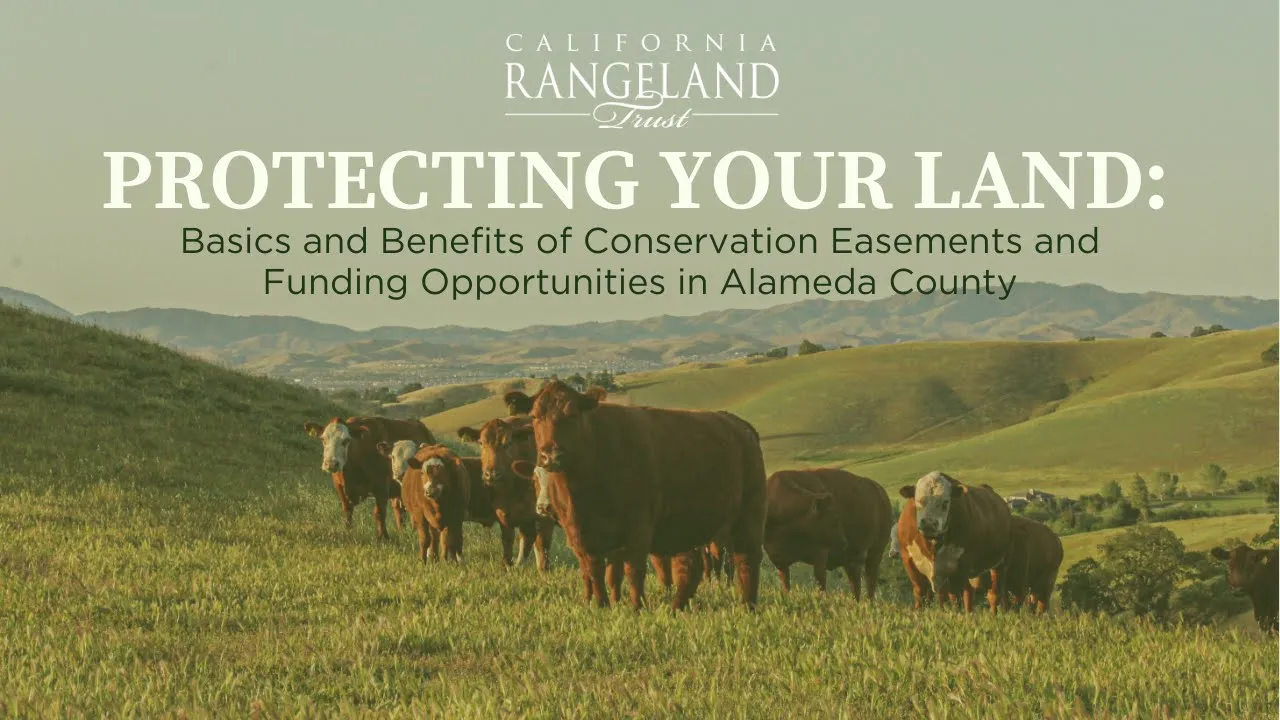













Wildlife corridors are essential for biodiversity conservation, and state-level legislation provides a critical pathway for protecting wildlife migration routes when federal legislation faces political obstacles. Wildlands Network has developed a three-pronged strategy: scientific mapping of corridors using GIS and climate adaptation modeling, policy development through model legislation, and community engagement for implementation. New Mexico's Wildlife Corridors Act (Senate Bill 2-8), signed in March 2019, represents the first state wildlife corridor legislation in the United States, mandating collaboration between state agencies to identify and protect wildlife corridors. This state-level approach has gained bipartisan support across multiple states including Oregon, Virginia, Pennsylvania, and New Hampshire, with the Wildlife Corridors Conservation Act now being reintroduced in Congress with over 220 conservation groups as co-sponsors.
Wildlife Corridor Laws by State: Legal Strategies Overview
Added:hi everybody i'm tracey butcher the director of outreach in Cocoa Florida for wildlands Network I've been with the organization for over 12 years as a lead in fundraising efforts and outreach before my career with wildlands Network I was the development director of the Varden Africa as a biologist and then a community-based safari operator this is one of the best turnouts we've had for our webinar series so we're very very pleased to have you all here with us today and what I'd like to thank you for taking time out of your busy schedules as we talk about building wildlife corridor state-by-state I'm going to first introduce our panelists for today and then we will hand it everything over Greg Costello is our executive director and he provides the strategic direction for wild lands networks programs and management he's also lends his expertise as an environmental attorney to our connectivity policy coalition which was initiated by wild lands network in 2008 Greg has spent 16 years sorry in varmint Allah before beginning his decade-long stint as executive director of the Western Environmental Law Center in Eugene Oregon seeking a broader geographical focus and more inclusive approach to conservation Gregg joined wildlands network in 2013 and lives on on Bainbridge Island with his wife Cindy and his two cocker spaniels next in line will be Phil Carter Bill Carter is our wildlife policy coordinator for the southwest region of the United States and he coordinates policy reform and public engagement for wildlife conservation and habitat connectivity within New Mexico and the southwestern region few partnerships with state federal and tribal policymakers and stakeholder groups he works to advance wildlife habitat conservation initiatives at the state level those engaged in twin interests of environmentalism politics and advocating for wilderness and Mexican wolves in his free time Phil engages and hands-on habitat restoration work he with groups including Albuquerque Wildlife Federation and Phil lives in Santa Fe New Mexico with his wife Christina after Phil we will introduce you to Susan Holmes who is our policy director and has long been passionate about protecting wild lands and wildlife Susan combines a love of advocacy with expertise in media government and the workings of Capitol Hill for wild lands network she leads a coalition of national organizations whose stewarding National Corridor legislation and she has been a driving force in the national wildlife conservation corridors Act which is being reintroduced tomorrow to the house with bipartisan support the bill addresses protections for native species and their habitats incorporates wildlife connectivity into federal climate strategies and mitigates wildlife vehicle collisions she's also been involved with state corridor legislation in New Hampshire Virginia and Pennsylvania Susan lives in Washington DC with her husband who is also a felt fellow environmentalists and her resume includes a decade-long stint as senior legislative representatives birth justice and save our wild salmon coalition after the presentation we will have an opportunity for people to ask questions so you can type them into the questions call box on your screen and we will answer them in the order that we receive them throughout the presentation if there's time at the end we might be able to open it up a little bit for discussion but for without further ado I think that's great for introductions again thank you very very much for joining us today we appreciate it and I will hand over announce you Greg Costello our executive director thanks Tracy and good morning everyone at the week we have over 70 people on our webinar today so that is great news I'm going to cover an overview of our strategies and how the state corridor and work fits into those strategies and then I will also mention a little bit of our work in the Pacific Northwest in Oregon and Washington and then I'll turn it over to Phil and Susan to talk about New Mexico other states in the federal bill so to start our mission is to reconnect restore and rewilding orth America our goal is to nothing less than to save 90 percent of the existing biodiversity on the continent which you know if you're familiar with for instance the most recent IUCN report from a couple days ago of over a million species at risk that is no small task that were engaged in since 1991 we've focused that strategy in part on wildlife connectivity and and wildlife corridors connecting core habitats so where we start our strategy has three basic prongs one science we need to know where where these corridors are where are animals moving where are they today where are they going to move in five years or ten years or 50 years and with climate change that makes that analysis a bit tricky but once we know where we want to protect then we have to figure out the how if it's private lands do you buy it if it's state or federal lands how do we appropriately manage it and that's the bucket where the state legislative and natural national legislative strategies come into play and then the third bucket is all right once you have once you know where you need to work once you have the tools to protect or restore something then you've got to get down to the ground level and actually you know work with communities work with stakeholders and ensure that those paper protections are actually enacted on the ground so those are our three strategies that we use to approach all of this and before we get into the state legislative strategy I want to spend just a couple minutes on on the science to share with you how we try to figure out where these corridors are that we want to want to so and it's gonna very quickly run through our analysis for the Eastern wild way to give you an idea of what we're talking about when we say we're science-based hi can I just interrupt you for a second oh there you are okay never mind thank you okay you want to go ahead and share my screen Tracey that's what I was gonna say you you actually do have to share your own screen but I am seeing it so I think you're good okay all right so hopefully what everyone is seeing now is it's a shot of our map of the Eastern Wilde way that we've done dark green our core areas lighter green our connective corridors between those core areas and this map isn't something that we just sort of you know drew out of our minds eye and it has a lot of history back in the 90s when one of our founders Reno's you know it's very instrumental in mapping Florida for instance using a lot of basic naturalist approaches but we've become more sophisticated over the years with GIS tools and other mapping tools and we've gradually refined our effort and started incorporating more and more types of mapping so for instance Mark Anderson at the Nature Conservancy has now done resiliency analysis across the United States we've marked Club worked closely with mark in incorporating his data we've worked with the the southeast climate action center and their data we've worked with the large landscape collaboratives we've worked with other scientists looking at identifying corridors between wilderness areas other climate connectivity analyses and then our own work which has looked both at climate adaptation throughout the south one of our colleagues or in a large collective sense Naqada looking at connectivity across the southeast we've gradually refined all of this we've looked at satellite imagery to help refine it we've talked to partners to help ground truth it and establish where cores are where corridors we've gradually refined this into a tool and a map that looks like this and the broad scale but which you can also scroll into and use and a much finer scale so for instance land Trust's can work with our maps and go down I think to about a at least the county level if not smaller in terms of analyzing habitat to protect as corridors we're working with the Appalachian Trail Conservancy which wants to expand the trail in order to widen it for wildlife so they're looking at new acquisition strategies are biological and habitat analysis is assisting them in targeting areas along the trail and of course with Road ecology we can see where major roads are crossing important wildlife habitat and help guide work with d-o-t so that's the type of work we're talking about when we say science-based this is a early map of the Pacific Northwest in the wild way this is an amalgam of existing climate adaptation modeling it's very much a work in progress with more layers such as land ownership species movement patterns to be included but in essence you know we use cutting-edge science to figure out where where we need to work so that is our basic science approach now once we know where then we have to figure out you know what are the tools and for me as a lawyer that I have I have a predilection towards you know legislative tools laws regulations so on federal lands we have existing regulations in the National Forest Management Act requiring the Forest Service to plan for connectivity both within a national forest and honest bound if you're looking at private lands of course you have land trusts that can acquire easements acquire land to protect wildlife but there's a lot of land and that's left out state lands private lands and so you know we've worked if you're out you know how do we how do we improve protections for those lands those habitats as well as the whole federal corpus it's not you know the national forests don't cover the whole the whole landscape of federal holdings and they're not really all that enforceable so we started working way back with colleagues Rob amen Gary Tabor and the Center for large landscape conservation other members of our connectivity policy coalition discussions started back when representative rush Holt was in Congress about the possibility of a federal bill and you know folks work to craft a bill and never really went anywhere discussions died off until around 2016 when new newly elected congressman Beier in in district Northern Virginia became interested in pursuing a federal bill and Susan will fill you in on those details about that same time though we started working with Ruth Musgrave at the National Caucus of environmental legislators who asked us to present at a national forum Gary Taber had person in there earlier but essentially inform interest in state legislators about wildlife connectivity and why it was important how it protected biodiversity and why we need to protect wildlife corridors in 2016 November after the election I became quite pessimistic about our possibilities of actually seeing the buyer bill come to fruition in the next four years and so we started looking more closely at other strategies and states were an obvious one because States had shown leadership on this issue before in 20 or excuse me in 2008 the Western Governors Association a wildlife corridor initiative which really started the ball rolling with western states and looking at habitat connectivity at a statewide level some years later a New England governors association also started looking at wildlife corridor so between that and a growing interest identified by Ruth and her caucus of environmental legislators we started decided to start a state wildlife corridor bill campaign and we started by thinking about where are the Willing states where are the legislators that are expressing interest to Ruth and passing a bill and let's just start there and what didn't take us too long though to realize a number of our important colleagues were having similar ideas so Center for large landscape conservation endangered species coalition and of course course Ruth at the National Caucus environment legislators we all came together to form a small fairly informal working group to push this idea forward and in a very short time this these discussions started really in late 2017 and we really started putting in the effort in early 2018 and it's been a fairly remarkable year in terms of progress as Phil will tell you there's been a bill passed in New Mexico yesterday was a Senate hearing on a bill and Oregon that's already passed out of the House bill was introduced in Virginia and stalled out in committee other states are looking at bill stasek Pennsylvania New Hampshire has now passed to corridor bills first a studdy bill or at least excuse me they passed wanna study bill a few years ago and looking on another bill so interest has exploded really across the country in getting States involved in corridor legislation and protecting wildlife corridors here at wildlands Network our contribution to that effort has been in addition to science very much focused on the law and policy we had to law students as intern summer who drafted model state legislation they also drafted state specific bills for New Mexico Oregon Washington and Virginia and those drafts form the basis of the initial drafting of bills by those state legislators so we are continuing down that path we hope to have capacity this year to actually drill down even further and start looking at county and city ordinances open space regulations because as wildlife don't recognize any type of land ownership boundaries we need to ensure that there are protections in place really at every nested level of government across the landscape so that's the basic strategy that we've moved forward in the past couple of years and we will continue to push forward with that I'm going to turn it over to Phil well excuse me no I'm not I turn over to Phil just yet let me just share with you what we are doing in Oregon let me get to the right screen so here's the oregon bill I apologize obviously it's too small to read but a quick summary the Oregon bill has been modified from our original draft but it essentially would require the Oregon Department of Fish and Wildlife to analyze and using best available science and data to come up with a plan for wildlife connectivity across the state and it would provide guidance to other agencies that would look at species of concern and there are at risk it would look at fragmentation it will examine known migration patterns and corridors look at climate change how that's going to impact species movemen identify human barriers like roads and look at other ways to you know Caddo Catalog existing wildlife corridors find areas of high priority for connectivity and protection and work with and transportation to look at reducing wildlife vehicle collisions and we're happy to say that even without this bill the Oregon Department of Fish and Wildlife is well on their way through its own habitat connectivity program at doing a lot of what's really called out for in this plan so we hope that this bill will pass and and give some extra tools to the department and other agencies in Oregon to move this forward so that's a bill that we've offered testimony on along with many of our partners and the state representatives and state senators feel that it has a very good chance of getting out of the Senate and then it would go to Governor Browns desk and hopefully for signature relatively soon so that was a this has potentially a great success in Oregon in Washington we have state senators who are very interested in running a corridors bill but this year the the docket was overwhelmed by protections for orca and clean energy matters and getting a corridors bill just didn't rise to a high enough level in the priority list for 2019 but we have plans to come back in 2020 and take another run at that and these state senators are interested not only in our wild places but they're also interested in perhaps looking at our our land use laws our growth Management Act to see how we provide for wildlife through more urban and suburban and working landscapes so there's hope on the horizon in Washington there's hope in California there are some existing statutes on the book in books in California and we have state legislators who are interested in expanding those what broader more inclusive strategy so that's what's going on in Pacific Northwest and now I will turn it over to Phil to talk about New Mexico and hopefully at the end of a time for any questions that you may have thank you Greg I'm gonna go ahead and change it over now for Phil everyone and thank you Greg and Thank You Tracy and also thanks to everybody who's joining us today my name is Phil Carter I am the wildlife policy coordinator for New Mexico and the southwest and I'm here today to talk a little bit about the New Mexico wildlife corridors Act let me get it up on my screen here wildlife corridors Act was run in this year's state legislative session you see a copy of the official chartered edition of the passed legislation with the title New Mexico wildlife corridors Act and Senate bill two to eight listed there at the bottom we're very proud of this legislation and how we all came together to really pass a strong forward-thinking piece of policy to affect what habitat connectivity and wildlife migration in New Mexico which is the fifth largest state in the Union and so hopefully this webinar will be kind of an opportunity to kind of share the New Mexico experience with wildlife corridors Act passage and possibly even serve as a model to other states in the country who might be interested in doing this and so the bill was signed into law by governor Lujan Grisham on March 28th and it is really the first kind of legislation first legislation of its kind rather in the United States for reasons I will get into in the next slide here and this is what the new law mandates Senate bill two to eight directs the New Mexico Department of Transportation and New Mexico Department of Game and Fish to collaborate and identifying and protecting wildlife corridors and so it's a very specific piece of legislation dedicated to the the habitats that that enables wildlife manage my Gration and also identifies the barriers including roadways fencing walls other issues impacting wildlife migration so it outlines specific proposals including the creation of a state wildlife corridors action plan that includes identification of existing highways and other human-caused barriers impacting animal migration it also directs the agencies involved to gather information about habitats and movement needs of species of concern and so it basically mandates the experts at these two agencies New Mexico Department of Transportation New Mexico Game and Fish Department's are very well-funded agencies they have a high level of staff that really study these issues day in and day out and and there's a lot of existing data but a lot of opportunities to really improve information regarding animal migration and corridors and also the corridors action plan includes maps to identify existing species of concern existing wildlife crossings and areas requiring a further research and monitoring so it all exists what is already out there as far as species of concern and wildlife crossings but also kind of breaks down the door to you know identify areas where further research and monitoring is necessary and lastly there's publication of a state wildlife corridors project list that the agencies will be reporting to this stage in governor's office as part of the law mandate and so you can view the full legislation of this bill Senate bill to to age at the New Mexico Secretary of State's website there's the website listed below we'll also have my email address at the end of the presentation you can contact me if you'd like to receive a copy of the the new law and so we kind of since in 2018 had a legislative pregame going to in order to implement this legislation at the in the state round house and that included compilation existing information on state and federal quarters initiatives including the Western Governors Association initiative for wildlife corridors that was passed by all Western Governors Association states in 2007 and as Greg mentioned in his presentation we had a couple of legal interns who worked hard on getting the model legislation drafted as for us so that was invaluable to our efforts here in New Mexico we also put together a coalition a coalition of coordinated partner groups and citizen activists for advocacy I need to shout out defenders of wildlife as part of this initiative before I came on with wild lands network they were really a large mover and shaker in getting this bill drafted and getting all the coalition partner groups and other agency partners together and the illicit of the bill's sponsor senator meanie Stewart you'll see a photo of her there senator Stewart has had a long history of involvement in this issue she ran some memorials as a member of the New Mexico House and also as the member of the Senate to study impacts of wildlife migration particularly in the Tijeras Canyon east of Albuquerque where interstate 40 goes and it also kind of cuts off the Sandia and Manzano ranges the mountain ranges there and so this is a very important area for wildlife migration and it was also a very forward-thinking initiative the safe passage coalition project for that and so and me me Stewart was a valued partner in that and running those memorials we worked closely with agency staff from the very beginning on with preliminary and follow-up meetings so Department of Transportation and Department of Game and Fish staff we made sure that they were at the table in all of the creation of the legislation and making sure that they were you know valued partners throughout because there's a lot of expertise there within those two agencies drafting the legislation and coordination with Legislative Analyst's you know for reasons I'll get to in the next slide the coordination with Legislative Analyst's is a very important aspect of the creation of the drafting and creation of legislation and lastly the pre filing of the bill in the state legislature before it began so just a little bit of background on the state legislature in the for the 2019 session the New Mexico State Legislature convened from mid-january to mid-march and New Mexico is the only unpaid citizen legislature in the United States meaning all of the members there are not professional legislators they either have day jobs or are retired and so it means that they're very I'm sorry for somebody talking I'm sorry okay no problem so the an unpaid citizen legislature means that the legislators particularly bill sponsors are very dependent on Legislative Analyst's to do the research and drafting of the bills and also the Advocate organizations including wildlands Network - to really help direct the passage of the bill and to make sure the intent of the bill is preserved listed below is the breakdown of the House and Senate in by Democrat and Republican parties in New Mexico you'll see we have strong Democratic majorities in both chambers of the state legislature and also importantly in 2018 governor michelle lujan-grisham who as a Democrat was elected and so she marked first time in eight years that we have had a Democrat governor in New Mexico and coming off of eight years of a Republican administration that frequently vetoed legislation passed by the Democratic majority this meant that the 2019 legislative session was a very frenzied session of everybody trying to get legislation through that had previously been vetoed or wasn't even run because of the threat of veto and so it made for a very intense secession but also a very exciting one to get legislation passed such as ours you'll see a photo of the state roundhouse you have a beautiful Capitol here in New Mexico process of passing legislation and you'll see on the Rights there those are our two house sponsors who worked with Senator Stewart in the passage when it's n ibill 2 to 8 when it went over to the house chamber our legislative team included a coalition of supporters including environmental groups sportsman and Outfitters tribal nations and insurance companies also were enlisted because of the issue of vehicle collisions because of road barriers in there and so all of these groups were valued partners we were pleased to have some non-traditional partners like business and like sportsman and Outfitters on this legislation and we also relied closely on on-call testimony from environmental organizational experts and the agency experts were also key as as I mentioned we an engaged Department of Transportation and Department of Game and Fish in the process of passing the legislation very early on and continued to have them and having agency experts agency staff person experts from the these organizations was key including even the appointed Secretary of the Department of Transportation came out to testify for our bill so this really show made for a strong showing of support and helped us line up some bipartisan support on that the bill was assigned to four committees overall between the two chambers that's pretty typical for a bill of this sort and it passed relatively smoothly I will get to the concerns that were raised on the legislation on the next slide ultimately the bill passed the Senate and then the house with just a few days to go in the legislative session and was passed by concurrence with the Senate owing to some amendments that were made along the way the concerns raised during the legislative process you know any bill is going to have its you know uh concerned parties and even detractors and our bill was no different on the issue of the budget there was of course always a question of where is the money for studying and outlining this state wildlife corridors action plan where is that going to come from and original intent was to fund a mandate using a game protection fund however that was resolved with a strong showing of support from the Department of Transportation who the secretary and the governor's office decided to outline a half million dollars from the d-o-t budget and so that was a great relief that we had we didn't have to work with the legislature who is tasked with you know allocating funds to unfunded projects and legislation and so the fact that we already had that was was a huge step in getting this bill passed there was also concern over the issue of tribal consultation the bill as originally drafted mandated consultation with tribal parties including the tribal nations of New Mexico these this particular provision within the bill had its opponents based on the the notion that you can't really legislate consultation with tribal parties there's no legal definition of that in their opinion and so there was a bit of back-and-forth but ultimately we were able to put the mandate for tribal consultation in there also an issue of private landowner rights people concerned that the identification of wildlife corridors could mean government oversight of private lands these concerns were mostly unfounded because you know this is not a this is not designed to create wildlife corridors really to identify existing animal migration and work on best solutions to enhance animal migration through corridors and so that however was a concern raised frequently during the process there was also a concern of Department of Transportation responsiveness to rural areas as far road conditions and all of that why is money in there in some people's minds being used to promote wildlife conservation when that could be used to be fixing roads again this was kind of missing the point of the legislation but it was an issue that needed addressing as part of the process and lastly livestock grower concerns and general antipathy to wildlife conservation you'll find it anywhere it's the livestock growers concerns were as far as the ability for grazing of cattle and sheep to be able to use crossings as well as not impede their ability to graze this was you know handled very well by Department of Game and Fish representatives for advocates and representatives for the legislation and ultimately we were able to successfully swage people's concerns on this and all of the things listed so outcomes the next steps for the legislation we have you know ever since the signing of the bill by the governor on March 28th we've been celebrating this legislative victory getting it in the story into US state media outlets including the state NPR station national public radio station as well as various political outlets across the state we on in mid-april we had a celebratory and informational gathering for sponsors and advocates to kind of get together you know reflect on what went well what didn't go well and you know and really get put our heads together for next steps on the what we want to see as our vision for this legislation coming up next steps coordination with agency personnel to facilitate implementation of this bill it's you know you can the legislature can tell an agency what to do all day long and they but you know you really got to work with the people on the ground in these agencies to facilitate the direction of the bill including communication with agency officials like I said we've had a close working relationship with the secretaries the appointed secretaries of the Game and Fish Department and the Department of Transportation and just continuing our communication with those officials to maintain direction and enthusiasm is key and educational opportunities such as the one you're participating in now this new mexico model to achieve similar results and so hopefully we will have time for to address people's questions at the end that's all for my presentation and so I will go ahead and turn it over to Susan thank you very much oh there we are okay great I'm just gonna share my screen standby with everyone and everyone hey Susan we've we can see your screen wonderful excellent okay I'm just gonna start this off I apologize there we go all right I think I've figured out the technical issues hi everyone thank you so much for joining us today and thanks to Phil and Greg for the background and the information about the state wildlife Carter bells my name is Susan Holmes I'm the federal policy director from the wildlands Network and I want to take you through a little bit more about some of the states but I want to start off with the wildlife corridors conservation act which is getting introduced tomorrow so you we are here on the eve of its introduction and I'm so excited to have you all on this call to talk about this and engage you in what I think is going to be an exciting ride for this legislation that starts starts tomorrow so with that I will I will move forward so starting with the wildlife corridors conservation act I wanted to refresh your memories I think about a week ago or few weeks ago we have this harrowing United Nations report on biodiversity 1 million species at risk of extinction and this this report is truly a wake-up call to to the world so many of you on the call are already engaged in this issue and know a lot of these facts but I think this provides us with an amazing opportunity to engage in a conversation about protecting biodiversity at the scale that it needs to be protected and specifically in that report there were a number of recommendations that are relevant to protecting wildlife corridors they do talk about protecting a network of protected areas for biodiversity particularly in the face of climate change and the role of national governments in supporting conservation at a landscape and seascape level and finally protecting networks of interconnected protected areas and these are exactly the kinds of things that we are doing at the wildlands network but in particular are manifest in the wildlife corridors conservation act so what wildlife quarters legislation is the time is very ripe for this you know we're seeing this as Phil and Greg were saying around the country this year 12 States pursued wildlife corridor legislation and New Mexico has passed a bill which is fantastic there are a number of states as Greg and others have said Oregon and Pennsylvania also are still waiting and New Hampshire are still finding more about them as we go but this this number of wildlife corridor bells at the state level we're seeing really I think is an addictive of a trend that people want to see proactive hopeful inspirational solutions to what are these incredibly overwhelming challenges that we face in terms of protecting biodiversity and we're seeing a growing bipartisan support for wildlife corridors around the country and it will talk a little bit I'll talk about a little bit about that in this slide I think one of the things that we were surprised to see in the beginning of the Trump administration is an interest in wildlife corridors from from that quarter in fact while secretary while secretary I think he was still there they passed a secretarial order Secretary order three three six two to improve habitat quality in western and big-game winter and summer range and migration quarters and this has been a very ambitious effort on the part of the Trump administration and one of the few things that we can Harrell that they've done that's pretty good it is being carried forward by secretary Bernhard and you can see in this picture this is actually a picture of in Department of Interior in their internal offices here in Washington DC and because it was such a priority Secretary's think he wanted to remind the staff that they need to work on this so you'll see that this little sign that says migration corridor over each door and I think just the sort of breadth and depth of interest in this issue is extraordinary we in addition to the number of states that are interested in this we've seen the western god Association take this up as a priority issue in 2007 and more recently the conference of New England governor's and eastern Canadian premiers in 2016 passed a resolution which they are implementing and exciting ways in New England to protect wildlife corridors and ecological connectivity so a lot going on around the country and I wanted to bring it a little bit back to Washington DC to the infrastructure there's a lot of talk about the infrastructure package and the infrastructure bill but in DC Senate and the house are each grappling with their own ways of approaching the infrastructure bill one of the ways that the Senate is looking to do that is to the Surface Transportation Act reauthorization and here you can see a picture of while crossing one of the many wildlife crossings in Canada this one is in Vance but um we are very excited about the prospect and it's looking I think they're very good for bipartisan support in the Surface Transportation Act for wildlife corridors and crossings specifically for crossings so the hope is that we'll be able to get funding through that federal mechanism as well so again an exciting opportunity and I think of potential bipartisan support from wildlife corridor policy which brings me to the wildlife Cardos Conservation Act and ice as I said we're on the eve of his introduction we are so excited that this bill is being reintroduced it's being reintroduced in the House by congressman Boehner and in the Senate by Senator Udall and I would have to say the wildlife corridors conservation act it's really one of the most exciting and I think ambitious recent bills to be introduced into Congress to protect wildlife and indeed it's really a 21st century solution to the vexing problem of protecting biodiversity as Greg said this bill is grounded in the science this this bill grew out of the science that has happened over the last 20 years and is really really a bill that is designed to address the problem of biodiversity loss at the scale that it needs to be addressed and we couldn't be more excited about its introduction just very briefly the bill I'll start with this slide actually will go with this like this some this just gives you a little bit of a visual of our champions in the house in the Senate we have senator Udall in the center there senator from New Mexico representative fire from Northern Virginia and then we have the eminent biologist yo dr. Jia Wilson there on stage this was two years ago when we first entered the first introduced the bill in Congress and dr. Wilson came and participated in a panel discussion where over 450 people attended at the US Capitol so just sort of that pent-up desire for proactive positive policy solutions to protecting biodiversity was so evident and and we were so grateful for dr. Leo Wilson's support and continued support for the legislation so here are the highlights of the wildlife corridors conservation act and essentially it does five main things it provides the designation of wildlife corridors on federal public land either by nomination by States or agency action or congressional acts so it you can designate wildlife corridors on federal public lands so this would be Forest Service land BLM land DoD land is covered by this it also covers marine areas and and waters so those would those Carter's would be federally designated and they would be part of a federal system of Wildlife quarters that's the first main component of the bill the second component is that it creates a 50 million dollar a year annual grant program for states and tribes to protect private lands or have to protect their lands or private land owners to protect their lands excuse me and to protect wildlife cortos so this is really a bottom-up approach the the monies would go to the priorities that are defined by the states and the tribes and the private landowners and it although the money is managed by federal government the priorities are set set by the states and these these corners would not be designated but it would be for the state programs the states to use as they see fit finally it's secondly you're really it provides funds for tribes to protect wildlife corridors um that support federal corridor efforts so this the this new piece in the bills tribal component is very very exciting and it recognizes the work that tribes have already been doing on their lands many tribes have been protecting wildlife corridors and many of those wildlife corridors could or would link up to potential federal wildlife quarters so this provision provides funds for that and incentives for tribes to protect their own wildlife corridors it very importantly requires coordination obviously when you have federal and state lands and private lands there's going to need to be a great deal of coordination between these various different entities in order to protect wildlife corridors and so there's a lot of coordination and consultation within the bill so that states and NGOs and local governments and tribes are very much engaged both with the federal wildlife corridor designation as well as with the state wildlife corridor designation and finally it establishes national native species database that would be a place to compile data and it would be widely shared with States ads etc private landowners its tribes and the like so that would be the science again that Greg mentioned that undergirds all of this that would really be the place where that is housed and that would again be managed by the federal government on behalf of the people who are protecting wildlife corridors or want to protect wildlife quarters um and so we already do have one wildlife Carter designated federally designated and this is you a picture a little bit of the model that we're thinking about would probably be one of the most likely models of while that Carter to be protected under the wildlife Carter's Conservation Act and here you can see the path of the pronghorn this is the longest terrestrial migration in the lower 48 in Wyoming and this was an area that we didn't know a lot about until relatively recently but these pronghorn make an arduous migration between their summer and winter ranges but that migration is threatened with development so it was a lot of mapping and science came to play and then in in Wyoming the local and federal government came together to modify and amend the forest plan so that it designated this wildlife corridor to protect the pronghorn and that has been a real success with strong support from the state of Wyoming as well as local landowners and the federal government so the wildlife quarters conservation act is getting introduced tomorrow with the support of over 220 groups we're really excited about that it includes a lot of conservation groups who you know including National Wildlife Federation defenders of wildlife National Parks Conservation Association endangered species coalition and a lot of local organizations also I'm hunting and sporting groups and land trust organizations like the open space Institute so it's a broad coalition and a very exciting group of folks as I said before dr. EO Wilson has our scientific champion he has this extraordinary quote which I will read because it is so great and it's the wildlife corridors Conservation Act would provide the most important step at the present time and enlarging the nation's protected areas and saving America's wildlife and other ala and flora so we can't thank him enough for this support and very briefly um we do have some exciting plans for the Wildlife Conservation Act moving forward the bill is going to be introduced as I said tomorrow we are hoping very strong visibility campaign right now we have a number of co-sponsors and we're hoping for more in Senate but they include three of the presidential candidates senators Booker Harris and Sanders as well as senators Blumenthal widen and Merkley and then in the house we are going to continue with bipartisan efforts so we're going to really work on seeing if we can continue or find a Republican to sponsor this and we're hopeful that that will happen let me turn a little bit to briefly to the states that I have been working with and again in the East we're seeing a lot of excitement about wildlife corridor bills New Hampshire found passed its first bill in 2017 which was a steady bill they have a new bill this year that would implement a study and it seems to be doing quite well it's passed through the Senate and will be heard in the House Transportation Committee next week and it really is a bill about taking the recommendations of the study and finding ways to raise wildlife quarter protection as a priority in transportation in trails and parks and in a whole suite of platforms across New Hampshire in Virginia I worked very closely with that bill and here you can see our partner organization there Virginia wild we were so lucky to work with over 30 conservation groups in Virginia to build a coalition that is very invested in this legislation and excited about it the bill would have also created a study as well as a plan for a wildlife corridor protection unfortunately the bill was considered in a shortened session of the Virginia legislature this year it did not it did not make it through committee but we are very excited about its prospects for next year we've already starts plan for that and are talking to potential Republican co-sponsors and believe that we can make this bipartisan bill and have it passed in 2020 and finally in Pennsylvania the bill was just introduced last week and so we are very we think it's got very strong prospects this bill again is a steady bill it's very similar to the first new hampshire bill it would study wildlife quarters and the needs of wildlife in and connectivity in pennsylvania the bill was introduced last week with 23 co-sponsors and i think maybe one of the things that's most exciting about this is the number of hunter and angler organizations that have gotten involved backcountry hunters and anglers the pennsylvania confederation our federation of sportsmen and conservationists and the teddy roosevelt conservation partnerships ERCP are all actively working on the spill and towards its passage so we're hoping for bipartisan support there and I think it the bill has good prospects and finally I'll just say briefly what you guys can all do to support wildlife Carter's legislation we would love you to amplify this bill on social media this week the the wildlife corridors Conservation Act when it gets introduced tomorrow we were hope we hope that you can ask your member of Congress and Senators to support the wildlife Carter's conservation act we are eager to have this issue of wildlife corridors raised in the context of the presidential discussions and with presidential candidates so we would urge you just to ask your candidates who you meet with to to pay attention to wildlife Carter's and to support state wildlife corridor bills as well or ask your local representatives to introduce wildlife corridor bills so with that I will turn it over to Tracy hi everybody okay well thank you Greg fill in Susan this is a great presentation and this policy work is very inspiring and very important and I remember years ago when I first joined modeling's Network sitting around a campfire talking about how we needed some kind of federal legislation for corridors and state legislation and how great that would be in 12 years later here we are so I'm really really proud to be a very very small part of this wonderful team and this coalition of partners doing great things it's very inspiring for me I'd also like to thank again all of our friends colleagues supporters and partners who are working with wildlands network on this important legislation and to the federal and state elected officials who are supporting and championing our work give me one second here okay last but not least I would like to thank all of you one last time for taking the time to join us today and to all of the donors bringing their passion and resources to our lands network remember if you would like to get involved ask your member of Congress to support the wildlife corridors conservation act you can support state wildlife corridor bills or ask your local representatives to introduce a wildlife corridor bill and donate pushing through corridor legislation is very exciting but it does require huge resources we will need significant support or public education and to expand national and state campaigns you will receive a follow-up email from us with a recording of this webinar should you like to review it or share it with your friends and colleagues anyone who might want to learn more about our exciting policy work and the efforts that our partners and collaborators are doing and with them I think we will go to questions and we will see if there are any questions for our panelists you answer I'm going to let's see here is I'm going to have to there we go okay we have quite a few questions see these are just some great comments people interested in Western policy here's one from one of our donors I'm interested in the Western Great Lakes as a bio region across Michigan Wisconsin Minnesota what is unique here is native to get rights that in essence extend a right across the current gray wolf I'd like to connect with you to discuss this region okay so I will pass that along to the right person Robert and let's go we have a question are you finding opposition to the idea of wildlife corridors from abettors who are worried about possible human wildlife conference Asians and who would like to take that question right well I can I haven't seen that question come up in the context of our life corridor work but I can't tell you in Washington State right now there's a there's talk about reintroducing grizzly bears to the North Cascades region of this state and that is causing some concern in the recreational community who you know are frankly scared of running into a bear when they're hiking or otherwise traveling you know through national forest or wilderness areas that have been bear free and relatively large predator free for close to a hundred years so that issue is coming up I haven't seen it in terms of any sort of organized opposition to the idea of reestablishing wildlife corridors but that certainly is a fear and it really speaks to the need for greater education and work on coexistence with large carnivores which is another important aspect of our work that is sort of the other companion prong to while corridors is the restoration of large car bores into ecosystems to improve their functionality and resilience though that class of animal is fairly can be fairly said to be the most persecuted in North America and probably around the world and the most often removed from ecosystems and it's because of the human interaction and there of okay thanks Greg this is a question from another donor fulfil was the Mexican wolf program a problem as part of the wildlife corridors Act passage note beyond just as I mentioned kind of a general antipathy among some people to wildlife conservation it came up a few times but no I think as this bill was largely framed as a combination of conservation and public safety initiative people were generally more concerned about animals such as elk deer pronghorn that are typically collided with by vehicles and so Mexican wolves you know certainly were on the front of our minds of among all the advocates working on this to ensure that that their migration was kept with a level of integrity and that vehicle collisions were minimized with the animals Thank You Phil I'm using another question for you [Music] this person's left the conference but she can listen to it on tape he said there are several overlaps between the wildlife corridors acts direct action plan and state wildlife action plan where were these similarities discussed with New Mexico Game and Fish during the legislative process yes I am certain they were I unfortunately I did not start until the legislate with wildlands Network until the legislative process was already pretty along its way the legislative session had already started so I can't speak to specifics unfortunately about the overlap between this the state wildlife plan and the wildlife corridors action plan I'm sure going forward that these two initiatives are going to have strong overlap by our partners in the Department of Game and Fish thank you I've lost my pleasure and there's a very long question here so let me just get to that I was just gonna say well you look at that we had to received an earlier question before the webinar that I was going to address while you look for that we were asked what advice or tools we would have for a group consisting of municipal Conservation Commission's regional planning commission a representative from state Fish and Wildlife Department and nonprofit organizations with missions specifically involving the local environment and land stewardship that is beginning to work together to establish local wildlife corridors that connect to larger forest blocks which are part of the Northeast u.s. corridor and this is a great question because it really gets to the next step of the processes and the smaller local place based collaborative czar groups that you know are being established across the country and that we've been part of some and in terms of advice I would say again we you need to know you know the landscapes that you're wanting to protect and why that's scientifically valid and then it's a question of what tools do you have to protect those corridors and you know that may be local ordinances and may be state legislation it may be federal but what's really important is that for any of these solutions to really endure for them to really take hold you've got to have local support and local buy-in for those corridors because laws are only as effective as they're followed and much better to have voluntary efforts and compliance with laws and have to rely on top-down enforcement so the fact that and I'm what the person asking this question already has a collaborative group with a variety of stakeholders is probably the most important first step and then how you all work together really is going to depend on your landscape the politics is that a lot of private land easements is it state and federal land and you need to work those land managers and it's really you have to use all of your tools in the box and there are groups that are available to help you know we can help if we have capacity center for large landscape conservation has been the primary author of a large toolkit for legislators to look at ways to protect corridors our roadie called-- experts who have experience working with departments of transportation in the New England states where you have so many private lands and so many roads the road density you know if New England as compared to the middle of Wyoming is very different but that also means you have a lot of culverts under you know and and small stream crossings those call routes can be repaired and used for a wildlife crossing there's a whole variety of ways you can work with the local stakeholders and really bring that local knowledge to bear and getting the whole community bought in and celebrating you know the idea that you're protecting your wildlife they're in your backyard it's what's really gonna make wildlife corridors endure for the long term okay thanks big here's a question here it's more of a comment it's a we need to be careful that our efforts to divine define corridors are not used to allow development in the rest of the federal lands not designated for instance oil and gas development in all areas outside of corridors so does anybody want to speak to that I think that's a great observation and that's you even with the science of mapping we need to be careful that our destination of corridors doesn't become so fine that people then use that as an excuse to do extractive industry measures or development outside of it and of course for a really resilient landscape we need redundancy if you think have a you know upgraded stream with all of the various you know paths that have channels through we really need that redundancy because as much as we plan wildlife always surprise us we may think we know where these animals are going to move and then of course best laid plans they go exactly where we didn't think they were going to go so we need to have that resilience and the sad part is though right now that you know use of oil and gas lease for instance release in oil and gas leases in the path of the pronghorn as we speak this administration is opening up those lands to further oil and gas development even though it's a designated corridor so you know there's an instance where our federal designation isn't just holding it up enough it doesn't have enough power to hold back an administration intent on you know extracting energy all energy everywhere at all costs so whether it's within the corridor or outside of the corridor we also read to remain village and we need all of our conservation partners working at various angles within and without while up corridors on on our public lands the next questions for Susan another donor Susan are we targeting Vermont and Maine short answer is yes senator Sanders is an original co-sponsor of the bill which is exciting and hopeful hopefully that will give us an additional platform to get this in you know as part of a presidential discussion the Maine is absolutely at the top of our target list because of senator Susan Collins Republican who has been relatively good on conservation issues we have met with their office we have approached them they have so far not moved on the bill but we haven't given up hope so some very very much Maine and and Vermont are are in gare you know we're hoping to engage them more but but in the case of Vermont they're on as a senator senators is already on excellent and you know and what was the barrier in committee in Virginia that caused it not to pass well in the early to barriers um time was a big barrier there it's a shortened session so it's very very hard to get the time to really build the support that you have and the the the you know the the problem of getting enough support in the short time frame we had was was working against us the other issue was um the funding and as Phil have mentioned that's always a flashpoint and so I think this was a session where they were not really allocating in new funds this is a not they have the alternate years one is a bunch of year and one is not and this was a non-budget year so the potential for this to have a budgetary impact was another issue in committee okay that's interesting i'm this questions from one of our very loyal and supporters he's been with us for a long time he's a monthly gunner as well and he'd like to know what is why Lynn's networks position with regard to the green new deal what impact do you anticipate the greenie deal will have on our objective I'm gonna give that to well okay so I don't think we have an official position of a green new deal but I mean I think so just to take a step back the wildlands network is about bold and visionary action and that's what the wildlife corridors conservation act is so I think in in principle we believe in that kind of visionary action well we have no position on the the green new deal I think the hope is that for example while we have wildlife corridors getting more visibility in the Senate through the wildlife corridors conservation act at the same kind of forward-thinking an energy that has ignited the public end and Capitol Hill around the green new jail will will sort of also be a part of the energy that will will infect the wildlife partners conservation act um we are talking with some of the senators who are in support of that all the presidential candidates likely better who are on the bill on Kamala Harris senator Booker and some Sanders support the the green DDL and we're certainly talking to them about wildlife corridors and putting that in there um you know as a top-line message for them when it comes to conservation so so no official position but again I think at least I would say that we're we're we're really supported by the Senators who are looking with that kind of vision and and commitment to protecting the environment right okay thank you don't add anything right well I would say you know there's obviously a lot of details missing and in the green noon deal but if you if you look at our overall objective of saving 90 percent of biodiversity if you think of EO Wilson's call to save 50 percent of the you know the Earth's surface for biodiversity purposes it's quickly apparent that you know climate change is a huge accelerant on all of the other human activities that have contributed to the fragmentation of our cat and the decline and threats to biodiversity so certainly moving acknowledging climate change as the massive threat that it is moving energy systems that start to you know reduce carbon emissions on the mitigation side and change our economy away from extractive industries is obviously you know absolutely critical in the future or biodiversity the only my only fear would be that as has often been the case with climate action as twenty years nine percent of the energy is focused on mitigating co2 and very little has focused on adaptation strategies climate change is hard right now is hitting biodiversity hard right now and the most often recommended strategy in response is wildlife corridors and connecting habitats so we need some of that energy directed at saving what we have and the impacts are happening you know right now and as long as that's part of the green New Deal and as long as the advocating for the green new deal doesn't result in another four years for the current administration all the better ok great thanks you guys the great old broads for wilderness have sent in a comment and a question which season I'm sure you can take offline they said that's finance but they did I do want to point out that they said it was and they worked with wild lands networking season in particular I'm on a five-day education and advocacy camp for um the the national bill last year and Susan continues to work closely with them and they just said it was a really it was an honor to work directly with Susan and DC to lobby for this bill we're thrilled to see the reintroduction prospect and we'll be lobbying again November 2nd through 7th with 20th with 20 of their broads she'd like to talk to you offline again Susan so I will just respond to her I'm gonna know you'll be in touch this was a great webinar thanks for the great information this question is for Phil how will this act well it's got it doesn't have any specific international components being state legislation however there's a lot of interest in Borderlands and border a recovery of wildlife migration corridors along the border that of course are under threats from the ramped up national security issues under the trump administration there is an interesting component of interstate corridor mitigation and animal migration among tribal lands and so that has a components potentially for borderlands issues and I'd be happy to talk more and put you in touch if you'd like with our borderlands expert Miles Traphagen to kind of really dive down deep into this issue if you'd like that's great and I'll make sure you get that contact information so maybe you can follow up with them thank you great Thank You Susan any corner legislation been introduced in Massachusetts not that I'm aware of but it's a great place there's a ok there's a very long one here that I'm gonna take offline after and I'll have it probably is best if many of you respond to this so I'll share it and you guys can follow up offline maybe here we're nearly to the end what information was given to ranchers and other private landowners to gain their acceptance and I'm I'm thinking probably that that that's I don't know if that's a national question or one for miles I mean oh so I'm sure okay certainly you know the we had concern as as any wildlife conservation bill does from livestock growers on this and so we worked with them to really you know ensure that they understood this wasn't an initiative to really create a new paradigm for animal conservation for a wildlife conservation as much as to really bolster existing animal migration and wildlife corridors that they've been living around for you know time to you know stretching back you know a hundreds of years in some cases in New Mexico and you know working with the agencies like Department of Transportation and Department of Fish and Wildlife they have long-standing relationships with livestock growers in the state and so we really worked to ensure alongside our agency partners that we would continue these you know collaborative efforts with livestock growers and ranchers to both you know improve habitat but also allow them to maintain their business and way of life okay I'm Greg a question for you what is the legal status of an established corridor can the administration deceive if they violate the law I don't think there are any I think the only legally established corridor right now it's probably the path of the pronghorn which is a designation and then it I do not recall what prescriptions management prescriptions are existed on the pronghorn in you know in in theory you would want a designation that would have enforceable measures on land managers that really doesn't exist as far as I know right now look at for instance the regulations under the National Forest Management Act for our national forest lands there's an obligation for forest planners to consider wildlife corridors in their forest plan revisions so for instance the Northwest forest plan is on a slow boat to revision right now and we'll be looking at advocating for the designation protection corridors there but in terms of enforcement mechanisms the best we can do for instance on national forest management plan is to sue the agency if we don't think they've done a good enough job in their environmental impact analysis or in meeting the mandates of the forest plan so the enforceability of action management action is challenging at best and it actually may have witnessed in the state bills that have been gone for moved forward so far you know they're mostly study bills come up with a plan come up with a state action plan but they're notably lacking in initial designation of anything on the ground or an enforcement mechanism to you know to push that forward as well as the funding to make that happen so you know that top-down enforcement approach just really isn't there yet on wildlife corridors and given the scale that we're talking about in the multiple jurisdictions across which these corridors will you know path aasif they are done you know effectively for wildlife that top-down enforcement is going to challenging and that's why you know we are encouraging these local place-based collaborative that really get any buy-in and support for protecting wall knife quarters now of course if if you have an enforceable easement or you're purchasing the property that gives you contractual rights well for those private properties but as it stands there really aren't enforceable federal or state requirements to protect wildlife corridors okay and then the last questions from one of our friends at the Center for large landscape I believe he's saying regarding the main wildlife corridors conservation act we appreciate the initial emphasis on federal land but few corridors can be fully functional on federal land I believe that the path of the pronghorn which you presented as the first as a classic first federal corridor passes through private and private lands if the conservation high passes will the national native species habitats and corridors database include corridors on non-federal land and if so the action call for development of consistent criteria entrance and procedure for nominating and vetting important corridors okay so a big question I think I've got it um so in terms of there are really two parts of the bill to address the issue that is very critical charters are gonna run across a matrix of federal state private tribal lands and so designation on federal lands it's not probably enough for most species so the second main component of the bill is this grant program that again is is designed to be following the state priorities but is also the hope is that these these corridors will integrate and align hopefully with the federal partners as well so in the case of the path of the program you're absolutely right there were private lands there was a lot of work done with local landowners to modify fencing into two to create that corner but those private lands on those private lands the quarter is not designated so just to make that distinction here the designation would only occur on federal public lands but there are incentives and there's funding to support order protection on non-federal lands um let's see the second part of that I think was having to do with Tracy refresh my memory sorry um he's just saying that he's talking about the quarters database so the database actually so in the database is interesting because this is one of the few areas that we were surprised to see had a lot of pushback from private landowners um I think unwarranted but concern of private landowners having their data in a federal database and so this was one of the flashpoint issues when this bill was the bill bill was widely circulated diverse group of private landowners on sportsman's groups associations of states etc to review and one of the things that came up again and again and again was the concern about private landowners having their land in a federal database so the bill currently the the the database is specific to federal lands but it you know hopefully there will be a collaboration with States and feds and tribes and all these other players through this collaborative effort so that they will accomplish the goal of that kind of integration of state federal and private lands to protect wildlife corridors only the federal piece will be designated but there'll be protections across that matrix of lands that's interesting okay thank you that that about wraps it up if I did not get to your question we will absolutely address it offline I think I did get them all though and let me just say one last time thanks everybody for coming for your support and spending some of your precious time with us today and with that I think we will end the webinar so have a great day everybody thanks panelist for all right bye then all right bye
Up Next

Photolithography: SU-8 2035 Soft Lithography Process (UC Berkeley BNC)
@calcommunitycontent
7.7K views•2014-02-18

Triumph of Orthodoxy Icon: Byzantine Art & History Explained
@BenCallan
2.1K views•2024-08-06

FastAPI vs Flask vs Django: Choosing the Right Python Web Framework
@TechWithTim
302.5K views•2024-05-26

Game of Thrones Opening Credits: A Cinematic Analysis
@gameofthrones
46.3M views•2011-04-18
Related Study Plans & Knowledge Roadmaps
Structured learning paths in General & Interdisciplinary Studies