















![Diabetic Foot Ulcer Treatment & Early Stages [Diabetic Neuropathy]](https://i.ytimg.com/vi_webp/f2iEyTXqRZc/maxresdefault.webp)





Wounds are classified by cause (acute vs chronic), healing intention (primary, secondary, tertiary), and clinical appearance (clean, contaminated, infected), with appropriate dressings selected based on wound characteristics including exudate level, tissue type, and patient comorbidities such as diabetes or poor circulation that may delay healing; nurses must assess wound size, tissue type, infection signs, and moisture levels while following infection prevention protocols and documenting according to hospital policy, escalating to specialists when infection spreads, pain increases, or healing is delayed beyond two weeks.
Wound Dressing Techniques: Australian Nursing Clinical Skills Guide
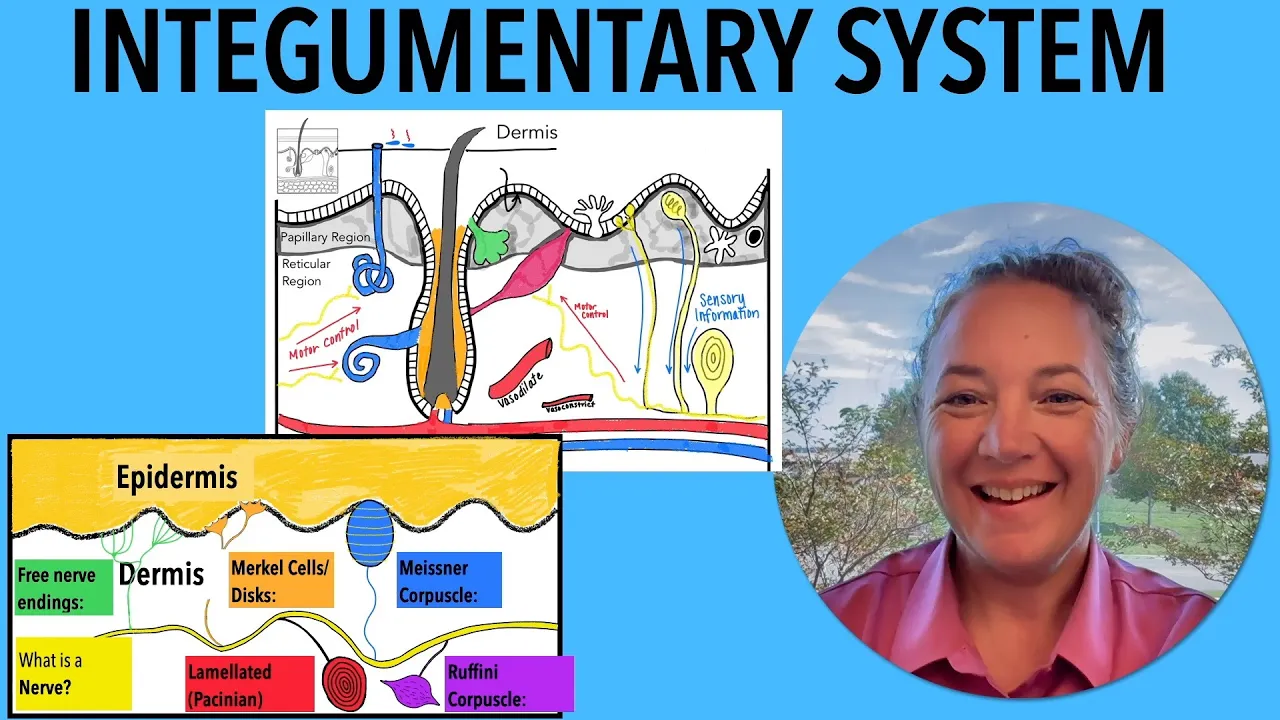
Added:Anatomy and physiology of the integumentary system, including the phases of wound healing (hemostasis, inflammation, proliferation, and maturation).
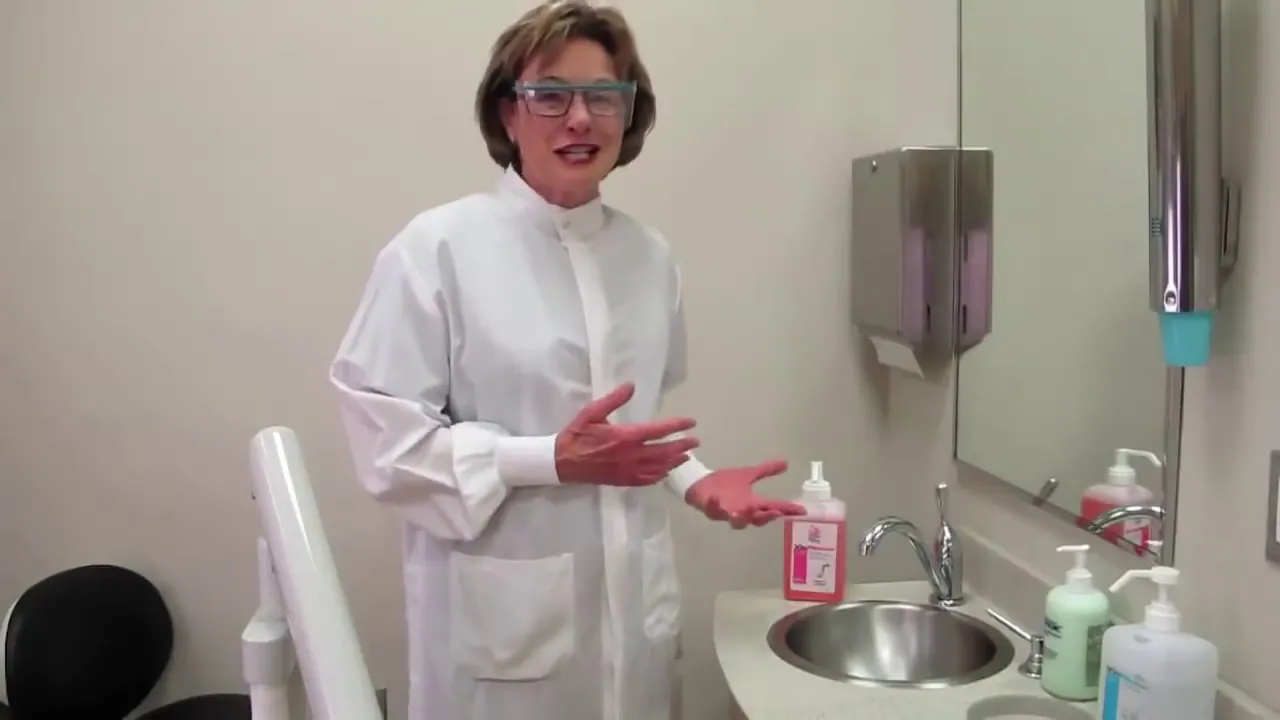
Principles of microbiology, transmission of pathogens, and basic infection control standards (including hand hygiene and Personal Protective Equipment).
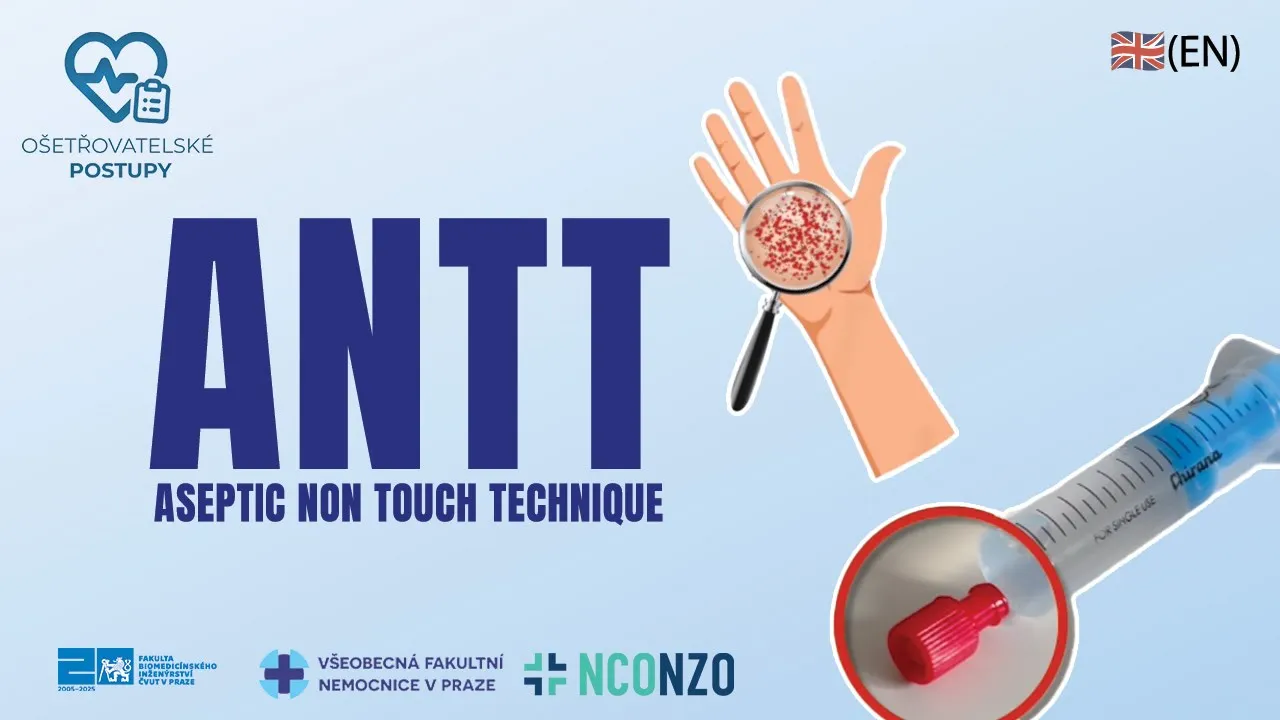
The concept of Aseptic Non-Touch Technique (ANTT), distinguishing between aseptic, sterile, and clean fields.
Fundamental communication skills in nursing, including patient identification, obtaining informed consent, and preparing a patient physically and psychologically for a procedure.
Advanced wound management technologies, such as Negative Pressure Wound Therapy (NPWT) and bio-active or interactive dressings.
Pathophysiology and specialized management of chronic or complex wounds, including diabetic foot ulcers, venous/arterial leg ulcers, and stage III-IV pressure injuries.
Pharmacological interventions in wound care, including topical antimicrobials, enzymatic debriding agents, and pain management strategies during dressing changes.
Mock OSCE (Objective Structured Clinical Examination) practice, focusing on timed performance, verbalizing clinical reasoning, and documenting care in accordance with Australian national standards.
1.6K views26likes19:29Original Release: 2025-04-22
Hello hello beautiful nurses and today's session we're going to talk about wound dressing guide to help you what sort of dressing needed to put on and not just that we're going to talk about different wound classification as well what are the what are the coorbidities that affects wound healing and um your wound assessment of course very important whenever we do a wound and infection prevention and control that you need to be observing when you when you do your wound dressing and the appropriate dressing that we're uh you know going to uh look into as well and the documentation and when to escalate in line with the Australian New Zealand healthcare standards. And so in Australia and New Zealand healthcare context, wounds are generally classified based on cost, healing process and clinical appearance.
And this classification of course it does helps the nurses and healthcare providers to determine what sort of um uh treatment and management strategies that we need to be putting in place or the um uh different wound dressing of course that needs to be um utilized according to the wound um uh that we're dealing with. Right? And so let's talk about um in terms of wound classification. Of course, you do have your acute wounds and the chronic wounds. When we talk about acute wounds, as you probably know, these are um like a um uh sudden injuries. Some good example would be your uh uh you know uh lacerations, burns, abrasions and surgical wounds. In terms of your chronic wounds, uh it's this is very well evident especially if the patient has that has got coorbidities meaning they have other you know medical issues apart from what they're dealing with specifically problems with um blood circulation right which we're going to talk about in a bit of a detail um in the following slides but these are the uh example of your chronic wounds And also in terms of wound healing process, we do have the primary intention, secondary and tertiary intention.
Usually with your tertiary um these are the wound that are deep, you know, we usually pack it. Um uh sometimes you know or um you know to manage infection to start with with your primary. These are your uh surgical incision for example and the secondary one of a good example is your pressure ula. All right.
And then we do have um according to clinical appearance with we categorize them to clean wounds, contaminated wounds, contaminated um uh clean contaminated wounds and infected wounds.
And as a nurse, we need to uh be able to uh assess the clinical appearance, especially if the patient has got some wound infection. And that's why I want you to be familiar or you need to be familiar with your signs and symptoms of your wound infection given that as a nurse, we need to learn to escalate this to either a wound specialist or a doctor. Usually if a patient has got some infection that we've observed in Australia, New Zealand, it's uh upon nurs's discretion to collect a wound swab, send it to pathology just to check whatever virus or bacteria that is brewing in there. So then the doctor could prescribe an antibiotics that either uh that are sensitive to the um the actual bacteria or virus that is found in the wound swab that we've collected. All right. And so in Australia, New Zealand as well, these are you know uh uh test procedure that are done for free. If we think that the patient needs it, we then just collaborate to the doctor and collect a wound swab, send it to pathology. Okay. And so that's uh according to clinical appearance. Now according to tissue, the tissue type, we do have the necrotic. Okay. So like this example right here, it requires debridement of course meaning that needs to be um uh removed. So then uh the wound will you know continue its uh stages of wound healing. Um yeah because if you don't remove that of course you know it's not going to want heal the it's not going to the wound's not going to heal better. And then you do have the slafy wound right here. Usually sometimes you'll see um this in a infected wound and some of the discharge could be yellowish greenish. So these are the things you're expecting.
granulating. Um you can see um the edges are looking good and it's you know nice and red and you can expect a um you know normal wound healing process. Same with this one. It looks chronic however it's already healing well. You can see there's a new skin forming around the edges. Right? So um yeah. So those are the different wound classification. Now let's talk about the common coorbidities affecting wound healing. So in relation to that again you know as a nurse we need to be familiar with this one given that the wound could be delayed as expected given that they have this coorbidities. Now in relation to um some other co-orbidities like you know um osteoporosis say for example there's an imped uh blood circulation happening as well. And so that could delay the uh healing process and um some of the things get missed out on advanced age right and so these are the things that we need to consider as an RN and obviously depending on the size of the wound. I know uh we know that there could be some wound delay there but um you could still be expecting it to be healing. It's just that you know it it does takes a bit of time and um yeah we can rationalize it or include this into our assessment. Now in terms of wound assessment it's very important of course to correlate the actual or you know holistic um uh history of the patient himself.
What are you know like when what was the cause of the wound? when did like how long did the patient had it? Is there any other coorbidities like what we've talked about? Because these are very important things to consider and um expect if the p the patient's wound is going to heal well as expected. Now in terms of the look in terms of size again if it's just like an acute wound and patient doesn't have any comorbidities the size might not be you know um uh relevant in terms of documenting it well. However it's just good to take note of it as well in the first time and you know saying um that updating the patient it doesn't look that big right.
However, if the patient has chronic um uh condition uh chronic you know wound delayed wound healing coorbidities, it's very important of course to take note of the size of the wounds. Right? So those are part of your assessment in terms of um the framework in terms of what needed to be to be assessed apart from uh what we talk about is the tissue right and then the um what if there's any signs of any infection or inflammation how's the moisture of the wound because it's very good for wound healing and the edges is it um you know according to the stages of wound healing as expected. So these are the things that we need to consider.
Again of course your infection prevention and control whenever you uh carry out your ENTt remember your five mments before and after touching a patient before and after procedure and after touching the patient's um environment may very important so we're not um spreading you know any of that virus or bacteria. Right. And in terms of PP of course patients say for example um has gastroenterteritis you know got var MRSA obviously full PPE would need to be observed and um ENTT whenever we're doing the um the wound dressing itself.
In terms of proper waste disposal of course we only dispose the um patients equipment that we've used to clean the wound. If the patient's infected, of course, everything has to go through the clinical waste bin. If we use sharps to debride the um wound, then obviously this needs to go through the sharp. But if the patient's wound are simple, you know, noninfected, all of these um equipments we've used or the garbage that we've used, we'll just need to go through the general waste bin. Now, let's talk about now your um types of dressing.
So um uh there are different types of course as you can see here which we're going to go through in the next slides.
We do have the semi-permeable dressing and as an RN you don't need to confuse yourself based on the brand.
Okay. So, as you can see, these are all the same semi-p permeable and um it's a low adherence uh as as the as what's its name um what's it other name is called and usually good for a um mild to moderate extra dates. usually also after like using a surgical uh wood not unless the patient has got heavy to moderate or large extra dates right so this isn't um appropriate all right so um these are the things that it could be used for some are waterproof some are not okay so just make it appropriate to uh the patient's wound you know um and say for example if it's a surgical wound might be best to use a a wound um a waterproof dressing, right? So then the patient could shower with it. Now your non-adherent moist uh one of the uh popular one is your gelinet or your bactra. All right. So these are used obviously for for a wound that is superficial and it's already healing well. And uh one example when you when we say superficial is the burns, right?
and and um uh these are ideal for those ones. It provides a moist environment that is very good for wound healing. It does needs a secondary dressing though or a bandage to keep it in place. Now, we do have the um non-adherent dry dressing. This could be put on top of the um your non-adherent moist to keep it in place because it does absorb some of the extra dates as well. And obviously used for patient if the patient has got some allergy to um adhesive, right? And it does needs a secondary dressing as well to hold it in place given that it will just go on top of the wound itself. You can also use this hypoix as well to put the um uh that you know nonadherent dry dressing in place if the patient's not allergic to um adhesive.
All right. Usually these ones are used to keep the um uh put the obviously the the primary dressing in place. And so the other thing is your cult. Now this is antimicrob microbial in the way that it eats up that slough in the wound.
It's also used if the patient's wound is a little bit um deeper in depth and so um that provides you know absorption and eating up those slots. So that's what it's very good for. It obviously needs another primary dressing to go to go on top of it. Either that or a secondary dressing. All right. So uh that's your cultist. Um usually antimicrobial. And also with the we have the foam dressing. Again these are used especially if the patient has has have uh coorbidities right and there's usually a delay in wound healing. Hence there's going to be much more extra dates than usual and this is very good for that. There are um uh obviously foam dressing that doesn't have adhesive as well needing to have the secondary or um uh bandage on top of this um particular type of wound dressing. And usually this particular foam dressing they're usually good up to they can say up to 5 days.
All right. And so um yeah, so and they're very expensive as well with this um uh hydrocolid dressing. It kind of serve as a second skin onto the wound.
So that's why it's only recommended if if it's um you know usually it's healing already. Could be burns or a small abrasions and you just leave it in there until the wound it's all closed. It does retains the moisture as well. All right.
So these ones you can't use it for infective or like a little bit of a deeper wound. Okay. Now we do have the intrasite just in case the patient's wound gets a little bit dry. You know the edges gets dry already and it's still needing that moisture. So that's what it's good for. It obviously needed an extra primary dressing on top. And we do have the adhesive tapes. And uh this is to secure of course your secondary dressing. However, with your sty strip, it's usually used if the patient had a skin tear. So it does put that skin, you know, back to its place or usual position. Usually our elderly patient uh needs star strips because of their skin integrity, right? And so that's uh very good for that one keeping it nice in place.
And we do have another antimicrobial just to to keep the wound dressing um covered, protect it from um any virus or bacteria. And um by the way guys, the um low adherent or your semi- permeable dressing forgot to tell you it do comes in different sizes. All right? And so you just have to use the appropriate size according to the wound that you are dealing with. Now in terms of escalation of course as we've talked about earlier as an RN as a nurse you need to know if the patient's wound is um you know spreading infection if there's any increased pain any systemic symptoms you know delayed wound healing like more than two weeks these are the best time to escalate or refer to a wound care specialist to the doctor or if you work in a medical practice or clinic you need to uh you know a more specialized wound clinic to have a proper look of that wound so then we could heal the wound faster. Now in terms of documentation as an RN in Australia, New Zealand mainly the charts are electronic already and so in terms of documentation you know u majority of the time you're documenting the appearance addressing use and um uh the size and make sure that um you're following the hospital's policy and procedure because it's it's different in every hospital.
And also another example of a wound um form is this one that you might come across. Usually um we have a good look at this one prior to doing the wound dressing to for us to have an overview or to see what are the things that has already been done for the patient and to monitor the progress. Right? And as an RN, you've done the wound dressing and assessment. and you're the one now to put or document your or what you've observed in the patient's w to help you with best practice guidelines guidelines you can access wounds Australia or New Zealand um Australian national wound guidelines follow your local health district protocol specifically your hospital policy and procedure because it's very different in every hospital well not like a huge difference right but different policies different procedure in every hospital and I hope that gives you a much deeper insight into what sort of dressing that you need to use again if you're not sure patients wounds become um gotten worse always refer because we do work collaboratively in Australia New Zealand as an RN there are um specialists that are willing willing to collaborate with us. Now, in summary, make sure that you are assessing the wound before you dress given given that um obviously you can't really um uh give the uh update to the patient. Not unless you cleanse the wound, right? Usually, there's going to be debris in there, dead skin cells oozing, and it's very hard to update the patient's wound. you need to um give it a good cleanse as well. First maintain entity of course whenever you do a wound dressing and um choose appropriate dressing is very important. So then you know we could heal the wound faster and document accurately of course remember as an RN if it's not written or documented it didn't happen right escalate when necessary of course and I hope that gave you uh an insight on to what sort of dressing needs to be used and again um for those of you who are needing guidance in the in their OSKI preparation contact at AUR and Pathway.
We do have Aussie preparation in Australia and New Zealand. Very concise, very straightforward for you. We're not going to waste your time. Only the things that you need to learn. And so, um, if you have any questions, like or comment. Don't forget to subscribe so you get notified whenever we upload, um, informational videos for you. See you next time. Bye.
Up Next
4:53
Running Continuous Suture in Dermatologic Surgery | Instructional Tutorial
@alphasurgicals7582
435 views•2025-05-30

48:47
Graphic Medicine: Comics for Collaborative Healthcare Communication
@nationalpatientadvocate
189 views•2023-12-04

10:28
Neuroanatomy: Central and Peripheral Nervous System Divisions Explained
@AKLECTURES
136.2K views•2014-09-20

3:05
Stages of Labor and Vaginal Birth | Childbirth Animation
@nucleusmedicalmedia
52.1M views•2017-08-18
Related Study Plans & Knowledge Roadmaps
Structured learning paths in Medicine
medicine
Abnormal LFTs: Diagnostic Workup & Pathology
01Liver Anatomy and Basic Physiology
02Introduction to Liver Function Tests (LFTs)
03Hepatocellular vs. Cholestatic Patterns
+ 3 more learning modules
12h6 modules
Explore Roadmap
medicine
Analyzing Blood Smears: RBC, WBC & Platelets
01Introduction to Blood Components & Smear Preparation
02Normal Morphology of Blood Cells
03Erythrocyte Pathologies & Morphological Variants
+ 2 more learning modules
12h5 modules
Explore Roadmap
medicine
Mechanical Ventilation: Waveforms & Alarms
01Anatomy and Physiology of Breathing
02Introduction to Mechanical Ventilation & Core Modes
03Ventilator Settings and Waveform Interpretation
+ 2 more learning modules
12h5 modules
Explore Roadmap
medicine
Neuro Exam: Localization & Stroke Syndromes
01Foundations of Neuroanatomy and Vascular Supply
02The Neurological Examination: Step-by-Step
03Principles of Neurological Localization
+ 3 more learning modules
18h6 modules
Explore Roadmap