

![3. Instrument Handling [Basic Surgery Skills]](https://i.ytimg.com/vi/eICH1xWKCUY/hqdefault.jpg)





![Anatomy of the Skin [Epidermis, Dermis, Hypodermis]](https://i.ytimg.com/vi/GYLXDSq3n1U/maxresdefault.jpg)



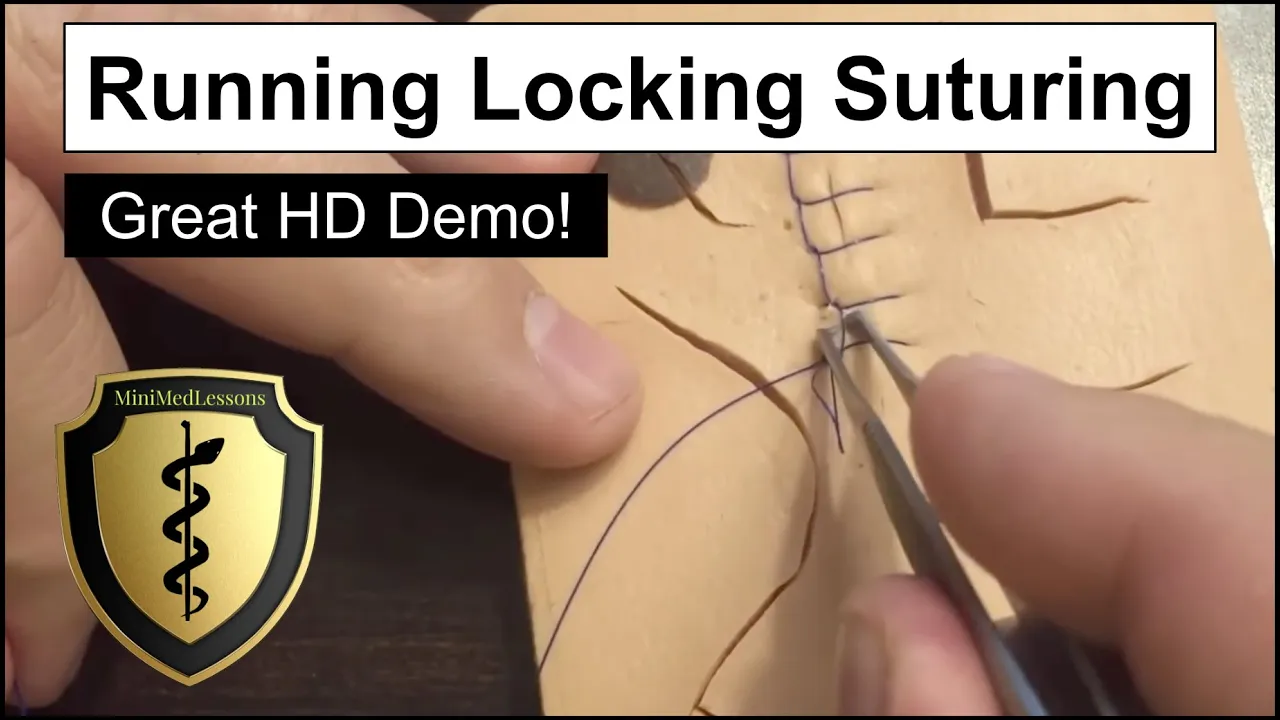
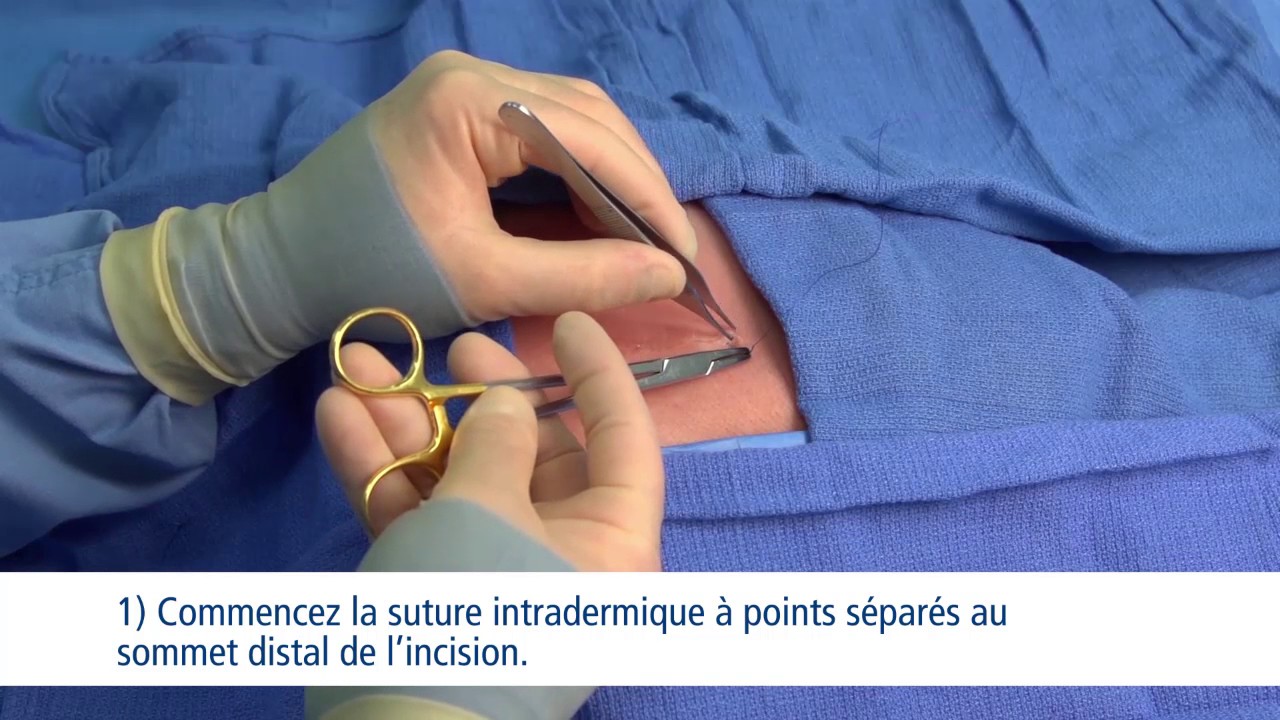


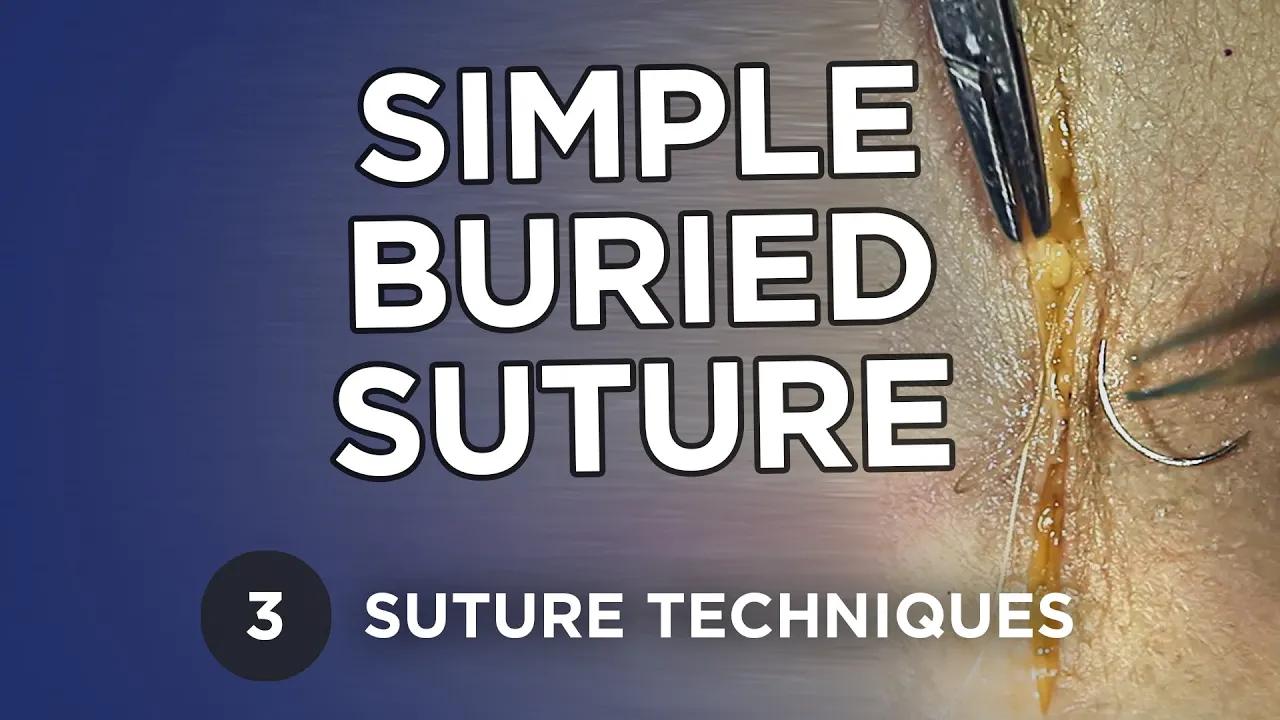





The running continuous suture technique is a dermatologic surgical method where a single thread is passed continuously through the wound with knots only at each end, creating a linear closure pattern that maintains tissue vascularity by avoiding the pressure and strangulation effects of multiple individual sutures, making it particularly suitable for thin skin areas like the perorbital region where minimal tension is required.
Running Continuous Suture in Dermatologic Surgery | Instructional Tutorial
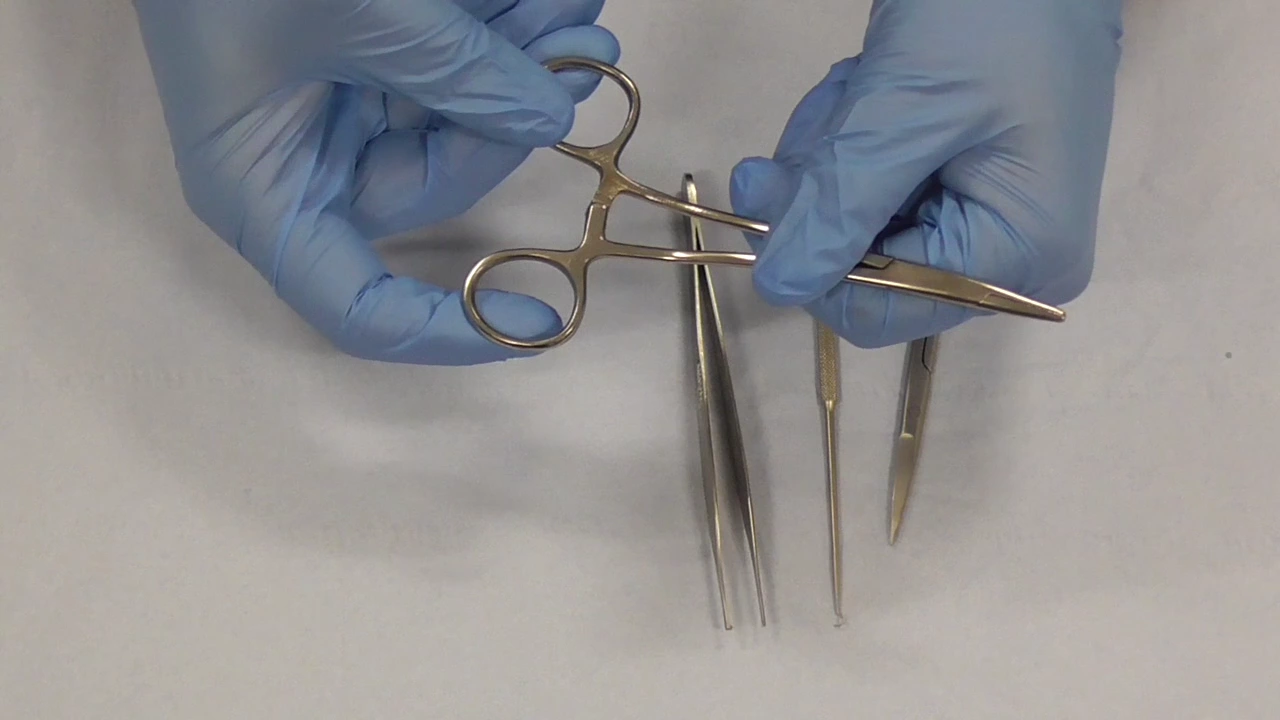
Added:Basic surgical instrument handling, including the correct grip and manipulation of needle drivers, tissue forceps, and suture scissors.
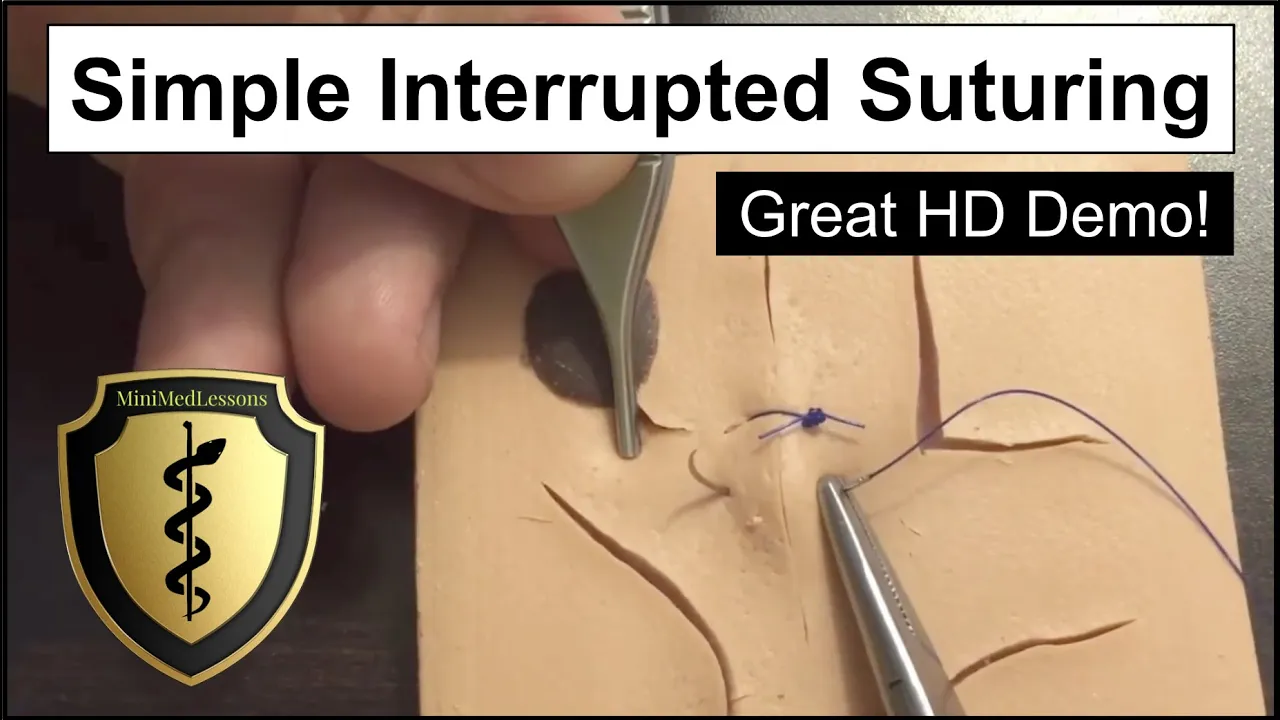
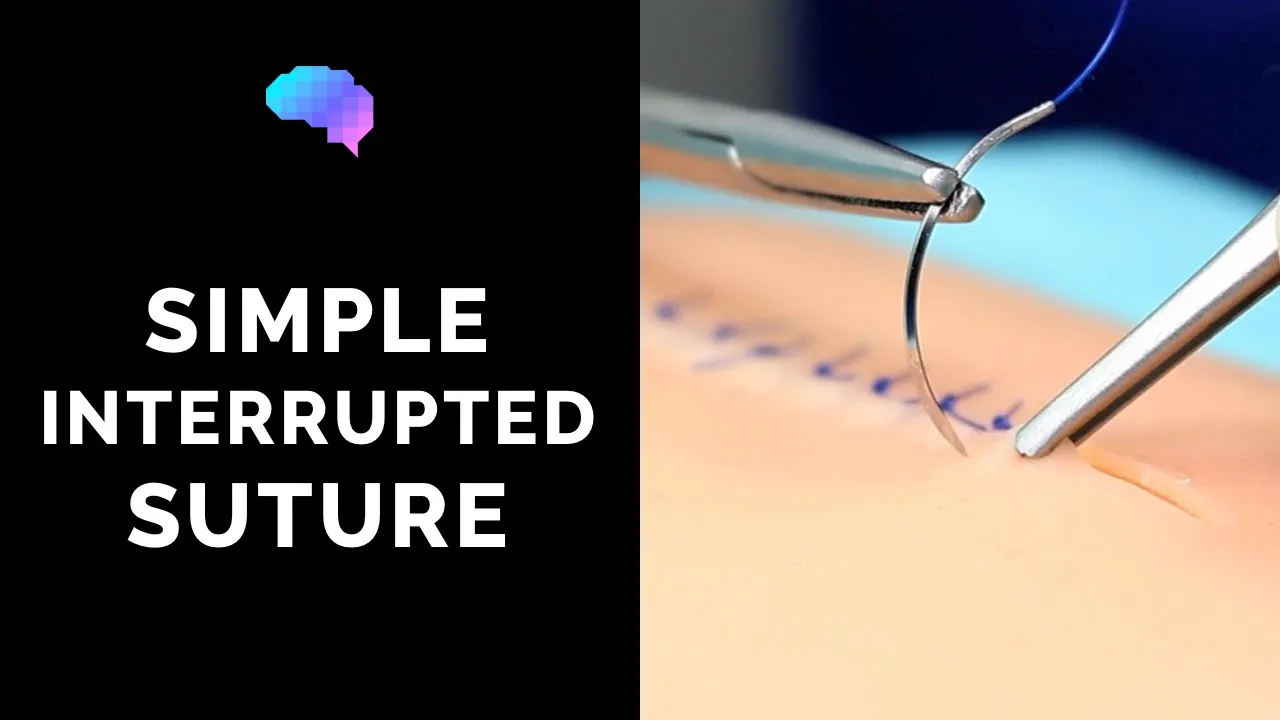
Proficiency in performing a simple interrupted suture and tying secure instrument-assisted knots.
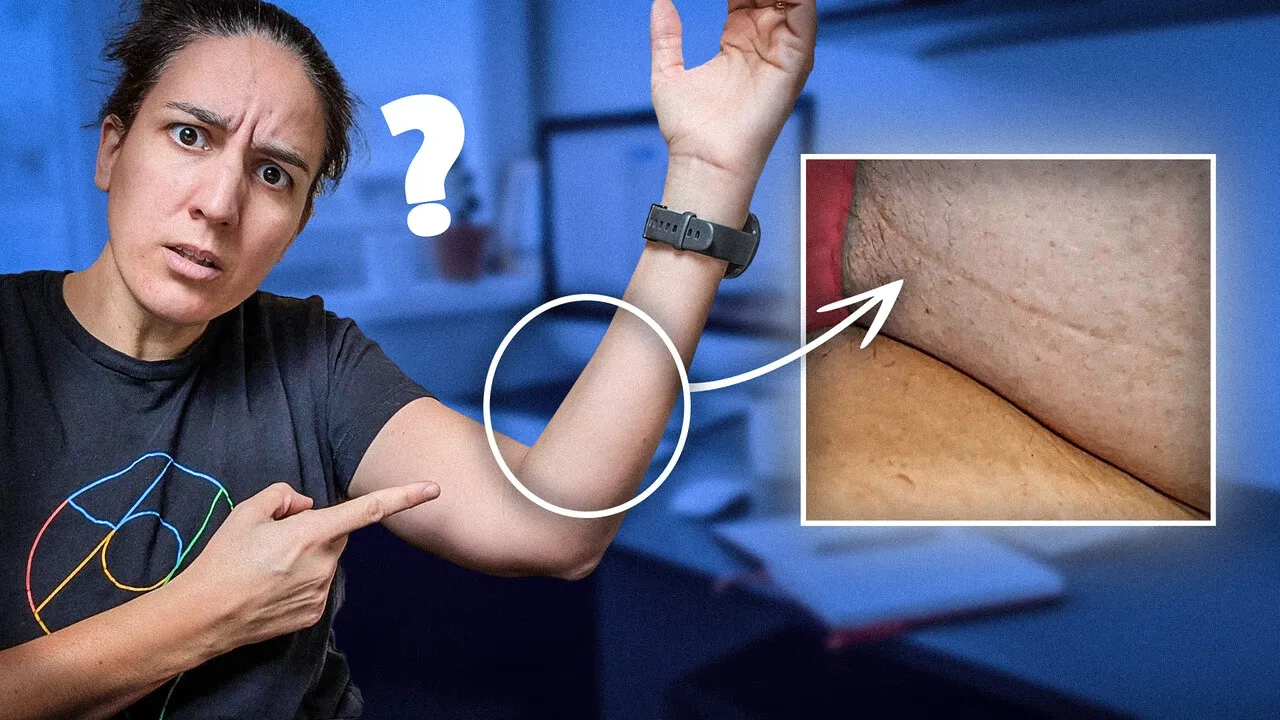
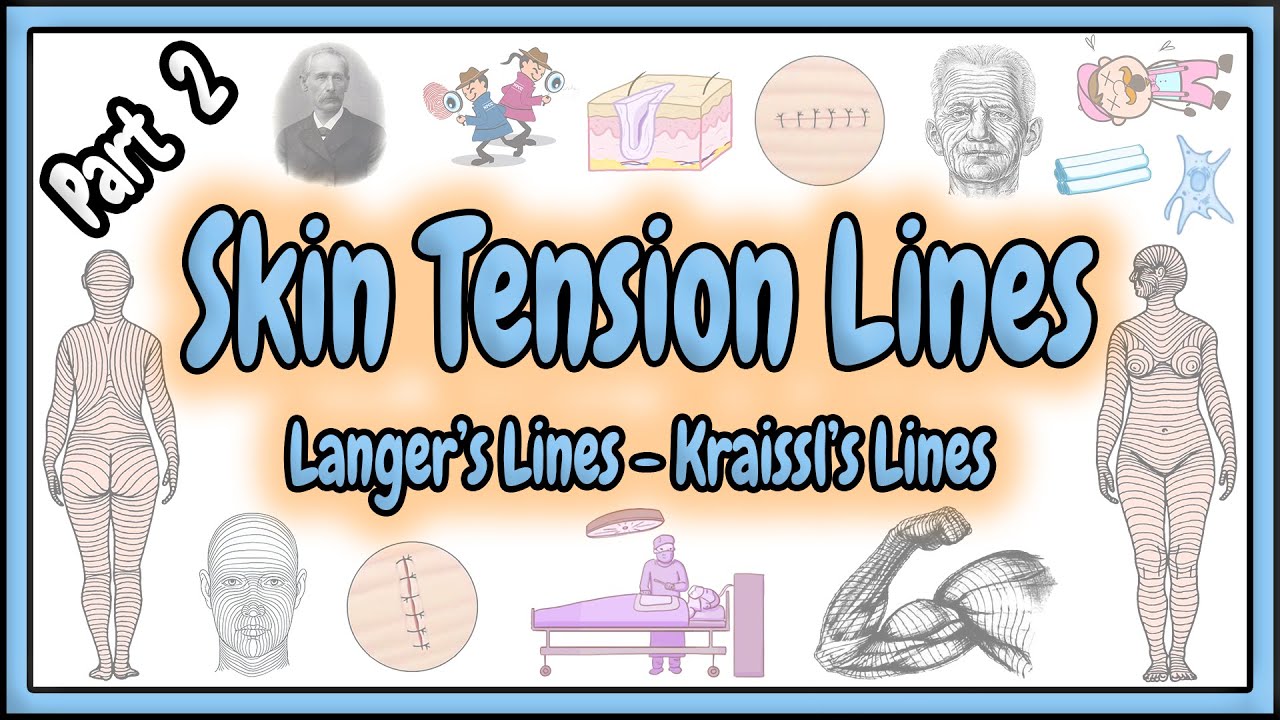
Fundamental understanding of skin anatomy (epidermis, dermis, and subcutaneous layers) and skin tension lines (Langer's lines).
Knowledge of suture material selection, specifically distinguishing between absorbable and non-absorbable materials and understanding needle sizes.
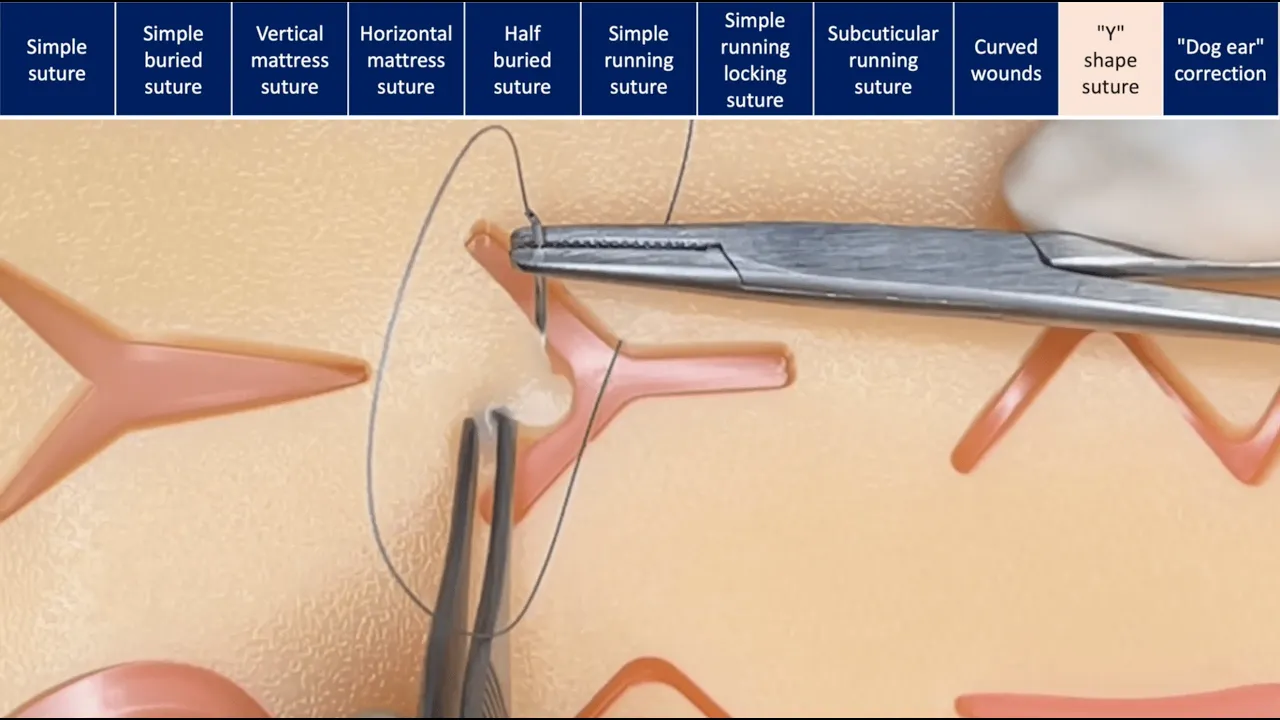
Advanced continuous suture variations, such as the running locked suture and the running subcuticular (intradermal) suture.
Deep dermal suturing techniques (such as buried interrupted sutures) used to relieve tension before superficial closure.
Post-operative wound management, including dressings, scar optimization, and the correct timing and technique for suture removal.
Identification and clinical management of surgical complications, such as wound dehiscence, infection, suture spitting, or necrosis.
435 views10likes4:53Original Release: 2025-05-30
So now I am going to demonstrate the running continuous sutures on the surface. Now where exactly we need the running continuous suture. Uh so when we are closing the skin if this thickness of the skin is too thin there is no layer of the fat as well as the wound excision was not that much deep. Suppose we are working on the perorbital region for the blroplasty or for the infraorbital fat removal or maybe for the zenthalesma the thickness of the skin is very much thin. So in this area there is no tractional pull from the surface as well as the depth of wound is not that much. So in this type of cases we will be taking running continuous suture. So on either side we will be putting the knot and in the throughout the length of the wound we are taking running running thread. So here we demonstrate running continuous suture.
So the first suture will be resembling that of simple interrupted suture. So entering from one side, exiting from other side, taking the needle out and giving the knot. 1 2 3. Three loops are given.
Holding the thread and giving the closure rotation of the thread to fix the knot here. And then second knot, third and fourth. And then we will be cutting the second thread by 2 to 3 mm of the distance from the surface. So now I will be giving continuously. So entering from one side, exiting from another side, taking the trade out in the same manner. Repetition of the same movement, entering from one side, exiting from another side, not creating much tension. Tension is created just to give a position of the wound margin.
So when we are near to the end of the second side we have to stop and to give the closure. So this will be my last prick of this running continuous suture.
So when we are supposed to close the last loop will be used as a second end of the thread. So this is a last loop and I will be using as a second end of the threads. So here we are putting three loop holding the loop and giving closure. So this is the last tie.
cut. So as an analysis, so on either side there is a knot created to hold the suture material and in the central part there is a oblique line of the suture.
We can see which is a running of the thread. So it will give you the closure of the wound in a linear pattern. No over pressure created as well as we can see there is no wound gap. So it hold the tissue for the 7 days of time and 7 day is a time of suture removal. So the benefit is is is in the running continuous suture is only two knots on either end and it will not create the pressure. So not creating the pressure will not give you strangulation of the vessel so that your vascularity will be maintained. So as we are comparing it with the simple interrupted suture the pressure created in individual simple interrupted suture is there. So there won't be there will be a strangulation effect and pressure created while we give the knot. So each and every suture is creating pressure will give you necrosis of the margin probably. But in case of running continuous suture pressure is maintained throughout the length of your running continuous suture. So no strangulation of the blood vessel and the vascularity will be maintained inside the tissue. So chances of margin necrosis will be minimized in case of running continuous suture. The second benefit we are getting is we can adjust the tension created from the suture line at the end of your suturing and that will be not possible in case of simple interrupted suture. So in those areas where actually the skin is thin and no much tension is required the running continuous suture is more beneficial by this benefits.
Up Next
106:59
High Yield Surgery MCQs for FMGE 2024: GIT & PYQs Part 1
@lefthandedsurgeon
168.5K views•2024-01-10

48:47
Graphic Medicine: Comics for Collaborative Healthcare Communication
@nationalpatientadvocate
189 views•2023-12-04

10:28
Neuroanatomy: Central and Peripheral Nervous System Divisions Explained
@AKLECTURES
136.2K views•2014-09-20
3:05
Stages of Labor and Vaginal Birth | Childbirth Animation
@nucleusmedicalmedia
52.1M views•2017-08-18
Related Study Plans & Knowledge Roadmaps
Structured learning paths in Medicine
medicine
Abnormal LFTs: Diagnostic Workup & Pathology
01Liver Anatomy and Basic Physiology
02Introduction to Liver Function Tests (LFTs)
03Hepatocellular vs. Cholestatic Patterns
+ 3 more learning modules
12h6 modules
Explore Roadmap
medicine
Analyzing Blood Smears: RBC, WBC & Platelets
01Introduction to Blood Components & Smear Preparation
02Normal Morphology of Blood Cells
03Erythrocyte Pathologies & Morphological Variants
+ 2 more learning modules
12h5 modules
Explore Roadmap
medicine
Mechanical Ventilation: Waveforms & Alarms
01Anatomy and Physiology of Breathing
02Introduction to Mechanical Ventilation & Core Modes
03Ventilator Settings and Waveform Interpretation
+ 2 more learning modules
12h5 modules
Explore Roadmap
medicine
Neuro Exam: Localization & Stroke Syndromes
01Foundations of Neuroanatomy and Vascular Supply
02The Neurological Examination: Step-by-Step
03Principles of Neurological Localization
+ 3 more learning modules
18h6 modules
Explore Roadmap