










![Intervista illuminazione: Giordano (Psicologo) nº 2 - Invidia e gelosia [ITA]](https://i.ytimg.com/vi/vkoS4MJz6e0/maxresdefault.jpg)












Empathy comprises two distinct types: cognitive empathy (the ability to understand and analyze others' emotions and perspectives) and affective empathy (the capacity to share and feel others' emotions physically). Research shows these are governed by partly separate brain systems, meaning some people naturally lean toward analytical understanding while others experience emotions more intensely. Both styles have strengths and risks—cognitive empaths may become detached or manipulative, while affective empaths risk burnout and compassion fatigue. Healthy relationships require integrating both types, using cognitive empathy to understand and affective empathy to connect, with practical strategies including allowing micro-moments of feeling for cognitive empaths and setting emotional boundaries for affective empaths.
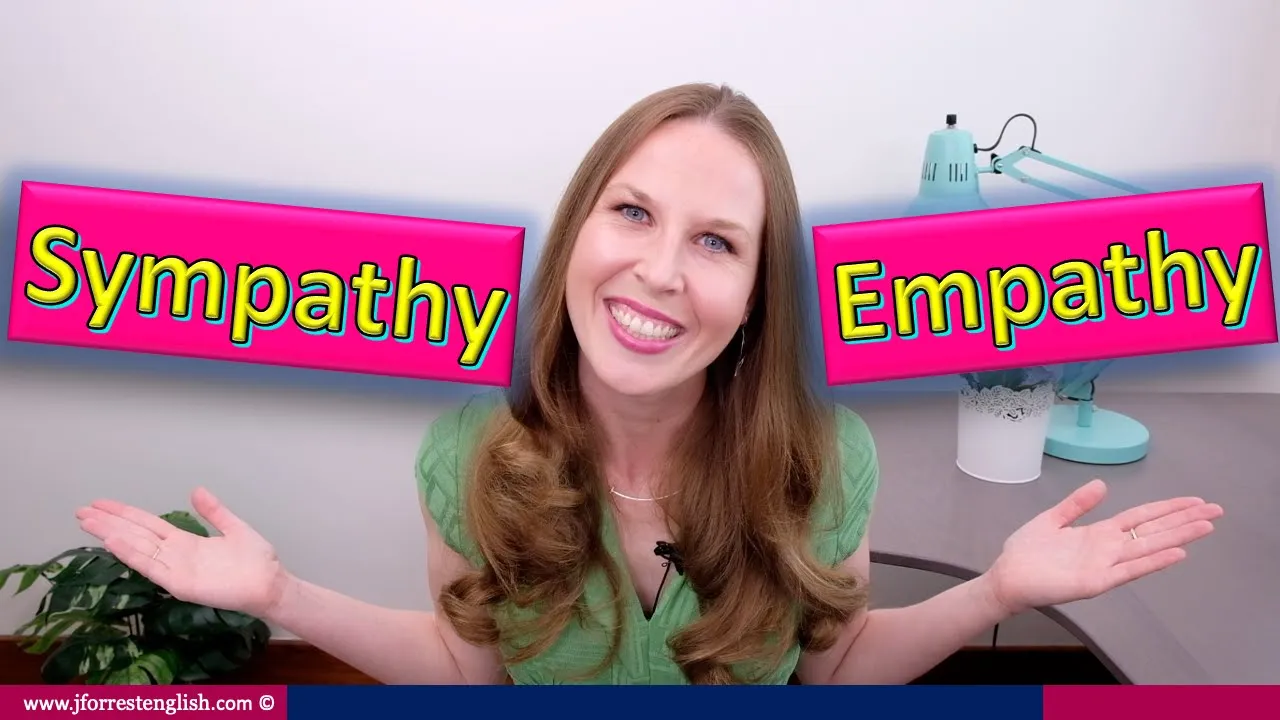
Cognitive vs Affective Empathy: Psychology & Balance Explained
Added:Hello and welcome. Today we are going to talk about empathy but in a more precise way. Not just this person is empathic, that person is not. Psychologists now speak about two main forms of empathy.
Cognitive empathy and effective empathy.
Some people are cognitive empaths. They read the room like a book. They understand what others feel. They can predict reactions but they do not always feel much inside.
Other people are effective empaths. They feel everything. If someone cries, they get a lump in their own throat. If someone is anxious, their own body starts to shake. In this talk, I will do three things. First, explain clearly what cognitive and effective empathy mean in psychology. Second, show the typical habits and strengths of each empath style. Third, share practical advice on how to protect yourself and relate better. Whether you feel more or you analyze more, let us begin. Part one, what empathy really is. Empathy is not one single thing. Research by Jean Desert and Philip Jackson in 2004 described empathy as both a feeling response and an understanding response to another person. Later work in 2010 on the neurodedevelopment of empathy confirmed this. Most scholars agree that empathy includes an effective part, the feeling and a cognitive part, the understanding.
So when we say empathy, we are talking about at least two processes. Cognitive empathy, the ability to recognize, infer, and mentally represent what someone else feels or thinks. Effective empathy, the ability to share or mirror the emotional state of another person in your own body and feelings.
Simone Shamade Sori, a neuroscientist, reviewed brain research in 2011 and concluded that there are two partly separate systems for empathy. One emotional system for effective empathy, one cognitive system for understanding the other person's state. So already you can see why some people mainly feel and others mainly analyze.
Their nervous system is leaning more strongly on one route.
Part two, the cognitive empath, the mind reader. Cognitive empathy is sometimes called perspective [music] taking or mentalizing. It means you can step into another person's shoes in your mind. You can imagine how things look from their side. Typical traits of a cognitive empath. They notice small cues in language and behavior. They can read micro expressions, patterns in voice, changes in posture. They often anticipate conflict before it explodes because they see where each person is coming from. They are good at adjusting communication.
They can rephrase things so that different people can hear the message.
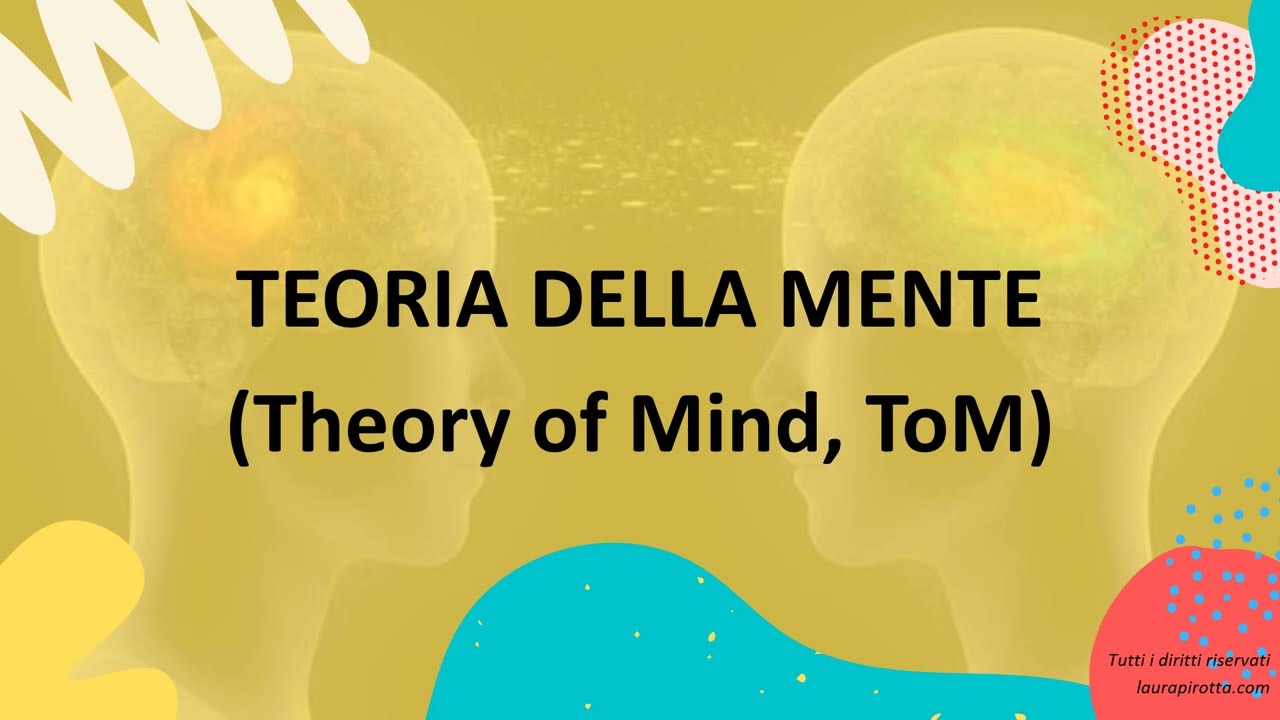
In research, cognitive empathy is linked with theory of mind regions in the brain such as medial frontal areas and the temporal parietal junction regions that help us simulate other minds. Strengths.
Cognitive empaths make excellent mediators, negotiators, therapists, leaders, and strategists. As long as they combine insight with some real concern, they can stay calm when others are overwhelmed, they can take a step back and see the whole emotional map risks. If cognitive empathy is high and effective empathy is low, the person can understand emotions without really sharing them. This opens the door to manipulation.
You know what someone feels, but you use that knowledge only to win, to control, or to protect yourself. Some clinical work even suggests that in certain personality disorders, cognitive empathy can be intact while effective empathy is reduced. The person reads feelings but does not truly resonate with them. So the cognitive empath must ask, am I using my insight to connect and support or to stay safe and superior? Part three, the effective empath, the emotional antenna. Effective empathy is the capacity to share the emotions of others. You see someone in pain and parts of your own pain network light up.
In 2004, Tanya Singer and colleagues used brain imaging to show that when people watched a loved one receive a painful stimulus, their own emotional pain areas in the brain activated, even though they were not physically harmed.
That is effective empathy in action.
Your nervous system echoes what the other person is going through. Typical traits of an effective empath. They feel deeply when others are sad, anxious, or joyful. They pick up the emotional climate of a room very fast. They are often moved by music, films, or stories, strengths. They create a strong sense of warmth and safety. People often feel seen and emotionally held in their presence. In many studies, effective empathy predicts pro-social behavior such as helping someone who has been excluded or hurt. Risks. Effective empaths can drown in other people's feelings. Instead of empathy, they experience what psychologists call empathic distress. It stops being I feel with you and becomes, I cannot breathe because of your pain. Over time, too much effective empathy without regulation is linked to burnout, compassion fatigue, and anxiety. In clinical settings, researchers like Deiti have argued that cognitive empathy plus healthy emotional boundaries are safer for professionals than raw effective fusion. So the effective empath must ask, am I dealing with this person in a way that keeps me grounded or am I losing myself in their storm?
Part four, how cognitive and effective empathy shape your style. Let us put this together in real life language. If you are mainly a cognitive empath, you are good at seeing patterns in conversations.
You often know what people need to hear, even if you do not feel it strongly yourself.
You can hold space in conflict without being pulled under. Your challenge is to allow some authentic feeling. People may experience you as wise but distant. They might say, "You understand me, but I do not feel you with me." If you are mainly an effective empath, you care deeply.
You carry other people's moods in your body. You cannot watch cruelty or injustice without a physical reaction.
Your challenge is to add a bit of distance and mental structure.
Otherwise, you become a sponge. You absorb, absorb, absorb, and there is no filter. A 2022 study by Thompson and colleagues found that cognitive and effective empathy relate differently to emotion regulation and mental health. A good balance tends to support better regulation and less emotional overload.
So the task is not to choose one type and kill the other. The task is to integrate both. Part five, practical ways to balance your empathy. If you lean toward cognitive empathy, practice one, allow micro moments of feeling.
When someone shares something painful, do not jump immediately to analysis or advice. Stay with one sentence like, "That sounds really heavy. I can imagine this hurt you a lot. Notice the sensation in your own chest, throat, or stomach. You do not need to drown in it.
You only need to let yourself feel a small piece, enough to be human, not only accurate. Practice two, share a bit of your own emotional reality. Instead of only describing the other person's state, add one sentence about yours. For example, when you say that I feel concerned for you, it makes me sad to see you carry this alone. This signals that your empathy is not just in your head. If you lean toward effective empathy practice one, use cognitive labels to regulate. When you feel flooded by someone else's emotion, name it in your mind. This is her sadness.
This is his anger. I am feeling it in my body, but it belongs to them. Research on emotion regulation shows that putting feelings into words helps the brain calm down and keeps you out of panic mode.
Practice two, set time and space boundaries. Allow yourself to say things like, "I really want to hear you and right now I am tired. Can we talk tomorrow when I can give you better attention?" This does not mean you are selfish. It means you protect the instrument of your empathy which is your nervous system. Part six, conclusion and call to action. Let us bring the idea home. Cognitive empathy is the ability to understand what others feel. A effective empathy is the ability to feel with them. Most healthy relationships need both. Too much head with no heart feels cold. Too much heart with no structure feels chaotic and exhausting.
So instead of asking, "Am I empathic?"
ask two new questions. How do I tend to empathize more through understanding or more through feeling? And second, what small practice can I add this week to strengthen the side that is weaker in me?
If this talk helped you understand yourself or someone around you, let me know. Write in the comments. Say, "I am more cognitive empath or I am more effective empath." Tell me one situation where this played out in your life. If you enjoy deep psychology explained in simple language, remember to like this video, subscribe to the channel, and share it with someone who feels a lot or someone who reads people like a book and wants to understand why. Thank you for listening.
Up Next

Understanding the Mirror Neuron System: How We Read Intentions
@TEDx
106.2K views•2010-05-27

Deciphering Neural Circuits Controlling Anorexia in Mice | Richard Palmiter
@AllenInstitute
2.3K views•2011-10-10

Vagus Nerve (CN X): Anatomy, Nuclei & Functions Explained
@Alilamedicalmedia
305.2K views•2022-10-31
How Exercise Benefits Your Brain: Science Explained
@TED
11.4M views•2018-03-21
Related Study Plans & Knowledge Roadmaps
Structured learning paths in Neuroscience