





















Generative AI, exemplified by large language models like GPT, represents a transformative technology that enables computers to learn, think, and communicate like humans by generating new original content rather than just classifying existing information; the key to thriving in this era lies not in fearing AI but in developing strong prompt engineering skills and adopting a balanced mindset that views AI as a powerful collaborative tool rather than a threat, recognizing that human creativity, domain expertise, and ethical judgment remain irreplaceable while AI handles repetitive tasks and accelerates productivity.
Generative AI Explained: Survival Strategies for the AI Era
Added:Basic understanding of the difference between traditional rule-based programming and machine learning.
Familiarity with the concept of data training, specifically how algorithms learn patterns from large datasets.
Awareness of current digital transformation trends and how automation impacts the modern workforce.
Fundamental knowledge of artificial intelligence terminology, such as neural networks and algorithms.
Advanced study of Prompt Engineering techniques to optimize outputs from Large Language Models (LLMs).
Exploration of the ethical, legal, and copyright challenges associated with AI-generated content.
In-depth analysis of enterprise AI integration strategies, including Retrieval-Augmented Generation (RAG) and model fine-tuning.
Technical deep-dive into generative model architectures, such as Transformers, Generative Adversarial Networks (GANs), and Diffusion Models.
3.7M views124.2Klikes17:57Original Release: 2024-01-20
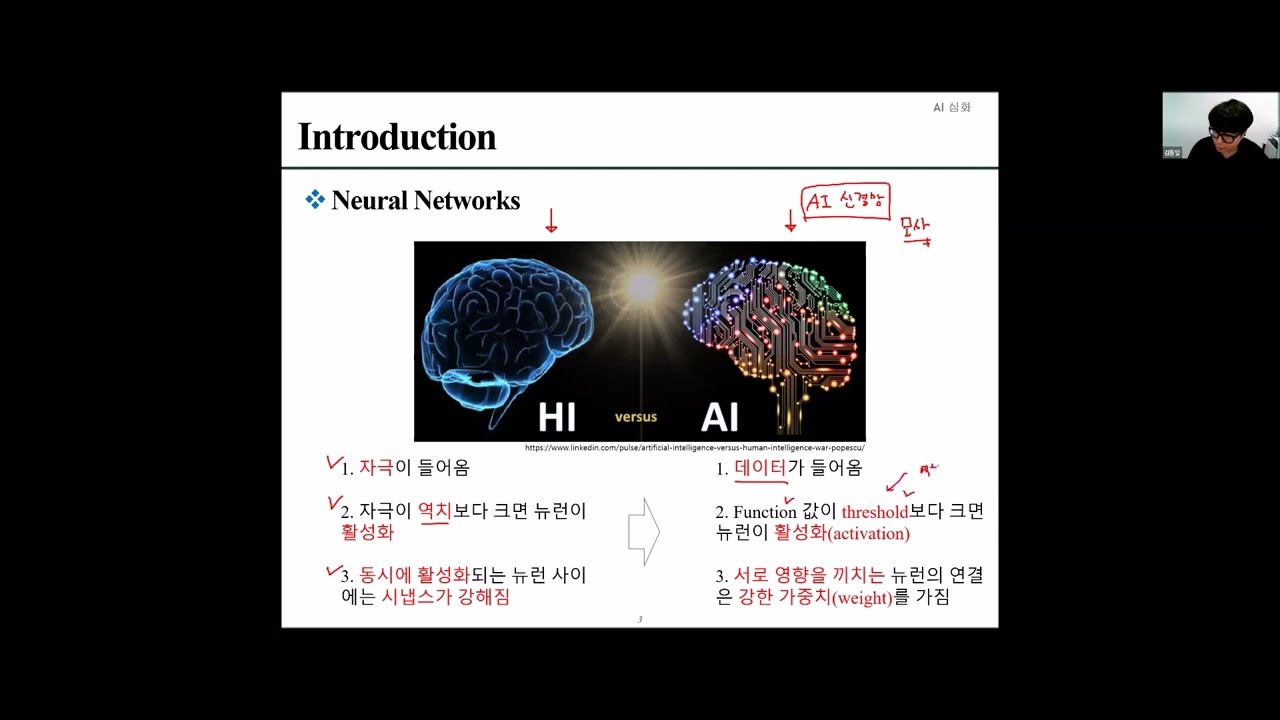
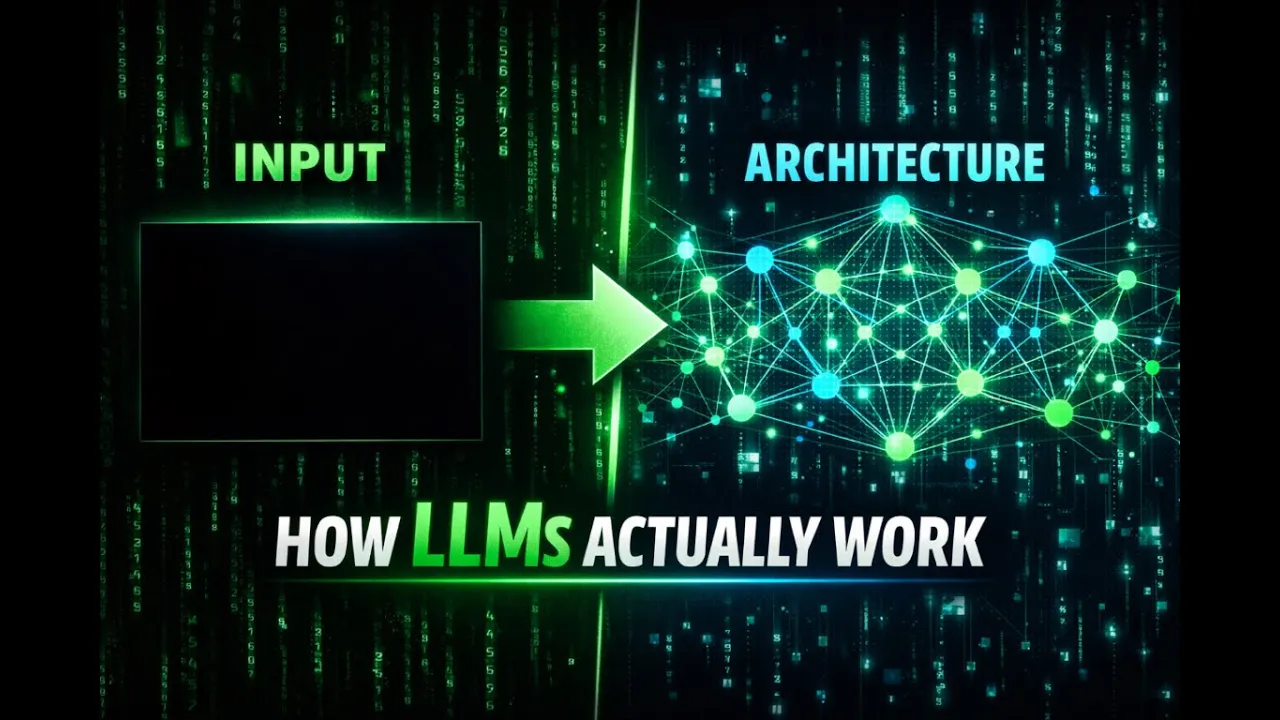
[Music] ever since computers were invented they've really just been glorified calculators machines that execute the exact instructions given to them by the programmers but something incredible is happening now computers have started gaining the ability to learn and think and communicate just like we do they can do creative intellectual work that previously only humans could do we call this technology generative Ai and you may have encountered it already through products like GPT basically intelligence is now available as a service kind of like a giant brain floating in the sky that anyone can talk to it's not perfect but it is surprisingly capable and it is improving at an exponential rate this is a big deal it's going to affect just about every person and Company on the planet positively or negatively this video is here to help you understand what generative AI is all about in Practical terms beyond the hype the better you understand this technology as a person team or company the better equipped you will be to survive and thrive in the age of AI so here's a silly but useful mental model for this you have Einstein in your basement in fact everyone does and by Einstein I really mean the combination of every smart person who ever lived you can talk to Einstein whenever you want he has instant access to the sum of all human knowledge and will answer anything you want within seconds never running out of patience he can also take on any role you want a comedian poet doctor coach and will be an expert within that field he has has some humanlike limitations though he can make mistakes he can jump to conclusions he can misunderstand you but the biggest limitation is actually your imagination and your ability to communicate effectively with them this skill is known as prompt engineering and in the age of AI this is as essential as reading and writing most people vastly underestimate what this Einstein in your basement can do it's like going to the real Einstein and asking him to proof read a high school report or hiring a world-class five-star chef and having him chop onion the more you interact with Einstein the more you will discover surprising and Powerful ways for him to help you or your company okay enough fluffy metaphors let's clarify some terms AI as you probably know stands for artificial intelligence AI is not new Fields like machine learning and computer vision have been around for decades whenever you see a YouTube recommendation or a web search result or whenever you get a credit card transaction approved that's traditional AI in action generative AI is AI that generates new original content rather than just finding or classifying existing content that's the G in GPT for example large language models or llms are a type of generative AI that can communicate using normal human language chat GPT is a product by the company open AI it started as an llm essentially an advanced chatbot using a new architecture called the Transformer architecture which by the way is the T in GPT it is so fluent at human language that anyone can use it you don't need to be an AI expert or programmer and that's kind of what triggered the whole Revolution so how does it actually work well a large language model is an artificial neural network basically a bunch of numbers or or parameters connected to each other similar to how our brain is a bunch of neurons or brain cells connected to each other neural networks only deal with numbers you send in numbers and depending on how the parameters are set all the numbers come out but any kind of content such as text or images can be represented as numbers so let's say I write dogs are when I send that to a large language model that gets converted to numbers processed by the neural network and then the resulting numbers are converted back into text in this case the word animals dogs are animals so yeah this is basically a guest toex word machine the interesting part is if we take that output and combine it with the input and send it through the model again then it will continue adding new words that's what's going on behind the scenes when you type something in chat GPT in this case for example it generated a whole story and I can continue this indefinitely by adding more prompts a large language model may have billions or even trillions of parameters that's why they're called large so how are all these numbers set well not through manual programming that would be impossible but through training just like babies learning to speak a baby isn't told how to speak she doesn't get an instruction manual instead she listens to people speaking around her and when she's heard enough she starts seeing the pattern she speaks a few words at first to the Delight of her parents and then later on full sentences similarly during a training period the language model is fed a mindboggling amount of text to learn from Mostly from internet sources it then plays guess the next word with all of this over and over again and the parameters are automatically tweaked until it starts getting really good at predicting the next word this is called back propagation which is a fancy term for oh I guessed wrong I better change something however to become truly useful a model also needs to undergo human training this is called reinforcement learning with human feedback and it involves thousands of hours of humans painstakingly testing and evaluating output from the model and giving feedback kind of like training a a dog with a clicker to reinforce good behavior that's why a model like GPT won't tell you how to rob a bank it knows very well how to rob a bank but through human training it has learned that it shouldn't help people commit crimes when training is done the model is mostly Frozen other than some fine tuning that can happen later that's what the P stands for in GPT pre-trained although in the future we will probably have models that can learn continuously rather than just uh during training and fine-tuning now although chat GPT kind of got the ball rolling GPT isn't the only model out there in fact new models are sprouting like mushrooms they vary a lot in terms of speed capability and cost some can be downloaded and run locally others are only online some are free or open source others are commercial products some are super easy to use While others require complicated technical setup some are specialized for certain use cases others are more General and can be used for almost anything and some are baked into products in the form of co-pilots or or chat windows it's it's the Wild West just keep in mind that you generally get what you pay for so with a free model you may just be getting a smart high school student in your basement rather than Einstein the difference between for example GPT 3.5 and gp4 is massive note that there are different types of generative AI models that generate different types of content textto text models like gpc4 take text as input and generate text as output the text can be natural language but it can also be structured information like code Json or HTML I use this a lot myself to generate code when programming uh it saves an incredible amount of time and I also learn a lot from the code it generates text to image models will generate images describe what you want and an image gets generated for you you can even pick a style image to image models can do things like transforming or combining images and we have image to text models which describe the contents of a given image and speech to text models create voice transcriptions which is useful for things like uh meeting notes text to audio models they generate music or sounds from a prompt for example here is some sound generated from The Prompt people talking in a busy okay guys enough stop now thank you and there are even text to video models that generate videos from a prompt sooner or later we'll have infinite movie series that autogenerate the next episode tailored to your tastes as you're watching kind of scary if you think about it one Trend now is multimodal AI products meaning they combine different models into one product so you can work with text images audio Etc without switching tools the chat GPT mobile app is a good example of this just for fun I took a photo of this room and I asked where I could hide stuff I kind of like that it mentioned the stove but warned that that it could get hot there when I have things to figure out such as the contents of this video I like to take walks using chat GPT as as a sounding board I start by saying always respond with the word okay unless I ask you for something that way it'll just listen and not interrupt after I finish dumping my thoughts I ask for feedback we have some discussion and then I ask it to summarize and text afterwards I really recommend trying this it's it's a really useful way to use tools like this turns out Einstein isn't stuck in the basement after all you can take him out for a walk initially language models were just word predictors statistical machines with limited practical use but as they became larger and were trained on more data they started gaining emergent capabilities unexpect capabilities that surprised even the developers of the technology they could role playay write poetry write highquality code discuss company strategy provide legal and medical advice coach teach basically creative and intellectual things that only humans could do previously it turns out that when a model has seen enough text and images it starts to see patterns and understand higher level Concepts just like a baby learning to understand the world let's take a simple example I'll give gp4 this little drawing that involves a string a pair of scissors an egg a pot and a fire what will happen if I use the scissors the model has most likely not been trained on this exact scenario yet it gave a pretty good answer which demonstrates a basic understanding of the nature of scissors eggs gravity and heat when gp4 was released I started using it as a coding assistant and I was blown away when prompted effectively it was a better programmer than anyone I've worked with same with article writing product design Workshop planning and just about anything I used it for the main bottleneck was my prompt engineering skills so I decided to make a career shift and focus entirely on learning and teaching how to make this technology useful hence this video now let's take a step back and look at the implications for 300,000 years or so we homosapiens have been the most intelligent species on Earth depending of course on how you define intelligence but the thing is our intellectual capabilities aren't really improving that much our brains are about the same size same weight as they've been for thousands of years computers on the other hand have been around for only 80 years or so and now with generative AI they are suddenly capable of speaking human languages fluently and carrying out an increasing number of intellectual creative tasks that previously only humans could do so we are right here at the Crossing Point where AI is better at some things and humans are better at some things but ai's capabilities are improving at an exponential rate while ours aren't we don't know how long that exponential Improvement will continue or if it will level off at some point but we're definitely entering a new world order now this isn't the first re Revolution we've experienced we tamed fire we learned how to do agriculture we invented the printing press steam power Telegraph these were all revolutionary changes but they took decades or centuries to become widespread in the AI Revolution new technology spreads worldwide almost instantly dealing with this rate of change is a huge challenge for both individuals and companies I've noticed that people and companies tend to fall into different kind of mindset categories when it comes to AI on one side we have denial the belief that AI cannot do my job or we don't have time to look into this technology this is a dangerous place to be a common saying is AI might not take your job but people using AI will and this is true for both individuals and companies on the other side of the scale we have panic and despair the belief that AI is going to take my job no matter what AI is going to make my company go bankrupt neither of these mindsets are helpful so I propose a middle ground a balanced positive mindset AI is going to make me my team my company insanely productive personally with this mindset I feel like I've gained superpowers I can go from idea to result in so much shorter time I can focus more on what I want to achieve and less on the grunt work of building things and I'm learning a lot faster too it's like having an awesome Mentor with me at all times this mindset not only feels good but it also equips you for the future makes you less likely to lose your job or your company and more likely to thrive in the age of AI despite all the uncertainty so one important question is is human role X needed in the age of AI for example are doctors needed developers lawyers CEOs uh whatever so this question becomes more and more relevant as the AI capabilities improve well some jobs will disappear for sure but for most roles I think we humans are still needed someone with domain knowledge still needs to decide what to ask the AI how to formulate The Prompt what context needs to be provided and how to evaluate the result AI models aren't perfect they can be absolutely brilliant sometimes but sometimes also terribly stupid they can sometimes hallucinate and provide bogus information in a very convincing way so when should you trust AI response when should you double check or do the work yourself what about legal compliance data security what information can we send to an AI model and where is that data stored a human expert is needed to make these judgment calls and compensate for the weaknesses of the AI model so I recommend thinking of AI as your colleague a genius but also an oddball with some personal quirks that you need to learn to work with you need to recognize when your Genius colleague is drunk as a doctor my AI colleague can help diagnose rare diseases that I didn't even know existed as a lawyer my AI colleague could do legal research and review contracts allowing me to spend more time with my client or as a teacher my AI colleague could grade tests help generate course content provide individual support to students Etc and if you're not sure how I can help you just ask it I work as X how can you help me overall I find that that the combination of human plus AI That's where the magic lies it's important to distinguish between the models and the products that build on top of them as a user you don't normally interact with the model directly instead you interact with a product website or a mobile app which in turn talks to the model behind the scenes products provide a user interface and add capabilities and data that aren't part of the model itself for example the chat GPT product keeps track of your message history while the GPT 4 model itself doesn't have any message history as a developer you can use these models to build your own AI powered products and features for example let's say you have an e-learning site you could add a chat bot to answer questions about the courses or as a recruitment company you might build AI powered tools to help evaluate candidates in both these cases your users interact with your product and then your product interacts with the model this is done via apis or application programming interfaces which allow your code to talk to the model so here's a simple example of using open AI API to talk to GPT not a lot of code needed and here's another example of the automatic candidate evaluation thing I talked about it takes a job description and a bunch of CVS in a folder and evaluates each candidate automatically and incidentally the code itself is mostly AI written as a product developer you can use AI models kind of like an external brain to insert intelligence into your product very powerful in order to use generative AI effectively you need to get good at prompt engineering or prompt design as I prefer to call it this skill is needed both as a user and as a product developer because in both cases you need to be able to craft effective prompts that produce useful results from an AI model here's an example let's say I want help planning a workshop this prompt is unlikely to give useful results because no matter how smart the AI is if it doesn't know the context of my workshop it can only give fague high level recommendations the second prompt is better now I provided some context this is normally done iteratively write a prompt look at the result add a follow-up prompt to provide more information or edit the original prompt and rinse and repeat until you get a good result in this third approach I ask it to interview me so instead of me providing a bunch of context up front I'm basically saying what do you need to know in order order to help me and then it will propose a workshop agenda after I often combine these two I provide a bit of context and then I tell it to ask me if it needs any more information these are just some examples of prompt engineering techniques so overall the better you get at prompt engineering the faster and better results you will get from AI there are plenty of courses books videos articles to help you learn this but the most important thing is is to practice and Learn by doing a nice side effect is that you will become better at communicating in general since prompt engineering is really all about Clarity and effective communication I think the next Frontier for generative AI is autonomous agents with tools these are AI powerered software entities that run on their own rather than just sitting around waiting for you to prompt them all the time so you go down to Einstein in your basement and do what a good good leader would do for a team you give him a high level Mission and the tools needed to accomplish it and then open the door and let him out to run his own show without micromanagement the tools could be things like access to the internet access to money ability to send and receive messages order pizza or whatever for this prompt engineering becomes even more important because your autonomous tool wielding agent can do a lot of good or a lot of harm depending on how well you craft that mission statement all right let's wrap it up here are the key things I hope you will remember from this video generative AI is a super useful tool that can help both you your team and your company in a big way the better you understand it the more likely it is to be an opportunity rather than a threat generative AI is more powerful than you think the biggest limitation is not the technology but your imagination like what can I do and your prompt engineering skills how do I do it prompt engineeringdesign is a crucial skill like all new skills just accept that you will kind of suck at at first but you'll improve over time with deliberate practice so my best tip is experiment make this part of your day-to-day life and the Learning Happens automatically hope this video was helpful thanks for watching [Music]
Up Next

38:43
Bizagi Modeler BPMN 2.0 Tutorial: Business Process Mapping
@syncbricks
20.1K views•2022-06-14

26:22
Walking in the City: Urban Rituals and the Flâneur in Contemporary India
@PSBTIndia
1.9K views•2016-08-02

9:49
FastAPI vs Flask vs Django: Choosing the Right Python Web Framework
@TechWithTim
302.5K views•2024-05-26

1:42
Game of Thrones Opening Credits: A Cinematic Analysis
@gameofthrones
46.3M views•2011-04-18
Related Study Plans & Knowledge Roadmaps
Structured learning paths in General & Interdisciplinary Studies
general-studies
Artificial Light: History, Tech & Human Impact
01The Pre-Electric Era: Fire, Oil, and Gas Lighting
02The Incandescent Revolution and Grid Electrification
03Gas Discharge and Fluorescent Illumination
+ 3 more learning modules
14h6 modules
Explore Roadmap
general-studies
Elevator Engineering: History, Physics & Cities
01From Hoists to Safety Brakes: The Dawn of Vertical Lift
02Hydraulic vs. Traction: The Engineering Physics of Elevators
03Modern Speed, Safety, and Algorithms
+ 2 more learning modules
12h5 modules
Explore Roadmap
general-studies
Rubber: Material Science, History & Geopolitics
01Origins of Natural Rubber & Mesoamerican History
02The Chemistry of Natural Rubber & Vulcanization
03The Geopolitics of the Rubber Boom & Colonization
+ 2 more learning modules
12h5 modules
Explore Roadmap
general-studies
Containerization: Evolution, Logistics & Trade
01Ancient Trade & Bulk Cargo: Amphorae to Barrels
02The Industrial Revolution & Cardboard Packaging
03The Containerization Revolution: Malcom McLean
+ 2 more learning modules
12h5 modules
Explore Roadmap