













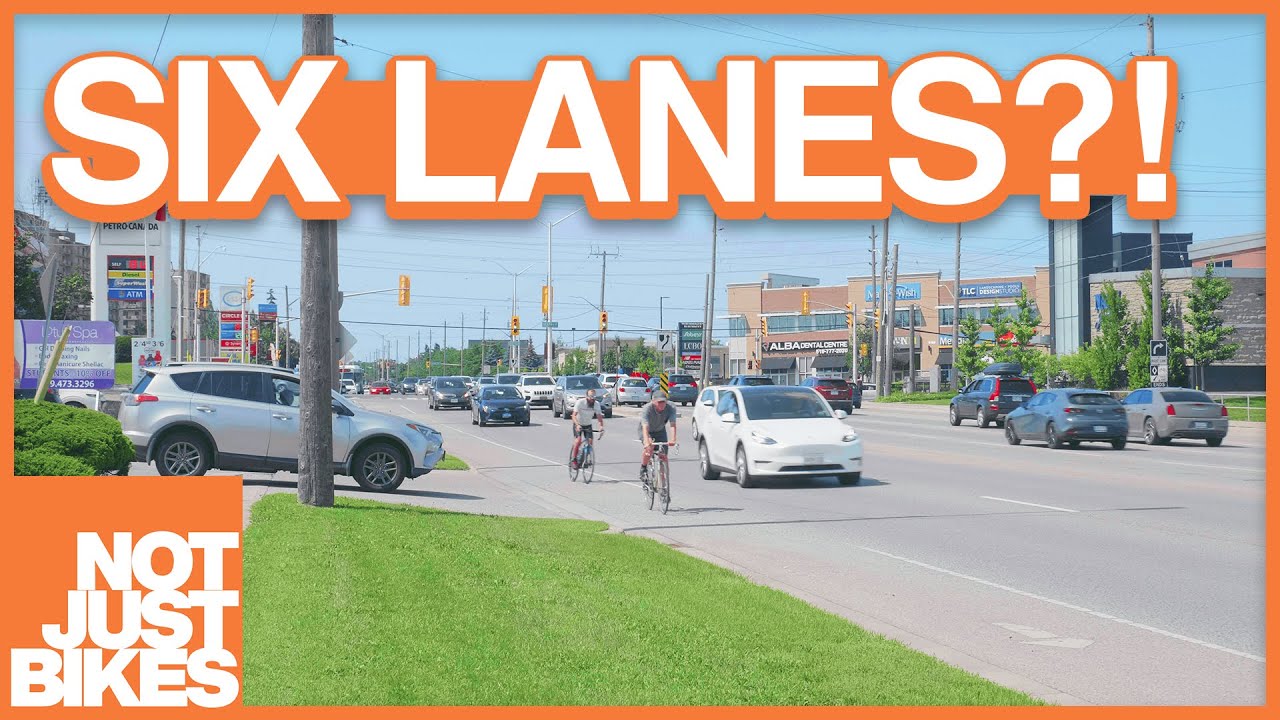
The third place, a sociological concept coined by Ray Oldenburg referring to neutral public spaces like pubs, coffee shops, and libraries where people from different backgrounds interact and build community outside of home and work, has been declining due to factors including the pandemic, commercialization replacing independent venues with chains, and urban planning prioritizing profit over community spaces; this decline threatens social cohesion, increases isolation and health risks, and enables political manipulation by keeping citizens disconnected from one another, making the restoration of these community spaces essential for maintaining empathy, understanding, and collective action in society.
The Diminishment of the Third Place: A Sociological Analysis
Added:Ray Oldenburg's foundational framework of the Three Places (First Place as home, Second Place as work/school).
The concept of Social Capital (specifically bonding and bridging capital) as popularized by sociologists like Robert Putnam in 'Bowling Alone'.
Basic principles of urban sociology, particularly the distinction between public, private, and commercialized spaces.
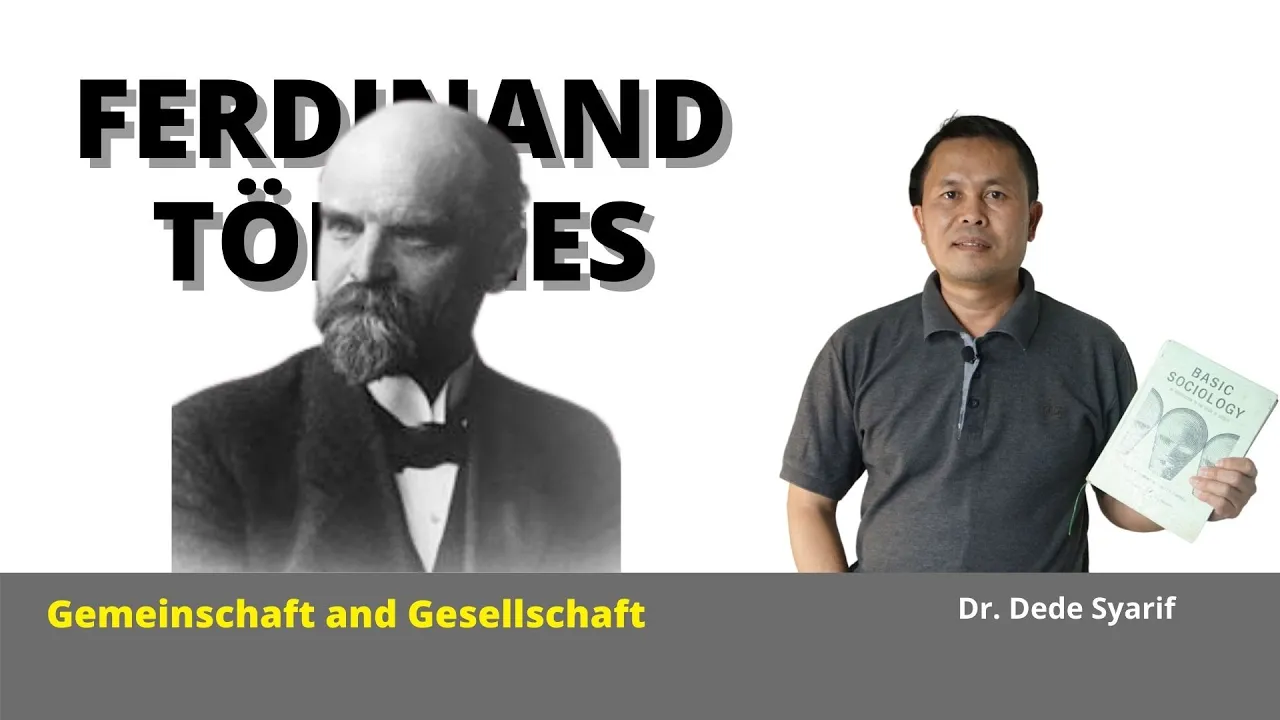
Ferdinand Tönnies' sociological concepts of 'Gemeinschaft' (community) and 'Gesellschaft' (society/association).
The study of 'Placemaking' and 'Tactical Urbanism' as practical design methodologies for reviving local community hubs.
The emergence and critique of 'Digital Third Places' (online communities, gaming spaces, and social platforms) as modern substitutes for physical spaces.
The socioeconomic impacts of gentrification, zoning laws, and defensive architecture on public accessibility and social equity.
Comparative urban planning models, examining how car-centric suburban zoning differs from transit-oriented, walkable European and Asian city designs.
3.5K views188likes13:46Original Release: 2023-07-01
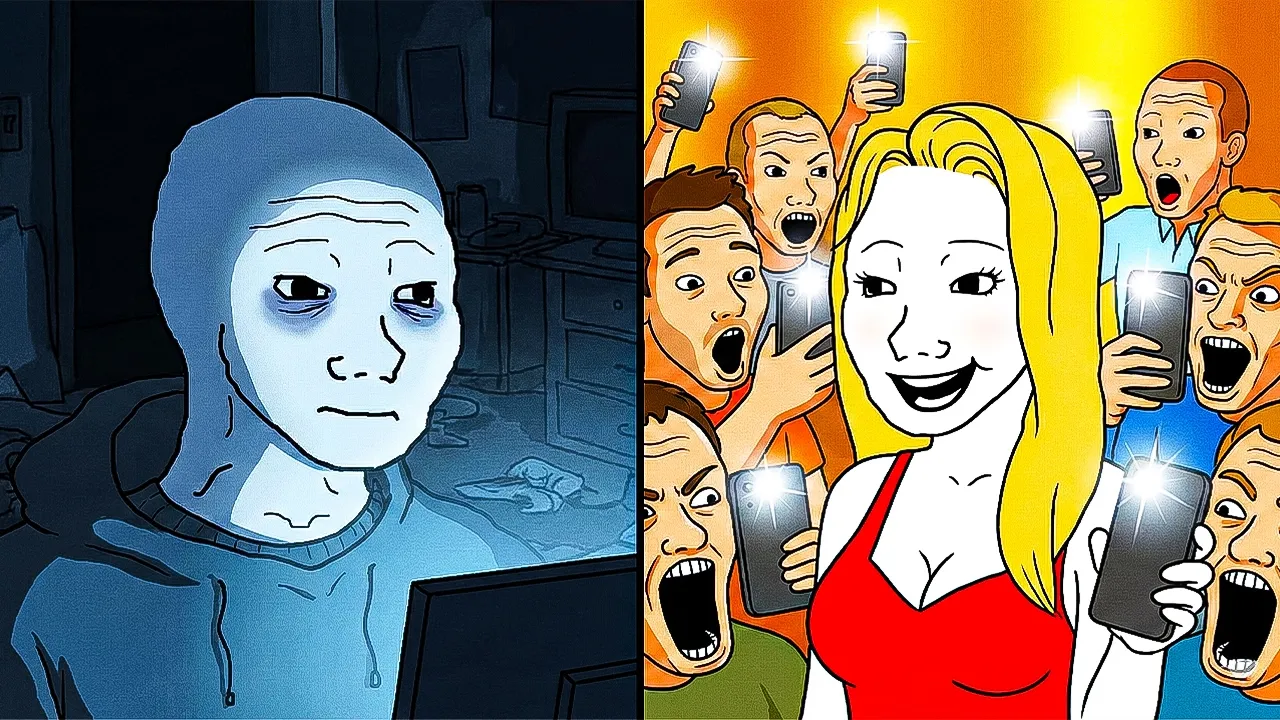
in our fast-paced and demanding World a lot of us surely feel a bit burnt out by the incessant reposition of work home work and home not only that but the world feels a little more [ __ ] than they did a decade ago a cost of living crisis looms over Europe and North America interest rates Rising on mortgages as well as an increase in Energy prices rent food and Essentials it's forced many of us into an existential rut well it needn't be or rather it shouldn't be what we need is a reintroduction to our third place in this video I'll talk about the sociological concept of a third place what it is the significance of it where it's gone and finally how we can get it back so first [Music] the third place is a Time coined by a sociologist Ray aldenberg and refers to places where people spend time between home work they are locations where we should be able to exchange ideas have a good time and build relationships think of your local pub a coffee shop a library Youth Center churches or gyms essentially these are places where you meet with the rest of your community not necessarily people you would normally interact with and chat the significant thing about these third places is that they are usually spaces where social classes are leveled out a rich citizen from one part of the neighborhood drinks in a pub with a poorer citizen from another part of the neighborhood and in the shared space they are seen as equal they will Thrive according to their own will or Inspire conversation through their own intellect a broader range of ideas and discussions can be had that were challenged or broaden one or another's worldview it's a place to build empathy connections and Community they are often referred to as the living room of society a mixing part of people from different backgrounds that rewards finding similarities with one another so what is the significance of the third place and where have they gone the inspiration to make this video was in fact inspired by this chart in this chart of what people have valued over the years there has been a severe decrease in Collective value for the community in fact money is the only thing that has increased in Collective value and I suspect that one of the key reasons for this decline of collective value in community is a steady diminishment of third places to summarize the significance of the third place is essentially that species for Community Building there are places that aren't our homes or our workplaces on an individual level they are places where essentially we can Thrive socially and intellectually they are a key component in sharpening our personas and our individual identities on a societal level they are spaces where social cohesion is born retained and evolved there are places where citizens of a community are able to discuss developments within the community and spaces to organize as a collective if need be we need them to Aid in the compartmentalization of our lives our homes are our intimate spaces our work is Where we exercise a restrain professionalism and the third place is where we can flourish alongside others essentially Carrie Al Cooper a professor of organizational psychology States these venues and spaces provide people with an imperceptible feeling of being socially connected and part of a community that are quite important for being productive and imaginative Kathy dufre a professor at Colorado College further states that a real third place can also contain an element of casual social Aid not only that but historically they have been essential the cafes in Paris will where the French Revolution was planned British pubs have been spaces where everything from the designs of the first British Railways were drawn up to the organization of the poll tax strikes in the thatchiest and it was in a fraternity bar where John Nash defies game theory that would reinvent politics and economics to this day third places are the liminal space between our intimate expression of ourselves our professional diligence and our creative flourishing they are the spaces where we can see aloud the ideas we think alone and use the tool of informal feedback to refine and rework ideas collectively I'm sure some of you are watching at home confused why am I lamenting the demise of the third place when they are still about well sadly not as much and oftentimes these spaces are disproportionately more common in wealthy neighborhoods than in poorer neighborhoods more common in cities rather than suburbs and more commonly targets to younger people rather than older people the issue with these facts is multi-pronged firstly it can be argued to some extent that these spaces are more necessary in poor neighborhoods than they are in wealthier neighborhoods not like the latter shouldn't have any but rather the former benefits from third places for spaces for Community Building you see third places and the social cohesion that follows correlates with a drop in crime in the area essentially the more people you meet the more you emphasize with one another the less likely you are to commit crimes against one another when one is isolated in their house not knowing their neighbors they feel less obliged to watch out for their neighbor and emphasize less with a larger community to the second point of third place is being more prevalent in cities and not suburbs a similar argument follows communities in cities aren't as localized as they are in suburbs you could work in a bar in a city and see a different group of people come in all the time sure they serve as a spot to hang out and mingle make new friends Etc which are all important but if you work in a local pub or Cafe you will often see more and more of the same people frequencing The Establishment which greatly AIDS localized community building that is more essential for people living in suburbs and finally on the last Point whilst young people absolutely should have third places and are essential for their growing minds they shouldn't be favored at the expense of a third place for the elderly there is a silent epidemic of chronic loneliness amongst the elderly in the western world Studies have shown that social isolation significantly increases a person's risk of premature death from all causes a risk that Rivals smoking obesity and physical inactivity not only that but social isolation was associated with about a 50 increased risk of dementia a third place is quite literally a medical necessity for the elderly in the developed world and there is a drastic shortage of third places for the elderly and of course all these problems are compounded with a global cost of living crisis meaning for the places that are left many people don't have the means to afford to go out so where have they gone and why and what are the implications of them going well one big factor that recently closed tens if not hundreds of thousands of third places globally was the covid-19 pandemic not only did the pandemic decimate social third places but also for many the space between work and home immediately collapsed into one another meaning in some respects some of us lost two spaces in total apart from covid another issue has been funding say there is an empty space in a residential community area what would make more money more houses a factory another chain restaurant or a social space for people to come together the former three of course in growth driven capitalism everything must expand but only for profit collectively we've embraced monopolization Starbucks instead of independent coffee shops in the UK local quirky pubs have been replaced by weatherspoons libraries knocked down for either luxury apartments or malls commercialization has decimated the third space third space is now commodified sanitized and weirdly alienating which brings me on to my next point the decline of the third place directly benefits the interests of the powerful a lack of third places is an apt opportunity to keep people more socially isolated more social isolation means less chance of people organizing which means more people stay at home watching the news that they vet and utilize as mouthpieces for their agenda which in turn means more people are atomized angered and distrustful of their neighbor all of these outcomes directly benefit the interests of the powerful Elite who have a vested interest in keeping people separated as much as possible additionally these third places have migrated to the online realm kids and adolescents nowadays are more likely to form communities online than they are in real life with a plethora of apps at their fingertips they can find people that Harbor the exact same Niche interests that they do there's no need for real-world relationships when you can find people that agree with you 100 the implications of this are profound Echo Chambers are cemented normally you would mingle in a local pub and find people with different opinions to you you would argue it out in person without carefully crafted tweets and Reddit cards just humanely arguments out and imperceptibly you would emphasize and begin to understand their argument doesn't mean you'd agree on it you come out understanding the other point of view but you wouldn't be vilifying them as a Reincarnation of Satan those people with different beliefs were human and deserve respect on the far extreme of it you have people like incels jihadists and right-wing terrorists whose malignant ideas go unchecked on farms validated by other socially isolated individuals growing more and more extreme unchecked and without the real world pushback that is so often needed to correct people in the depths of their intellectual Darkness now with the introduction of AI Chachi BT that can mimic human conversation it appears we will only drift further away from a brick and mortar third place and into the virtual realm in the generations to come and the implications of this will be terrifying social isolation will cause more and more premature deaths cemented Echo Chambers will cause more atomization and divisions within Society political and social discourse will arrive at a Stancil and grow more and more extreme further and further away from a reasonable Middle Ground compounding all of this will be the fact that corporations the financial terrorists that own our countries will employ their political pawns to rescind workers rights human rights and culture the landscape will be a trab carbon copy of one another devoid of any character no one will mingle no one will organize and no one will fight back isolated they will use TV and media to comfort and control the masses shaping them into the obedient consumers slowly boiling the pot that kills the Frog prices will go up wages will go down there'll be no pushback except for a few meaningless tweets Facebook posts and petitions that will be swiftly ignored essentially the complete erosion of the third place is the erosion of our social cohesion and our empathy and understanding of one another it's the erosion of the leveling out of social classes that serves as a fresh reminder that we are all human in this together but how can we get them back I don't want to end my video on such a downer so there are solutions ultimately it boils down to urban planning we all need to embrace a sense of communalism we can't fix the world's problems but we can fix the ones in our doorstep you can pressure your local councilors after all they rely on your votes remind them who they work for ask them to directly address the issue of of the lack of third places remind them the effects it has on everything from reducing crime and strengthening Community bonds to improving mental and physical health all of which cost Millions per year to tackle remind them of the importance of Youth clubs for spaces where teenagers can be safe create and innovate which will help keep them off the streets skate parks pubs libraries Sports and well-being centers are all essential social utilities that have far-reaching benefits the power we all have is our ability and right to vote we enact the change we want by collectively vetting our counselors MPS congressmen and women you get the idea often the change starts with you organizing within your street the local affects the national why should we live in drop social conditions when we can reimagine something more they often want you to forget it but it's you and your community that has the power care for your community and help it flourish and reap the rewards of social cohesion and don't let third places be taken from you they aren't just places to hang out they're essential to the health of your community thank you for watching if you like what I do please like share and subscribe this video If you really like what I do then please consider subscribing to my patreon or buying me a coffee all support is appreciated visit my website for all the show notes of this episode and until next time peace thank you
Up Next

4:58
What Is Social Cohesion? Trust, Identity, Cooperation Explained
@IDOS_research
8.9K views•2023-11-10
54:57
Contemporary Sociological Theory: Micro, Macro, Integrative
@NaSESYNC
45.7K views•2016-02-17
19:23
How to Analyze Conversations Scientifically | Elizabeth Stokoe | TEDx
@TEDx
1M views•2014-12-04
9:41
What is Sociology? The Sociological Perspective Explained
@crashcourse
4.6M views•2017-03-13
Related Study Plans & Knowledge Roadmaps
Structured learning paths in Sociology
sociology
Celebrity Culture: From Hollywood to TikTok
01Foundations of Celebrity Sociology
02The Rise of Micro-Celebrity & Digital Platforms
03Parasocial Relationships & Algorithmic Intimacy
+ 2 more learning modules
12h5 modules
Explore Roadmap
sociology
Hostile Architecture: Space, Power & Control
01Introduction to the Sociology of Space
02Social Control and Surveillance in the City
03Hostile Architecture and Defensive Design
+ 2 more learning modules
12h5 modules
Explore Roadmap
sociology
Loneliness Epidemic: Third Places & Isolation
01Foundations of Social Capital and Community Cohesion
02The Death of Third Places and Urban Space Erosion
03The Privatization of Leisure and Atomization
+ 2 more learning modules
12h5 modules
Explore Roadmap
sociology
Sociology of Tourism: Gaze, Power & Heritage
01Foundations of the Sociology of Travel and Leisure
02John Urry and the 'Tourist Gaze'
03Staged Authenticity and Cultural Commodification
+ 2 more learning modules
14h5 modules
Explore Roadmap