

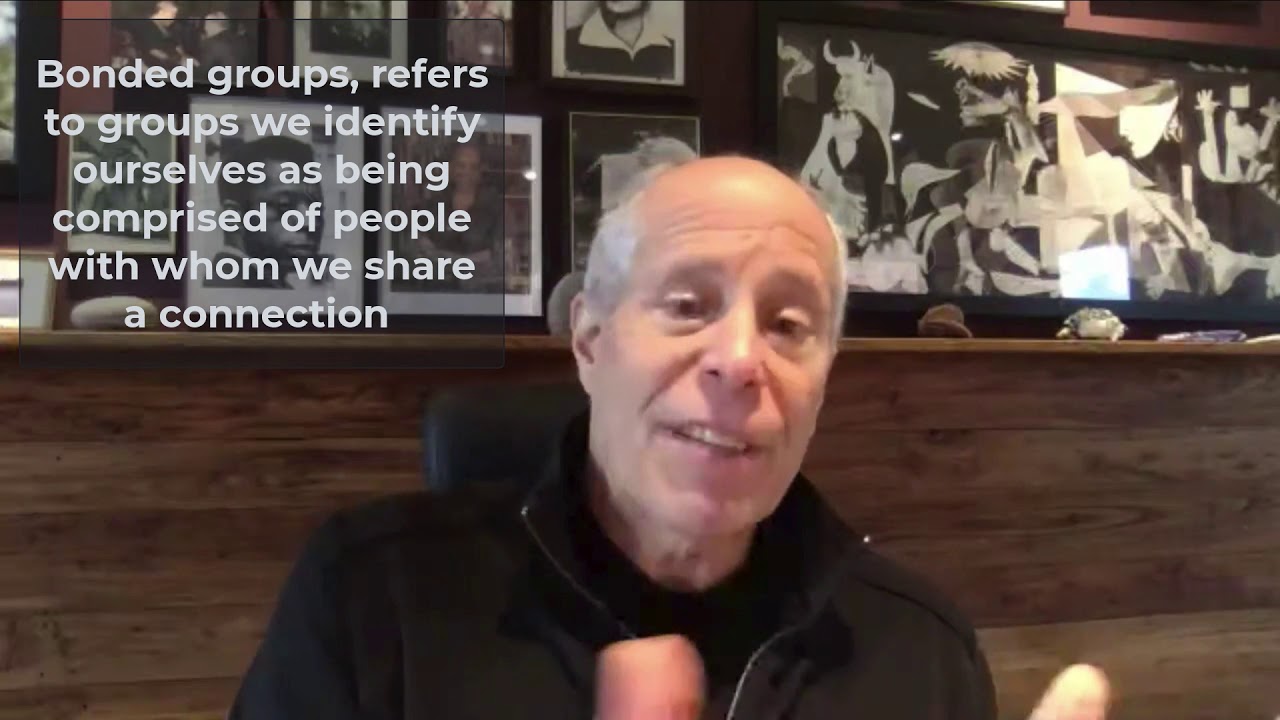



















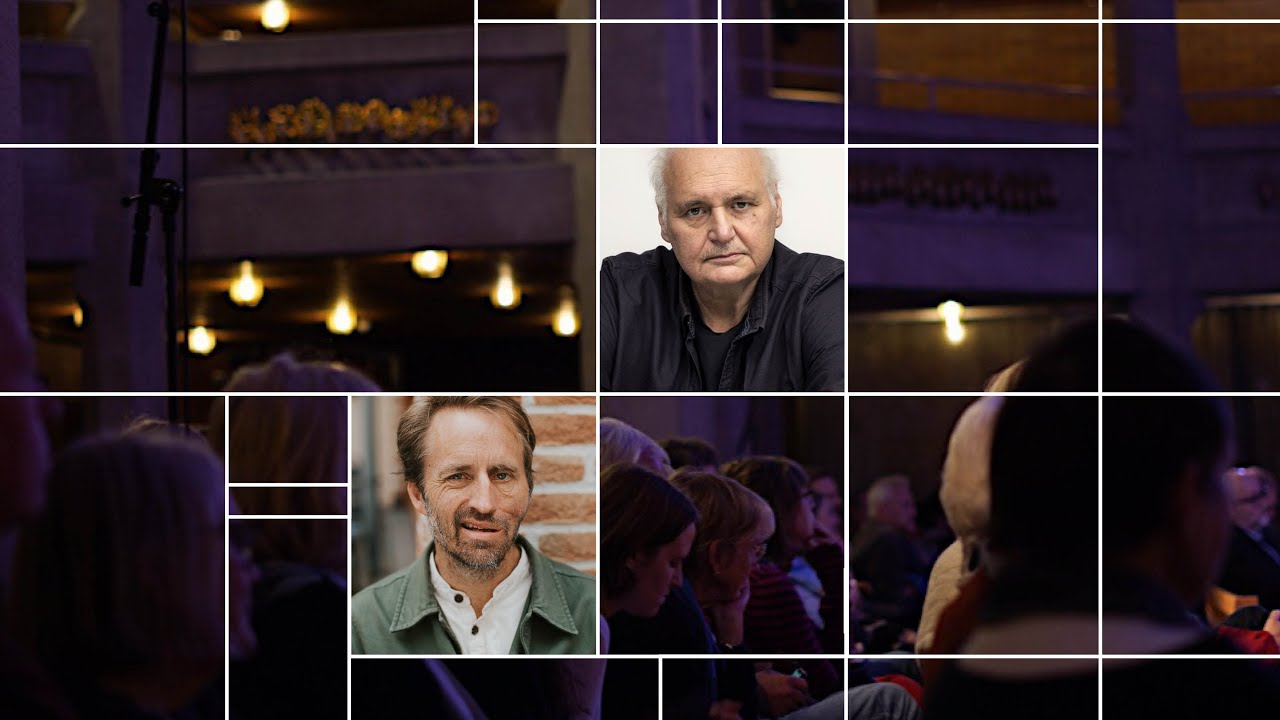
Robert Putnam, the Harvard political scientist who coined the term 'social capital' in his seminal work 'Bowling Alone,' explains that America's increasing social isolation—measured by declining participation in clubs, organizations, and community activities—has created a vicious cycle of political polarization, economic inequality, and cultural fragmentation. He distinguishes between bonding social capital (ties to similar people) and bridging social capital (ties across differences), arguing that diverse democracies require substantial bridging connections to function healthily. Drawing on historical data showing an upside-down U-curve of social connectedness peaking around 1965, Putnam contends that restoring communal bonds and mutual obligation is essential for addressing contemporary challenges like white nationalism and democratic decline.
Robert Putnam Analyzes Social Isolation and Civic Decline
Added:[Music] from The New York Times this is the interview I'm Lulu Garcia Naro this isn't going to come as a news flash things feel fragile in America and there is a broad consensus across parties and demographics that we are struggling to come together and face our many challenges which is why when I heard about a new documentary about the Harvard political scientist Robert putam knew I wanted to talk to him nearly three decades ago putam became something pretty rare a celebrity academic in 1995 he published a groundbreaking paper called bowling alone America's declining social capital in it he used data from the previous few decades to prove that America was transforming from a nation of joiners to a nation of loners we were going to churchless joining clubs at declining rates and he warned that as a result we were losing trust in our fellow Americans and our institutions that paper caught the attention of then President Bill Clinton and before long regular people couldn't stop talking about it either putam expanded it into a best-selling book a few years later and for a moment it seemed like his work might pull us back from this isolation Highway we were all on we all know how that story unfolded putnam's now 83 and he's watched as we've be become more divided more lonely and less confident about the way forward than ever before even as the stakes only get higher here's my conversation with Robert [Music] putam Dr putam your work is all about connection so I'm wondering first can you describe your own social life I mean what clubs are you in that's a really embarrassing question um I write about and talk about the importance of connections of Social Capital which is my jargon for connections and trust and so on but my wife actually does it she is actually the one who joins everything who has been a tutor and a teacher and a terrific mother and an even better grandmother we've got two kids and seven grandchildren and in the long run her work is going to have longer halflife than mine I'm not just being modest because those kids are going to be around long after people have forgotten anything about this putam the writer and author so that's a long way of saying not many clubs am I right right when I was a kid I joined everything there's a picture of my high school yearbook and basically there's nothing in my high school that I did not join band and chorus and debate and even football and on and on but as I've gotten older I've gotten it's hard to go to Club meetings when you're on the road all the time and I am that's the sad fact that's interesting to me because you're grappling with I think something that we all grapple with which is how harried our lives are how hard it is to actually find meaningful connection and a big part of why I was interested in having this conversation with you is that when it comes to social connection things feel bad right now do things feel bad to you too well sure I think we're in a really important turning point in American history of course American history is full of turning points but this is a pretty important one what I wrote in Bowling alone is even more relevant now why because what we've seen over the last 25 years since the book was published is a deepening and intensifying of that Trend we become more social isolated and we can see it in every facet of Our Lives we can see it in the surgeon general's talk about loneliness and he's been talking about relatively recently and he's talking about the psychological state of being lonely that's in Bowling alone the fact that people we becoming more and more socially isolated and the social isolation leads to lots of bad things we're seeing it right now let me give you a particular example social isolation is really bad well it's bad for your health that's part of the story of the book but it's really bad for the country because people who are isolated and especially young men who are isolated are vulnerable to the appeals of some false community that was true and I can cite chapter in verse on this eager recruits to the Nazi party in the 1930s were lonely young German men and it's not an accident that the people who are most attractive today to white nationalist violence are lonely young white men loneliness is it's bad for your health but it's also bad for the health of the people around you does that make sense it does I want to understand a little bit about the terms that you use for how you describe this you distinguish between two types of Social Capital right there's bonding social capital and there's bridging Social Capital exactly can you explain that distinction sure ties that link you to people like yourself are called bonding Social Capital that's just the way the word is used so my ties to other elderly male white Jewish professors that's my bonding social capital and bridging Social Capital are your ties to people unlike yourself so my ties to people of a different generation or a different gender or a different religion or a different politics or whatever that's my bridging Social Capital I'm not saying bridging good bonding bad because if you get sick the people who bring your chicken soup are likely to reflect your bonding Social Capital but I am saying that in a diverse Society like ours we need a lot of bridging social capital and some forms of bonding social capital are really awful so the KKK is pure Social Capital bonding Social Capital can be very useful but it can also be extremely dangerous so far so good accepted bridging social capital is harder to build than bonding Social Capital but basically that's the challenge as I see it of America today there's a lot more to say about it but the basic challenge is we need a lot more bridging social capital and that's hard to do and that's especially true in politic itics yeah we'll get to politics but I actually want to start by talking about individual connections you know in preparation for this interview I talked to a lot of people about social isolation sure my 33-year-old niece feels it my nearly 60-year-old sister feels it I feel it people think that they've lost the ability to connect 24 years ago you placed a lot of blame on television now nowadays many people place the blame on phones although maybe that's too simplistic well let me go back originally at the time I wrote bowling alone uh social media was still six or seven years in the future I did speculate a little bit about the not about social media because I didn't guess that but about the internet I did speculate a little bit and as it happens my speculations about the effects of the internet turned out to be approximately right and it's it's now a quite common idea that social media are to blame for all of our troubles and I think that's a lot true although even now I don't think we should exculpate television H there was a recent uh neelen report uh which said that on average the typical adult spends more than 10 hours each day with media okay 10 hours every day think of that but about half of that is still devoted to T is so even now even long after the invention of the internet and social media and the iPhone and so on television still has that effect of privatizing our leisure time that's the fundamental thing it does right we're not interacting face to face with a real person right and one really important question that I don't think we really know is what is it about face toess that matters so much H face toac matters there's no doubt about that and why it matters I don't know nobody knows but I want to add one more thing because to have that as a dichotomy which most discussions of this have is it better to do Facebook or better to go bowling on a team that kind of issue that is not the right way to think about the problem what is um I want to use an analogy here with the concept of alloy an alloy is a mixture of two different Metals but mixing them together has unique characteristics today almost all of our social connections are simultaneously face Toof face and virtual our social ties are all Alloys uh my wife and I for example we have offices you know just next door but often we send emails to each other how weird is that I text my husband all the time even if we're in the same house exactly well and that's it turns out that's not peculiar to your marriage or my marriage that's extremely common that our most intensive personal face to- face ties are also the people with whom we interact virtually most of the time so there are ways in which we could combine face Toof face and internet that would be really productive we could develop social media in a way that they would actually contribute to our lives our personal lives and our Collective lives but it would have been a little less profitable let me take this idea a little further because as we've been talking there's been two sort of ideas that are in ttention here one idea is that face to face is better you've said it we definitely experienced it during the pandemic we know it we are social animals we we need to see each other and the other side is that you're texting your wife and I'm texting my husband even though we're in the same house right we want community and yet there's something that takes us away from Community why there are two ways of answering that question the first answer is we're busy and you might think therefore busy people are going to be more online and less face Toof face but here's what's complicated about that theory actually when we look and in Bowling alone I did this very very carefully we look to see who is a joiner and who is not a joiner who connects in real life bowling leagues or Kanas or women's reading groups or whatever and I compared that to how busy they were and the fact is busy people are more connected with the rest of the world so there are this I don't like to use major of language but there are some sloths Among Us who don't connect face to face and also don't connect with they just sit in front of the television and there are other people who are very busy but nevertheless managed to connect with a lot of people both face tace and during the media so it's basically if you're asking why do we have people no longer connecting face to face it absolutely is not because we're too busy so then what is it well so um I know you ask an academic a simple question and they answer with an encyclopedia and the next thing that AC all always do is cite their most recent book so that's what I'm going to do my most recent book is called the upswing I wrote it jointly with a brilliant young woman named shayen Romney Garrett we looked at longrun Trends trends for example in Social Capital that is Trends in connectedness Trends in loneliness that sort of thing over the last 125 years and the short version is that curve it's an upside down U curve we were socially isolated and distrustful in the early 1900s but then there was a turning point and then we had a long upswing from roughly 1900 or 1910 till roughly 1965 and that was the peak of our social capital that is that was people were more trusting then they were more connected then they were more likely to be married then they were more likely to join clubs then Etc and then for the next 50 years that Trend turned around and the book bowling alone looked at that single Trend but this new book not only extends the length length of time of looking at these things but also looks at three other variables first political polarization that Trend in political polarization or depolarization follows the same pattern exactly that the trends in Social connectedness follow that is low in the beginning of the 20th Century High in the 60s and then plunging to where we are now so we now have a very politically polarized country just as we did 125 years ago the next Dimension is inequality America was very unequal in what was called the Gilded Age in the 1890s 1900s but then that turned around and the level of equality in America went up until the middle 60s in the middle 60s it's hard to believe this in the middle 60s America was more equal economically than socialist Sweden and then beginning 1965 that turns around and be plunged and now we're back down to where we were we're in a second guilded age and the third variable that we look at is is harder to discuss and measure but it's sort of cultural to what extent do we think we're all in this together or to what exent do we think it's every man for himself every man and woman for himself and that has exactly the same Trend pause what caused that I am trying to get to the issues of causation because it turns out to be morality according to my reading of this evidence what stands you know Upstream of all these other Trends is morality a sense that we're all in this together and that we have obligations to other people now suddenly I'm no longer the social scientist I'm a preacher I'm trying to say we're not going to fix all these problems in America polarization inequality social isolation until first of all we start feeling we have an obligation to care for other people and that's not easy so don't ask me how to do that that is a very hard thing to reverse this idea that we're not all in this together this idea that we're not Ro the same way and I'm hearing you enumerate all these different things that are behind it polarization etc etc what though makes this a uniquely American problem because we look at other countries that have similar financial and economic and political systems and they don't suffer as acutely at this moment as we do from these things can I take issue with the framing of the question I don't you say why are we among all nations prone to or or uniquely Afflicted uniquely Afflicted and we're not that's my short answer now I but we are no we're not first of all a little bit about the empirical data today America is polarized so is France so is Hungary so is Canada it's hard to name an advanced industrial democracy in which there's not really deep I mean seriously deep political polarization and if you'll allow me to get a little political trump-like figures in all of those countries okay how about economic inequality the degree to which we're unequal it's true is probably higher in America than anywhere else but the trend in inequality that is the growth of inequality over the last 35 40 years is completely unique to America okay how about social isolation there was a lot of debate once upon a time when bowling alone first came out people said well true in America but it's not true here but then there was a second wave and almost everybody agrees that there has been in their country in the last 30 or 40 years a growth in Social isolation and loneliness and indeed some places have the government Department of loneliness I'm not even joking okay now how about is America unique individualistic there was a guy who wandered around a Frenchman actually who wandered around America in the 1830s guy named Alexis dville yes he wandered America in 1831 all over the country and he came away thinking the most interesting thing about America that he discovered was that it was incredibly communal and he didn't know the word Social Capital too bad for him but he was talking about joining people were always joining however he talked about really incessantly about how Americans were individualists now how do you reconcile those two points is America individualistic or are we communitarian he in effect said there are ways in which Americans are both and they know and we even have a secret he said this is the secret to America it's called self-interest rightly understood and he said it's because Americans they do pursue their self-interest but they think about it in the long term they think about well in the short run maybe I can gain by you know cheating somebody but in the long run that's bad for everybody if everybody followed that practice we'd be a poorer country we're all better off if we all can cooperate H it reminds me of of something I've covered a lot of natural disasters among other things and Studies have shown that neighborhoods that have strong connections recover much more quickly from natural disasters than neighborhoods that don't exactly the ones that have strong ties they do better absolutely and I'm conscious of that at this moment I'm speaking to you from Cambridge Mass where we are lucky enough to have a very nice home right in Harvard Square but we also have a very nice home up in New Hampshire and one of the reasons we like New Hampshire is because it happens purely by chance that the places we're living has the highest level of social capital in America um and I have got the data to show it and what that means is that if a disaster happens the power goes out which happens all the time up in the woods people will help one another now maybe they would do that in Cambridge I don't know but at Cambridge you probably wait for the utility to fix the utility but if there's a bad snowstorm our neighbors come to shovel us out because they think I'm too old to shovel the snow which is actually true so I'm just reinforcing your idea that disasters require Social Capital wait wait you own a house in the place with the most social capital in the United States did that happen because you're there or you move there because it has Social Capital well here's correlation causation I could show you the data that it had Social Capital decades before I got there no no it's the other way around I think I was attracted to Jaffrey is the name of this town well partly because it's beautiful actually but I'm sure I was attracted to it without even at that point knowing it because you can feel Community I mean you can you can be there not very long and you can feel that the neighbors are paying attention to you one of the first times I went there I mean sorry this is just a silly story but I went to the grocery store and um they had different kinds of potato salad and I asked the guy at the counter could I have some German potato salad and he gave it to me and it was super and the next week I came back and um I ordered a different kind of potato salad cuz I thought well you know maybe try something different he said what you didn't like the German potato salad I gave you last week I a total stranger and he's paying attention to my tasty potato salad so I'd imagine that people do come to you a lot asking for Solutions about how to feel less lonely on an individual level and the thesis of this new documentary about your life is join a club but um how does having fun in a running club for example translate to democracy with a big D how did is that small germ of social Connection in a club then translate to I believe in this whole experiment that we are living in my work and this movie is designed to show you how it is that joining a club even a trivial you know Pinacle club or whatever Tiddly Winks does help democracy that's what my work has designed to show the reason that's true is because it's only by connecting with other people we generalize from our experience I mean in the running club you learn that you can trust other people and learn in a way what you need to do to maintain that trust the idea is that you're running with someone you learn that you can care for people and people can care for you even people that are different and therefore you're more likely to then trust that government and institutions are actually working inch to help you too yes but I would say that the causal sequence is you begin with trusting other people and the trusting in other people produces a government that's trustworthy The Virtue here is is not trust it's trustworthiness I'm talking especially about government that sounds like a silly difference but trust without trustworthiness is just gullibility I'm not an advocate of pure blind trust I'm an advocate of trustworthiness I want other people to be trustworthy of my trust and I want the government to be trustworthy does it matter what kind of a club you join you know is there a tension between what might be more enjoyable for you and what might be better in terms of saving American democracy of course that's a tough question I'm not sure I have any answer to it it's got to be fun I mean building social capital is not like castor oil you've got to take it because it's good for you even though it feels awful people don't join things unless they're fun so I am famous as the advocate of bowling clubs but you don't bowl so you can you know Build a Better Community you bowl because it's fun and in the doing of the bowling in a team I mean you're hanging out with folks and you're talking talking about you know the latest TV show that you saw or you know but occasionally you might talk about garbage pick up in town and that's democracy I mean I'm doing democracy doesn't just mean of course it means voting her it means organizing I'm a political sist so I'm not opposed to that I'm just saying don't think that the way to save democracy is just to set out to save democracy so this is top of Mind of course because we are in an election year and this collective experience that we're all having of feeling disconnected and alone and angry and upset has bigger ramifications than just my own feeling of that absolutely it does um actually I should say even though I am a liberal Democrat I've much of my work has actually been supportive of and supported by people on the other side of the aisle I mean I I have a track record of not being partisan but I am on the issue of trump because I think the Maga movement is different and why is it different well partly because it doesn't do bridging Social Capital I mean that's part of my diagnosis that's interesting I let's let's talk about that it doesn't do bridging Social Capital it it does bonding Social Capital it basically tries to find people that are like themselves and exclude the other and not only exclude the other but vilify the other and glorify the fact that it is bonding Social Capital I mean that's captures the essence of the Trump movement that they hate bridging social capital and they love their bonding Social Capital that is they glorify that they alone have the truth so what is the causality here are we politically polarized because we are less connected or are we less connected because we are politically polarized yes by that I I mean life is not all one way cause and effect and it is a viscious circle that we're caught in now so what that means is any single strand if we tried to fix one single strand you know it wouldn't be enough because the other strands would work against that um I I don't have any Simple Solutions to that I mean sorry did you invite me here because you thought I was going to solve all of American problems I don't solve America I don't solve problems I was told you were a sage okay last question and then I have one for you okay I'm just thinking about in the documentary actually you sitting at the table with President Clinton in the White House and you must have felt at that moment like your message was going to be received you must have felt so hopeful at that point sure and in fact I felt even more that way about Barack Obama I mean I was incredibly hopeful about Barack Obama not just because who he was but because I actually knew him well until he became president he called me Bob and I called him Barack he um Drew on my language in many of his speeches and yet Dr putam I hear you and your passion is so great and I'm moved by it frankly but here we are yeah so I don't know you shouldn't think I've never asked myself that question in fact one way to put it is this um 25 years ago I essentially predicted everything that was going to happen I'm and that's a little exaggerated but not much and yet they happened okay I've you know been a little bit of an Isaiah preaching how awful things are um one person once said I was like an Old Testament Prophet with charts um I've been working for actually most of my adult life and maybe even longer than that to try to build a better a more productive more equal more connected community in America and now I'm 83 and looking back and I it's been a total failure now should I be optimistic or pessimistic about the future I don't know that I'm optimistic or pessimistic I could honestly looking at the polls today I could be pretty pessimistic but I am hopeful cuz I can see how we could change it and I'm doing my damn this including right this moment to Cy to change the course of history I'm sorry that's very self-important and I apologize for that but I'm telling you honestly how I feel I don't mean to sound cynical it's just that what can I do I've tried my damnedest to sketch a way forward but I've not been persuasive enough well maybe it's just that one man can't do it alone we need Community you're right well what is your question if I'm right in examining your CV you started your journalism career at the end of the 20th century roughly speaking 2000 just about the time that bowling alone was released yes suppose you were didn't know me at all and didn't know the book but you were trying to describe how you think American society or any of these societies you've studied have changed I'm trying to turn you into not a social sist but neither am I a pure social scientist what's changed better worse can I call you Bob well there are two options Bob or your Excellency so yes Bob I would say this I came here in 2017 from having lived overseas and the things that I had seen in other places that I had not seen here before I started to see here families turning against each other friendships broken politics invading every part of people's lives right and that has only accelerated and I think like you say to turn that around is a hard and Herculean task actually it's interesting that we have very different careers and Origins and so on but I have actually seen an America that was better so I know it doesn't have to be this way it doesn't mean I know how to get out of here but I America as a whole has been in good times we have trusted one another that's what my books show we've trusted one another we've loved one another we've been equal to one another we've voted for higher taxes on ourselves in order to help poor Americans we even began to reach across racial lines I mean it's not an accident that the Civil Rights Movement comes at the peak of this upswing so I know that we can do better and I know that we've turned Corners in the past I mean we've come back from worse so there's no question that you can turn a corner but you asked me in my lifetime what I'd seen and I'm afraid the trajectory had hasn't been no on an upswing and I and I think that's what your data shows too sure does it's not just the Vibes I don't do Vibes I do [Laughter] [Music] data after the break I called Bob back with a theory about why it's so hard to join a club these days politics but he's not so sure everybody who studies people's views agree most people are not interested in politics even now even [Music] [Music] now hello hi Lulu how are you I'm good how are you I'm terrific are you at home uh I'm at home in New Hampshire I'm looking down across our lawn to a pond and then on the far side are trees and and beyond that is the uh tallest mountain between here and New York City so yeah I'm I'm in great shape thank you it sounds beautiful I'm jealous um so I was thinking about our conversation and what struck me is you know to me we feel less connected because it just feels like politics has Chang since you started researching this you know our disagreements aren't just intellectual anymore about about how we should pay taxes or how we should fund programs they feel fundamental and existential to many people and the remedies that are being proposed like join a club don't seem practical because people don't want to spend time with folks who seem to threaten their very way of life lul there's a debate among academics about which comes first the elite polarizing us or the mass public polarizing and there's there are two sides I mean there debates about that of course but there's a strong argument in my view that this is top down the reason people feel the way they do that they don't want to hang out with people who differ than them is because those are the message they're getting from their political leaders and there are people who want to join clubs and they're they really ha are happy in those groups and they're not talking about politics most people in America don't care about politics that's sad for me to say as a political scientist but that was the first discovery of empirical political science and so by now everybody who studies people's views agree most people are not interested in politics even now even now if you ask people what are the things that you were worried about in your you know your daily life politics is bottom of the list most people don't they don't wake up in the morning thinking oh I wish I could stick it to those abortionists or whatever they don't most people they wake up they get about their marriage or their kids or or the local sports team or whatever and then they turn on the news and the news is telling that they should a that they should be concerned about public affairs politics and be people telling them what to think the polarization that we're talking about is mainly provoked from above to some extent by media but mostly by political leaders oh okay so let's say you got to sit with the next president like you did with former President Clinton and Obama yeah what are the top policy Solutions you'd recommend to help remedy social isolation I think there are a lot of specific things for example about 125 years ago in other words roughly around 1900 or 1890 what was called the quote boy problem was a big problem I don't know what that is well it was a problem of boys who were getting in trouble and raising trouble for the country as a whole and to address that problem a burst of new associations directed at boys were invented big brothers and the organization called boys clubs it's now called Boys and Girls Club but it was then called boys clubs it was invented in 1906 and boy scouts now what do I infer from that this goes back to my understanding of the why we would look look at that period the Progressive Era folks in that era were concerned about the same problem we are now that is loner males boys especially we're getting in trouble and causing the country trouble and nowadays it's exactly those loner males younger loner males who are drawn to White nationalism and violence and so if I were talking to the president and said how do we solve this problem of quite nationalism and violence and terrorism in America we have to begin early in life and that means thinking of new ways not the Boy Scouts or whatever because that's but what was the what did the Boy Scouts and those other groups do that was so neat they combined something that was fun with moral indoctrination a scout is trustworthy helpful friendly courteous kind obedient cheerful f um I can do this once I love that you still remember most everybody all the boys in my generation remembered it because you had that it was a pledge a scout is trusted helpful friendly courtious kind obedient cheerful Thrifty Brave clean and reverent I got it now some of that sounds a little you know Thrifty sounds a little dated but trustworthy and that's not wrong so we need somebody as bright as the people who invented those institutions now for the 21st century to think about something that's fun that will actually be enjoyable for the kids but also throw in a dose of character education I I want to end by asking you this you've sounded frustrated with the lack of progress your work has led to why do you think it's been so hard to get people from reading your book and understanding your argument to actually doing something about it I I wish I knew the answer to that question obviously I wish I knew the answer to that question um the first of all it's a tough problem I mean this you know if this were an easy problem somebody else would have fixed it and the fact that we're divided as a country or at least think we're divided makes it even harder to fix but for the last 25 years more than two-thirds of my time has not been spent doing research or writing books I first of all ran something called the Saro seminar which tried really hard to get smart people both practitioners and intellectuals together to figure out these problems and we still couldn't crack the problem but that was my try and it didn't work and then the other thing I spent a ton of time I've traveled certainly every state and and to hundreds of towns big towns and little towns all across America I probably over those 25 years hundreds of thousands of people I personally spoken to there are some groups largely around Community foundations Across America that actually are now they would tell you they're following my agenda for trying to fix their communities who have spent a lot of their time over the last 20 years trying to do what I said they should do has that made a difference I don't I don't know I'd be hard pressed to make the case but that's I you know I'm believe me I'm more aware than you are of my failures [Music] that's Bob putam Join or Die the documentary about his life and work is being shown at real life in-person screenings across the country starting July 19th see if one is happening near you at join orive film.com this conversation was produced by Seth Kelly it was edited by Annabelle bacon and nitsu Abba mixing by aim Shapiro original music by Dan Powell Diane Wong and Marian Lozano photograph by Philip Montgomery our senior Booker is priia Matthew and our producer is Wyatt orm our executive producer is Allison Benedict special thanks to Bo Breslin Sarah latti Melanie Mason Lori Rodriguez Rory Walsh renan burelli Jeffrey Miranda Maddie masello Jake Silverstein Paula Schuman and Sam dolnick if you like what you're hearing follow or subscribe to the interview wherever you get your podcasts and to read or listen to any of our convers ations you can always go to nytimes.com thein you can also email us at the interview at NY times.com next week my co-host David maresi speaks with the basketball Superstar Joel embiid ahead of the Paris Olympics growing up I watched the Olympics it was always about you know I want to play I want to be part of it so that's been my dream so to me that was what matters the most you know achieving my dreams I'm Lulu Garcia Navaro and this is the interview from The New York Times [Music]
Up Next

Donna Haraway's Cyborg Manifesto Explained: Key Ideas
@TheoryPhilosophy
39.8K views•2020-09-26

Microsoft Activision Merger Antitrust Analysis under Biden
@HoegLaw
10.3K views•2022-01-22

Government Surveillance Methods: 10 Ways You May Be Watched
@BeAmazed
1.6M views•2017-04-09
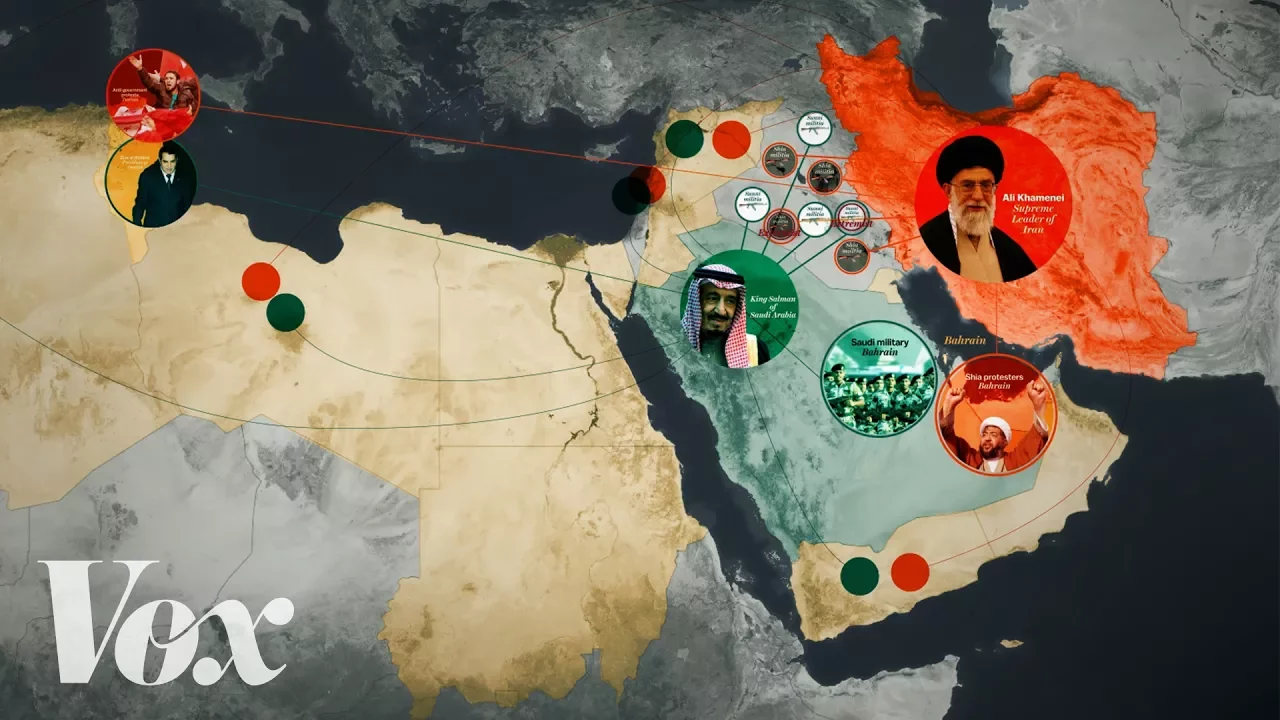
Explaining the Saudi-Iranian Proxy Conflict in the Middle East
@Vox
18.2M views•2017-07-17
Related Study Plans & Knowledge Roadmaps
Structured learning paths in Political Science