
















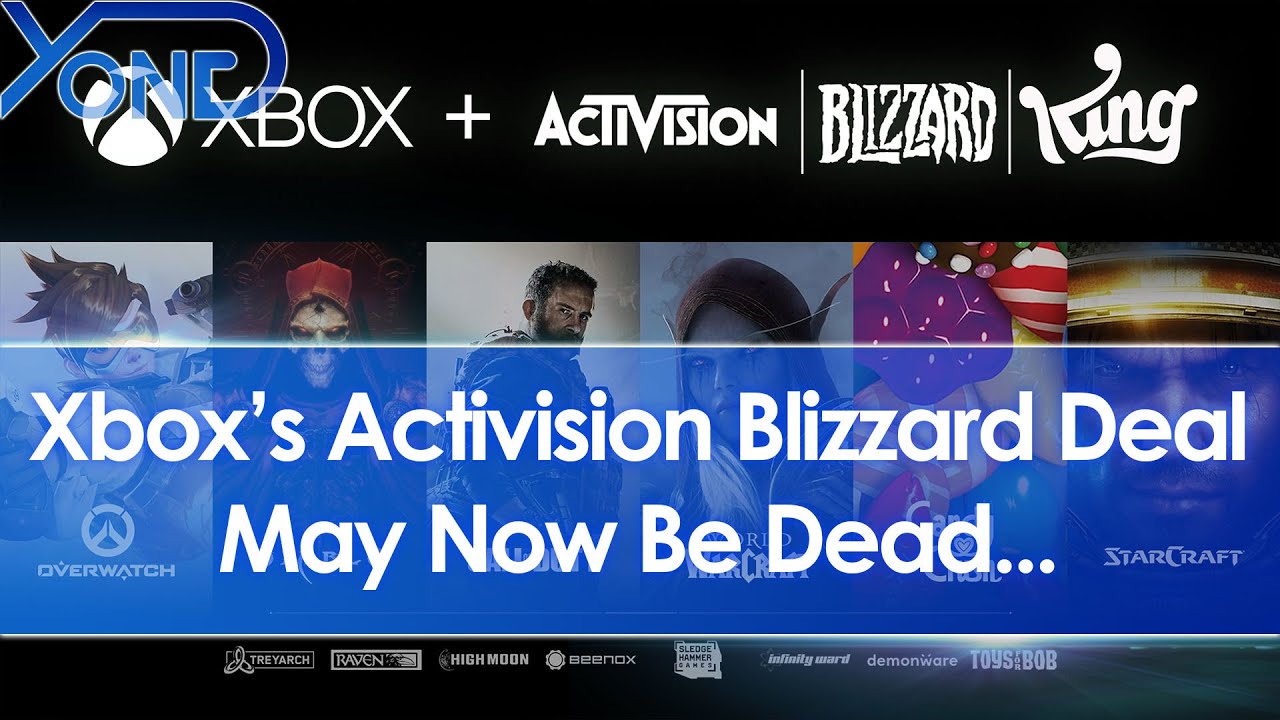



Large technology acquisitions like Microsoft's $70 billion purchase of Activision Blizzard face heightened antitrust scrutiny due to vague legal standards, political motivations, and evolving regulatory frameworks that make it difficult to predict regulatory outcomes.
Microsoft Activision Merger Antitrust Analysis under Biden
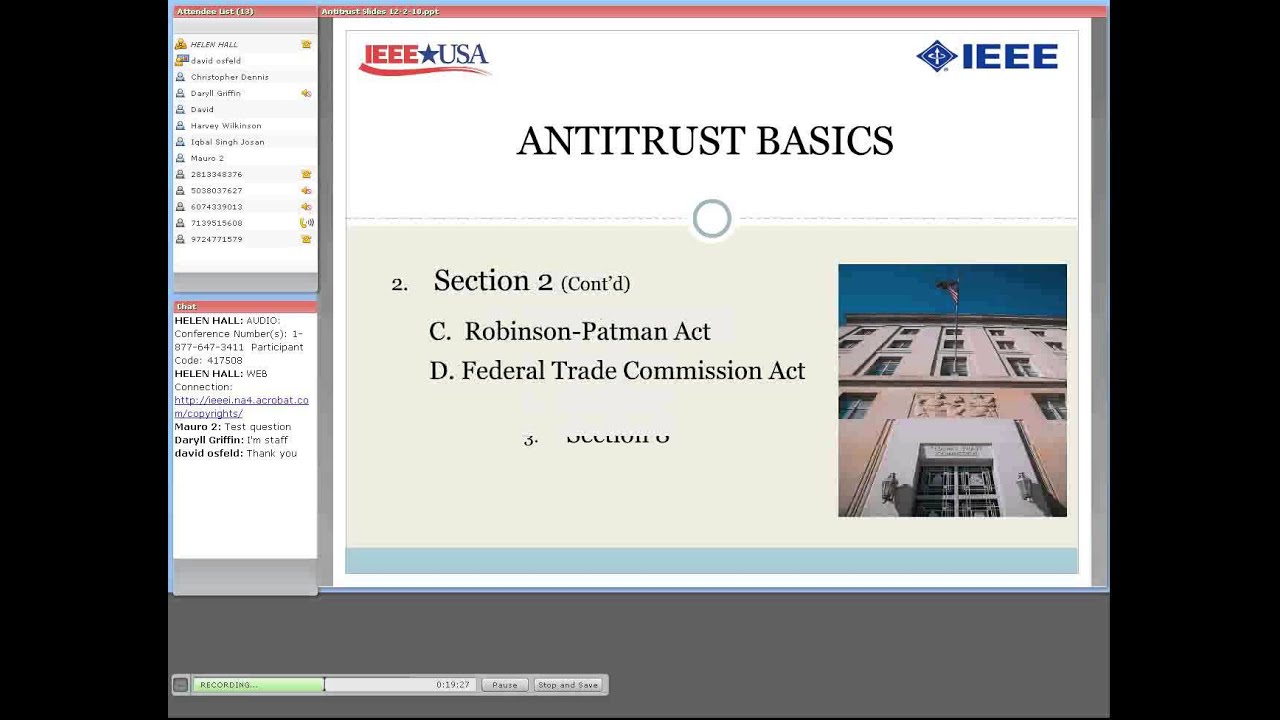
Added:Foundational US antitrust statutes, such as the Sherman Act and the Clayton Act, which govern anti-competitive behavior.
The distinction between horizontal mergers (combining direct competitors) and vertical mergers (combining firms at different stages of the supply chain).
The regulatory roles and enforcement powers of the Federal Trade Commission (FTC) and the Department of Justice (DOJ) in the United States.
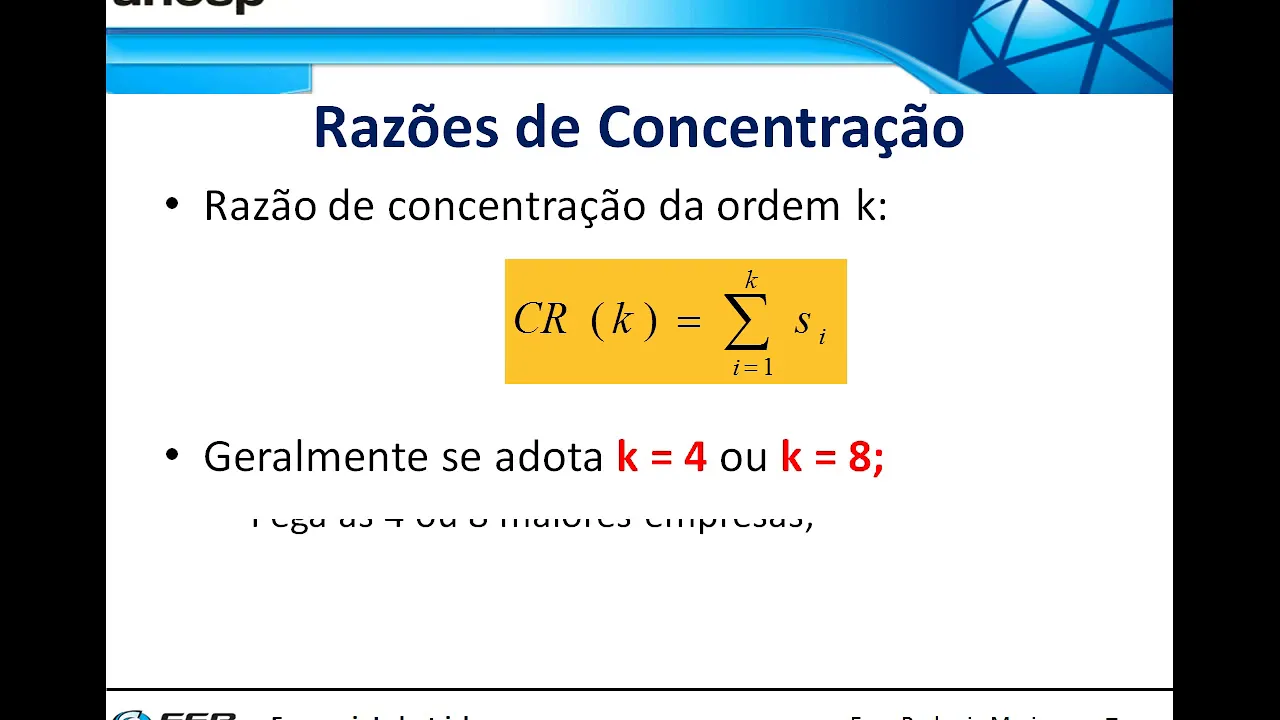
Basic economic concepts of market concentration, market power, and how regulatory bodies assess market share using tools like the Herfindahl-Hirschman Index (HHI).
The shift toward 'Neo-Brandeisian' antitrust theory, which focuses on broader socio-economic impacts of market dominance rather than just the traditional consumer welfare standard.
Comparative analysis of international antitrust enforcement, specifically examining the differing regulatory approaches of the US FTC, the UK's CMA, and the European Commission on cross-border tech mergers.
The long-term economic and competitive impacts of the Microsoft-Activision acquisition on the cloud gaming, console, and subscription-model ecosystems.
An in-depth study of the updated 2023 FTC/DOJ Merger Guidelines and how they establish new frameworks for evaluating tech sector acquisitions and digital platforms.
10.3K views678likes33:09Original Release: 2022-01-22
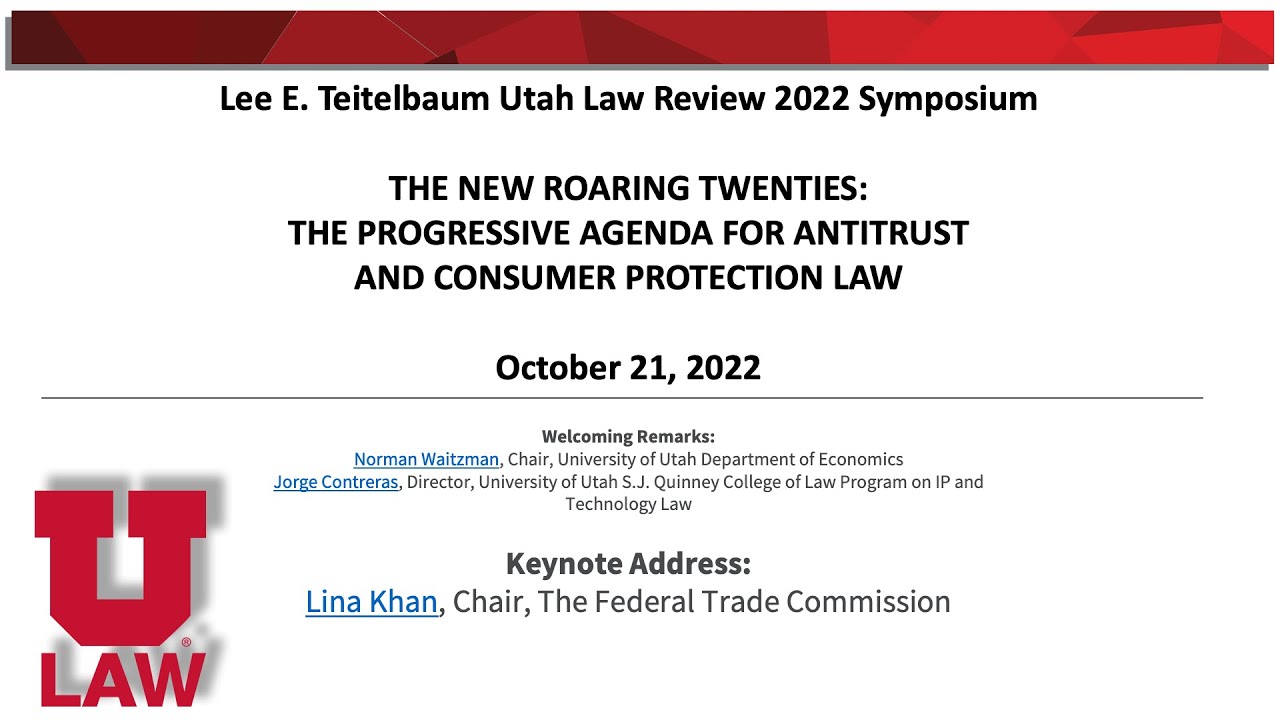
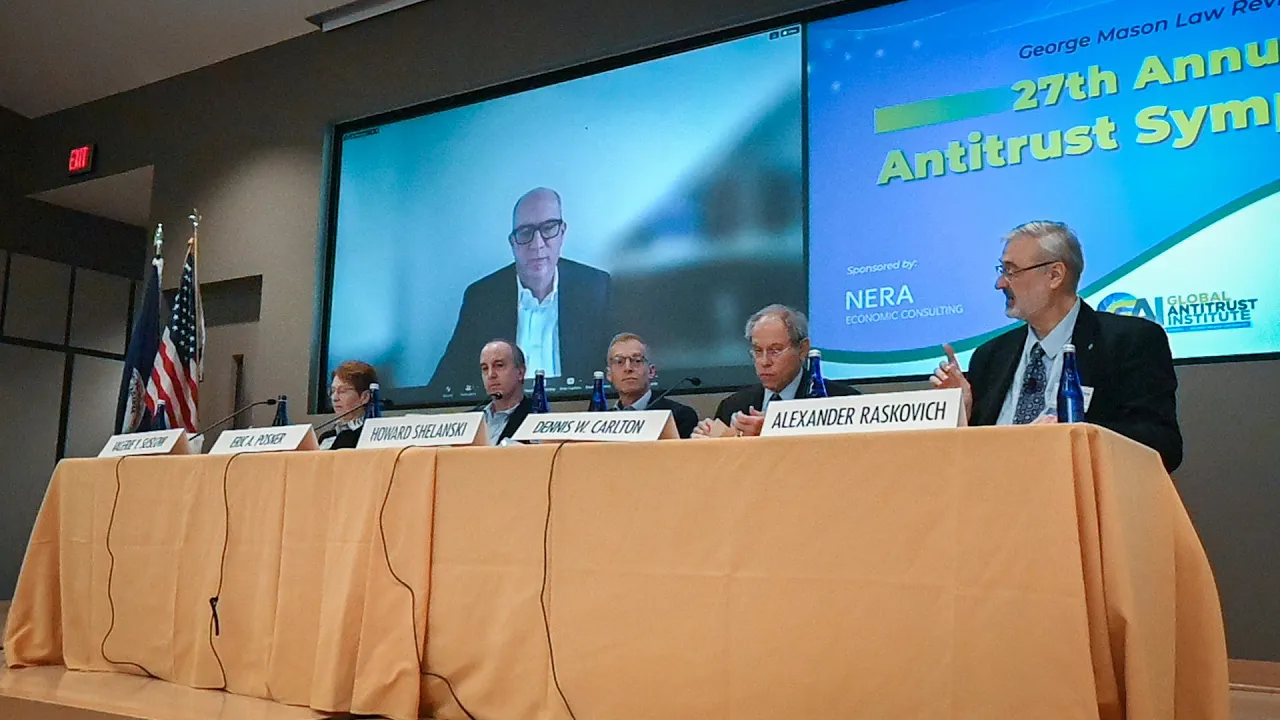
hello and welcome to another episode of virtual legality i'm your host richard hogue managing member of the hoglaw business law firm of northfield michigan and of course here in virtually gaudy we're still talking about the stunning news announcement that microsoft will be purchasing major video game publisher activision blizzard for just under 70 billion us dollars we've already covered it in a number of different ways starting from talking about the deal terms themselves moving on through how microsoft accomplished this deal what's in the agreement how call of duty might or might not survive on the playstation ecosystem and in our fifth video talking about some interesting reporting on the labor unionization attempts of a better abk and raven software subsidiary of activision in the shadow of this transaction but one of the things that so many of you have asked me about is why i said particularly in this first video that there could be legitimate anti-trust concerns that result from this particular transaction so today we're going to talk about why that is why the specifics of this deal might not matter as much as the politics and the optics of an administration change since the last time we really saw a deal of this size or type and how the rule-making authorities are really concentrating on things that are at least adjacent to what microsoft times activision actually is before we get started though i do want to point out that this channel is supported by viewers and listeners like you through patreon and other methods of support if you're interested please do check out supporting the channel in that fashion one of the tiers that we have to support us is a tier that allows you to sponsor a specific episode per month today's episode is sponsored by focus vipus who's been sponsoring the channel for some time now and for that we give very special thanks you'll see focus vipus's name again at the end of this episode in that thanks category but if you are interested in supporting us please do check that out and thanks again to falcas now as we've talked about in this space the language of antitrust law is not as black and white is not as bright line as some of you may want it to be it's a little bit more amorphous it's a little bit more judgment based the main thing we're looking at with respect to a merger of the type that we're seeing with respect to microsoft and activision is the clayton act here that says no person engaged in commerce shall acquire the stock of another person also engaged in commerce where the effect of that acquisition may be to substantially lessen competition or tend to create a monopoly and when we look at that kind of language i think now in virtual legality especially if you've been here for a while we understand that that's a particularly judgment-based concept what does it mean to lessen competition what does it mean to do it substantially what is the word may doing there how much do we have to probably probabilistically look at this particular transaction say well may could be five percent but we're not actually going to stop deals that only have a five percent chance of causing trouble so where do we set that line and the line is set by the executive branch agencies that have been given the ambit to analyze that particular law as we've talked about before both the ftc and the department of justice basically share jurisdiction of looking at transactions of this type everything more than just under a hundred million dollars has their documents sent to one or both of these agencies for examination and then they get a short window of time to decide whether they're just gonna let that timer expire or they're going to ask for more detailed information because they think there might be an issue there if they do ask for that more detailed information then the process can really slow down because the ftc or the doj can ask for a lot of info and as i said in that first video my feeling was there was basically no chance that this deal was not going to have what a lot of folks call a second look or second view that the federal trade commission or the department of justice whoever is in charge of this is going to get this deal put on their desk and say hey we need to slow down we need to look at this more fulsomely if only because that top line number is so very very high we're talking about one of the biggest entertainment deals not just gaming deals in history and so either one of these agencies could slow things up a little bit just by asking for more information and i think microsoft in their hearts expects that to happen that's why in their press statements they say sometime by the middle of next year the end of fiscal year 23. now that doesn't mean that the deal gets scuttled a second view doesn't kill everything it's also important to note that there is no approval process in the united states at no point will the federal trade commission or the department of justice say you know what we've looked at it and you're all good that doesn't happen here what happens is essentially the timer expires and the deal is allowed to happen the ftc can then turn around in the future and say you know what we've looked at it again and maybe now we want to block it or we want to unwind it in fact we've seen that with facebook and instagram and whatsapp in the transactions now that are years and years old that the ftc is challenging in open court now that doesn't make the microsoft activision acquisition any more problematic it just means that we need to take into account the fact that even if it gets through this process it doesn't necessarily mean things are over and with people rattling sabres about microsoft taking on all this content that gives a little bit of context to why you might see the phil spencers of the world as he did yesterday talk in twitter form about the fact that he doesn't intend to take call of duty off the playstation ecosystem now that can change as we parsed out in yesterday's video but microsoft is doing its best even in these early days to suggest that this isn't some kind of apocalyptic monopolistic practice problem that these government agencies need to worry themselves about but i started this video by mentioning the fact that i think that there is at least a little something to worry about so let's see how this has been reported in various places to talk about why i think they aren't as fulsome or aren't quite as accurate as they otherwise could be as we so often do we take a look at kotaku's headline here microsoft's activision blizzard purchase isn't great but isn't an illegal monopoly either i love it when people make legal conclusions in their journalistic headlines now this is commentary this is opinion there's nothing wrong with saying things like this but i will tell you a lawyer would never make this guarantee ever an illegal monopoly lives entirely in the heads of those executive agencies and then the heads of the judge or even jury that would be looking at this question after you were fighting with that executive agency about it you don't know whether you have an illegal monopoly until it's gone through a folsom legal process and that's not great for making deal transactions but it is the way of the world or as kotaku says somewhat here at the end of their article microsoft buying activision blizzard king is a huge deal that some consider a sign of the industry's inevitable consolidation but it's not hugely anti-competitive says kotaku and certainly not a step towards total domination of the video game industry now if you've been with us in virtual reality for a while or even since the start of this playlist you know that that's assuming a premise in and of itself no realistic person would suggest that microsoft buying activision actually makes them a monopolist in the quote-unquote video game industry the video game industry is too big it's too broad there's mobile gaming there's a whole host of publishers and other developers making content in that industry microsoft won't be a monopolist there but that's not where the calculation stops especially if you're a motivated political body that wants to do something about a two point some odd trillion dollar company like microsoft this gives you the opening to do it kotaku finishes by saying even if microsoft manages to create the ultimate collection of high-profile publishers swallowing up the likes of electronic arts or take two adding on to this opinion it's not a monopoly until the ftc sings well that's an interesting way to look at it it's kind of a real politic of law yes just like i said you don't know you're an illegal monopoly until you go through that process there's a certain amount of truth here but it's also not fully accurate it's not that the ftc does something or the doj or the eu does something that makes you in a monopoly you know whether or not you're actually acquiring that power as part of your process and the ftc is just supposedly ostensibly verifying that in compliance with the laws precedent and guidelines that they have in front of them that said there's nothing wrong with putting out your opinion in the world and this is kotaku's opinion or more specifically i believe it's michael fahey's opinion and that is his right to have but it also goes along with a lot of what we saw in the game industry and journalistic outlets in general here's game industry biz brandon sinclair will this deal be approved he says virtually any deal of this size is likely to raise antitrust concerns i think certainly you'll get that second look but he says this deal doesn't appear to me to give microsoft anything approaching a monopoly in any specific market no matter how narrowly i want to define it now as we've talked about you can always find a monopoly you can always narrowly define a market to get to that monopoly heck epic tried to define the apple market as ios access if you want to say that it's xbox or game pass access microsoft is a monopoly provider of that particular market so you can always narrow it and in fact the author here kind of suggests the same he continues saying that doesn't mean i don't have concerns about whether this deal will ultimately be anti-competitive i'm particularly concerned about what this means for microsoft's attempts to turn game pass into the oft considered but as yet unachieved netflix for games and as we've talked about if we want to just think of a market as subscription services for video games or even cloud enabled subscription services for video games game pass and microsoft and their architecture and infrastructure as a bigger technology conglomerate can get you to a place where you say well if you are monopolizing content delivery and you are essentially cutting the knees out from any potential competitor in that marketplace then we start to talk about killing nascent competitors nascent rivals sony exists in the video game space but they don't exist with a game pass competitor in that marketplace right now if you cut the legs out from under them are you acting monopolistically are you acting in a way that we could potentially block or otherwise derive concessions from with an acquisition of this type now again as i said in that first video don't think that will happen but we're going to talk about the environment that the ftc and doj find themselves in that could allow them to make that kind of calculation so when you see something like this i think it'll be approved but hey as it turns out as i think about game pass there could be a problem there now he continues by saying that's just a hypothetical scenario and even with this deal going through a whole lot would have to break just right for microsoft to get from here to there in terms of monopolizing access to game pass hurting developers hurting consumers and whatnot but if you recall when we look at the horizontal merger guidelines we see exactly that the agencies seek to identify and challenge competitively harmful mergers while avoiding unnecessary interference with mergers that are competitively beneficial or neutral but most merger analysis is necessarily predictive requiring an assessment of what will likely happen if a merger proceeds as compared to what will likely happen if it does not given this inherent need for prediction these guidelines reflect the congressional intent that merger enforcement should interdict competitive problems in their incipiency and that certainty about anti-competitive effect is seldom possible and not required for a merger to be illegal you saw kutaku talk about monopoly monopoly isn't necessary it's just lowering competition and here the guidelines officially say we're guessing and if we think there's a competitive problem we can't have certainty about that but the lack of certainty doesn't prevent us from declaring a merger illegal so when you go through this whole process at games industry businesses well that's just a hypothetical scenario that's the kind of thing the ftc and the doj will be looking at then finally when we get to ign we get a headline xbox activision blizzard acquisition shouldn't break antitrust laws legal expert says no it's not me it would be quite ridiculous at this point to try to make an anti-trust case remember how xbox successfully acquired bethesda without running into complications with antitrust laws this is because it was a form of vertical integration where a distributor of content like xbox purchased a content producer like bethesda says ign presumably from their expert david hoppy and i'm apologizing in advance if i get that pronunciation wrong a managing partner at the san francisco based media and tech firm gamma law says xbox acquisition of activision runs on the same principle just you know 10 times as large the acquisition is another example of so-called vertical integration in the video game industry a console manufacturer acquiring a game developer of course this is the largest such deal in games industry history but u.s courts have historically been unwilling to apply restrictive anti-trust principles to vertical transactions historically he's absolutely correct that vertical transactions have been given more leeway than horizontal transactions where competitors in the same marketplace are buying each other but framing microsoft and xbox as a console manufacturer and not a content producer slash owner is probably slicing that onion a bit too narrowly which mr hoppy to his credit talks about here later in the article while there is a chance the deal could be viewed as a horizontal acquisition where two direct competitors are merged given that xbox is also a game developer hoppy says it is difficult to apply legal competition principles when the products are creative works like video games each one of which is arguably unique and therefore not in direct competition i've heard this argument before but as a conglomerate believe me when i say call of duty is in direct competition with halo which is in direct competition with battlefield which is in direct competition even on that narrow degree with other first-person shooters that can then be broadened out to third-person shooters because they're all competing for your time and the right way in my opinion to think about a transaction like this in a modern economy with a console manufacturer that is also a software provider content developer and platform holder with other technology based things that it's doing with its two trillion dollars of market capitalization is that it's both it's both a vertical merger and a horizontal merger but even then that probably doesn't matter so much as we'll see in just a second so ign's got its expert i never impugn other lawyers you get two lawyers in a room they'll tell you two different things please do read this article if you're interested but ultimately i disagree you also got folks commenting on things on twitter and social media here's benji sales follower of mine i follow him good follow on twitter says even with this purchase microsoft isn't anywhere near approaching a gaming monopoly yet there's others much closer movies film industry for example that said i think this is the last major publisher purchase you see from microsoft for some time another would raise eyebrows and i agree i wouldn't expect them to purchase anything big while this particular deal is pending but where i disagree is not with the overall assumption here i agree microsoft isn't a gaming monopoly but with the notion that there's not a chance of any particular regulatory problems and this continues with paul tassie of forbes yeah i see zero regulatory action stopping this ms just say you can play all games on anything with a web browser and how can that be anti-competitive again not really thinking about the markets for cloud gaming software as a service recurring revenue subscription services for software cetera et cetera christopher dring i don't think activation blizzard microsoft is going to get blocked video game competition is not just sony xbox nintendo it's also apple google facebook netflix epic games valve 10 cent it's a super competitive industry at the billion dollar level but then we see that microsoft is at the top activision blizzard which has been in the news for bad bad things for now more than half a year is at the top and you get tweets like this from representative jerry nadler activision blizzard already a gaming giant has a pattern of bullying workers to evade accountability for rampant sexual misconduct i expect this deal to be closely scrutinized to ensure it won't harm american workers or competition now interestingly i'm unclear exactly how activision blizzard losing its management and selling off to a different company that would presumably run it differently runs this particular risk but what you do see is a nascent desire of political folks politically minded people to talk about this deal and when we've got a law like the clayton act like the antitrust laws that is amorphous that is run effectively by the executive branch of whatever administration this isn't a political statement as much as it's a statement about politics then you can expect that those branches and those agencies will react to pressures that are otherwise put upon them pressures like the executive order on promoting competition in the american economy is issued by president biden on july 9 2021. and if you aren't familiar with this executive order i'm not going to read however many thousands of words it contains to you all at once but what's important to note are a few critical factors here's a paragraph from this executive order over the last several decades as industries have consolidated competition has weakened in too many markets denying americans the benefits of an open economy and widening racial income and wealth inequality it is the policy of my administration to enforce the antitrust laws to meet the challenges posed by what new industries and technologies including the rise of dominant internet platforms especially as they stem from serial mergers the acquisition of nascent competitors the aggregation of data unfair competition the surveillance of users and the presence of network effects this continues on and on and on as an executive order does effectively telling the executive branch agencies what they should do to further the goals of this executive order concluding for our purposes with the following to address the consolidation of industry in many markets across the economy as described in section 1 of this order the attorney general and the chair of the ftc are encouraged to review the horizontal and vertical merger guidelines and consider whether to revise those guidelines now this is a fairly neutral statement but in the context of this executive order this is effectively instructions that say these guidelines that rick reads to you that talks about how we're guessing at these various things and talks about evidence that we might otherwise collect they aren't strong enough and more specifically even though the horizontal guidelines are maybe a bit stronger those vertical guidelines really should be looked at again and the vertical merger guidelines were looked at by the trump administration were reworked in june of 2020 with statements about how important these guidelines are and also notations about what we talked about with respect to the ign article that horizontal and vertical maybe isn't quite the same as people used to think about it when we were making ball bearings and cars on the assembly line mergers often present both horizontal and vertical elements and the agencies may apply both the horizontal merger guidelines and the vertical merger guidelines in their evaluation of a transaction no one realistically could frame microsoft's purchase of acquisition of activision as solely a vertical merger so it's a vertical merger and it's a horizontal merger which puts you automatically in the tougher guidelines the guidelines that are more likely to have the ftc or the doj act against you but that isn't the end of the story either with president biden issuing the executive order to re-examine these things and the trump administration's guidelines being found wanting by the new ftc chair it was only a matter of time before they started saying things like the distinct analytical approach to horizontal and vertical mergers is not justified vertical mergers involving concentrated markets likewise have a structural tendency to harm competition just as horizontal mergers do and this statement is from a long-form kind of white paper document that went with the fact that the ftc rescinded the vertical merger guidelines late last year only about a year after they were put into place here's an article from jd super the u.s federal trade commission recently voted to withdraw its approval of the vertical merger guidelines which as we covered in the past the ftc and department of justice issued just over a year ago on june 30th 2020. according to the majority those guidelines while a substantial improvement over the 1984 guidelines contained quote-unquote flawed discussion of the purported pro-competitive benefits of vertical mergers as a result the repealed guidelines purportedly flouted the clayton act says the ftc by permitting efficient mergers even if they may lessen competition the legend latest agency action comports with president joseph biden's recent executive order on promoting competition in the american economy even though certain ftc commissioners did dissent stating that this was a disturbing trend of pulling the rug out from under honest businesses and the lawyers who advise them i hate it when my rug is pulled out from under me but i am an honest business and i am a lawyer who advises them either way the federal trade commission now under the control of the biden administration now uh with new boards of directors and running things a little bit differently than they did under the trump administration says no to these vertical merger guidelines without a replacement and then moves forward to strengthen both sets of guidelines as of three days ago so again this video isn't just me pontificating about random historical events in the history of the ftc and the doj we're talking about the environment that microsoft and activision find themselves in and this is an environment where in the last six months we have an executive order that talks about strengthening antitrust laws we have vertical guidelines that are kicked out for not being strong enough and we have all of three days ago a press conference and a press release that says the following federal trade commission and justice department seek to strengthen enforcement against illegal mergers today the federal trade commission and the justice department's antitrust division launched a joint public inquiry aimed at strengthening enforcement against illegal mergers to address mounting concerns the agencies are soliciting public input on ways to modernize federal merger guidelines to better detect and prevent illegal anti-competitive deals in today's modern markets illegal mergers can inflict a host of harms from higher prices and lower wages to diminished opportunity reduced innovation and less resiliency said ftc chair lena khan this inquiry launched by the ftc and doj is designed to ensure that our merger guidelines accurately reflect modern market realities and equip us to forcefully enforce the law against unlawful deals hearing from a broad set of market participants especially those who have experienced firsthand the effects of mergers and acquisitions will be critical to our efforts they're soliciting information from market participants competitors to see how these particular guidelines should be strengthened to allow the ftc and the doj to stop more mergers as this press release continues mergers can reduce choices for consumers workers and other businesses leaving them increasingly dependent on larger and more powerful firms that have purchased greater power to dictate the terms of their deals who does that sound like and the ana trust laws charge the ftc and the justice department with preventing mergers that may substantially lessen competition or tr tend to create a monopoly some of the specific areas of inquiry on which the agencies are seeking public input and information include the agencies seek and put on whether distinctions between horizontal and vertical transactions reflected in the guidelines should be revisited in light of trends in the modern economy in fact we saw quotes from linacon we saw the ftc talk about the fact that there is a certain amount of belief that vertical horizontal doesn't make a lot of sense in the modern economy especially the modern tech and modern digital economy so this is a red flag if you're a microsoft or an activision or anybody operating in the digital space to say these agencies are more interested in these transactions than they were four days ago and they're going to be more interested when they get these rules changed specifically this last bullet highlights that even more pertinently they are looking at unique characteristics of digital markets the agencies seek information on how to account for key areas of the modern economy like digital markets in the guidelines while often have characteristics like zero price products multi-sided markets and data aggregation that the current guidelines do not address in detail there is a specific push both in the biden executive order and how the ftc and doj have interpreted it to look at digital markets and technology of which gaming is one now gaming isn't the top of the totem pole here gaming isn't facebook gaming isn't twitter gaming isn't the information providers that the federal trade commission and the department of justice is most worried about and has signaled as such in their various press conferences but they are a part of that and microsoft more specifically is not just a gaming company this isn't activision buying electronic arts that's not a problem it's basically the same microsoft is a two trillion dollar tech company that has its fingers in all of these different pies pies that the federal trade commission and the department of justice are very very interested in but in that environment we have even more going on right we have bills being passed by the senate and by the house that are looking at antitrust regulation of tech companies only yesterday we have a bill called the american innovation and choice online act as summarized here by techcrunch that's passed in committee 16-6 with five republicans joining the democrats to press forward with the legislation so it's bipartisan on a pretty good clip that would do what it would prevent tech platforms from favoring their own products or services disadvantaging rivals or discriminating among businesses that use their platforms in a manner that would materially harm competition on the platform it would also forbid dominant platforms from from preventing interoperability with other services and from leveraging another company's data on the platform to compete against them now this is aimed at apple this is aimed at google this is aimed at very very large platforms that otherwise have a certain amount of verticality in their offerings and like to promote their own stuff above the other stuff that's otherwise available on their platform this is part and parcel to what we saw from the coalition from app fairness and epic games versus apple but this is an environment where tech companies and companies that have tech-like platforms have to be aware that the house and the senate and congress in general here in the united states is concerned about them and the definitions of a covered platform could very easily apply to a microsoft game pass type product at some point in the relatively near future based on its growth covered platform means an online platform that at any point during the 12 months preceding the designation has at least 50 million united states-based monthly active users what we saw in the statement that microsoft put out with the acquisition of activision is that they have 25 million active users and this bill isn't done we don't know that these thresholds will remain the same but certainly microsoft's dream is to have something that clips this number and at that point in time you've got questions that the senate and congress and the executive and a lot of folks in the united states political scene are looking at and saying well you shouldn't be allowed to advantage yourself you shouldn't be allowed to do x you shouldn't be allowed to do y and right now in front of the ftc and the doj is going to be a deal worth 70 billion odd dollars that looks like a company that's trying to get into position to do these very things now i don't think that means the deal dies i'm not sitting here making this video to tell you that the microsoft activision deal will be scuttled what i am trying to explain is that it's a vague law that is interpreted on a political and optical basis and the environment over the past few months and even the past week is such that if you're at microsoft you should know that this is the kind of thing that a federal trade commissioner or the department of justice could decide to make political hay with because they know this is the kind of thing that the political class is interested in right now including a political class that's looking at a different antitrust bill that apple and google are already upset about that would effectively give epic and the companies like epic the win that they were looking for in that antitrust case it is a law that would say you aren't allowed to require developers to use an in-app payment system owned or controlled by you that would have to open up your platform now this is further away from the first bill that we just looked at and either of these could be shot down in either significant house or senate we don't know whether they will go through what we do know is that there is a certain amount of appetite in washington to look at these issues and that the federal trade commission and the department of justice is aware of that those are political entities and i don't mean republican or democrat i mean responsive to what is happening with the executive branch and with the senators and with the house of representatives so in that particular environment the environment we find ourselves in in 2022 where this deal will be evaluated i think you're looking at a situation where microsoft corp which remember is no stranger to antitrust regulation in the united states and no stranger in general to being called before congress and having to answer for its sins in various ways is looking at a deal as big as has ever been done in this specific industry almost as big as some of the biggest deals in entertainment generally and if you believe that there is zero chance that in that environment the federal trade commission or the department of justice won't move against them well frankly i've got a bridge to sell you i still think this likely moves through but it might not move through in the fashion that it was originally announced there might be stipulations on that there might be rules there might be divestitures and so i would recommend looking at this deal as one that still has some hoops to jump through still has a ways to go because this environment from a regulatory perspective is not even the same as it was a year ago let alone a week this has been virtual legality for today if you enjoy talking about the business and law of things like video games technology software pop culture and more please consider supporting the channel we cannot do it without support from viewers and listeners like you and like falcous vypus special thanks again for sponsoring this episode otherwise just subscribing telling your friends upvotes down votes ringing bells whatever else the various social media conglomerates would like you to do with a video of this type every little bit helps if you caught this on youtube thank you so much for watching and if you listen to it as a podcast thank you so much for listening and i will catch you on the very next episode of virtual legality virtual legality is a youtube video series with audio podcast versions presented as commentary and for education and entertainment purposes only it does not constitute legal advice and does not create an attorney-client relationship if you have legal questions about the topics discussed please consult your own legal counsel [Music] you
Up Next

24:30
BRICS Pay and de-dollarization: A New Financial Order Emerges? | 55 chars
@DannyHaiphongYT
164.6K views•2024-10-22

3:29
De-risking vs Decoupling: China's Economic Strategy Explained
@businessstandard
4.6K views•2023-06-08
7:33
Government Surveillance Methods: 10 Ways You May Be Watched
@BeAmazed
1.6M views•2017-04-09
10:19
Explaining the Saudi-Iranian Proxy Conflict in the Middle East
@Vox
18.2M views•2017-07-17
Related Study Plans & Knowledge Roadmaps
Structured learning paths in Political Science
political-science
Economic Statecraft: Sanctions & Chokepoints
01Foundations of Geoeconomics and Economic Statecraft
02The Mechanics of Weaponized Interdependence
03International Sanctions: Types, Implementation, and Efficacy
+ 2 more learning modules
12h5 modules
Explore Roadmap
political-science
Central Bank Independence: Politics & Policy
01Foundations of Central Banking and Monetary Policy
02The Time Inconsistency Problem & Inflation Bias
03The Delegation Model and Designing Independence
+ 2 more learning modules
12h5 modules
Explore Roadmap
political-science
Consociationalism: Power-Sharing & Stability
01Democratic Dilemmas in Divided Societies
02Introduction to Consociational Democracy
03The Four Pillars of Consociational Design
+ 2 more learning modules
12h5 modules
Explore Roadmap
political-science
Rebel Governance: Legitimacy, Economy & State
01Foundations of Rebel Governance and Statehood
02Establishing Political Legitimacy and the Rebel Social Contract
03Wartime Economies and Rebel Resource Management
+ 2 more learning modules
14h5 modules
Explore Roadmap