






![Wisconsin v. Yoder, EXPLAINED [AP Gov Required Cases]](https://i.ytimg.com/vi_webp/SCTxbbGS8AY/maxresdefault.webp)
![AP U.S. Gov: Wisconsin v. Yoder [Required Case] -- EVERYTHING YOU NEED TO KNOW](https://i.ytimg.com/vi_webp/8hOADSaCD94/maxresdefault.webp)
![The FIRST Amendment: Freedom of RELIGION [AP Gov Review Unit 3 Topic 2 (3.2)]](https://i.ytimg.com/vi_webp/wf9soeGE7oE/maxresdefault.webp)



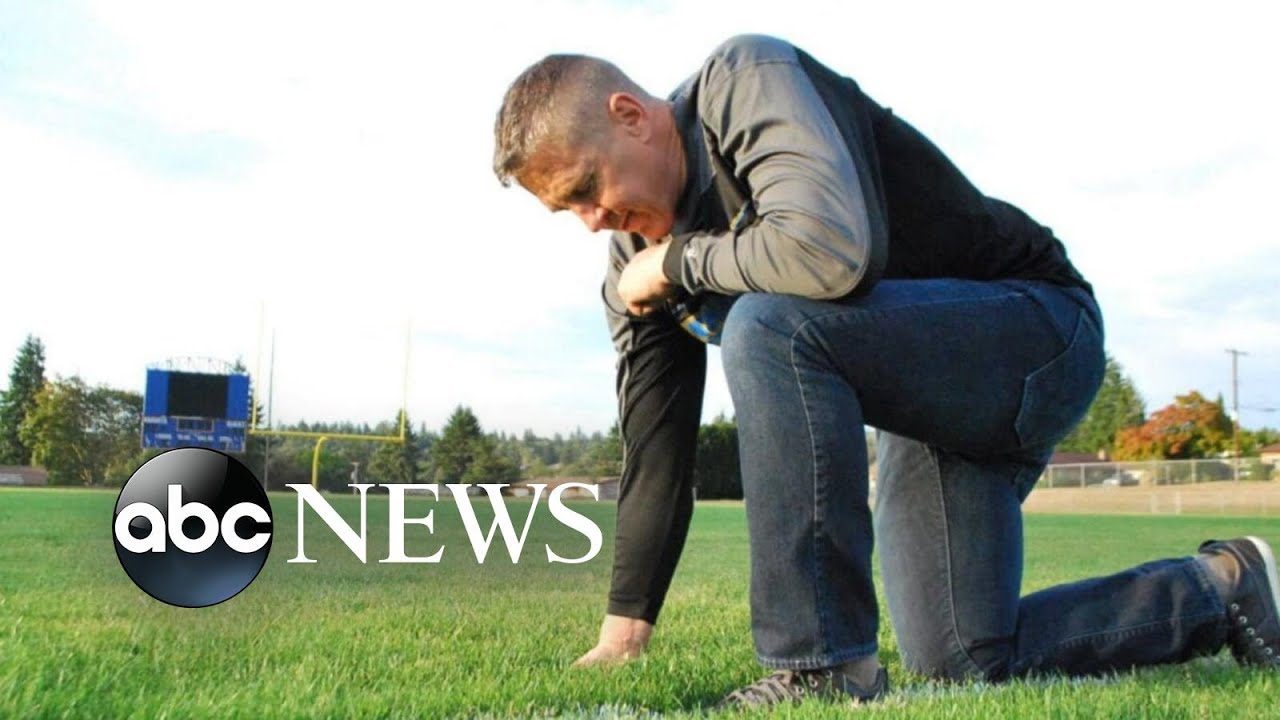


In Engel v. Vitale (1962), the U.S. Supreme Court ruled 6-1 that state-sponsored prayer in public schools violates the First Amendment's Establishment Clause, which prohibits government establishment of religion; the Court applied the 14th Amendment to extend this protection to states, establishing that government cannot compel participation in religious activities even when participation is optional, thereby reinforcing Thomas Jefferson's concept of a 'wall of separation between church and state.'
Engel v. Vitale (1962) AP Gov Required Supreme Court Case
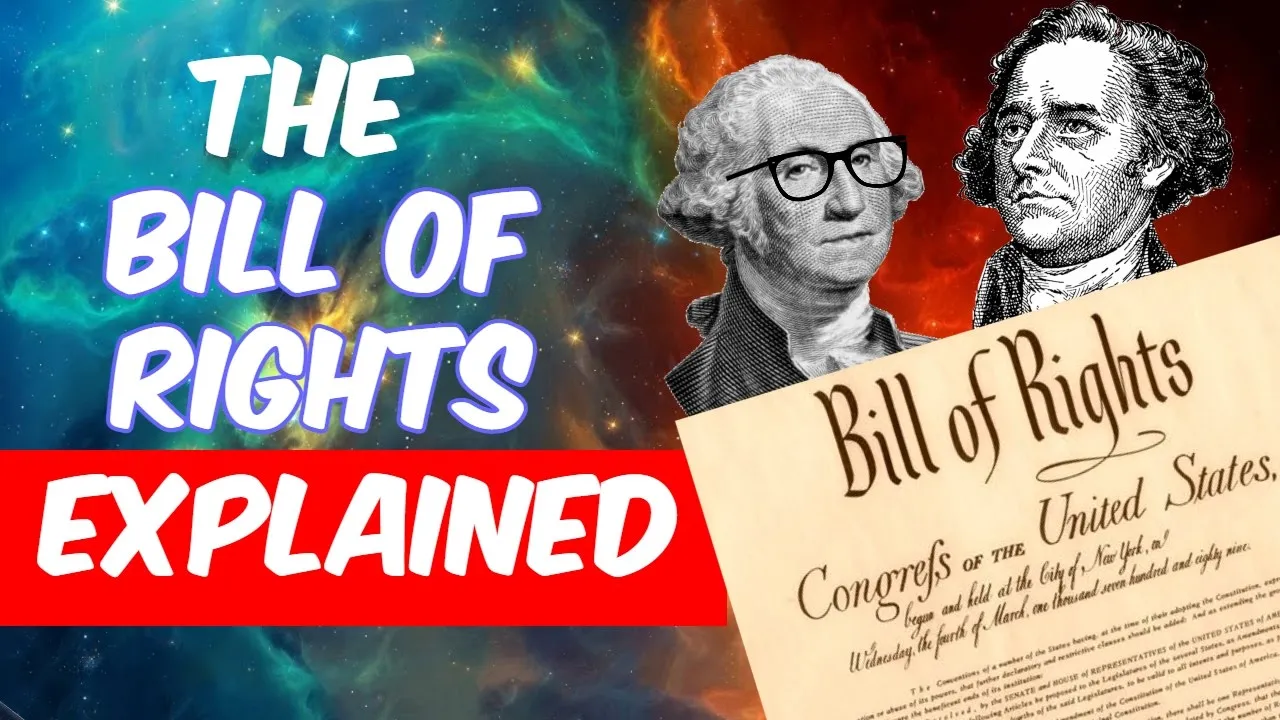
Added:The basic structure of the Bill of Rights, specifically the protections enumerated in the First Amendment.
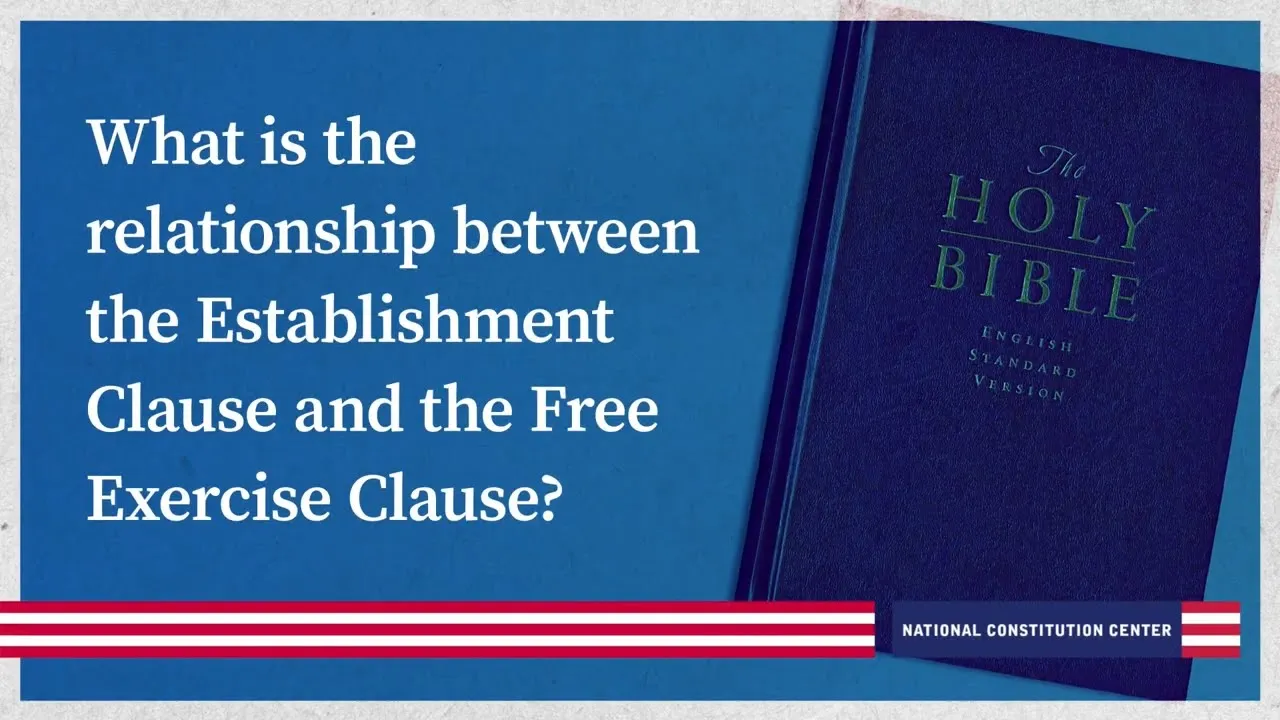
The legal distinction between the Establishment Clause (preventing government-sanctioned religion) and the Free Exercise Clause (protecting religious practices).
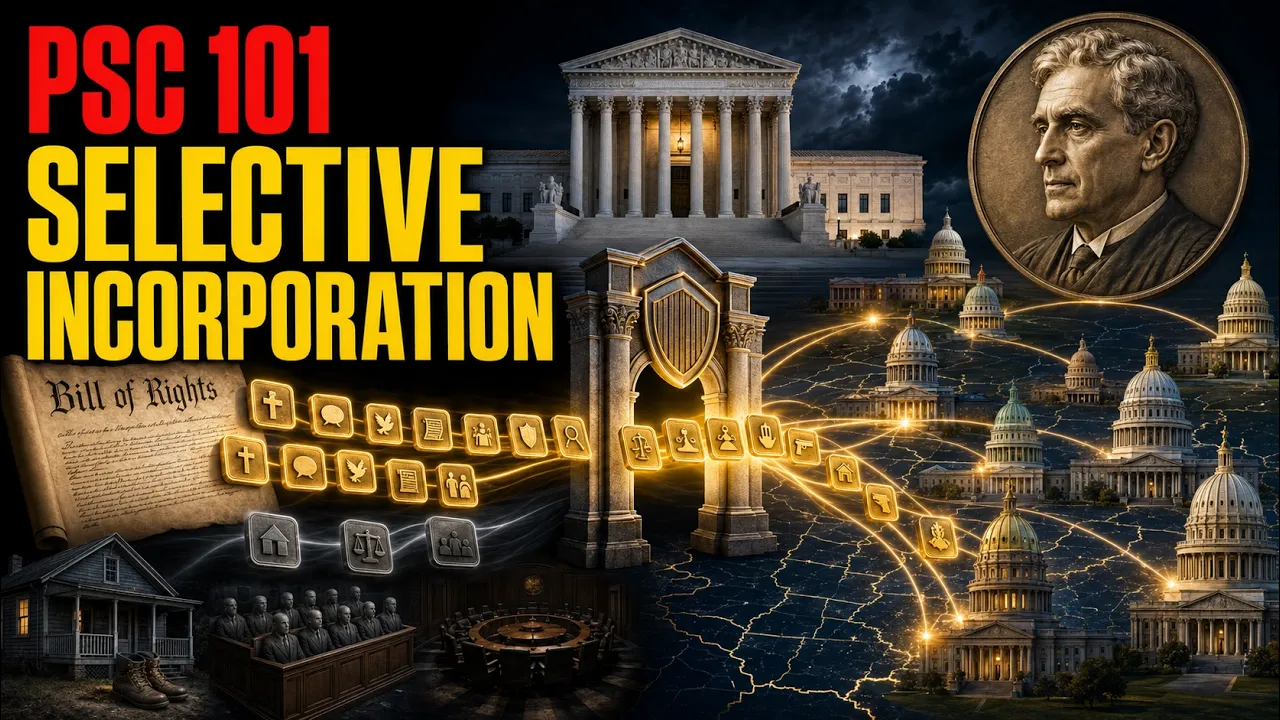
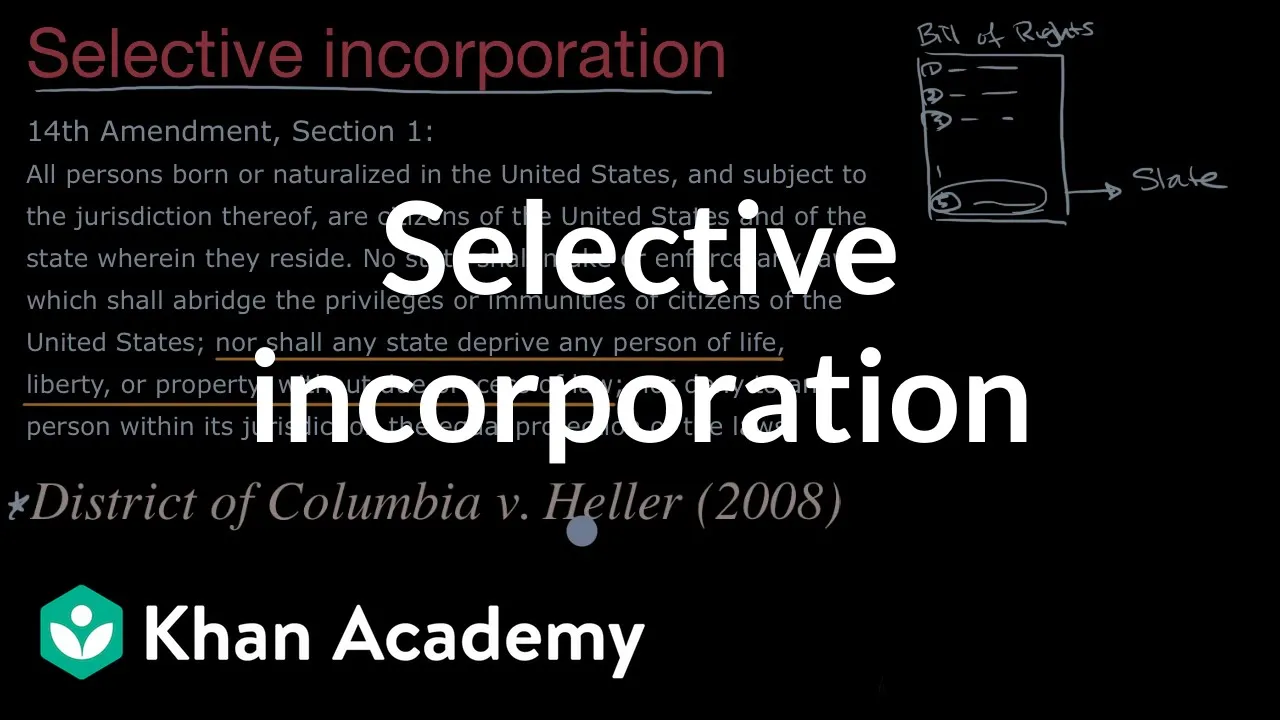
The doctrine of selective incorporation and how the Fourteenth Amendment applies the Bill of Rights to state and local governments.
The mechanism of judicial review and how the Supreme Court interprets constitutional principles to resolve legal disputes.
Analyzing Wisconsin v. Yoder (1972), the counterpart AP Gov required case focusing on the Free Exercise Clause.
Understanding the formulation of the 'Lemon Test' from Lemon v. Kurtzman (1971) used to determine if a law violates the Establishment Clause.
Exploring modern interpretations of the Establishment Clause, such as the Supreme Court's decision in Kennedy v. Bremerton School District (2022) regarding public prayer.
Examining the ongoing constitutional tension between protecting individual religious expression and preventing government endorsement of religion.
449.2K views3.5Klikes3:28Original Release: 2021-10-05
Hey there and welcome back to Himler's History and furthermore, welcome to another video on your required Supreme Court cases for the AP government curriculum. In this video, we're going to be considering everything you need to know about the landmark case vital. So, if you're ready to get them brain cows milked, separation of church and state style, well, then let's get to it. So, as always, let's begin with the facts of the case. This case came before the court in 1962, and before that time, the New York Board of Regents had composed a non-denominational prayer to be recited by school children after saying the pledge of allegiance. And the prayer, just 22 words in length, went something like this. Almighty God, we acknowledge our dependence upon thee, and we beg thy blessings upon us, our parents, our teachers, and our country. Now, as far as prayers go, that one's pretty vague.
Like, ain't nobody invoking Jesus or Allah in that prayer. And what's more, children could opt out of that prayer with written permission from their parents. Even so, a group of parents led by Steven Engel challenged the practice.
And why did they do that? Well, for that, let's consider the constitutional principle at stake. For Engle and his crew, this prayer was a violation of the First Amendment's establishment clause, which in case you forgot, says that Congress shall make no law respecting an establishment of religion. Now, if you're paying attention, and I know that you are, you might be saying, "Wait, what? Congress isn't even involved here?
This was a New York state law. So, how could Engel claim that this law was violating his First Amendment rights, which protects citizens from the federal government?" And if that's your question, then let me hasten to remind you of the 14th amendment, which says, "No state shall make or enforce any law which shall abridge the privileges or immunities of the citizens of the United States." So the 14th amendment essentially applies the first amendment to the states as well as to the federal government. But don't get confused by all the amendments. At the end of the day, this is a case about the establishment clause of the first amendment. Okay. So what was the decision? Well, the question that the court considered was this. Does the reading of a state sponsored prayer at the beginning of school violate the establishment clause of the first amendment? And their answer in a 6-1 decision was yes. The prayer did in fact violate the first amendment. It was Justice Hugo Black who wrote the majority opinion and in it he said the first amendment was added to the constitution to stand as a guarantee that neither the power nor the prestige of the federal government would be used to control, support or influence the kinds of prayer the American people can say. Now, Justice Potter Stewart was the one justice who dissented and his reasoning was that the practice of school prayer was constitutional because it gave children quote the opportunity of sharing in the spiritual heritage of our nation. Additionally, Stuart argued that the government isn't establishing a religion just by offering a prayer for those who want to pray it. However, it was Thomas Jefferson's famous wall of separation between church and state that won the day in this case. All right.
Now, let's talk about why this case matters. First of all, the Engle decision was a demonstration of how the court ruled in favor of individual liberties. Remember, in First Amendment cases, the court is always trying to strike a balance between social order and individual liberty. And in this case, they went with the latter. Second, this case matters because it established the groundwork for many subsequent cases regarding schools and religious activities. For example, Engel was cited in the Wallace v. Jaffrey case in 1985, which struck down an Alabama law that provided for a minute of silence at the beginning of the school day. And in 1992, it was also the basis for declaring clergy-led prayer at a middle school graduation ceremony unconstitutional. And there are several other cases I could mention, but the point is Engel v. Vital was a very important case that had implications for the relationship between government and religion for decades to come. Okay, I hope that helped. And if you want even more help, then you can click right here and grab a review packet which is going to help you get an A in your class and a five on your exam in May. I've got videos on all the other required Supreme Court cases right here. So click away if that's something you're into. Subscribe if you want me to keep making these videos and I shall surely oblige. I'm lur out.
Up Next
2:54
Lemon Test Explained: The Establishment Clause Standard
@TheFederalistSociety
192.7K views•2019-11-11
4:27
US Secondary Sanctions Impact on EU Businesses and Blocking Legislation
@Bureauvandijk
1.6K views•2019-03-20
5:27
Forensic Phonetics: Speaker Identification in Legal Cases
@nptel-nociitm9240
539 views•2025-03-19

24:42
Police Interrogation Tactics: False Confessions & Legal Reform
@LastWeekTonight
7M views•2022-04-18
Related Study Plans & Knowledge Roadmaps
Structured learning paths in Law
law
Self-Defense Law: Imminence & Castle Doctrine
01Foundations of Self-Defense Law
02Imminent Threat & Reasonable Belief
03The Principle of Proportionality
+ 3 more learning modules
12h6 modules
Explore Roadmap
law
Defamation Law: First Amendment & Actual Malice
01Introduction to civil torts and the First Amendment
02Elements of Defamation: Libel and Slander
03Public Figures vs. Private Individuals
+ 2 more learning modules
8h5 modules
Explore Roadmap
law
Hearsay Rule: Trial Evidence & Exceptions
01Introduction to Trial Evidence & Courtroom Basics
02Demystifying Hearsay: The Core Definition
03Non-Hearsay: Exclusions Under FRE 801(d)
+ 3 more learning modules
14h6 modules
Explore Roadmap
law
Medical Malpractice: Law, Liability & Care
01Foundations of Tort Law and Civil Liability
02The Four Elements of Medical Malpractice
03Defining and Proving the Standard of Care
+ 2 more learning modules
12h5 modules
Explore Roadmap