The Lemon Test is a three-part framework established by the Supreme Court in Lemon v. Kurtzman (1971) to determine whether a law violates the Establishment Clause of the First Amendment; the test requires that a law must have a secular purpose, neither advance nor inhibit religion as its primary effect, and avoid excessive government entanglement with religious institutions, though its continued applicability remains debated among legal scholars.
Lemon Test Explained: The Establishment Clause Standard
Added:Deep Dive
The text and fundamental purpose of the First Amendment to the United States Constitution.

Pamela Geller explains why she is holding a "Draw the Prophet" contest in Texas.
976
The First Amendment to the United States Constitution was specifically designed to protect speech that is offensive to some groups. Its fundamental purpose was to prevent those who hold power from silencing the powerless by claiming offense at opposing speech. This constitutional protection ensures that controversial or provocative expression remains legal and shielded from government suppression, even when such speech causes discomfort or offense to certain communities.
Click to watch →

The True Purpose of the First Amendment #TeamMarcus
👉🏾 Support:
PayPal/ Venmo: @ marcuscwilliams
663
The First Amendment to the U.S. Constitution grants citizens the right to redress grievances with their government. This includes freedom of speech, freedom of the press, and freedom of religious expression. The fundamental purpose of these freedoms is to hold the government accountable for its actions and decisions.
Click to watch →
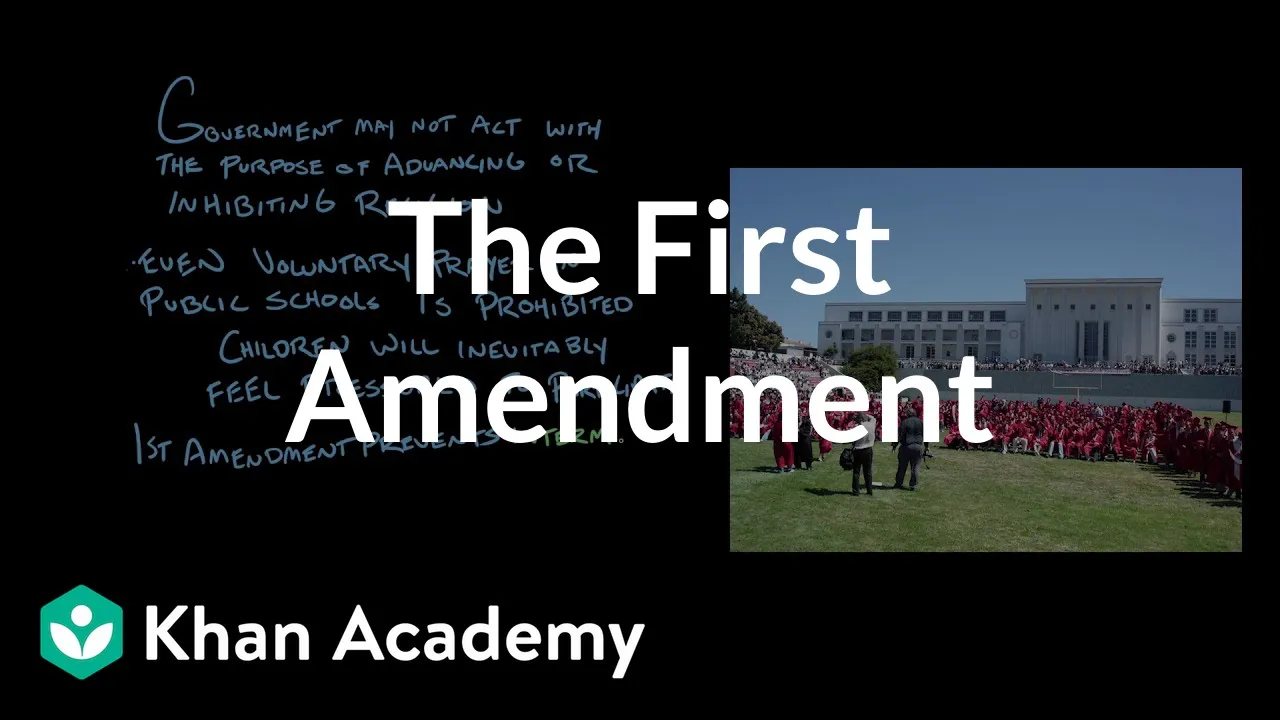
The First Amendment | The National Constitution Center | US government and civics | Khan Academy
84K
The First Amendment to the US Constitution states: 'Congress shall make no law respecting an establishment of religion or prohibiting the free exercise thereof, or abridging the freedom of speech or of the press, or the right of the people peaceably to assemble and to petition the government for a redress of grievances.' This amendment protects five fundamental freedoms: freedom of religion (both establishment and exercise), freedom of speech, freedom of the press, freedom of assembly, and the right to petition the government.
Click to watch →
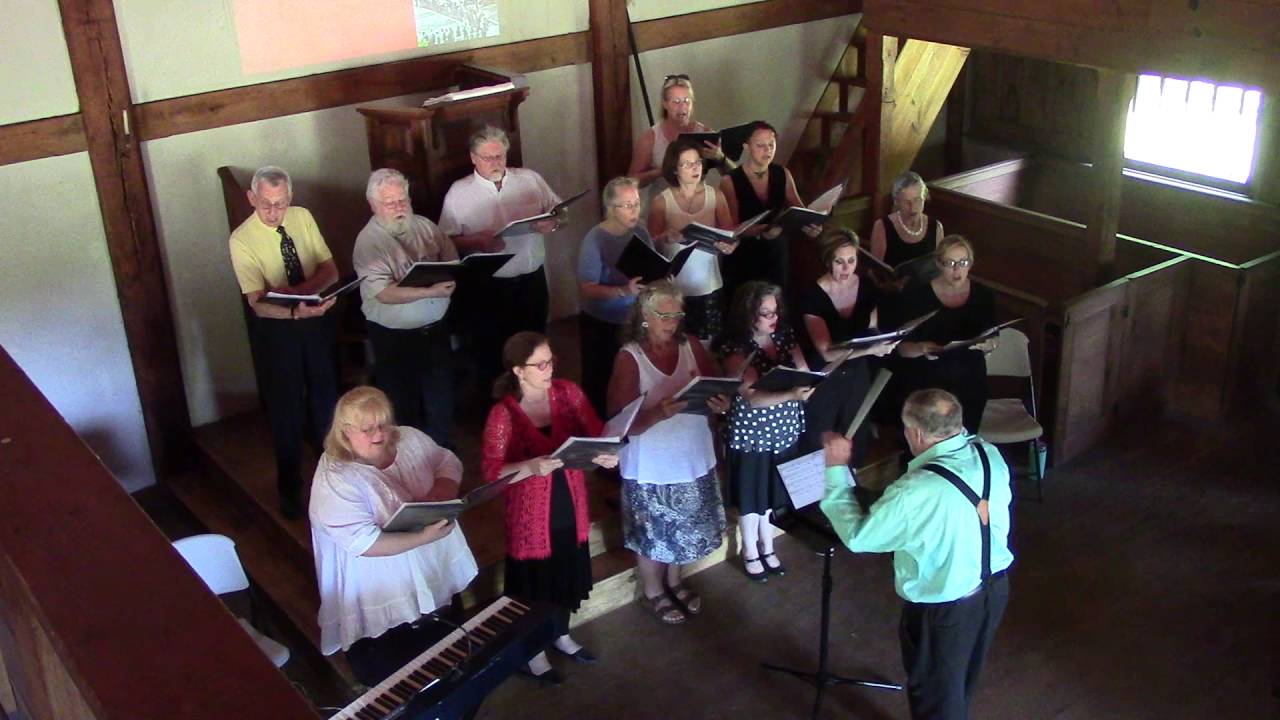
Bill Of Rights, 1st Amendment by Neely Bruce
174
The First Amendment to the United States Constitution establishes fundamental civil liberties that protect individual freedoms from government interference. It contains five key protections: (1) The Establishment Clause prohibits Congress from establishing an official religion; (2) The Free Exercise Clause protects the right to practice any religion; (3) The Freedom of Speech Clause guarantees the right to express opinions without censorship; (4) The Freedom of the Press Clause protects media's right to publish information; (5) The Right to Assemble and Petition Clause allows citizens to gather peacefully and request government changes. These protections form the foundation of American democratic values and individual rights.
Click to watch →
Trump’s Pentagon CAUGHT VIOLATING COURT ORDER!!!
30.3K
The First Amendment to the U.S. Constitution, proposed by Congress in 1789 and ratified in 1791, states: 'Congress shall make no law respecting an establishment of religion or prohibiting the free exercise thereof or abridging the freedom of speech or of the press.' The First Amendment empowers the press to publish what it will and the public to read what it chooses free of official prescription. According to Justice Black, the founding fathers gave the free press the protection it must have to fulfill its essential role in democracy.
Click to watch →
Deep Dive
The distinction between the Establishment Clause (preventing government-sanctioned religion) and the Free Exercise Clause (protecting religious practices).

Mr. Singiser--AP Government--Freedom(s) of Religion
359
The First Amendment contains two separate clauses regarding religion: the Establishment Clause ('Congress shall make no law respecting an establishment of religion') and the Free Exercise Clause ('or prohibiting the free exercise thereof'). These are two distinct freedoms covering two separate government actions that the Bill of Rights sought to prohibit. The Establishment Clause prevents government establishment of religion, while the Free Exercise Clause protects individual religious practice.
Click to watch →
What is the relationship between the Establishment Clause and the Free Exercise Clause?
254
The Establishment Clause and Free Exercise Clause are two sides of the same coin in constitutional law. The Free Exercise Clause prohibits the government from preventing citizens from practicing their religion according to conscience, while the Establishment Clause prohibits the government from imposing any state-favored religion on citizens. Together, they protect both freedom to practice one's own beliefs and freedom not to be forced to adopt another's beliefs.
Click to watch →
Ben Carson Respects the Antichrist - News and Prophecy · 09
166
The First Amendment contains two distinct clauses: the Establishment Clause (Congress shall make no law respecting an establishment of religion) and the Free Exercise Clause (or prohibiting the free exercise thereof). The Establishment Clause prevents government from setting up a national religion or financially supporting churches. The Free Exercise Clause prevents government from stopping people from practicing their faith or choosing not to practice any religion. These clauses work together to balance religious freedom.
Click to watch →
Pensée critique - Le premier amendement de la constitution des États-Unis - 04 - Module 3
1.7K
The Free Exercise Clause protects citizens' rights to practice their religion without government interference, while the Establishment Clause restricts government actors from establishing or favoring any religion. These are distinct provisions: the former concerns individual citizens, while the latter concerns state actors. Together, they form the constitutional foundation of American secularism, ensuring both religious freedom and state neutrality.
Click to watch →
Ben Shapiro Hits a NEW LOW!
13K
The Establishment Clause and Free Exercise Clause of the First Amendment must be read in tandem. The Establishment Clause prohibits government from establishing religion, while the Free Exercise Clause protects the free exercise of religion. The Supreme Court has interpreted these clauses to mean that government cannot establish or favor particular religions, but individuals have the right to freely exercise their own religious beliefs.
Click to watch →
Deep Dive
The concept of judicial review and how the Supreme Court uses judicial 'tests' or standards to interpret constitutional provisions.

헌법 (비례성 원칙 / 과잉금지원칙)-1-이부하 교수
3K
The US Supreme Court applies three standards of judicial review: (1) Rational Basis Test - most lenient, requires legitimate governmental interest and rational connection between means and ends; (2) Intermediate Scrutiny - for gender/legitimacy classifications, requires important governmental interest and substantial relationship; (3) Strict Scrutiny - for fundamental rights/suspect classifications, requires compelling governmental interest, narrow tailoring, and no less restrictive alternatives. The choice of standard depends on the nature of the right and classification involved.
Click to watch →
Supreme Court live proceeding
261
The power of judicial review is implicit in a written constitution unless expressly excluded. However, there is a distinction between judicial review and justiciability of particular actions. Where there are no judicially manageable standards to judge an action, it will not be susceptible to judicial process. The exercise of certain decisions involves operational and substantial complexity, including state considerations of stakeholders, interstate relations, consultations with ministries, and constitutional conventions. The Supreme Court has categorically held that presidential assent is non-justiciable because there are no legally manageable standards to determine its validity. The Court should tread carefully and not presume abuse or misuse. Issues requiring political decisions should be left to Parliament. The Court cannot lay down timelines and say they will be judicially reviewable. The Court has repeatedly stated that interpretation must be based on words in the Constitution, and it cannot rewrite the Constitution.
Click to watch →

Destiny Triggered By Oral Arguments For Trump Vs Boockvar, Et Al
2K
Courts apply three levels of scrutiny when evaluating government actions: rational basis review (lowest standard, state needs only legitimate reason), intermediate scrutiny (state must show good reason, applied to gender classifications), and strict scrutiny (highest standard, state must prove compelling reason, applied to fundamental rights and suspect classifications like race). The appropriate standard depends on what right or classification is implicated.
Click to watch →
BPSC TRE 4.0/ UP TGT/DSSSB 2025 | SST Polity Master Class | Polity Constitution #16 | By Sunny Sir
55.2K
Judicial review is the power of the Supreme Court and High Courts to examine whether laws violate the Constitution, borrowed from the United States. Article 122 prohibits courts from inquiring into parliamentary proceedings to prevent interference in legislative work. The Supreme Court is the guardian of the Constitution with final interpretive authority. Under Article 138, Parliament can extend Supreme Court jurisdiction through legislation. Judges require 5 years as judges or 10 years as advocates. Under Article 129, the Supreme Court is a Court of Record with decisions having evidentiary value and power to punish for contempt.
Click to watch →

Clark Neily vs. Ed Whelan: Judicial Engagement vs. Judicial Abdication
1.8K
The Constitution was designed to protect minorities from the whims of majorities, exactly as the privileges or immunities clause and the rest of the Fourteenth Amendment were designed to protect minorities from the whims of majorities in the Reconstruction era South. Under Jim Crow, nothing has changed—our courts have just gotten more aware of the expansiveness of liberty. The system of representative government will succeed or fail depending on what citizens do. The more citizens infantilize themselves and run to the courts to make them masters of all things, the worse the prospects are for the long run. A constitution that does not protect people's right to marry outside their race, not have their children forcibly sterilized, or be gay would not deserve allegiance. The Supreme Court has often gotten things wrong, like in Dred Scott, but that does not mean we should not give allegiance to a country that consistently fails to protect fundamental rights. The abolition of slavery demonstrates that constitutional interpretation can change over time. The architecture of standards of review (strict scrutiny, rational basis, etc.) was developed by the Court to enable flexibility in striking down things it dislikes while leaving in place things it likes. However, this system has been developed as a substitute for original analysis that ought to answer constitutional questions. The problem is not with sliding standards of review per se, but with sliding off the end of the scale where judges only pretend to engage in judicial review while rubber-stamping whatever the government wanted to do.
Click to watch →
Deep Dive
The historical debate surrounding state-sponsored religious activities and government funding of parochial (religious) schools.

C-SPAN Cities Tour - Salem: Steven Green "The Bible, the School, and the Constitution"
2.6K
The battle between church and state began with British colonization and has continued to the present day. The two dominant 19th-century issues were prayer/Bible reading in public schools and funding of religious education (particularly Catholic). The 'school question' was so contentious it led to riots in Philadelphia in the 1840s. Initially highly Protestant, these practices evolved as immigration and internal pressures made them less religious. Opposition grew from Catholics, Jews, secularists, and liberal Protestants who saw these practices as constitutionally problematic. The fundamental divide emerged: Protestants wanted prayer and Bible reading, while Catholics demanded either priest-led religious exercises in public schools or funding for their own parochial schools. Neither side could see the merits of the other's position. Release time was proposed as a compromise, allowing religious communities to bring ministers on-site during school hours. The Supreme Court first addressed release time in 1948, finding it unconstitutional due to too close a relationship between schools and religion. Four years later, the Court reversed itself, allowing release time if conducted off-campus at churches. The seminal cases Engel v. Vitale (1962) and Abington v. Schempp (1963) ruled that even nonsectarian prayer read over public address systems was unconstitutional because it was school-sponsored. Despite these decisions, many states and school districts resisted, with the speaker noting his Texas high school still had prayer 12-15 years later. Communities resisted because they saw prayer as crucial for teaching morals and character education, creating tension between constitutional principles and community values.
Click to watch →

Our Voice as Americans: Freedom of Speech, Petition, & Assembly | 1st Amendment
461
Historically, religious groups including Baptists in Virginia strongly supported separation of church and state, arguing that accepting government funds would give the government power to harm them. This doctrine prevailed in American history and Supreme Court precedent until recently. Recent decisions allowing government money to flow to religious schools represent a departure from this consensus, reflecting shifting interpretations of the Establishment Clause and the relationship between government funding and religious institutions.
Click to watch →
Oxford Handbook of Religion and American Education (2018)
464
This section traces the legal and political development of church-state doctrine regarding public funding of religious education. Beginning with the 1947 Everson v. Board of Education case, the jurisprudence evolved through historical battles over funding private religious education in the 19th century, including the failed Blaine Amendment and subsequent state-level 'Baby Blaine Amendments.' The 2002 Zelman decision established that aid to private religious education is permissible through neutral programs with private choice, effectively ending the legal debate. Recent developments include educational savings accounts, voucher programs, and the 2017 Trinity Lutheran case upholding direct state grants to churches. Persistent concerns involve racial segregation effects in voucher programs targeting low-income urban students.
Click to watch →
Jewish Voices in Constitutional Law with Michael Avi Helfand
458
In the 1940s and 1950s, major church-state litigation focused on two issues: government funding of religious education and prayer in public schools. Opposition to public school prayer was considered so extreme that opponents were labeled atheists and communists during the McCarthy era. Anti-Catholic sentiment fueled opposition to government funding for Catholic schools, viewing such support as dangerous.
Click to watch →

ПРОВАЛЫ ДЭВИДА ВУДА в диспуте с мусульманином ДЭНИЕЛОМ ХАКИКАДЖУ
100.1K
A state-sponsored religious privilege system would legally establish one religion as superior, incentivize conversion, and potentially punish blasphemy. The speaker argues that political power inevitably corrupts those who acquire it, as demonstrated by Christians who for three centuries did not use violence but after gaining political power began persecuting others for several centuries. The speaker contends that government should not have authority over what people believe or what they are allowed to say about other religions, and that when one group attempts to subordinate another, intervention is necessary.
Click to watch →
Prerequisite Knowledge
- Concept 01The text and fundamental purpose of the First Amendment to the United States Constitution.
- Concept 02The distinction between the Establishment Clause (preventing government-sanctioned religion) and the Free Exercise Clause (protecting religious practices).
- Concept 03The concept of judicial review and how the Supreme Court uses judicial 'tests' or standards to interpret constitutional provisions.
- Concept 04The historical debate surrounding state-sponsored religious activities and government funding of parochial (religious) schools.
Subsequent Learning
- Step 01The evolution and criticism of the Lemon Test in subsequent Supreme Court jurisprudence, including alternative frameworks like the 'Endorsement Test' and the 'Coercion Test'.
- Step 02The landmark Supreme Court ruling in Kennedy v. Bremerton School District (2022) and its implications for the functional abandonment of the Lemon Test.
- Step 03Analysis of modern Establishment Clause controversies, such as religious monuments on public property, legislative prayer, and school voucher programs.
- Step 04The legal and philosophical tension between accommodating religious free exercise and avoiding government establishment of religion.
Lemon Test Basics
Test's Future
Lemon Test Basics
0:07Playing Section
- 1
Explains the three-part Lemon Test for Establishment Clause.
- 2
Details its origin and reasoning from Lemon v. Kurtzman.
- 3
Covers the test's purpose, primary effect, and entanglement prongs.
The Historical Practices and Tradition Standard
The Lemon Test has faced decades of severe criticism from legal scholars and Supreme Court justices who argued it was unpredictable, difficult to apply consistently, and overly hostile toward religion. Critics contended that the test's 'entanglement' and 'effect' prongs unnecessarily restricted benign religious expression in public life. This criticism culminated in the 2022 Supreme Court decision *Kennedy v. Bremerton School District*, which officially abandoned the Lemon Test. In its place, the Court elevated the 'Historical Practices and Tradition' standard. This alternative framework interprets the Establishment Clause by looking at history and the intent of the Founding Fathers. Proponents of this view argue that the Constitution does not require a strict, secular 'wall of separation' between church and state, but rather permits religious practices and symbols that are deeply rooted in the nation's historical heritage and traditions.
Deep Dive
The evolution and criticism of the Lemon Test in subsequent Supreme Court jurisprudence, including alternative frameworks like the 'Endorsement Test' and the 'Coercion Test'.

Duke Law | Dean's Cup Final Round 2012
17.2K
At least six Supreme Court justices have criticized the Lemon Test as ineffective and inappropriate for Establishment Clause issues. Justice Scalia famously described it as 'like some ghoul in a late-night horror movie repeatedly sits up in his grave and shuffles abroad after being repeatedly killed and buried.' Despite this criticism, the Court has not yet overturned the Lemon Test, and departing from it would not constitutionalize the government's actions. The Court has looked to several different factors including the Neutrality Prong (mirroring Free Exercise Clause jurisprudence) and indirect coerciveness. While these factors have been considered, the Court has never outlined an actual test. The Establishment Clause and Free Exercise Clause are often viewed as two sides of the same coin, and cases may be brought under either provision depending on the circumstances.
Click to watch →
America is NOT a Godless Country - Lawyer Explains
33.9K
The Supreme Court attempted to clarify the Lemon Test through the endorsement test (whether a reasonable observer would perceive government endorsement of religion) and coercion test (whether government action pressures participation in religious ceremonies). These tests proved insufficient, producing inconsistent results. In 2022, the Court abandoned the Lemon Test entirely in Kennedy v. Bremerton School District, adopting the history and tradition test. This test asks whether a law is consistent with America's long-standing historical traditions and constitutional understanding at ratification. The Court applied this test to rule that a coach's silent post-game prayer, practiced for seven years without objection, did not violate the Establishment Clause, demonstrating that the mechanism of religious freedom protection should not undermine the very rights it is designed to safeguard.
Click to watch →

First Amendment Class 12 - Establishment Clause II
438
In Kennedy v. Bremerton (2022), the Supreme Court effectively overruled the Lemon Test and its endorsement test offshoots. The majority opinion stated that the Court 'long ago abandoned' Lemon and its 'ambitious abstract historical approach.' The Court held that the endorsement test 'has been so thoroughly discredited' that it should no longer be relied upon. This marked a fundamental shift away from decades of Establishment Clause jurisprudence toward a history-and-tradition approach. The Court cited previous warnings about Lemon's instability before finally rejecting it, employing its characteristic warning-and-overruling doctrine.
Click to watch →

How do we Separate Church and State? | Lemon v. Kurtzman
115.7K
Following Lemon v. Kurtzman, the Supreme Court modified the Lemon Test in subsequent cases. In Agostini v. Felton (1997), the Court combined the second and third parts of the test while emphasizing the need to examine both government indoctrination and the specific recipients of government funds based on religious affiliation. This shows how judicial interpretation of constitutional tests can evolve over time.
Click to watch →

An Oklahoma education leader says church/state separation is "state-sponsored atheism" (Livestream)
31.9K
The Supreme Court has largely abandoned the Lemon Test in recent years, particularly under conservative majorities. While the Lemon Test was once the primary tool for analyzing Establishment Clause violations, the Court has moved toward other analytical frameworks. This does not mean that Establishment Clause violations are no longer illegal; rather, different legal reasoning is now used to determine violations.
Click to watch →
Deep Dive
The landmark Supreme Court ruling in Kennedy v. Bremerton School District (2022) and its implications for the functional abandonment of the Lemon Test.
America is NOT a Godless Country - Lawyer Explains
33.9K
The Supreme Court attempted to clarify the Lemon Test through the endorsement test (whether a reasonable observer would perceive government endorsement of religion) and coercion test (whether government action pressures participation in religious ceremonies). These tests proved insufficient, producing inconsistent results. In 2022, the Court abandoned the Lemon Test entirely in Kennedy v. Bremerton School District, adopting the history and tradition test. This test asks whether a law is consistent with America's long-standing historical traditions and constitutional understanding at ratification. The Court applied this test to rule that a coach's silent post-game prayer, practiced for seven years without objection, did not violate the Establishment Clause, demonstrating that the mechanism of religious freedom protection should not undermine the very rights it is designed to safeguard.
Click to watch →
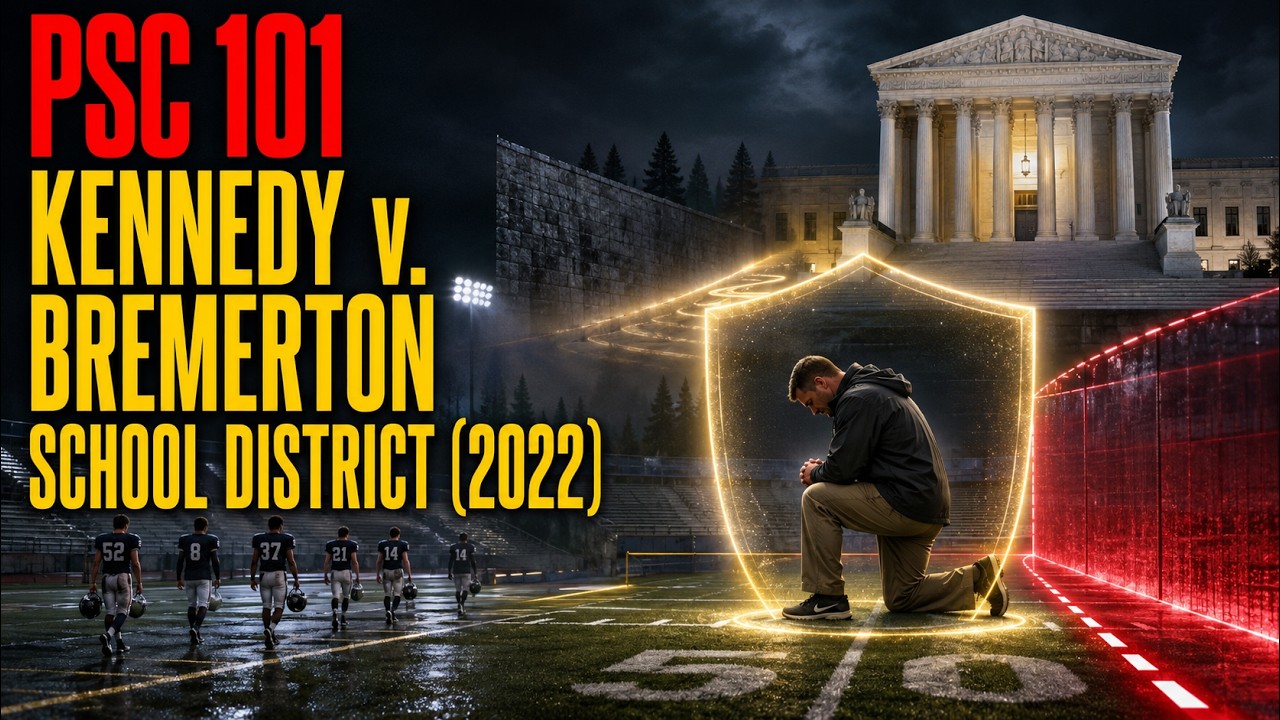
PSC 101 Kennedy v. Bremerton
415
Kennedy v. Bremerton School District (2022) is a landmark Supreme Court case concerning religious liberty in public schools. Assistant Football Coach Joe Kennedy prayed at the 50-yard line after each game for seven years (2008-2015), joined by players and opposing team members. The school district disciplined him, placing him on paid leave and recommending non-rehiring, fearing Establishment Clause violations. In a 6-3 decision, the Court ruled in Kennedy's favor, holding that the Free Exercise and Free Speech Clauses protect personal religious observance from government reprisal. The Court abandoned the Lemon test and endorsement test, replacing them with historical practices analysis. The ruling established that no conflict exists between Establishment Clause and Free Exercise Clause, and turbocharged protection for religious expression by using the Free Speech Clause alongside the Free Exercise Clause.
Click to watch →

Term Talk (2021-2022): Kennedy v. Bremerton School District
4.1K
In Kennedy v. Bremerton School District (2022), the U.S. Supreme Court ruled 6-3 that a high school football coach's post-game silent prayers at midfield did not violate the Establishment Clause, effectively displacing the Lemon Test as the primary framework for evaluating government-religion interactions. The Court held that when government officials engage in religious activities on school premises during natural breaks in school activities (such as after games), these actions constitute private speech rather than official school endorsement, thereby protecting both free speech and free exercise rights. Justice Gorsuch's majority opinion emphasized that the Lemon Test had been 'long abandoned' in practice, signaling a significant doctrinal shift toward viewing religious expression by government employees as protected private conduct rather than establishment of religion.
Click to watch →

Predators (pastors) are replacing school counselors across the country
17K
This segment explains the significant shift in Establishment Clause jurisprudence. In Kennedy v. Bremerton School District (2022), the Supreme Court ruled that the Lemon Test is no longer applicable in any way, shape, or form. This is significant because most Establishment Clause cases since the 1960s were decided using the Lemon Test, meaning many cases are now potentially at risk of being overruled. The speaker explains that after Kennedy, the Court began using a 'history and tradition' test, asking whether a practice is deeply embedded in American history and tradition. Proponents of religious displays argue that the Ten Commandments are part of America's history and tradition, which would allow such displays to stand even if they would have failed the Lemon Test.
Click to watch →
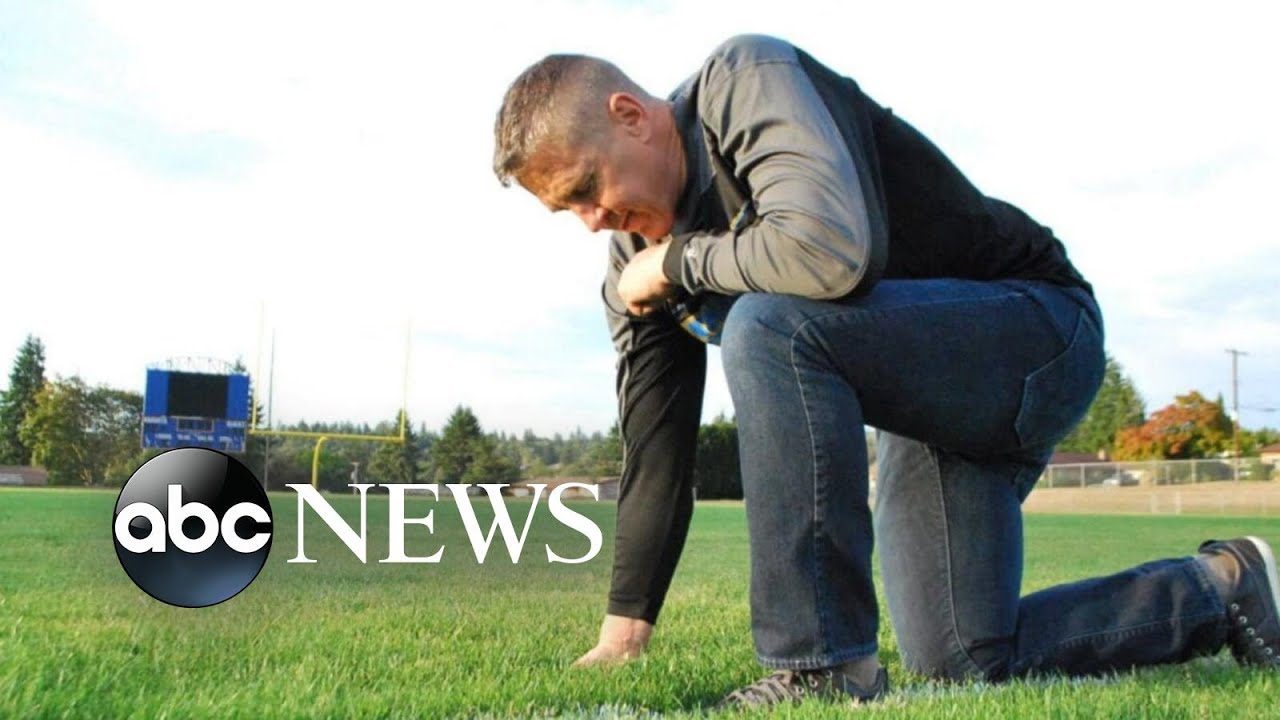
Supreme Court rules on Kennedy v. Bremmerton School District case
190.1K
In a 6-3 decision, the U.S. Supreme Court ruled that public school football coach Joe Kennedy had First Amendment free speech and free exercise rights to pray on the field after games, establishing that public employees can practice their faith openly in public spaces without violating Establishment Clause requirements, provided the practice is genuinely personal and not coercive toward others.
Click to watch →
Deep Dive
Analysis of modern Establishment Clause controversies, such as religious monuments on public property, legislative prayer, and school voucher programs.
Establishment Clause in Specific Contexts: Module 4 of 5
1.7K
Religious monuments on government property are constitutional if serving primarily secular commemorative purposes. In Van Orden v. Perry, a Ten Commandments monument at the Texas Capitol was upheld because it was among 38 historical monuments conveying secular moral messages. Conversely, McCreary County v. ACLU struck down courthouse monuments because they were intended to advance religion, evidenced by pastor testimony and theistic references. Similarly, school voucher programs comply with the Establishment Clause when funds go directly to parents for genuine choice between secular and religious schools (Zelman v. Simmons-Harris). Programs violating the Clause demonstrate preference for particular religions over others, even when providing benefits to both religious and secular institutions.
Click to watch →

Public Schools and Privatization: What’s at Stake?
244
The Supreme Court established a three-part test for voucher programs under the Establishment Clause: (1) legitimate secular purpose; (2) recipients defined without regard to religion; (3) private individuals genuinely choose among secular and sectarian options. Since private parents direct voucher funds, the state does not violate the Establishment Clause. However, voucher programs must be viewpoint-neutral, allowing any religion or no religion to participate as long as they meet participation criteria.
Click to watch →

ND Dems Back Anti-Catholic Language To Block School Choice Bills
140
The debate explores whether public money raised from people of many religions going to particular religious groups violates establishment clause principles. The Zelman v. Simmons-Harris Supreme Court test provides five criteria for constitutional voucher programs: secular purpose, aid to parents not schools, broad beneficiary coverage, religious neutrality, and adequate non-religious options. The discussion reveals ongoing tensions between historical religious protection and modern constitutional interpretation, with some arguing the Blaine Amendment should remain while others contend it is outdated bigot language.
Click to watch →

GIAN DAY 4TH LECTURE 4TH AT WBNUJS
183
The Lemon v. Kurtzman case established the Lemon test for Establishment Clause violations: (1) secular legislative purpose, (2) primary effect that neither advances nor inhibits religion, and (3) no excessive government entanglement. The Court struck down Pennsylvania laws providing subsidies to teachers in private schools and allowing public schools to purchase materials from private schools. Voucher programs and similar mechanisms raise similar Establishment Clause concerns, with courts analyzing whether they create excessive entanglement and whether their primary effect advances religion.
Click to watch →

⚖️ American Legion v. American Humanist Association (2019) | An Introduction to Constitutional Law
292
Establishment Clause cases fall into three categories: prayer in public schools, legislative prayer, and religious symbols on government property. The Lemon test (Lemon v. Kurtzman, 1971) provides a three-part framework: (1) secular legislative purpose, (2) no advancement or restriction of religion, and (3) no excessive entanglement between religion and government. In McCreery County v. ACLU (2005), the Court found a Ten Commandments display unconstitutional because it lacked secular purpose and advanced religion. In Van Orden v. Perry (2005), the Court upheld a similar Texas monument, distinguishing it based on historical significance and lack of controversy.
Click to watch →
Deep Dive
The legal and philosophical tension between accommodating religious free exercise and avoiding government establishment of religion.
Bishop Barron Presents | Justice Amy Coney Barrett - Listening to the Law
952.4K
The First Amendment creates a delicate balance between preventing government establishment of religion and guaranteeing free exercise of religion. Richard John Neuhaus described the goal as a 'civil public square' where religions can freely share their perspectives without government endorsement. This requires avoiding both a 'naked public square' (complete absence of religious influence) and a 'sacred public square' (officially sanctioned religion). The tension is resolved by ensuring no single religion dominates while protecting all from government coercion.
Click to watch →

Supreme Court Cases on the Free Exercise Clause | A Primary Source Close Read w/ BRI
5.4K
A fundamental tension exists between the Establishment Clause (prohibiting government establishment of religion) and the Free Exercise Clause (protecting religious practice). When government funds flow to religious institutions through tax credits, courts must balance preventing government endorsement of religion against protecting parents' rights to religious education. This tension arises because preventing government preference for one religion may conflict with allowing religious institutions to operate freely. The Court continues to navigate these complex balances in protecting religious liberty.
Click to watch →

Roman Catholic Diocese v. Cuomo | 5-4
638
The First Amendment contains two clauses concerning religion: the free exercise clause and the establishment clause. The establishment clause says Congress shall make no law respecting an establishment of religion. There is inherent tension between these clauses because they require the government to afford people the right to engage in religious practices but not go so far as to actively endorse or facilitate those practices. The court's holding borders on requesting that states violate the establishment clause by going out of their way to cater to religious institutions. New York made an active effort to treat religious services equally or better than what it felt were comparable businesses and venues, and the court found that this still wasn't enough. This signals that the court will champion the free exercise clause while marginalizing the establishment clause, forcing governments to consistently draft laws that are overtly designed to accommodate religion rather than drafting laws that are indifferent to religion.
Click to watch →
First Amendment - Class 20 - Establishment Clause I
528
The Establishment Clause prohibits government establishment of religion, while the Free Exercise Clause protects individual religious practice. These clauses work together to protect religious freedom. The tension between them creates complex legal questions—when government action burdens religion, it may violate Free Exercise, but when it favors religion, it may violate Establishment. Courts must balance these competing protections, with modern jurisprudence increasingly favoring Free Exercise over Establishment concerns in funding cases.
Click to watch →

ConLaw - Class 23 - The First Amendment
258
The Free Exercise Clause (protecting religious practice) and the Establishment Clause (prohibiting government establishment of religion) create inherent tensions. Madison's Memorial and Remonstrance (1785) articulated this conflict, arguing that forcing Virginians to fund religious institutions violated conscience rights. The tension exists because protecting religious exercise requires allowing religious practices, while preventing government establishment requires limiting state support for religion. Courts continue grappling with how these provisions interact in modern cases.
Click to watch →
Lemon Test Basics
Test's Future
Lemon Test Basics
0:07- 1
Explains the three-part Lemon Test for Establishment Clause.
- 2
Details its origin and reasoning from Lemon v. Kurtzman.
- 3
Covers the test's purpose, primary effect, and entanglement prongs.
The Historical Practices and Tradition Standard
The Lemon Test has faced decades of severe criticism from legal scholars and Supreme Court justices who argued it was unpredictable, difficult to apply consistently, and overly hostile toward religion. Critics contended that the test's 'entanglement' and 'effect' prongs unnecessarily restricted benign religious expression in public life. This criticism culminated in the 2022 Supreme Court decision *Kennedy v. Bremerton School District*, which officially abandoned the Lemon Test. In its place, the Court elevated the 'Historical Practices and Tradition' standard. This alternative framework interprets the Establishment Clause by looking at history and the intent of the Founding Fathers. Proponents of this view argue that the Constitution does not require a strict, secular 'wall of separation' between church and state, but rather permits religious practices and symbols that are deeply rooted in the nation's historical heritage and traditions.
The text and fundamental purpose of the First Amendment to the United States Constitution.
The distinction between the Establishment Clause (preventing government-sanctioned religion) and the Free Exercise Clause (protecting religious practices).
The concept of judicial review and how the Supreme Court uses judicial 'tests' or standards to interpret constitutional provisions.
The historical debate surrounding state-sponsored religious activities and government funding of parochial (religious) schools.
The evolution and criticism of the Lemon Test in subsequent Supreme Court jurisprudence, including alternative frameworks like the 'Endorsement Test' and the 'Coercion Test'.
The landmark Supreme Court ruling in Kennedy v. Bremerton School District (2022) and its implications for the functional abandonment of the Lemon Test.
Analysis of modern Establishment Clause controversies, such as religious monuments on public property, legislative prayer, and school voucher programs.
The legal and philosophical tension between accommodating religious free exercise and avoiding government establishment of religion.
192.7K views446likes2:54@TheFederalistSocietyOriginal Release: 2019-11-11
The Lemon Test is a three-part test that the Supreme Court uses to determine whether a law violates the Establishment Clause of the First Amendment, which says that “Congress shall make no law respecting an establishment of religion, or prohibiting the free exercise thereof…” The three parts of the Lemon Test are as follows: first, a law must have a secular purpose; second, the law’s principal or primary purpose can neither advance nor inhibit religion; and, finally, the government may not be excessively entangled in religion.
The Lemon Test came from the 1971 Supreme Court case, Lemon v. Kurtzman.
At issue was whether the government could provide state funding to private religious schools.
Two states, Pennsylvania and Rhode Island, each passed statutes that provided financial assistance to private schools, many of which were religious.
This funding subsidized the cost of textbooks and instructional materials for non-religious subjects, and it also supplemented teachers’ salaries.
In the majority opinion, Chief Justice Warren Burger applied the three-part test to the statutes at hand.
First, the statutes did have a secular purpose, as they were intended to educate students.
Second, the statutes were not intended to advance or inhibit religion.
However, the Lemon Test’s third prong - that the government could not be excessively entangled in religion - was found to have been violated.
The Court reasoned that government oversight would be required to ensure that the funds were being used strictly for secular purposes, thereby creating excessive government entanglement with religious schools.
As a result, the laws were deemed unconstitutional.
Those in favor of the Lemon Test argue that it provides manageable standards by which the Supreme Court can evaluate cases pertaining to the Establishment Clause.
Thus, having this set of guidelines would provide some uniformity in how the courts evaluate and rule in these cases.
Others argue that the Lemon Test is too vague and has been selectively invoked as a means of striking down disfavored laws.
Justice Antonin Scalia once compared the Lemon Test to “some ghoul in a late-night horror movie that repeatedly sits up in its grave and shuffles abroad, after being repeatedly killed and buried.” He continued that “it is there to scare us (and our audience) when we wish it to do so, but we can command it to return to the tomb at will.” The future of the Lemon Test is uncertain.
While still used by some lower courts, the Supreme Court has been hesitant to apply it in recent years.
Up Next
2:14
Sherbert v. Verner (1963): Religious Freedom & Unemployment Benefits
@LSData
912 views•2023-08-07

4:27
US Secondary Sanctions Impact on EU Businesses and Blocking Legislation
@Bureauvandijk
1.6K views•2019-03-20

115:43
Judicial Review vs Community Values | Federalist Society Symposium
@TheFederalistSociety
815 views•2011-04-19

24:42
Police Interrogation Tactics: False Confessions & Legal Reform
@LastWeekTonight
7M views•2022-04-18
Related Study Plans & Knowledge Roadmaps
Structured learning paths in Law
law
Self-Defense Law: Imminence & Castle Doctrine
01Foundations of Self-Defense Law
02Imminent Threat & Reasonable Belief
03The Principle of Proportionality
+ 3 more learning modules
12h6 modules
Explore Roadmap
law
Defamation Law: First Amendment & Actual Malice
01Introduction to civil torts and the First Amendment
02Elements of Defamation: Libel and Slander
03Public Figures vs. Private Individuals
+ 2 more learning modules
8h5 modules
Explore Roadmap
law
Hearsay Rule: Trial Evidence & Exceptions
01Introduction to Trial Evidence & Courtroom Basics
02Demystifying Hearsay: The Core Definition
03Non-Hearsay: Exclusions Under FRE 801(d)
+ 3 more learning modules
14h6 modules
Explore Roadmap
law
Medical Malpractice: Law, Liability & Care
01Foundations of Tort Law and Civil Liability
02The Four Elements of Medical Malpractice
03Defining and Proving the Standard of Care
+ 2 more learning modules
12h5 modules
Explore Roadmap