

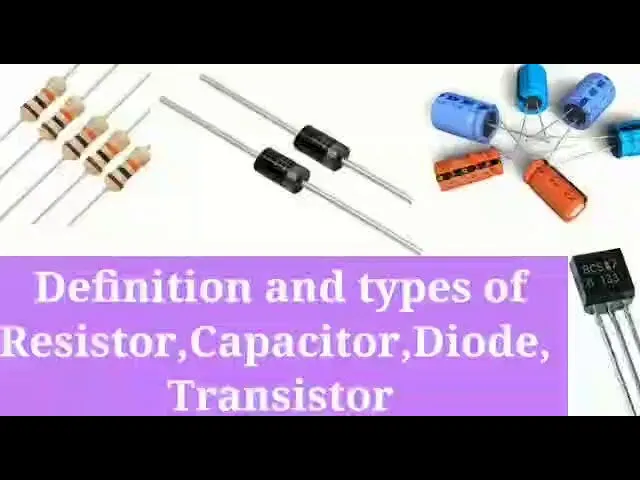
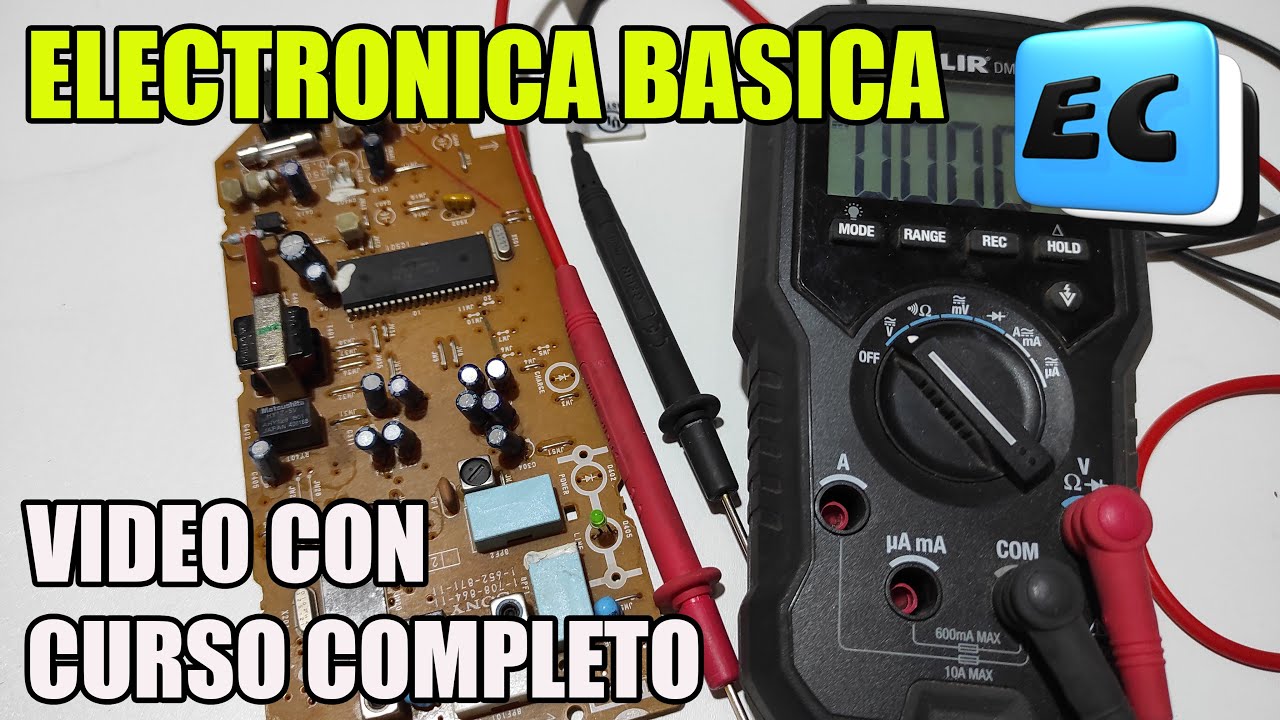













Data sheets are essential for electronics repair and design, providing critical specifications like voltage ratings, current capacity, and pin configurations that enable finding equivalent components when originals are unavailable; to access data sheets, search the component name online (e.g., on transistor.fm), then carefully verify the transistor type (NPN/PNP), pin orientation (emitter, base, collector), and key electrical parameters (VCE, VBE, power rating, frequency range) before selecting substitutes to ensure proper circuit function.
How to Find Electronic Component Datasheets: A Step-by-Step Guide
Added:Basic familiarity with common electronic components such as resistors, capacitors, diodes, transistors, and integrated circuits (ICs).
Understanding of fundamental electrical units and parameters like voltage (V), current (A), resistance (Ω), power (W), and operating temperature.
Awareness of electronic component packaging types, specifically the difference between through-hole technology (THT) and surface-mount technology (SMT).
Basic knowledge of how manufacturers identify parts using part numbers, prefixes, and suffixes.
Advanced datasheet analysis: learning how to interpret complex electrical characteristic tables, thermal metrics, and timing diagrams.
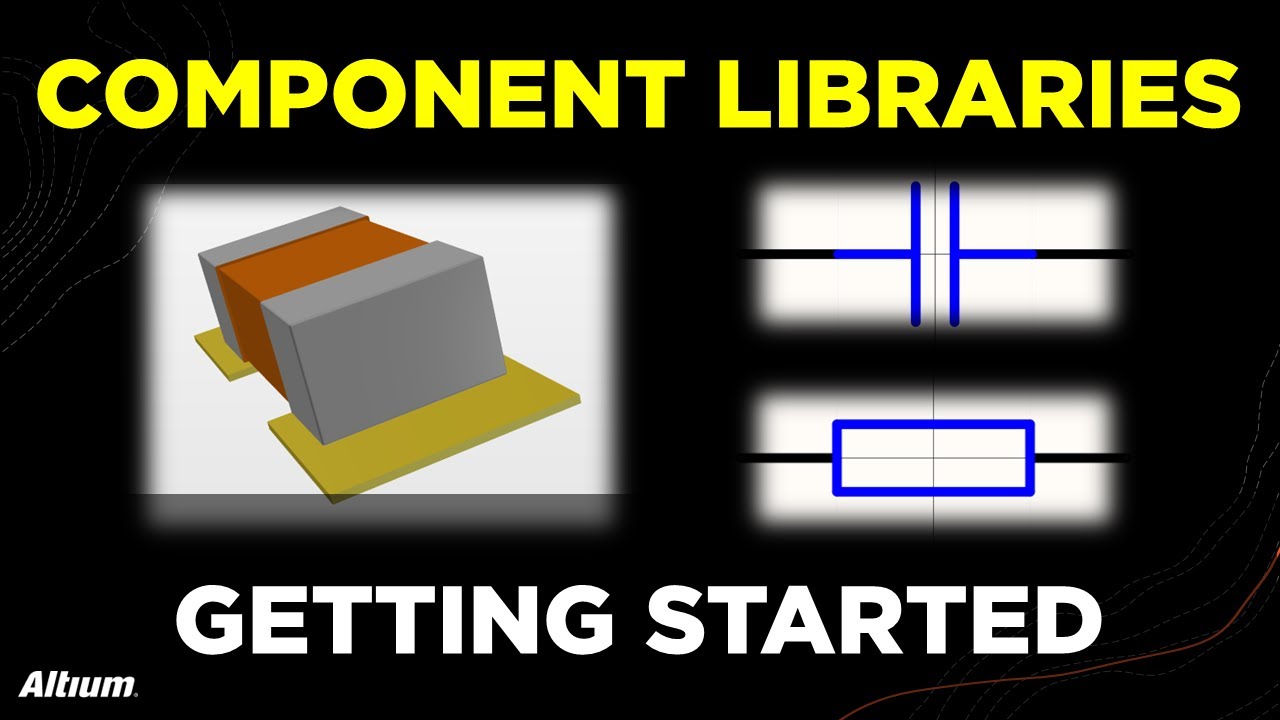
Creating custom schematic symbols and PCB footprints in EDA/CAD software (like KiCad or Altium) using the physical dimensions specified in the datasheet.
Component selection and sourcing strategy: utilizing distributor search engines (e.g., DigiKey, Mouser) to filter components by technical parameters and availability.
Evaluating and selecting cross-reference equivalent components when the original part is obsolete, out of stock, or cost-prohibitive.
424 views13likes13:44Original Release: 2024-11-08
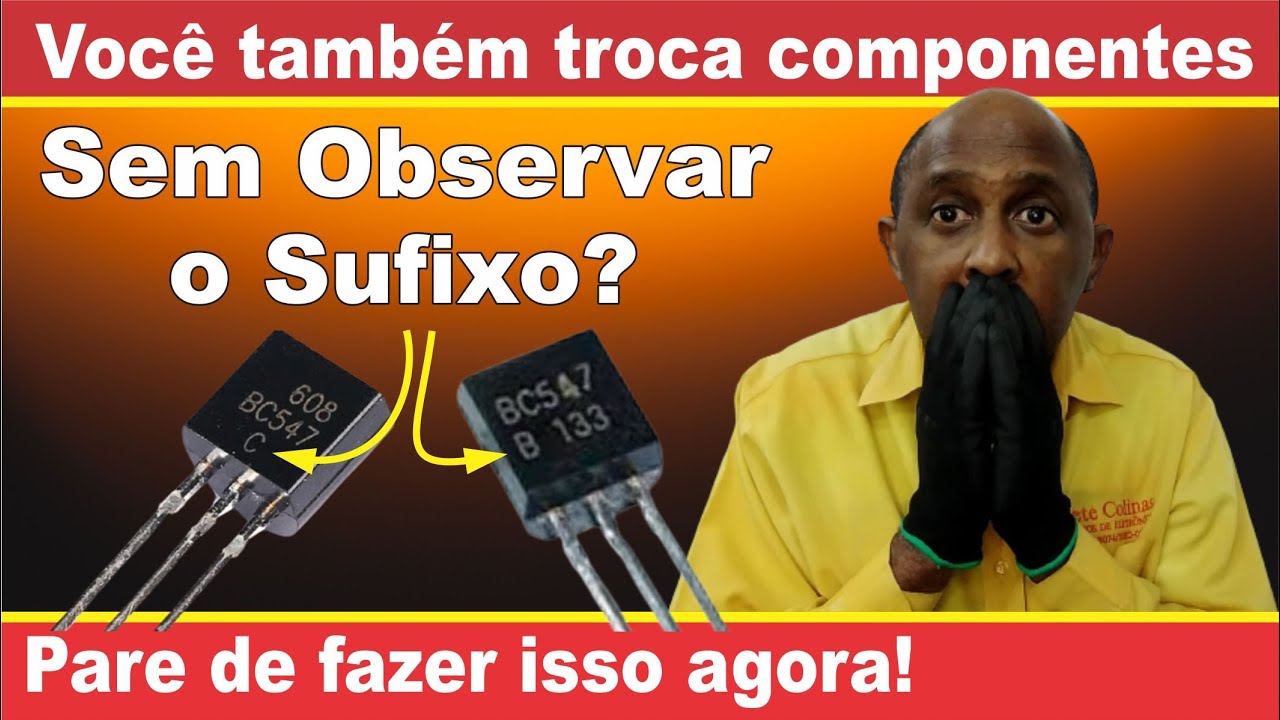
yeah what's up everyone welcome back again to another very beautiful section trust you guys are doing very good out there uh so in my last video I Dro a video for you guys to really help you guys okay so today we want to look at how to get data sheet of any Electronic Component um let me start by saying this or getting the data sheet is very important because it can be very funny when some component get bned for example let's say you're working on a board let use the case story of an amplifier that is your Poweramp let say you're working on a 5,000 wat or let's say it was there 1,8 wat you're working on it and a particular component got Bor and unfortunately for you you find the Luc store where you could get the various component you did not get it so what should you do so that is why you must really understand the data sheet so sometimes a transistor or for example S I may got B for example and you may not get it but if you really understand the uh the data sheet you can hard component and it to give you the same function although it may not look beautiful like that of the factory standard but it will still at least to give you what you want depending the time you get the original material you understand and for example let me say I'm working I need maybe let's just say Z 394 transist goard Bond I don't have any alternative I don't have anyone and I need to fix it very fast so there are some equivalent but how to do you get it so that is what we want to look at so that you but it's not that you just have you don't need to jump there and you just pick any component and you just put for example let's say Z 3904 got born and I just carry C 15 15 I just put it there because they look alike my dear we damage the entire Bo so how do we go about it that's all we want to do let's dive in all right to get your data sheet all than to technology uh that you can get any material you want online sorry my light is out let me hold the second one all right good all right we are good we are good back okay so um we said okay sorry about the breaking transmission oh so first thought I was saying the whole than to the internet these days compared to the before they give birth to my great great grandpa I wonder how they're coping them so now it's very easy for you to get access to data materials online all you need to do is just go to your Google go to your Google type the name of any component so for example let's say I'm looking for ZN 3904 so if I go online what I need to do is type the name there it will pop up now uh I'm just showing the image so that you first first thing you need to understand is understand the is it a PMP transistor or an npn transistor that is one thing you have to understand because for example if an npm transistor got B and I put PMP there it's right of my so you have to really understand understand the orientation of the transistor so if you look at this one here let me zoom in so that you can see it very well sorry for that let me Zoom this in that's too much okay good now if you look at what we have here now this is your transistor you must understand the polarity you can see this is the flat side the r side is at the back there so if it is facing you that is the flat side facing of the orientation is like this this side is the emitter why this is the base this is the collector that is the most important things you must first understand this is the emitter this is the base this is the collector you can see it here the numbering is here and this is the data sheet of it remember when we say transistor transistor is a combination of diode so to say it's combination of diode that is what is in a transistor so if you really understand for example if this one gold bur I can definitely create some alternative or get the nearest equivalent to it so let's dive in so this is z39 with me here I have let me show you this one okay this is um okay this is CN transistor okay you can see the orientation you see the other one you remember that this one is facing up to you can see it facing up see this one facing up too this one was fa is facing up also you can see it facing up but when it facing up this side is the emitter but you can look at see this one now you see this side is theit they are looking at lik let's proceed the middle is the base the middle of this one is what is the collector are you seeing it now so you must be very very careful of that not just to just look at okay they look alike no you have to be very sure of the orientation of their polari a PN B MPN and also the way the base emitter and The Collector are being orientate you have to get the orientation sometimes you may get the equivalent of a particular one but at the same time you still need to come and check for this orientation because for example you may get an equivalent let's say I use an equivalent of Z n39 or4 A for example if I put it truly they are the same because of the equivalent but the base here may be here why one may be here so you have to be careful of that it's not that your equivalent is not correct is correct but the orientation sometimes can be different so you have to really put that at the back of your mind don't forget check for the em the base and The Collector the way it's been really arranged okay then another thing to do is this let me zoom out back all right now so when I check it normally on line you see it it will pop up I like using this particular site all [Music] transistor.fm them to you guys no affiliate or anything with them all right so just click on it if I click on it this is what it will bring for me I'm zooming out so you can see clearly now what you need to First understand about that transition now we already know that okay it is an MPN transistor uh it has for the ZN 3904 that my orientation the first one is the emitter the middle is the base while the other side is the collector we already know that but we want to know more in depth about it so that we can get the best equivalent transistor for it so you have to look at it what is the material is being made of of so the material is being made up of is a silicon material the structure is an hpn transistor you know we already got that from here to hpn so we are Sav then the PC is 0.31 wat why this is the voltage across the collector and base is 60 Vol why the collector and emitter is what 40 Vol why emitter and V is 6 V these details I'm calling are very very important they're very important because for example uh if I'm substituting uh a component I have to understand that okay from the side I'm taking it from what is the voltage that flows across that area you understand that so for this particular one definitely across the voltage base now the voltage across the collector and base this area I'm I lighting here across the voltage and base is 60 volt so if I'm using anything like 20 volt or 30 volt definitely that transistor will go B and if it is too high it may not drive it well so that is to tell you that you must get something close to this maybe plus one plus two or minus you understand something at least very close to the beest minimum so you have to put that then voltage across your collector and emitter 40 volt very very important so and also look at the frequency which is working it's working with 300 h you can see now all these details are very very important but that not all we need we still need more let's now go further now look at some of their recommendation they are equivalent you know this is why I like this site so so much it will give you the best option so now these are the equivalent you can use for this particular transistor remember that voltage across collector and base is 60 volt for the one we looking for which collector and is 40 Vol where and bit what is 60 why the current that flows through the high is what 0.2 why the temperature it can work with is what 135° so now let's now look at if we are going to use this equivalent fine is a c materials um silic materials yes NP but look at this now the power current here is 1.5 where where this one is what is 0.31 find it will work but it's just that it's too big we have other option you can see all these are more better option to it but let's continue although that is to tell you that it will be able to withand more power but not all the time it may not be necessary all the time I mean not for me I don't prefer this 1.5 I can prefer this up than this my voltage rating yes 60 60 is okay 40 still okay 6 what okay my current okay you see 135° this can if this one is high no problem that is to tell you that it can to UND do more ey temperature my frequency range is 300 very good you can see four so this is very good this is a very good one so you can decide to use any of the component here you see here now you can go with them so let's assume we prefer this now is 2394 okay 2394 bu so we go we then check for it now want to really check because you know the first one let me type that one that is uh um 3 and 39 then 3905 04 rather it's 2 and what's the name again sorry okay 239 23904 3904 so I'm looking for that diagram back sorry I have to check something back okay 2394 this is what the initial one so let's check it how so that we can do comparism so remember for this one our emitter is here Bas is here so the equivalent so we already got a perfect match that we can use to substitute it but we want to be sure of the orientation of that Emer base so sometimes if my you know for the ZN 3904 the Bas is are the middle so it can be funny some component Maybe the perfent but the orientation may be different so all you need to do is twist it then you find a semicond material that will not conduct for example I can peel a wire and just put it in the leg then I will twist it so if this is my for example let's say this is meter this is collector now and this is where I need base I will twist it then I will guide it with that wire PE just put it there use it to twist it and it to give you perfect so let's look at what the orientation of this one looks like maybe luckily it's going perfect okay luckily for us this one is perfect you can see the met at this side Bas is this all right so that is a very perfect and very good match for us so for this one we can use it straight just put it inside it it will give you what you need and you are very very good to go guys I believe you cutting a lot of value from this video If you find my video very very helpful why not like my video like it so they a lot of video a lot of people get to learn from this channel And subscribe to this video and this channel so that you get more helpful video remember I do sand installation I do buy I sell keyboard I sell guitar I repair them also I sell Power Amplifier amplifiers um Power Amplifier mixer speakers and the rest I will definitely deliver to anywhere you are across Nigeria trust me if I'm a scam I will not show my face so this is my number if you have any one or you need my recommendation against getting any gaget or you want to install your studio no problem you can feel free to get across domain and you this my number plus 23481 uh 46 sorry 46 8465 28 or you call my second number 0817 81712 659 so definitely one of them will go you can chat me up on WhatApp if that is where you prefer or you give me a call just give me a definitely get across to you so anywhere in Nigeria definitely 100% your goods will get delivered to you so why not like this video thank you so much you guys in the next video cheers
Up Next

53:16
Building an LM317 Lab Power Supply: Part 1 - Design and Calculations
@EcProjects
132.6K views•2013-05-29
30:32
Ultrasonic Transducers: Resonant Frequency Measurement and Horn Design
@imajeenyus42
229.9K views•2017-02-22
54:16
Polymer Environmental Degradation: Mechanisms & Stabilization
@iit
1.8K views•2012-07-10
33:39
How a Student's Question Saved a NYC Skyscraper from Collapse
@veritasium
22.8M views•2025-04-26
Related Study Plans & Knowledge Roadmaps
Structured learning paths in Engineering
engineering
Building Acoustic Levitators: Physics & Arduino
01The Physics of Sound and Standing Waves
02Piezoelectric Transducers and H-Bridge Drivers
03Arduino Programming: Generating 40 kHz Signals
+ 2 more learning modules
14h5 modules
Explore Roadmap
engineering
Building Peltier Cloud Chambers: Particle Tracks
01Cosmic Rays & Cloud Chamber Physics
02Thermoelectric Cooling (TEC) Fundamentals
03Custom Liquid-Cooling Loop Design
+ 2 more learning modules
18h5 modules
Explore Roadmap
engineering
Yagi-Uda Antennas: Modeling, Build & VNA Test
01Introduction to RF and Antenna Fundamentals
02Yagi-Uda Antenna Design Principles
03Antenna Modeling and Simulation in 4NEC2
+ 2 more learning modules
18h5 modules
Explore Roadmap
engineering
ECG Monitor Design: Op-Amps, Filters & Noise
01Electronics & Breadboard Basics
02Op-Amps and Instrumentation Amplifiers
03Bioelectricity and ECG Fundamentals
+ 2 more learning modules
18h5 modules
Explore Roadmap