



















William Morris (1834-1896) was a British artist, designer, writer, and committed socialist who believed that art and politics are inseparable, arguing that truly beautiful objects can only be created under just social conditions; his famous novel 'News from Nowhere' (1890) uses medieval aesthetics—not as a literal return to feudalism but as an imaginative framework—to envision a utopian future where craftsmen have replaced industrial workers, demonstrating how Morris's artwork, designs, aesthetic philosophy, novels, and politics all intersected to advocate for a society where individual creativity and communal well-being take precedence over profit-driven industrial production.
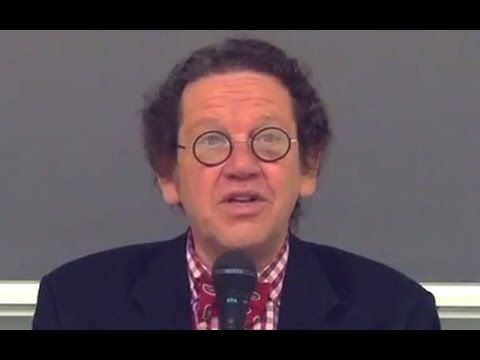
William Morris and Victorian Medievalism | Lecture by Julia Rossi
Added:The historical context of the Industrial Revolution in Victorian England and the subsequent rise of mass-produced consumer goods.
Basic tenets of 19th-century socialist theory, particularly the critique of capitalist division of labor and the alienation of the working class.
The concept of Victorian Medievalism and the Gothic Revival, which romanticized the Middle Ages as an ideal era of organic community and integrated craftsmanship.
The artistic philosophy of the Pre-Raphaelite Brotherhood and their rejection of post-Renaissance academic art styles.
A comparative study of late 19th-century utopian literature, specifically contrasting Morris's agrarian, decentralized 'News from Nowhere' with Edward Bellamy's state-directed 'Looking Backward'.
The global spread and evolution of the Arts and Crafts Movement, including its influence on Art Nouveau and the founding of the Bauhaus.
The foundations of Eco-Socialism, tracing modern green politics and sustainable design back to Morris's critique of industrial waste.
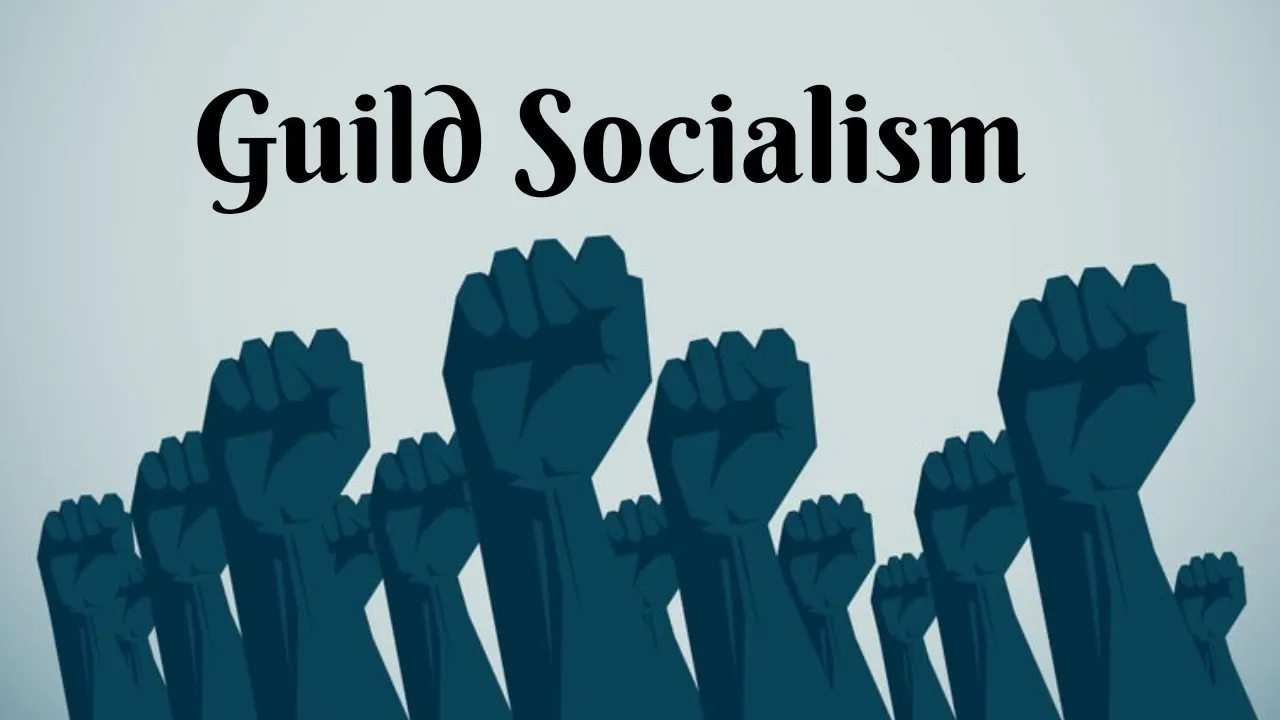
The political theory and history of Guild Socialism in early 20th-century Britain, which advocated for democratic worker-run guilds inspired by medieval models.
646 views25likes35:21Original Release: 2023-11-27
well welcome everyone to our fall literary lecture series hosted by the Anum literature project an online public Humanities platform that aims to make the study of literature accessible to readers beyond the pay walls of the university and we're happy to offer this series of free introductory lectures on a variety of literary topics and you can find all the past and future recorded lectures on our database at antrum literature project.org we have the pleasure of hearing tonight Julia Rossi a PhD student in the English Department at the University of Chicago her research focuses on Victorian novels and the ways these novels both reflect and produce cultural and political realities she is particularly interested in exploring how Victorian novels engage with economic history labor history imperialism Urban experience and the bu built environment all of these are very key to William Morris who we'll be hearing about tonight Julia currently lives in Paris in addition to finishing her dissertation she also works at the American library in Paris a lovely institution that provides English language books and free public events for anglophone readers in the Paris area Julia's lecture is titled William Morris and Victorian medievalism thanks for being here Julia thank you so much all right without further Ado I will share my screen So today we're going to be talking about William Morris a British Artist designer writer and political thinker who lived and worked in the second half of the 19th century there are a few things I want to accomplish in this lecture um first I want this to be a well-rounded introduction to Morris and his work um so we're going to think about his textile designs and his his involvement in the Arts and Crafts movement and then we're going to turn to his literary output focusing on his most famous novel um which is a futuristic Utopia called news from nowhere and throughout all this we're going to be thinking about Morris's interest in medieval Aesthetics and medieval culture and tracing out um sort of the ways medievalism operates in his novel ultimately I'm hoping that at the end of today we'll have a sense of how Morris's artwork and Designs his aesthetic philosophy his novels and his politics all intersected with and informed one another so this is a photograph of William Morris the photo was taken by the a photographer named Frederick Holier in 1887 um Morris by the way lived from 1834 to 1896 so this photo is taken just under 10 years before he died there are other photographs of Morris but this is by far my favorite I think his pose here is just so incredible he's got his head resting on his hand um which is a gesture that I associate with a kind of dreaminess um it's an informal pose it's like the photographer has just walked in on Morris when he was deep in some kind of Ry um but then at the same time he's staring straight at the camera he's not looking off to the side or closing his eyes he's got this penetrating gaze um so there's a dreaminess to his pose but there's also a directness to it and I think that combination of dreaminess and directness is something that gets at the heart of Morris's life and his work was interested in art and Aesthetics he was a prolific textile designer and Weaver he created gorgeous tapestries and embroideries um and he was deeply interested in architecture he worked with an architect named Philip Webb to design his own house which you can still visit today just outside of London um he made stained glass windows he designed and printed gorgeous books um he was a novelist and a poet and addition to all of this um he was a political activist a committed socialist um and a political thinker Morris believed that art and politics are inseparable he believed that truly beautiful and aesthetic objects can only be created under good and just social conditions and he had a lot of specific thoughts and ideas on what good social conditions should look like and the kind of art that they would Inspire I think in today's political landscape you don't often hear people talking about art or beauty um but when you read Morris's poems or his novels or his essays you see that he's constantly think about Aesthetics by way of thinking about social and political problems and vice versa so for me when I'm feeling uninspired by contemporary political life um sometimes I like to turn to Morris to sort of get into a different mindset um one of the things that's so fun about studying Morris is that you get to sort of fit all of the different parts of him together like a puzzle and see how they all connect right so there's Morris the designer Morris the novelist Morris the social reformer and in his own mind these were all facets of the same impulse in the same project so I think we can start with what I think is the most familiar aspect of Morris popularly if you've heard of him before I would be willing to bet maybe like a small amount of money um that you've encountered his textile and um Home Furnishing designs um so these are three examples of many many textile designs that William Morris created over the course of his life um so the first two are um gorgeous decorative Fabrics that would have beened in home furnishings right so to upholster pillows for example um or to upholster chairs upholster chairs or cover pillows um and then the third image this one here is actually a section of wallpaper that Morris designed um I like to imagine sort of walking into a room with this wallpaper covering the walls it's it sort of um has an intense Aura to it I want to sort of curl up with a book somewhere in a corner so I think just from looking at these examples we can get a sense of Morris's design style um he's all about natural forms we've got leaves flowers Birds um strong but natural colors he creates um repeating patterns out of Arrangements that feel organic and Lush um interestingly though Morris was clearly inspired by Nature he also said that his goal was never to quote unquote imitate nature in his art he wasn't trying to create an exact likeness of leaves and birds and such so here's a really fascinating quote from him on the subject this comes from an essay that he wrote called some hints on pattern designing he wrote many many essays about his artistic methods and his political beliefs um he says of course you understand that it is impossible to imitate nature literally the utmost realism of the most realistic painter Falls a long way short of that and as to the work which must be done by ordinary men not unskilled or dull to Beauty the attempt to attain to realism would be sure to result in obscuring their intelligence and in starving you of all the beauty which you desire in your hearts but which you have not learned to express by means of Art I love that he uses the second person in this passage I feel very implicated as I read it um so Morris believed that good patterns and Designs should remind us of nature by combining natural forms with the human imagination but they shouldn't try to um copy nature because they'll just end up paling by comparison um moris um morse's circle of friends were also artists and creative types um a lot of them can be identified as members of an artistic movement called the pre raphaelites you might have heard of he was particularly good friends with um the painters Edward burn Jones and Dante Gabriel retti here they both are looking very dignified um so Morris and his pre Raphael friends including burn Jones and Rosetti um were all interested in the medieval period prer Raphael paintings and poems dwell on medieval stories for example like the legends of King arther and his Knights um here's an example of a painting by Rosetti that depicts a woman in a sort of medieval inspired dress um the sitter for this painting by the way was Jane Morris William Morris's wife um and she actually um had an affair with Rosetti and um served as model for his paintings but that's a story for another day um so alongside some of the pr raphaelites Morris established a furnishings and decorative Arts company at first the company was called Morris Marshall fuler and Co um named after Morris and a few of his artist friends and then later he assumed primary leaders ship and it um changed to just Morris and Company so the wallpaper and fabric designs that we looked at earlier were all made by Morris and Company and Morris and Company and Morris more generally um became known as major figures in a late Victorian aesthetic movement called the Arts and Crafts movement so you might already be a little familiar with the Arts and Crafts movement I think um I think a lot of people have a sort of understanding of what someone means when they say that a a building or a piece of furniture is of the Arts Movement um but oftentimes I think um people are associating the movement just with its time period which is roughly beginning in the 1880s and continuing through the early 20th century um but the Arts and Crafts movement doesn't just refer to that time period um it's both an artistic and a philosophy political movement so people who identified with the Arts and Crafts movement were reacting against the industrial production processes that dominated late Victorian Britain Morris believed that the everyday items that we surround ourselves with in our homes tables chairs wallpaper curtains Etc that they should be well made and that each object should be made by an individual Craftsman who has full control over both the Creative Vision for the object and the actual physical production of the object um so as I mentioned earlier Morris and other people in his Circle the pre raphaelites as well as um other people associated with the Arts and Crafts movement they often worked medieval Styles into their designs and their visual artwork often depicted scenes from medieval stories I think at first glance Morris's investment in medievalism seems almost at odds with his politics um Morris and many of his artistic and literary Associates were committed socialists and the medieval period was suffice to say not exactly a socialist Utopia it was an era of feudalism um there were Kings and Lords noblemen vassals peasants um not an egalitarian Wonderland um so why is Morris so interested in a Revival of medievalist Aesthetics um how does they come to embrace medievalism as a part of his socialism and how do we see this playing out in his art and in his novels because as I've said on top of everything else he was also a writer he wrote essays poems and novels and we're going to focus on his most famous novel called news from nowhere which was published in 1890 um so toward the end of his life news from nowhere is actually not the full title of the novel so in a very typical Victorian fashion the real full title is um a real mouthful it's called news from nowhere or an Epoch of rest being some chapters from a utopian romance um I think he's playing really fast and loose with syntax in this title the being some part always trips me up being some chapters from a utopian romance um so I'd like to take a minute to sit with this title and think about how Morris is using a lot of these really big terms and how the title alone sort of captures some of the Salient features of the novel first a word that stands out to me here is utopian um news from nowhere is very much working within the genre of utopian fiction so that is of course a story that's set in a world where everything is perfect or at least um perfect according to the ideals of the author I should say um earlier examples of utopian literature go all the way back to the ancient Greeks um Thomas Moore actually coined the term utopia in the year 1516 when he wrote a book that he called Utopia and with that title Thomas Moore was um sort of bringing together the Greek prefix u meaning not and the Greek word topos meaning place so U plus topos becomes Utopia or literally translated it means nowhere no place right um and Thomas Morris novel depicts a fictional island that he calls Utopia so when Morris calls his novel news from nowhere um he sort of playfully invoking this literary tradition um or genre of utopian writing and he's doubly reinforcing that illusion when he um explicitly calls this novel also news from nowhere a utopian romance so we've covered Utopia we've covered nowhere two other words that I think are critical to Morris's project in this title are news and rest um so let's start with rest um part um here part of the title remember is an Epoch of rest um here Morris is taking aim at the Victorian periods obsession with understanding itself as a period of fast fastpaced change or fast-paced change or growth or um quote unquote progress right Morris's idea of a utopian future is one where the progress mentality that's so pervasive in politics and the culture of his time has been replaced by a different Rhythm of Life um a kind of contentedness a kind of contented stasis or rest right and then before we move on also news so Morris is writing from a time when newspapers and the periodical press had a lot of power Rising literacy rates combined with improved printing Technologies meant that newspapers were everywhere and he's being a little ironic when he calls this novel news from nowhere because he's he's really trying to imagine a world without news or rather a world Beyond news right um this is an Epoch of rest it's a society that isn't subject to the churning social and political upheavals of his day um so part of what's utopian about this Society is in fact the absence of news um but then at the same time the utopian world that he's rendering in this novel is certainly news to us the readers right it's like he's a reporter reporting to us on what social life could be like if we overcame the The Perils of capitalism and industrialism um so I think it might be wise to give a quick plot summary of news from nowhere essentially it's a time traveling story um we begin in Morris's own time in 1890s England and we begin with a working-class Victorian man who is a committed socialist um who Des spares at the r rampant poverty and inequality that surrounds him he attends a meeting with other socialists and he gets into a fight at the meeting and he goes home feeling pretty hopeless um and he goes to bed when he wakes up in the morning he feels great he feels like the air is clearer his mood is better it's a really good day um he goes outside and he quickly realizes that everything's changed he's not in 1890s England anymore he's in England in around the year 2090 or 200 years in the future from where MSE is writing and everyone in future is beautiful and happy um and he meet meets a cheerful young man who takes him on a journey by boat along the river temps um throughout England and they stop every once in a while to talk to people and he learns that um soon after his own time in the 1890s in the late Victorian period there was a socialist Revolution and the working classes managed to overthrow capitalism and reorganize Society so he asks a bunch of questions to everyone he meets and they explain their utopian ways to him and their utopian history um in the end depressingly he gets sucked back into his own time um where people are poor and class hierarchies are rigid um but he's filled with Renewed Energy and um hope for a better future that's actually a pretty thorough summary it's a very simple novel in terms of plot and character most of the energy from the story comes from our narrator reveling in all of the details of um utopian life describing the social norms and the physical details that he encounters right architecture clothing Furniture Etc I think often times um when speaking for myself as at least when I read a novel I expect to get either really elaborate plots or really psychologically deep and interesting characters or preferably both um but the characters in news from nowhere are extraordinarily straightforward um they're remarkably simple as characters it's not that they're all exactly the same um they have different preferences different inclinations and such um and they're not entirely without conflict interestingly um they have romantic difficulties for example there's one couple that breaks up and gets Back Together by the end of the novel um but they're not subject to the same social pressures and hierarchies and cultural expectations and personal pathologies um that we often get in novels that produce really Vivid characters and actually interestingly at a few moments in the novel characters explicitly say that um novels and history books still do exist in Utopia but they've sort of Fallen by the wayside um so in one scene a beautiful young woman is talking to her grandfather and the grandfather is one of the few people in the Utopia who still um talks a lot about books and the young woman gets tired of him talking about books and she says books books always books grandfather when will you understand that after all it is the world we live in which interests us the world to which we are aart and which we can never love too much look she said throwing open the casement wider and showing us the white light sparkling between the black Shadows of the moonl garden through which ran a little shiver of Mo of the summer night wind look these are our books in these days I find this moment really fascinating um here is Morris writing a book he's writing a novel and um within that novel he's suggesting that novels and books in general um are the cultural outputs of a flawed World um that if we lived in a more beautiful and just Society we wouldn't be spending as much time reading books which is a provocative thought um I think Morris is very aware that people might read his novel and say these characters are one-dimensional they're not very interesting um and to him this is natural consequence of the fact that they live in Utopia um sure they have disagreements with one another and romantic entanglements and such but they don't have wars they don't have class struggles um they don't have a lot of the chaos going on that um makes for interesting novels and novelistic characters um all right so as I've sort of prefaced um medieval culture and medieval Aesthetics play a significant role in this novel it comes up actually almost immediately at the beginning when our narrator is in 1890s England um before he wakes up in Utopia he's walking home and he passes um an ugly suspension bridge uh the part of London where he lives is called Hammersmith it's the same part of London um that Morris lived in when he was writing news from nowhere and Morris's lodgings would have actually had a clear view of Hammersmith Bridge which is the very same bridge that Morris is describing as ugly in the novel here's a photograph um of Hammer Smith Bridge from around the time when Morris is writing um and when our narrator first wakes up in Utopia he doesn't immediately realize that he's traveled in time he goes out and he thinks you know H the water is really clear today the air feels really good today but he doesn't think I must be in the future um one of his first big signals his first big Clues um that he's living in a different time is that the ugly Bridge has been replaced by um a distinctly medieval Bridge so here's a passage for us to consider um sorry it's a bit long um I turned my bewildered eyes Eastward to look at the bridge again and then to the shores of the London River and surely there was enough to astonish me for though there was a bridge across the stream and houses on its banks how all was changed from last night the soap works with their smoke vomiting chimneys were gone the engineers Works gone the lead Works gone and no sound of riveting and hammering came down the West Wind from thorny crosss then the bridge I had perhaps dreamed of such a bridge but never had seen never seen such one out of an illuminated manuscript for not even the P ofo at Florence came anywhere near it it was of stone arches splendidly solid and as graceful as they were strong high enough also to let ordinary River traffic through easily over the parapet showed quaint and fanciful little buildings which I supposed to be booths or shops beset with painted and gilded veins and spalet the stone was a little weathered but showed no marks of the grimy stin which I was used to on every London building more than a year old in short to me a Wonder of a bridge so to give you a sense of what he's describing he compares the utopian bridge to the ptoo in Florence which was built in the year 1345 um though he says the futuristic utopian bridge is even better right not even the Pono Florence came anywhere near to it so here's a painting of the ptoo um and when we look at this painting we can see what Morris's narrator is talking about when he said that there are little shops along the bridge itself you see um those beautiful little three arches in the center um with the the little rooftops sort of radiating radiating out on either side of the bridge um so let's consider the passage again as a whole um I think it's important that um before our narrator launches into his OD description of the bridge he notices something else that's different about his surroundings um from Victorian times he says um for though there was a bridge across the stream and houses on its banks how all was changed from last night right the soap works with their smoke bombing chimneys were gone the engineers Works gone Etc right um and In This Moment the quaint dream like distinctly naal bridge is associated with the absence of industrial work sites um so I think this is a moment in the text where we can really see the Aesthetics and the politics of Morris's medievalism sort of coming together Morris believed that industrialization had sucked the spirit out of society and ruined our relationship to work to labor um industrial production in Morris's view turned workers into machines instead of workers having full control over what they produce they're put into factories and the production of a single object is broken down into to a bunch of stages and each worker only gets to work on one stage over and over and over again right another term for this fragmentation of Labor into small pieces is called the division of labor we're probably familiar with that term um I want to look actually very quickly at a very famous passage by the classical Economist Economist um Adam Smith in his book The Wealth of Nations so this is the moment where Smith introduces the concept of the division of labor and he's talking about the work that goes into producing pins like literal pins um that you would use to sew to hold on hold clothing together um and he says it used to be that a single person would be responsible for making an entire pin from start to finish um but that wasn't very efficient right so now with factories and the division of labor we can make more pins than ever before in less time so here's the excerpt one man draws out the wire another straightens it a third cuts it a fourth points it a fifth grinds it at the top for receiving the head to make the pin requires two or three distinct operations to put it on is a peculiar business to whiten the pins as another it is even a trade by itself to put them onto the paper and the important business of making a pen is in this manner divided into about 18 distinct operations which in some manufactures are all performed by distinct hands right um so Morris hates the division of labor um and he says sure it makes production more efficient but it also shatters the human soul in the process and throughout his writing including in news from nowhere he turns to Medieval culture because he's fascinated by what life was like before industrial production processes took hold so medieval culture comes to stand for him for a time when workers were Craftsmen and not cogs in a machine um I've pulled a passage from one of Morris's um more famous political essays where he's discussing this um and you'll see he's locating a difference between how people worked in the medieval period and how people work in the 18th and 19th centuries um it almost reads actually like a rebuttal to Adam Smith's pin passage um so this essay is called um the hopes of civilization and here's the passage I have said that the 18th century perfected the system of Labor uh which took the place of the medieval system under which a Workman individually carried his piece of work all through its various stages from the first to the last this new system the first change in industrial production since the Middle Ages is known as the system of division of labor wherein as I said the unit of a of Labor is a group not a man the individual workmen in this system is kept lifelong at the performance of some task quite Petty in itself and which he soon mastered and having mastered it has nothing more to do but to go on increasing his speed of hand under the spur of competition with his fellows until he has become the perfect machine which it is his ultimate duty to become since without attaining to that end he must die or become a popper you can well imagine how this glorious invention of division of labor this complete destruction of individuality in the Workman and his apparent hopeless enslavement to his profit grinding Master stimulated the hopes of civilization probably more hymns have been sung in Praise of division of labor more sermons preached about it than have done homage to the precept due unto others as you as you would they should do unto you um so I hope this has helped us to see how um for Morris the medieval design of the bridge and Utopia right this bridge that's reminiscent of the ptoo except much better um it goes hand inhand with his vision for what the British landscape um both the physical landscape and the social landscape would look like without industrialization and I think it's also important to linger on the detail that Morris says the bridge is reminiscent of the pon ofo but somehow indescribably is far superior um remember he says not even the ptoo at Florence came anywhere near it um I think this is actually a critical part of how Morris leverages medievalism in his writing and in his art um he's not interested in trying to just reinstate the social forms of the Middle Ages he doesn't want to go back to feudalism to Kings and Lords and peasants um what he wants is to use medieval design and style as a kind of inspiration a jumping off point that we can use to imagine a different kind of world and the world that he's imagining in this novel is futuristic not historical um so before we move on from this passage I want to dwell on one more detail um let's return to the passage um here we go then the bridge that's where I'm starting then the bridge I had perhaps dreamed of such a bridge but never seen such a one out of an illuminated manuscript for not even the point of Florence came anywhere near it um so just in case this term isn't familiar um for anyone an illuminated manuscript is a handwritten book with highly detailed and decorative Pages um often illuminated manuscripts contain illustrations and elaborate borders right and they're painted with beautiful and bold colors um mostly associated with the medieval period so here's an example um of a late medieval illuminated manuscript a very beautiful one um Morris was deeply interested in illuminated manuscripts and he would often make trips to the bodan library in Oxford to examine the illuminated manuscripts in their collection he became really interested in bookmaking as a form of Art and in the ways these medieval decorative practices can enrich the experience of reading a text so inspired by the styles of illuminated manuscripts toward the end of his life Morris founded his own printing press um called the Kem Scott press and he designed type faces layouts page borders um illustrations that um sort of blend a medieval inspired Style with more advanced printing Technologies and the goal of the Cal press was to revive bookmaking as a fine art or craft instead of just turning out mass-produced cheap texts so again um we can see how Morris's fixation with medieval style gets braided into his philosophy of Labor um he's Longing To Vanquish the ways of industrial production um Factory systems the division of labor and to return to labor as craftsmanship such that a single person person has control over the entire process of creating an object from start to finish and he sort of lives out that Manifesto with his decorative Arts company Morrison company um but then he also turns that Spirit on book production with the C Scott press so this is an addition of news from nowhere that Morris himself designed and types set and printed um with the kcot Press you can see immediately how gorgeously ornamental it is um the first sentence of the novel starts with the phrase up at the league um so the um the letter U is the first word um the first letter of the novel on the right hand side of the page we see this like magnificently large and decorative U um The Border again um extremely reminiscent of the the pattern designs that he came up with in his his textile Productions right um okay so um let's oh I should have said that he designed the type face for um for this book as well um so let's turn to another passage from the novel I apologize um if it's a little long um it's just very full of interesting stuff um so I couldn't figure out where to cut um okay so there were houses about some on the road some amongst the fields with Pleasant Lings leading down to them and each surrounded by a teeming Garden they were all pretty in design and as solid as might be but countryfied in appearance like Yan's dwellings some of them of red brick like those by the river but more of Timber and plaster which were by the necessity of their constru struction so like Medieval houses of the same materials that I fairly felt as if I were alive in the 14th century a sensation helped out by the costume of the people that we met or passed in whose dress there was nothing modern almost everybody was gay dressed but especially the women who were so well-looking or even so handsome that I could scarcely refrain my tongue from calling my companions attention to the fact some faces I saw that were thoughtful and in these I noticed great nobility of expression but none that had a glimmer of unhappiness and the greater part became upon a great many people were frankly open and openly joyous I thought I knew the Broadway by the LIE of the roads that still met there on the north side of the road was a range of buildings and courts low but very handsomely built and ornamented and in that way forming a great contrast to the unpretentiousness of the houses round about while Above This lower building Rose a steep lead covered roof and the buttresses and higher part of the wall of a Great Hall of a splendid and exuberant style of architecture of which one can say little more than it seems to me to embrace the best qualities of the gothic of Northern Europe with those of the sasic and Byzantine though there was no copying of any of these styles on the other the south side of the road was an octagonal building with a high roof not unlike the baptistry in Florence in outline except that it was surrounded by a Lano that was clearly made that clearly made an arcade or cloysters to it it was it also was most delicately ornamented this whole mass of architecture which We Came Upon so suddenly from amidst the pleasant Fields was not only exquisit beautiful in itself but it bore upon it the expression of such generosity and abundance of life that I was exhilarated to a pitch I had never yet reached I fairly chuckle for pleasure um so I think there's so much going on in this passage um I'm going to limit myself to just a few observations um I want to start by emphasizing that again what he's giving us here is sort of a fantasy version of the Middle Ages right he's not describing a scene that ever actually existed in history it's a futuristic scene but one with medieval Aesthetics um so let's delve into some details um uh first um countryfied in appearance like human's dwellings when he's describing the houses um that he's encountering here so Morris is writing at a time when the population of London was exploding um the city was becoming denser than it had ever been before um parts of the city were deeply overcrowded um and so part of the dreaminess of the landscape that he's imagining in this novel part of what makes it utopian to him is that there's plenty of room for modestly sized houses each with their own teaming Garden he says here right um and they're liken two medieval yman dwellings um and then there's a lot going on in the second paragraph um so I'll briefly point to a few things um first this moment um uh he said he's describing a splendid and exuberant style of architecture of which one can say little more than that it seems to me to embrace the best qualities of the gothic of Northern Europe with those of the sasic and Byzantine though there was no copying of any of these Styles right um so it's interesting that here Morris is depicting the utopian landscape as a kind of mashup of different medieval cultural Styles right he's not just pulling um from English medieval architecture here though usually he's focused on English medieval architecture he's turning to Northern Europe and also further east to the Byzantine Empire um and again he makes a point of saying that the buildings in Utopia are reminiscent of these medieval buildings though there was no copying of any of these Styles this sort of reminds me of the um the passage that we looked at earlier when Morris is writing about how um good design should draw inspiration from nature um without trying to copy or imitate nature right he's doing something similar I think with medieval style he's insisting that um the futuristic people of his imagined Society um have not just looked in history books and copy of medieval designs um medieval style functions for him more as a way to sort of imagin imaginatively render a post industrial World um but he doesn't want to just reinstate or resurrect the Middle Ages um okay there's tons of other details about this passage we can talk if you are interested in the um Q&A perhaps about about the role of women in his futuristic Utopia which I think is we can see going on here um our Victorian narrator I love this moment when he says I could scarcely refrain my tongue from calling my companions attention to the fact of the beauty of these women right um it's an interesting moment um and this sort of thing happens again and again in the novel where our um Victorian novel almost embarrassing almost embarrasses himself um by remarking on things that are um that are just sort of um free and obvious to the utopian people which is interesting um let's see um okay I guess we can conclude on um this moment here in the last paragraph um he says this whole massive architecture which We Came Upon so suddenly from amidst the pleasant Fields was not only exquisitely beautiful in itself but it bore upon it the expression of such generosity and abundance of life that I was exhilarated to a pitch that I had never yet reached um so I love the phrasing here because I think it gets really at the heart of the way that Morris thinks about art and architecture Morris believed um that you can read the health of a society a given society and the values of that Society um that you can read those values by looking at the art and architecture that that Society produces right um so when he says that architecture in Utopia bore upon it the expression of such generosity and abundance of Life he's saying that um the freedom of the Craftsman who made these buildings is legible um is visible in the buildings themselves um okay I think I could go on and on about Morris and his designs and news from nowhere um but I will cut myself off here um and I'm delighted to speak with you all more and to hear your thoughts
Up Next

0:28
The Awakening Conscience: Victorian Morality in William Holman Hunt's Art
@Art-Docent-0
34.5K views•2026-03-23

12:54
Triumph of Orthodoxy Icon: Byzantine Art & History Explained
@BenCallan
2.1K views•2024-08-06

9:49
FastAPI vs Flask vs Django: Choosing the Right Python Web Framework
@TechWithTim
302.5K views•2024-05-26

1:42
Game of Thrones Opening Credits: A Cinematic Analysis
@gameofthrones
46.3M views•2011-04-18
Related Study Plans & Knowledge Roadmaps
Structured learning paths in General & Interdisciplinary Studies
general-studies
Elevator Engineering: History, Physics & Cities
01From Hoists to Safety Brakes: The Dawn of Vertical Lift
02Hydraulic vs. Traction: The Engineering Physics of Elevators
03Modern Speed, Safety, and Algorithms
+ 2 more learning modules
12h5 modules
Explore Roadmap
general-studies
Rubber: Material Science, History & Geopolitics
01Origins of Natural Rubber & Mesoamerican History
02The Chemistry of Natural Rubber & Vulcanization
03The Geopolitics of the Rubber Boom & Colonization
+ 2 more learning modules
12h5 modules
Explore Roadmap
general-studies
Containerization: Evolution, Logistics & Trade
01Ancient Trade & Bulk Cargo: Amphorae to Barrels
02The Industrial Revolution & Cardboard Packaging
03The Containerization Revolution: Malcom McLean
+ 2 more learning modules
12h5 modules
Explore Roadmap
general-studies
Textile Tech: Evolution, Labor & Global Impact
01Pre-Industrial Textiles: Handloom & Cottage Industry
02Mechanization: The Spinning Jenny to the Power Loom
03The Factory System & Global Labor Transformation
+ 2 more learning modules
10h5 modules
Explore Roadmap