


















![Antihypertensive Drug Chart: Pharmacology Made Easy [Classes, Medication Trick, Mechanism of Action]](https://i.ytimg.com/vi_webp/owcZmS5KwHw/maxresdefault.webp)


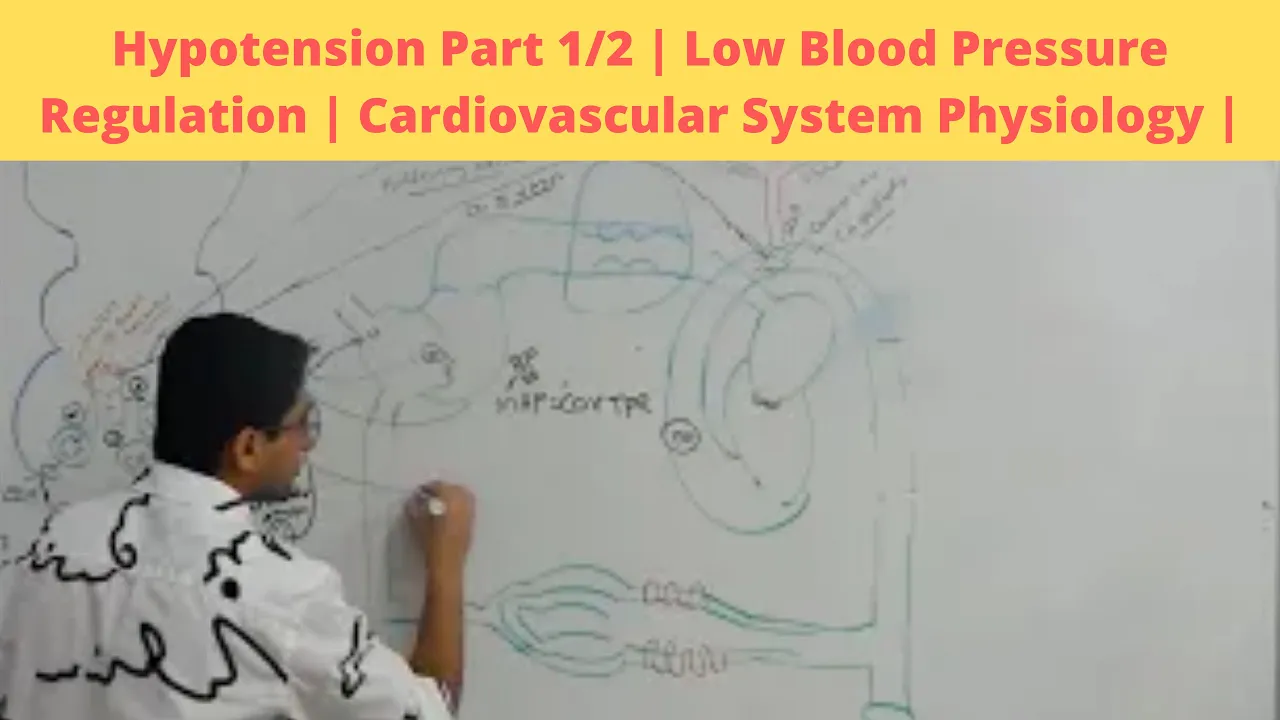
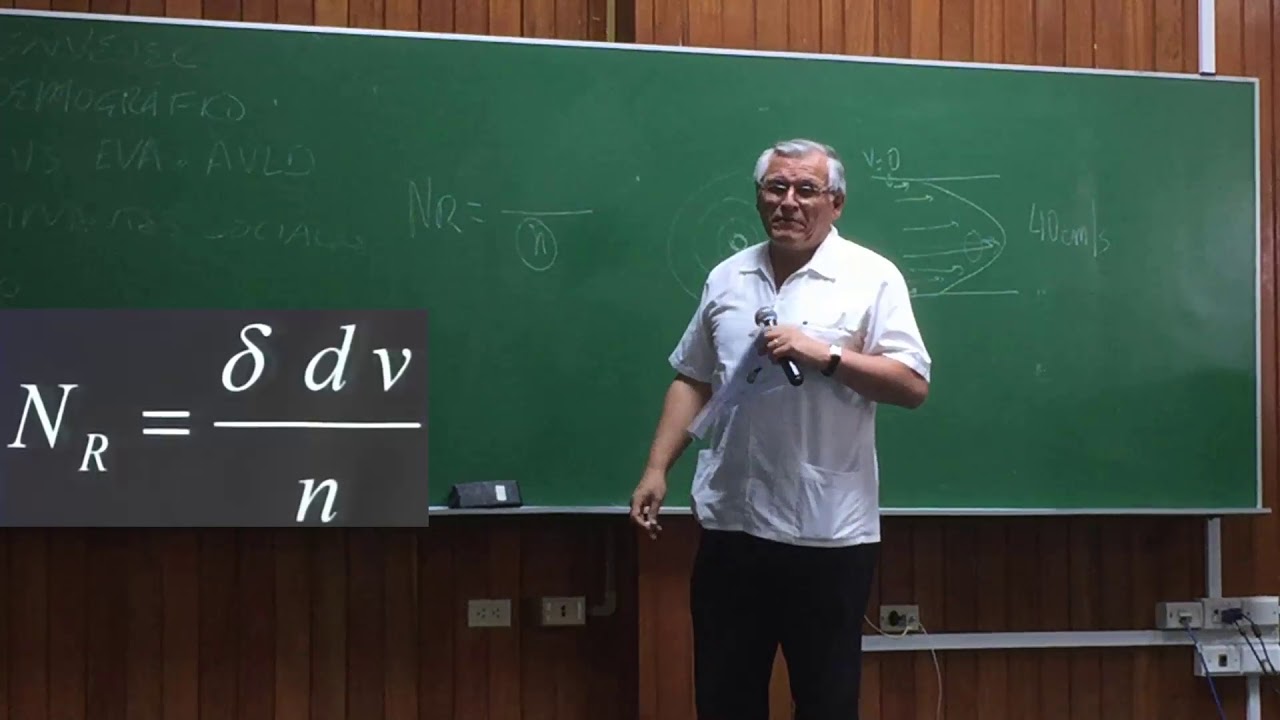
Blood pressure is determined by cardiac output (heart rate × stroke volume) multiplied by total peripheral resistance, with stroke volume influenced by preload, contractility, and afterload; blood flow velocity is inversely related to cross-sectional area (highest in aorta, slowest in capillaries for optimal exchange), and resistance follows Poiseuille's Law (R = 8nL/πr⁴) where vessel radius is the most significant factor; systolic blood pressure represents arterial pressure during ventricular contraction (~120 mmHg), diastolic pressure during relaxation (~80 mmHg), and mean arterial pressure (~93 mmHg) drives capillary exchange; turbulent flow occurs at vascular obstructions and produces audible Korotkoff sounds during blood pressure measurement.
Cardiovascular Physiology | Blood Pressure Fundamentals Explained
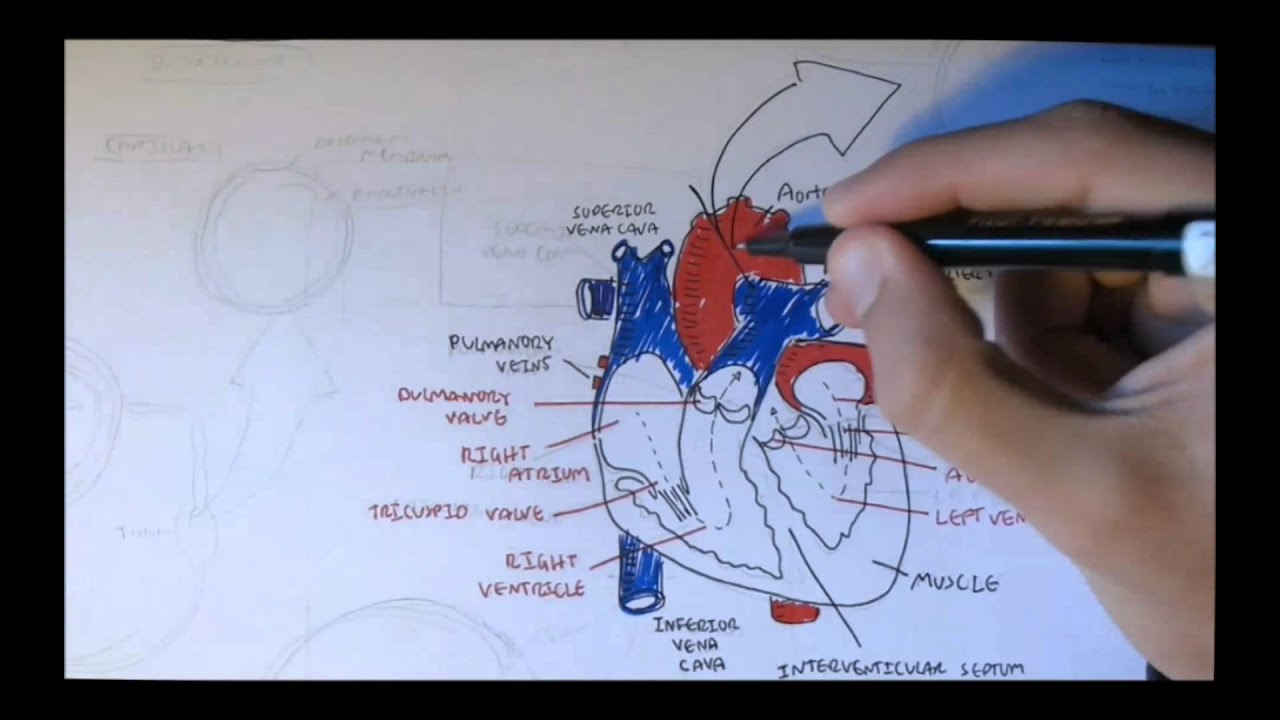
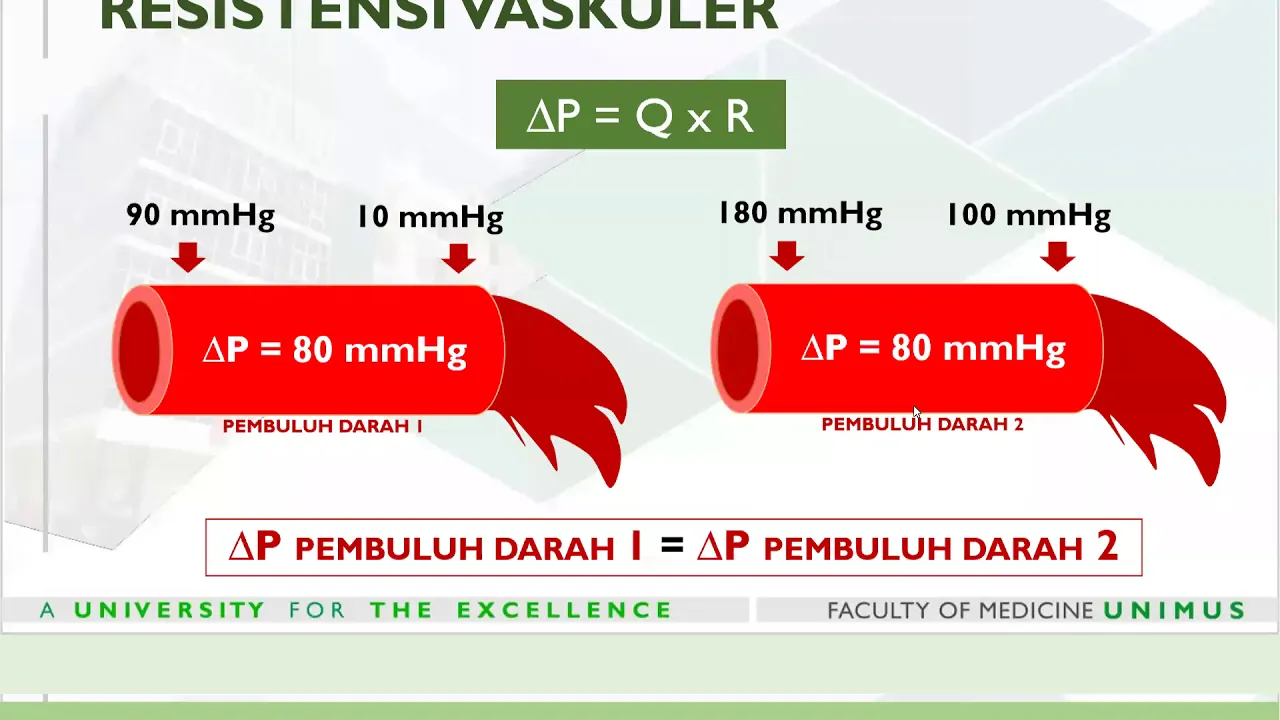
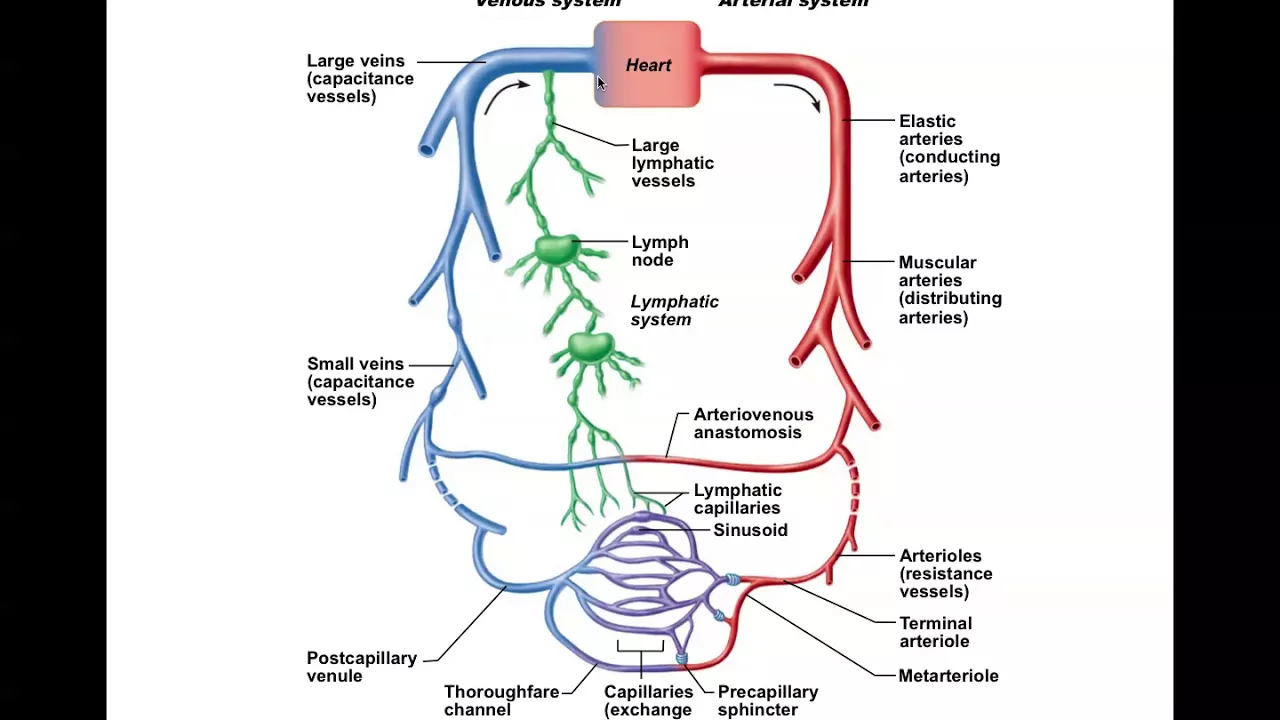
Added:I'm engineers in this video we're going to talk about blood pressure but we're going to get into like a little intro so we're going to talk about a couple different things throughout the processes video so what we're going to discuss is we're going to talk about systolic blood pressure what is it okay we're going to talk about diastolic blood pressure we're going to talk about resistance we're going to talk about flow okay specifically a different type of flow all right like we've kind of referred to what it's like what's called the flow rate okay with it which is in the form of like centimeters cubed okay per minute and then we're going to talk about the velocity of blood flow okay we're going to talk about the cross-sectional area of blood vessels we're going to talk about the perfusion pressure and we're going to talk about core cough sounds okay let's go and get started so first thing I want you guys to know is the reason why we're doing this little intro is because we're going to talk about what happens the compensation mechanisms of what happens whenever your body has a low blood pressure how do you compensate for it whenever your body has high blood pressure how does your body compensate for it knowing these terms and knowing exactly how they are influencing our overall systolic and diastolic blood pressure is extremely crucial so it's going to get started so first off how can we actually define blood pressure just in a general term blood pressure is going to be equal to your cardiac output multiplied by your total peripheral resistance okay now that we have this we need to decipher what cardiac output is what total peripheral resistance is because once we decipher these two things then we can really get into this whole BP thing and understand exactly exactly how our BP is fluctuating first thing let's talk about cardiac output okay so let's discuss cardiac up but let's talk about it over here so first things first cardiac output how would you define cardiac output cardiac output which referring to as Co is actually equal to your heart rate multiplied by your stroke volume okay it's the heart rate times your stroke volume so what your heart rate well your heart rate is actually going to be affected by many different things we'll talk about this in the cardiac output video but your heart rate could be affected by your parasympathetic nervous system by specifically slowing down the heart rate it could be affected by your sympathetic nervous system which will stimulate and increase the heart rate it could be affected by hormones such as epinephrine and thyroid hormone and these guys could actually stimulate it it could even be affected by ions like calcium and potassium and sodium and depending upon their levels this could either increase or and decrease the actual heart rate all depends the heart rate is depending upon various different types of things another thing is the stroke volume okay in stroke volume is actually kind of broken up into three components here okay one component is called preload so one component is called preload the other one is called contractility okay and the last one is called afterload so in a certain type of situation the main thing that you're going to brought preload we'll talk about are way more detail than this but anytime you have an increase in your blood volume okay if you have more volume within the blood okay an increase in blood volume this is going to increase what's called the end diastolic volume and the end diastolic volume is referred to as the volume of blood that's within the heart before the ventricles pump okay and eject the blood so it's like a pre pumping volume if this evv increases it increases the preload on your heart which is basically the stretch if your preload increases that increases your stroke volume okay that's one of the big things that we're going to talk about throughout these actual blood pressure videos another thing contractility contractility is dependent upon the sympathetic nervous system this is going to increase the contractility okay specifically through the presence of epinephrine and norepinephrine so this would stimulate and again what are these two chemicals mainly epinephrine and norepinephrine it also could be affected by hormones like glucagon and also sigh rock scene so even t3 and t4 and even glucagon these guys have the ability to also increase contractility and even ions there's a lot of different things and even drugs too but we're not going to get into all the depths of this one of the big ones that is actually going to affect contractility is calcium either way we say that whenever there is an increase in the contractility there's an increase in the stroke volume okay and the last one is after load an after load is referred to as like the resistance the amount of pressure that you have to overcome to push blood from the ventricles into the actual specifically the actual arteries so in this case certain situations like hypertension so if you have hypertension this is actually going to increase the after load another situation is a theros sclerotic plaques atherosclerosis this is another way that this can happen and also any type of basically like resistance but specifically peripheral so peripheral resistance this can also increase the after load so if there's a lot of resistance from constriction of the capillary beds this can increase the after load okay and if you increase the after load this is actually going to decrease the stroke volume okay now let's make sure that we got this preload increases stroke volume the increase in contractility increase the stroke volume but if there's an increase in afterload that's going to decrease the stroke limb and the reason why is the more pressure that you have to overcome to push blood from the ventricles into the aorta is going to be a lot higher we'll talk about this in more detail cardiac output okay another way that I want to talk about cardiac output besides this is first off how could we actually like unit wise how can we actually calculate cardiac output you know cardiac output Israel is really in units of milliliters per minute so it's a form of milliliters per minute so if this is in milliliters per minute and then we also we're going to say that the heart rate heart rate is actually going to be in what's called beats per minute and then stroke volume is going to be in milliliters per beat what happens is beats cancel out and milliliters per minute is what you're left with this is very very similar to another formula which is extremely important also this formula is called slow okay so the other is actually what's called flow and flow is basically defined as the volume of blood heal there's a chemistry equation you know one milliliter one milliliter is actually equal to one centimeter cubed so what I can say is is that flow is actually in units of centimeters cubed per minute which is milliliters per minute which is pretty darn similar to cardiac output there's a formula that can we can actually relate with flow even though it's called velocity so velocity of the blood flow so let's say that we have the velocity of the blood okay the speed at which the blood is actually moving which is in centimeters squared per minute this is equal to the flow which is going to be in what unit centimeters cubed per minute over a special term and this is going to be area okay specifically cross sectional area of a blood vessel so the cross sectional area of the blood vessel which is usually going to be in a specific unit in this unit is actually going to be in centimeters squared per minute how guy sorry just centimeter squared it should not be in minutes there's no units for that so it's just centimeters squared okay so now we have this formula that velocity is equal to flow over area now how can we actually relate this to the cardiac output formula okay so let's get this thing right here first we can say that the velocity of blood flow increases with increasing flow what do we say flow is cardiac output so if we can relate it like this so what could we say about this we can say that whenever there is an increase in your flow which is basically the same thing as saying an increase in your cardiac output what's going to happen to the velocity there's going to be an increase in the velocity of the blood so we said that the velocity of the blood flow is increasing with increasing flow or specifically increasing cardiac output what about the cross sectional area well the cross sectional area is actually in the units of PI R squared okay because blood vessels are usually like a cylinder shape if the cross sectional area increases okay so the actual area so imagine I have a blood vessel like this let's pretend right here I'm going to quiz you guys let's say here's a blood vessel let's say here's a blood vessel now let's say here's a blood vessel which one of these has the total cross sectional area a B or C a look at the distance okay look at the whole distance from this edge of the blood vessel to this edge of the blood vessel that has the greatest cross sectional area okay so because of that that's what we're going to get this relationship okay so now let's look at this we said the greater the cross sectional area what would this be the velocity is going to decrease so velocity will decrease so let's look at it like this again increase in the cross sectional area that's going to put a here for area you're going to get area there is going to do what - the velocity is going to decrease the velocity of blood flow so now how does this relate how does how does this area thing this increase in the area cross section are decrease velocity just think about it simply I like to apply let's say that I have here a really big hole and then just a small hole alright imagine five liters of blood trying to flow through this bad boy and amount five liters of blood trying to flow to this bad boy okay another way to just simply think about it is to have a hose okay I have a hose water is coming out the hose right I turn the water on the water's coming out the hose at a nice pace but then I take and I put my thumb over the edge of the hose again I clued the actual the area that hole and I make the diameter or the cross-sectional area in this case a lot smaller what's going to happen to the flow of water it's going to start shooting out that means that the velocity increased so when I decrease the diameter right of this blood vessel ride decrease the cross-sectional area it increases the velocity of the blood flow you know how this is relating let's come over here to the graph for a second because this is why it has such a relationship and it's very important to talk about it if you look at these guys in order so let's say that we talk about first off a order its cross sectional area arteries cross sectional area arterioles cross sectional area capillaries cross sectional area venules and veins I'm going to kind of like maybe I might blow your mind a little bit here let's say that I start here and I talk about the cross sectional area for the order believe it or not the cross sectional area for the aorta is going to be very very small and then as you start moving towards the arterioles and the capillaries it's going to start rising and as you get towards the venules it starts decreasing again and comes back down so what have we notice so far about this curve I've noticed that my aorta and my arteries unless they actually say the arteries don't change much they change just a little bit here but once you hit arterioles that's when the actual specifically the cross sectional area increases you might be like but to exact I remember the on blood vessel characteristics you said that the ORA had a really big diameter it does but look it like this we're going to take and we're going to compare each one of these guys your dart arteries arterioles capillaries venules veins and i want to discuss the cross sectional area just a little bit more so it's not confusing so we're going to do is going to take these numbers and these numbers are going to correlate okay but we're gonna talk about out here I'm coming out here that's asked to their network so first off this big one here we're going to consider this to be one which is the aorta then they order splits it gives off arteries so we're going to say this is two then it's going to give off arterial branches 1 2 3 arterial branches then it's going to give off capillary branches many many different capillary branches like 10 to 100 per cap like that then after they drain from the capillary beds they go into what's called venules then from the venules 1-2-3 venules they come eventually into the veins and again this can actually return to the cable system superior vena cava inferior vena cava okay look at the cross-sectional area as we go along this entire course okay watch this if I do this in like this purple here let's compare this cross-sectional area right here to here versus this cross-sectional area from here to here okay kind of like from there to there if you notice this cross-sectional area and again I'm taking this blood vessel and this blessed plug vessel because I'm actually taking their entire cross sectional area from this whole artery to this artery this guy's cross-sectional area is not very big okay as compared to this guy the arterioles the combined effect of all of the cross sectional areas of all the arterioles in this area okay so this guy has a low cross sectional area this one has a decent cross-sectional area as compared to this one oh but look here we get into the arterioles and these arterioles they branch all the way down and not just here but remember this guy's going to go and branch this guy if we actually followed him for just a brief second here remember this arterioles going to give off this artery is going to give off many different arterioles so really if I were to be very specific this guy would move all the way from here all the way to here holy sweet goodness that's a heck of a cross-sectional area so now this guy's got a really big cross-sectional area but then let's kick it up another notch let's say that I actually have these guys they break into many many different capillaries right so these guys break up into a whole bunch of different capillary network so now look at this guy's cross-sectional area it's going to be yay big from here all the way down to here this guy's got an even bigger cross-sectional area if you take that into consideration then if you go into the venules you're going to get the same thing if we go from here the Vanya's are going to come all the way down here so this would come from here all the way down to here and this is going to have a pretty big cross-sectional area also and you get the point as we keep going down there also be a Venice Network over here that'll drain it to this one so it might go from here to about right here we'll say okay this one also has a pretty big cross-sectional area what's the whole point of trying to get to you two big things here one is the cross sectional area the capillaries and comparing the cross-sectional area of the aorta okay some people just may not get it right away because they think oh they order a big diameter that's true and it's in capillary oh that's a small diameter but you're not taking the diameter of one capillary you're taking the diameter of the entire capillary network a cross-section of it and you're squishing all of those together alright so now that we got the cross sectional area down that's important because again a Horta and capillaries sometimes it just confuses people because they think about the diameter you got to think about the total cross-section of those entire vessels okay so now because of that what was the relationship between velocity and cross-sectional area they were inverse so if you think about this then how would the velocity look well this guy has the lowest cross-sectional area so he would have the highest velocity so in other words let's say I started up here my velocity is going to start up really high and then it's going to start steadily decreasing and then eventually it'll come back up a little bit and go to like that point there okay so what are you noticing then from this graph we're able to see that as you increase the cross-sectional area what happens to the velocity of the blood flow it decreases okay that's the relationship so now what can we say we can say that the velocity of blood flow is highest in the aorta and the velocity of blood flow is slowest within the capillaries why is that so important because a slow flow allows for what it allows for good capillary exchange you want to have good capillary exchange there if the capillary exchange is really really fast you're gonna be able to diffuse a lot of oxygen and nutrients and different types of substances into the tissue area no because you're not going to enough time so you want there to be a nice slow flow for a good capillary exchange okay so I think we killed that there nice let's move on to the next thing so we talked about cardiac output in a pretty good detail there okay we're comparing heart rate stroke volume flow velocity and cross sectional area now let's go into what's called total peripheral resistance okay total peripheral resistance is a very very important topic okay so let's go ahead and talk about this guy all right so first off how do I calculate resistance well there's two formulas one is I could say I can actually compare resistance to flow I can actually say that flow is equal to the change in pressure over the resistance what is another way of rewriting this formula what I say flow is flow is equal to technically cardiac output so let me replace here cardiac output is equal to the change in pressure which is actually basically our blood pressure in this case over the resistance which I'm going to rewrite in this case is total peripheral resistance doesn't just look like that formula right up there just rearranged that's all it is so this is one of the ways that we could express total peripheral resistance but even better there's another way that we can actually define resistance resistance is equal to 8 n L over PI R 4 this is called poi cells equation okay I'm not even going to try to spell it okay poi cells equation poi cells equation basically gives us how these three important factors influence resistance so there's three factors that influence resistance one is going to be in what is n stand for in stands for viscosity okay in stands for viscosity the next one is going to be L L stands for the length of the blood vessel and then the last one is going to be R which is going to be radius and radius is really really really important out of all of these the most important contributor to resistance is going to be the radius of the blood vessel okay so how are these relating well look at them directly viscosity is right here if I increase viscosity what's going to happen to the resistance it increases same thing if I increase the length what happens to it increases if I increase the radius though since this is on the bottom and increases the denominator that makes the resistance less so this would decrease the resistance so we can say that viscosity is directly proportional to the resistance we can say that length is directly proportional to the resistance but we say that radius is inversely proportional to the resistance viscosity let's actually take viscosity and say what are the tourism things that actually could change it let's say that we actually apply this to go visit you know physiological correlations right so let's say here then I take my viscosity and I increase the viscosity or I decrease the viscosity what could be things that could actually do this well let's say that I have a lot of red blood cells okay so it's called poly SCI keenya so poly SCI thing is when you have an elevated hematocrit a lot of red blood cells so basically a lot of red blood cells you have an elevated hematocrit if a lot of red blood cells there's going to be a lot of friction okay between the layers because whenever blood is flowing it actually flows in layers when there's a lot of friction rubbing up against between those layers it's going to increase because of the increase in viscosity so increase viscosity is going to have more friction between the layers that are flowing through the blood vessel which is going to increase the resistance it's going to slow down the blood flow in this case right so that could be one reason another cause could actually be dehydration because you may like dehydration you lose a lot of your in certain situations like if you're severely dehydrated you lose a lot of fluid volume so your blood volume decreases when your blood volume decreases this causes your blood to actually become very concentrated with red blood cells the caprices was called heme oh concentration okay produces what's called heme oh concentration it's a very weird thing where you actually can have an elevated hematocrit whenever you're dehydrated okay because of the chemo concentration another thing what about in certain situations whenever your viscosity is really low we're viscosity could actually decrease in anemia just think the exact opposite so what if you have anemia if you have severe anemia you're going to have a low hematocrit that means there's going to be Lex less friction between the layers of the blood less friction means less resistance so decreased amount of RBC's okay so just giving some examples of how this could be relatable we're about links link doesn't have a significant amount but really we just say it again in this situation we're not even going to really comply compare two different types because there is it really significant types of differences here really we just say that if let's say that length increases okay so let's say that the length of the blood vessel increases what could be a cause of length increasing really it's dependent upon the actual weight so for example if somebody is very heavy if they have a very high weight all right they're going to have to their blood vessels gonna have to be a little bit longer okay so an increased body weight means increased link through the blood vessels increased link to the blood vessels increases your resistance okay that's one example and obviously if you want to say for this decrease in the length could actually be a decrease in the body weight okay a decrease in the body weight also the height of the individual also plays a difference so not just weight but also height so height also plays a difference a little bit okay now for the most important is the radius okay for the most important is going to be the radius the radius is so important and the reason why is let's say that we take for example the two different types of scenarios here right we take whenever the radius is really really you increase the radius okay or we talk about what happens whenever you decrease the radius okay what would happen when you increase the radius in the body this is called vaso dilation okay and this when your smooth muscle cells relax and then what happens is the diameter of the blood vessel gets bigger so the diameter of the blood vessel increases because the actual blood vessel is relaxing okay in the other situation whenever your actual radius is decreasing this is referred to as vaso constriction and vasoconstriction the actual blood vessel diameter is actually decreasing so the diameter of the blood vessel or the radius of a blood vessel in this case is decreasing this is due to increased sympathetic nervous system activities whenever your sympathetic nervous system is really really active it's going to cause this constriction of the blood vessels which decreases the resistance okay and if you decrease re if you decrease the radius you decrease the radius you're going to increase the resistance the other one is based on elation this is due to very very low or pretty much absent sympathetic nervous system activity if this decreases less sympathetic nervous system innervation comes the blood vessels will start muscle the muscle will actually start relaxing the blood vessel will dilate the diameter increases the radius increases in the resistance decreases okay and the reason why radius is so much more of the significant one is look at the power it's raised to the fourth power if that's raised to the fourth power imagine how much of a difference this could make and so again because this radius is raised to the fourth power that is why it is the most significant factor on the factors that can influence resistance okay alright so that covers that part of resistance now what I want to talk about is want to talk about a term and other going on with this flow because flow we can actually combine into two different types of flow within the blood okay whenever blood is actually flowing through a circulation there's what's called laminar flow so this is basically your normal floats like a streamlining flow or just basically your normal flow and the way you can think about laminar flow is now let's actually kind of look at like this let's say I have a blood vessel here and I have the actual the layers of the blood is moving and what you're going to notice is that as you go towards the edge okay as you go towards the edges the velocity the blood is actually going to be slower okay so the blood the velocity towards the edges is slower in the velocity of the blood towards the in the middle is the highest that's why whenever you look at this to kind of look at it in a concentric aliso imagine you're looking at the blood vessel is like a circle and you're looking at the flow from the back you're going to notice that this flow is very concentric okay this flow is a concentric flow and again where is the velocity to the highest the velocity of the blood flow is going to be the highest in the center whereas the velocity of the blood flow is going to be the lowest at the edges okay so they call this type of flow the stream line flow laminar flow okay this type of flow is silent and it really doesn't have whenever a blood is actually flowing through the actual our circulation right throughout our blood vessels it laminar flow really doesn't have any type of effect on a resistance and the reason why is if you look at the graph here for laminar flow as you increase the pressure your flow increases proportionally so it's a linear relationship so this perfusion pressure this Delta P okay which really when we talk about the Delta P Delta P is really referring to your mean arterial pressure - what's called your central venous pressure we'll talk about that very briefly okay but what's happening is as you increase the pressure it's increasing the flow okay alright so that's that next one I want to talk about it's what's called turbulent flow this one is kind of the pathological one this is the one that gives the problems that you can kind of you can actually hear so for example let's say that I take a blood vessel here and I am going to kind of wreck this guy up and I'm going to give them a thorough sclerotic plaques okay so I'm going to give them a nice little plaque development here look you guys a nice little plaque development right here that's accumulating because in AB you know cholesterol is accumulating in here and it has a nice little atheroma here because of this what's going to happen to the blood flow okay well what's the normal type of blood flow in general generally let's say before the occlusion it's a nice streamline flow right and this is called laminar flow what happens is as this gets to this occlusion these right here starts actually developing when it hit this occlusion it starts developing a nice like type of turbulence II it literally is just like ruckus in there okay so whenever there is some type of occlusion within the blood vessel there's a lot of turbulence which gives off a lot of heat okay and gives off so it gives off a lot of heat and it changes the actual perfusion pressure what do I mean so let's look at the graph here with turbulent flow if I take the graph here let's say the here's my normal graph let's say that there was laminar flow originally okay so as you increase pressure you Inc as you increase the pressure your flow is increasing but now I'm going to take this abnormal one so look here let's say that the turbulent flow is going to be it's moving up straight here but we get to this point right here where it actually veers off and the flow starts decreasing as the perfusion pressure starts increasing so what do you notice about turbulent flow two things if there's turbulent flow it decreases the actual flow the volume of blood that is circulating through an area of a blood vessel every one minute and it's going to increase the perfusion pressure what does that mean then oh look at this come here resistance right if we look at this with respect to resistance let's well let's rearrange the formula resistance is equal to Delta P over F I decrease the flow and increase the perfusion pressure that means that this number goes up and this number goes down the resistance then is going to go up you're going to have a very high resistance so what do we know about turbulent flow then because of the math what do we do it decrease the flow and it increase the pressure the perfusion pressure because of that the resistance is going to increase so out of this you're going to notice that the path of this is going to be high resistance this is for the turbulent and this one right here where the flow and the pressure are going to be moving in a linear relationship this is very low resistance so insert situations like turbulent flow this can be pathological or physiological you know there's an actual physiological example of turbulent flow you know how inside of our heart we have the valves let's say that here is your actual hit zero order for a second right here and here's the aortic semilunar valve and the mitral valve whenever blood is being pumped upwards right it can hit that valve it can hit the mitral valve as it hits the mitral valve it might develop some turbulent flow okay that's a physiological example but this type of example in which there is actually some type of plaque or some type of restriction okay whatever it might be some type of plaque this is going to be a pathological cause it releases a lot of heat they increase the perfusion pressure it increases the resistance it decreases the flow how would you be able to identify this this can produce what's called Brutes which it can be heard on the carotid artery so if you actually take the stethoscope and put it over the carotid artery you can actually hear these actual sounds because of the turbulent flows called brutes another one it can actually produce murmurs so it can actually can produce pathological murmurs - okay so that's the relationship of turbulent flow and laminar flow now last thing I want to talk about okay what have we covered throughout the process of this video we've talked about cross-sectional area we talked about velocity blood flow we talked about flow we talked about resistance and we're going to talk is light we also talked to live about perfusion pressure we'll talk about getting to here now in just a little bit more detail perfusion pressure is what we've said to be equal to the change in P that we talked about this is equal to the mean arterial pressure minus the central venous pressure the central venous pressure is really when we look at it it really determines what's called our right atrial pressure this is the pressure that whenever you're trying to bring blood to the right side of the heart so for example let's say that I have a small mini diagram here let's say here's your right side of the heart here right and here's your vena cava system the pressure that's trying to bring blood towards the heart is the central venous pressure so the central venous pressure affects the right atrial pressure okay but really in certain situations this is so small it can be about three to eight millimeters of mercury but it's usually so small that we don't even consider it often really most of the time we say that the actual perfusion pressure is the mean arterial pressure this is what we usually refer to it as now the question is what the heck is mean arterial pressure before we talk about mean arterial pressure we have to assess the systolic and diastolic so what is systolic blood pressure and want to diastolic blood pressure let's have another mini diagram here so I take the actual left ventricle and left atrium here okay and let's say here's my aorta okay here's my aortic semilunar valve whenever the heart contracts okay whenever the heart is contracting it's pumping blood out of the heart okay so let's say that here we have the blood right and we're trying to push the blood out of the heart the force at which we're trying to push the blood out of the heart and into the arteries is the systolic blood pressure that's the force that the heart is trying to generate to push blood out of the ventricles and into the actual major arteries if it's primarily nearly talked about this the left ventricle though and it's pumping it into the aorta this pressure by which it pushes it into the actual aorta to snap open the aortic semilunar valves in philippi aorta that systolic blood pressure is actually going to be approximately 120 millimeters of mercury on average so an average human being it should be around 120 that's an average now what happens is whenever this blood comes into the aorta it stretches the walls of the order so now the walls of the aorta is going to be stretched now this is not an aneurysm okay we're not drawing an aneurysm I know it looks like it is but I'm just giving you an example here that as the blood starts actually coming out into this area and filling up the aorta it starts compressing on the wall stretching the walls that stretching of the walls is the systolic blood pressure but what happens is eventually the actual I order is very elastic so eventually when it's elastic what happens with elasticity it wants to recoil and once the blood vessel assumed the smallest size possible when it reclose and snaps back it squeezes the blood downwards okay so it's going to send it out through the aorta and then down eventually could either send it up to the head it can send up to the neck or it could send it down through the abdominal and thoracic or right whenever the aorta is coming back to its natural size so the point in which it actually is relaxing going back to its normal original size that part of which it hits its normal original size it's called the diastolic blood pressure so again whenever the blood is coming out and being pushed into the order and stretching the order that's the systolic blood pressure normally 120 they order recoils and propels the blood outwards to the different peripheral tissues when it recoils completely and comes back to its normal shape in this normal original size that pressure that it is occupied in that area the diastolic blood pressure which is normally about 80 millimeters of mercury and natural and ordinary human being now that we know this this mean arterial pressure how do we calculate it I guess what we do is we take the diastolic blood pressure which was about what 80 millimeters of mercury then what we do is is we're going to add it to what's called the pulse pressure where the pulse pressure the pulse pressure is the difference between these two pressures so if I take 120 millimeters of mercury minus 80 millimeters of mercury this gives me what's called the pulse pressure and what is the Polish pressure equal to 120 minus 80 and I can do that math 40 millimeters of mercury okay now what I'm going to do is I'm going to take the 80 millimeters of mercury which is the diastolic blood pressure and I'm going to add it to one third of the pulse pressure so I'm going to add this to one third of 40 millimeters of mercury this comes out to about 13 so if I take here mean arterial pressure is equal to 80 millimeters of mercury plus 13 millimeters of mercury about this gives me a mean arterial pressure of 93 millimeters of mercury that is our mean arterial pressure so the mean arterial pressure we got is 93 millimeters of mercury this pressure is important because this pressure is it determines the actual pressure by which will propel substances out of the capillary beds into the tissues okay this meter tear pressure is very important we talked about this in the microcirculation video how it's regulated within the central nervous system and other different tissues within the body so very very important you want to keep a mean arterial pressure very very stable around approximately 93 millimeters of mercury last thing I want to talk about is whenever you're doing what's called vital signs okay I'm talking about you doing vital signs you're checking the person's respiration rate you're checking their pulse you're checking their blood pressure you're doing other different types of things like their pulse ox and their temperature all about different things when you're doing that you're doing this study let's say that you're actually measuring their blood pressure all right so you put the blood pressure cuff on you start pumping up the actual blood pressure cuff as you start pumping up the blood pressure cuff usually put around the brachial area so you're compressing the brachial artery as you compress the brachial artery you're kind of decreasing and slowing the blood flow through that area so you keep pumping it until you hear no sounds or do it like you know go to a decently high pressure like the hitted like two hundred millimeters of mercury then you start slowly letting go as you start slowly letting go you're going to hear like tapping sounds and it's like swishing sounds those tapping it swishing sounds that are coming out or your cork off sounds okay that's what we're hearing the first sound that you're going to hear like the don't do that is the systolic blood pressure so again you're pumping up the blood pressure cuff compressing the brachial artery decreasing the blood flow to that area once you get it to a decently high point and you start letting go of you're gonna hear starting tapping and swishing sounds those sounds are the cork off sounds after those sounds go away it leads into the systolic blood pressure which is going to you're going to hear as don't victim those sounds are going to continue and continue and continue until the sounds completely dissipate or disappear so you don't hear those sounds anymore so once the don't and it's gone that last point at which the sounds disappear is called the diastolic blood pressure okay so cork off sound is those little tapping and swishing sounds that you hear whenever you're applying the blood pressure cuff and you're pumping it up and you start letting go of it you hear the tapping and swishing sounds the first sound that you hear like that don't that's systolic blood pressure whenever you don't hear the sounds the last point in which the sounds disappear and dissipate is the diastolic blood pressure ninja as we cover a lot of information in this video and I really hope it helped I hope it makes sense I truly do I want this stuff to make sense because it's going to make a really really big difference in the blood pressure regulation video if you guys like this video if you guys enjoyed it if it helped please hit the like button comment on the comments section and please subscribe as always engineers until next time
Up Next

Wiggers Diagram Explained: Cardiac Cycle Masterclass
@medicalboarditis8457
35.5K views•2020-10-14

Graphic Medicine: Comics for Collaborative Healthcare Communication
@nationalpatientadvocate
189 views•2023-12-04

Hypothalamus Anatomy and Function: Diencephalon and Nuclei Explained
@NinjaNerdOfficial
676K views•2020-11-10
Stages of Labor and Vaginal Birth | Childbirth Animation
@nucleusmedicalmedia
52.1M views•2017-08-18
Related Study Plans & Knowledge Roadmaps
Structured learning paths in Medicine