Acute dystonic reactions, which are extrapyramidal side effects of antipsychotic medications like risperidone, can be effectively treated with antihistamines such as benadryl, as demonstrated in this emergency department case where a patient's speech difficulties resolved after receiving the medication.
Acute Dystonic Reaction Management with Diphenhydramine
Added:Deep Dive
Understanding the mechanism of action of antipsychotic medications, particularly first-generation (typical) antipsychotics and their dopamine (D2) receptor antagonism.
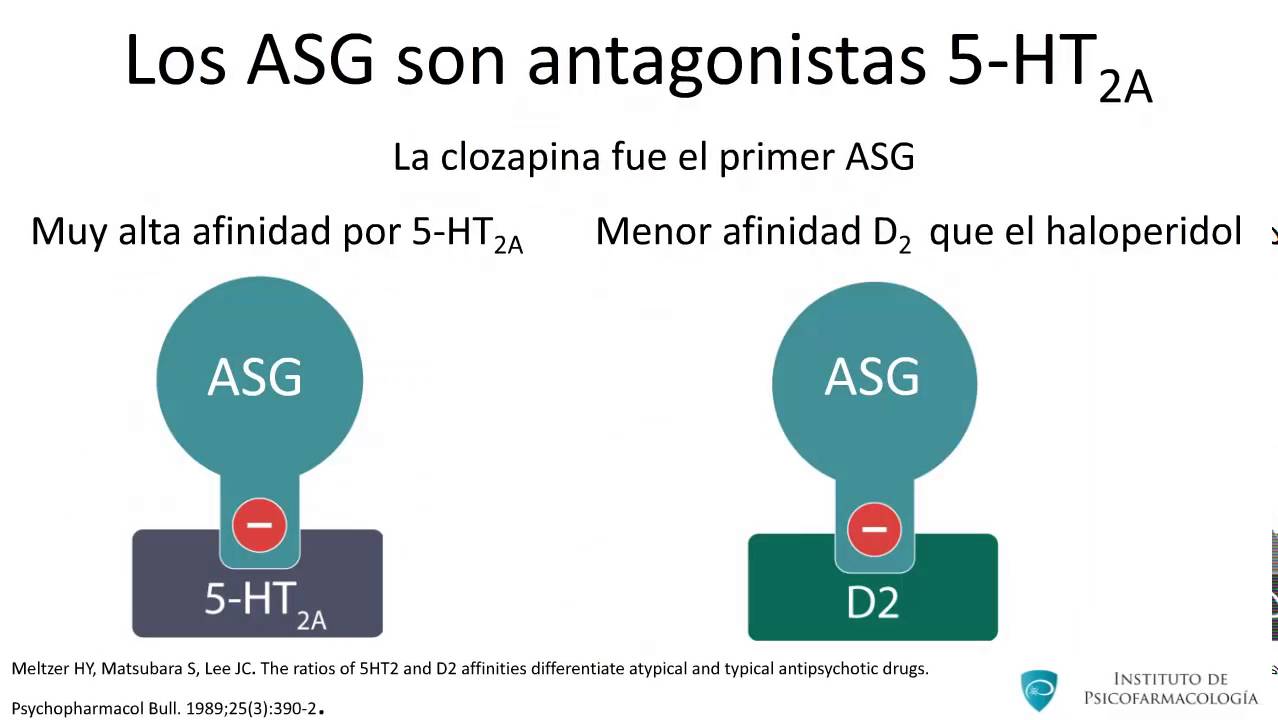
Psicofarmacología de los antipsicóticos
120.2K
All antipsychotics reduce dopaminergic neurotransmission through D2 receptor antagonism or partial agonism, with first-generation (typical) antipsychotics being pure D2 antagonists that block dopamine, histamine, muscarinic, and alpha-1 receptors, while second-generation (atypical) antipsychotics have a higher 5HT2A:D2 receptor affinity ratio, rapid dissociation from D2 receptors, and some (like quetiapine, clozapine, olanzapine) also act as 5HT1A agonists, which together explain their lower risk of extrapyramidal symptoms and improved efficacy in treating negative and cognitive symptoms of schizophrenia.
Click to watch →

Ep.14 Antipsicóticos típicos: haldol, amplictil, sulpirida, equilid, neozine | Psicofarmacologia
23.5K
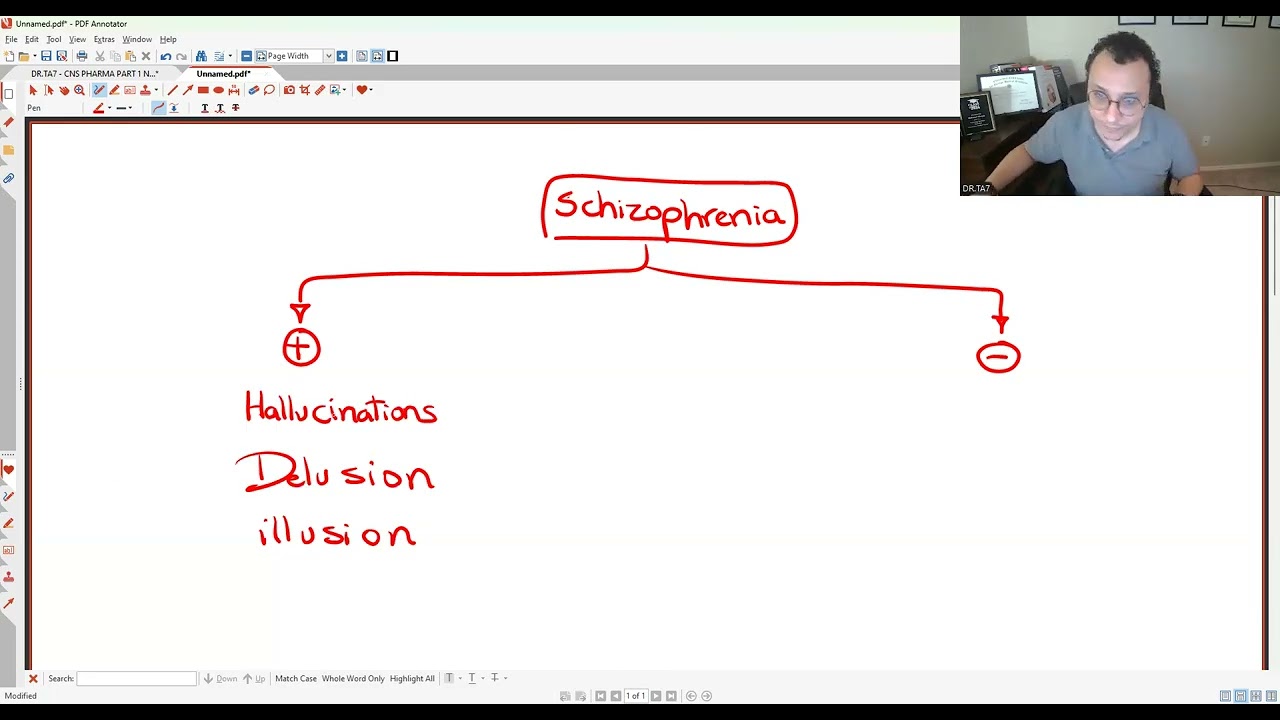
First-generation antipsychotics emerged 60 years ago through accidental discovery, with chlorpromazine originally used as an antiallergic. These drugs work by antagonizing postsynaptic D2 receptors throughout the brain. In the mesolimbic pathway (hyperactive in schizophrenia), blockade improves positive symptoms like delusions and hallucinations. However, blockade in the mesocortical pathway (hypoactive in schizophrenia) can worsen negative symptoms. Blockade in the reward system (nucleus accumbens) causes apathy and social indifference, explaining why some patients seek substances like cigarettes to counteract emotional blunting.
Click to watch →
DR TA7: CNS PHARMA 3 (MED SCHOOL NOT USMLE)
2K
First-generation antipsychotics (typical antipsychotics) work primarily by blocking dopamine D2 receptors in the mesolimbic pathway, which reduces positive symptoms of schizophrenia. However, they also block other receptors including alpha-adrenergic, muscarinic, and histamine receptors, which causes their diverse side effect profile. The prototype drug chlorpromazine, though rarely used clinically due to its side effects, serves as a model for understanding the mechanism of action of this class of drugs.
Click to watch →

Antipsychotics Mnemonics (Memorable Psychopharmacology Lecture 4)
749.3K
Antipsychotics treat schizophrenia and psychotic disorders through dopamine modulation. They are classified as first-generation (typical) or second-generation (atypical). Typical antipsychotics strongly block dopamine D2 receptors, causing more motor/neurologic side effects. Atypicals have less D2 receptor affinity but cause metabolic issues like obesity, diabetes, and hyperlipidemia. The D2 receptor mechanism is somewhat controversial as second-generation drugs have minimal D2 activity. Using the pneumonic DOPAMINE (Drive, Psychosis, Parkinsonism, Attention, Motor, Inhibition of prolactin, Narcotics, Extrapyramidal), antipsychotics block dopamine pathways that psychotic thoughts take, affecting all thoughts regardless of psychosis presence. They induce medically-induced Parkinson's disease, explaining characteristic movement disorders.
Click to watch →
Pharmacology - ANTIPSYCHOTICS (MADE EASY)
1.6M
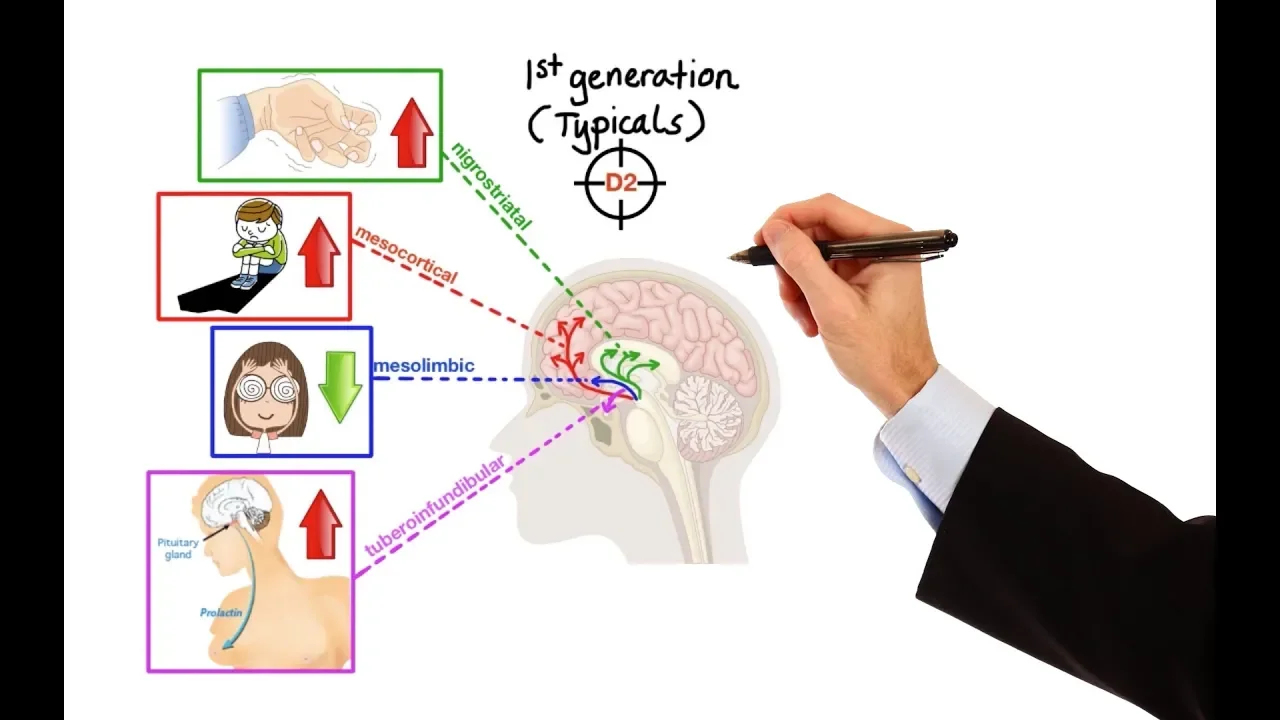
Antipsychotic drugs treat psychotic disorders like schizophrenia by modulating dopamine function through four major brain pathways (mesolimbic, mesocortical, nigrostriatal, and tuberoinfundibular), with first-generation typical antipsychotics primarily blocking D2 receptors non-selectively and causing extrapyramidal side effects, while second-generation atypical antipsychotics additionally block serotonin 2A receptors, resulting in fewer motor side effects but potentially causing metabolic complications.
Click to watch →
Deep Dive
Basic physiology of the extrapyramidal motor system and the delicate balance between dopamine and acetylcholine in the basal ganglia.

S5 L1. Extrapyramidal system Physiology of Basal Ganglia & Cerebellum
1.2K
The basal ganglia use specific neurotransmitters to communicate: (1) Dopamine - released by substantia nigra pars compacta, acts on striatal neurons; (2) Glutamate - excitatory neurotransmitter from motor cortex to striatum; (3) GABA - inhibitory neurotransmitter from globus pallidus internal and substantia nigra pars reticulata to thalamus; (4) Acetylcholine - modulates striatal function. The balance between dopamine and acetylcholine in the striatum is critical for normal motor function. The direct pathway facilitates movement through the following mechanism: (1) Motor cortex sends excitatory signals to the striatum; (2) Striatum sends inhibitory signals to globus pallidus external; (3) Globus pallidus external sends inhibitory signals to globus pallidus internal; (4) Globus pallidus internal sends inhibitory signals to thalamus; (5) Thalamus sends excitatory signals to motor cortex. This pathway reduces inhibition on the thalamus, allowing it to facilitate movement. The direct pathway is activated when the motor cortex sends excitatory signals to the striatum, which then reduces inhibition on the thalamus, allowing it to facilitate movement.
Click to watch →

Anticholinergic drugs part 2 2024
188
The basal ganglia, specifically the substantia nigra, control extrapyramidal motor functions. Normal movement requires a balance between dopamine and acetylcholine in the basal ganglia. Dopamine acts on dopamine receptors while acetylcholine acts on muscarinic receptors. This balance is essential for proper muscle coordination and voluntary movement. When this balance is disrupted, motor disorders can occur.
Click to watch →
Introduction to Parkinson's Disease ( Part 1 ) - CNS Pharmacology , Dr Rajesh Gubba
69.9K
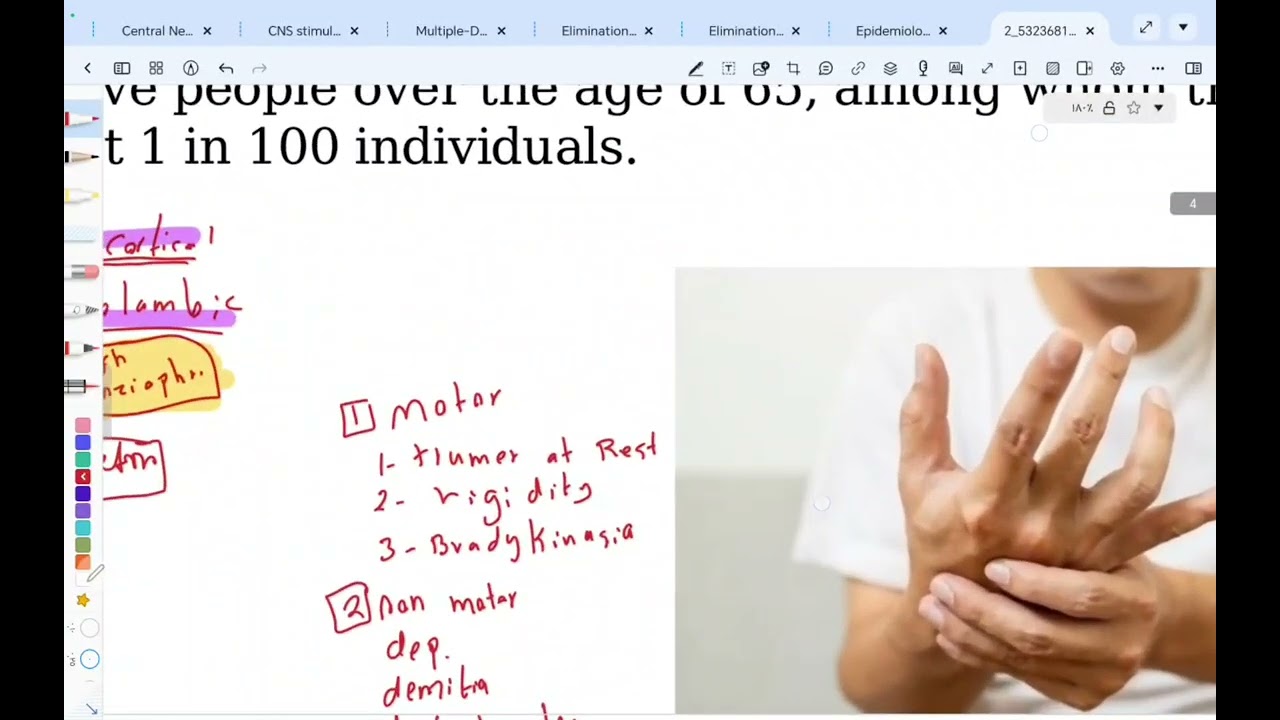
The basal ganglia output neurons are controlled by two neurotransmitters with opposite actions: dopamine (inhibitory) and acetylcholine (excitatory). For proper functioning of the basal ganglia, a precise balance between these two neurotransmitters is essential. Any imbalance between dopamine and acetylcholine results in parkinsonism.
Click to watch →
Neuro degenerative (Parkinsium / Alzheimer / MS / ALS) || د. ذو الفقار
231
In the basal ganglia, dopamine and acetylcholine work in balance to regulate movement. Dopamine inhibits acetylcholine-producing neurons, while acetylcholine excites motor neurons. In Parkinson's disease, dopamine deficiency leads to relative acetylcholine excess, causing motor symptoms. Treatment aims to restore this balance by increasing dopamine or decreasing acetylcholine activity.
Click to watch →

Extra Pyramidal Side Effects
21.8K
The basal ganglia's normal functioning depends on the balance between dopamine and acetylcholine. When dopamine levels decrease due to receptor blockade, acetylcholine levels relatively increase, creating an imbalance that leads to extrapyramidal symptoms (EPS).
Click to watch →
Deep Dive
Clinical recognition and definition of Extrapyramidal Symptoms (EPS), specifically differentiating acute dystonia from other movement disorders like akathisia or parkinsonism.

Case Discussion || Extra Pyramidal Symptoms
8.8K
Extrapyramidal symptoms result from dopamine D2 receptor blockade. First-generation antipsychotics (particularly haloperidol) are most notorious for causing EPS, though second-generation agents and SSRIs/lithium/metoclopramide can also induce these symptoms. Key clinical features include dystonia (uncontrollable muscle spasms in any body region with pain) and akathisia (restlessness with repetitive movements like rocking or foot tapping). These features help differentiate EPS from other movement disorders.
Click to watch →

Psychiatric Nursing #14 | Antipsychotic Part -2 | NORCET 8 & Other Nursing Exams | Amit Sir
9.9K
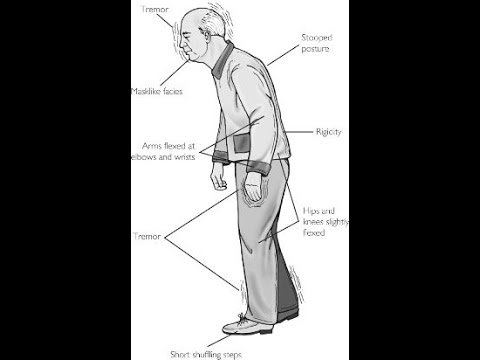
This section covers the three acute Extra-Pyramidal Symptoms (EPS) that appear suddenly and are reversible. Dystonia involves muscle rigidity and abnormal posturing (torticollis, oculogyric crisis) caused by dopamine deficiency, treated with Benztropine as drug of choice. Pseudo-Parkinsonism presents with Parkinson-like symptoms (cogwheel rigidity, shuffling gait, pill-rolling movements) from dopamine receptor blockade, also treated with Benztropine. Akathisia causes restlessness and inability to remain still, treated with Propranolol (beta-blocker). These conditions are classified as acute because they appear suddenly and respond to treatment, unlike chronic EPS which develop gradually and are typically irreversible.
Click to watch →
Extrapyramidal Symptoms
373.8K
Extrapyramidal symptoms (EPS) are side effects of antipsychotic medications that affect the motor system. There are four main types: dystonia (acute muscle stiffness, spasms, and eye deviations), akathisia (restlessness and inability to sit still), parkinsonism (shuffling gait, mask face, drooling, rigidity, and tremor), and tardive dyskinesia (involuntary oral-facial movements including tongue protrusion, lip puckering, chewing, and grimacing). Each type has distinct clinical features and treatment approaches.
Click to watch →
Schizophrenia 2024 part 3
59K
Extrapyramidal side effects are movement disorders from antipsychotic medications. Dystonia involves abnormal muscle tone from prolonged connections (24-96 hours), affecting larynx, tongue, and eyes. Acute dystonic reactions require urgent anticholinergic treatment. Akathisia causes inner restlessness and pacing in 20-40% of patients. Drug-induced parkinsonism presents with bradykinesia, rigidity, masked facies, and micrographia. Cogwheel rigidity is a hallmark. Risk factors include high-potency first-generation agents, older age, and higher doses. Treatment includes anticholinergics, amantadine, propranolol, or switching to second-generation agents.
Click to watch →

25 MOST IMPORTANT PHARMACOLOGY CLINICAL QUESTIONS FOR 20TH JAN FMG EXAM
66K
Haloperidol (an antipsychotic) can cause extrapyramidal side effects (EPS), including acute dystonia (muscle contractions, torticollis, oculogyric crisis). EPS are side effects of dopamine receptor blockade. Treatment for acute dystonia is Benzhexol (trihexyphenidyl), which acts as an anticholinergic to counteract the dopamine blockade. EPS include acute dystonia, parkinsonism, akathisia, and tardive dyskinesia. Metoclopramide (an antiemetic) can also cause EPS, making it a potential source of confusion in questions.
Click to watch →
Deep Dive
Fundamental pharmacology of diphenhydramine, focusing on its potent central anticholinergic properties alongside its antihistaminic effects.
Antihistamines (B. Pharm) Diphenhydramine, Dimenhydrinate
1.1K
Diphenhydramine is an amino alkyl ether with structure R-O-CH2-CH2-N(CH3)2 featuring two phenyl rings. It is an oily, lipid-soluble liquid used as hydrochloride salt (white crystalline powder). Due to shared structural features with anticholinergics, it exhibits antihistaminic, anticholinergic, antidopaminergic, local anesthetic, and smooth muscle relaxant properties. Side effects include dry mouth, blurred vision, urinary retention, and tachycardia. Being lipophilic, it crosses the blood-brain barrier to block H1 receptors, causing sedation. Synthesis involves bromination of diphenyl methane (free radical substitution with UV) followed by substitution with dimethyl aminoethanol.
Click to watch →

Part 1 Anti-Histaminic Agents - Diphenhydramine hydrochloride, Dimenhydrinate | Synthesis & SAR
206
H1 antihistaminic agents competitively block H1 receptors to treat allergic conditions; Diphenhydramine hydrochloride, a first-generation agent, is synthesized from diphenylmethane through bromination and condensation with β-dimethylaminoethanol, and is used for seasonal allergies, motion sickness, and as a sleep aid; Dimenhydrinate is a combination drug containing Diphenhydramine (53-55%) and chlorpheniramine (44-47%), providing antiemetic and anti-motion sickness effects through central anticholinergic action.
Click to watch →
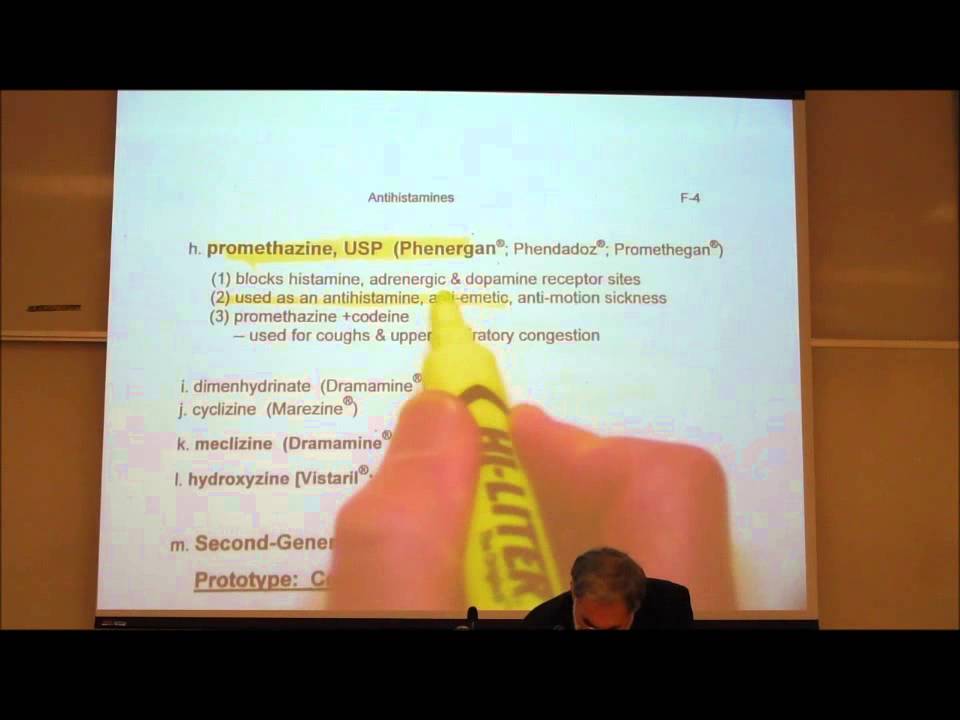
ANTIHISTAMINES by Professor Fink
84K
Diphenhydramine (Benadryl) is a prototype H1 antihistamine that blocks H1 histamine receptors. It also blocks muscarinic acetylcholine receptor sites in the central nervous system, similar to atropine. This anticholinergic action explains many of its side effects and therapeutic uses beyond allergy relief.
Click to watch →
DIFENIDRAMINA: Mecanismo de ação, indicação, contraindicação, interações e cuidados de #enfermagem.
4.2K
Diphenhydramine is an antihistamine and anticonvulsant available as Benadryl and Nytol in cream, oral solution, and topical forms. It antagonizes histamine at H1 receptors, causing CNS depression and anticholinergic effects. It treats allergic symptoms (sneezing, rhinorrhea, pruritus, urticaria), motion sickness, vertigo, nausea, vomiting, and cough. Pharmacokinetics: administered orally, IM, or IV; peak concentration at 1-4 hours; duration 3-4 hours; half-life 1-4 hours. Contraindicated in hypersensitivity, asthma attacks, and lactation; use cautiously in liver disease, glaucoma, seizures, and BPH.
Click to watch →

Antihistaminicos
206
Antihistamines function as competitive antagonists of histamine receptors. First-generation H1 antihistamines cross the blood-brain barrier and possess anticholinergic properties, causing sedation and CNS depression. Diphenhydramine is a potent H1 blocker with anticholinergic effects (dry mouth, blurred vision, tachycardia, urinary retention), used for severe allergic rhinitis, urticaria, and as a sedative. Promethazine has moderate sedative effects, anticholinergic properties, and anti-vertiginous activity by inhibiting vestibular stimulation. Chlorpheniramine is less potent, with minimal antiemetic effects but retains anticholinergic and anti-vertiginous properties. All first-generation agents have similar adverse effects including convulsions at high doses, with half-lives around 4 hours and 8-hour duration of action.
Click to watch →
Prerequisite Knowledge
- Concept 01Understanding the mechanism of action of antipsychotic medications, particularly first-generation (typical) antipsychotics and their dopamine (D2) receptor antagonism.
- Concept 02Basic physiology of the extrapyramidal motor system and the delicate balance between dopamine and acetylcholine in the basal ganglia.
- Concept 03Clinical recognition and definition of Extrapyramidal Symptoms (EPS), specifically differentiating acute dystonia from other movement disorders like akathisia or parkinsonism.
- Concept 04Fundamental pharmacology of diphenhydramine, focusing on its potent central anticholinergic properties alongside its antihistaminic effects.
Subsequent Learning
- Step 01Advanced management of refractory acute dystonic reactions, including the clinical utilization of alternative agents such as benztropine or benzodiazepines.
- Step 02Strategies for adjusting a patient's long-term psychiatric regimen after an EPS event, such as tapering the offending agent or transitioning to second-generation (atypical) antipsychotics.
- Step 03Recognition and emergency management of severe, life-threatening dystonic presentations, such as laryngospasm, and distinguishing them from Neuroleptic Malignant Syndrome (NMS).
- Step 04Best practices for longitudinal monitoring of patients on antipsychotic therapy, including the use of standardized assessment tools like the Abnormal Involuntary Movement Scale (AIMS).
Speech Test
History Check
Misuse Query
Speech Test
0:00Playing Section
- 1
Patient reports trouble speaking since early morning.
- 2
Denies drug use beyond prescriptions.
- 3
Counting test shows mild speech issues.
Preference for Benztropine and the Risk of Symptom Recurrence
While diphenhydramine is a common treatment for antipsychotic-induced acute dystonic reactions, many clinical guidelines recommend benztropine (Cogentin) as the preferred first-line agent. A primary criticism of diphenhydramine is its shorter half-life relative to many antipsychotic medications. This pharmacokinetic mismatch creates a significant risk of "rebound dystonia," where dystonic symptoms recur after the diphenhydramine wears off but while the offending antipsychotic remains active in the patient's system. Additionally, diphenhydramine's strong antihistaminic properties cause profound sedation, which can complicate subsequent psychiatric and neurological assessments in the emergency department. In contrast, benztropine provides a longer duration of action, reducing the likelihood of symptom recurrence, and causes less sedation, allowing for clearer clinical evaluations.
Deep Dive
Advanced management of refractory acute dystonic reactions, including the clinical utilization of alternative agents such as benztropine or benzodiazepines.

Drug induced movement disorders | Dr. Ashalatha | Dr. Shivakumar | Dr. Syam
254
Management of acute dystonia includes: stopping or modifying the offending agent (most patients resolve spontaneously in 12-48 hours after last dose), symptomatic relief with parenteral anticholinergics and antihistamines, IV diphenhydramine and benztropine as first-line treatments, IV benzodiazepines with IV anticonvulsants for focal dystonic symptoms, and local botulinum toxin injection for refractory cases.
Click to watch →

Virtual Resident Lecture Series: Movement Disorder Emergencies - American Academy of Neurology
13.3K
Acute dystonic reactions are characterized by sudden, intermittent or sustained muscle contractions causing abnormal postures, commonly affecting the head/neck (cervical dystonia) and eyes (oculogyric crisis). These reactions are most commonly triggered by anti-dopaminergic medications including anti-psychotics and anti-nausea drugs like metoclopramide, with 50% of patients developing symptoms within 48 hours and most within five days. Young men are at highest risk. Complications include respiratory stridor, rhabdomyolysis, and renal failure. Treatment requires immediate administration of anticholinergics (benztropine, trihexyphenidyl) or benzodiazepines (diazepam, lorazepam) via IV/IM route, with benefit seen within 20-30 minutes. Maintenance therapy with anticholinergics must continue for at least seven days to prevent recurrence.
Click to watch →

25 Most Important Psychiatry Clinical Questions for 06th July FMG EXAM
15.9K
Acute dystonia is an acute extrapyramidal side effect of antipsychotic medications, characterized by torticollis and oculogyric crisis (upward rolling of eyeballs). The next best step is administration of intravenous benzodiazepines (such as lorazepam injection). Increasing the antipsychotic dose or administering additional antipsychotics would worsen symptoms. Anticholinergics like benztropine may also be used but benzodiazepines are typically first-line.
Click to watch →

Emma Holliday Psychiatry
184.5K
Dystonic reactions (eyes stuck up, head turned) occur within 12 hours and are treated with benztropine or diphenhydramine. Akathisia (restlessness) occurs within 1-3 months and is treated with benzodiazepines or propranolol.
Click to watch →

Schizophrenia part two / علاجيات مرحلة خامسة
4.3K
Acute dystonia is treated with: (1) Anticholinergics like benztropine (1-2mg) or diphenhydramine; (2) Benzodiazepines like diazepam or lorazepam; (3) Relief typically occurs within 15-20 minutes with anticholinergics and within 5 minutes with IV anticholinergics; (4) These medications reverse the muscle contractions and provide symptomatic relief.
Click to watch →
Deep Dive
Strategies for adjusting a patient's long-term psychiatric regimen after an EPS event, such as tapering the offending agent or transitioning to second-generation (atypical) antipsychotics.

Understanding EPSEs: A Comprehensive Guide by Dr. Syl
7.4K
EPS management requires balancing psychiatric treatment needs with side effect mitigation. Options include: reducing antipsychotic dose (with psychiatrist consultation), switching to second-generation antipsychotics (with metabolic trade-offs), using clozapine (effective but requiring intensive monitoring), adding anti-akathisia medications (propranolol, benzodiazepines), and adding anti-parkinson medications (amantadine, anticholinergics). The choice depends on symptom severity, psychiatric necessity, and individual patient factors.
Click to watch →

E135 - (CME) The Art of Switching Antipsychotics to Better Treat Patients with Schizophrenia
321
5-HT2A receptor antagonism significantly influences extrapyramidal symptoms (EPS) and akathisia. Drugs with strong 5-HT2A antagonism (clozapine, risperidone) have lower rates of EPS and akathisia. The best balance comes from drugs combining 5-HT2A antagonism with 5-HT1A partial agonism (clozapine). Akathisia is often misdiagnosed as EPS and inappropriately treated with anticholinergics; instead, alpha-2 adrenergic agonists, benzodiazepines, beta-blockers, and trazodone are more effective. Akathisia is dose-related—prevention through conservative dosing is best. When patients appear stable mid-switch, continuing the cross-taper while maintaining or slightly increasing the second drug is recommended. The pace depends on the goal: rapid transition for efficacy issues, gradual for tolerability/safety issues. Distinguishing between tolerability (symptoms felt by patient) and safety (asymptomatic risks) is crucial. Tolerability issues require faster intervention; safety issues allow slower transitions.
Click to watch →

Off Antipsychotics after 22 years... An Interview with Trudy Slaght
43.6K
When discontinuing psychiatric medications after long-term use, a microtapering approach (very gradual reductions) is often necessary due to the brain's adaptation to chronic medication presence. Making too large of a decrease too quickly can trigger severe withdrawal symptoms.
Click to watch →

OPRA Exam Masterclass | OPRA Exam Masterclass: Guidance on Pharmacy Registration in Australia
1.2K
When switching antipsychotics, it is best practice to taper down the current dose while simultaneously adding the newer antipsychotic. Abrupt withdrawal should be avoided. If forced to choose between options, switching to a second-generation antipsychotic while tapering the first-generation agent is preferable to abrupt discontinuation.
Click to watch →

Pertemuan Koordinasi Analisis Pemenuhan Kebutuhan Obat Keswa tahun 2025 (5 Maret 2025)
426
Principles for antipsychotic medication selection: (1) Risperidone is first-line for new patients; (2) Haloperidol is reserved for patients who have responded well and tolerate it adequately; (3) Clozapine is second-line for treatment-resistant cases. Extrapyramidal side effects (EPS) include acute dystonia, akathisia, parkinsonism, and tardive dyskinesia. Management includes adjusting medication dosage, switching to medications with lower EPS risk, and adding anticholinergic medications. Long-term use of anticholinergics may cause cognitive decline. Medication adherence principles: (1) Patients should continue medication even when feeling better; (2) Treatment duration should be at least 2 years before considering dose reduction; (3) Complete discontinuation should only be attempted after 2-5 years of stable remission; (4) Approximately 25% of patients may successfully discontinue medication; (5) Approximately 50% require lifelong medication; (6) Approximately 25% have poor prognosis regardless of treatment.
Click to watch →
Deep Dive
Recognition and emergency management of severe, life-threatening dystonic presentations, such as laryngospasm, and distinguishing them from Neuroleptic Malignant Syndrome (NMS).
Scared Teen Car Crash Victim Panics In ER | S2 Ep 5 | Emergency
121.6K
Laryngospasm is a rare but serious side effect of ketamine where the vocal cords go into spasm and shut tightly, blocking the airway. This condition is extremely dangerous because it prevents breathing. Emergency management includes using an oxygen mask to push air through the tightened throat muscles and pressing on a point just behind the jaw (stimulating the vagus nerve) to help break the spasm. If laryngospasm persists despite these maneuvers, intubation may be necessary to secure the airway.
Click to watch →

Emergence from Anesthesia- Waking A Patient Up From Anesthesia!
4.4K
Laryngospasm is a life-threatening emergency during emergence, classified as partial or complete. Partial laryngospasm allows some airflow with audible stridor and responds to propofol (30-50 mg adult dose), positive pressure ventilation at 20 cm H2O, and anesthetic gas. Complete laryngospasm produces no airflow, identified by sternal notch depression and mask fogging, and carries higher pulmonary edema risk in muscular patients. Emergency drugs must always be within arm's reach, ideally pre-drawn. Stage II of anesthesia during emergence presents risks including laryngospasm, recognized by heart rate spikes, irregular respirations, breath-holding with stimulation, and pupillary deviation. Patients must demonstrate ability to respond to commands before extubation.
Click to watch →

Psychiatric Mental Health Nurse Practitioner ANCC and AANP Certification Review #pmhnp #ancc #aanp
5.6K
Neuroleptic Malignant Syndrome (NMS) is a serious but rare life-threatening emergency associated with antipsychotic treatment, more common with first-generation medications like haloperidol and chlorpromazine. Key features include extreme muscle rigidity (the 'M' of M&M) and mutism (the other 'M'), fever, and autonomic instability (rapid heart rate, blood pressure fluctuations, sweating). Laboratory findings include elevated creatine kinase (CPK) indicating muscle destruction, myoglobinuria (myoglobin in urine from muscle breakdown), and possibly elevated white blood cells and liver enzymes. Treatment requires immediate discontinuation of the antipsychotic, supportive care (hydration, temperature control), and pharmacological management with bromocryptine (a dopamine D2 agonist that counteracts dopamine blockade) and dantrolene (a skeletal muscle relaxant for muscle rigidity). A helpful mnemonic is 'Fever, Pneumonia, Elevated enzymes, Rigidity' (FPER).
Click to watch →

Scoring System in ICU and Ventilator Graphics
3.3K
Laryngospasm presents with characteristic ventilator graphics: no spontaneous breathing efforts, absent ETCO2 waveform (shark fin appearance), and high peak inspiratory pressure (often >40 cmH2O). The ventilator's safety mechanism (pressure limit alarm) prevents excessive pressure delivery, but default settings (typically 30-35 cmH2O) may not overcome severe laryngospasm. Management requires: increasing pressure limit setting to 60 cmH2O to overcome the spasm, administering bronchodilators, reducing tidal volume and I:E ratio once spasm resolves, and monitoring plateau pressure to ensure lung protection. The shark fin ETCO2 pattern is a key diagnostic clue.
Click to watch →

Last Mile for FMGE 2022 | MCQ Discussion of Anesthesia by Dr. Ajay Yadav | DBMCI | eGurukul
4.2K
Laryngospasm is a life-threatening complication occurring at or just after extubation, commonly caused by airway secretions irritating the larynx. Sevoflurane increases secretions and thus raises laryngospasm risk. Clinical signs include desaturation and crepitations on auscultation. Immediate treatment involves positive pressure ventilation to dislodge any mucus plug, followed by administration of a small dose of succinylcholine (suxamethonium) which relieves laryngospasm within 30 seconds. Failure to treat promptly can lead to negative pressure pulmonary edema, a serious complication requiring extended ICU care.
Click to watch →
Deep Dive
Best practices for longitudinal monitoring of patients on antipsychotic therapy, including the use of standardized assessment tools like the Abnormal Involuntary Movement Scale (AIMS).

Abnormal Involuntary Movement Scale (AIMS Scale)
7.6K
AIMS interpretation requires understanding limitations: it screens for TD but doesn't indicate illness severity—peroral TD can cause severe disability preventing outdoor activities. Up to 10-20% of drug-naive chronic psychotic patients have abnormal movements. TD significantly impacts quality of life with poor employability and marriage prospects; aware patients often develop depression, social phobia, and referential thinking. AIMS should be repeated at every clinical encounter due to waxing/waning course. Pre-medication assessment is essential. Follow-up protocols: first-generation antipsychotics require 6-month intervals; second-generation require annual assessments; geriatric cases need closer monitoring. Beyond serial AIMS, clinicians must ask about symptom fluctuation and impairment in daily activities including eating, drinking, speaking, dressing, writing, typing, computer work, leisure, and social situations to fully assess disability and guide treatment decisions.
Click to watch →

Le scandale psychiatrique dont personne ne parle
19.9K
The Abnormal Involuntary Movement Scale (AIMS) is a standardized clinical examination tool used to detect tardive dyskinesia and parkinsonism. It takes approximately 10 minutes to administer and involves observing the patient's movements while they sit, open their mouth, and extend their arms. The American Psychiatric Association recommends administering this test every 3-6 months to all patients taking antipsychotic medications. In some U.S. states, this has been made mandatory in psychiatric hospitals and clinics.
Click to watch →

AIMS Examination of TD - Jain
15K
The Abnormal Involuntary Movement Scale (AIMS) is a 12-item clinical assessment tool developed in the 1970s to detect and monitor tardive dyskinesia, an involuntary movement disorder that can develop as a side effect of long-term antipsychotic medication use; the examination involves observing patients through various positions and movements (sitting, standing, walking, finger tapping) and rating each of the 12 body regions on a 5-point severity scale (0-4), with a positive result indicating scores of 2 or higher in two or more areas or 3-4 in a single area, requiring administration every 3-6 months for effective monitoring.
Click to watch →

PART 1, Module 1: Growing Older - New Challenges, New Needs
739
Antipsychotics treat psychosis by blocking dopamine release. Typical (old-generation) antipsychotics cause significant extrapyramidal side effects (EPS) including acute dystonia, akathisia, and tardive dyskinesia. Atypical (new-generation) antipsychotics cause fewer EPS but present cardiac risks. Monitoring includes the Abnormal Involuntary Movement Scale (AIMS) every three months, EKGs, CBCs, liver function tests, and weight/fasting glucose monitoring. Neuroleptic malignant syndrome is life-threatening requiring immediate medication discontinuation. Healthcare providers must distinguish medication side effects from actual behavioral issues, as people with intellectual disabilities rarely self-report EPS symptoms.
Click to watch →

Bolter 2b pharmacology assessment
122
The Abnormal Involuntary Movement Scale (AIMS) rates movement abnormalities from 0-4, with higher scores indicating worse symptoms. It should be administered every 6 months for patients on antipsychotic medications to monitor for tardive dyskinesia.
Click to watch →
Speech Test
History Check
Misuse Query
Speech Test
0:00- 1
Patient reports trouble speaking since early morning.
- 2
Denies drug use beyond prescriptions.
- 3
Counting test shows mild speech issues.
Preference for Benztropine and the Risk of Symptom Recurrence
While diphenhydramine is a common treatment for antipsychotic-induced acute dystonic reactions, many clinical guidelines recommend benztropine (Cogentin) as the preferred first-line agent. A primary criticism of diphenhydramine is its shorter half-life relative to many antipsychotic medications. This pharmacokinetic mismatch creates a significant risk of "rebound dystonia," where dystonic symptoms recur after the diphenhydramine wears off but while the offending antipsychotic remains active in the patient's system. Additionally, diphenhydramine's strong antihistaminic properties cause profound sedation, which can complicate subsequent psychiatric and neurological assessments in the emergency department. In contrast, benztropine provides a longer duration of action, reducing the likelihood of symptom recurrence, and causes less sedation, allowing for clearer clinical evaluations.
Understanding the mechanism of action of antipsychotic medications, particularly first-generation (typical) antipsychotics and their dopamine (D2) receptor antagonism.
Basic physiology of the extrapyramidal motor system and the delicate balance between dopamine and acetylcholine in the basal ganglia.
Clinical recognition and definition of Extrapyramidal Symptoms (EPS), specifically differentiating acute dystonia from other movement disorders like akathisia or parkinsonism.
Fundamental pharmacology of diphenhydramine, focusing on its potent central anticholinergic properties alongside its antihistaminic effects.
Advanced management of refractory acute dystonic reactions, including the clinical utilization of alternative agents such as benztropine or benzodiazepines.
Strategies for adjusting a patient's long-term psychiatric regimen after an EPS event, such as tapering the offending agent or transitioning to second-generation (atypical) antipsychotics.
Recognition and emergency management of severe, life-threatening dystonic presentations, such as laryngospasm, and distinguishing them from Neuroleptic Malignant Syndrome (NMS).
Best practices for longitudinal monitoring of patients on antipsychotic therapy, including the use of standardized assessment tools like the Abnormal Involuntary Movement Scale (AIMS).
1.2M views7.9Klikes4:28@lmellickOriginal Release: 2012-01-19
[Music] so when when did you start having trouble talking I'm early this morning and did you take any drugs other other than your prescribed drugs oh no you don't do cocaine or anything like that no okay count to 10 for [Music] me okay that's [Music] good I go I feel better I feel like I talk I said what I want to say now all right I feel better I am came see you all you all here at MTG quick question has has the the pupil on this eye has it been bigger than the the pupil on your other eye for a while oh yeah yeah it has okay it has okay but has that ever been been ever since you had your head injury yeah yeah okay you still want to spin the head let's talk about it count to 10 for me now one two three four five six s eight n all right now I feel better I feel better better now your voice your voice isn't perfect but is this how you normally talk no not yet not yet I yeah but your speech is still a little slurred yeah I I had this but the doctor said give me some V and the doctor knew exactly what the purpose was the purpose is what the purpose was to give me some Ben and that's what they did for me give me some benit now are you talking back to normal for you is this is this how you talk yeah okay all right so you had some traumatic brain injury sometime in the past is that right they on brain okay and so but you have you have some uh psychiatric issues too that you're being treated for I I be having um I be having a flash flashbacks hey so you know you have your your uh Right Guard over there and sometimes people actually Huff that to get a high on it what yeah but were were you using the Right Guard at all no no you I just us put the old theod that's using like it's supposed to be good okay well that's you're very kind to the rest of us you know kind too and I appreciate you all for helping me all right you're welcome you're welcome I I knew when I was speaking this morning I knew it was something going [Music] on
Up Next

5:49
Internal vs Geriatric Medicine: What You Need to Know
@KababayanWeekly
209 views•2010-06-26

48:47
Graphic Medicine: Comics for Collaborative Healthcare Communication
@nationalpatientadvocate
189 views•2023-12-04

10:28
Neuroanatomy: Central and Peripheral Nervous System Divisions Explained
@AKLECTURES
136.2K views•2014-09-20
3:05
Stages of Labor and Vaginal Birth | Childbirth Animation
@nucleusmedicalmedia
52.1M views•2017-08-18
Related Study Plans & Knowledge Roadmaps
Structured learning paths in Medicine
medicine
Abnormal LFTs: Diagnostic Workup & Pathology
01Liver Anatomy and Basic Physiology
02Introduction to Liver Function Tests (LFTs)
03Hepatocellular vs. Cholestatic Patterns
+ 3 more learning modules
12h6 modules
Explore Roadmap
medicine
Analyzing Blood Smears: RBC, WBC & Platelets
01Introduction to Blood Components & Smear Preparation
02Normal Morphology of Blood Cells
03Erythrocyte Pathologies & Morphological Variants
+ 2 more learning modules
12h5 modules
Explore Roadmap
medicine
Mechanical Ventilation: Waveforms & Alarms
01Anatomy and Physiology of Breathing
02Introduction to Mechanical Ventilation & Core Modes
03Ventilator Settings and Waveform Interpretation
+ 2 more learning modules
12h5 modules
Explore Roadmap
medicine
Neuro Exam: Localization & Stroke Syndromes
01Foundations of Neuroanatomy and Vascular Supply
02The Neurological Examination: Step-by-Step
03Principles of Neurological Localization
+ 3 more learning modules
18h6 modules
Explore Roadmap