














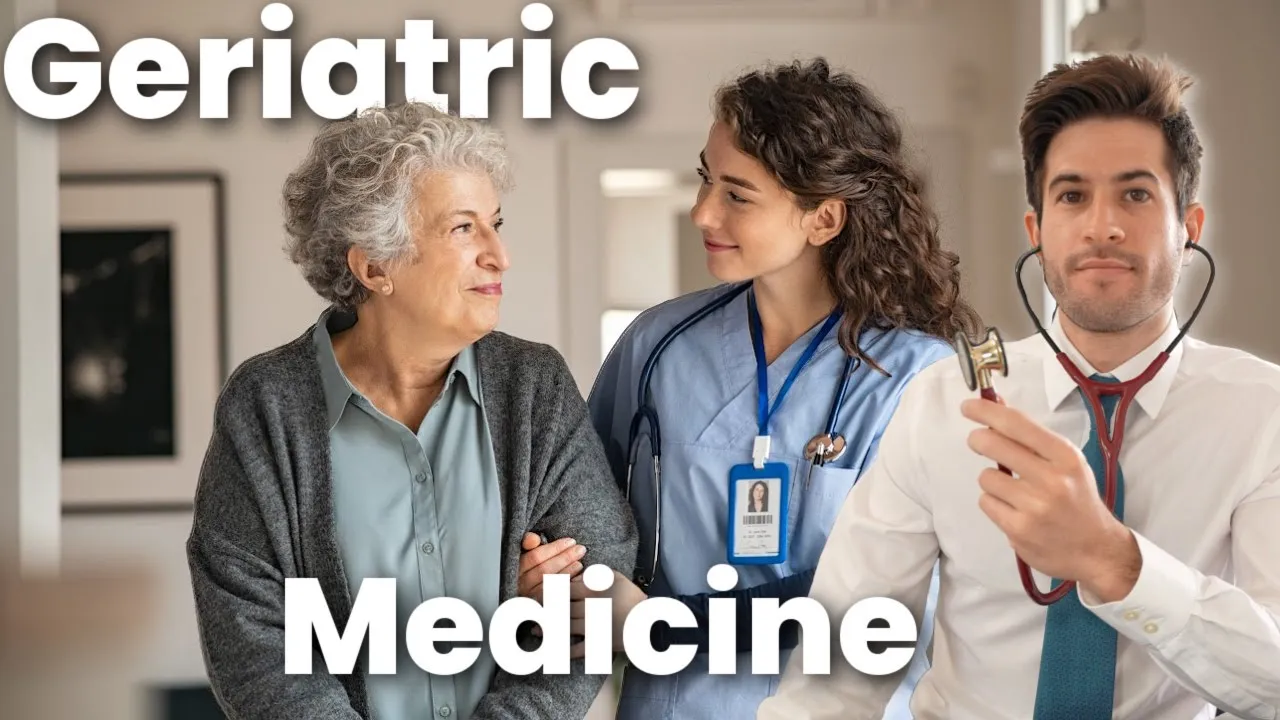
Internal medicine focuses on adult healthcare, while geriatric medicine specializes in caring for older adults, particularly those over 65 and especially frail individuals over 80, addressing aging-related issues like dementia and memory problems; common chronic conditions such as high blood pressure and high cholesterol are often asymptomatic but can lead to serious complications like stroke, heart attack, and kidney disease, making early detection and consistent treatment crucial for prevention.
Internal vs Geriatric Medicine: What You Need to Know
Added:Basic understanding of internal medicine as a medical specialty focused on adult diseases.
An introductory concept of chronic diseases, their prevention, and long-term management.
Fundamental physiological changes associated with the human aging process (senescence).
The distinction between primary care physicians and medical specialists.
The principles of Comprehensive Geriatric Assessment (CGA) in clinical practice.
The challenges of polypharmacy and the application of the Beers Criteria in prescribing for older adults.
Ethical and practical considerations in geriatric palliative care and end-of-life decision making.
Preventative strategies for age-associated syndromes such as frailty, sarcopenia, and cognitive decline.
209 views2likes5:49Original Release: 2010-06-26
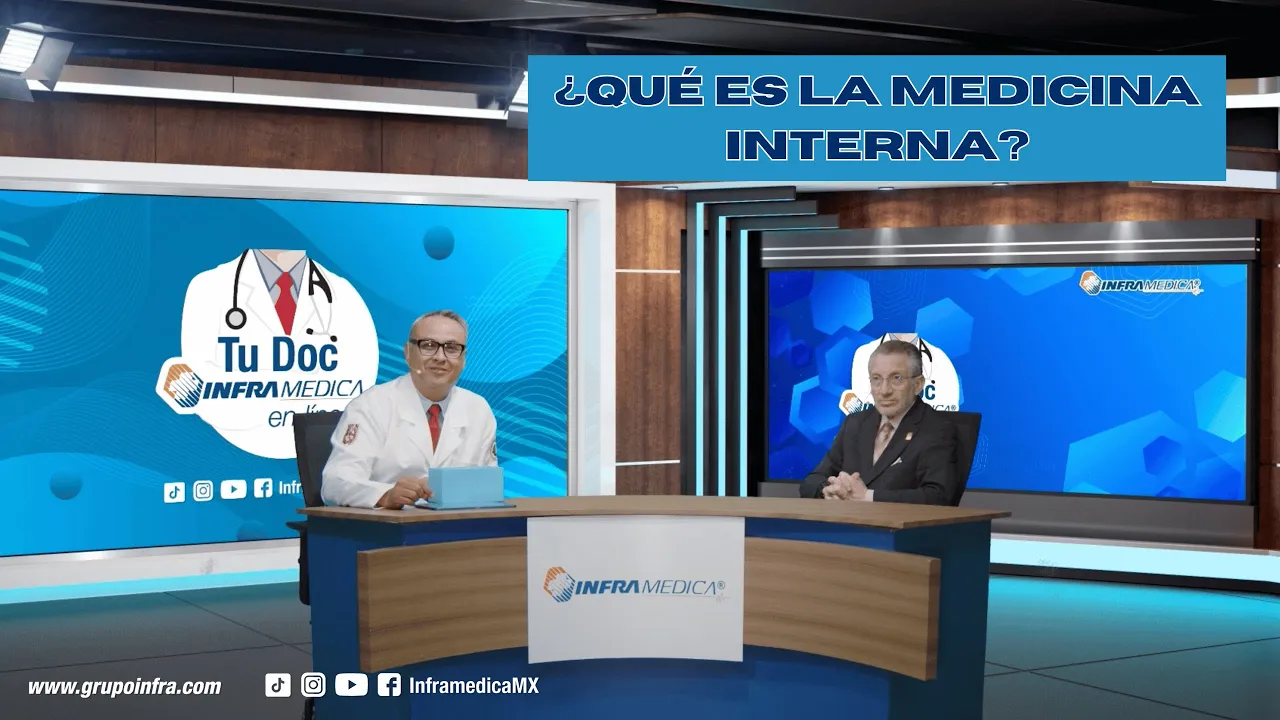
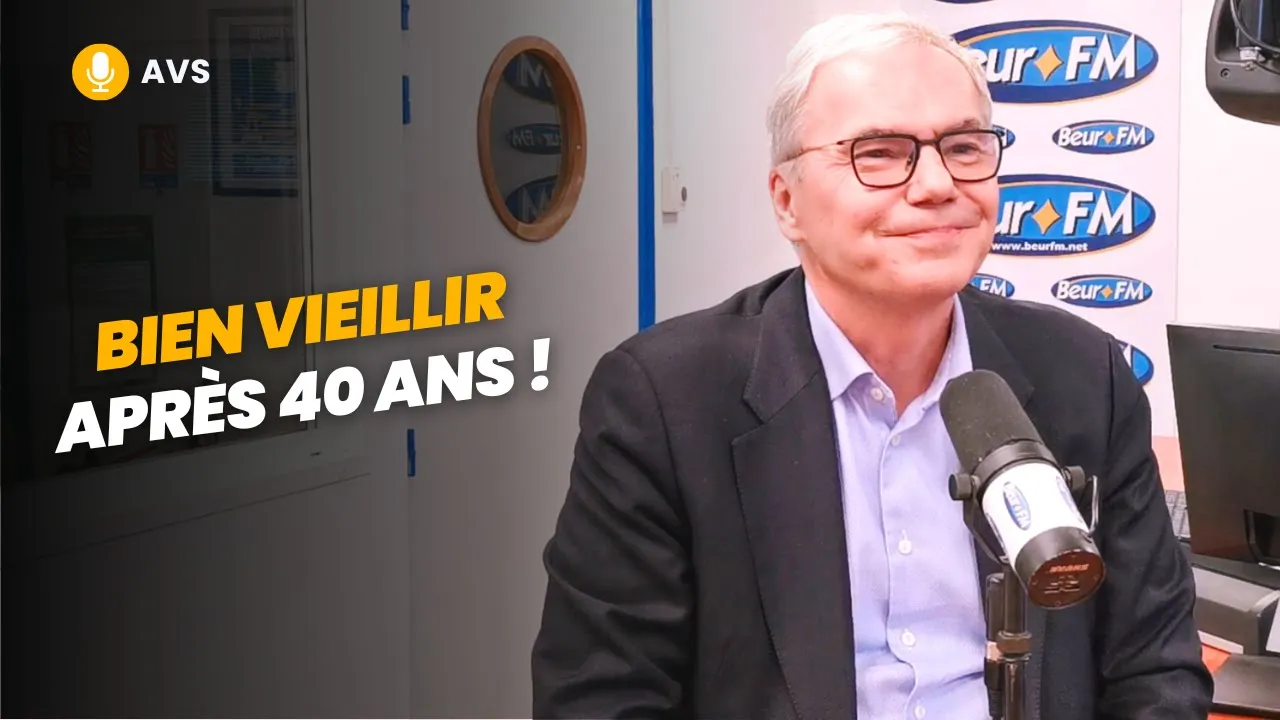
happy Tuesday everyone Al daily we can't overemphasize it here on the show we have to take care of our health it's never been done before we've never done this before but for the first time after 4 Dr Jeffrey Mariano is here joining us on the show he is with Kaiser Permanente hello and welcome to kababayan La a Dr Jeffrey San dieo for medical school UCSF and also you went to now and then you went to UCLA and then for your residency and then now you're working for Kaiser Permanente Internal Medicine Internal Medicine actually is the uh the care of the of the adult and essentially a lot of times these are your primary care providers that have training in caring for individuals over the age of 18 okay but you're not only that you're also geriatric medicine so geriatric medicine is where you are also involved in having additional training and caring for older individuals usually over the age of 65 but especially much more frailer individuals that are over the age of 80 okay and so we deal with more aging issues like dementia memory problems and other issues if you have any questions concerning issues with your health you can talk to Dr Jeffrey Mariano here joining us and he will answer your questions as best as he could um first question you know I'm sure your parents are very proud of you Filipino parents they always want their kids to be either doctors or lawyers how did you get to be in this field well I think that um a lot of it had to do with um you know my desire to help people um and when you're in school you realize that science is very very interesting really I didn't beiz that and then and eventually um you know it sort of translates into being impressed by how the human body works okay and when you start putting those two together it's actually a sort of common it's a natural progression you love science you want to help people you love how the body works and in your practice then now um what do you see are the common problems of our kababayan well I think one of the main issues is that there are a lot of chronic dis diseases that we should really um make sure your doctor knows about is it possible specific diseases yeah high blood pressure cholesterol um and then these issues themselves end up leading to other problems like like risks for stroke and heart attack and even kidney disease and needing Di so these are things that I think um is really important that we have our doctors look into because you know there's there's some terms they're called Silent Killers because a lot of times you have no symptoms right and a lot of times what I've seen is people take medications and they take them very sporadically and they feel that oh well I don't feel anything I don't need to take it work yes so really there's been a move um in medicine now for evidence-based medicine so a lot of the studies have been done looking at the outcomes the benefits that we get from starting different medications and there are a lot of blood pressure medicines for example and cholesterol medicines that we know can prevent heart attack and stroke and other problems including heart failure cholesterol high blood pressure usually it ails the older people when do we start worrying about that out of range we can eat anything we want we can live the lifestyle that we want because also some people kidney diseases as young as you know mid 20s is that normal well I think one of the things is um and actually any age you should even if you're in your 20s particularly if you have a family history of heart disease or other problems getting an idea what your risk factors are is really important um yes why is that and is there any way we can prevent that through our lifestyle maybe lifestyle has and has a very important role um rather than that exercise diet those are all as important but genetics also is quite important Filipinos for example are predisposed to other types of conditions like gout which is more common in our community and that has a genetic basis mhh and um let's try to live healthy we have Dr Jeffrey Marano here joining us and he will be answering your questions and we return don't go away
Up Next
27:21
Geriatric Medicine Rotation Review: A Doctor's 4-Month Experience
@KharmaMedic
78.2K views•2023-04-27

37:45
Rapid Quantitative Immunostaining of Intact Biological Systems
@simonscenterforthesocialbr1919
247 views•2015-12-02

10:28
Neuroanatomy: Central and Peripheral Nervous System Divisions Explained
@AKLECTURES
136.2K views•2014-09-20
3:05
Stages of Labor and Vaginal Birth | Childbirth Animation
@nucleusmedicalmedia
52.1M views•2017-08-18
Related Study Plans & Knowledge Roadmaps
Structured learning paths in Medicine
medicine
Interpreting PFTs: Spirometry & DLCO
01Respiratory Anatomy and Physiology Foundations
02Spirometry: FVC, FEV1, and Flow-Volume Loops
03Lung Volumes and Plethysmography
+ 2 more learning modules
12h5 modules
Explore Roadmap
medicine
Abnormal LFTs: Diagnostic Workup & Pathology
01Liver Anatomy and Basic Physiology
02Introduction to Liver Function Tests (LFTs)
03Hepatocellular vs. Cholestatic Patterns
+ 3 more learning modules
12h6 modules
Explore Roadmap
medicine
Analyzing Blood Smears: RBC, WBC & Platelets
01Introduction to Blood Components & Smear Preparation
02Normal Morphology of Blood Cells
03Erythrocyte Pathologies & Morphological Variants
+ 2 more learning modules
12h5 modules
Explore Roadmap
medicine
Mechanical Ventilation: Waveforms & Alarms
01Anatomy and Physiology of Breathing
02Introduction to Mechanical Ventilation & Core Modes
03Ventilator Settings and Waveform Interpretation
+ 2 more learning modules
12h5 modules
Explore Roadmap