












![Breaking Bad News - MMI station [LIVE] and SPIKES framework](https://i.ytimg.com/vi/UgkXU4v58ZM/maxresdefault.jpg)






Geriatrics is a medical specialty focused on caring for elderly patients, characterized by a multidisciplinary team approach, patient-centered care, and significant emphasis on communication with patients and their families. Working in geriatrics involves daily ward rounds, managing complex patients with multiple comorbidities, and frequently engaging in difficult conversations about end-of-life care and DNACPR decisions. The specialty offers substantial clinical experience in treating common conditions like infections and electrolyte imbalances while developing essential communication skills for discussing sensitive medical information with patients and their families.
Geriatric Medicine Rotation Review: A Doctor's 4-Month Experience
Added:Basic understanding of the medical clinical rotation structure and the typical daily workflow of a residency or clerkship.
Fundamental concepts of geriatric physiology, including age-related organ decline and the distinction between normal aging and pathology.
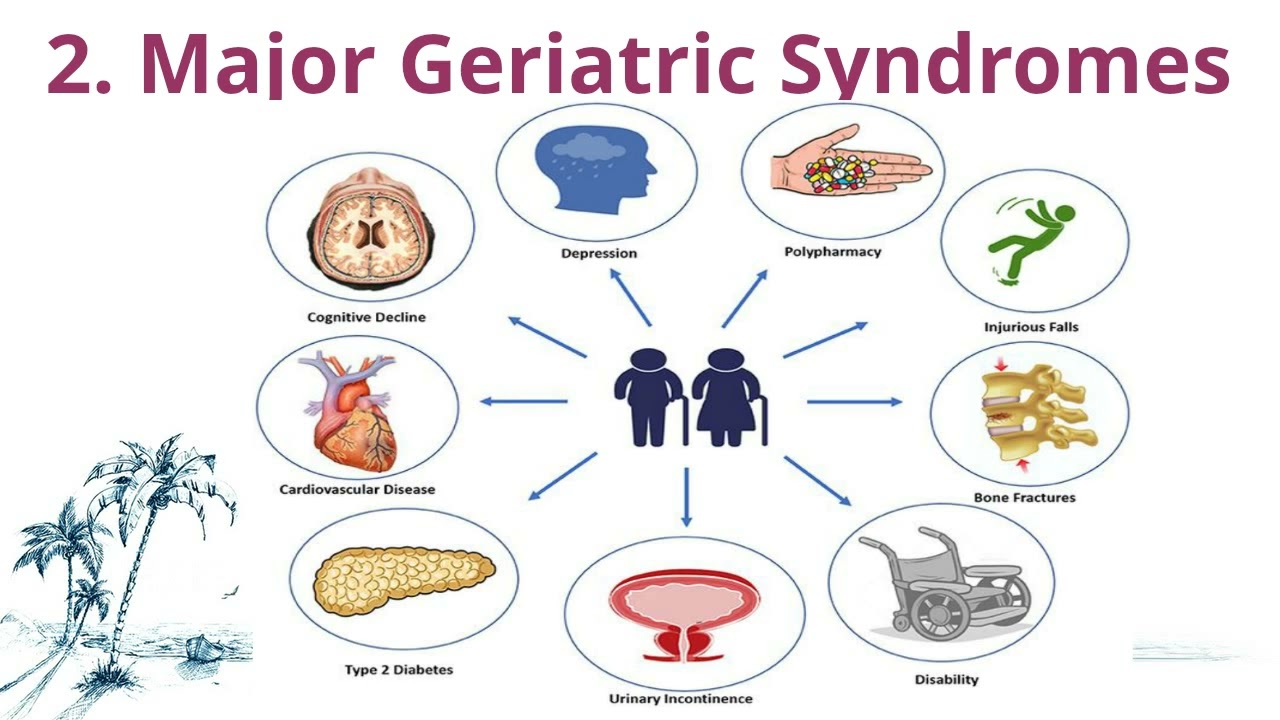
Introductory knowledge of 'geriatric syndromes' such as frailty, cognitive decline, polypharmacy, and mobility issues.
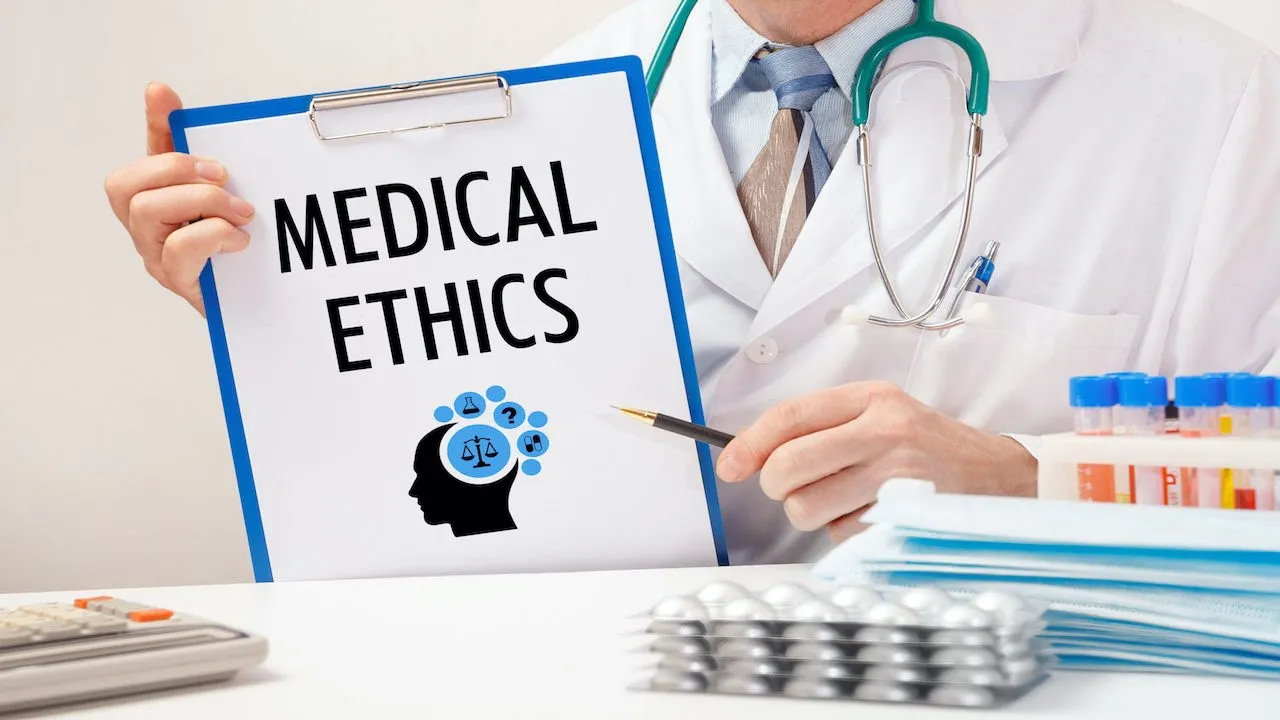
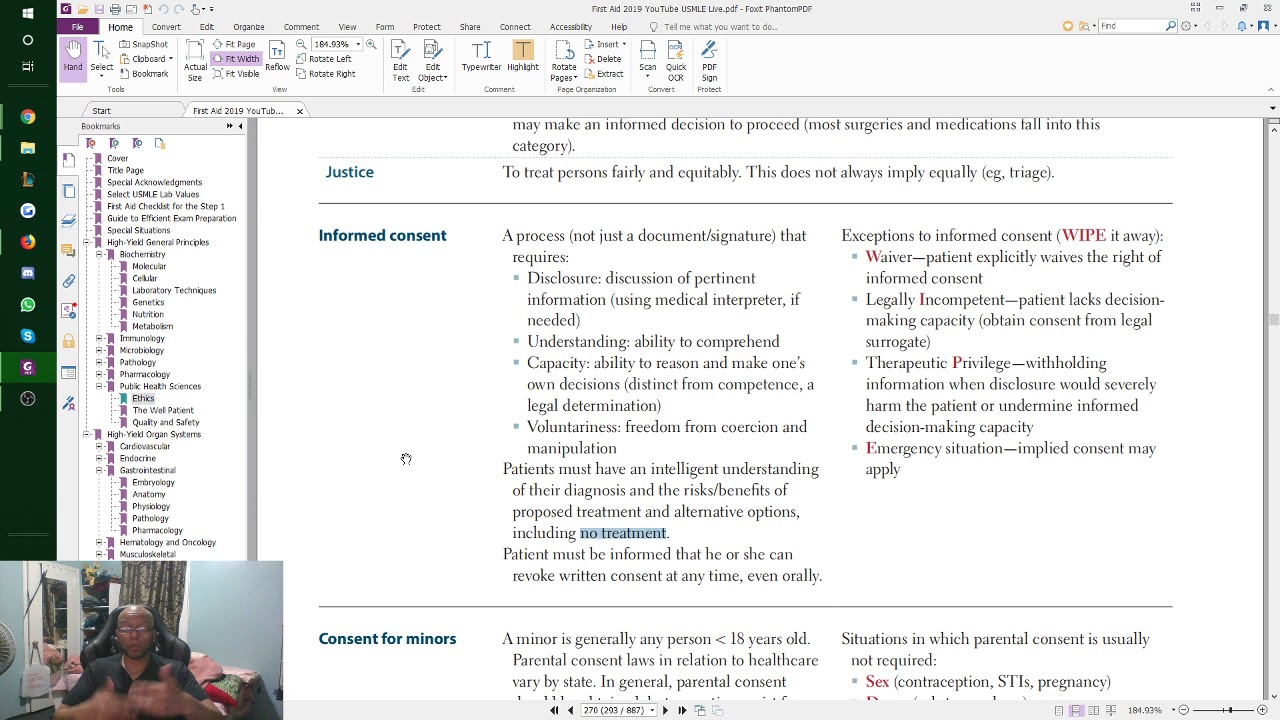
Basic principles of medical ethics, particularly patient autonomy, beneficence, and the role of surrogate decision-makers.
In-depth study of the Comprehensive Geriatric Assessment (CGA) and standardized tools used to evaluate cognitive and physical function.
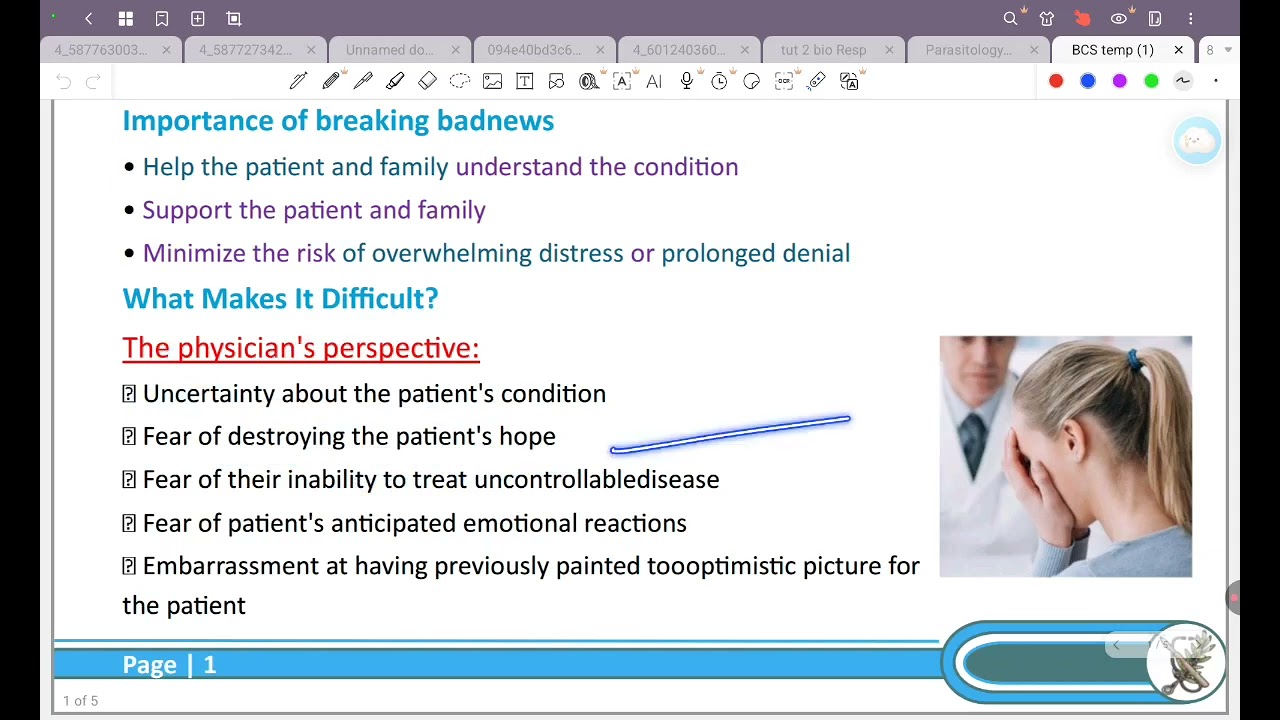
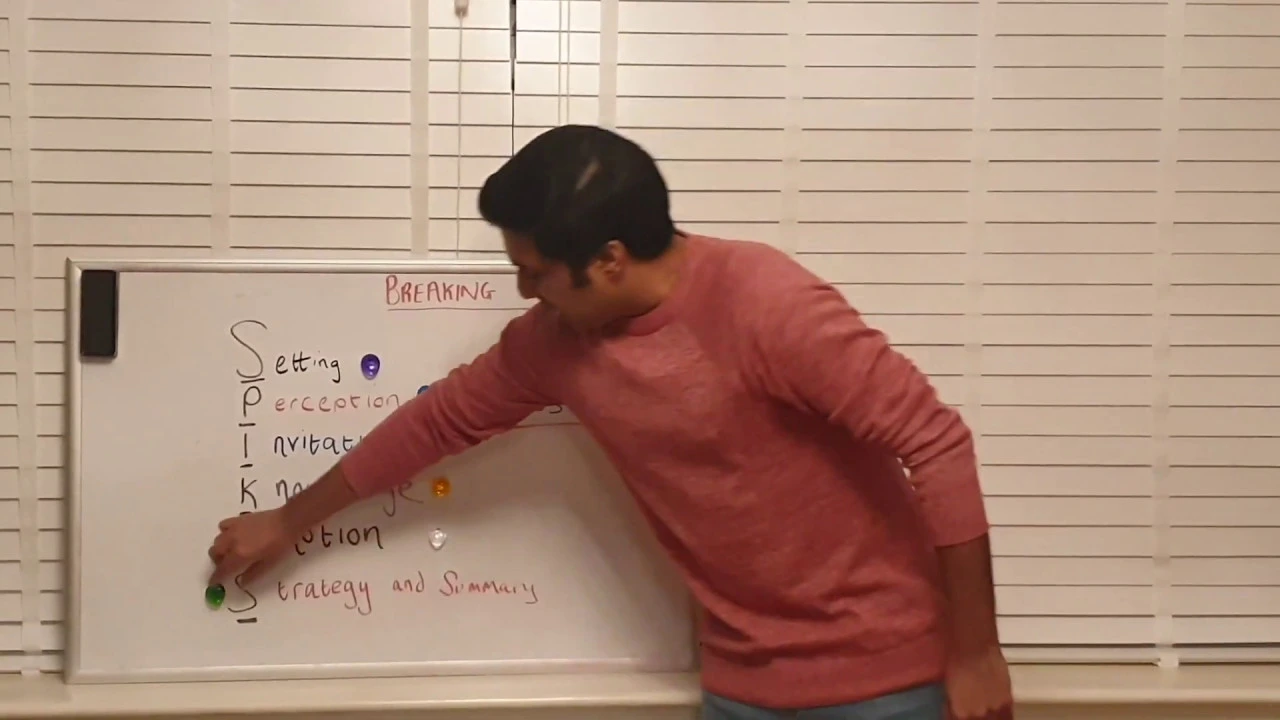
Advanced training in serious illness communication and protocols for breaking bad news, such as the SPIKES framework.
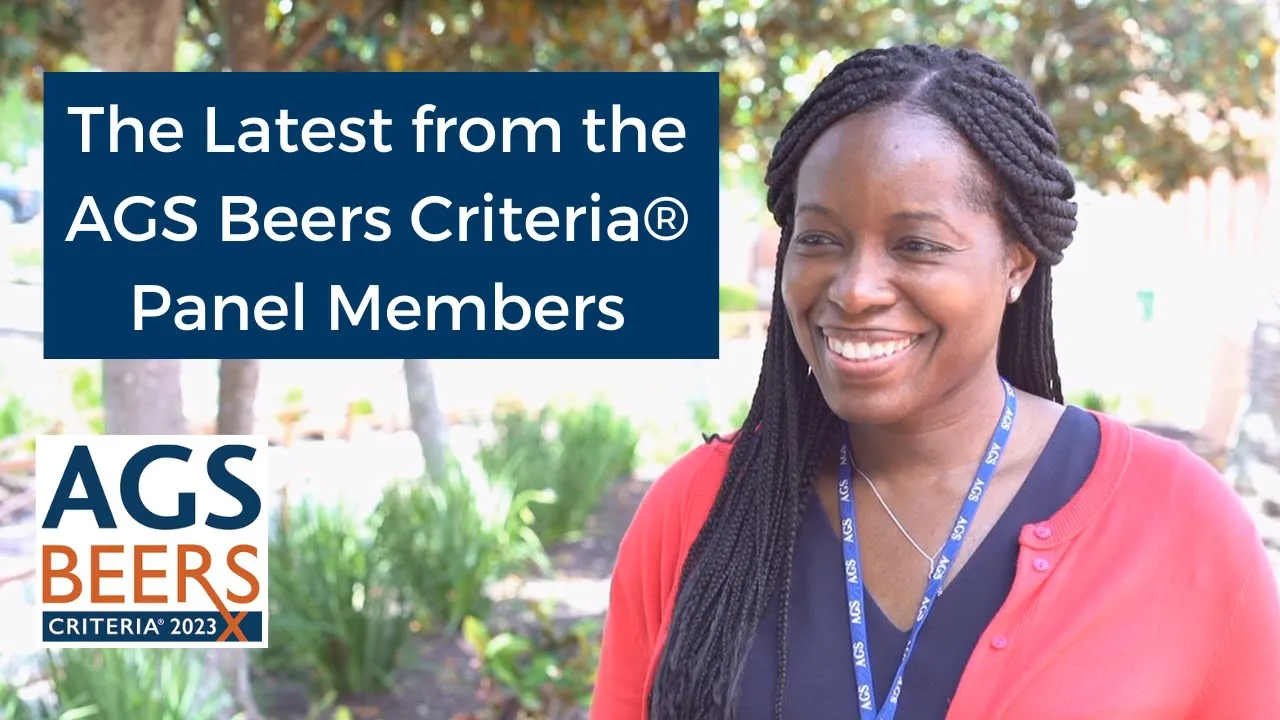
Mastery of geriatric pharmacotherapy, specifically clinical guidelines like the Beers Criteria for potentially inappropriate medication use in older adults.
Exploration of interdisciplinary care coordination and discharge planning, involving physical therapy, occupational therapy, and social work.
78.2K views2.5Klikes27:21Original Release: 2023-04-27
today we're going to be talking about geriatrics or Medicine of the elderly which was my first ever job working as a doctor here in London I'm going to break this video down into several parts talking about what I liked about the job what I didn't like so much what a normal working day for me is like what the patient caseload looks like any emergencies that are common in this specialty I'm just trying to give you a very well-rounded insight into this medical specialty so I started working in geriatrics in August of 2022 for about four months an important thing to note about geriatrics is that it is a medical specialty which is very different than a Surgical Specialty but as we get into more and more videos in this series where I talk about some of my other rotations like the one I just did in vascular surgery the difference is going to become more and more clear so a typical day in geriatric starts at about 9 A.M when we meet in the doctor's office for morning Handover this is a multi-disciplinary team meeting where we sit in with nurses physiotherapists and occupational therapists all the junior doctors the Consultants discharge coordinators and other members of the team involved in patient care and we go through each of the patients under our care both those that are based on our award and those that are not which we call outliers we go over what happened to the patients overnight especially if there are any significant events that we need to talk about we discuss their treatment and management what we're doing for them and any outstanding things that need to be chased such as scans this meeting was led by us the doctors and we would often ask other members of the multi-disciplinary team for extra information to get a more holistic view about what's going on with the patient this meeting would usually last for about an hour and then we would split into two groups one led by each of the Consultants that each cover half of the ward as the most Junior member on the team I would be responsible for having the computer and using it to look at all of the relevant numbers for the patient and all the documentation from the previous days Etc so this would involve looking at things like vital signs things like heart rate blood pressure respiratory rates oxygen saturations temperature Etc and also the documentation see if anything had happened overnight if any recent scans had been reported and things like that I would prepare my digital note on the computer as the consultant went and talked to the patients and examine them physically and then I would document what they were doing and what the patient has told us so there's a record of everything on the computer as I address through this rotation I would be the person who was talking to the patient physically examining them and then documenting everything that I had found and listened to while seeing the patient I would be expected to make initial decisions on things like treatment and management but if I ever had a question or I was unsure of what to do there were plenty of seniors for me to go and ask for additional help which was really really important especially in those first couple of weeks of me being a doctor as I got adjusted to this new role and adjusted to this new level of responsibility the ward round would often last for anywhere between two to three hours depending on how busy we were and how unwell the patients were and then we would return to the doctor's office with a long list of jobs for each one of the patients that we would slowly start to work through now some of the most common jobs would involve things like prescribing medications making changes to existing medications requesting scans like x-rays CTS MRIs and also calling other specialty teams for input and advice about the patient's care so let's say when we're examining the patient we take our stethoscope placed on the patient's chest and we hear a new heart murmur if this is a new murmur that's not already documented or the patient's experiencing new signs or symptoms then this might trigger me to order some scan sounds like an echocardiogram it might make me want to call Cardiology to ask for their input and advice if I was examining the patient and I noticed a new rash which wasn't there before and I couldn't figure out a reason for why I was there something like new medications or something common like maybe allergies to surrounding materials then that might trigger me to call Dermatology now doing all of these jobs in the afternoon that were generated from that Ward round in the morning would often take us until 5 PM and often even past 5 PM until 5 30 or even 6 sometimes depending on how busy we were and how much urgent things need to get done that day but generally speaking on geriatrics I tended to finish on time or close to on time maybe 5 15 5 30 I'd say was about the average with few times when I'd have to stay until 6 or even later we were quite an efficient and organized team and so we all banded together to make sure that we got everything done that we needed to that day but often if patients became sick or unwell that would kind of throw everything out of the window even if one patient gets sick on the ward that takes a lot of time and resources to manage and to figure out and so it means you're going to stay late so those were my normal shifts from 9am to 5 PM but I also had on call shifts which would start at 8 30 in the morning and finish at 8 pm at night now for these shifts I would work from nine to five on the geriatrics Ward and then from 5 PM till 8 PM I would either be on the oncology Ward or the infectious diseases Ward infectious disease tends to have relatively few patients somewhere in the range of 10 to 15 and they didn't generally get that unwell so I found those shifts very easy to manage on the other hand the oncology shift had a normal amount of patients let's say 30 to 40. now because oncology patients are quite complex and they're undergoing a lot of treatments and therapies that I'm simply not familiar with I don't know enough about those medications I don't know enough about those side effects they were quite a bit more difficult to manage than the typical patient I was used to seeing on top of this the registrars would leave and go home I think it was at about 6 30 or 7 pm and so there was at least an hour to an hour and a half somewhere there where I was completely alone and if I needed senior support I would need to get in contact with the medical registrar or the part team the critical care Outreach team now calling for help in these two ways can be a particularly scary thing to do as a new doctor especially as a brand new F1 with a couple of weeks under their belt on the job but certainly was absolutely necessary when I found myself in front of an unwell patient and I was out of my depth unable to handle that situation on my own now just to clarify as an F1 or even an F2 an SHO no registrar you're not always expected to completely manage an unwell patient by yourself that's why we have these methods of calling for senior support and putting out things like crash calls or calls to the part team to the medred ETC and the reason for that is that medicine is really really complicated and as a one doctor you're not always expected to know how to treat and manage every single condition that the patient has and that's why we have all these different Medical Specialties that you can call and ask for advice or all these senior teams that you can call to come for help on top of that when a patient is unwell you often need extra pairs of hands I can't be examining the patient myself but also placing a cannula to give IV fluids and also drawing off blood samples to send to the lab or taken ABG you need a lot of hands to get these things done when someone is seriously unwell and so calling for help is almost always the right thing to do unless you know you can confidently manage this yourself and being a brand new F1 doctor I certainly wasn't in that case especially in these starting week one of the things that I love the most about geriatrics was my level of personal responsibility and clinical experience so after only a few weeks on the job when I was being really heavily supervised by my seniors appropriately so I was slowly slowly given more and more responsibility and eventually by the end of the placement I found myself responsible for anywhere up to 10 patients in that day making treatment and management decisions for them calling different Specialties about them presenting them at the board round and you know just really overseeing them kind of from start to finish every single day and I absolutely loved this I really felt like I was a doctor and I was doing doctor things and I was you know responsible and caring for patients I would talk to them myself and elicit the history from them that morning I would examine them and I would make decisions about what we were going to do about them I would speak to their family to their next if kin have really serious discussions and really heavy and emotional discussions with them and or their family and I really felt like I was a practicing doctor now being able to look after patients in this way seeing them from the morning until the evening talking to their family members being responsible for their treatment and management and making decisions about their care is something I would come to greatly miss when I moved on to my vascular surgery rotation which is a Surgical Specialty and is completely different than everything I've described above but that's a discussion for a future video in this series now with all the stress and big life changes that have come along with my new job as a doctor keeping my mental health in check has been a top priority for me which I've been doing with the sponsor of today's video better help if you'd already know betterhelp is the world's largest therapy service and it is a hundred percent online with better help you can tap into a network of 30 000 licensed and experienced therapists who can help you with a wide range of issues to get started you answer a few questions about your needs with therapy and then better help can match you with the right therapist from their Network then you can talk to your therapist however you feel comfortable whether that's through audio call video call text or chat you can message your therapist at any time and schedule in live sessions for whenever is convenient for you if your therapist isn't the right fit for any reason you can switch to a new therapist at no additional cost with better help you get the same professionalism and quality that you would expect from in in office therapy but with a therapist who is custom picked for you with even greater scheduling options and at a more affordable price personally doing therapy has completely changed my life and I couldn't recommend it more click the link in the description down below to go to betterhelp.com Karma medic that's better h-e-l-p.com Karma medic to get 10 off your first month alright so let's talk about patient caseload this is something that's really important and typically affects how busy or stressful your job is certain Specialties will have patients that are relatively stable and they're unlikely to become unwell and they're less likely to as we say fall off a cliff which is a term that describes basically patients that can be stable stable stable and then suddenly deteriorates and become really unwell needing a lot of treatment and management so geriatrics was much closer to the side of generally stable patients than those that are prone to falling off a cliff like they were in vascular surgery where patients would you know be completely fine one minute and then really unwell the next I think it's also important to mention that in medicine when we're talking about patients that are sick or unwell we're not really talking about someone with a runny nose or who just feels a little bit off we're generally talking about people who are hemodynamically unstable who are really really unwell and need some serious help so in geriatrics as you can probably imagine and as the name describes most of our patients were elderly and generally in our particular hospital we didn't accept any patients under our care that were below the age of 17 most of them were about 80 plus somewhere in that region now what that means for us working on this job is that patrons tended to be quite frail and this is measured using something called the clinical Frailty score which helped put up a picture of somewhere over here and most of our patients tended to have quite High numbers on this score in addition to that because our patients were quite elderly they had had many years to accumulate a number of issues and so they were comorbid as well meaning that they had multiple conditions or diseases that were affecting their health any of the patients admitted under us with something as simple as a fall or a urinary tract infection would also commonly have cardiovascular disease respiratory disease diabetes and a bunch of other conditions that would make them much more difficult to manage and much more complex this is an increasing problem not only in geriatrics in this particular hospital but across the world with people living to much older ages having more time to accumulate more conditions and diseases and making them much more difficult to manage once they come into the hospital now I think this was especially good for me as a new doctor starting on my first job because it meant that there were a lot of different medical conditions that I learned how to treat that I learned more about their pathophysiology and I learned to manage in the hospital in patients whereas if I had started in something that was a bit more of a niche specialty something that's less broad than I might not have been exposed to a lot of these very common conditions that a lot of different patients can have regardless of their age now elderly patients are also much more likely to have cognitive disorders something like Alzheimer's Dementia or other forms of dementia they're also more likely to experience delirium which is an acute state of confusion usually secondary to things like infection altered state of environment or drugs new drugs that you start there's a whole lot of reasons but elderly patients are more likely to experience something like delirium and of course they're more likely to be frail as we discussed before meaning that they're less mobile they may not be able to take care of themselves in terms of personal hygiene in terms of their own nutritional intake doing the shopping the groceries and things like that which adds a whole other social aspect to caring of the patient which was quite interesting actually especially as my first job and these are all things that we need to take into account in order to have a holistic understanding of the patient and to treat them and manage them holistically so on my time in geriatrics I had plenty of really lovely conversations with you know elderly patients who you might consider to be your typical Suite to grandma or grandpa but also a lot of really difficult conversations with patients who were not able to fully understand everything that I was saying or everything that was going on and generally patients who had at least some form of impaired capacity which means that they didn't have the ability to make decisions about their own health care and this leads me very nicely into the next two things that I want to talk about which is next of kin and DNA CPR decisions so next of kin is defined as a person's next closest living relative now in a situation where a patient doesn't have the capacity to make decisions about their own health Healthcare we would often look to the next of kin to help give us input and better understand the patient's situation before they lost this capacity now it's important to say that decisions about the patient's health and treatment and management decisions about them aren't ultimately made by the medical team they are not made by the next of kin unless they have something like a lasting power of attorney which is an advanced document which gives the right to this next of kin or this other person to make Health decisions for the patient now next of kin are incredibly important on a rotation like geriatrics where a lot of the time you can't necessarily get all the information from the patient themselves next of kin are also often very involved in the patient's health and their situation they know a lot about their medical conditions and they know a lot about what their life is like and what their capabilities are outside of the hospital whereas in most Specialties you can communicate with the patient themselves and keep them up to date about everything that's going on on geriatrics we often had to involve the family and next of kin as well and make sure that they were updated with what's going on with the patient I personally found this to be the most challenging and emotional aspect of the job when I was working there I think communicating with family members and next of kin about their loved ones about the patient that's in the hospital can be really really challenging and difficult and learning how to communicate medical information in a way that is both empathetic to the situation that's at hand and in a clear and concise way to make sure that everyone understands was a really difficult line sometimes but I think over the course of my time on geriatrics I became really good and really comfortable with these conversations and having them in a for lack of a better word in a good in a way that would make the next of kin or the family member remember remember the conversation in a good or positive way when you're breaking bad news about the patient to the family or the next of kin it's really important that you do it right you know we learned a lot about communication skills and how to handle these situations in medical school and we've practiced having these difficult and tough conversations quite a lot but nothing quite prepares you for the real thing and when you're sitting there with the family members who can rightfully so be very much know about some of the things that you're saying and so with help from my seniors and from my other Healthcare colleagues who would watch me have these conversations or do them with me or talk to me about them afterwards and give me feedback I think I eventually reached the position where I was able to have these quite heavy and difficult conversations in a way that was appropriate caring sympathetic empathetic to the family of the patient and hopefully in a way that is remembered positively as much as can be by the family or the next of kin because I often thought about it like this I would maybe have several of these conversations per day or per week with multiple different family members next of kin patients you know talking about pretty serious stuff pretty life-changing scan results or decisions and things like that for each of the family members they might be having that conversation one time in their life so they're likely going to remember this conversation very very well or it's going to have a significant impact on how they receive the information and how they deal with it moving forward so it was really important for me to get this right and do it in a correct way and I think I did manage to get to that position by the end of my placement for sure and hopefully along the way as well so what I remember most really about my geriatrics placement are these conversations that I had with the family and with the next of kin because they were the most emotionally charged and they were the ones that sort of stuck with me the most and some of the more challenging conversations that we would have would be about end of Life Care palliative care and also DNA CPR decisions so DNA CPR stands for do not attempt cardiopulmonary resuscitation what that means is do not attempt the resuscitation of the cardiac systems so the heart or the pulmonary systems the lung in the event that one or more of them stop working it's really important to say that the DNA CPR decision is one that is taken by the medical team it is not taken by the patient or the next of kin or the family members it is purely a medical decision performing resuscitation or giving CPR is effectively a medical treatment in itself and patients cannot demand medical treatment but they can refuse any medical treatment that is offered to them now this is a really difficult decision to make and it's a decision that's not taken lightly by any of the healthcare staff involved and is very often made by a senior member of the medical team and this can be something that is particularly challenging for family members or next of kin to understand because understandably so I you know I would imagine that it feels very difficult to accept that the medical team is not going to attempt to perform CPR in the event that your loved one's heart or lungs stop working I think a big part of the difficulty in this decision that comes from the next of kin or the patient side is in a misunderstanding of what CPR is what CPR involves and the rates of survival or success of administering or giving CPR now if you're not in the healthcare field you'll probably know CPR from the movies or TV shows where people jump on someone's chest and they give them a shock using the big defibrillators and then suddenly they come back to life and their heart is restarted and everything is back to normal in reality CPR is very very different than that it's actually a very traumatic experience and it's a very traumatic treatment to give someone it involves very heavy and strong compressions on the chest which especially in elderly people often leads to things like rib fractures it involves giving some really strong drugs which places a lot of physiological stress on the person receiving them CPR is often quite long as well which means that there are significant amounts of time where important organs are not perfused with enough oxygen that they need especially important things like the brain and so this can lead to you know brain damage or ischemic injury to other organs for that extended period of time where you weren't getting enough oxygen and even in the best case scenario if all of the CPR was administered very very perfectly the chances of survival are extremely extremely low if I remember correctly the percentage of patients who are successfully resuscitated so get what we call rosk which means return of spontaneous circulation is about 10 to 20 percent and then the percentage of those patients who survive until they are discharged from the hospital is something like 10 so it's actually a very low survival rate even in the best of conditions so in a lot of the elderly patients who we would see under geriatrics who are often very frail who have a lot of comorbidities and are just unlikely to survive such an intense and traumatic treatment which is CPR we would often make the medical decision to make them DNA CPR or not for resuscitation now a lot of the time having these conversations with the next of kin and with family members was quite difficult largely like I mentioned it was in part two that misunderstanding of what CPR actually involves and following a Frank and difficult conversation about what CPR actually entails and what it looks like most of the time family members would be on board and they would understand where we were coming from in making this medical decision as you might have noticed by now this video is taking a slightly darker turn and we're going to be talking about palliative care and end of Life Care next so palliative care is a medical approach which focuses on the management of symptoms and pain that a patient is experiencing as opposed to the treatment and management of the underlying condition now over the course of my four months in geriatrics there were many many patients who the medical team felt that we may be causing more harm by continuing to treat them and manage them for the conditions that they have than we would by not treating and managing them for those conditions and those patients we would decide should be moved towards a palliative approach as opposed to a treatment approach of care now it's really important to say that palliative care does not mean that you stop doing anything for the patient and you just leave them as they are palliative care is actually led by its own medical team and they are responsible for the care and management of the patient's pain and symptoms in their last days or weeks or whatever it is of Life having these discussions with family members with next of kin was again very very emotional and very very challenging but I think at the same time it was what I found probably the most rewarding from my time on geriatrics these are conversations where I found myself in an extremely privileged position of being in between the complex medical diagnoses that a patient had and communicating those to the patient themselves or the next of kin or family members involved and it was during these conversations where I felt a lot of responsibility to show emotion and show empathy be very clear and concise in my explanations take my time and to allow the time for questions and clarifications if anyone wanted to or had them these are the conversations where I felt the most like a doctor and where I really felt the the burden or the weight on my shoulders of what it means to be a doctor and what it means to be the person to be able to communicate this really difficult information and have these complex conversations with family and next of kin about patience one particularly difficult thing that I found in this placement was dealing with death I think it was about once a week maybe once every week and a half two weeks that I would need to go confirm a patient's death or talk to a family about a patient's death or something along those lines and not only having to deal with that death myself and come to terms with what that death means of a person who I may have been looking after and caring for for several weeks but also communicating that to the family and having discussions around that was really really difficult I think because I was on geriatrics and I saw that patience fairly often it helped me overcome that kind of initial fear of what would it be like to see someone dead in front of you for the first time and I think that I kind of got over that fairly quickly in terms of shock Factor but the sense of understanding what it is that I'm seeing in front of me and what it is that I'm doing Still Remains very very heavy and very strong even until now when I'm doing it on other placements as well on this rotation I also attended a cardiac arrest which was a really traumatic cardiac arrest so this is this is an event where a patient becomes really unwell really fast and either their heart stops or is close to stopping and so you put out a what's called double two double two call where a lot of senior members of the medical team across from across the hospital are all driven to this one place to this one patient to help manage them and save their life effectively and that was quite a difficult experience for me to go through in my first couple of weeks on the job I opened up about this briefly in one of my previous videos that I made which I'll leave a link to somewhere up over here I don't want to get into it too much in this video but yeah I had experienced one Cardiac Arrest coal and one uh death from a cardiac arrest on that placement I feel very lucky that whilst I was going through all of these experiences that I've been talking about above I was surrounded by a truly wonderful set of people in geriatrics in this particular hospital I was the only F1 on the team which was kind of sad because I didn't have someone else at my direct level who I could bounce ideas off of and chat with and you know relate to going through the same experiences as me being a brand new doctor on the wards but honestly all of my seniors were very very easy to work with very open for me to come to them with questions very understanding if I didn't know something or if I wasn't able to do something and would always come to help me I couldn't have asked for a better introduction into working Life as a doctor with regards to my team and I honestly think it would have made the experience very very different if I wasn't supported by those people so genuinely thank you if you happen to be watching this it was a really lovely rotation so the workload on this rotation as an F1 doctor was as you might might expect dependent on how well staffed we were on that particular day and on days where we were properly staffed and we could divide up the workload and each take half of the ward and then work on the jobs together in the afternoon everything was completely fine I would rate the workload as completely average completely fine and really only when we were particularly understaffed or if multiple patients became unwell and we had to spend a lot of time dealing and managing with that then I'd say the workload became quite a bit more but as one of my colleagues would say if you can't go home on time when you're working in geriatrics then in what specialty are you going to be able to go home on time so let's talk about some of the common medical conditions and emergencies that I would see on a day-to-day basis in the specialty if you are going to be working in geriatrics soon maybe you'll find this helpful some of the most common conditions we'd see were electrolyte imbalances things like hypo or hypernatremia or calimia and kind of understanding all the different causes for hypo and hypernatremia was really really useful and we'd have teaching on it pretty often so that we could get it rammed into our heads because we saw it quite a lot and then your classic one of the mill things is like urinary tract infections on chest infections but important to remember is that they often present quite differently in the elderly population not necessarily with the classic set of symptoms that you might expect in the textbook if I was going to start a job on geriatrics now I would definitely want to become quite familiar with doing capacity assessments mochas Falls assessments understanding the causes of hypo and hypernatremia assessing a patient's fluid status and then also being very very patient in terms of particular medical emergencies I don't think there was anything too specific or common that came up over and over again just the Classic sort of sepsis secondary to infection which is managed with the septic sepsis 6 which everybody knows about if you're in healthcare so I don't think there are any particular emergencies that are special to elderly the elderly population that we saw very often one of the great takeaways from geriatrics was that I became very good at taking blood and placing cannulas because if you can take blood or place cannula in a tiny Wrigley vein in an elderly patient you can do it in pretty much any one maybe bar pediatric patients but it was definitely great practice and a great skill to develop especially early in my Life as a doctor and then secondary to that I think I really gained a lot of good communication skills especially talking to family and next of kin and also with the patients themselves but talking to elderly patients especially now that I've been able to compare it to talking to the general population let's say definitely has its own special technique and way of of talking to them and also of course dealing with families and NEX of kins like we spoke about before I think I definitely built up quite a lot of great communication skills in the placement overall from my personal experience and everything that I talked about in this video if I was to give geriatrics a rating on a scale of one to ten based on my own very personal experience in this one particular Hospital which obviously is not representative of geriatrics everywhere but based on my own personal experience I think I would give geriatrics a 7 out of 10. we had a very reasonable workload we'd often go home on time I think there was a lot of opportunity to develop my clinical experience both in treating common conditions like electrolyte imbalances run-of-the-mill infections chest and urinary so overall there was a lot of Hands-On on clinical time and experience examining the patients talking to them and making decisions about their management so I really enjoyed that aspect the only downside to the placement really was that there was no surgery involved and if you know I'm an aspiring surgeon or wanting to be a surgeon in the future and that's definitely what I look forward to the most when I'm working in the hospital I love anything that is Hands-On during my time in geriatrics I got to assist in a few plural Taps and also drainage of pleural effusions and use the ultrasound machine and all this stuff anything Hands-On practical that I can do with my hands and feel I really really enjoyed but alas there wasn't any surgery thankfully for me on my next rotation in vascular surgery there was a lot of surgery to be done and a wound of surgery that I took part in which was amazing I will talk a lot more about that in the next video in this series when I talk about vascular surgery but that's it for now I hope you enjoyed this video and that you learned something new I know this was quite long and not for everybody but I hope that if you did watch it you found it valuable and you learned something whether you were a medical student a non-healthcare professional Healthcare professional or anyone else and that's it for me I hope you have a great day and I'll see you in the next one [Music] so for example let's say when we're examining the patient we place our stethoscope hmm
Up Next
13:45
MoCA Cognitive Assessment: Administration Guide
@ACTonALZ
875.7K views•2018-01-28
8:53
ADHD Brain Differences: Executive Function and Neurotransmitters
@trace-elements
102.9K views•2022-01-31

10:28
Neuroanatomy: Central and Peripheral Nervous System Divisions Explained
@AKLECTURES
136.2K views•2014-09-20
3:05
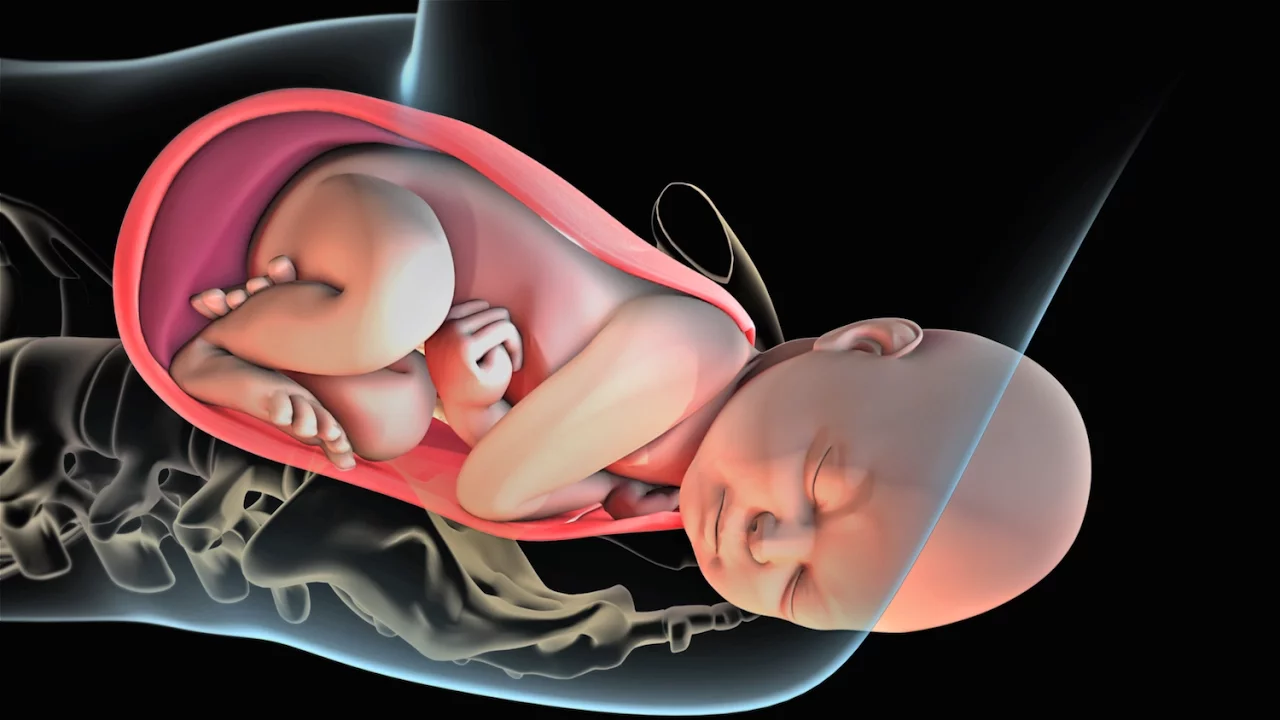
Stages of Labor and Vaginal Birth | Childbirth Animation
@nucleusmedicalmedia
52.1M views•2017-08-18
Related Study Plans & Knowledge Roadmaps
Structured learning paths in Medicine
medicine
Neuro Exam: Localization & Stroke Syndromes
01Foundations of Neuroanatomy and Vascular Supply
02The Neurological Examination: Step-by-Step
03Principles of Neurological Localization
+ 3 more learning modules
18h6 modules
Explore Roadmap
medicine
Psychiatric Emergencies: Drugs & Rapid Sedation
01Brain Chemistry & Behavior Basics
02Understanding Psychiatric Emergencies
03Pharmacology of Key Psychotropic Medications
+ 2 more learning modules
12h5 modules
Explore Roadmap
medicine
Rheumatology: Autoantibodies & Workups
01Foundations of the Immune System and Autoimmunity
02Clinical Overview of Major Systemic Autoimmune Diseases
03The Initial Workup: Inflammatory Markers and Basic Labs
+ 2 more learning modules
14h5 modules
Explore Roadmap
medicine
Managing Obstetric Emergencies: ER & EMS Basics
01Pregnancy Anatomy and Physiology Basics
02Normal Labor and Emergency Delivery
03Triage and Assessing the Pregnant Patient
+ 3 more learning modules
12h6 modules
Explore Roadmap