







![[노인간호-기초간호학개요] 1.노인간호의 이해, 노화에 따른 변화](https://i.ytimg.com/vi/o9OAtPWCQPI/maxresdefault.jpg)


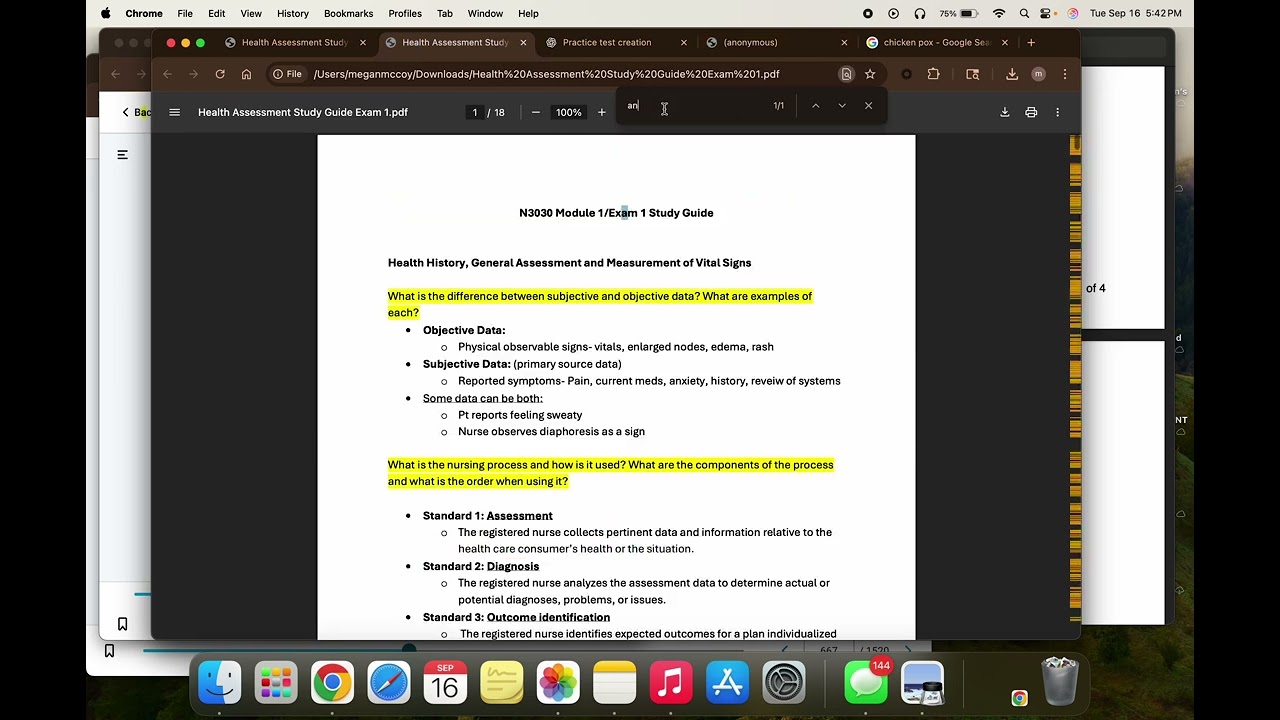

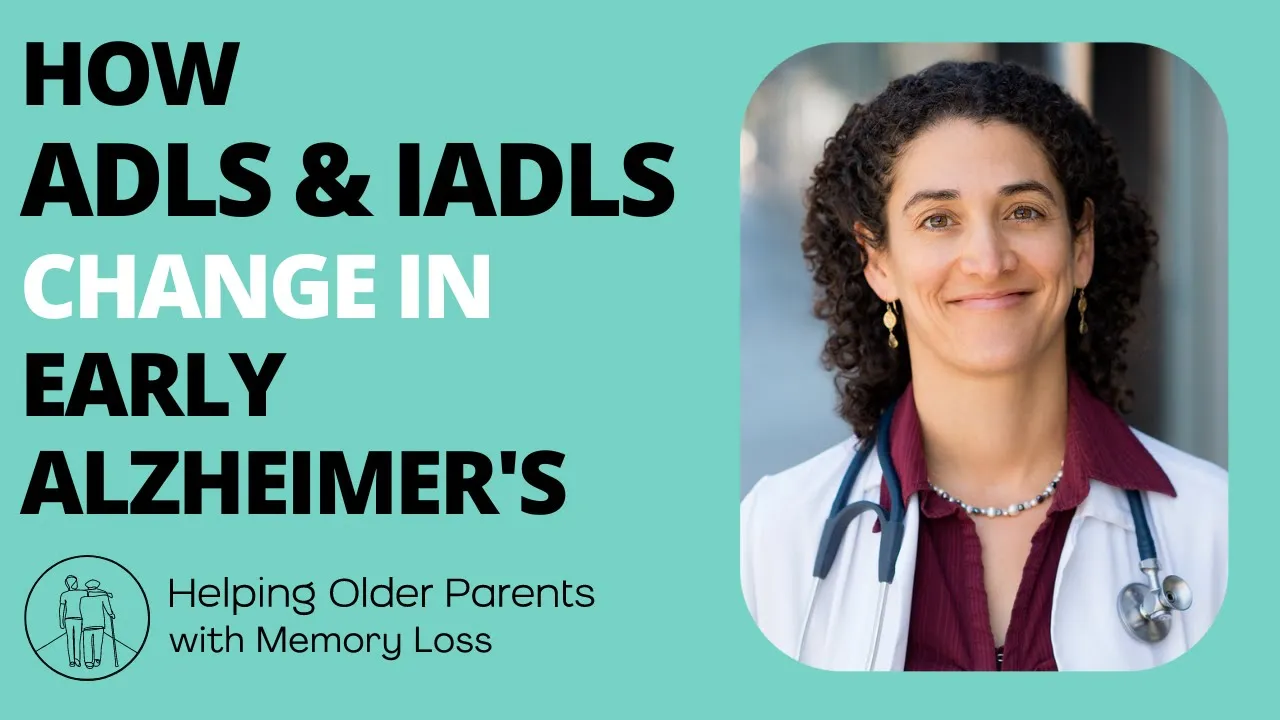

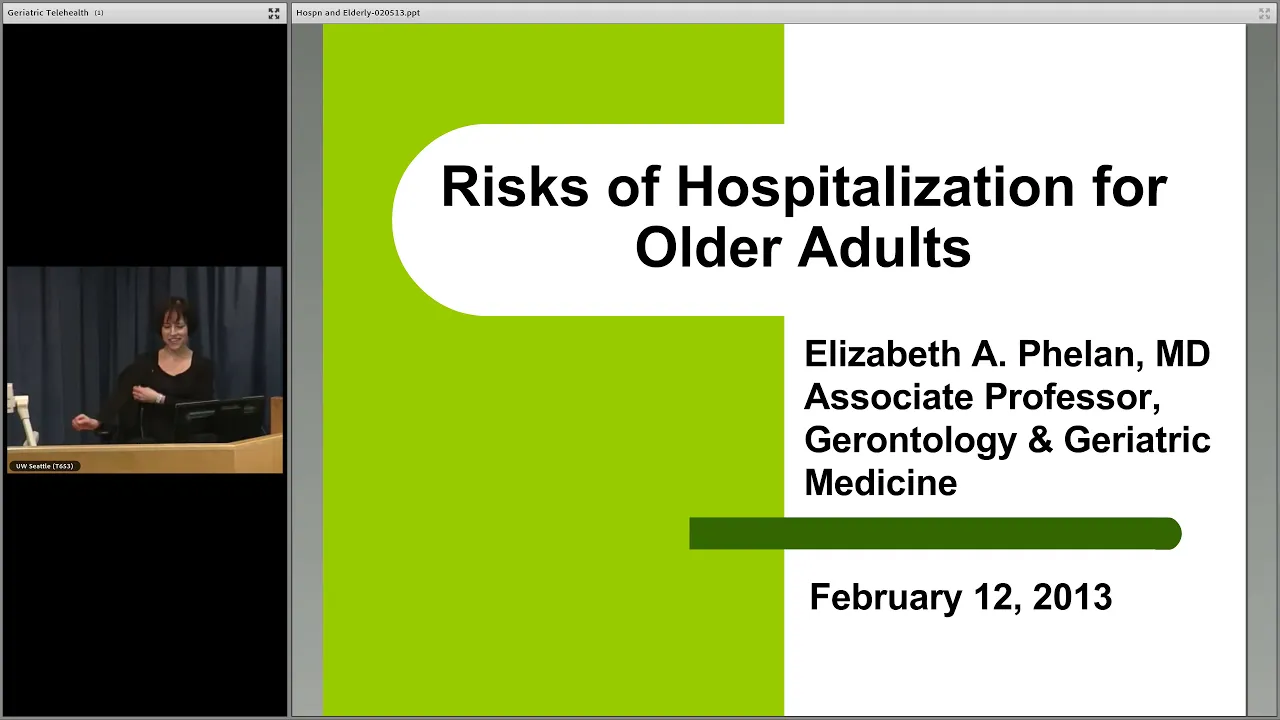






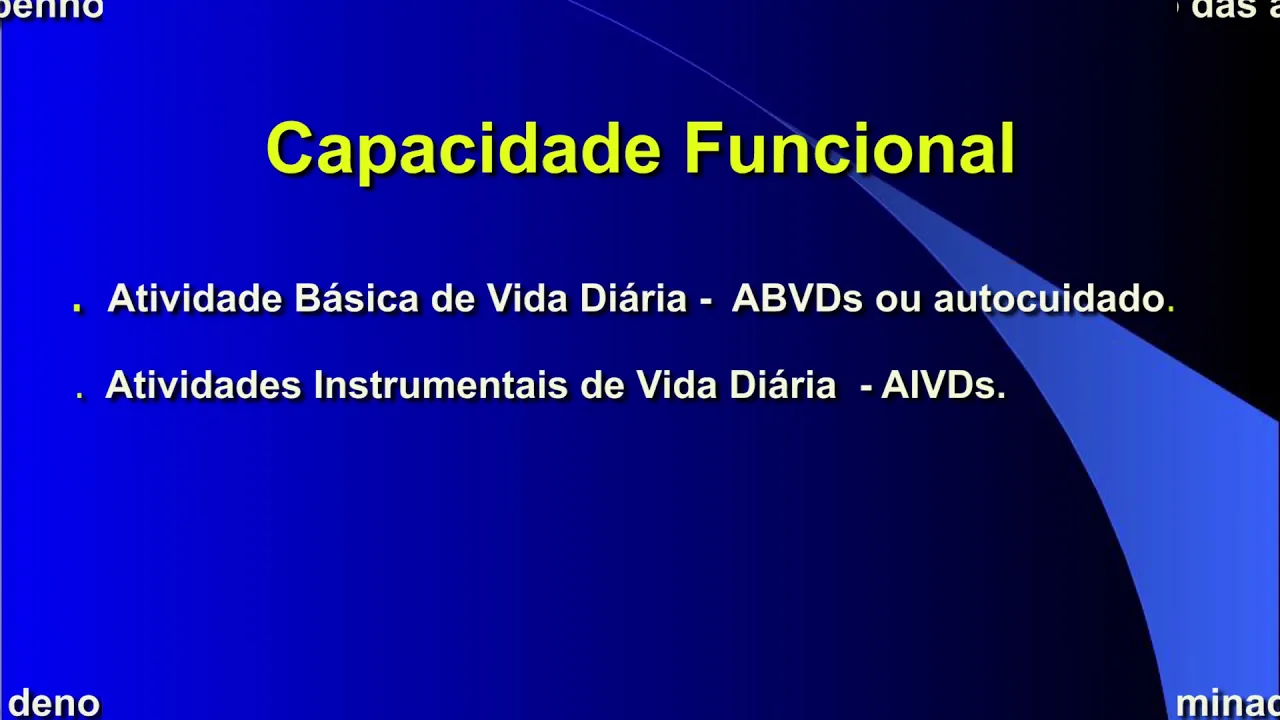









The Lawton Instrumental Activities of Daily Living Scale is a standardized assessment tool that evaluates an individual's ability to perform complex daily tasks requiring higher-level cognitive and organizational skills, including telephone use, shopping, food preparation, housekeeping, laundry, transportation, medication management, and financial management; unlike Activities of Daily Living (ADLs) which assess basic self-care functions, IADLs measure more sophisticated functional abilities that often decline earlier in the course of illness or aging, making them valuable for identifying functional impairment and guiding discharge planning and rehabilitation interventions.
Lawton Instrumental Activities of Daily Living Scale: Nursing Assessment Guide
Added:The distinction between basic Activities of Daily Living (ADLs), such as bathing and dressing, and Instrumental Activities of Daily Living (IADLs), which require higher cognitive and physical functioning.
Fundamental concepts of geriatric nursing and the unique physiological and cognitive changes associated with aging.
Basic principles of clinical assessment, including how to collect objective data and use standardized scoring tools in healthcare.
The concept of 'functional decline' and how acute or chronic illnesses impact an older adult's independence.
How to integrate Lawton IADL assessment scores into individualized, multidisciplinary geriatric care planning and resource allocation.
Comparative analysis of other functional assessment tools, such as the Katz Index of Independence in ADLs.
Interventions and community resources, such as occupational therapy, social work, and assistive technologies, to support deficits identified by the scale.
Strategies for conducting assessments and overcoming barriers in patients with cognitive impairment, dementia, or fluctuating physical health status.
32.7K views109likes40:33Original Release: 2013-09-24
[Music] [Music] [Music] [Music] [Music] the lon instrumental activities of daily living scale measures Independent Living skills in the following domains telephone use shopping food preparation housekeeping laundry Transportation medication management financial management this video presents a case example of how the scale is used so this patient came in yesterday 72-year-old female admitted to the hospital from home with shortness of breath and heart failure accuration and she was found in the lobby by her apartment manager confused and unable to catch her breath in the manager code 911 she is widowed for 10 years and lived alone in her apartment where she has resided for 30 years she has two children one is in New York and the other one is 2 hours away from her so she does her all her all her activities alone and she is oriented to self date of birth city but not date or time okay Mrs Johnson's in addition to to taking your blood pressure listening to your lungs and heart I have some more questions to ask you this will actually help us PL your care here in the hospital when you have recovered and when you go home well I'll try but I'm really tired and I think I can take care of myself my son and daughter can help me when I need it and my neighbor helps me get food and I want to go home just do the best you can and if if you get tired I'm going to stop and I'll let you rest all right okay okay just letting you know that I have list of questions here and I'll be shutting down notes like putting your answers okay I'm going to tell my students to sit down with me so they could observe all right I think I'm all right I want to go home I know you want to go home that's why we're try our best to help you go home right away okay all right okay let's start do you have help with anything at home like any chores or like cleaning your house no I can take care of myself do you have telephone in your apartment yes I do my son or daughter calls sometimes and I answer it if it rings but I don't get very many calls do you call anyone let's take for example example make an appointment to see your doctor no I can't remember the last time I saw the doctor but my neighbor might help me what if you needed someone like if you want to call someone what would you do if you don't know the number well I guess my daughter could help me okay let's talk about shopping how do you get your grocery I go to the 7-Eleven I have a heart so I can carry milk and frozen foods and so on let's talk about a full weeks of groceries or let's talk about bigger things like go shopping for your clothes how do you do that I get it all at the same store I'm very tired okay very tired we'll let you rest okay and we'll come back later to ask you more questions I know you're tired yes I am I'm very tired because of the patient fatigue and anxiety the nurse decides to end the assessment and allows her to rest she also discusses her concerns about the challenges presented during the assessment with a clinical nurse specialist I have some concerns about my patient she came from ER and I admitted her together they decide that this would be a good opportunity for the clinical nurse specialist to model techniques to allay the patient's anxiety and engage the patient in helping to identify ways to meet her unique needs and maximize her independence this Johnson uh I'm the clinical nurse specialist Carla and I take care of the older patients in the hospital and I wanted to come in and meet you Stephanie's told me that uh she's been talking with you about how you've been managing at home uh doing your day-to-day activities and I wanted to let you know that those questions are questions that we actually ask all of our patients because it helps us plan for your safety both here in the hospital as well as when you are ready to leave the hospital uh so I just wanted to let you know that uh it's a very common uh these are very common questions and I know that you've been talking to Stephanie about how things have been going for you at home how you've been managing with your day-to-day activities and I wanted to be a part of that discussion because part of my role here in the hospital actually is to work with your medical team the nurses and doctors and therapists to help plan to keep you safe here in the hospital as well as to help plan for things when you're ready to leave the hospital have you been able to talk to anybody from your family since you've been here uh no I haven't talked to my daughter her name is Ruth I understand you left a message for her right I actually did leave a message for her about an hour ago and just got her answering machine and so I will definitely let you know when she calls back I know that earlier you were talking to Stephanie about how you did your shopping especially for groceries why don't you describe for us what a typical meal is uh I know where you get your food but what is it that you normally eat let's say for dinner um usually a sandwich with cheese and lunch and meat and sometimes soup and sometimes sometimes I'll fix a microwave dinner okay do you ever use the stove or oven no I use the microwave okay has it been a long time since you've actually done that kind of cooking yes okay is it because you don't enjoy that kind of food or is it difficult to it's difficult to do because of my leg swelling and standing for any length of time is hard okay I understand what about things like cleaning your house um most specifically heavy chores like vacuuming um or mopping the floors I live alone and and it's I don't make much of a mess what about periodically once every few months to do a big clean do you do that or do you get someone to come in and help my daughter usually helps with that she visits every month or two all right good now moving on to laundry do you have laundry facilities that are close by and do you do your own laundry uh I haven't done it in quite a while okay I just haven't felt up to it sure and if you decided you were going to do it would you be able to do it without help or does someone come and help you um I think my daughter would would help or possibly my neighbor might okay what else does your neighbor help you with uh he helps with heavy lifting and sometimes with errands and as I said sometimes he brings me food okay is he someone that you can rely on and that You' you have an arrangement that he'll get you food or is it kind of Hit or Miss no it's just from time to time when I need help but it's not a regular schedule okay so Stephanie told me that when you need to get food you go down the street to a local 7-Eleven and that's primarily where you get your food what if you need to go a further distance let's say you needed to go to uh your a doctor's appointment or a dentist appointment how would you get there well I don't drive my husband did all the driving so I would probably ask for help maybe ask my daughter to take me if I had to go that far away okay do you ever take any form of public transportation like the BS or cab I can take the bus but I still have the problem with pain it's hard to use because of my problems with my legs okay and about the last time you were able to take public transportation at least a month or two okay doing great we're almost done now let's move on to your medications we know from your uh doctors that you've been on several different types of medications for your primarily for your heart failure can you tell us how you get your prescriptions filled uh can you get to a pharmacy and then once you get your medications can you read the labels and take the medications on your own well I think I need some help with this I'm a little confused and I can't remember how to take them sometimes and I can't remember when I've seen the doctor can you help me with this definitely that's something that we uh here in the hospital can help get you on a good medication plan and I also think that it would be really important to involve your family with that so when Ruth does call us back I'm hoping that she'll be free enough to I know she lives about two hours away I'm hoping that she'll be able to come to the hospital both to support you and then also to meet with us and meet with the social worker and case manager so that we can plan for some of this so you're doing great and we only have one more question um and that question is around your finances do you pay your own bills things like rent and electricity and do your own banking um I use the same bank I've used for at least 10 years and I write checks for my bills okay so right now you don't think you're having any trouble with any of that I don't think so okay well those are all of our questions and now that we've been talking for a few minutes about the day-to-day activities I'm wondering if this is um and if our talking about it has actually made you think that you might need help with things well I still think I can take care of myself and that I want to go home but I'm willing to listen to Alternatives okay well I think that when we reach your daughter Ruth I'm hoping that she'll be able to come and meet with us and uh I think that we have some time uh today's only your first day in the hospital and you'll probably be here for a couple of days so that we can get your heart failure medications managed and just make sure that a physical therapist sees you um because you've been having the fatigue and the swollen legs so we want to make sure that your mobility and your uh a being able to manage things like bathing and transferring are okay before um we would let you go home so probably we take a couple of days we also want to Stephanie and the other nurses here will be doing some education with you about the right foods for heart failure those kinds of things so we'll be back you did a great job and the information you've given us has been very very helpful so I hope we didn't wear you out too much and I definitely will come back after I've reached your daughter um and give you an update on what's happening let's talk about what we found after our assessment of Mrs Johnson we did we used the loton instrumental activities of daily living scale to assess her ability to manage her idls independently at home and what I'd like to do especially because we have Di and Josh here with us today i' I'd like to be able to have all of us look at how we all scored and make sure we came up with the same uh score for our assessment and then what we need to do is talk about what are we going to do with that information we need to make a plan of care for her throughout the hospital stay as well as how do we start planning for discharge so I'll start um when don't we uh talk about how she did using the telephone what do you think well she answers the telephone uh she uh specifically said that she communicates with her children via the phone U but as far as dialing she definitely doesn't demonstrate independence with dialing phone numbers so you scored her as a one okay that's how I scored her Stephanie di same okay same I scored one answers telephone but does not dial okay and moving on to shopping uh what do you think Stephanie how did you rank her I score her zero cuz she shops independent for small purchases only okay and what did she say about a bigger shop she just goes to one store okay yeah any disagreement with that you all scored zero okay food preparation Dean I scared her a zero Heats and serves prepared meals or prepares meals but doesn't maintain an adequate diet just judging by the fact that she shops only at the 711 there's a limited collection of things that she can choose from plus she stated that she eats Frozen meals um and sandwiches which doesn't sound very well-rounded okay everyone agree mhm okay housekeeping uh I scored her a one on housekeeping uh because she did identify that she can if she needs to do light daily tasks such as dishwashing and bed making but that she has not been able for some time to do heavier housework like mopping the floor or doing vacuuming or things like moving moving furniture around the house did you all come up with the same answer yes okay laundry Josh uh she didn't demonstrate any independence with that she specifically said that it was that she did not perform those tasks independently and she had a neighbor or her daughter yes be responsible for all of her so I scored her a zero okay great uh Stephanie what about her mode of transportation how does she get around to appointments and things she actually calls her daughter so I scored her zero like travel limited to taxi or automobile with assistance of another okay right and then uh responsibility for own medications what do you think Deana well she stated that she's confused about the medications she also stated that she doesn't easily have access to the pharmacy based on transportation and other things so um I scored her a zero is not capable of dispensing her own right and that kind of amazingly was the only thing that she identified that she needed help with so at least she recognized that she was not doing a good job with that so I'm thinking that might make it a little bit easier for us to put some things in place because it's the one thing that she's identified to all of us that she needs help with right anyone disagree with that okay so the last of the ide's ability to handle finances and um just between us I didn't know how to score her because she said everything was okay but we actually don't um have any evidence to the contrary uh and in this case I gave her a one on it because she said things were okay but I also had a a mental note to myself that this is something that I need to involve her family in so this would be a time that I would ask her daughter um who's going to be possibly staying at her apartment tonight to look around and make sure that she's been bill paying maybe talk to her apartment manager and just see if there's any issues with that uh because I would think that she may be having some of those same issues with finances that she's having with some of these other idls so overall then I came up with a score if we need to score it two to three out of eight Mrs Johnson actually did identify that she had a lot of deficits what I see is that even though I think she told us fairly truthfully what she's doing there's a disconnect about uh her health overall uh I think earlier on at the beginning of our discussion Stephanie was talking about wanting to have nursing look at her ability to do her ADLs first we know that there are many deficits in her idls at this point and just being able to identify that she is um as independent and doing her ADL so things like feeding and bathing and doing her grooming and being able to transfer like out of bed uh and walk around her apartment uh so we definitely want to validate that and it's a little bit easier to do in the hospital because those are things that we can actually observe uh the idls unfortunately we use a self report um and then try and get information from other informants who actually might know the patient and then U make our final assessment from there so we will need PT and ot to help with that definitely nursing uh is going to need to put a plan in place for teaching so patient and likely family education about heart failure medications diet activity um and then we need to actually meet with Ruth her daughter and see what are the options for her mother at discharge and I'm just interested if you could clarify how much more or less independent might a person be based on iadls versus ADLs that's a really good question di actually the iadls are uh thought to be higher level functioning because there's a big cognitive piece uh to the idea so things like using the telephone managing finances and and ability to manage your own medications and arrange transportation are much higher um order function than the ability to feed oneself um preparing the food is higher order than actually being able to do the actual feeding so uh in terms of comparing the two they're they're different they're different areas of function okay and how does one impact the other uh generally if one and if you think about it it would make sense if one doesn't have access to food or doesn't actually know how to use a stove their ability to have good nutrition and maybe even ultimately feed themselves could be impacted by that so you would need to have fairly good iidl function um and if you don't that could ultimately impact your ADLs a lot of people though um and Mrs Johnson may have been a good example of this um she may have some cognitive issues going on on and they've been going on slowly over a longer period of time because she's lived in the same apartment for 30 years and is very local in her neighborhood many of her um neighbors are long-term neighbors uh and she goes to the same store and probably does go to the same bank um she may be actually able by routine to keep functioning as much as possible in the community and only now that she's had a heart failure exacerbation and is medically ill and needs to be in the hospital that some of these things are coming to light so many patients exist in that really fragile fragile uh state in their Community independently for as long as possible and then something tips them over and in this case it's her heart failure exacerbation so I think our next step then Stephanie would be that um you're going to write this off as her plan of care and then we will be having our interdisciplinary meeting with the team a little bit later I do want to let you know that I have spoken over the phone with her daughter Ruth and Ruth is on her way to the hospital and what her plan is actually is to come see her mom make sure that she's okay and then she's actually going to go spend the night at her apartment some of the things that I've asked her to look for would be evidence that she her mom has been clean and able to do her hygiene at home um she will look for idence of whether she's been paying her bills she might actually stop into the apartment manager who actually is um Mrs Johnson's nextdoor neighbor and find out if uh her mom's been paying bills uh on time that kind of thing so she will be our informant as to how she's really been doing and we'll validate Mrs Johnson's self-report so the first thing that would be necessary would be to have the physician order both a physical therapy and an occupational therapy evaluation and then we can certainly perform those this afternoon in order to um evaluate her Mobility um as far as physical therapy goes her Mo order to guarantee that she's safe enough to um be able to return home at some point um also with her heart failure heart failure it will be important to assess her um activity tolerance and so assessing vitals with activity heart rate blood pressure oxygen saturation all of those things to make sure she's not having oxygen desaturation with activity which could lead to some confusion okay perfect because so far I don't think she's gotten out of bed yet and she is on two liters of oxygen and I think from excuse me from an occupational therapy standpoint um we'll be evaluating her self-care and really seeing what she's able to do but also seeing what her um activity tolerance is for that and um and look at if she can incorporate some energy conservation techniques if she's able to do that uh with some of those activities of daily living also um I can evaluate how she does with some basic um iadls uh in the kitchen a little bit of kitchen Mobility using the microwave see if she carries through with that and just do a quick assessment and see if she can incorporate some strategies for learning to see if that is safe as well so that's great when would that be done would that be when she's very close to time of discharge that you would do that with her I think we'll do the basic assessment uh today of her activities of daily living her tolerance her overall endurance and then um we'll see if she can handle the basic uh activities of daily living then maybe tomorrow or the next day she gets closer to discharge yeah we'll certainly need to assess if she's going to need any adaptive equipment at home or um an Adaptive device for ulation as well and also as far as her oxygen saturations if she's going to need home oxygen as well so those will things will be things we can help assess as well I think that will be teased out in the next couple of days the uh Physicians are still uh changing around her heart failure medications a little bit and our goal would be to get her up and moving and try and wean her off oxygen but that's still yet to be seen how that how that goes right I mean I'm hopeful that we can over the next couple of days uh convince her to go home with her daughter even if it's just for the short term and having spoken to Ruth that's what she would like to see as well this just really looks like it's going to be a very specific plan for this patient is that typical is that part of why the iadl is used yes I mean we we do idls on every patient uh because we do want to identify as close to admission what what the deficits are so that we have time to sit together like we're doing today and make a plan if we don't ask those questions we won't know that she's been failing at home we would be sending her right back out for her to not be able to take her medicines and to continue to eat the wrong foods and it would just lead to her being in the hospital again short so uh in answer to your question yes we use this information from screening instruments like the ltin IDL in order to build our plan of care Stephanie as part of the nursing care plan uh is going to incorporate the um healthy heart teaching uh and we'll be starting to work with her on her new medications or changes in her medications uh if if Stephanie or the other nurses here identify that she still isn't really learning about her diet restrictions we may actually ask a nutritionist to come in and help with that um and then I think ongoing assessment as we kind of go day by day and see um how she's progressing uh we can identify actually the um lcal that she'll be discharged to as we get a little bit closer and see how she is with her daughter great so we'll just keep in touch on how things are going all right all right thanks so much thank you thank you [Music] the cat's activities of daily living and the loton instrumental activities of daily living are two functional assessment instruments when we think about function we often think of three different domains activities of daily living instrumental activities of daily living and Mobility uh so you can't really assess one and not the other because they all really are very interconnected uh the difference is though that the iadl assessment uh really assesses higher level functioning there's a cognitive piece to that also the lon because it does uh have higher order functioning it may be a little more sensitive to earlier disability than uh the ADLs we like to sometimes think that um as as we've gained those abilities to do those tasks like feeding and dressing and grooming all the way up to managing finances independently that if we begin to lose the ability to do that we actually lose them in reverse order so we often think that uh the first disability we'll see will be in managing finances and managing the ability to um successfully take medications if we're looking to do both a cat's ADL assessment and a ltin IDL assessment it doesn't really matter which assessment is done first logically I think in the hospital we start start with the ADL assessment because it's the most basic and we also have the opportunity in many settings um to be able to observe the patient doing it so in a hospital a patient would be able to demonstrate that they can transfer from the bed let's say to the bedside commode that they can actually do their own grooming even though patients don't wear their own clothes in the hospital we can actually have them put on a gown it's not that difficult to have them get dressed um or at least be able to put on shoes and socks for to demonstrate that we certainly see patients feeding themselves uh so that's much more straightforward the ltin the iidl is not um it's impossible really to assess that in the hospital so the instrument was actually designed to be a self-report so you can either give the actual assessment uh to the patient and have them fill it out or what's often done is that a nurse or physical therapist or occupational therapist actually sits down with the patient and goes through those domains one at a time and I think that's probably the best way if one has time to do that because as I mentioned before it's easier to kind of tease out if there's some questions if you actually are sitting there and talking to the patient and maybe asking subsequent follow-up questions for clarification trying to get a handle on how many people in the United States have I iidl disabilities is very difficult first of all there's almost 2 million people that live in nursing homes and it's really unknown uh for all those people if it was an iidl disability that uh necessitated their going into a nursing home some fairly recent statistics show that about 10% of people between the age of 65 and 74 may have some type of Ideal disability and then almost 27% 75 and older the difficult ulty with trying to determine how many people have disability is that it's really been defined in different ways there's about 2 200 assessment instruments that measure function uh and we all don't use the same instrument uh it just even in terms of language we don't use the same language we might say function functional status functional ability handicap disability so depending on who's looking at these patients or these people uh and what they're using as a description uh has really confounded the ability for us to get our our hands on how many people really are disabled you can't discharge someone without knowing what their home situation is like and whether they can successfully manage to get their prescription filled they can get back to the doctor for their follow-up visit um you know these days we send patient patient home after a very short length of stay they're very sick they have multiple comorbidities and we send them home on very very complicated discharge plans and we've got to know that they can actually keep up with that discharge Plan before we let them go in the hospital it's really important to uh do that assessment as close to admission as possible so that it gives us the opportunity to do some planning whether one uses the ltin as the instrument that we're talking about today uh possibly not everyone uses that but they use something like that because we're both mandated by Regulatory Agencies to be able to capture that information to begin discharge planning on admission when we're talking about a qare so my recommendation and I think recommendation in the literature would be that everyone in a hospital has an assessment and then in the community when one sees their primary care provider there should be some questions about instrumental activities of daily living and then certainly if someone has been in the hospital and then going back to the community that if they have a home health assessment ptot or nursing would do that overtime post discharge uh another important area that I think should be a where the assessment should be done would be in the emergency department so not every person who comes into the emergency department uh gets admitted to the hospital and that's really a very opportune time for nursing or rehab to to do an igl assessment before they discharge them to home so that they're not right back in the hospital again because no one's asked the questions I think the biggest challenge uh may be uh what the outcome of an assessment like this may represent to a person and even patients that are fairly uh impaired cognitively on many levels understand uh what being in the hospital might mean into their independence and then especially when a stranger even though it may be a nurse um goes in to ask these questions it can be very difficult to uh want to give honest answers so I think being able to um intuitively maybe understand or um uh kind of weigh their answers and is it congruent with how they um presented to the hospital you know were they groomed are there issues with their ADL that may give you some clues that there may be some trouble with their ideals at home that's kind of a first place to start and then what do you do if someone says you know everything is fine and that actually is something that I hear very commonly um you know I kind of get shoed away or poo pooed that everything is really doing well and they have a daughter or a son who's local who can help they think I take care of myself and they prefer to go home uh and they don't believe they need any kind of rehab and that's the end of the discussion I want to go home I there's many ways to get around that the most successful way that I found is actually to establish rapport with the patient and um work with them maybe it might take three days um and you may be actually getting the assessment and making a discharge plan closer to discharge than you would like but you have to get you have to have the person trust you and that doesn't happen in a few seconds so being able to work with them over time I try and see them every day make sure I do a check-in sometimes I see them a couple of times a day um and once that Rapport is established really spend time telling them how important this is that it's for safety and that really our number one goal is that we get the patient to the place that they want to go so if it's home if it's with their family whatever the discharge goal is of the patient that's where we start and then you know try and convince them that by getting honest answers to the question that we can put things in place so that they actually can get home and be as independent as possible to interpret the lot and IDL actually I think it takes more skill than actually administering it because um it's not as straightforward as as it would seem it's not just that a person can or can't do something but what's the meaning of that you know are there other things that are going on um if someone is has major depression going on and that's not uncommon in an older very medically ill chronically ill person they may not be doing some of these idls because of their depression uh and they just actually can't get enough oomph up to go to the store or to do their laundry so I think this is a great screening tool that can be used by nursing a rehab to kind of get the first line assessment of uh you know a really targeted what's what's going on with these really important domains of function uh but often times it requires ongoing assessment so a person may need a psychological assessment for depression they either need to see a psychologist or a psychiatrist um they may it may be that a person can't do the ideals because of physical reasons so having the healthc care team you know medical team nurses rehab come in and kind of get them back on their feet from a rehab perspective in order to prepare the patient for the idealist assessment I think it's important to explain to them what you're doing uh I think it's really important that they think that it's not just an assessment that you're doing of them but it's actually an assessment that all patients who come into the hospital uh are having uh and it that it's for safety reasons it's for discharge planning um it's for making sure that everything is okay in the community uh and that that's what where we get started um in terms of planning for discharge and that we're not just singling them out out as an older person because we think they can't do it and actually it's a time to celebrate what they can do so I think it's important not just to focus on all the negative things I can't use the telephone I can't go shopping but it's also a way to be able to identify what their strengths are and that's how we start to build so I try and you know kind of keep my focus on the positive instead of on the negative I think it's important if families are involved in the day-to-day care of their loved one who's in the hospital to have them included as in the assessment I mean certainly you would want to ask the patient if it's okay if other if their family is is there but I think you know explaining to the family the same way that we do with the patient what the purpose of our assessment is that it's really to help Target and identify any areas to try and keep their loved one as independent as possible for as long as possible [Music] he [Music] w [Music] [Applause] [Music] [Music] [Music] now [Music]
Up Next

25:12
Why Food Deserts Persist: The Racial and Economic Divide in US Grocery Access
@CNBC
3.2M views•2020-08-22

12:54
Triumph of Orthodoxy Icon: Byzantine Art & History Explained
@BenCallan
2.1K views•2024-08-06

9:49
FastAPI vs Flask vs Django: Choosing the Right Python Web Framework
@TechWithTim
302.5K views•2024-05-26

1:42
Game of Thrones Opening Credits: A Cinematic Analysis
@gameofthrones
46.3M views•2011-04-18
Related Study Plans & Knowledge Roadmaps
Structured learning paths in General & Interdisciplinary Studies
general-studies
Elevator Engineering: History, Physics & Cities
01From Hoists to Safety Brakes: The Dawn of Vertical Lift
02Hydraulic vs. Traction: The Engineering Physics of Elevators
03Modern Speed, Safety, and Algorithms
+ 2 more learning modules
12h5 modules
Explore Roadmap
general-studies
Rubber: Material Science, History & Geopolitics
01Origins of Natural Rubber & Mesoamerican History
02The Chemistry of Natural Rubber & Vulcanization
03The Geopolitics of the Rubber Boom & Colonization
+ 2 more learning modules
12h5 modules
Explore Roadmap
general-studies
Containerization: Evolution, Logistics & Trade
01Ancient Trade & Bulk Cargo: Amphorae to Barrels
02The Industrial Revolution & Cardboard Packaging
03The Containerization Revolution: Malcom McLean
+ 2 more learning modules
12h5 modules
Explore Roadmap
general-studies
Textile Tech: Evolution, Labor & Global Impact
01Pre-Industrial Textiles: Handloom & Cottage Industry
02Mechanization: The Spinning Jenny to the Power Loom
03The Factory System & Global Labor Transformation
+ 2 more learning modules
10h5 modules
Explore Roadmap