


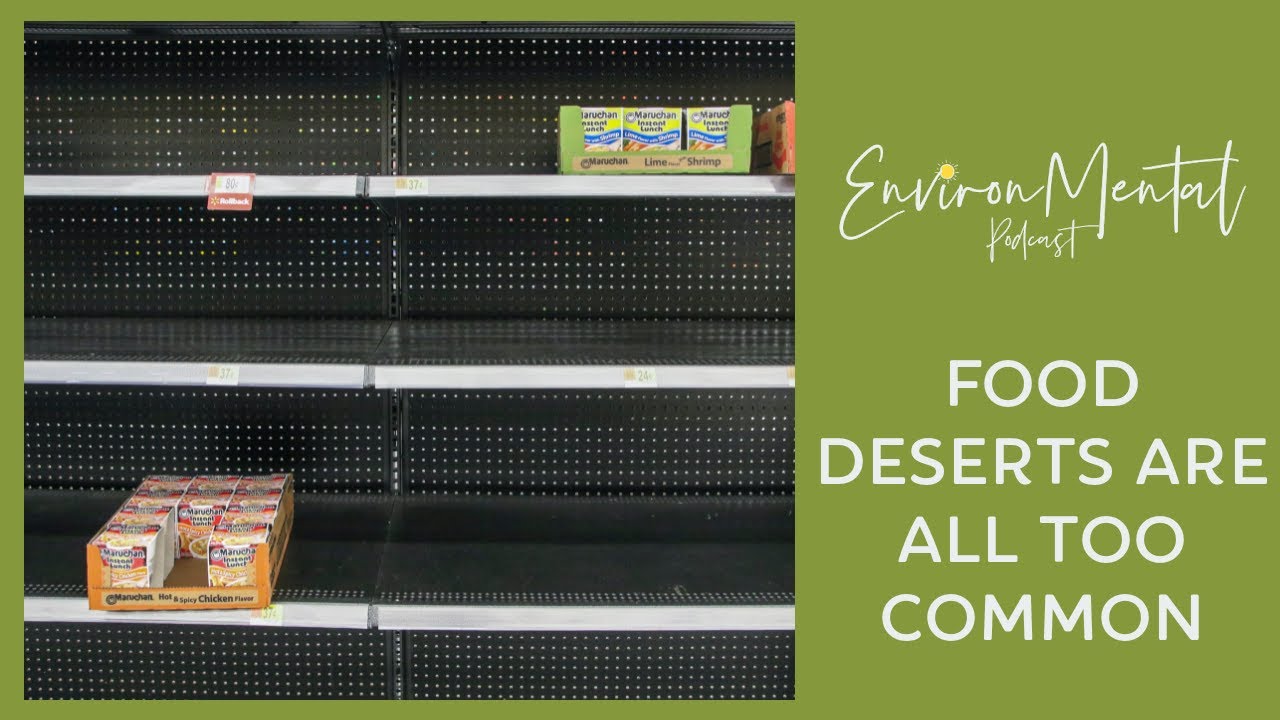























Food deserts—areas lacking access to healthy, affordable food—are a significant racial and health equity issue in America, affecting approximately 19 million people, with disproportionate impact on Black communities; these disparities stem from historical discriminatory housing policies dating back to the 1930s that created segregated neighborhoods, combined with economic factors that make grocery store investment unprofitable in low-income areas, despite the existence of major retail chains like Walmart and Kroger that have made limited commitments to address this problem.
Why Food Deserts Persist: The Racial and Economic Divide in US Grocery Access
Added:Understanding the concept of 'Food Deserts' and 'Food Insecurity', specifically how the USDA defines access to healthy, affordable food in urban versus rural areas.
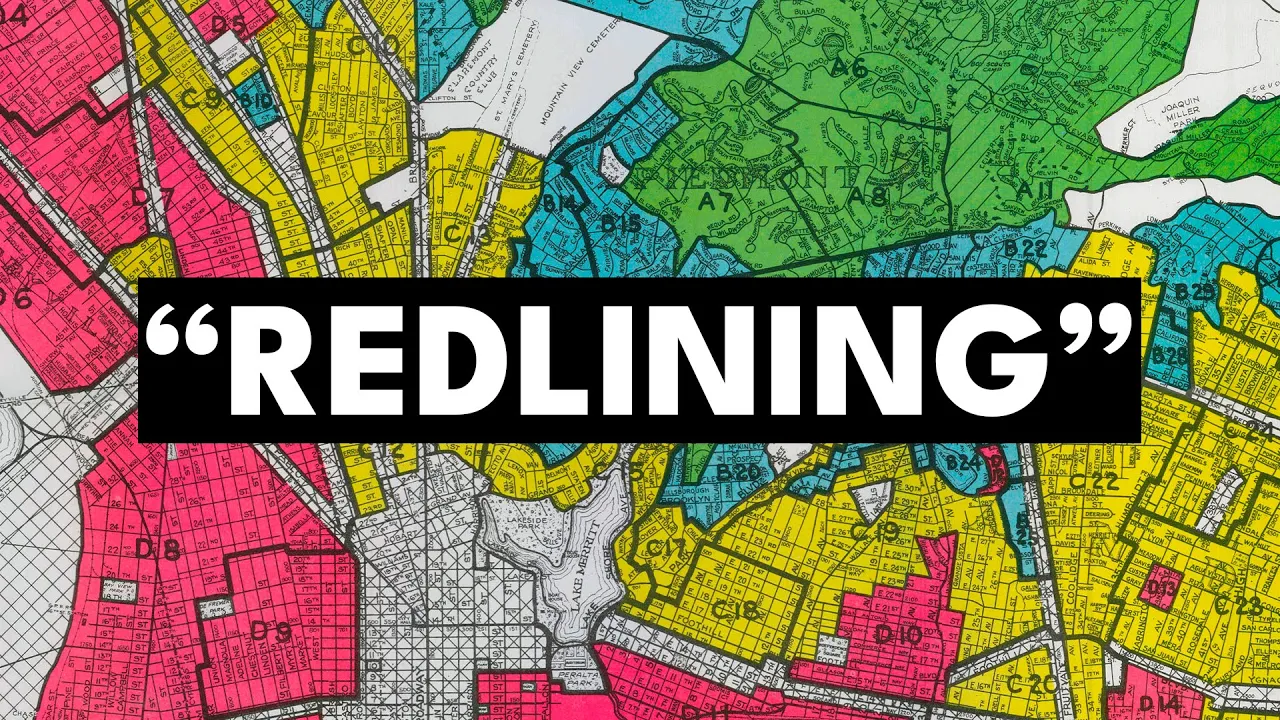
The history of Redlining and systemic housing discrimination in the United States, which established the racial and economic segregation of modern American cities.
The framework of 'Social Determinants of Health' (SDOH), which explains how non-medical factors like neighborhood environments influence individual health outcomes.
Basic retail economics, including how profit margins, corporate risk assessments, and demographic data drive supermarket site selection and investment decisions.
Exploring 'Food Sovereignty' and 'Food Justice' movements, looking at how marginalized communities are reclaiming control over their food systems rather than relying on external corporate grocery chains.
Analyzing municipal policy interventions and urban planning strategies, such as zoning incentives, tax breaks, and the Healthy Food Financing Initiative (HFFI) designed to attract fresh food retailers.
Investigating the phenomenon of 'Green Gentrification', where the introduction of premium grocery stores can inadvertently raise property values and displace the very residents they were meant to serve.
Studying epidemiologic research methods that measure the long-term impact of community-level dietary interventions on chronic illnesses like type 2 diabetes and hypertension.
3.2M views41.5Klikes25:12Original Release: 2020-08-22
in the midst of a worldwide pandemic and raging protests against police brutality there's another silent crisis wreaking havoc on america's most vulnerable communities food deserts i think it's top detriment like the food deserts are killing us if you go to the white people neighborhood they got markets here market access to healthy food is a racial and health equity issue the usda defines the food desert as an area where at least a third of the population lives greater than one mile away from a supermarket for urban areas or greater than 10 miles for rural areas it is typically located in an area with higher levels of poverty where residents have limited access to healthy and affordable food and many of these families also do not own a vehicle so getting to a well-stocked full-service grocery store on a regular basis can be very difficult by these metrics about 19 million people in america live in a food desert and johns hopkins research shows that food deserts disproportionately affect people of color food deserts can be detrimental to its residents health i grew up living in a food desert myself in baltimore there were absolutely no grocery stores pharmacies or retail stores within miles of the area i lived in we either ate processed food or we bought junk food at the nearest corner store and well with the combination of poor diet and other factors the people in my household had chronic illnesses and one even passed away prematurely because of it the term food deserts became popularized in public policy around 2010 when michelle obama introduced the let's move campaign with the goal of eliminating food deserts within seven years so why are some of the biggest names in america's grocery store business refusing to set up shop in communities where there's not only a dire need but a huge consumer base [Music] it's hard to pinpoint exactly when and how food deserts developed but most scholars agree that its origins can be traced back to the 1960s post-world war ii an increase in car production along with a housing shortage led to new developments in the suburbs in 1956 congress passed the national interstate and defense highway act and the interstate system was expanded by 41 000 miles across the nation during that time the number of supermarkets more than doubled from 14 000 in 1950 to 33 000 in 1960.
in his book the color of law author richard rothstein explains how discriminatory housing practices dating back to the 1930s paved the way for a phenomenon called white flight where middle class white families moved to suburban areas many businesses including grocery stores followed suit while african americans and other people of color were often left behind in underserved communities there's an increase in poverty in urban areas in the 1980s with many industrial jobs leaving urban areas for rural areas and also for overseas so these demographic shifts led urban areas with extreme uh geographically concentrated social disadvantage and in those areas of extreme geographically concentrated social disadvantage investments are very sparse for you know both both the public sector and the private sector according to the united states department of agriculture there were more than 6 500 food deserts in the u.s between 2000 and 2006 and more than 60 of those were located in urban areas despite decades of awareness of the disparity in americans access to food the problem still persists today fomented by economic and residential segregation so why have grocery stores big and small remained so resistant to invest in these underserved communities there's increased costs for opening up a business in areas with without a lot of existing investments in those communities it's harder to secure loans and there's higher insurance rates and moreover even if you account for average income of a neighborhood it's harder to secure loans for businesses opening up in predominantly african-american neighborhoods and then trying to get big commercial developers to invest in underserved communities that's that's even harder the barrier to entry for small businesses in predominantly black neighborhoods is not always an easy fix experts tell cnbc that economic development policies tend to not focus on areas with the highest need but rather areas with the highest potential for growth the american grocery industry is a roughly 700 billion dollar business with more than 41 000 supermarkets and grocery stores in the us as of 2020 walmart is a food retail juggernaut the company has more than 4 500 stores in the us and more than half of its sales come from groceries 190 billion dollars in 2019 alone first lady michelle obama is helping millions of americans lead healthier lives and walmart is proud to partner with her in this effort in 2011 the company announced it would open between 275 and 300 new stores in urban and rural food deserts serving 800 000 people by the end of 2016. walmart actually exceeded that quota opening a total of 442 stores in a five-year time period however during that same time frame walmart also closed some of its u.s locations in low-income neighborhoods in 2016 walmart announced its plan to close 154 u.s locations and according to a report from the washington post these closures disproportionately affected lower income areas out of the 150 foreclosures 121 of the stores were in neighborhoods where the median household income fell below the national average of 54 000 walmart declined to comment on the article they took away walmart and there was no warning or option you know like if you're going to take away something why not replace with something else like if the city knew that they were going to take away walmart why not bring a farmers market to the neighborhood and have the farmer's market there you know every day of the summer for two hours or be more consistent with options that are here something could have been done on the part of the city as well as on the part of the big corporations that are coming in and taking away our food options kroger america's largest supermarket chain has also drawn the ire of some customers in 2019 the company had sales of 122 billion dollars but critics allege those profits have come at the expense of servicing communities in need one flashpoint came in 2017 when kroger decided to close 41 of its 2800 stores the reverend jesse jackson called for a national boycott of kroger locations claiming that these shutdowns targeted minority neighborhoods in a statement given to usa today at the time kroger said quote because we operate a penny profit business we must sometimes make tough decisions in order to keep our prices low for all customers in one of its cincinnati locations for example the company claimed that out of the store's 34 years of operation more than 20 of those were unprofitable it added that the stores were projected to lose another 900 000 if it stayed open that year building grocery stores in low-income neighborhoods come with other complications too one of the challenges as public policy changes on both sides of the aisles like conservatives want to cut back on snap it's a killer to food desert supermarkets on the other hand you see some more liberal um cities doing things like beverage taxes or other use taxes which really are attacks on the poor now as far as opportunity there could could be as many as a thousand supermarkets the country could accommodate and that could be a multi-billion dollar business um to open those supermarkets but honestly if you look at the history of it as public policy ignores this problem it damages this effort on both sides of the aisle and even in the best conditions grocery stores are generally considered to be cash and debt intensive and only marginally profitable by about one to two percent on average what we discovered if a supermarket normally makes one percent of sales as a bottom line profit we're finding that the food desert stores lose four percent and so there's a five percent gap and that's the challenge and we use public private financing to mitigate about half that gap while grocery stores largely remain elusive in many of america's food deserts dollar stores have proliferated dollar stores tend to target underserved urban communities that lack full-service grocery stores and their footprint is on the rise in the u.s dollar tree and dollar general have expanded 50 since 2011 and the two chains have indicated that they have plans for an additional 20 000 outlets but the problem with dollar stores is that they rarely ever offer fresh produce instead think processed goods that have long shelf life like cookies and canned meats there are really no viable food options and it's crazy to me because people that live literally three to five miles away have two grocery stores and that just so happens to be in a white neighborhood why is it that they have options and i don't and just because i don't have the money that they have doesn't mean that i shouldn't have the access to food that they have so this is a convenience store that is pretty close to my mom's house and it's one of the only options that we have for food and groceries um they don't have any fresh food they have a lot of canned and processed stuff it's not the best but it's kind of like all we have in this community when it comes to having healthy food options low-income communities of color have suffered for decades as fresh and affordable food options fled their neighborhoods in areas where grocery stores are scarce fast food carryout and corner stores may be the only food access option like the dollar store corner stores typically stock highly processed foods and rarely ever offer fresh produce research has linked a poor diet to a range of health issues like high blood pressure heart disease diabetes and cancer an analysis from the center for disease control and prevention indicate that these conditions disproportionately affect african americans so we care about food insecurity from a public health perspective for a lot of different reasons one is that as we've talked about it's very common so right now it's affecting about a quarter of of all americans with higher rates among black hispanic and low-income populations and it's expensive so we're spending about 78 billion dollars um to address food insecurity through annual health care costs and it's also the case that if you're food insecure then you often forgo basic needs because you want to purchase food so people forego things like medications or medical visits which are obviously very important to health communities that have poor access to food also tend to suffer from higher mortality rates one study of chicago neighborhoods for example found that the death rate from diabetes was twice as high for people who lived in food deserts than those who had adequate access to grocery stores covet 19 has exacerbated these health disparities conditions like heart disease diabetes and hypertension are among the leading underlying health risk that can turn covet 19 into a death sentence [Music] food deserts became a hot topic in american public policy in 2010 when first lady michelle obama launched the let's move campaign in order to tackle childhood obesity by providing healthier food in schools ensuring families have access to nutritious affordable food and by helping children become more physically active that same year the obama administration unveiled a new part of let's move the healthy food financing initiative a multi-million dollar public and private investment designed to eliminate food deserts in america within seven years with a modest initial investment of about 400 million dollars a year we're going to use that money to leverage hundreds of millions of more from private and non-profit sectors to bring grocery stores and other healthy food retailers to underserved communities all across this country if you can do it here we can do it around the country as part of that campaign michelle obama announced nationwide commitments from major food retailers like walmart walgreens and super value to either open or expand 1500 stores nationwide to help provide healthy affordable food to millions of people in underserved areas but in practice critics say the program fell short a report from the associated press in 2015 showed that even by their own count the participating grocers had fallen far short of the goal to open or expand 1500 stores and food deserts the partnership for a healthier america is a non-profit that was created in tandem with the let's move campaign to help broker commitments from partner institutions according to its 2019 progress report 848 stores were built or renovated in food deserts by 2016 which was roughly half of that goal to open or expand 1500 new locations we reached out to walmart walgreens kroger and super value walmart declined to participate and kroger hasn't gotten back to us unfi which acquired super value in 2018 did not respond to requests for an interview walgreens committed to convert 1000 stores into food oasis stores we reached out to the company to ask how many they had converted and they weren't able to confirm the number of stores they did say we expanded our offering of fresh foods including fruits and vegetables at hundreds of walgreens stores located in and around food deserts the obama administration also faced scrutiny in 2014 for slashing funding from the snap program commonly known as food stamps in 2019 the trump administration also proposed cuts to food stamps but after heavy criticism and a legal challenge the white house decided to pump the brakes on this effort ironically decades of research has shown that the snap program is one of the most effective tools the government has against food insecurity a recent analysis from yale suggests that allowing more snap recipients to turn to online grocery delivery could mean healthier options for households and food deserts nevertheless the let's move campaign was a jumping point for the food access debate in america and since then policies have been enacted at the federal state and local level to improve poor food environments many states have made strides in improving food access in their own communities for example the pennsylvania fresh food initiative has provided 147 million in public funds and private investment to combat limited store access in underserved urban and rural communities across the state the initiative created over 88 supermarkets and other fresh food retail across pennsylvania other states have launched financing initiatives with the help of federal funding including new york maryland california and michigan to name a few between 2011 and 2015 the healthy food financing initiative leveraged over 1 billion dollars in grants loans federal tax incentives and investments from financial health care and philanthropic institutions to finance more than 200 fresh food projects although federally funded initiatives have shown some progress over the years some individuals are taking matters into their own hands after experiencing food insecurity herself mary blackford decided to build a food hall aimed at tackling food deserts in dc's most underserved communities at in ward 7 there is not a lot of places to get the total foods that i need to nourish myself so i found myself going across the city or into 8th street corridor to get these groceries but that was costing me eight to ten dollars a lift ride or uber ride one way and i said hey is everybody dealing with this same issue and i found that they were and so i wanted to advocate more and more for how can we get another grocery store some small market or something but even with the rise of home-grown efforts such as this non-profit organizations say they still need more resources charity and food banks have a role but we are facing a problem of tremendous scale and the federal food programs are the uh are the tool that we have to address this program at scale some experts say that even if you open a grocery store in the community that technically qualifies as a food desert the eating habits of its residents will not necessarily change if you go back over the last decade or two it's often presumed that food deserts exist because of i'm an economist what i'm so i'm going to use economics to frame how i think about it they usually think that it's a supply side issue where's the grocery store why isn't a grocery store locating in this particular neighborhood but that presumes the answer there could also be demand side factors factors on the individual level in 2016 the usda published a report suggesting that residents who live in food deserts still choose to eat unhealthy foods even when given the opportunity to shop at a full-service grocery store because of a variety of factors including household and neighborhood resources education and taste preferences research out of stanford university estimated that only about 10 of the nutritional gap between the rich and the poor is due to an adequate supply of healthy food and that 90 actually has to do with customer demand but advocates fighting food insecurity in the u.s say that equitable access to healthy food options is non-negotiable to think for half a second that people are willfully deciding not to eat or not to eat healthy is crazy i think people think just because there's a mcdonald's or popeyes in those places trust me i love some popeyes every now and then but i have a choice that fast food or fast delis are appropriate just makes me insane because it is just incredibly insensitive come and look i have had grocery stores i've gone into grocery stores in poor neighborhoods when the fruits and vegetables are brown like me i absolutely believe we still deserve a choice another concern regarding demand some residents are actually against the introduction of supermarkets like trader joe's and whole foods in their neighborhoods because they tend to lead to the gentrification of that area a phenomenon where low-income residents are displaced when the monetary value of the community rises and residents can no longer afford to own or rent property in 2014 trader joes decided to pull out of development plans in a majority black neighborhood in northeast portland after residents vehemently protested its opening the portland african-american leadership forum wrote a letter arguing that a trader joe's would attract a non-oppressed population and further displace low-income and black residents the median income of households and counties with the trader joe's is about 63 000 and 62 thousand dollars for counties with the whole foods a 2016 study by real estate site zillow found a strong correlation between a housing market and its local grocery store homes grow more rapidly in value when they are in close proximity to a trader joe's or whole foods the study found that after trader joe's opens in a neighborhood homes within a mile of the store had appreciated 10 percentage points more than the average rate and homes within a mile of either store were also worth twice as much as the median home value in the rest of the us trader joe's and whole foods declined requests to comment on this video food insecurity remains a big topic in public policy and is still an issue in many underserved areas of the country as demonstrations persist across the u.s to protest police brutality some grocers and inner cities have shut their doors to prevent stores from being looted or vandalized the simultaneous coronavirus pandemic has only compounded the problem of food insecurity leaving food deserts even more depleted covet 19 has made the issue of food deserts much worse so it's done that in part because of social distancing requirements which can make access to transportation hards but certainly in the first few months of the pandemic people were going into stores and having trouble purchasing items because the stores were simply sold out and that's just due to supply chain issues and trying to meet the growing demand of people trying to buy things in supermarkets some activists are pushing to change the rhetoric they're turning away from the term food deserts because it oversimplifies a complex system of racial and economic inequality systemic oppression can play a part in shaping behavior in many cases it's possible some racially ethnic people have developed certain taste preferences simply because they're used to eating in poor food environments education plays a role as well the national bureau of economic research found a strong correlation between a family's education level and food choices the jury is still out just because a lot of the studies just are too myopic in terms of do this you know leave the food desert and then immediately you're not healthy then there's no effect that's that's not how um how perceptions and behaviors work it's not a just simple get out of there then everything's okay type of type of occurrence advocates and experts alike say that healthy food is a racial and health equity issue and simply placing grocery stores in these communities alone won't solve the country's food problems
Up Next

17:52
Food as Radical Empathy: Understanding Food Systems and Social Justice
@TEDx
20.4K views•2018-05-30

12:54
Triumph of Orthodoxy Icon: Byzantine Art & History Explained
@BenCallan
2.1K views•2024-08-06

6:20
Elon Musk Brand Crisis: Tesla's Market Risks | Wedbush Ives
@CNBCtelevision
197.7K views•2025-03-20

1:42
Game of Thrones Opening Credits: A Cinematic Analysis
@gameofthrones
46.3M views•2011-04-18
Related Study Plans & Knowledge Roadmaps
Structured learning paths in General & Interdisciplinary Studies
general-studies
Elevator Engineering: History, Physics & Cities
01From Hoists to Safety Brakes: The Dawn of Vertical Lift
02Hydraulic vs. Traction: The Engineering Physics of Elevators
03Modern Speed, Safety, and Algorithms
+ 2 more learning modules
12h5 modules
Explore Roadmap
general-studies
Rubber: Material Science, History & Geopolitics
01Origins of Natural Rubber & Mesoamerican History
02The Chemistry of Natural Rubber & Vulcanization
03The Geopolitics of the Rubber Boom & Colonization
+ 2 more learning modules
12h5 modules
Explore Roadmap
general-studies
Containerization: Evolution, Logistics & Trade
01Ancient Trade & Bulk Cargo: Amphorae to Barrels
02The Industrial Revolution & Cardboard Packaging
03The Containerization Revolution: Malcom McLean
+ 2 more learning modules
12h5 modules
Explore Roadmap
general-studies
Textile Tech: Evolution, Labor & Global Impact
01Pre-Industrial Textiles: Handloom & Cottage Industry
02Mechanization: The Spinning Jenny to the Power Loom
03The Factory System & Global Labor Transformation
+ 2 more learning modules
10h5 modules
Explore Roadmap