








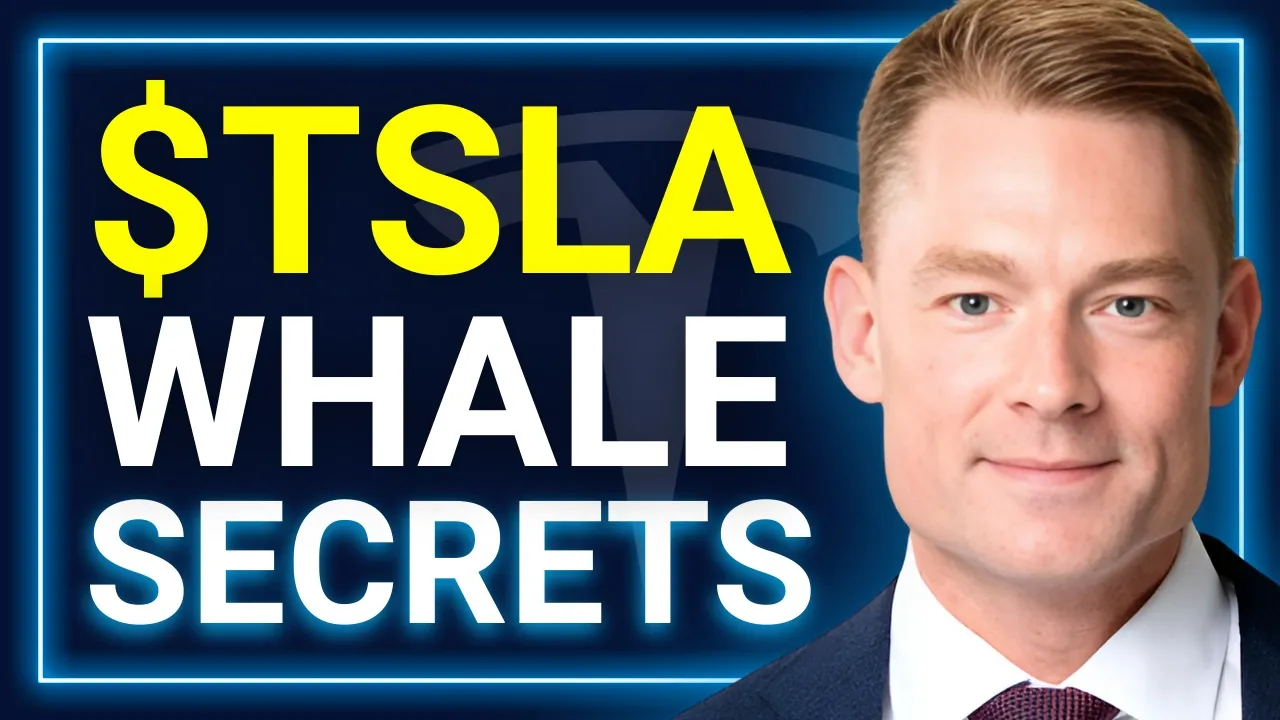
















When a technology company's CEO becomes overly involved in political activities, it can create a brand crisis that threatens the company's market position and shareholder value, even if the company possesses superior technology. Effective brand management requires leaders to balance their political engagement with focused attention on core business operations and customer relationships to prevent permanent brand damage.
Elon Musk Brand Crisis: Tesla's Market Risks | Wedbush Ives
Added:The concept of 'Key Man Risk' and how a high-profile founder's personal brand and external behavior directly impact a corporation's stock valuation.
Fundamentals of Brand Equity and Brand Dilution, specifically how corporate reputation influences consumer purchasing decisions in the automotive sector.
The role of sell-side equity research analysts (like Dan Ives of Wedbush Securities) in translating corporate events into stock ratings and price targets.
Basic corporate governance principles, particularly the fiduciary duties of a CEO to their shareholders when balancing multiple ventures.
Corporate crisis management strategies used by major brands to decouple corporate identity from controversial leadership figures.
The study of Behavioral Finance to analyze how executive political alignment and public discourse affect consumer sentiment and shareholder base demographics.
Quantitative methodologies for measuring brand damage, such as tracking Net Promoter Scores (NPS), customer attrition rates, and discount-to-earnings ratios.
Comparative analysis of historical case studies where visionary founders faced investor backlash due to external distractions (e.g., Steve Jobs at NeXT/Pixar, or Jack Dorsey at Twitter/Square).
197.7K views1.8Klikes6:20Original Release: 2025-03-20
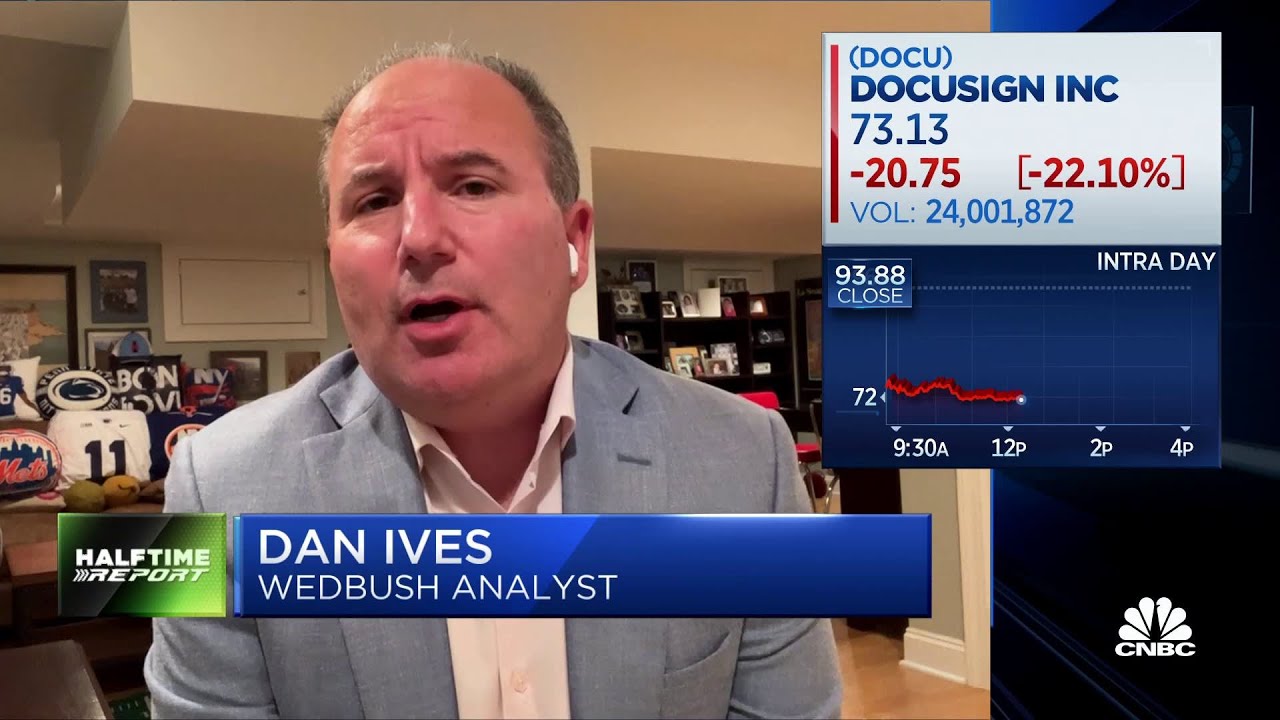
While Tesla owners say an online map decorated with an image of a Molotov cocktail, includes personal information about them, such as residential addresses, raising fears that activists opposed to Elon Musk could target them for vandalism. Musk condemning the website in a post on X, saying, quote, "Encouraging destruction of the Teslas throughout the country is extreme domestic terrorism." Our next guest out with a new note outlining the two things he says Mus needs to do to change the narrative. Wed Bush's Dan Ives here at Post 9 to discuss. He's got a buy rating on Tesla, $550 price target. Is one of them leave the Department of Government efficiency to come back and focus on Tesla? I mean, look, I believe, you know, a few weeks ago it felt contained from all of our survey work and we talked about in the show. I think it's turned into what I'll call a brand crisis and really a brand crisis tornado. And I think for Musk, he needs to balance this in terms of being Tesla CEO and Doge. And I believe taking a step back from Doge is is crucial to the name. And you know, some will argue we've been through it before and I've been there from the beginning. I do believe this the future of Tesla is will really be determined how Musk handles the coming months and I think that's why it's that much of a white knuckle moment. The longer term is continues to be a golden sort of strategy near-term issue. So is the concern for you that the longer he remains at Doge, the more controversial Tesla as a brand is going to be or is it a focus thing? I think Tesla's become a political symbol and that's a bad thing for any brand and you know more and more as you see whether it's on the White House lawn or you know as we see more and more from DC that that's a bad thing for Tesla because it comes down to Tesla shareholders they own Tesla and it's the reason we're bullish because of autonomous disruptive tech what I believe is along with Nvidia one of the best disruptive technology companies over the next decade but this it's a crisis moment and I think you know and when we wrote the note is really urging Musk, urging the board not going to listen to you. Look, it's I mean I I sat across from him now. It's a long time ago. It was you could argue a different Musk back in 2023, but he said then and I would assume he'd say the same thing to you now. I don't care, Dan. I'm going to say what I want to say and do what I want to do. Yeah.
And and and David, I think he could do what he wants to do. I think the issue now is it's not necessarily the stock or the money because someone be Mus doesn't care about that but Mus does care about Tesla customers in terms of the brand and I think when you look if there wasn't such a bright future then now wouldn't even mean anything but but the irony is it's probably the best technology innovation ahead when it comes to FSD autonomous and everything but if it is then shouldn't that stand on its own and that was what the stock was all about anyway it was never really about fundamentally selling cars cars, right? It was never valued that way. So, if they're going to have the best technology and be leaps ahead, why does the brand perception matter? Yeah, it's a great I think brand perception matters because ultimately it's about more and more you need how many going to do cyber cabs? What's FSD penetration going to look like? Do current customers continue to own more Teslas? And I believe like if he takes a step back here and starts to balance that, you haven't seen a picture of Musk in front of any Tesla sort of manufacturing and factory since Trump took office. So I I just believe it is important to balance because Tesla investors need to know that Musk is running this company and that's why right now it's really a crisis moment.
But I feel like Dan, he could, you know, you're saying though it's more the polit politicization of it. I mean he, you know, he he could step back from Doge but spend all his time on XAI or SpaceX or Neurolink um and still ignore Tesla. But to that point, I think the political symbol is the issue because to to some extent when you look at the frustration that you're hearing from Tesla shareholders, they own the stock not to get into this political sort of crossfire lightning rod. And I think what started to happen is is that if he takes a step back over the next four to six weeks, still stays in Doge, but just starts to balance this better, give a road map in terms of Tesla. He just has, you're saying he has to do the hype job he's always done, right? The stock is basically where it was the last day of 2020. Earnings estimates have been cut in half for this year and next year over the last couple of years. I mean, therefore, he needs to get in there and what? Start to just cheerlead. Well, he needs to lead this company because I think to some extent it's like what's Jensen doing every day?
What's what's Cook doing? What's Nadella doing every day? And look, he's always had the balance and that's the nature of Musk, but I believe the clock struck midnight for Musk to continue to go down this path. Now, he could continue to go down the path, but from a Tesla shareholder perspective, I do believe this thing has gone into more of a crisis mode relative to brand and relative to the future. And that's why I think longer term it's the best disruptive technology out there along with Nvidia. But this is it's a moment of truth for Musk. Who's running the Tesla right now? Then it's a good question. I think you know if you look I do believe like the innovation that's happening underneath Musk continues to accelerate. But in terms of Elon in terms of you know daytoday I think that's been that's in part of the frustration for investors. But that I mean that was the case when he bought X and he was spending all the time on X. I even forgot to mention X. Yeah, of course people were worried about the distraction and then Tesla shares ran up. But at that moment Musk did take a step in terms of selling stock. He understood he started to get more dialed in in terms on the investor side. And I think the difference between when it came to that Twitter X versus this is the political conception of it because that continues to be the brand issue.
And my whole point is you take a step back here, balance, hear what investors are saying. I understand everything Mike's saying as well. Then at least I think you have a scar. But if you continue down this path, that's where you have permanent brand damage. That's the fear. And that's, you know, looking we we kind of, you know, the thousands of people that we hear from to kind of put it out there. I think it's worse for brand Democrat people lighting Tesla dealerships on fire maybe than Tesla.
But Dan, thank you. No, thank you. Thank you, Dan Ives for Mudbush.
Up Next

70:42
Root-Cause Analysis Tools and Their Applications in Manufacturing
@KepnerTregoe
84.9K views•2017-11-01

26:22
Walking in the City: Urban Rituals and the Flâneur in Contemporary India
@PSBTIndia
1.9K views•2016-08-02

7:32
BlackRock-Coinbase Crypto Trading Partnership Explained
@CNBCtelevision
89.4K views•2022-08-04

1:42
Game of Thrones Opening Credits: A Cinematic Analysis
@gameofthrones
46.3M views•2011-04-18
Related Study Plans & Knowledge Roadmaps
Structured learning paths in General & Interdisciplinary Studies
general-studies
Artificial Light: History, Tech & Human Impact
01The Pre-Electric Era: Fire, Oil, and Gas Lighting
02The Incandescent Revolution and Grid Electrification
03Gas Discharge and Fluorescent Illumination
+ 3 more learning modules
14h6 modules
Explore Roadmap
general-studies
Elevator Engineering: History, Physics & Cities
01From Hoists to Safety Brakes: The Dawn of Vertical Lift
02Hydraulic vs. Traction: The Engineering Physics of Elevators
03Modern Speed, Safety, and Algorithms
+ 2 more learning modules
12h5 modules
Explore Roadmap
general-studies
Rubber: Material Science, History & Geopolitics
01Origins of Natural Rubber & Mesoamerican History
02The Chemistry of Natural Rubber & Vulcanization
03The Geopolitics of the Rubber Boom & Colonization
+ 2 more learning modules
12h5 modules
Explore Roadmap
general-studies
Containerization: Evolution, Logistics & Trade
01Ancient Trade & Bulk Cargo: Amphorae to Barrels
02The Industrial Revolution & Cardboard Packaging
03The Containerization Revolution: Malcom McLean
+ 2 more learning modules
12h5 modules
Explore Roadmap