





















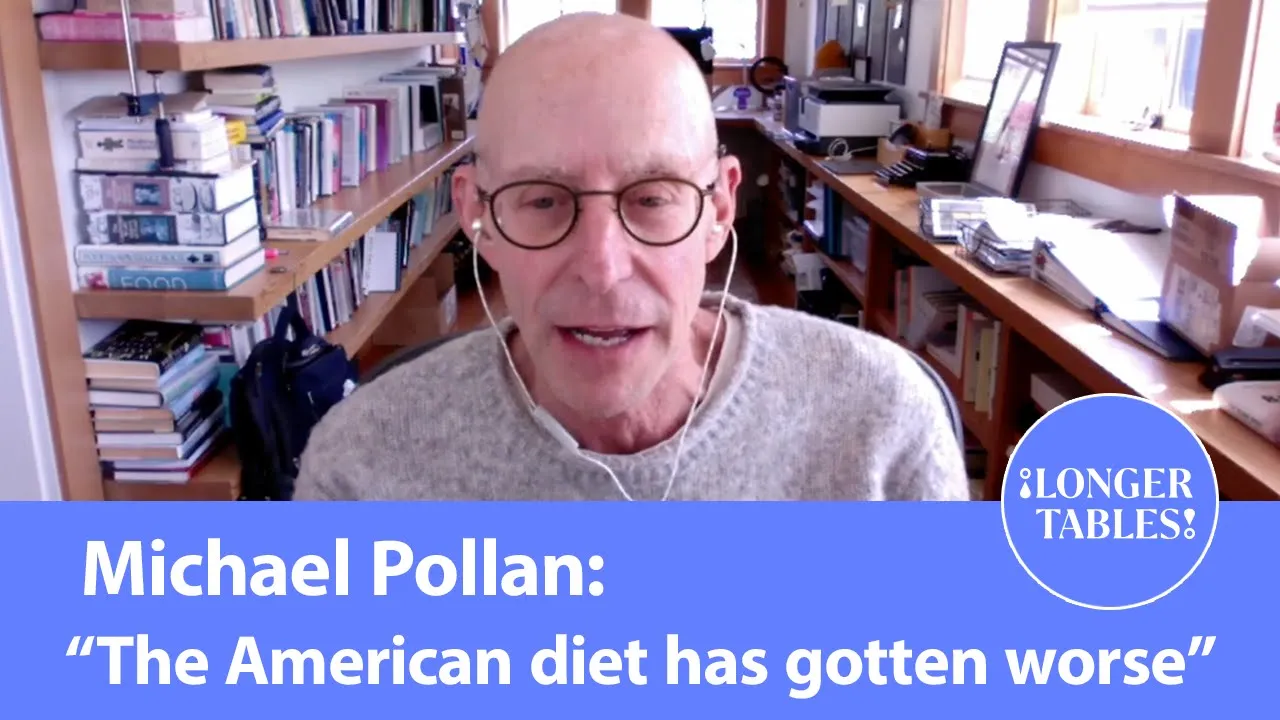


Food serves as a powerful vehicle for building radical empathy—the practice of genuinely understanding others' realities by examining their circumstances rather than judging from one's own position—because it connects us universally while simultaneously revealing deep social inequalities embedded in the food system, from historical exclusion of marginalized groups from farming to contemporary issues of food access, labor exploitation, and economic disparity; to harness food's potential for fostering connection and understanding, we must engage with diverse food stories, learn the historical context of food inequities, and take action to address systemic barriers that prevent equitable food access for all communities.
Food as Radical Empathy: Understanding Food Systems and Social Justice
Added:Basic understanding of food systems, including the global and local pathways of agricultural production, distribution, and consumption.
Core concepts of social justice, systemic inequality, and how marginalized populations are disproportionately affected by structural barriers.
The concept of 'foodways'—the cultural, social, and economic practices relating to the production and consumption of food.
An introductory grasp of empathy in sociological terms, specifically how shared experiences can bridge cultural and social divides.
Advanced study of food sovereignty versus food security, exploring political and grassroots movements advocating for community-controlled food systems.
Analysis of localized food injustices, such as 'food deserts' or 'food apartheid' in urban and rural environments, and their systemic public health impacts.
Engagement with food policy, agricultural labor rights, and legislative advocacy to reform food distribution and safety nets.
Investigation into the intersection of environmental justice and food systems, focusing on sustainable agriculture and the impact of climate change on food security.
20.4K views369likes17:52Original Release: 2018-05-30
[Applause] in a recent interview the Pulitzer prize-winning journalist and author Isabel Wilkerson said we need what she calls radical empathy empathy isn't pity it's not looking down on someone and feeling sorry for them it's getting inside one another and learning to understand their reality and in order to do that she says we need to understand one another circumstances radical empathy is looking at their situation and saying not what would I do if I were in their position but what are they doing why are they doing what they're doing from the perspective of what they've endured I'm a sociologist who writes and teaches about the ways that we feed ourselves and about how food can have such a deeply meaningful impact on all of our lives and what I'd like to talk to you about today is how food can be a way to build that radical empathy so why food well food is one thing we all have in common like air and water we all need food to survive but unlike air and water humans are active in the process of food provisioning we decide which species to cultivate which animals to raise and kill how to prepare various ingredients and when and with whom we take them into our bodies but food is more than sustenance it's also deeply a part of who we are food is a part of many of our religious traditions like the Christian communion wafer or Buddhist food offerings or matzo ball soup on Jewish holidays food is tied to many of our secular traditions as well think for example of eating cake on birthdays or turkey on Thanksgiving food can play a symbolic role in many of our most important social movements both the Boston Tea Party and the Arab Spring were incited by conflicts over food a less well-known example is that of Georgia Gilmore a civil rights activist who organized black women in Alabama to cook and sell food and use the proceeds to fund the alternative transportation system that made the Montgomery bus boycott possible later she was fired for her activism and she opened an underground restaurant in her house and dr. Martin Luther King jr. and many of the other movement leaders were able to gather and relax and plan strategy over her delicious meals food can bring us together across the country we're seeing the rise in migrant supper clubs in which immigrants and refugees are able to earn money and build community through sharing cultural foods and I'll never forget hearing food justice activist Anna Marie Carter who plants gardens all over her South Central Los Angeles neighborhood talk about inviting rival gang members to come together over a cup of tea brewed with herbs that she grew so food has this tremendous potential to bring us together to allow us to get inside one another's realities and create radical empathy but this is not always the case food can also break us apart Hasan Minhaj talks about this dynamic in his recent stand-up special he was a comedian and a correspondent on The Daily Show and their office was down the block from Fox News and he talks about occasionally seeing Fox News superstars like Sean Hannity or Ann Coulter take a break from whipping up anti-muslim propaganda to go out for halal chicken and rice from the food cart so common to lower Manhattan he said it's like your brain can be racist but your body will just betray you but of course no meal no matter how delicious has yet managed to change that networks politics food can be a source of social exclusion children of immigrants often tell stories of bringing unfamiliar foods to school lunch and being teased mercilessly by their native-born peers foods can often serve as an insult through which we demean various communities think for example of calling Germans Krauts were Mexicans or the recent assertion that if we don't address immigration we'll have a taco truck on every corner the food industry is often rife with violence there have been allegations of sexual harassment and assault made against many chefs including some of our most beloved celebrity chefs a less well-known example is a recent study by Human Rights Watch that found that over 80% of women farmworkers experience sexual harassment or assault on the job when it comes to consumption were often too judgmental about what in what one another eat those who eat healthy food are often presumed to be more moral or more self discipline than those who do not even as our definitions of which foods are healthy change over time this isn't new food historians have long chronicled the ways that middle-class food reformers have sought to change the eating habits of working-class communities and new immigrant groups rather than working to improve their circumstances and the insults we hear a levy that people of larger body sizes are often among the cruelest and most vicious ones we can imagine this is neither radical nor empathetic even when it's Finley disguised as concern for an individual's health and well-being and it creates growing rates of anxiety in people of many body sizes so food has this tremendous potential to let us learn one in other stories get inside one another's realities and create radical empathy but in order to do that we need to understand one another circumstances and that means engaging with the totality of food system a system so complex it encompasses everything from the smallest microorganism burrowing beneath the soil to our own bodies and ways of thinking about them to the largest industry in the largest economy in the world the stories of what people eat how we obtain our food and what it means to us our stories of politics and economies and Ecology's of culture and agriculture of soul and soil in the past century we've moved from a nation of food producers to a nation of food processors and processed foods over three-quarters of a million farms have gone under since the 1980s alone leaving widespread rural poverty in their wake in their place we've seen the rise of agribusiness a technology and market oriented industry comprised of creators of pesticides fertilizers and food additives makers of machinery designers of the millions of colors of brightly colored boxes that line our grocery store shelves and of marketers who convinced us to take them into our bodies in response an array of citizen consumers have decided that their form of radical empathy means meeting and getting to know and celebrating the family farmers who continue to grow our food on a small scale and without toxic pesticides this movement is in part responsible for the growing numbers of farmers markets urban farms community gardens and farm-to-table restaurants but as Chimamanda Ngozi Adichie told us in her spectacular 2009 TED talk there's danger in telling a single story and the food movements relationship to radical empathy is more complicated than it may appear because while the food movement has told us many things about the ills associated with the industrial food system too often it has to talk about racism and yet racism is integral to every aspect of the food system from who can be a farmer to who has access to the kinds of food they prefer to who's likely to be found doing what kinds of jobs within the food industry for example the food movement often trades on a kind of nostalgia for the family farm that too often fails to recognize that historically in this country while white people who cultivated the land were called farmers african-americans were farming to first as enslaved people and later as sharecroppers and food historians like Michael Twitty have told us that without the immense agricultural knowledge of enslaved people many if not all of the early American colonists would have starved Asian immigrants have been legally prohibited from owning land and in California's Central Valley white farmers were among the staunchest proponents of Japanese internment because they wanted to expel their new neighbors who had only just managed to gain a foothold in the region Latino immigrants have been welcomed into this country during periods of labor shortages and then deported and expelled when those labor shortages are over we see a similar dynamic happening today with the rise in fierce anti-immigrant rhetoric and rising levels of deportations alongside calls to increase the h-2a visa program in which workers are allowed in temporarily but without the right to organize or quit an abusive job and without any path to citizenship we tend to think of family farmers as plucky and independent as rugged individuals but this narrative ignores the fact that those farms who manage to maintain their farm ownership during the industrialization of Agriculture often did so with the help of loans and subsidies from the US Department of Agriculture this assistance was regularly denied two black farmers two Native American farmers two Latino farmers and two women farmers and all four of those groups are at various stages of suing the USDA for redress today there's a generation of young people who want to get involved in the sustainable food industry but those who are more privileged are more likely to be able to raise start-up funds to begin their food businesses either through friends and family their access to venture capitalists or if they need to buy land because they're more likely to be offered standard rate mortgages where people of color are often funneled into subprime loans or rent to own schemes and it's these young white farmers who have often become the face of the sustainable food movement for example a few years back New York Magazine did this really beautiful cover story called what an urban farmer looks like but despite the incredible diversity of gardeners in New York City six of the seven individuals they profiled were white we see similar dynamics playing out with regard to the role of race in terms of food consumption in the past few years it's become well-known that low-income communities and communities of color are often unlikely to have access to healthy food either through supermarkets or there alternatives like farmer's markets or health food stores some analysts even call this retail redlining harkening back to the history of racist lending processes that denied loans for mortgages to segregated african-american neighborhoods this isn't just an economic process middle-class communities of color who could well afford the groceries are often ignored by the grocery industry as well but of course economics are fundamentally important to our food system and it's the economics of our food system along with government subsidies that ensure that processed foods are often more expensive than their fresh food counterparts this is why for example a few ears of corn often cost more than corn chips or chicken nuggets are cheaper than chicken this leaves many families with a choice between having enough to eat and eating healthy food not much of a choice is it and it's for this reason that many food advocates say that in addition to creating alternatives to industrial agriculture and in addition to curbing agribusinesses worst and most egregious practices we also need to raise wages so that people can afford to have access to healthy food so food has this tremendous potential to help us tell our stories to understand who we are and to relate to one another building this radical empathy and in order to do that we need to understand one another circumstances by learning about the nature of the food system that surrounds us so once we've done that what do we do I believe we need to start by eating one another's cultural foods and in our attempts to expand and please our palates we need to learn to engage with the stories of all those people involved in their provisioning the chefs and cooks the server's the specialty grocers the farm workers and the farmers sometimes this can be done face-to-face if you're feeling a sense of connection and the mood is right but it can also be done through the explosive increase in food literature narrative cookbooks food journalism food blogs and it's up to all of us in the food world to ensure that diverse stories are being told and diverse individuals get to do the telling of them I also believe we need to learn to see one another's lived experiences in their social and historical context too often what seems to be the result of individual decision-making or individual abilities are often influenced by hundreds of years history and in order to better understand that history we need to learn new kinds of stories not just the simplified America first version that too often passes for high school textbooks but stories of enslavement and oppressions of privileges passed across generations and of social movements that have worked to make all of our lives better which brings me to the third thing I believe we need to do which is to get involved so many of the most pressing social issues of our time are in some way or another connected to food anyone who eats and who understands the vital role that immigrants play in our food system can stand with them as they struggle to be treated with dignity and respect anyone who eats and who knows that food workers are among the most lowly paid members of our society has a role to play in their campaigns for better wages increased working conditions freedom from sexual harassment and assault and access to paid sick leave anyone who eats and who knows that over 40 million people struggle with hunger in the United States alone not to mention the rest of the world should be outraged when our government threatens to cut even the meager food assistance they provide and anyone who eats and who understands that black communities are often completely lacking in access to healthy food can understand that this is just one of the myriad ways that people are told that their lives do not matter and can work with them as they struggle to reassert that they do the black feminist poet Audrey Lauren once said it's not our differences that divide us it's our inability to recognize accept and celebrate these differences through food we can create the kind of radical empathy that allows us to do just that and inspires us to work towards our collective liberation thank you [Applause] [Music] you
Up Next

81:28
The Druski Controversy and Financial Lessons: A Critical Analysis
@KevOnStageStudios
79.8K views•2022-04-20

12:54
Triumph of Orthodoxy Icon: Byzantine Art & History Explained
@BenCallan
2.1K views•2024-08-06

11:43
Indigenous Astronomy: Rethinking Space Ethics | Karlie Noon TEDx
@TEDx
15.1K views•2025-11-30

1:42
Game of Thrones Opening Credits: A Cinematic Analysis
@gameofthrones
46.3M views•2011-04-18
Related Study Plans & Knowledge Roadmaps
Structured learning paths in General & Interdisciplinary Studies
general-studies
Elevator Engineering: History, Physics & Cities
01From Hoists to Safety Brakes: The Dawn of Vertical Lift
02Hydraulic vs. Traction: The Engineering Physics of Elevators
03Modern Speed, Safety, and Algorithms
+ 2 more learning modules
12h5 modules
Explore Roadmap
general-studies
Rubber: Material Science, History & Geopolitics
01Origins of Natural Rubber & Mesoamerican History
02The Chemistry of Natural Rubber & Vulcanization
03The Geopolitics of the Rubber Boom & Colonization
+ 2 more learning modules
12h5 modules
Explore Roadmap
general-studies
Containerization: Evolution, Logistics & Trade
01Ancient Trade & Bulk Cargo: Amphorae to Barrels
02The Industrial Revolution & Cardboard Packaging
03The Containerization Revolution: Malcom McLean
+ 2 more learning modules
12h5 modules
Explore Roadmap
general-studies
Textile Tech: Evolution, Labor & Global Impact
01Pre-Industrial Textiles: Handloom & Cottage Industry
02Mechanization: The Spinning Jenny to the Power Loom
03The Factory System & Global Labor Transformation
+ 2 more learning modules
10h5 modules
Explore Roadmap