


















When comedians create content about sensitive social issues like predatory behavior, they must provide clear context and disclaimers to ensure audiences understand the satirical intent rather than misinterpreting it as endorsement. The Druski controversy illustrates how viral content can spark unintended discussions when creators fail to adequately frame their message, highlighting the responsibility that comes with comedy as a powerful social commentary tool.
The Druski Controversy and Financial Lessons: A Critical Analysis
Added:Basic concepts of blockchain technology, digital assets, and the speculative nature of Non-Fungible Tokens (NFTs).
The economic principles of retail automation, particularly how self-checkout systems influence labor costs and employment.
Fundamentals of influencer marketing, brand equity, and the financial implications of public relations crises in celebrity culture.
An introductory understanding of socioeconomic structures, systemic poverty, and income inequality.
Advanced investment risk management strategies and regulatory frameworks governing volatile cryptocurrency and digital asset markets.
The study of labor economics and public policy responses (such as Universal Basic Income) to automation-driven job displacement.
Crisis communication theory and strategic reputation management for brands navigating high-profile controversies.
Comparative analysis of economic mobility strategies and systemic interventions designed to alleviate cyclical poverty.
79.8K views3.4Klikes1:21:28Original Release: 2022-04-20
i know my lifestyle is driving you that's literally talking about okay here's the thing i'm kevin she's that chickens welcome welcome welcome [Applause] a little church announcements as you probably know by now i hosted that version with that marion marion bbncc i'm shooting this one where that happened you did so great maybe people hate me now well we might be shooting this beginning because if if i suck josh just start with the beginning bangers bangers bangers and then go right into the first topic news song guys bangers bangers bangers all 20 22 20 all right this is an interesting uh thing this happened last week and by the way um i'm shooting my show now that's why we're still not in person uh because i'm shooting monday through friday seven to eight uh so we can't shoot the podcast on the same day so so every saturday we're shooting on saturdays okay uh drewski is a a relatively not even relative he is legitimately a famous uh instagram and famous social media comedian uh big on instagram big on twitter big on tick tock known for his guys be like skits uh that one do type stuff also known for could have been records he got into a little bit of hot water i think the video when he posted was called those weirdos at the party something like that uh he deleted it but as you know on the internet it doesn't get deleted nothing ever really gets deleted especially if you're a person of interest so let's watch the video without any framing i want you to just tell me what you think about the weirdo at the party oh okay let me share my screen i'm scared my screen can you oops wrong button share my screen can you guys see this can you anyways can you guys see my screen okay yeah you can see it we can see it we can see it can you do theater mode oh full screen okay thank you sorry [Music] [Applause] [Music] [Applause] y'all [Music] oh [Applause] hey truth [Music] all right so you see how the skit went right the crazy thing is on twitter the skit has 10 million the deleted skit has 10 million views so by the time i was aware of this it had already oh wait is this still playing by the time i was aware of this it had already been uh deleted so his point in most of his videos is this is how dudes be looking y'all don't realize how y'all look this is that like that's usually his approach uh one of his ones that's really funny is um jealous boyfriends how y'all look at the birthday party right things like that so by the time i saw this on twitter the discussion had changed too from whatever was prior to him deleting it the thing the common the common theme that i kept seeing was why are y'all mad this is how dudes really be this is how men be predatory on women it doesn't look like sexual assault doesn't always look like you know kind of when we were talk growing up it's always a guy grabbing you out of the bushes while you're jogging in the park right that's this what i thought growing up it's always like woman in central park beautiful and running it's dark it's wooded areas right um and it's somebody grabbing you uh as i grew up i've you know i remember i saw on social media ask your homegirls what has sexual assault been like in their life uh because more than likely it's somebody they know so i talked to a couple homeowner girls and that's when i found out a couple of my homegirls had actually been sexually assaulted i didn't even know right and uh so the discussion by the time i was aware of this was yo men don't be this guy right don't be this creepy hovering uh um what was it like when you push somebody like pushy creepy behavior and then it devolved into should comedy is rape culture funny uh and then most of the people were like this isn't him glorifying rape culture this is him shining a light on how how predatory men can be around their home girls right a lot a lot of his skits are based off of showing a perspective and highlighting a certain type of individual or a certain type of activity um but i can see like see the beginning i only saw probably that first clip of the first shot when it was on twitter i didn't watch the whole thing but as i watched toward the end i was like oh i can see how the if you don't know drewski and you don't know how his skits are like nor like his his the trend of how he makes his skits i could easily see somebody uneducated on anything he's done in the past being like yo who is this guy and why is he making a video that's just highlighting somebody um being very very predatory and that's the thing right i think i say this all the time viral videos especially so much of it is how it's framed for you right so when you first see it uh especially like josh to your point if you don't know him or his comedic stylings which it's a a lot of people don't you know i mean he's famous but you know people be famous in certain and i'm not saying this skit was like i'm not using that as an out to saying oh this is comedic relief because that's not like how how people are being portrayed as predatory in this unfortunately is a normal in those party settings um and that's what he was like bringing to light but it it's it i think it was distasteful the the more he stayed into it though so angel as a black woman and as our only woman on the show what are your thoughts um what was the what was the original sketch titled i i believe and i can't verify this because it was deleted but i believe it was like that weirdo at the party yeah weirdos at the party be like that or something something along those lines i mean so this is what i'll say is that if you're going to touch on a topic because this to me looks directly like rape culture it doesn't look like a weirdo it looks like someone who knows exactly what they're doing and the purpose for which they're doing it for which it is not uncommon for guys to use that as a way to try to loosen up a woman to make themselves more appealing to a woman when her um when her guard is down and when her judgment is impaired so if his intention was to shine a light on that i would say making it very clear because i don't consider that a weirdo i consider that someone who plans on doing something uh unlawful distasteful maybe not full-blown rape but definitely pushing the line of i want to take advantage of the situation of these young ladies being way more intoxicated and way more um way more willing to concede to something that they wouldn't if they were sober minded so wow i don't i don't have a problem with him telling the story the way he wants to tell it but i do think he needs to put a very strong structure around it so that people understand that this is not i'm not joking about this this is what this is what dudes be doing this is what they do to girls and it uh because if i just saw weirdos out i'm when i hear the title weirdo i'm thinking about the people who are just sitting on the wall like just looking at folk and not talking to people i'm not thinking about the dude who i'd be like girl don't drink nothing elsie for you don't drink another thing like somebody that i would be uh potentially afraid of you know what i'm saying so that's where i feel like he might have been wrong i don't know his content i know his face but i don't know his content like that so uh i that would be from somebody uh from somebody seeing his stuff for the first time i'd be like just put a strong context around it because it people should people should know that this is what dudes be doing not just women but other dudes to be like yo like if you like her then she need to be sober when you tell her this not drunk as hell yeah i think here's here's how i think this could have worked right or could could work a man telling another man even comedically this is weirdo behavior this is creepy behavior uh and you seeing like you know like to your point angel like that is um that is pushy and things like that i think he let a lot of times weirdo or being called weird can be insulting you know depending on how people use not just like weird how we grew up like oh this guy's weird he's a nerdy uh weird means like this is behavior you shouldn't be doing uh and i'm gonna shine a light on that i think uh uh yeah i think somebody was saying uh andrea is saying this uh weirdo is synonymous with creep in different yeah now in in la culture uh weirdo is very creepish or like almost like uh not disrespectful but just like out of like out of pocket almost right right i agree here's a here's one thing i want to say you're a predator then let's not make it cute then sorry then let's not i'm just saying no weirdo's not only described as predatory though in la but right no so that's what i'm saying let's not use something that's not calling the thing the thing that it is i don't okay you that's what you get what i'm saying like if we're done i can't take on creep which i didn't realize that's what the kind of context that he was trying to get us to understand i'm saying that don't use that be use something that actually calls it fully a thing where it's not misinterpreted so that people understand that you're taking it seriously i guess that's all i'm saying sorry yeah well let me let me explain my point of view actually uh l1 has a good point normally has a second character character condemning the weirdo in this one but both characters were predators in this which i do agree with um here's the thing the more sensitive the issue the less flexibility you have in the execution of it right disclaimers framing context caption the right word if you just be like you know black folks be playing spades there's not much that people will you know interpret and differently this subject matter it is it is it is more serious subject matter and in order for it to be received without backlash it has to be taking it has to be taken with the same precaution right which i get why he you know uh was like oh shoot let me delete this because you might not realize that as a creator you know and we're not i'm not even saying his whole point was to start this discourse he might have just been at a party like the way a lot of my stuff comes from something happens and i'm like oh that'd make a funny video like when i was in orlando my nephew was trying to get him to eat some chicken tenders and fries and his mom was like he was thirsty because we've been walking around all day he was like let me get a drink and she was like ain't no drink until you eat your food so i turned my camera around with like black parents let that baby get just a little swallow right so that could have happened to him he might not have thought this is going to create a larger discussion let me be more clear with my caption and all that type of stuff what i'm glad that it did is a lot of men weren't and it's you know a lot of times we talk about black men holding each other accountable things like that i think accountability can take the shape of a lot of forms it can be straight up a this is weak this is weird it can also be pointing out your weird behavior in the form of a skit so you see yourself and how you look and how the world sees you in this behavior like it can take a lot of forms um and i think people can also be like this is not a joking matter i think you can say that about almost anything i mean coming up on the playmakers we used to get so many doggone goddess not please god don't love y'all y'all i've been talking about from church people of course uh this is y'all it would be uh um sacrilegious is the word blasphemous here's the word jay makes a great point calling a guy predator don't get like school and they want the likes and views and whatnot i agree when you're titling a video you're titling it with the best chance of getting um views like that's part of part of the game the point he's making whether he did it right or wrong the point he's making i think needs to be a discussion for men young and old that this isn't like this isn't how you get a girl to to do something with you this is how you end up uh assaulting a woman if you go down the line like if you go down the line of the way this guy's done and i'm not really a party person but i've heard many a story of people like we was drunk and it was crazy blah blah if you go down that road your chances of committing sexual assault are very high because if she's drunk that much even if you have as well then she cannot consent and you will be the one getting charged that's why i tell my boys do not engage in no physical activity with a girl who has been drinking because she may not be able to give you consent in the way you want uh the way that is necessary she may remember this situation differently and you may remember this situation differently so it's better for you to not even go down that road this is that what he was depicting was uh the word i can't find the word but it's basically pressure it's it's it's pushing someone into doing something and basically lowering her inhibitions or encouraging her to lower her inhibitions which means you're more than likely going to end up in a situation where it's not gonna be what you thought it was when you wake up in the morning what up guys we're taking a quick break from the show to talk about our friends indeed if you're hiring you need indeed because indeed is the hiring partner where you can attract interview and hire all in one place and indeed is the only job site where you're guaranteed to find quality applications that meet your must have requirements or else you don't pay instead of spending hours on multiple job sites hoping to find candidates with the right skills you need one powerful hiring partner that can help you do it all indeed partners with you on every step of the hiring process find great talent through time saving tools like indeed instant match assessments and virtual interviews with instant match as soon as you sponsor a post you get a short list of quality candidates with resumes on indeed that match your job description and you can invite them to apply right away plus you only pay for quality applicants that meet your must-have requirements i love using indeed especially on my side gigs that i put together and my other bigger projects recently i was looking for a part-time video editor and indeed helped me find somebody that i could bring on hourly and move right along indeed makes it easy to hire great talent according to the calm score indeed is the number one job site worldwide and indeed delivers four times more hires than all other job sites combined according to talent nest in 2019 join the 3 million businesses worldwide that use indeed to hire great talent fast start hiring right now with 75 sponsored job credit to upgrade your job post at indeed.com http offervalid through april 30th go to indy.com hct to claim your 75 dollar credit before april 30th don't try and do it after because it's probably not gonna work indeed.com hct terms and conditions apply need to hire you need indeed absolutely and i don't know i guess also the way in which he played the character also gave very much so law and order svu type of vibes right so like the the big eyes the common oh and then the discussion between the dudes so for me it's like okay you know exactly what you're pointing to you're not just pointing to the dudes that be trying to get the girls drunk so that they can have fun you're appointed to someone who has ill intentions once they uh get drunk so it is kind of odd to me that like if if you're going to go there that you don't like really set the stage for people to know your full intentions you know what i'm saying this doesn't feel like a oh that's not what i was talking about i'm just talking about dudes that be just trying to get everybody like drunk the dude like he was looking at her in a way of like come on come on i think that's part of why the video was so crazy because of his authenticity yeah like people some people didn't realize that was a skit they thought it was just video from a party because he looked like them people good josh yeah no i was gonna say and that's and that's the perspective that i could see of like yo who is this guy and why is he making a video like this like if you have no idea who drewski is and this guy's playing the part down to the t of the facial expressions and the body language like he's nobody sees that to be funny it's not funny it's not a funny situation yeah right yeah right and i think you know i think comedy can have comedy not even can comedy does have its place in those type of things it's just like i say about the line you know we talk about this all the time with will smith and all in all in comedy and you know language changing comedy is about finding the line and the closer you are to that line the better execution you have to do you have to be spot on to deal with that he might not have thought that much about it listen there was no punch line what was the punch line well the punch line in his video they're more like vignettes of the behavior right okay it so i don't know if there's a punch line in there it's never like a like he doesn't have a set like you don't have like comments no no no it's it's an overall like oh this guy be so when when i first saw this clip of the video i assumed the rest of the video was like how guys act around girls or like how guys act around when girls are in the room like uh super out of character being very loud being very like uh trying to be funny trying to draw attention um and then like oh yeah let's take a shot let's take a shot like that i thought it was that type of energy this is the first time i saw the whole video that's why i was like oh this is this is really bad yeah and when i say punchline i don't mean in the the serious context of setup punch i'm saying even in a skit or a sketch when you are even making fun of a certain type of person you're highlighting what makes them different but in a humorous way so if it's like angel i'm always i'm always a little bit late if it's highlighting the different excuses me coming on camera sweating you see little things that make the situation humorous i am missing that element and this is what i'm saying i'm like where was that at i missed that in a lot of his videos too angel because he he really from the ones that i've seen it's not like i've seen every single one of his uh things that he posted he really just leans into the character and then just draws out situations it's never like okay this will definitely be the funny part let's let's wait and kind of build up to there um okay because that's the part when a reason why i'm bringing that up is that i wasn't seeing this in the world of comedy that i thought it was just a just a dry skit like you know how if you go to some like conference where they're doing working on team building they can do a skit to teach a lesson there's nothing funny about it so i didn't see this as something that he was trying to have be humorous if so he was well past the mark on um finding that and there's nothing wrong there's nothing wrong with doing a um which is that it seemed like it was just a video that was used as an over exaggeration to highlight the point right right exactly so that to me does not speak to comedy like and it wasn't over exaggeration to be honest i didn't even see the over exaggeration like if there may be if there was an over-exaggeration then maybe i could see it but it just seemed like spot-on but i think that's the point like i think i think the point of the video is this is what you look like when you do this even if you're not trying to be funny like even if he's not trying to be funny this is how you look in this scenario let me i think this is uh whether you comedy subjective all that i think this is a hold a mirror up to yourself piece of work like you don't realize how you look you just think we having a good time drink girl drink blah blah let me hold a mirror up to you this is actually how you look uh and it's not cool that's different then that's different than trying to do comedy that's why i was questioning what you said his approach in this video that's what i think his approach a lot of times his comedy his his skits are let me hold a mirror up to you uh this is how you look let me see if i can find one for you that that that's a different story that makes sense i still think he just needs to draw stronger lines for people to understand why he's doing it but if it was supposed to be comedic that is where i'm like now hold on where yeah i i think a lot of his videos are like that angel okay all right so this one angel this is insecure boyfriends hate when it's their girlfriend's birthday which is similar in nature uh to the other one and i'll i'm curious to see your thoughts after that hang out [Music] [Music] [Music] outside right now that's my best friend you know him ill i don't know you ruining my birthday you standing outside we're supposed to be inside i'm here i'm here [Music] you couldn't see the last part because the screen was covering it but the last part is he sent her the whole text and she was reading it from across the club but i see see how his videos he's not necessarily doing anything funny it's more like relatable situations situational relatable comedy it's relatable you know what you know what i would say for that is different which makes it in the context of comedy work is that you are [Music] plugging of the person the character that he's talking about into a situation and seeing how he reacts where with the one with the other one it's not plugging them into a situation to see how they react they are pushing the situation along yeah so it's it's it's a little bit it's a little bit different it's like okay take a take a christian dude and put him in the club for the first time okay we're going to watch you react to people cussing girls twerking you know uh like a dude that's never been to a club uh people throwing up in the bathroom we get to see all that so we're seeing how you're reacting in tv people that's how tv makes comedy like situational comedy title so with this um weirdo at the weirdo at the party we're seeing this person push drive the situation forward so it doesn't have the same type of obstacle i mean it is still observational but it's not the um it'd be it is not the the same i guess like type of fly on the wall it's not it's not the same type of feel i i would say and also it is a different well the other thing is different topic it's a it's a much more serious topic right if you have an insecure boyfriend at the cl and you know at your party there's that that's that's just not that serious rape culture sexual assault is much more serious and people it's much more triggering if people have been in the situations if they've suffered from that so if it's a situation that personal traumatic and triggering i'm you're less likely to find that funny even if it was executed well whatever well can be um the other videos that he do they're not they're not so personal to people who have more than likely dealt with something like this and i think that's why there was such a strong reaction to it yeah i don't think that um it truly i don't think he would have had any type of backlash in a bad way if the intention is not to try to make people laugh at the situation that's where i keep getting confused it's like i didn't think i'm like i hope your intention wasn't thinking that i was going to be like that [ __ ] trying to get a drunk so he can write but like i would hope that that's not your intention in making that video and it might be that that because people don't know what his intention is with the video is why he's in hot water because i do think it's something that we shouldn't shy away from yeah but i do think if we don't understand why he's making the video it just it it gives it ends you end up in this situation where you're taking the video down where the video could be actually more helpful than not to be honest maybe you know it might not be something that someone who's been through that situation who has dealt with um sexual trauma who has dealt with being um abused sexually would want to deal with but it could be helpful to those people who need to be more educated about it but if you don't put strong like intention behind something that is as sensitive and as serious as a topic dealing with um rape culture you are asking for people to then misunderstand what you're trying to do yeah angel your mic is is clicking are you here no i don't i don't hear click you hear john i hear it but it's it's very faint it's like a little pop is it the is it the thing not plugged in angel do you know everything's plugged in everything it's plugged in he's plugged in over here all right guys we're taking another quick break from the show talking about our good friends over at revolt tv they got brand new seasons of assets over liabilities and love and respect with killer mike only on revolt tv kicking off monday nights will be assets over liabilities with hosts rashad bala and troy millings of earn your leisure fame as they sit down for exclusive interviews with young entrepreneurs and moguls like nick cannon yg angela yee and more find out if they're working with assets or liabilities and how it may apply to your own business plan followed by love and respect with killer mic a weekly talk show from the atl hosted by rapper actor and activist killer mike featuring a diverse lineup of celebrities politicians and community leaders having passionate insightful and unfiltered debates about today's top issues guests include t.i mayor keisha lance bottoms tyler perry bernice king drewski fab five freddie and more new tv episodes air every monday night starting at 9 00 pm eastern on revolt and stream anytime on the revolt app youtube and watchrevolt.com let's get back to the show yes everything is where it's supposed to be we don't use these mics enough for them to be acting up because this was expensive yes a couple people are saying he's not in hot water y'all i got i got gotta i gotta title it somehow i gotta i got to i got to say something he's not in high water why'd he take it down i just i'll be i gotta know he's definitely no no he has he has a whole pr he'd be doing too much crossover commercials and content to leave something like this anything to the point where it could be um detrimental to i mean he's more worried about his brand if he took it down so it's yeah because he'd be having crazy listen this as a creator i've been where he has we're like oh this is not the attention i want for this uh oh no and for me as well the videos i deleted was not deleted they was right back up i feel like sometimes people see stuff they'll be like oh you might delete this let me go ahead and screen record the entire thing and save it because it's because you might get in trouble for this it's gonna be right back up you know that's just that's just the nature of it anyway let's move let's move to a different topic because we actually got a couple he's a talented young man i don't i just i don't know he could have handled it differently okay they're impossible to get it right all the time that's interesting to me i understand nfts i didn't trust them and this made me be like ccav you ain't crazy and i'm not saying fts are wrong and web3 is wrong i'm not saying none of that but i'm saying this is just a story that make you be like kev you ain't crazy okay so jack dorsey the former ceo of twitter sold his first ever tweet as an nft last year and he was bought for 2.9 million dollars which he converted he conferred it to bitcoin and donated to covet 19 relief in africa last week the buyer re-listed it for 48 million dollars and the auction ended with a top bid of just 280 dollars the tweet in question march 21 2006 says just just setting up my twitter twttr the songwriter said yesterday's price is not today's price usually that when we say it's going up in this case yesterday's price is not today's price in the opposite direction i don't know why someone paid 2.9 million dollars to be the digital right owner of jack dorsey's first tweet but he lost 2.8 million he lost 2.9 uh million dollars minus 280 dollars let me let me tell you it leaks right now let me let me tell you why it's because all of this stuff all of this stuff in the meta world for the most part we all have to agree that it's more important we all have to agree that things are have a certain value we everybody buying into it has to agree or it all falls apart bitcoin every single last what anything that is existing in the virtual world the value is created by the people that are participating in it unlike in the the real world yes we do kind of create the value of it but it becomes like how how much do you need it to actually function in your day-to-day life how much do you need it's like money we agree that when i hand you a hundred dollars this hundred dollars is valuable to me to you at a point in time that was backed by gold but even if that were true you have to believe that gold holds value for the backing of gold to make sense ourselves outside that makeup brushes are valuable and in our community this one is worth 17 kunka oh snap kunkka 17 oh this is a big one this is 28 kunka it doesn't matter what the thing is what matters is what angel said it matters that we agree that i place value on that therefore i'm gonna give something that i find valuable in this case money or cryptocurrency uh and then when it was time to sell the people of the web 3 decided jack jack dorsey's first tweet ain't worth 48 million dollars i don't know why 48 billion dollars is crazy that's the thing with nfts more than anything else i've ever seen it has no um like we have figured out a way to make the yeah melissa be mad at you stop touching that stuff because you'll be breaking things we have made certain things in our life that like we kind of need to operate meaning like okay it's hard for us to live out in the elements so we need shelter right okay we want to live in certain places with an nft meaning you are buying a a virtual thing whether it be a picture a video something that is it's it's more closely related to art than anything else that's what's happening that's what it is in art as we know while it does have some extrinsic value maybe some intrinsic value it's not something that we necessarily need in the in the place of fine art in everyday life so this is how i don't understand the how nfts are even like a thing that people are really buying into like that because it's just like at any moment people can just change their mind and you and and look at you and now look at you now look at you and now look at you you over here looking stupid because you spent two billion two million dollars that you're not gonna get back that stuff somewhere in somebody's um what you call them things charities listen the thing that's crazy is jack dorsey got the 2.9 million in in actual dollars oh he didn't get it in bit no you can convert the bit though no no he's he converted it to bitcoin he got inverted oh he he burned it into bitcoin but he could he got it in real money converted in bitcoin and then donated it the person who listed it he didn't even list it for 3 million he said oh i took it for 2.9 i now think it's worth almost 50 million dollars not 3 million like to angel's point i think certain things always will have value and those things are needed for human survival food water shelter those things will always have value web 2 web 1 web 3 no web if the internet exploded tomorrow food water and shelter are always going to have value because you need those to survive jack dorsey's twitter you don't need that to survive the songwriter said i need you you need me i got a nice write-off out of it but that's it what'd you say joshie got a nice write-off out of it though yeah that's a great write-off i'm just curious and like and i don't know much about web three do you guys know what web3 means not what this specific two means i know i so i'm trying to think i'm trying to figure out what web one was the internet the first iteration that sounded like the matrix i learned this from this black girl actually web one was the internet that you could experience but you could not interact with america online i could go i could read i could tweet blah blah blah i mean i could uh chat but i couldn't interact web 2 is social media i can create i can post i can interact there's the internet is a i can exchange finances and currency and things like that that's what web exchange web three is i can own things on the internet land nfts uh uh fortnite skins like this is all the internet as a place to hold your things that you find valuable so musicians are to me well most of what i saw at first was musicians in the nft space and i was just like you talk about feeling behind on something uh and saying you know what like the boom of the internet in the 90s like you can really make money remember the dot-com bubble like before it blew some people made money for real you know then it all you know grew too fast same thing with the housing market it can grow big and then it could be like all right people i think that's why uh snoop bought death row records to make it like a web 3 label i thought he would i heard he pulled the he's pulling all the stuff off of streaming to go back to like vinyls and stuff i know i think he's making great oh maybe hard music that or nfts hard music would be great this is yeah you know vinyls are coming back now i'm trying to tell you people are running away from this meta world hold on hold on hold on guys i mean i have vinyls you got something he was like i was getting ready to leave i wanted to go get more advice i want you to go through with the whole thing people are running away from meta this is what i think i really do i know that this is i think the more people keep saying you know it's met it's about meta it's about the decentralization and blockchain they want other people to believe it with them because that's the only way this works none of this works unless pyramid yeah none of this works unless everybody buys in like bitcoin all of that like the value they're like the value of bitcoin is rising the value the only way that they can say that about bitcoin sorry i don't mean to be showing my brazier the only reason they could say that about my braziers sorry you ain't never been more 41 than in that mark you had a lot of 41 moments but going you ain't you ain't use the nickname you went full name the the thing that hang the shirt was digging into my arm i couldn't take it no more um the only reason why it can be said that those things have value especially in the beginning was because people could then go by real things not things in the fictional world people could be like oh i had enough money that i was able to buy a a house that my person my actual flesh and blood lives in not because they bought fake land in a virtual world right and i think that's that's what my fear with nfts is i don't feel situated for my family's legacy in the actual world yet like that my children's children i can't focus on web world mm-hmm look at that just yet get this out the web that's the web you from the i can't focus on web world just yet when i got to focus on kids college in the actual world inheritance children's children you know a lot of times a lot of you know jack dorsey selling that tweet in nft jack dorsey's children's children's are already already covered they've been covered for a long time right so he can play around in the nft world right we got real we got bills that's the world we we got st d ents that's the world i need to be getting off these sls them sales is coming for us every month hey hey man and listen and i think blockchain and all this stuff will be around for a while i don't i honestly don't know just because i don't think governments will ever allow it to happen i do not come on r-e-n-t be coming around i don't think governments will ever because the whole as somebody said in here the whole like allure is like being a part of the frontier of this new world being one of the the you know nobody is now the first anymore because bitcoin has had some years on it now but like feeling like you're in it at the ground floor so that like it can be this life-changing thing for you but i just i personally this just might be because i'm old spirit i'm the woman who just said brazier do not see it replacing having the power to replace the way currency runs now because the government gets to be able to control currency the way it is now it's hard to you can't really do that in a bitcoin one of the points of uh nft bitcoin blockchain all that is to not be relying on the government but i think the government will prove to be a lot harder to disassociate from yes yes that's the thing there's so many things we still rely on for the government that we don't want to let go of that they're gonna be like okay you wanna do that but you can't have this no more and you can't have this you can't have this you can't have this we're gonna be like cash me out cash get cash me out please and let me have my money what up guys let's take a quick break and talk about hellofresh with hellofresh you get a farm fresh pre-portioned ingredients and seasonal recipes delivered right to your doorstep skip trips to the grocery store and count on hellofresh to make home cooking easy fun and affordable because who doesn't like saving money i definitely do personally i don't know if you all gotta like that but every every coin counts hello freshest chefs really know how to diversify the menu with seasonal recipes like salmon limon and pasta primavera pick your favorites from 50 different weekly options that's a lot i i don't i don't even think i think of 50 different options already going through any week of eating um but it's nice to know that they're there and you won't ever get bored of 50 and because that's a lot and skip weeks when you need to change your delivery date or update your preferences all in our hellofresh app pick your favorites from 50 different weekly options and skip weeks when you need to change your delivery date or update your preferences all in the hellofresh app hellofresh has fit and amp wholesome recipes for satisfying and nutritious meals that you can feel good about with six recipes per week to choose from that's a lot guys i love hello fresh and one of the toughest things about going grocery shopping thinking about a specific meal is buying too many ingredients sometimes i don't need i don't need an entire massive thing of set ingredient and then most of it goes to waste after i make one meal with uh with what i need so hello fresh is a great job giving you exactly what you need for that meal and you keep it moving and you don't be as wasteful that's why i like it customize your favorite dishes with their new hello custom offerings by swapping out one protein or side for another upgrading for a more luxe experience or even adding protein to a veggie meal that means more choices more variety and more meals tailored truly to you so this is what we need you guys to do green chef is now owned by hellofresh i don't know if you guys knew that hopefully you did if not now you do and with the wider array of meal plans to choose from there's something for everyone i love switching between the brands personally and now my listeners are listeners friends of the pod can enjoy both brands at a discount with us go to hellofresh.com sk16 and use code sk16 for up to 16 meals and three free gifts who doesn't love a gift huh go to hellofresh.com sk16 use code sk16 for up to 16 free meals and three free gifts america's number one meal kit that's hello fresh all right guys let's get back to the show but yeah no when i was first introduced to nfts they wanted me to create some nfts to uh sell and what you're gonna sell well i could i could not well you know all the content i make involves me or my family and the thought of someone owning a video of me or a video of my i don't even do that for brand deals that's the first thing i cross out you you get to license this for a short period of time and then it comes back to me so the thought of somebody owning an image of ammar just it doesn't say an image that i created does not sit well with you it doesn't it does not see and then i was like the thing that i couldn't understand is they own it but it can still be consumed elsewhere for free no no they wanted me to create something that was going to be minted and so they don't know what it meant it means like it's it it's like however it's like it's it mints it is pretty like getting your own blockchain link to that thing that's like an official the the official authenticity code that comes with it it's like having a real baseball card like this is the original don't nobody but in the physical world you know it's yours because you hold it it's in your hand in this virtual world it's minted with like what he's saying this blockchain this is theirs if they sell it to someone else i would still get paid like i would get paid a portion of that sale because i was the creator of it but i was like why would i want people trading my that's like it just sound like virtual slavery but i get money on the back end you want to trade it so you can get from angel what a who ethereum ethereum that sounds like something they ain't got a vaccine for that's what i that's what i heard somebody said they don't trust this because it's the mark of the beast which always reminds me and i don't care how many times i tell this story or if i even told y'all my first pastor in washington told us that the self-checkout line was the mark of the beast excuse me self-check outline self-checkout the self-checkout line was the market of the beast he was like he was older gentlemen so y'all going over there and you they got you scanning boop boop how you how they how they can scan it how do you think they can scan it if it ain't the beginning of the mark of the beast what they want to do is get you used to scanning this then you take that out put a chip in you scan your hand and you so you so in a rush you want to get out of there that you got to scan your your your own thing code the next thing they do they're gonna put the code on your body and now you mock of the beast and i was like remember these times you are just gonna i that they gonna get me because i i i now don't like self-checkout because i feel like i pay for the groceries and i now work at the grocery store okay now i take the stuff off the shelf i scan it i bag it myself i pay for it myself i am an employee now basically and if i'm going to work for you why am i paying the same price as when i used to hand it to you it ain't no discount for self-checkout i'm just in a rush i just want to leave this place now but you you you got me thinking as mark of the beast i'm just hungry i got this chicken there's no especially the beginning when i lived in washington i lived in a kind of older neighborhood them old people was not trusting no self-checkout line that'd be 8 000 people in the main line i was scanning them rotisserie chickens getting my little red box i was in and out yeah yeah yeah i don't like i you know what and one more thing andrew i'm upset about this the airline want us to work for them too now that that's where i draw that line you want me to tag my own bag and then take it down and drop it off why am i paying and then i got to pay to check the bag i draw the line yeah knock off 10 25 off that just for the hour that i got to be clocked in for a hug and then they get mad when you don't do it right then they get mad when you don't put the baggage on the thing because i didn't go to orientation you know why because i don't work here i ain't got no goddang on name tag i'm not free and i'm not flying for free i got to pay to be here i don't know how they convinced us delta tried this at lax for about three weeks they was like check your own bags we was like who who who gonna do it i don't i don't fly all these miles to now work for the airline too well why why stop here let me fly the plane myself let me park it at my house then why am i gonna drive to the airport no the next step is they're gonna have us rolling our bags out to the tarmac and putting them on the plane that's they're not going to let us follow the play we'll be like come on put your stuff on there you're going to be like scaring your backpack when you get out walk down the jet bridge go grab your bag from there and toss it up in there darnell will tell you where you could put yours just ask for darnell he down there no not at all i don't know what that is either see this it's not right though it might not be the mark of the beast but the devil's somewhere in this because ain't no way ain't no way i should be getting older doing more work to do things this is dumb this is dumb stupid it is stupid and listen let me tell you check out angel josh yeah because i can't stand slow people i can't stand slow people and then people be looking at you they'll be like oh this is this good have you had it before i'm gonna have to try it out oh you know we haven't oh you know we're having a sale on the other brand of this we're having it's a two for one you might want to give it a try yeah this color is going to look great on you abby wanted to be like girl if you don't shut up but i can't so i just go into my own little self checkout line let me ask you guys this when y'all shop especially retail you grab a shirt you're gonna buy it you change your mind you are no longer in the place do you go put it back where you got it from or do you just hang it up where you at it is i i will sometimes be nice enough to take it all the way to the register like i don't want i don't want this i got ptsd though that's that's why i do it from working oh i hate it if i would see somebody start placing hey i got you i i could take that from you what because that's more work you got to do before you leave i'm already calculated with the work i got to do before i leave i'm not going to add to that because some rogue individual just gonna let me put it over here by the sandals no absolutely not oh definitely especially in a target especially out here out here in california target gets tricky though targets are targeted because you have a you have ground beef you realize you don't need it no more if you kept it you're in the kid's socks aisle yeah ground beef on some hot crush yeah you can't you can't tuck the uh the ground beef in the good fellow uh i don't need this anymore i i just yes i take it to the register i'm not going back i'm not going back upstairs to the fresh meat section that's right there's multi-level oh yeah you gotta put your car back on the elevator it's a whole thing i think what you're saying yeah that's too much i'm out there i'm out that reminds me of this funny tweet i saw this weekend [Music] jaleesa jones said that's why i don't buy me from target oh listen target got me this girl tweeted target must got a no talking policy you walk in there and don't hear a thing that's true i quiet i i listen to music though when i go to target it's because the items are speaking to us and we're listening the item is saying you want me and i'm like um and it's telling me all the reasons why i wanted because you know how you've been saying you want to decorate that part of the counter of the kitchen you can get me and never use me don't that sound good i'll be like target is a couple dividers and walking directions away from ikea at this point though because i feel like i gotta walk through the whole store to get to where i need to and then back through a different way just to get to the checkout oh you think it's never just in and out for me oh no i literally do i walk through and i let the spirit of my ancestors tell me um you need that decorative pillow target is a one to two hundred dollar vortex regardless if you just need toothpaste or not i don't understand what it is about walking through target and and and i i agree with you angel things just they just they they reach out to me i'm walking past i was in target orlando i was walking past not even i went in target in orlando to buy ice just ice okay and in this target the there was a liquor store now right off to the left when you walk in to the left mm-hmm i didn't so i'm like i'll bet i'm going to get the ice and i'm going to go back to the hotel i get the ice boop boop go to the mark of the beast check out yeah i'm going back to my car the main store was like calf mm-hmm calf because this one still had popcorn the ones around my house they all got popcorn no more the popcorn was like they still throw the those little m m's in there and the no i don't i just like the popcorn straight up okay popcorn said come here come here and i said what what come here come here i said well i gotta go back like just come in and smell me i said okay but i'm not hungry and as soon as i did that the good fellow section was like kev you remember you was looking for a black long sleeve yeah and they had your size two do that you know when you want to go on a date cam you told remember when you told me you don't you just want to throw black jeans black shirt on but you couldn't find the long look they got him in florida and i said oh isn't that really so i'm walking to the back i get that i said boom then to the right they got watermelon listen sour patch kids right now right now i stay with a good fellow listen and then and when i was going i'm gonna let you talk one time oh go go go ahead get get into it kevin go ahead and then i felt my sock my side my big toe peeked through my stomach it was going it's it like like a little like a baby bird being born it said kev by the way there's i got a hole in here while you're on your you're already on your way what's your little six pack this little six pack you like you like how it feels on the skin when you pop that package come on man go ahead and just grab a pack of socks next thing i know i'm 238 in i bought new beard stuff and that went down the bevel out they didn't have 238 water walked in for deodorant i walked out with this vr headset what am i doing here absolutely what am i doing here you know the way out i'm like this is no hole it's like is that this is a pizza hut i'm gonna need me a quick personal absolutely absolutely this is what makes it so magical like walking in first of all i feel like i see my homegirls and that's that dollar section oh i know you right up at the front they put that right at the front especially some educational material that i'll never do with my kids oh yeah we got to learn about the abcs and money and counting but i got to buy all the index cards then i got my boyfriend starbucks right there your boyfriend listen you know we got to make out all the time give me get me going and just like you josh i'll be going there i'll be like oh amar i need to get him something for easter i'll go they don't have what i need so i say you know what i'll buy some lawn furniture instead and that that be how my journey goes in target i'll be like um ammar needs something ah they ain't got it i'll buy i'll buy this instead a computer i'll buy an apple watch i'll buy you know fetty had an apple watch on he he uh he was wearing on his ankle though i didn't understand how weird how exactly his heartbeat that's the apple my son jojo and the target in florida they had they sold sushi no josh and jose jojo is a big fan of grocery store sushi for a kid that that's that's so picky his stomach groceries poor kid your stomach got to be able to i was i'm making this video later on tick tock i've been doing this series on like if you ate this food a lot you probably didn't have a lot of money and i've been collecting things that reminded me and i and i saw somebody had sent me a kale rice and beans you see pork and beans and rice and i can't think of a more efficient per dollar spent to the amount of food you eat than a bowl of rice and beans kevin as a that's a mexican child that's about saying the amount of quesadillas i had not with flour tortillas because they were more expensive the half of a single corn tortilla with jack cheese just my grandma probably pumped 15 to 20 out of sitting just the little bites just but man i feel that right he needs oh angel you did all right i never you said beans with rice with just white rice mix that up i also have this funny joke i've been thinking about that's not right spaghetti in and of itself is not a poor meal right black folks we we saw spaghetti and we commandeered that from the italian people of the world we said oh this you could make a lot of this for little if you ever ate spaghetti three times in a row that was that was meal prep that was the first gen meal prep for the week he said meal prep ain't nothing but gentrified leftovers all y'all did is take the word leftovers and gentrify it uh it's a meal prep that's exactly what that is black people took spaghetti this you know it's black people spaghetti because it is it's almost more like lasagna and how solidified it becomes because we packed so many noodles when you pour it ratio is off got it you got them yeah yeah yeah yeah yeah you are there it is there's no you don't need the tongs you know at a restaurant they would use the tongs to give you the wet noodles with black folk it is a solid lump okay you use a you use the kool-aid spoon the plastic kool-aid spoon and you carve out the spaghetti oh wow that is it is not a loose situation no not at all i remember i remember my homeboys when i was a kid was like yo if you oh you guys like italian for you your mom makes spaghetti that you make lasagna lasagna is a different thing lasagna is a d lasagna is expensive you you talking about ricotta cheese you got to buy a special ingredient you talking about layer also lasagna is entirely too much prep work for the amount of layer this this that layer you got to do it then you got to bake it spaghetti fry that meat put that prego in the thing boredom i didn't even get meat i got spaghetti and corn spaghetti and corn corn that's my dad's heart he cracked that cat open put it in the pot actually put in the microwave real quick because it's quicker and then just sprinkle it in and then get that get that little ladle huh just wait is the corn inside the spaghetti or a size yes spaghetti casserole where and then corn inside he still makes that for my brother to this day to this day that is lovely this corn that sounds like the lunch ladies were like we ain't got the shipment didn't come in grab my dad grab the noodles grab the sauce that's that type of meal that's we just got to make it do damn i grew up poor we we they never had corn thrown in spaghetti your dad threw corn in as a meat yes and then still put the sauce it's like bro is this before eating vegetarian just just tell me that what are we doing man we got the ground beef in the fridge it's been in there for three weeks i don't think i would mind the corn if there were other vegetables in there like if there was like some broccoli maybe something give me some turkey i'll take a little ground turkey don't know you ain't never had a sauce that has vegetables in it spaghetti carbonara don't get me started that's what i'm saying if it was like a ghetto spaghetti carbonara then i could get with it but just because it's just corn and no other vegetable is where it's confusing me it's spaghetti corn and red sauce this is the problem yes it's like there's not it's not olive oil it's a red sauce and see when you're poor and young you don't you know or you are uh black or um in this case mexican you also couldn't question this so when your dad sat you down with spaghetti and corn you ate spaghetti and corn you didn't go to no italian friend and be like hey man let me pull you let me grab your coat your collar y'all be eating spaghetti and corn together man i got heartburn at a young age because of all the hot dogs i ate with breakfast listen i knew we were poor it wasn't that i was i didn't know what was going on i knew when money was tight is when their my mother was getting creative with potatoes i was like another potato dish another another one huh it's just another potato potatoes and then when the rice got heavy when it was a lot of rice i was like listen we are struggling over here right rice goes far oh what the amount of money spent to the amount of food created with rice bread that's why you're that's why our parents had to do that it was like that's why we drink kool-aid it wasn't because they love kool-aid kool-aid was sub a quarter it was i had 11 tampico tampico was oh oh i still feel that that you could bury a tampico gallon in the middle of antarctica it will never get cold it will never freeze you've been here for 30 years it has that oily substance gosh what is that coating a whale could grab it from the bottom take it to the depths of the ocean oh well you're gonna come up with it in his mouth just like throw it on the scene man let's get this out of here that pico will never freeze remember sunny delight was introduced as a low-cost drink i don't know it was the low cost option for orange juice tampico was like i'll do you one better i'll make you a juice-like drink with zero tampico what's tampico's slogan i'm gonna look it up right now it's anti-freeze josh it says zero percent juice how do you sell juice that is zero zero we only had the the kool-aid or the kool-aid adjacent which i can't er aid or when um when my sister jackie would get the first her first of the month stamps that's when we would get the barrel juices that would uh basically oh cut up the inside of her mouth i felt like those those hood girls that would wear razor blades in their mouth to cut somebody you could just take the top of those burl things and put it right there you'll be bleeding but you can pull it out and rip up a girl's face we went through a lot man the world we had a drink that was covered in aluminum floor noon applause aluminum you know black folks say aluminum foil it ain't aluminum forced luminophore have you ever had powdered eggs at your house no no i never have powdered eggs at my house i've had a lot of shells in my eggs at the house but not powdered eggs oh yeah they are powdered eggs is tough we have powdered eggs yes sir powdered eggs you listen we was on wick so we we we didn't get powdered eggs um i don't even know how we ended up with powdered eggs but i know how to cook them and obviously i grew up in the generation of government cheese which which when i watched the documentary to find out how government cheese was a thing because i do wish it would come back because i would buy it from like if whole foods came out with government cheese and named it something else like government sale yes i i would buy it and then the uh and then the bologna with the red um listen red plastic on it so much you know what i had before angel i know if y'all had this we had we had peanut butter from the government which was just a white can with a picture of a peanut on it you take the plastic off then you had to take the you know the pop can of foil off and then you had an eighth of an inch to a a full inch of oil oh well you had to you had to get the peanut butter going first you had the car yeah you had a story too not sell it to us why y'all didn't give it to us they're running like oh no you got to finish this you got to finish this at home but that's how bougie peanut butter is though bougie peanut butter is separate and you got to mix it up like the expensive seven dollar peanut butter have you guys said justin's peanut butter the almond butter i grasp i grab because i had a sample i had like one of the single packs i just grabbed i look at the price i go to the i could start getting ringed up i was like wait what's what was 13.99 that said oh the peanut butter i was like take that out what do you mean 13.99 because i can't stop eating it but um we we buy expensive peanut butter over here too because we try to find some with low in sodium for my would it be separated yeah it does separate i have i have post traumatic peanut butter disorder if i see that oil i go back to little poor kevin i'm like no ma'am ain't not hungry yeah my dad when i used to say i i learned about the age of nine not to ever tell my dad i was hungry because his answer always was make yourself a triple decker peanut butter sandwich even if we had jelly you hungry go make yourself a triple decker peanut butter sandwich and i would be like well i don't want that well then you're not hungry no i am it it would be a good week kevin if we had all the ingredients for grilled cheese because sometimes we wouldn't have the bread but we'd have the cheese and the butter other times we'd have the bread in the cheese but not the butter because the butter is essential so it'd be a good week if we had oh the peanut butter jelly obviously that's a staple but to you know i don't like cold sandwiches never have a man so i knew that we had elevated to a different place when i'd look in the refrigerator and see oh girl we got we got just a tablespoon of butter don't you burn that butter to be able to make the creme de la creme of ghetto sandwiches is peanut butter i'm not peanut butter it's the grilled cheese the grilled cheese is like the is like ginger ale the champagne of soda that is what i feel like real cheese is the top tier of hood sandwiches really children yes do you think that's your first paneer what do you mean do you think there's a sandwich that's more a list in the hood in the lane of hood ghetto sandwiches to me of fried bologna bologna is the creme de la creme but you don't get that crispy edge that she's talking about on the bread though that's that's that's i'm at if you're getting a capital grill give me creme de la creme of elite hood trap feminism trap queen sandwiches i'm taking a fried bologna with the cheese on at the very end a little mustard i'm taking that over a grilled cheese a grill now here's why we'll agree with you angel a grilled cheese is more elegant of a sandwich that's what i'm saying this is how i know that i feel like i'm onto something because when it is the top tier of something that we do in a broke way that is what gets gentrified you don't see restaurants bringing back baloney you know they would call it prosciutto of course they would they wouldn't call it thinly sliced prosciutto um but yeah no them grilled cheese sandwiches that's what let me know eventually one day one day later you're gonna make a lot of money you can have all the grilled cheese sandwiches you want let me tell you what i love a grilled when i was in college they put me onto this i don't know if people grew up with this but it was my first first experience grilled cheese sandwich cold winter day first must be cold winter day grilled cheese sandwich and creamy tomato soup i thought i was white that is a white thing white man when the when we was at university of washington they serve this in melissa's dorm when i first dipped the grilled cheese into the tomato soup yes i said oh my oh i bet you looked down you had on a turtleneck sweater you were like how did this even happen with please thank you yeah i had on uh i had on dockers yes sir on dockers i had doc martens on my feet [Music] i had my hair was parted it was blonde it was it was combed over i went by scott i said hello hello i'm a white man now hello hello hello yeah hello hello yeah no grilled cheese in tomato soup is definitely when you're at your whitest bougie self and it but i don't eat tomato any other way though i never eat tomato soup without grilled cheese it those are the one two i can have a grilled cheese by itself i can have grilled cheese and tomato soup but i cannot have tomato soup alone because it shouldn't exist i never believed in tomato by products outside of ketchup i agree i agree i just don't understand blood yeah why are you trying to stretch a tomato oh bloody mary i don't know gazpacho i like a good um i like it though it's a bloody mary with beer pretty much but they don't have the they don't have the uh celery they don't have the vegetables in it it's just beer uh a little spice a little tajin on the rim and some tomato juice i think let me tell you what josh didn't tell me about angel and i didn't i questioned if we were friends what he didn't tell you one day i was going to my local ralph's i stopped by a mexican woman had a small business on the side she's selling you know uh um pandora you know mexican bakery so she was selling hot chocolate i was all bad jose angel mexican hot chocolate is cinnamon infused when i tell you it is elite i keep that base on me too hold on wait i'll be back where can where can i get some i need giants you got to see the mexican lady in the wintertime selling her tamales and stuff if she has hot chocolate you have to try it because it's got cinnamon in it i'm about to make some here at the house i'm old angel i'm going to talk to josh i'm going to get whatever mexican influence jojo's soccer moms some of the soccer moms when they have winter games they'll bring the pandose and they'll bring mexican mexican hot chocolate it don't matter if they win or lose when i have that it don't y'all can win y'all could lose 24 to zero go by gold you become a soccer mom when they have that hi jeff thanks so much for bringing it how you been is chuck coming later is everything okay ooh where do okay so where can i get that gosh now you get this anywhere this is the base of it this is the base of it which i don't like how nestle made her more of the wahite descent because come on you know they like you doing passing people um but yeah angel said hi there of chocolate and sugar how much how many does that make does that make like a pot like a like it's supposed to it's supposed to make they look like a brick i usually just knock one back you know um do you knock one hole in the one bedroom absolutely not no uh one tablet over four cups of milk it usually i mean it it makes a good amount i got i got enough kids that i can do it they'll be here forever and that sounds so good right spring break ain't over with yet so i'm and it's chilly to hear today you just heat the milk up and then drop this in and then re-hit the milk up to boil and then do they have it at a target because that's where i'm going to go after this yeah well we love you guys thank you for tuning in to here's the thing we miss you i'll say that i like it in the middle of the weekend at the end but you know we are chasing our dreams as the world turns um y'all be saying a prayer for my good brother kevin as he embarks on being the lead of the his own series churchy a man we call it a success right now every penny every nickel dime quarter dollar that he invested in this that he sees it back tenfold amen to the completion of this as well amen that uh no people won't even realize that kevin is a content creator anymore they'll be like you mean act actor the one who used to do the and they'll be and the people have to be like no he also creates content he creates content too i only knew him from his show i love it while you guys are being funny that's loki one of my things uh dc young fly is so far removed from them roasting videos you might not have ever known he came up roasting people on instagram because he has so many things going for him now if people hold on i gotta say this out loud come on come on let's not roll off the tongue yay but loki if i ever get to the point where they finding out because remember when i started it was stand-up comedy first then it was go follow me on twitter then it was people found me on twitter and youtube and then i teach them about stand-up comedy and they say oh man this television program is great oh you know he's on social media is he now that's what they're gonna do to you kevin they ain't gonna know because this show is about to be the vehicle amen you know i got my own spaceship that's parked out front but this is your spaceship to rocket your career huh in the same year angel wouldn't that be crazy i wouldn't be surprised josh is in my show i mean i am look i am kevin be recruiting folk i am man i'm gonna call you actually we gonna talk because i need to figure out what's going on all right all right y'all [Music] [Music] angel [Applause]
Up Next
6:05
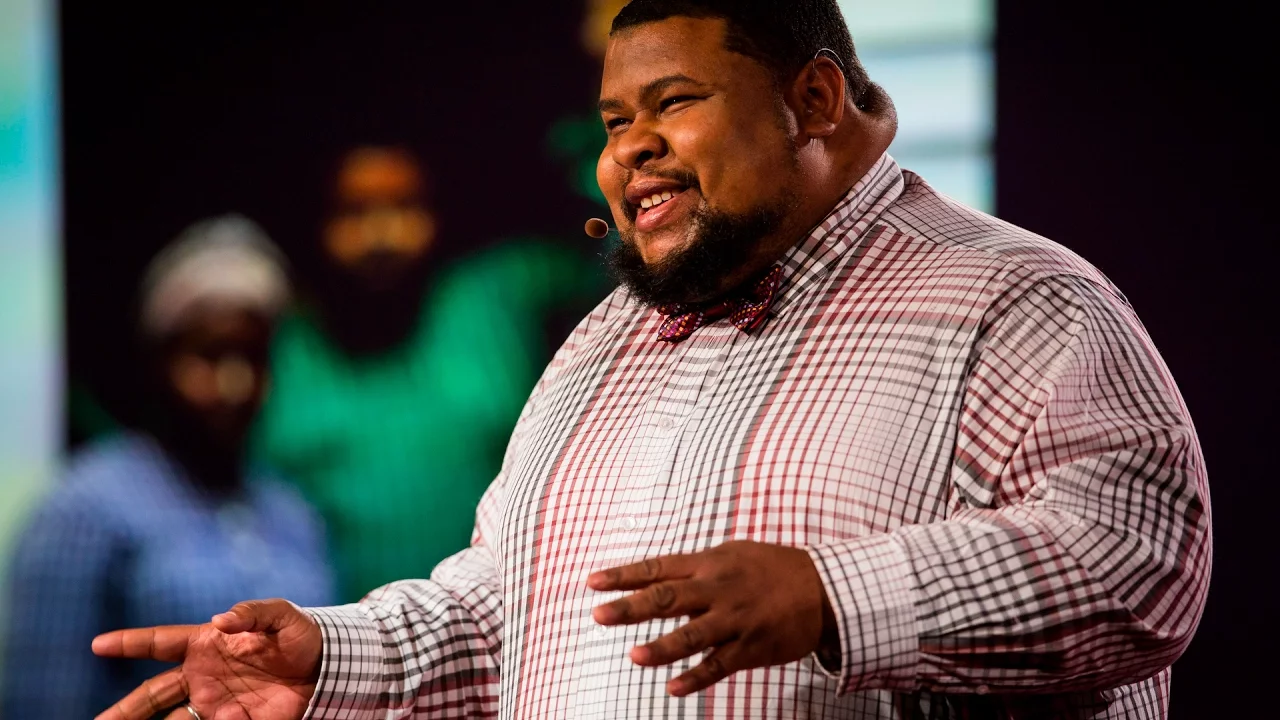
Culinary Justice and Food History: Michael Twitty at TED2016
@TEDTalks
34.9K views•2016-12-20

26:22
Walking in the City: Urban Rituals and the Flâneur in Contemporary India
@PSBTIndia
1.9K views•2016-08-02

9:49
FastAPI vs Flask vs Django: Choosing the Right Python Web Framework
@TechWithTim
302.5K views•2024-05-26

1:42
Game of Thrones Opening Credits: A Cinematic Analysis
@gameofthrones
46.3M views•2011-04-18
Related Study Plans & Knowledge Roadmaps
Structured learning paths in General & Interdisciplinary Studies
general-studies
Artificial Light: History, Tech & Human Impact
01The Pre-Electric Era: Fire, Oil, and Gas Lighting
02The Incandescent Revolution and Grid Electrification
03Gas Discharge and Fluorescent Illumination
+ 3 more learning modules
14h6 modules
Explore Roadmap
general-studies
Elevator Engineering: History, Physics & Cities
01From Hoists to Safety Brakes: The Dawn of Vertical Lift
02Hydraulic vs. Traction: The Engineering Physics of Elevators
03Modern Speed, Safety, and Algorithms
+ 2 more learning modules
12h5 modules
Explore Roadmap
general-studies
Rubber: Material Science, History & Geopolitics
01Origins of Natural Rubber & Mesoamerican History
02The Chemistry of Natural Rubber & Vulcanization
03The Geopolitics of the Rubber Boom & Colonization
+ 2 more learning modules
12h5 modules
Explore Roadmap
general-studies
Containerization: Evolution, Logistics & Trade
01Ancient Trade & Bulk Cargo: Amphorae to Barrels
02The Industrial Revolution & Cardboard Packaging
03The Containerization Revolution: Malcom McLean
+ 2 more learning modules
12h5 modules
Explore Roadmap