




















Sociology examines aging through multiple theoretical lenses: symbolic interactionism views aging as socially constructed meaning rather than purely biological, functionalist perspectives include disengagement theory (older adults naturally withdraw), activity theory (maintaining social roles aids adaptation), and continuity theory (preserving past behaviors and relationships facilitates aging); conflict theory analyzes how middle-aged generations control resources at the expense of elderly, while demographic shifts from industrialization create top-heavy populations threatening Social Security funding, with significant racial and gender disparities in life expectancy and healthcare access affecting aging experiences differently across populations.
Sociology of Aging: Theories and Social Construction Explained
Added:welcome to a nether intro to sociology video class today we're talking about the sociology of aging and I want you to think of three things that you associate with old age or the older people and think about them for a second or two and we would probably write those up on the board and if I know some of you I know that there definitely be some interesting words that came up on the board and I'm wondering which one of those words actually if you had to apply them would apply to your grandparents because often when we think about old age we just think about it in general we have a very large stereotype about what old age means and I don't know maybe senile old you know crotch the old man these are really common stereotypes of older people but when you think about your grandparents then you it's kind of good in helping you see that these stereotypes a lot of times are unfounded and just simply not true about old people but you can see how they maybe they you know they've developed over time and so what we're talking about in this class particularly today is sociology and how sociology works and studies and looks at and helps defined aging and so how do does society make sense of Aging and so here are all your usual suspects we're going to go through the first one we're going to talk about today and a new order we're talking about the social I'm sorry the symbolic interactionist and so the symbolic interactionist always likes to few things from a constructionist kind of view how the society construct meaning and so while aging is a biological process the symbolic interactionist looks at how societal ideas or how society applies meaning about what it means to be young or old the social construction of age means that there's no harren cultural meaning attached to the biological process of aging so just like race we had physical characteristics that for whatever reason were grouped out separate from other physical characteristics to define different categories of people and then sometimes we have to put meanings within those categories so as far as aging goes this is we're not denying that there are biological differences between the young and the old we're not denying that there are definitely indicators that somebody is aging but the social construction means is more looking at what it means to be old and so when we look around the world we look at Japan so for instance Japan they really value their elderly adult children are expected to care for their aging parents 65 percent of Japanese elders live with their children and it's very deviant for a family to put an aging parent in an assisted living facility similarly we have a area called the abkhazia's so this is AB Cajuns this is right below Russia the applications have been wanting independence from Georgia for quite some time and so but occasi is still considered part of georgia but this is the white area right here and in asia they honor their old and they seek their advice they are considered the elder there's kind of what you think of like the elders let's consult the elders all the applications that certainly do and so do the Japanese and contrast we have the TV Islands which is right here on the north of Australia and there's been a few anthropologists that have studied there and found that the clannish TV who live off the coast they went when their women become elderly they've become they kind of see them as feeble and they perceive them as being in the way the sons of that family will all agree to cover them so this means they bury them in the sand up to their necks and they leave them there for a few days and then they return and if they are dead then they say that well it must have been their time to leave because they left them there and they were still alive and now they've they've passed away so it's interesting how vastly different we think of age and I want to challenge you to think about age in the u.s. so how we construct the meaning of aging in the US do you think that we kind of see our elders as good did we see our elders as wise to seek advice from or do we kind of see our elders as kind of being in the way we definitely don't have a very good idea about aging I don't think we have a lot of good narratives about aging and in the US and in other Western societies we tend to value youth a lot more than we value a JH there's a huge market for anti-aging products we've got plastic surgery we got medications we've got Botox we've got people go people will go to great lengths to appear younger and I know for sure my mother when we go out to eat and the waitstaff who are of course working for tips casually refer to her as my sister and she gets a big kick out of that because she wants to appear younger we try to appear younger it's because we want to increase our social Worth and so if we have a society that values youth then we don't want to have any of these symbols of aging so when we talk about symbols of being old you can go back to you know some of the things that you thought about earlier in the earlier slide these biological changes so biological biological changes that occur as you get older you develop more wrinkles right you also your hair becomes more gray or white or you might lose your hair if you're male or even females tend to lose their hair as well we think of maybe poor physical shape unable to move quickly you know brittle bones you also might lack control over your bladder you might not be able to see very well or hear very well different things come up then we also look at by a lot biographical and cultural events so those are kind of things life events that happen throughout your lifetime so you may become a grandparent what does that mean if you become a grandparent when you are in your late 30s does that mean you're suddenly old where is that line between old and young come into what do you have to experience in order to be considered old what symbols what symbolizes old age in that predicament also what about if you have poor health let's say you can't control your bladder but you are in your late 30s does that mean that you're an older person and also retiring so if you retire young or if you're still working when you're older being widowed so this is if you lose your spouse also if you stop driving what we often think about older individuals as kind of at some point they quit driving but we actually know that up into the age of 75 that older drivers are actually much safer than younger drivers and then lastly we have this kind of symbol when we talk about gender whereas we see especially in beauty standards and I think that this might be changing but you have this idea that older men become more regal and that younger I'm sorry older women you know aren't as attractive or something along those lines although I do believe that this has changed especially with pop culture which you look at like the I don't know what is it American Pie and Stifler's mom not to refer to something that that might be inappropriate but this kind of does go along with the gender and age like how do we construct the idea of gender and how people change according to gender and this video right here is going to show you unchallenged you to change your perceptions of old age and so you could click on it if you have the slides open or if you're watching this on video you would have in icon up here on the right with a little I I'm going to put a card in there so you can click on that and it will open up to this short film that is going to tell you kind of about this tribal idea so what I want to what I want you to get out of that video is what type of society is the speaker learning from you know in traditional societies how are people useful in significance what are some of their significance within society it's also going to ask you about cultural values to emphasize respect for older people and contrast with the lower status of the elderly in the US and he talks about the Protestant work ethic so values of self-reliance and the American youth cult are all reasons for this and it's going to tell you about the marginalization of the elderly I want you to think about two factors that make old people obsolete in non-traditional cultures so I'd like you to get that from the film and also what are three values that older people offer to our society so go ahead and watch that video and then come back to this video okay so now we are looking at the functionalist perspective so the first part of functionalist perspective looks at the disengagement theory so this was the first theory of aging that developed or that was developed by social scientists in 1961 and this is the disengagement theory it claims that it is natural and acceptable for older adults to withdraw from society and personal relationships as they get older the theory has been largely debunked they were trying to figure out why older people stopped going to work you know why they may stop doing the same behaviors that they were doing before and they felt like it was because the elderly were choosing not to go or the older people were choosing to disengage so this disengagement model said that it was natural for the elderly to disengage but they realized that that would mean that they were withdrawing from their primary roles so like their careers their marriages they were raising a family that means that they'd be losing their social lives and so that's super demoralizing definitely it was a theory that's been thrown out in exchange for what we call the activity theory so this is the socialist perspective kind of idea that social roles have to maintain some equilibrium it has to function so how can you function well this theory predicts that older adults that face role loss such as a career will substitute former roles with alternatives so for instance my dad my stepdad he is retired and since he's been retired he's been very very busy working on the farm so instead of working downtown now he's working on the farm this would kind of go along with his activity theory it's actually super important that they stay within those roles it kind of helps them transition okay and so lastly we have the continuity theory so the continuity theory sounds very similar to the activity theory this is that normal aging it's that older adults will usually maintain the same activities behaviors and personality traits and relationships as they did in their earlier years so this theory considers the internal structures and external structures of continuity and they describe how people adapt to their circumstances and they set you know their goals and so they have this is when you continue to sing in the choir right you continue to be a part of your family anything that you were previously interested in that's something that you can continue to do and so long as you continue to do the same things that this is a much easier transition as you get older and face some of these biological changes okay oops alright so next we have the conflict perspective okay so this is the old and young are struggling for limited resources so this perspective on Aging maintains that whichever generation happens to be middle aged at any given point in time is the most powerful compared to the young members of the powerful generation act as gatekeepers and they orchestrate the distribution of resources and power to be in line with their own interest often at the exclusion of the needs of other individuals and generations so of course with the conflict theory you're constantly looking at who has the power if you think about competing for resources also I think about my job specifically at the college how am I going to get into a tenured position when there's a lot of baby boomers that are occupying those positions at this time and if they do not pass the torch if they do not leave then I will be that will continue as an adjunct and I will not be able to fill those spots because those spots are very limited hopefully that that is not the case though it also wants to look at the power elite in terms of exploiting the less privileged through programs like Social Security so if you assume that you're going to be paid by Social Security your are seriously and for shocker so if Social Security was a social is a social insurance program that's funded primarily through taxes and taxes are taken out of your paycheck each pay period tax deposits are formally entrusted to funds that maintain the money and distribute allowances to qualifying elders and so this money will go out as people get older so long as you paid into Social Security you should be able to take out or if or if you are a spouse of somebody that contribute to Social Security you should be able to take some of their Social Security out so when the stock market crashed during the Great Depression what led to the Great Depression in 1929 the value of moe Americans retirement savings plummeted so this is what brought about Social Security and we're going to get a little bit more into that coming up how Social Security is having some major problems and lastly we're going to talk about how race and gender have different scenarios according to aging so your experience aging might be different according to your race or your gender this is a very conflict kind of perspective okay so my sides are really sticky okay so we have the effects of industrialization so this goes without saying but as industrialization or globalization comes around we have a much higher standard of living it's easily to see you know what your parents had access to what their parents had access to you you're probably able to have access to more of those things and they did in terms of cell phones TVs the food that you have air conditioning all of these things are are a higher standard of living as industrialization has made that possible so it's globalization right it's helped the global economy kind of supply us with with a lot cheaper items or I don't know I say they're cheaper but that you know you can get more for your money also we have a lower childhood mortality so we see a lot less people are dying as children so this leads to a much larger population also advances in medicine have helped people stay alive longer and we obviously have a lot less starvation now than we did in the past food production is has really came a long way since industrialization so this has led to a life expectancy increase for people that are having fewer children we also have access to birth control so people are living longer they're having fewer children and so the older generation is beginning to outnumber the younger one and that is what we're referring to as top-heavy population meaning that there are older there are more older people than there are younger people the question of a smaller workforce funding Social Security is very concerning because if Social Security healthcare have to be funded from a smaller workforce and you have more people that are retired that are that are pulling out of it where there's not going to be enough and so it also goes along with health care in terms of you know pulling out of pulling out money for Medicaid or or filling the rooms within the hospital itself okay so if you look at this projection this is Social Security tax revenues and outlays with scheduled benefits and so this is the outlays are the cost of running the Social Security program including its benefits and then the tax revenues is the money available for funding this is this green line and the money that is available for funding for Social Security so you can see that there's a difference and so the program will no longer be able to fund itself unless payroll taxes are raised or maybe benefits are cut so ticking so to compound the problem the government borrows from the Social Security frequently to make up for other deficits that it has and its budget and so as time progresses fewer workers are supporting more beneficiaries so in 1950 for instance which would be way back over here in 1950 16 workers supported for retirees in 2010 2 workers supported to retirees so the trend of workers supporting retirees is in a large decline and Social Security is endangered especially as the government continues to borrow from it within so this is the elderly population growth by percentage of the entire population so you see that the elderly are going to make a make up a higher percentage of our total population and so what I really want to know is what y'all think about the implications of a growing aging population what does this mean if there's a larger percentage of your population is 65 and older what does that mean for retirement we have a lot of people that are retired was it gonna mean for health care Social Security what about elder care there's probably going to be a lot of demands for elder care and the u.s. if an if you go to this film well you should go to this film we would watch it in class but I can't I can't force you to watch it here without clicking on it so if you look over here on the right side I'm going to put a card there so you can click on it off of this video and then come back or you can also find it in the slides on canvas and the film will easily link out to you but the video is just going to discuss some of those major concerns because this actually does apply to you this will definitely affect me and you as citizens in the US and as things change I'll say I want to talk about housing so a lot of times a lot of times as people get older they either die or they move in with their families or they go into an assisted living facility and what happens to their homes well I do think that the real estate industry might be a little bit concerned about this as well because there may be a lot of vacant homes as the demand for kind of homes in the suburbs kind of starting to decline as you know Millennials and younger generations are wanting to live closer into into cities into urban spaces so it'll be interesting what happens with the real estate as time goes on so here you see the life expectancy at age 65 and at age 75 by sex by race and if you look at a Hispanic origin between 1900 and 2017 so if you want to look at their life expectancy if both sexes how much it's changed so in 1900 those X's and all races the life expectancy from birth was 47 years old 47 0.3 years old that was how long you could expect to live on average obviously there were people that lived a lot longer than that and then here at you know 2017 we have 78 point 6 so that is quite a big shift between the two and you can see has just gradually gotten better and better as we're living longer and if you look at conditions for whites versus blacks what we do know in 1900 blacks and african-americans they didn't have the best living conditions they were not treated very well especially if you were doing hard labor or you were a slave so that would definitely contribute to your health we also know health care was not available or accessible for slaves so I think this may have been contributing to how the life expectancy changed now we know that in 1861 that was the Civil War so in 1900 we have we still have people that are living from 30 years ago or 35 years ago so you can see that from night in 1919 50 there's a huge expansion there as well and so if you do go back and look again at 2020 17 you have females living out living males and pretty significantly you don't see you don't see the differences quite as stark as you do in 2017 2016 let's see when I look back up I look back over here and see if there was much look at the differences here so men and women had very similar life expectancy in 1900 and then there's this this change right here so I wonder what is going on with gender okay so this next slide we're looking at ethnicity we've broken up obviously white black and Hispanic being a considered an ethnicity so I considered you know how we do like to look at black white and brown but uh but for whatever reason we've not made Brown into a race so it is a initiative obviously not obviously Hispanics can be considered white or black like we discussed in race but I want to let you know that this chart was created as a result of a 2011 report by the CDC that asked them to analyze and just discuss the trends here and so you know actually so the figure above here is a bar graph and it's showing the life expectancy at birth by sex and race ethnicity in the United States during 2011 and then 2011 life expectancy at birth was 78 0.7 years for the total u.s. population and then it was seventy six point three for males and eighty one point one years for females and then life expectancy was highest for Hispanics for both males and females in each racial and ethnic group females had a higher life expectancy than males and a life expectancy ranged from seventy one point seven years for non-hispanic black males to eighty three point seven years for Hispanic females so why do you think that is first off why do you think there's a difference between male and female which we kind of already talked about in the previous slide and then why do you think that there's a big difference between Hispanics and the rest of the of the culture or the rest of us or specifically even for blacks like why why are black males the lowest amount of years lived versus Hispanic females being the highest is there a major difference between those two groups is there a lifestyle difference that that leads to this maybe it's cultural I like to put this slide up because we do look at 2011 and think man data has really changed and so in this slide I put together on the 2017 CDC report and you can still see that Wow for Hispanic females it is quite higher than for black males and so this starts at 70 and so this you can see the stark contrast here between Hispanic females and really the rest of us so it does make me kind of wonder what's going on with race there's a racial gap and here is a link this would be a link to an article and if you're interested in that I can give you a link to it because it will not link out of this video for you but you can refer back to the original study at any point so reading this quote one of the ways to think of racial gap and health is to think of how many white people die prematurely every year who wouldn't die if there were no racial differences in health and the answer to that from a carefully done 2001 scientific study is ninety six thousand eight hundred black people die prematurely every year if you divide that by 365 which is 365 days that's two hundred and sixty-five people dying prematurely every year I'm imagine a jumbo jet with 265 passengers and crew crashing at Reagan Washington Airport today and the same thing happening tomorrow and every day next week and every day the next month that would that's what we're talking about when we say that there's a racial disparity in health and so this is done by a researcher David Williams he's a public health researcher and he's done quite a bit of research studies on specifically that tie in to race and why is there trying to describe why there is a race gap and what that gap actually is mortality rates are a racial issue for several reasons this includes healthcare access to healthcare also a lifestyle right so are you more willing to take care of yourself also institutional mistrust now we see this a lot of times and we see this also with not just with race but we also see this with class if working classes got a lot more distrust and the institution of medicine and you know maybe they don't trust some doctor and Health Care's really trying to change that because you know obviously these gaps are huge and also education so the higher your education is the more likely you are to seek health care and have access to health care so these are all factors that factor into it so we look at gender and aging obviously of women are living longer than men and the implications of this is that they typically become the caretakers for their spouses and they outlive their spouses so once they are widowed they usually have quite a bit of isolation and they're the largest person they make up the largest percentage of nursing home patients and they're also more likely to be poor as you get older you're not working right if you retire and you've lost your spouse you're eventually and you know your health care expenses are a lot higher then you're also a lot more likely to be living in poverty especially the longer you live if you're expected to retire at 65 and you're living to 80 well there's 15 years you got to make up for if you haven't plans for okay so here we're going to talk about dependency as you get older this is we're still within the realm of club the conflict theory but so within dependency you have kind of losing the ability to care for yourself and this can be a very difficult thing to accept as you get older you've been an adult your whole life and now suddenly you need the help of others to to keep you to keep up your standard of living so we have a lot of problems with nursing homes or with hospice care and so between nursing homes they're typically understaffed and there's a lot of abuse and dehumanization neglect going on at nursing homes I'm not saying that all of them are like this or that assisted living places are like this this is not every place so please don't get me wrong but you would be surprised at the numbers of nursing homes that there is some degree of neglect or abuse going on it does takes a very special person to be able to to be a caregiver take care of the elderly and you're they're quite dependent on you just like just like children so in this film I will link it over here in the card for you but in this film you're going to see some of the you know went just one account of the issues of dehumanization and abuse and hospice care or nursing care you just need to see the first few minutes just to just observe it know that it's there because it's something that we need to be aware of oops okay yeah so death and dying so this is for your class discussion today so if you watch this film which is linked for you here but also in your discussion cost discussion notes and I want you to answer these questions what point is Peter saw making and his talk and how does he make this point and lastly do you agree or disagree with him so when you are putting your class discussions up just take one sentence to say this is the point that Peter Saul is making then take one sentence to say this is how he's making it and then you can use the rest of the space to talk about whether you agree or disagree with him okay so lastly we have kubler-ross --is five stages this should this you should have an umlaut over it two little dots that make it because she is Swiss so Kluber Ross was a Swiss psychiatrist and she developed the five stage or the five stages of grief model in her book on death and dying and it's based off of her work with terminally ill patients so she studied them kubler-ross later has came out to say that these stages are not linear some well some people won't experience any of them but you might experience one or you might experience all five these are very well known stages of grief so it wouldn't surprise me if you've heard of them sometimes they are discussed in psychology classes and the first one is denial so denial is the stage that can initially help you survive the loss so you might think of life that life makes no sense anymore that you've kind of lost meaning that your life in particular is lost meeting that that it's way too overwhelming you start to deny the news and in effect you go numb it's common in this stage to wonder how life will go in this different state I will say that grieving during this Kovach 19 process although it's not like losing a loved one it is still a grief process and I will say that I did personally feel like it was very overwhelming that it didn't make a lot of sense that I wasn't going to be able to come into school and actually see you face to face and at first I just kind of wanted to ignore it or deny that the news was true that this was even really that big of a deal and if you see that a lot of even people within our our authority and and our news sources even they were denying the problems with kovat 19 and so it does seem a little bit shocking so you go through this denial process this happens with with dying as well so you've learned that that one of your friends is dying or you learned that you have cancer you may go through this denial state the second stage is called anger so once you start to kind of live an actual reality again and you realize it's not your preferable reality you might get angry so anger will set in this is the common stage where you think why me like this isn't there you might look to blame others for the cause of your grief or you might also redirect your anger to close friends or family like you could have prevented this or this is your fault you find it incomprehensible of how something like this could happen to you and this is also a stage where if you are religious you might ask you know where is God why is why is he not here helping me how could he let this happen how could he let bad things happen to good people these are the angry stages so the third one is what we call bargaining and this is kind of like a false hope this is when you falsely make yourself believe that you can avoid the grief through a type of negotiation so maybe if I change this then you'll change that and we can stay together or you just start kind of you know negotiating different scenarios another part of bargaining is guilt and so this is when you end or the endless list of what-ifs or what if statements that you make so what if I had driven her to work what if I had you know done any of these things differently maybe this wouldn't have happened maybe if I hadn't eaten or so many Cheetos I wouldn't be having this problem okay no you don't have a problem with Cheetos right well Donuts beer maybe if I didn't drink so much maybe I could stop this right maybe I could get healthier I'd my uncle if we go back to bargaining my uncle recently passed away from cancer but when they found out that his can't a cancer with Stage four they were still in quite doing quite a bit of bargaining they did not believe that he was going to pass away although it was quite certain that he was and he said that he was going to start exercising and he got on a diet thinking that that was going to help him but and he had me pretty well convinced although my parents were fairly certain that he was that he was passing I wasn't there to see him personally so all I heard was from talking to them on the phone and he definitely thought that he was going to beat this thing so and his wife hid my aunt also believed the same thing and so they were both bargaining so you can lose your you can lose your life still being in this bargaining stage okay so the the next one is depression so depression is commonly as a commonly accepted form of grief so we typically think of if you've lost a loved one or if you're about to die or if you get some kind of diagnosis more likely to get more depressed can it expect people to be down in the dumps but what's depression it's it's represents this emptiness that you feel when you're living in a reality and you realize that the person or the situation is gone or over and in this stage you might withdraw from from your life you might stop wanting to do the things that that you were really interested in and I'm just kind of be stuck in this kind of state of withdrawal and lastly we have acceptance and so this is the stage of grief that kubler-ross identified as not having not exactly having a sense that everything's okay it's you're not saying that well it's okay that that I'm going to die or it's okay that my husband died but rather that my husband is dead and it's good but I'm going to be okay like so things have happened it sucks and so you're not saying that I'm perfectly okay with it but you are realizing that you are going to be okay in it so with Kovac 19 you might be at this acceptance stage we're like this where I'm at currently is like well this sucks and I don't get to see you and I don't get to lecture to you directly or see your faces and see how you're getting this information I realize half of y'all can even zoom that was my bargaining stage was hoping that more people would would be able to zoom at the same time but you know realizing that that none of that is possible I finally come into this acceptance that you know I've stabilized a bit I'm reentering a new reality and I'm coming to terms with the fact that the new reality that we're never going to be in a classroom together you know and and that's okay you know we have to make the best of it it's definitely not a good thing but it's something that we can definitely live with and so that would be your acceptance piece I know applying it to class is maybe a little bit of a stretch but it's but it is true but the acceptance can happen throughout any grief process so I'm not trying to equate losing class to losing a loved one but all of these stages still apply and so that is it as far as this lecture goes and I hope to see you next time
Up Next
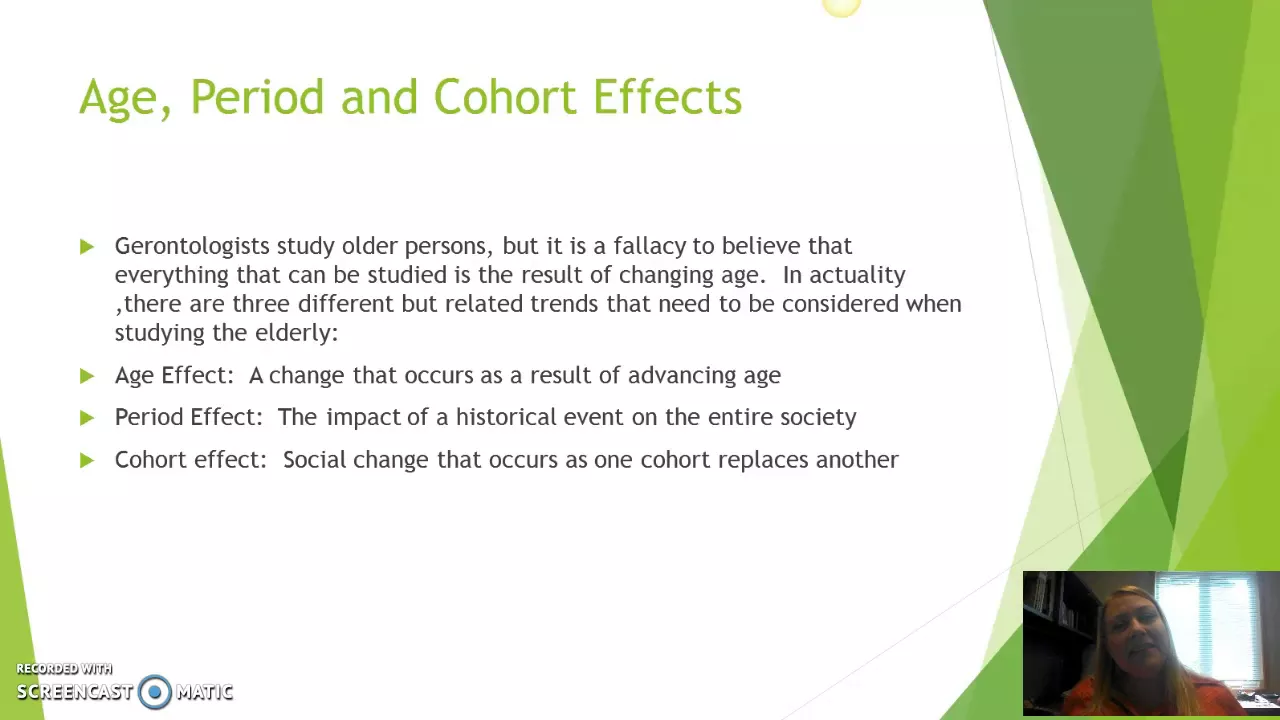
Life Course Perspective in Sociology and Aging
@tamarasmith3528
8.3K views•2017-09-11
Contemporary Sociological Theory: Micro, Macro, Integrative
@NaSESYNC
45.7K views•2016-02-17
How to Analyze Conversations Scientifically | Elizabeth Stokoe | TEDx
@TEDx
1M views•2014-12-04
What is Sociology? The Sociological Perspective Explained
@crashcourse
4.6M views•2017-03-13
Related Study Plans & Knowledge Roadmaps
Structured learning paths in Sociology