





![[WEBINAR] Extracting Social Determinants of Health from Free-Text Medical Records](https://i.ytimg.com/vi/JX9oFXJo4M4/maxresdefault.jpg)

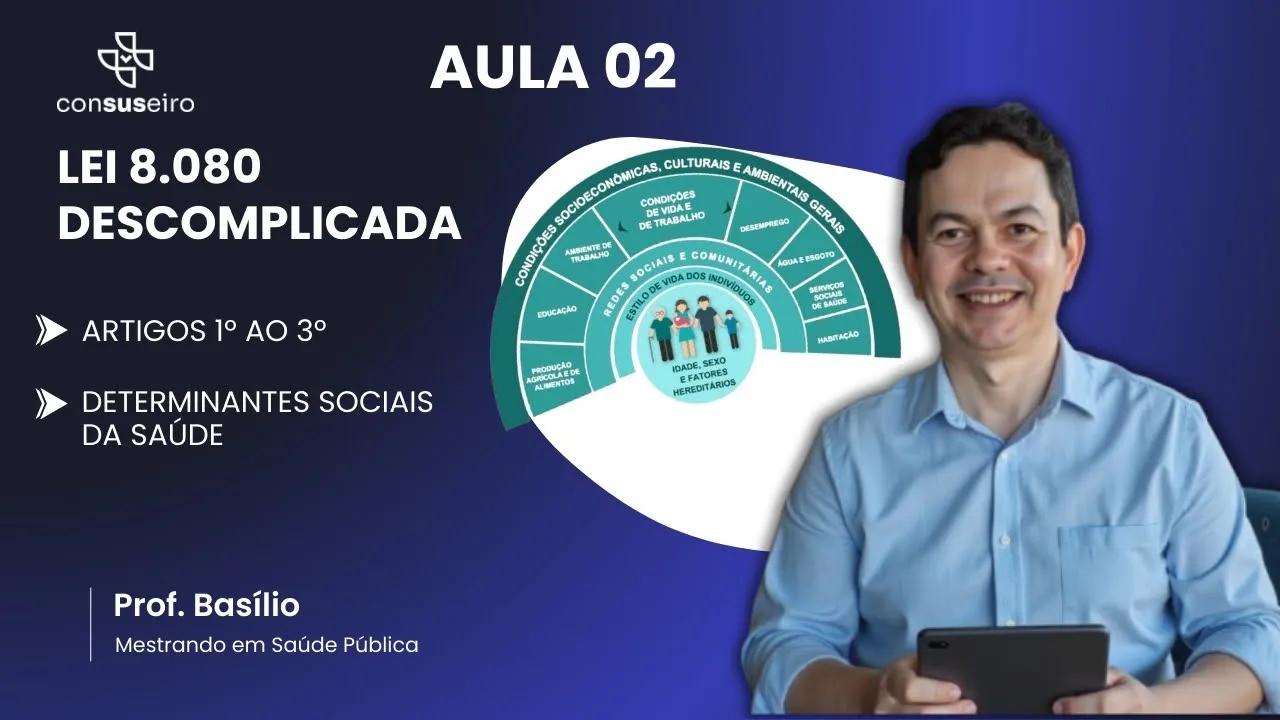













Intersectionality is a framework that examines how multiple social identities (such as race, gender, age, sexuality, and ability) interrelate and compound to create unique experiences of privilege or oppression, which is essential for understanding and addressing health inequities in aging populations, as demonstrated by how older adults from marginalized groups face compounded discrimination that affects their health outcomes differently than their peers.
Understanding Intersectionality in Aging: 2021 GGS Conference
Added:The core concept of intersectionality, originally coined by Kimberlé Crenshaw, which explains how overlapping social identities (such as race, gender, class, and sexuality) relate to systems of oppression.
Fundamental concepts of gerontology and the sociology of aging, including ageism and the unique physiological and social challenges faced by older populations.
The definition of Social Determinants of Health (SDOH) and how non-medical factors influence health outcomes and life expectancy.
The distinction between health equality (providing the same resources to everyone) and health equity (distributing resources based on specific, diverse needs to achieve equal outcomes).
Intersectional policy analysis and advocacy strategies designed to reform social safety nets (like Medicare, Medicaid, and Social Security) for marginalized older adult communities.
Advanced methodologies in qualitative and quantitative gerontological research that capture the complex, compounding effects of multiple demographic variables rather than treating older adults as a monolith.
The application of culturally competent care models in geriatric healthcare settings and assisted living facilities to better support LGBTQ+, BIPOC, and low-income seniors.
Critical Gerontology theories that examine how power dynamics, capitalism, and systemic inequalities shape the subjective experience of aging across different populations.
411 views5likes9:05Original Release: 2020-10-12
my name is amanda james and i am the executive director of the georgia gerontology society the purpose of this video is to help you understand the theme for our 2021 annual conference the road forward intersectionality and aging earlier in 2020 then president babs hall released a statement on behalf of the ggs board of directors in that statement she wrote ggs will continue to advocate for all older adults and their family to have equal access to services and supportive community resources ggs will continue to support decisive actions that address long-standing inequities and eliminate social injustice when and wherever we encounter if you have not read the full statement i encourage you to do so it is available on the ggs website as part of this commitment ggs developed a diversity equity and inclusion committee i am happy to have nikki dukes and sarah st hamilton the co-chairs of this committee on this video to help better define intersectionality and how we will integrate this concept into the 2021 conference but first i'd like to give you a little more information about the conference itself our 2021 annual conference will be held on august 9th through 11th 2021 at the beautiful legacy lodge at lanier islands you can keep up with the latest conference information by visiting the conference website that's listed here our call for proposals is now open with a deadline of january 15 2021 we hope this video will provide a better framework for how to incorporate the theme into your proposal so what is intersectionality intersectionality is a lens through which categories of race class gender sexuality nationality ability ethnicity and age among others are viewed as interrelated intersectionality is a way of understanding and explaining complexity in the world in people and in human experiences now there are a lot of definitions of intersectionality that are used and some are more specific than others we choose the more general one that we just discussed because we thought it would provide a good first step or introduction to examining these issues but we want to recognize that intersectionality as a concept was developed by legal scholar kimberly crenshaw to specifically explain how african american women experience compounded oppression based on both their gender and their race in other words they experience both sexism and racism this framework has been expanded over the past 30 years to explain how discrimination based on other marginalized pieces of people's identities can compound and negatively impact their health and well-being among other things for example a person who is gay and african-american and older is likely to experience homophobia racism and ageism in a compounding way all of which have a negative impact on their health and overall well-being so to give a real-life example of how intersectionality applies to aging and health right now we can see this at play in the health inequities that are evident in the covid19 pandemic the data have clearly shown from the start that older adults are most at risk of hospitalization and death from this virus and if we look at older adults as a single homogeneous group then we start to think that this differential impact of the virus is simply due to older adults being more likely to be immune compromised more likely to have underlying health conditions that are just due to accumulation of wear and tear from living a longer time and certainly those biological factors come into play but if we stop there if we treat older adults as a single group we risk ignoring vital information from a public health social justice and human rights perspective that's important to making real change in the health and well-being of all people who are aging when we further break this graph down by race we start to see very real inequities that demonstrate that the lived experience of older adults is just as varied and diverse as any other age group and equally impacted by differences in access to care socioeconomic stability and resources the race and gender wealth gap and so on we can see here that older adults who are african-american or hispanic the orange and gray bars are disproportionately impacted by this virus and the research being done on the contextual factors that lead to these outcomes matter tremendously for clinical practice for policy and for our own lives as we age so this is just one example of how important it is to look at our work and our advocacy through an intersectional lens in order to achieve ggs's mission as an organization to educate serve and advocate for all older adults and their families when you're thinking about how you can contribute to this work we invite you to first consider which conference track will be most relevant to the work and service that you are passionately doing once you have chosen the track that best fits your work and your area of expertise then we invite you to consider how you could approach a topic from an intersectional lens for example proposals to the organizational excellence track could consider strategies for increasing representation from underrepresented groups in leadership positions or consider culturally appropriate and inclusive marketing to help reach underserved groups proposals to the medical mental health track could discuss culturally competent and inclusive care and perhaps the unique mental health needs of older adults from minority groups proposals to the living with dementia track could tackle topics like cultural differences and caretaking and how people view their diagnosis in treatment priorities and approaches and how they may vary culturally proposals to the advocacy and ageism track could pull in the theme by discussing the ways in which ageism interacts with other isms that people experience and how that uniquely impacts them and how we can use that information to best support our clients or it could discuss causes within particularly vulnerable or marginalized groups of older adults that need to be emphasized and addressed in policy and advocacy finally proposals to the well-being and meaningful engagement track could discuss topics such as culturally inclusive programming for example ways to ensure that sexual education programming is inclusive of all sexual orientations and doesn't just make assumptions based on age another example would be discussing interventions that are specifically targeted to vulnerable subgroups such as those experiencing mental health challenges those living with dementia people experiencing poverty and so on and in all of these proposals we would love to see an emphasis on the road forward what can we do with all this information to make a difference in the lives of our clients our communities and for future generations of people who are aging we want to be tackling questions like what action steps can we take what strategies can we use how can we use what we're learning to improve the lives of those we serve in practice what we hope you gain from our conference is a deeper understanding of why intersectionality matters we want you to leave with a clear picture of how intersecting identities influence both strengths and barriers that older adults experience we hope that you'll have the tools and inspiration needed to help support the diverse needs of those that you serve and the action steps and resources that will help you continue your incredible work in supporting all older adults in georgia and with all of our conferences we hope that you have plenty of opportunities to network with your colleagues that you're introduced to innovative practices and products and that you can relax and learn in a wonderful setting and much more we invite you to check our conference website often for the latest information and to follow us on social media we thank you for taking time to learn more about intersectionality and we encourage you to attend our conference and we look forward to seeing you in 2021
Up Next
11:12
Understanding Social Care: Sociology of Work, Family & Inequalities
@britsoci
542 views•2024-05-10
54:57
Contemporary Sociological Theory: Micro, Macro, Integrative
@NaSESYNC
45.7K views•2016-02-17
19:23
How to Analyze Conversations Scientifically | Elizabeth Stokoe | TEDx
@TEDx
1M views•2014-12-04
9:41
What is Sociology? The Sociological Perspective Explained
@crashcourse
4.6M views•2017-03-13
Related Study Plans & Knowledge Roadmaps
Structured learning paths in Sociology
sociology
Celebrity Culture: From Hollywood to TikTok
01Foundations of Celebrity Sociology
02The Rise of Micro-Celebrity & Digital Platforms
03Parasocial Relationships & Algorithmic Intimacy
+ 2 more learning modules
12h5 modules
Explore Roadmap
sociology
Hostile Architecture: Space, Power & Control
01Introduction to the Sociology of Space
02Social Control and Surveillance in the City
03Hostile Architecture and Defensive Design
+ 2 more learning modules
12h5 modules
Explore Roadmap
sociology
Loneliness Epidemic: Third Places & Isolation
01Foundations of Social Capital and Community Cohesion
02The Death of Third Places and Urban Space Erosion
03The Privatization of Leisure and Atomization
+ 2 more learning modules
12h5 modules
Explore Roadmap
sociology
Sociology of Tourism: Gaze, Power & Heritage
01Foundations of the Sociology of Travel and Leisure
02John Urry and the 'Tourist Gaze'
03Staged Authenticity and Cultural Commodification
+ 2 more learning modules
14h5 modules
Explore Roadmap