










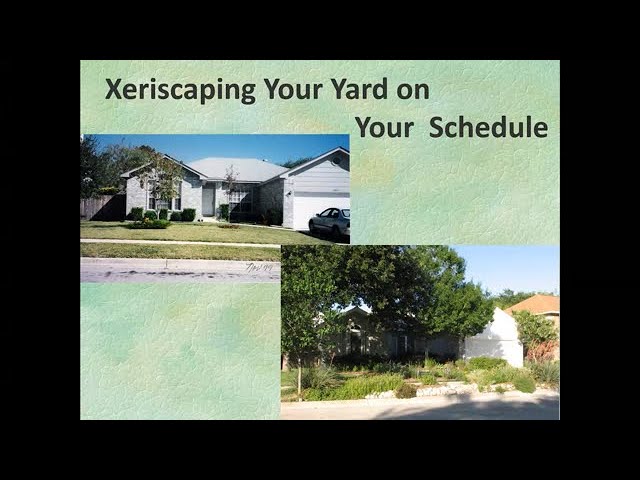




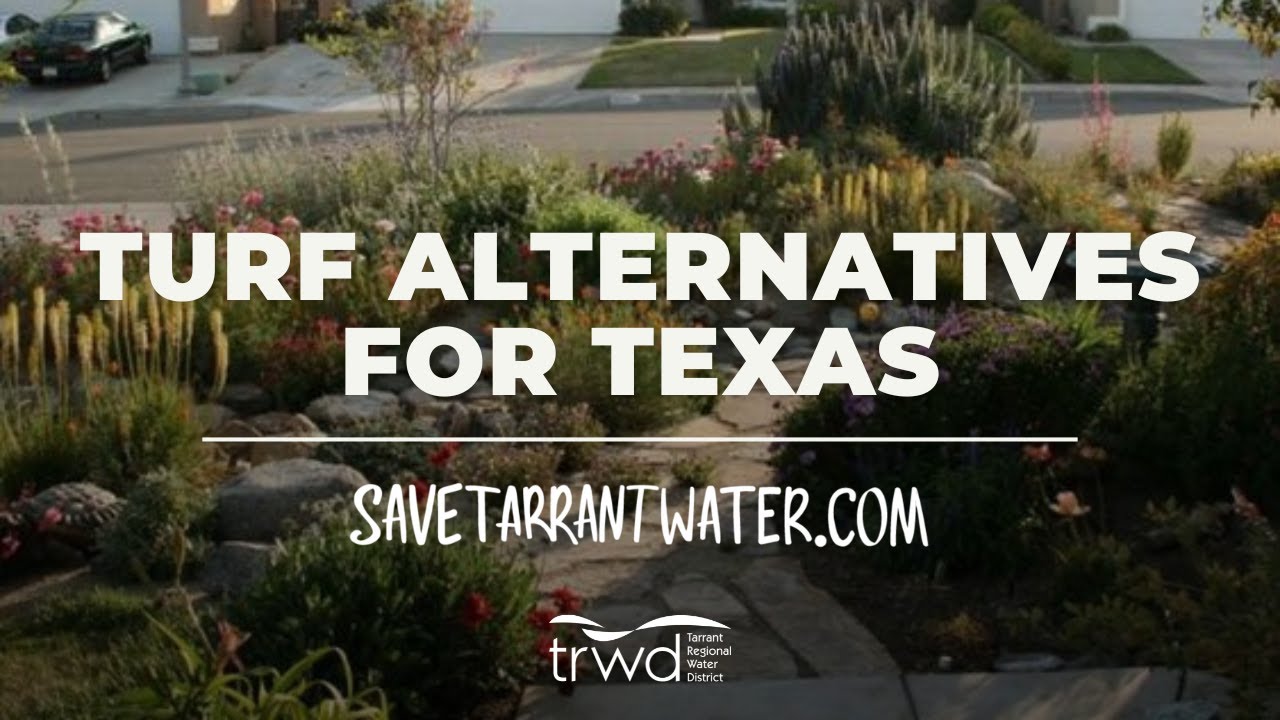

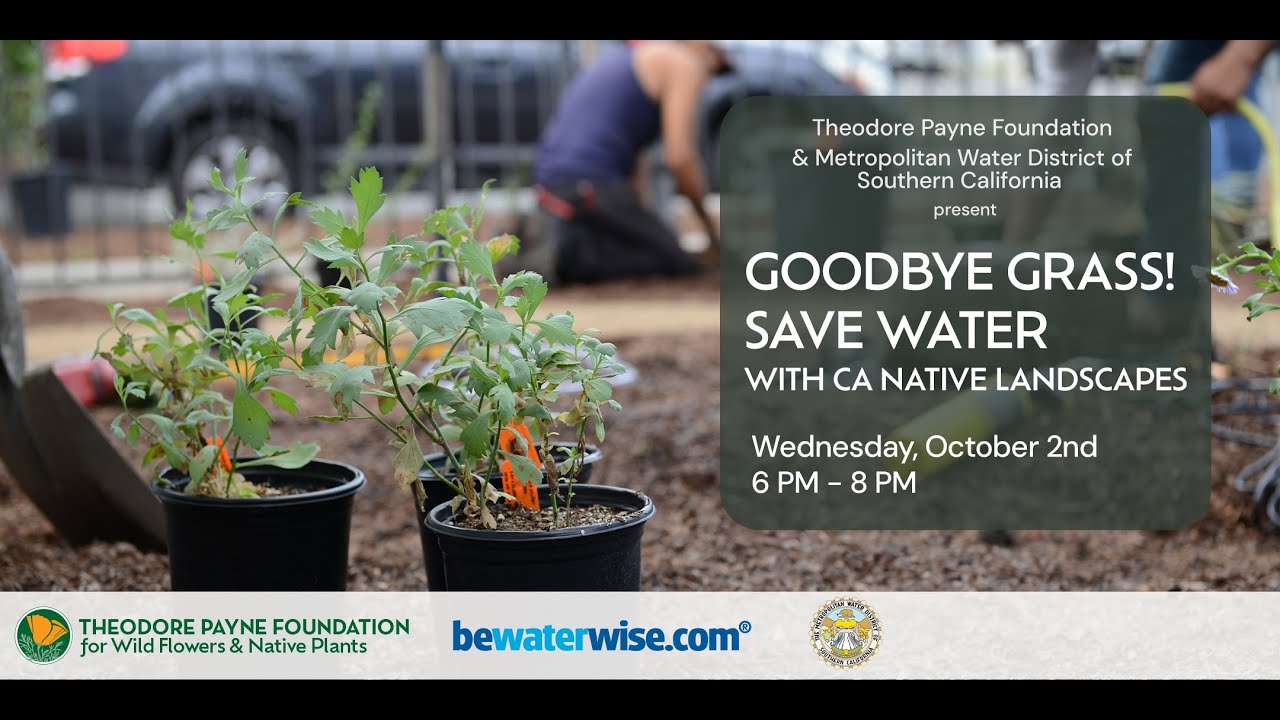


California's AB 1572 mandates banning irrigation of non-functional turf in commercial, institutional, and HOA landscapes starting in 2027, creating an urgent need for sustainable landscape alternatives. The watershed approach transforms commercial landscapes by keeping water on-site, building healthy living soil, planting diverse climate-appropriate vegetation, and using efficient supplemental irrigation only when necessary. This approach leverages biodiversity and ecosystem thinking—where the whole is greater than the sum of its parts—to create resilient landscapes that provide multiple benefits including stormwater management, pollinator habitat, urban cooling, and reduced maintenance costs. Key implementation tactics include minimal soil disturbance, creating living soil sponges through mulching and plant cover, maximizing plant diversity across families and species, and embracing natural succession processes. Landscape professionals can help property owners overcome barriers including cultural resistance, financial concerns, and knowledge gaps by demonstrating how biodiversity-driven landscapes outperform monoculture turf in resilience, sustainability, and long-term value.
Sustainable Commercial Landscaping: Non-Functional Turf Alternatives
Added:well hello everyone today's conversation is about uh is sort of the beginning of a uh dialogue about 22nd century Landscapes and our topic is the new commercial landscape so we will be doing simultaneous Q&A and we want to encourage you to go ahead and open that Q&A button on the zoom and um uh ask questions throughout the talk and we have a whole group of people who can answer those questions and you can really pretty much ask about anything having to do with Commercial Landscaping or having to do with landscaping and uh have it answered if you are interested in having the uh whole Workshop translated into Spanish you can select the Spanish room and go into the Spanish room so if you would like to have it inter interpreted out of English click that interpretation button and then uh uh what will come up is uh what language do you want to listen in click on Spanish and that will take you to a room well where you will hear the Spanish translation or interpretation rather uh but the Q&A also will be interpreted into Spanish so um feel free to ask questions in English or Spanish we want them all I'm going to turn it over to Valley Water now to give us an introduction to their nonfunctional Turf and to what they do Ashley Shannon from Valley Water right thanks uh thanks thanks for having me thank you everyone um I know that there's a lot of you on um that are not from our service area but wanted to give everyone introduction to um um to who we are and what we do and and this is some information for the folks that are on that um operate um you know live and work um within Santa Clara County um a little bit about what we do and what we offer so um quick background Valley Water we are a water wholesaler we were started originally as a groundwater management agency um but have grown from there and um the mission of of Valley Water we're Santa clar Valley water district um but we are known as Valley Water um but our mission is provide um our Silicon Valley with safe clean um water for healthy life environment and economy um and we do so by ensuring a clean reliable water source providing flood protection and being stewards of our environment next slide I forgot I was driving oh yeah um I know it's weird um so we are um as I mentioned we're a water wholesaler um we cover the entire County of um Santa Clara so if you are within the county of Santa Clara um valy water you know touches your daily life in some sort of way so um there are about 15 cities and over two million people who um you know live and work in our County that we we service um we have 13 local water providers water retailers so as I mentioned we're a wholesaler um but most folks will pay their water bill directly to a local water retailer we work very closely with those retailers on all the programs that we offer and the messaging we have a very collaborative relationship with them um and then we also have um about 4,700 D direct well owners a lot of those in the southern part of our County next slide so I'm just going to jump right in kind of um you know a big thing that's on everyone's mind um you know in California in in our region um specifically is the state's ban on the irrigation of non-functional turp um so AB 1572 um and what this um band does is essentially um prohibits irrigating Turf that's not considered to be um functional um oh sorry one sec all right um sorry lost my train of thought for a second so um this was approved in October of 2023 and essentially it declares um pable use of water um to be prohibited on non-functional Turf um functional turf Turf is um Turf that is regularly used for recreational or Community purposes such as a um a sports playing field a dog park um a community area of an HOA where people often you know have events or picnic or you know um congregate um the turf band does apply to commercial sites um residential noan sorry commercial sites homeowners associations or similar entities um but it does not apply to residential homes so this is not for single family homes um this is for institutions commercial industrial um government facilities government owned facilities um you know the the gas station on the corner Etc um it also doesn't apply to you know things like cemeteries or golf courses that are considered functional um the this permanent mandate um does go into effect kind of in a phased approach which I will get to in a second um um but this essentially you know was something that the Metropolitan water district had a a large part in helping to form this and and write this with the state in response to their um um uh know water needs and the um the mo MOA mou that they have with the regarding the Colorado River with several agencies down there and so this is an effort to um try to reduce the amount of water that we use in our state next slide so um this text I know it's a little bit wordy on here apologies um but it is from the ordinance itself um and basically it's kind of the impetus behind it so um you know there is the idea that that the use of poble water to irrigate non-functional Turf is wasteful um and incompatible with the state policies related to climate change water conservation and reduced Reliance on the Sacramento um salking Delta system um we also recognize and and I'm sure you all seeing this in the news know climate change is bring significant um end during changes to California's water supply so this this ordinance um is a direct response to that in order to um ensure that we have enough water for the people in our state um the image on the on the right is from the California drought monitor um this was taken just on the 28th of January and so this is um if you're not familiar with the drought monitor um you just kind of look it up but it's a really interesting map that kind of shows where we are in the state um as far as drought and the darker red you get the deeper into drought um and the lighter areas are um not in a drought situation the next slide so the ab1 1572 is being phased in it's a phased approach um and it starts in 2027 and it's starting with um government facilities so these are State um state and local government facilities so you know if there's non-functional Turf Lawns around a courthouse or um you know at the um you know just in in the area around um um uh government facilities um this isn't Parks although there may be non-functional turf at a park um so you may have non-functional turf um in the parking meetings in the parking lot um at a park those would be considered non-functional um the next phasing in approach is um is the 2028 um which is institutional commercial and Industrial sit so um you know the the as I mentioned the gas stations on the corner or um your local bank that has a large expansive lawn in front of the bank that isn't used for anything recreationally um and then in 2029 we move our way into um HOAs and similar entities the state's um uh ban on on the irrigation ofal Turf does not apply to multif family housing um Valley Water we actually have an ordinance of our own that is triggered um we have it all the time but um enforcement of it is triggered during a throughout situation our um our ordinance does include multif family but it's a similar um ban on the irrigation of non-functional turf and again um we enforce um during a drought situation so if we were to see ourselves go into a drought situation before um the state span um kicks in our ordinance would um um be enforcable in in our County in our service area that gets water from Valley water directly or indirectly um primary enforcement of this is going to be um local um city or Urban water suppliers um and right now a lot of the nitty-gritty about how this will be enforced um you know how compliance is is met um exactly which areas and stuff all that Integrity is still being worked out um it will be up to the state water board um to further Define those um and so I know a lot of people have a lot of questions right now some parts of it are not super cut and dry which I recognize um but right now um mostly it's about you know education and kind of getting aware of it and and working towards it because we have a lot of sites especially in our area that um have quite a bit of of non-functional turf and so it's going to take some some planning to get on board uh next slide um as I mentioned Valley Water has um our own ordinance um that was passed in response to um during our last trial that we experienced um our ordinance is similar in that it banss the irrigation of nonfunctional turf um it is in place and again um it is an enforceable during a drought situation so if we were to see ourselves go into a drought um we would start enforcing and we have a water waste um um complaint tool that the public can use if they see you know irrigation or Water waste or runoff things like that that they can report in our area um we work very closely with again with our water retailers and municipalities um on this enforcement and have a close relationship with um with them as far as whether we um you know go out and do the enforcement um education or our R retailers do next slide we've also created and actually I should have updated this image um we just updated our um little handout but we have a handout um that kind of helps Define what we consider to be nonfunctional Turf versus functional Turf um and so we can um uh provide this as a resource but essentially um you know we go through and kind of state what we believe to be functional Turf so you know the sports Fields again that are very a little more obvious um and then non-functional Turf such as parking mediums parking strips um any area that is not regularly used um both our ordinance and the state's Ordinance do make exceptions for the irrigation of and the health of trees um and so for us we've defined that as um um not we won't enforce the um the ban on the irrigation of lawn that is directly Under The Canopy of a tree um to ensure the health of that tree again rbn um applies to um all non- single family um sites essentially um in our County and this includes HOAs commercial industrial um Condominiums Apartments Etc all right next slide so here are just some examples um these are are some of the more e the easier more obvious examples of non-functional turf um the parking strips parking lots anything that's kind of running up against a sidewalk are usually you know the best easiest ones to start with and if you're not really sure about a site these are pretty cut and dry um they are narrow um they are hard to irrigate and in the states for new construction um for sites that are subject to the model water efficient landscape ordinance um these strips of lawn aren't allowed um anyway new con struction um narrow strips of lawn are very hard to irrigate without significant overspray um as are you Lawns on slopes Etc so these are pretty clear examples of um what would be considered non-functional Turf next slide uh here's a few more examples um these are from projects that have gone through our rebate program which I'll mention in a little bit um but again um you know parking that's um Lawns that are adjacent to parking um it's not really an area that's you know safe um to to play um little tiny narrow strips of lawn um if one way to look at it if the only time that you're walking on that lawn is to push a mower um that will likely fall under the definition of non-functional turf um and so these are just some some examples of projects that are um considered non-functional Turf and some of which have gone through our rebate program to switch those out next slide so as you prepare for ab57 too um you know I know that like 2029 can seem a little ways off if you're in HOA um but planning now is going to be really essential to um to meeting um this this man as it comes up um we've worked with a lot of homeowners associations or different sites and really I think in the beginning um education awareness is is really crucial uh so it can be very hard sometimes especially um with a Home Association you're working with them to really get all the residences on board um and to understand this but the the earlier um we start educating um sites about it especially if you are a landscape company and you working with these sites um the easier it will be uh to to implement these changes one of the best things that we can do is just go through a site and start mapping start walking the site and saying hey I think that this is obviously non-functional this area we may be able to consider it functional let's think about the reasonings um and map those areas out Google Earth is a really great easy free tool that you can use to to measure areas get your square footage um because if you don't know how many square feet you have to work with um it's very hard to plan and budget for that so you know really start looking critically at your site and and deciding hey which lawn areas are we going to have to um to to um you know make some changes to for compliance um for compliance right now um it doesn't State um what that lawn what has to happen to that lawn so compliance could be as simple as turning the irrigation off in those areas and letting that lawn go Brown um it could be mulching um those lawn areas or it could be replanting um um that area with um non lawn um material non- Turf material um and lower water use plants and that's the direction that we are hoping that people go um to that most sustainable and what we'll be talking about today um you know make sure that we're not just killing the lawn and leaving it brown but we're actually transforming that into um you know something that's sustainable and will benefit um our communities um the next thing to think about is budgets um and we know that these are not going to be um cheap for some sites and it will depend on what again what that site wants to do um there are options again as I mentioned you could be as simple as turning it off or it could be a full Rel landscaping and so you know understanding your square footage starting to look at the budget um as you look at the budget though um thinking about return on investment um is also important and a lot of times people consider um you know when they're looking at return on investment they're looking at two factors one the cost of um that long conversion project and two the savings that they're going to get on their water bill um but there's actually a lot more things to consider um when you're looking at that so we're often see decreased maintenance costs um when you switch from a lawn to a low water use landscape as well as the the cost in water but one thing that sites often don't think about is a decrease in um other types of Maintenance or property damage so we see a lot of water damage um from you know sprinkler runoff into parking lots asphalt has to be replaced a lot of fences are getting stained um you know water damage from overspray so those are things that kind of um could be considered as well um and then the last thing is just consider a maintenance plan um if youve been working with companies or you've been doing maintenance that's just the the mowing of lawn um it is going to be a shift um to maintain these new Landscapes and so in that planning and in the budgeting it's really important to think long term um about the um your maintenance plan so these are kind of um some things we can do to prepare for um ab1 1572 next slide um and then as you're budgeting and as you're thinking about these programs um you know wherever you are um look at your local agencies if there's see if there's any financial assistance from these agencies so Valley Water we have a very robust water conservation program I'm going to go through um some of the mini programs that we have but I'm going to focus on the ones that are specifically for outdoor and for larger areas um so we have our landscape rebate program is a very popular program um with a really robust budget and so we have up to $3,000 for residential sites and up to $100,000 for commercial sites um and actually with Partnerships with some of the water retailers in our County um those amounts are even higher um because they add to our um budget through cost sharing so through this program we have irrigation equipment upgrades lawn large landscape lawn to mulch um landscape conversion and rainwater capture and I have in the next slide we'll go through a couple of those in more detail so our landscape conversion rebate is for the removal of lawn um and replacing it with a low water use landscape we do require that a certain amount of um plant material new plant material be planted in that area um again we want to encourage sustainable Gardens that are going to increase biodiversity help um you know cool the air reduce that heat in effect um help hold soil in place and protect our creeks and our streams and storm water runoff um and so we do have some requirements to add some plant material back in um and then other things such as low flow irrigation mulch to protect our soil and permeable heartscape so this rebate um is based specifically on the square footage of LA removed and then replaced um with um these qualifying elements next slide our large landscape lawn to mulch rebate um really was um um this was a little more recent um in response to the state's ban and our own ordinance um we did recognize that a lot of sites may not have the funding to do a full um landscape conversion where they're putting plants back in and so we offer this lawn to mulch rebate um for um sites that really just kind of wanted to you know get their lawn out quickly um and get some mulch in place and then maybe in the future um decide to replant that area um but this is a reduced rebate of $1 per square foot um again it's very minimal there's not the plant requirement in it um our hope is that people you know participate in our landscape conversion where they're putting plants back in um but this is the next tier um to kind of help those sites and may you know may needing to take kind of a phe approach in their in their lawn removal next slide um also if you're in our area we offer a couple programs um our large landscape survey program and our water-wise outdoor survey program um to help sites understand how they're using their irrigation water and whether they're using it efficiently so our large landscape survey program um is you know we have um we work with a company called water fluence um and they will come out and do full irrigation system checks um at larger um larger sites HOAs commercial sites um provide site specific recommendations and they also provide an irrigation budget so a lot of large sites within our County are already enrolled in this program um you can go on our website and look at a map find your area and if you see that it's outlined like in the um in the orange like on the map the program the the site is actually enrolled and the site is getting um we're getting water data from their water retailer the site has a budget that was created for it and those you know we're comparing the budget to the actual water usage um and showing whether a site is over or under um so this is a really great service and a lot of sites I think don't even realize that that their their site is enrolled in that so I do encourage you to check that out for smaller sites we have our waterways outdoor survey program um and so again if you're working with the site and there's significant you know you're you're um it looks like they could probably use a little bit of a an irrigation system check this is a great program again both of these are free um for sites within our County um both of these SI these programs can also inform customers on you know their eligibility for our VB program too so they'll be able to point out and say hey you're using a lot of inefficient nozzles and sprinkler bodies there are rebates for upgrading those nozzles and sprinkler bodies or hey this whole area is likely non-functional Turf consider the landscape conversion rebate for getting that over so pretty great programs all right next slide all right so um you know in conclusion um you know water conservation is a California way of life and that's what our programs are aimed at so um we're not looking at just drought response we're looking at long-term water conservation so things like removing a lawn replacing with a low wateruse plants is really a commitment to water conservation now um and into the future um the non-functional trhy irrigation ban um you know is is coming um compliance will be mandatory with that so it's really important to start planning right now and just you know the fact that you're here and listening to this work shop um is a really great step um in trying to um kind of learn how to how to best do that um if you are interested in any of our programs we do offer um with our rebate programs the L rebate program we have office hours um and they're every week um we have them on Wednesdays and Tuesdays um second and fourth of Wednesday um and they're really great just kind of come ask your questions um and we're we're there to help so with that I will pass it back over to to pamel for the the meat of the presentation fantastic that that seemed like a meaty a meaty presentation right there so thank you for uh for helping us to understand that better and uh I wanted just to take a moment before we dive into the puzzle pieces uh and remind you that this webinar is going to be presented in English and Spanish so if you would like to have an interpretation of the the webinar in real time go ahead and click on the uh interpretation World little world uh icon on your Zoom screen and then select Spanish for the room that you want to be in so we uh look forward to um also recording this particular webinar and uh hope that you will share it with your other friends the professionals who uh missed out on having it live I finally want to remind you that there is Q&A going on at the same time as the presentation so click on that Q&A button open it up and you can see what other people are asking about and you can even add on to other comments you might have a suggestion or um or further comments want clarification and you can actually add on to previous questions so it's a it's kind of a community chat going on right there and uh my colleague Maryann Simon from G3 is moderating that okay here we go uh the puzzle pieces of this particular webinar we're going to talk a little bit about why we even care that this whole non-functional Turf thing is going on uh then we'll talk about how the Watershed approach is applicable in commercial properties and when I use the word commercial I'm pretty much embodying all of these uh types of properties that Ashley just discussed uh that are eligible for non-functional turf removal uh then we're going to talk about the role of biodiversity in healthy Landscapes how biodiversity um actually determines what is going to happen in your landscape uh then we're going to go into a little bit of the science behind how Landscapes are able to become more resilient and uh this is through a process called succession how can we harness succession to our benefit uh we'll talk about naturalistic planting design which is a uh definitive approach to Landscaping that uh is a worldwide phenomenon and has just incredible results that uh we'd like to see everywhere in California and then uh we'll talk a little bit about strategic invest m in Turf replacement programs you know where do he start uh what are some key things that you know we should get done right away and uh and go from there so why in the heck do we care about non-functional Turf well look I think it's just pretty clear that monoculture Lawns don't make sense I mean they need four to six feet of water depending on where you live and uh that per year in order to be happy and healthy they are conventionally maintained with lots of chemicals that you don't want to be you know you wear protective clothing to apply so why would anyone else want to be in contact with that there very little if if any pollinator and habitat benefits and um because of all this chemical application and so forth it's often superco compacted and therefore provides very little storm water reduction or flood control it's usually spray irrigated so you know you have overspray I mean just it just doesn't make sense it's a whale it's it's it's an ocean out there when you when you have a big non monoculture lawn but the Alternatives that we see can be really dismal lots of decomposed granet lots of rock covered areas or places with sparse plantings um even conversions that you know on paper I'm sure this particular conversion appeared uh reasonable um some climate appropriate shs some climate appropriate grasses drip irrigation now and um decomposed Granite but uh first of all this is um this tree was incredibly damaged by the spray irrigation previously and there really isn't any anything here in this design that is uh oriented to helping that tree to recover from if it can from uh that damage previously so uh and on top of it it I think dismal is the right word for this and it could even be dangerous Landscaping where we find that um you know the mostly for cost purposes and sometimes for Aesthetics that you know the grass is taken out and then invasive species are planted and they will get out uh so that is uh that you know they're they're mult multiple invasive species going on here in this picture and look they're coming out of the out of the asphalt so they're they're determined to uh to make their presence known but we really don't we really don't want this kind of thing happening if you look across the street you can see what's happening there in uh that previously non-functional Turf area so um this is what we want to avoid and we definitely want to avoid people going in the direction of using synthetic turf or synthetic materials uh in order to replace their lawns and just to be clear I'm talking about uh property owners who are probably not participating in these rebates because the cool thing about the rebates is there are standards but this investment in landscaping and there's a lot of going to be a lot of information coming out about the non-functional turf band these are reactions that um the property owners have and um they just aren't informed uh and to be frank I mean the investment in Synthetic Turf is pretty expensive this could have been a really incredible natural setting uh as an alternative um and I wanted to share this because I just thought this was one of the most ironic things I had ever read that um you know a win for California was considered when Aaron Brockovich replaced 3,000 square feet of grass with artificial turf and I just think that's really super ironic and uh demonstrates the important role that landscape professionals play in education and demonstration you know just uh Change the World by doing so one of the things that we are going to explore today is how do we actually create these accessible affordable and resilient Landscapes and my goal is to inspire you to find ways to overcome some of the more obvious barriers to change and I've identified these as cultural social Financial Regulatory and a knowledge Gap uh but I'm sure there are other barriers these are just the ones that I've come up with and hopefully if you have other ideas you'll put that into the Q&A um so the challenge is you know we're really good at messaging uh water agencies and storm water agencies and cities you know can get out the message about the fact that the uh non-functional Turf irrigation is going to be banned and what that schedule is but how do we keep from suffering the unintended consequences of desertification and disaffection if those Landscapes do not meet the expectations that uh we are setting and you know start to look like those images that we just took a look at so uh what do we do now culturally there is an incredible anti- lawn movement that is taking place across the country uh marketing units have done an incredible job I think this is one of the most haunting uh images I've ever seen uh and of course the platform being the New York Times this is a national um National discussion so uh this is definitely underway and really lawn has become almost demon ized which has its good points in that the awareness is there that it is something that is a resource consuming type of landscape but maybe there's a Nuance to that that we should be thinking about and that that'll come up in just a minute uh we have these residual effects of social isolation and this is on the rise in our uh our country and I would I don't have any statistics but I would speculate on the rise in California being a tech Hub and uh having uh such you know dense City uh life I think that um it's possible that these things are are you know really uh concentrated in the urban areas uh and the two things that I'm particularly pointing to are biophobia which is a fear essentially of Nature and uh it's a complete disconnection or even anxiety when confronted with nature you know don't want to get dirty don't want to see insects uh don't want to be in places where there might be pollen or things happening outside and then we also have agoraphobia agoraphobia is a anxiousness that happens when people are in unfamiliar environments or places where they have little control control and honestly uh outdoor spaces are pretty difficult to control so uh people with agoraphobia are avoiding these places and avoiding open spaces and so forth and the reason that I'm putting this in as a social uh issue is because when people are suffering from biophobia or goreaphobia they are actually looking at landscapes in a completely different way the conversation with them has to be um has to be uh altered in order to even get their Buy in that it's something to think about it's certainly not difficult to understand the regulatory rationale Ashley mentioned uh that uh one of the reasons for the overall uh California uh irrigation nft irrigation ban came was driven by Southern California and their relationship with the Colorado River um drought effects though affect us all in California and so it's not difficult to understand why there would be a close look at any Landscaping that isn't functional uh and why precious water is put on those Landscapes and again there may be some Nuance there and we will discuss that in a bit um the other thing is that there is a knock on effect of emission reduction when we transform Landscapes away from conventional turf grass and this is really felt through a reduction in the small off-road engines in the summertime uh 53% of emissions from small off-road engines is generated by Landscaping so this is something to uh really you know think about that it's not just about water it's about all these other benefits that we could reap and Regulatory environment is uh understanding that there's also a knowledge Gap and this is something of course that we can overcome with education uh and um you know that is not going to happen instantaneously we've got to get going uh maintenance and installation Crews have been doing this this way you know for a long time and we all also have a knowledge Gap with consumers and it kind of goes back to that biophobia where and this is a a different take on biophobia this is a more generalized thing that is happening in our society and it's called it has been called plant blindness uh the sort of official way of talking about it is plant awareness disparity plant blindness essentially you know even when showing a picture like the one that you see here people cannot ident identify that there are plants in the picture it's not that they can't identify the plants it's that they do not see the plants in the picture I mean wow right so this is a cognitive bias and it's manifest uh in a complete inability to notice plants in one's life and so when people can't even see plants how are they going to appreciate them they completely lose a context for aesthetic value uh animals become far more important than the plants are um they don't understand how that uh how plants actually are affecting them affecting their mental health affecting their physical health uh and they really don't see plants as an integral part of ecosystems or resiliency living uh in a community so this is something that we definitely have to be aware of uh and it's more prevalent than you can imagine so when I said how do we make sure that we avoid unintended consequences the most important unintended consequence uh in my opinion or is desertification desertification has been on the rise over the last 20 30 years um and uh it's probably been happening even longer than that in rural areas but especially in urban areas we are seeing this incredible uh increase in the heat island effect and um this is because what's happening on our ground cover is essentially raising the temperature of the environment so um I want us to be thinking about this because this is ultimately going to impact how we view the plant cover and what kind of living cover we want to introduce into the landscape after we remove the grass because the grass here in this picture is doing a great job of cooling off the environment so we want to make sure that when we remove it we don't have an unintended consequence of increasing heat island and this is a real issue and especially I mean it's it's being dealt with in rural areas but it is especially important for us in urban Suburban areas and urban communities to be thinking about how we are contributing to the violent weather patterns that we are seeing and really the main contributor isn't about how much atmospheric carbon there is I'm sorry to say it really has to do with this heat island effect hotter soil surfaces create a more violent weather pattern contribute to it there is a direct correlation and causation between uh urbanization so essentially Paving over or making hotter this heat island effect and resulting overdrafting of groundwater the degradation of our soil and really just turning into man-made desert and then there's a direct correlation and causation between that making of the desert and having the conditions of extended drought and violent and unpredictable rainstorms sound familiar yeah it's come to California for sure and really it's very simple physics that's at work here when you have a surface that is hot water evaporates from it it's just the the law of science uh but when you have a surface that is cool water condenses on it so as landscape professionals we really almost have a mandate to cool our cities by planting as much as we possibly can so so that we can start condensing water into our communities instead of allowing it to evaporate out of our communities and there is uh this is a great image uh that I happened on a couple years ago uh during an incredible drought that hit very very quickly actually not drought but Heatwave that hit very very quickly in Phoenix Arizona over the course of just a few days uh the temperatures uh peaked in Phoenix and uh I want you to observe this image where this is prior to the um Heatwave and you can see that all of that blue all of that green uh these are areas that are condensing water this is a um you know this is a kind of a baseline how things uh can be and of course the peaks of mountains and areas that you know you can see the areas that are particularly urbanized uh are not as as green well just 10 days later 15 days later during the heat wave how did that look well the areas that were not covered by plants were uh evaporating water and we burning you know not burning up I'm not going to say that but we so hot uh and getting hotter because they were not covered by plant material and so this is just a really quick way to see uh yeah planting matters and in a in the context of uh discussing weather patterns this is a really great uh bit of research that you can do for yourself it's called the new water Paradigm at Michael kravic or craft Che rather um was the initiator of this some 20 years ago and it has really uh come into the dialogue uh worldwide and essentially this is a focus on What's called the small water cycle before we had the development that we do now with the uh covered areas that are paved over and we don't have the uh benefits of evapo transpiration from plants and we don't have the benefits of water uh Gathering you know on the land um and cooling you know having a cool surface uh that's what the previous condition was but since we have development we've actually you know raised the heat island effect we've raised the temperature of all these things and as a result the small water cycle which is the water cycle that governs rainfall over terrestrial areas this small water cycle has been broken and because it has been broken because we now don't have water uh you know we don't have clouds forming over terrestrial areas and we don't have that gentle rain happening all the energy that you used to be in the small water cycle has been transformed into the large water cycle and that means now that our storms are more violent and they're more unpredictable and they're um and we get the massive swings between drought and um and Deluge so if you're interested in this I really recommend that you look at a new water Paradigm and these this picture really says at all you could not see a more Stark example this is a ranch in the Chihuahuan Desert it's about 35,000 acres and on the left hand side is the managed uh Ranch where uh grasses native grasses have recovered and come back it's really becoming much more of a the grass Prairie that uh the Chihuahua Desert used to be which you know can you believe it but it's true uh and uh those cooler acres are actually condensing atmospheric water um the grass itself is generating evap transpiration and it's putting what are called bio sols into the atmosphere those bios cells are actually uh soil-based microbes okay we'll talk about that in a a little bit but uh the plants are taking these soil microbes and putting them up into the atmosphere when they evapor transpire or when they transpire and when they're um transferring water from the soil to the atmosphere and those bio sols cond dense water from the clouds at a lower elevation than any other particulate so the result is that over areas that are densely covered by this plant material the gentle the clouds form and the gentle rain comes but in the areas that are hotter where we don't have the the evapo transpiring plants and the lots of area is bare and uncovered we have the release of water from that soil so actually uh the rain isn't happening there uh the water is being pulled out of that soil at an even more rapid rate and they don't get the benefit of the condensation that would happen in the cooler area so this is an excellent example of the small water cycle in action and this is something that we can replicate it doesn't have to be a ranch uh our cities are large enough uh that we can actually replicate this by planting a lot more things so another uh look at multiple benefits uh or multiple effects when we don't have a soil sponge when we don't have Healthy Living soil and lots of good plant cover uh we have things like this this is uh this happened to be a day when I was going to spend the day in an orchard U an almond Orchard and um you know this one it had just rained and this one uh was filled with water water flooding runoff coming off the site and the orchard that I went to Had cover crops uh so densely densely planted no standing water I mean that water infiltrated all those trees got the benefit of that um of that water that came from the sky so really I mean I think this is one of the great cases for why we need to plant and plant a lot okay let's talk about how the water shed approach actually applies to commercial Landscapes the Watershed approach is essentially evaluating every landscape uh every every um property as though it's a mini wated and what we are doing is we are looking for where the water falls on the property which is often uh first interception is often the roof of a building um sometimes tall trees and so forth but it's generally the roofs of buildings and then the uh low point of the Watershed is the street uh and really in our in our context our Urban context streets are kind of like Rivers during rainstorms so uh so we're looking at where the water falls and where the water runs off the property and everything in between that the property owner can control and we would like to propose that we utilize ize four key principles to essentially regenerate these properties and turn them into healthy functioning mini watersheds so we're keeping water on the property we're building the soil we're planting lots of plants and we're getting all the water all the cycles that would be happening on a a healthy Watershed and those four principles of watershed wise uh commercial and Institution Landscapes are the same as they are for residential we're going to focus on growing Healthy Living soil to create a sponge then we're going to also direct as much rain water as possible into these sites so that we can passively capture that rain water in the soil third we select climate appropriate plants not just local native plants although those are the best climate appropriate plants but we're looking to have a lot of plantss I'm going to spend a lot of time on that in a later section and then finally we're going to use highly efficient supplemental irrigation only when necessary so in the context of the non-functional turf it's hard to imagine that spray irrigation continues to be the most efficient Irrigation in these very narrow areas so it's likely a conversion to drip irrigation or even trying to do things without supplemental irrigation so something to think about and then making sure that the irrigation control is state-of-the-art uh whether it's a smart controller device or a smart controller property manager landscape manager excuse me now we have actually expanded the uh key four principles into what we call tactics and these are eight very specific things to think about as you are creating a landscape whether designing or implementing a landscape that will bring you more toward a regenerative solution so this is a solution that is becoming uh more and more resilient over time and is actually healing past conditions so these eight princip principles or eight tactics really of uh of implementing the Watershed approach can be utilized in any landscape but particularly in commercial Landscapes it makes sense so the first thing is to consider your context it's the right plan in the right place context is important every single property owner is going to have um a different view of what their landscape could be or should be and this is all very important uh information to gather and also gathering information about uh resources that can be utilized for social cultural uh knowledge Gap um uh attenuation so you're actually um you're actually helping uh people to understand what's going on by using these resources that's number one uh number two is is minimal disturbance we're going to talk about that in a bit number three is welcome rainwater as a resource not a destroyer this is actually a school where uh it flooded all the time and so the answer was put in a rain garden and make it an area that uh kids can actually see what's going on and experience when it rains number four is create a living soil sponge by covering the soil surface so the soil surface can be covered with things that are dead or decomposing like uh uh compost mulch or plant de debris um or it can be covered with uh plants themselves and this ground cover is actually an armor that protects the soil it's super important that the soil not be exposed when it gets exposed that's when temperatures really rise now I do want to mention that just having a mulch cover is a half measure because the surface temperature of mulch can also get pretty high but what's happening underneath it is critical because underneath the mulch the soil is being kept cool which means there's a microbial activity and decomposition of that organic matter that is being placed on top as armor to the soil number five is make sure you have lots and lots of plants we call this the liquid carbon pathway there are two ways to build soil decomposition pathway which we just talked about where organic matter is being decomposed and then the liquid carbon pathway which is plants themselves building the soil uh through their root um exudates and um this is this is really the most powerful way the fastest way to change a landscape is by densely planting diversity is the key to resilience number six is all about maximizing diversity in all forms uh the number seven is animal impact and in the context of a com of a commercial or institutional site or even just an urban suburban area we're looking at animal impact as those animals that can actually be on this property many of which are you know native creatures inviting them in to uh interact with the landscape and uh have that you know have that beneficial impact onto the landscape and we also want to encourage human animal impact because there is a symbiotic relationship between nature and or Landscapes and people and when people are engaging with the landscape and actually in it they are doing uh as much beneficial um work as really any animal could our hair cells and skin cells are shed onto the landscape and the landscape microbial Community responds positively to that kind of stimulus number eight essentially remembering and number eight is no random acts and or I'm sorry only Random Acts that's funny that's exactly the opposite so let's repeat it just to be clear number eight is only random acts and what we are essentially saying here is that we need to keep in in account that every single act action we take in a landscape has either a cascading or a compounding effect now cascading is not necessarily a bad thing it just means that something is decreasing or something is diminishing so a positive cascading effect would be uh a reduction in pests that is a positive cascading effect um and sometimes compounding effects are not necessarily positive I mean you could have uh more pathogen in the landscape that's compounding but it's not a beneficial thing so trying to avoid putting uh a value judgment on whether it's a cascading effect or a compounding effect it's important to remember that everything you're doing in the landscape uh transformation is going to have one or the other and these effects are going to continue on uh in mainten and uh in every aspect of that landscape or Ando by the way not maintaining it or not interacting with it this is an action and it's going to have an effect so we need to understand that these are living systems and uh it goes beyond just designing it and stick it in the ground I want to spend a little time on a program that was very popular throughout California uh using the Watershed approach and implementing the strategies that we are talking about at commercial institutional sites uh and this is primarily a turf removal response uh the Surf Rider Foundation actually developed something called ocean friendly Gardens and uh this is an approach to reducing uh Urban runoff essentially and managing storm water in Landscapes and the uh multiple benefit from the ocean friendly Gardens is that we get water uh use reduction we get uh the benefits of biodiversity and so forth and it's a holistic way of thinking about Landscapes and it's a good start for us to begin to think about what are some positive things that we can do when we remove the grass so here's a commercial site uh it's not grass uh but it is actually a nonfunctional area uh and and um uh this challenge here is that it's an enormous commercial building and a very tiny uh landscape area so how does this get dealt with well one of the first things that had to happen here was that storm water capture was implemented and since there really wasn't uh a lot of room to do bios swes and so forth and the quantity of water that was coming off of the building was so uh massive and really directed into this area and into the adjacent parking lot so the first thing was to install install the storm water capture features uh which was essentially uh a few infiltration uh Chambers in order to get that water and move it into um move it into the soil I I just want to mention when you take a look at this picture um this is sandy soil but a jackhammer had to be used in order to uh in order to dig anything in this soil and you have to ask yourself now how is that possible that sandy soil is so compacted that you have to use a jackhammer well the site is irrigated with uh recycled water and also the maintenance practices on that previous landscape we're uh still using chemical uh inputs and uh the result is that the soil was completely you know dead or dormant and so uh it needed to be um mechanically uh en you know enhanced in order to get anything accomplished the other thing that happened at this site which is um very accessible for really any commercial site is that the walkways were designed to hold onto storm water and they were ADA Compliant so this was an opportunity to get people into the landscape by making these walkways an additional part of the storm water uh management and here we have the ocean friendly Garden after you can see the the uh walkway which is holding on to storm water the infiltration Chambers are underneath and it's a predominantly native plant landscape and highly biodiverse here's another institutional site a very large building and a very small landscape that seems to be theme uh in these institutional settings uh and of course it's all lawn uh and uh the community here wanted an ocean friendly Garden uh to maximize Community engagement this was actually going to be used as an education site by an adjacent Library uh and they also wanted edible plants and uh lots of California uh native plants for pollinators uh the storm a retention is again in in the pathway so the pathway is about 12 in deep of mulch and it gets replenished every year uh it's easy to roll a wheelbarrow over it um and it's a very very lowcost solution where your Swale basically becomes your walkway um the community led the construction of this and the adjacent Library created uh nature-based educational programs as a result here's another institutional site before uh water from this uh Drive area uh gathered on this giant roof once again a tiny landscape area giant roof area again I do think that's a commercial thing um and uh uh all of these buildings would flood during a rainstorm so it was imperative that this grass area be turned into some kind of giant sponge and that's exactly what happened but it had to happen at very low cost so we prioritized parts of the landscape that would just be covered with mulch so the grass was sod cut first of all one thing I want to mention is everything you see using the Watershed approach is using a mechanical removal so there is no application of glyphosate to remove the lawn it's all sod cut and then hand removed or sheet mulched afterward so this is a this is a theme that uh you may see it in the notes that are accompanying these slides but I just wanted to point out that that is a key component of this uh because obviously water quality is the primary concern of an ocean friendly Garden in this particular case for uh cost reasons and also because it's a very high impact area kids are walking across this uh landscape a lot uh we prioritized areas closer to the entrance of the building as being the planted areas and the rest of it uh was going to be mulched and if plant material came up through that it would be evaluated as to whether or not it could remain without being removed here's an example of what's going on very very low cost uh including uh the Swale which is right in front of you another school uh and this one even more in a naturalistic plan you know approach uh the students actually designed and built this uh this project or help with the design and construction of the project and um they determined where their Pathways wanted to go and uh they also showed us where they thought the rainwater capture should go and again very low cost from a planting perspective and from a rainwater catchment perspective uh it was prioritized to bring people into the courtyard for more than just a uh walking through it the trees were planted to create some cover and give it interest and um in general it began to become more of a kind of hangout spot for people which is exactly what the uh School intended here's a city hall application and you can see here that uh it's predominantly a California Native landscape uh the priority was about pollinator habitat and biodiversity there is a storm water retention area that is occurring in a thick mulched pathway again utilizing the storm water also as walking areas or as um areas that can pull people into the landscape the project was value engineered and this is an issue that we have with these especially with these large Pro projects for um commercial institutional customers is that the budget is usually you know half of what is actually needed to do the project and then over the course of implementation it becomes even smaller uh because of unforeseen circumstances and deferred maintenance uh and that value engineering that happens in the design an installation process maybe you know plants are chosen uh for Price instead of for Quality uh maybe um the uh Turf wasn't removed you know thoroughly there wasn't time taken and removing it for Sheet mulching maybe only an inch of mulch was put down instead of three or four inches of mulch and when those things happen they have cascading negative cascading effects on the landscape going forward so 10 15 years later you come back to these Landscapes and it looks like it hasn't been maintained yet it has been maintained to the best of the ability but the real issue was in that original design installation uh and the value engineering that happened at that time so the the lessons of these Landscapes can be that spending the money up front really does make a huge difference as time goes on because the landscape is trying to be uh as biodiverse as possible it's trying to help you out on that mission uh but if it's not given a good start it can't do it so here's another uh after image you can see these are areas where people can actually even walk through the landscape and it's encouraged um and another one uh here's another cityall Hall different different City Hall I I included it because uh here the Mandate was to have Lush Landscaping which is something we hear a lot about from um uh institutional government buildings uh they want it to be Lush they want it to be inviting uh flowering most of the Year and that could be out of sync with our our uh California Native and Mediterranean plant pallet which is you know geared to be blooming at um times you know sort of uh counterprogramming to uh other parts of the world and uh also that there was a concern here that the storm water and retention area uh had to be kind of uh like hidden uh and they wanted to make sure that this could not become an encampment site so these are things to be considering in all of it and certainly the dance the dense planting uh of the whole landscape is one way to encourage people coming into it and you know observing it or sitting near it for the cool but not um taking up residence in it uh finally a community center um we have here uh more uh uh application of turf removal you can see again dense planting Giant uh swes because again big building little little area um for landscape uh and this also had value engineering issues uh over time so these Landscapes um really need to be carefully considered and then uh actually finally I want to talk about this County building because this was a very interesting ocean friendly Garden project uh where the grass was removed without chemicals so it was sod cut and Sheet mulch the landscape contractor had never done that before and so it was a really great learning process for the contractor um but in this particular site there is no access to irrigation so uh there was no existing system and uh it had to rely on winter rains now again giant building relatively small area and you can see this is a area that gets a lot of water you can see the storm drain right in the middle of it uh the challenge really was how to plant something and uh try to make it that it could live on rainwater so this required our using California native plants uh the Mediterranean plants that are adapted and mulching very very deep so uh 6 in was the minimum depth of mulching when we planted and uh after a year um this is what it looked like um and I think considering it didn't have any water supplemental water it's doing pretty well continues to flower and um all the debris is supposed to be left on site so when there is any cutting that happens at all it's supposed to be a chop and drop which is a good practice in every landscape but especially in a landscape that doesn't have any irrigation okay I promise you this is the final one uh this was also a great project because it was a commercial site but in a very residential area so it was a wonderful demonstration of what could be done on a residential site but using this non-functional Turf uh as an example and again the grass was removed without chemicals uh there was an interest in having a very naturalistic planting and very naturalistic dry creek bed and this is what it looked like after which uh for a commercial site is a pretty um welcoming kind of um Dry Creek bed and um and and and also is easily seen by the neighborhood as something they can do all right so that is one organization's uh approach to removing grass and replacing it with Landscaping let's talk about sort of dive into some of the principles of how we can actually have the landscape work for us uh the new landscape by leaning in to biodiversity and uh have that really become the driving factor in how our landscape stays healthy and even more resilient over time uh this requires that we begin to when we think about biodiversity it requires us to think with something we call ecosystems thinking so this is a more complex way of thinking about a landscape instead of breaking a landscape down into individual components these plants this irrigation system and uh you know evaluating each plant maybe for its water use or each plant or each uh irrigation component for um how efficient it is ecosystems thinking says the whole is greater than the sum of the parts so a lot of what goes on in ecosystems thinking is not a disregard of the efficiency of irrigation or the water use requirements of plants but rather uh using that as a very basic Foundation to get you know to get started but then leaping from that and beginning to think what would happen if we uh put all of these things into the system how do the various elements interact with each other and how do we take advantage of those interactions and that the emphasis on ecosystems thinking really is toward this interaction and you can see uh this uh um image by the Pacific Institute was really trying to start having us think about the value of replacing ing non-functional Turf with more climate appropriate Landscapes and you can see all the pieces that are going on here are things that we want to think about and this is what the Watershed approach and the principles of regenerative Landscaping can start to help us uh to address I want to remind you that nature organizes itself into very complex ecosystems even on a tiny level this picture is of a 4 in crack in pavement so you can see here lots of different things going on uh lots of ecosystem Services happening uh let's not disregard the power of plants ecosystems thinking essentially as I said requires us to start designing for complexity and thinking about interconnectedness rather than the individual elements of a landscape so when we start to think in this way we begin to recognize that Landscapes that are healthy are actually maximizing various cycles and uh if we identify those particular Cycles we can uh start to think about how the elements of our landscape are contributing to maximizing uh these particular Cycles so the four cycles that we're going to take a look at uh today are the solar energy cycle how does this landscape maximize solar energy collection and if we think about solar energy collection there are a lot of ways that uh we can Define that but the number one thing is plants they they eat Sunshine so uh you know they're going to collect a lot of solar energy but it also can extend to the types of Hardscape the types of materials that we're using we want to maximize solar energy collection not solar energy release uh we want to also maximize uh onsite water cycling how do we make sure that every drop of rain that comes from the sky is held on the site for the benefit of the plants and then we actually have the plants to be able to p put that water back up into the atmosphere for the benefit of the community how do we maximize the cycling of minerals and nutrients turns out that plants don't actually access nutrient out of the soil uh they have to have a symbiotic relationship with the microbial Community to access minerals and nutrients that are not water soluble so just to be clear water soluble nutrient can be added into a landscape form of fertilizer as an example and uh the plant can access that water soluble nutrient but it needs water to do that it does not need nearly the same amount of water to maximize nutrient that it gets through its symbiotic relationship with the microbiome so how do we put all those uh soil mining Enterprises to work for us in our landscape to access the minerals and nutrients that are required by the plants in our system and then finally how do we maximize conditions for biodiversity not just how how do we plant it but how do we invite it and again looking at nature it's super complex like at every level it's complex and interconnected if you look at this landscape these plants self-organized they are collaborating to maximize solar uh solar water mineral and biodiversity Cycles there are several plant groups represented here they're working uh in connection with uh with each other and um you know that they uh they had uh biodiversity because for sure those Bell's daisies were brought by a bird and uh they're working together to exploit the conditions on this particular site and that's really what we want to mimic because this is resilient design and uh we are we're going to do that uh prairies and grasslands are great examples for us to be able to observe how do they work together in a grassland or a remnant of a prairie this is a system that is more complex uh over time becomes more complex over time and it's self-organizing uh is super important for us to remember and the reason that these prairies and grasslands are able to do this kind of landscaping or persist in this kind of landscaping is because there is very high family plant family and plant species diversity a healthy grassland actually represents a huge diversity of plants they're called grasslands and we think oh we can mimic that by planting you know multiple types of grasses but actually grasslands and prairies are have an enormous uh variety of plant material in them and in general yes grasses will represent about 50% of this type of landscape but uh it also has uh forb uh plants in it it has brascas in it it has legumes in it it has annuals and perennials in it even when it's a perennial system and that's because all of these different plants are able to really start to work together um to uh create this um highly complex uh and resilient system and there has been an experiment that's gone on in Germany uh over the last 20 years it's called the Jenna experiment and uh this is an experiment where plots of land were planted with different plant material and that sounds like something that would be happening at you know UC Davis or you see Riverside or Irvine you know any really any agricultural uh School uh is going to do this kind of thing planting plots with different species and looking to see uh you know how much water does it require in this plot and you know how do it how is it performing but the thing that the Jenna experiment did that was completely different from these monoculture experiments you know basically um reductive landscape experiments where you know we're breaking things down into the individual plants the jenet experiment said what happens when we combine plants and so yes they planted out monocultures of these plants but they also started planting in groups and those groups ranged from five different species up to 60 different species and they observed over the course of this 20 past years what's going on on these plots and the thing that I want to uh the the thing that came out of this was they learned I know this is a very confusing slide so just bear with me a second um the thing that they learned from the Genet experiment is that uh it's not just about species diversity that's important but even more important is having plants from different families because the different families bring different biological materials to the ecosystem as a whole the Jenna experiment found that as plant richness so that's diversity of families diversity of species as that richness increased there were positive compounding and positive cascading effects that would occur and an example of that was that uh the cycling of uh just if you pick here um phosphorus or you pick here the nitrogen cycling these uh had compounding effects where they it increased in uh the nitrogen cycling as an example by having this species um richness and that's not adding nitrogen in that's processing nitrogen by the system uh then we had uh um uh uh other effects that where um things got you know reduced so um things like uh uh well actually you can't see it as much here as you can on this this slide uh so um uh the presence of weeds the presence of it of um uh you know chewing insects and insects that could do damage the presence of pathogens this had a cascading effect in other words it was a decrease in those things in this ecosystem uh the pathogen resistance went up the Greater the plant richness and you can see here that the species diversity is going from you know zero to 60 different species in the particular plot so this is something for us to really think about and if our objectives or the objectives of our client let's say is to capture and store carbon in a system really the only way to do that is to have this very broad species riches because as you can see here as species richness increased the carbon storage increased in other words the takeaway from the Genet experiment is more is more in a landscape so let's just take a quick moment of science to appreciate this amazing environmental Transformations that plants are driving they create it first of all remember that plants are eat eating sun and liquid sun is exuded through the roots of the plants to feed the soil microbiome and to attract uh microbes to the roots of the plants so photosynthesis from a very very high diversity landscape is actually fueling the entire all all the growth all the processes that are happening in that ecosystem are being powered by the sun through the plant and also the plant and the soil are one organism there is a wonderful study which we'll hear more about at the U upcoming uh landscape Summit at valet water there's a wonderful study about how plants are actually consuming microbes in order to uh get the not just the nutrient but also to have those microbes incorporated into their bodies and when the microbes are incorporated into their bodies something happens and we see the results of the this microbial infiltration uh in the behavior of the plants in the ecosystem and what I mean by that is we're used to thinking about plants and Landscaping as hey let's select plants that have a lower plant Factor than the grass let's select a 50% uh of grass uh plant you know it only requires 50% of the water that grass does and this is the way that we have constructed our view of building Landscapes and it's not just in California it's really everywhere and in large part that came from looking at plants in monoculture and evaluating them in monoculture so yes we can select plants that require less water according to this Paradigm that's okay it's a good way to get started but if we don't have family diversity if we don't have species diversity Within These selections we may not get the drought tolerance that we think we're going to get from these plants because it's the diversity and the density of the entire ecosystem that creates the behavior of drought tolerance and oh by the way pretty much any other genetic expression so not just drought tolerance but salt tolerance cold tolerance water tolerance um all of that is uh created by the plants at in the ecosystem working with the microbial Community because as plants consume these uh microbes from the soil there's something that starts to happen in the soil and within the plant as well and this is called Quorum sensing it's another thing we're going to talk about at our upcoming Summit Quorum sensing is when the biology in the soil and within the plants start to act in concert they're they uh sense that there is a sufficient diversity and a sufficient quantity of uh the right bacteria this is particularly a bacterial um phenomenon but all uh really all creatures have a have a part in Quorum sensing uh but they what they will do is once they realize that there is a high enough density of a particular bacteria uh it will actually be taken up by the plant and when within the plant it will genetic Ally modify the plant it will edit the genes of the plant in order to have the expression of the behavior that this particular microb is responsible for so the plant has the potential to be drought tolerant but it will not become drought tolerant in a true way until the Quorum of microbes is there and they've all turned on and and they have edited the genes of the plant to create that drought tolerant Behavior now what is super cool about all of this is this is not limited to just this particular plant uh in the ecosystem because the plant has taken the biology into it it will actually then uh put the biology into its own progyny into its seeds and when those seeds are distributed they are bringing the right group of microbes into the soil each seed can introduce as many as 9 billion microbes and let's not forget Every Single Seed has different groups of those N9 billion microbes so seed and very small plants seed Lings can become an incredibly coste effective way to introduce this diversity that we seek in the system in order to get the results that we want of drought tolerance and other um resilient Behavior so when we have this higher plant biodiversity we actually are fostering a much more complex soil food web we're seeing many many more soil creatures and uh and creatures that interact with the soil uh uh in these diverse areas than we do uh in areas that don't have that biodiversity and we even are going to see more of you know things that for some of us like we think wow we need to get rid of them but honestly ants as an example are amazing civil engineers I why don't we put these little civil engineers to work for us to create um to create pockets for water to go into in soil you know to break up hard soils um this is a really important thing for us to identify is that even things we might consider to be pests are actually an important part of our of our food web fungi for example are attracted to these very uh diverse situations uh especially if there's Woody debris they will actually connect plants they're an incredibly important part of the soil food web but they can keep insects and balance so they actually can keep things like ants and termites and so forth in balance and if we build specific Habitat to encourage more animals coming into our landscape we can have these really amazing compounding and beneficial cascading effects and what I mean by specific habitat is really how do we get more insects you know more amphibians more birds uh more more animals really to bring their biology to the party uh we can see Ms and butterflies at all growth stages not just the Monarch it's you know all kinds of things and when we start to have this biodiversity we get the natural Predators attracted and they keep insect populations you know populations that um could not be beneficial they keep them in Balance so this whole idea of biodiversity is really about adding adding adding increasing becoming more complex instead of finding ways to subtract subtract um when we have insects in the landscape we're going to get birds and they are in desperate need of the soft body insects uh and um and then also things like seeds nectar are are also incredibly important and again instead of thinking about how do we eliminate these wonderful soil Engineers that can be attracted to a highly biodiverse site let's figure out ways to incorporate them into the design bring them into the design understand that you know when we have pocket gophers and when we have uh snakes you know actually if we have snakes it's unlikely that we have pocket go in the same landscape so uh but these are all actually uh contributing to our diversity but also helping us to achieve our goals which is more water infiltration and plants that are more resilient right cooling our cities uh when you have those little guys those little rodents and so forth the birds of prey have incentive to come and Patrol the area and yes there's always going to be those Usual Suspects of our Urban Suburban uh you know lifestyle uh and they're going to be hanging around and participating in this landscape but this diversity also attracts the very hungry charismatic me meapa and I want to draw your attention to two things first of all uh I first saw uh herens uh fishing in a um in a playground or actually in a in a field that was adjacent to a playground fishing for Gophers uh when I lived in the Bay Area and I was so taken by that and I realized yeah it's a thing uh they actually really like to do that it supplements their diet of uh of other things and I also uh wanted to point out that you know in the soil food web when you go all the way up the food web you'll find that there are creatures there that do surprising things like Chipmunks who knew that they were actually carnivors uh and if you build some extra shelter and incorporate you know even more opportunities to boost this biodiversity it's a benefit to the Garden so uh we have all kinds of things here from bat boxes and alow boxes and bird boxes to uh the B blocks in the lower right hand corner of the image which are being incorporated into the construction of some buildings uh as homes potential homes for solitary bees and then of course we want to integrate human activity as much as possible to maximize that human impact it's not a great picture because it was taken off the internet uh but this is a part that we're going to show more images of in a little bit uh where the entire experience was designed to bring people into the landscape for as much uh physical activity as possible and then of course don't forget our domesticated animals they're super important too okay now how do we biodiversity is super important okay how do we work with nature instead of against her well let's first just take a second to take a look at a little turf removal thing and um turf removal case study and try to draw some conclusions from it now this is a residential site uh but the ter it was the same type of thing the the turf was removed with a sod cutter uh no glyphosate was employed it was sheet mulched and it was planted according to um the parameters of planting which was three plants per 100 square fet and uh it's predominantly uh uh you know some native plant material mixed with other Mediterranean plants um and a couple of things were um located from other parts of the landscape you know relocated into the landscape it has a water rainwater capture element but why is the grass back like what is that about and it's really easy to you know jump up and down and say well the maintenance didn't stay after the grass but why did the grass even want to come back what was was that about well what we just saw is an example of a landscape that didn't work with succession succession is the evolution of plant communities Through Time based on the soil microbiome and the development of the soil microbiome now remember plants and soil microbiome are working together so it's not one and then the other it's both working together to build an environment that is hospitable for different types of plants and over time what was once a bare sight of just rock and you know maybe even some exposed dirt could eventually evolve into a highly complex Woody ecosystem and if there's enough water capture on the site or rainfall it could even become a climax Forest of Woody trees and this time element is something that is happening in every single ecosystem this is you know this is how plants colonize the the landscape of Earth um in those basic Pioneer stages when things are uh bare and degraded we see more uh perennial Herby Gra you know perennial grasses um little and even more annual grasses more things that we call Weeds now but I'm going to start calling Forbes because they play a really important role uh these it's mostly an annual system it becomes slightly mixed with perennials especially in the grasses as we move through time this is a bacterial based landscape Disturbed Landscapes are bacterial based meaning they are are uh dominant with bacteria as opposed to dominant with fungi and over time the plants and the microbiome work together to make things more complex and as it becomes more complex the fungal domination can begin to take hold uh we see more perennial grasses we see more shrubby and Woody plants um and then you know the ultimate expression of a fungally dominated landscape as I said is a climax Forest uh this symbiotic relationship is ongoing constantly disturbance takes us back into a previous succession so in other words if you have a landscape and you distur and it's a wellestablished landscape but then you start to disturb it by you know chemical intervention or mechanical intervention removing plant perhaps uh you know disturbing Mulch and so forth uh that landscape or let's say a Burns even that landscape now is set back to a more bacterial landscape and the plants that are going to pair with it are going to be more of the annuals and more of the grassy types of plants this is something for us to keep in mind as we are removing grass off of a landscape and trying to get a established a woody system we can work with succession to get to that Woody system but we need to be aware that that's what's going on in the previous picture we saw grass here coming back because the conditions for grass were perfect we had completely destroyed this site and it really wasn't densely planted with any other plants to change the soil and the result is that the grass took advantage of that and paired you know with the bacteria and away it went over time it will become more complex assuming a higher diversity of plants is introduced into this but if that diversity of plants is not introduced into this it's nearly impossible to keep this as a uh as an ecosystem that doesn't have the grass in it so this is something for us to really think about in our turf removal strategies that soil aggregation that's happening in the soil that the microbes have worked so hard to create that the plants have worked so hard to create is actually it's incredibly strong it's the E it's the infrastructure of the ecosystem but it's also incredibly fragile um when it's Disturbed it very quickly Cascades in a negative way uh back to being more bacterially dominant uh well actually that depends on context you might want grass in which case uh going more bacterially dominant is good uh but uh in our case where we want the Woody plants in the landscape it's a negative Cascade for us um the system the ecosystem reverts to an earlier sucession stage when that disturbance occurs and the plants that are stimulated are the weed Bank the the uh plant cover is going to express itself as grasses annuals and Forbes or weeds these guys start to appear as the grass is diminished you're going to start to see things like asteri because they are an early pioneer species they're uh able to live in very degraded situations and they're there to help they want to make this landscape better when we don't disturb the soil we get what's called a Copic effect Copic effects are essentially increasing complexity so the plant and micro biodiversity becomes more complex when the site's not Disturbed our soil aggregation becomes greater when aggregation is better we get faster infiltration and we have a higher water holding capacity in the soil in other words we have a really good sponge and when that water holding capacity improves more complex perennial plants and shrubs are supported they have the water available to them to do what they want to do and when we have this more complex perennial system and it's more diverse the soil microbiology becomes more complex and this means that it's now cycling more phytonutrients and small kinds of uh minerals you know wider diversity of minerals out of the soil profile and this is essentially going to suppress weeds that that uh nutrient cycling suppresses weeds and it suppresses pests and then eventually at some point when the site's not Disturbed and it's been able to go through succession perennial plants perennial native plants that are in the seed bank are able to be expressed because they're stimulated it's not the weed bank that stimulated anymore now it's the native seed bank so when we are removing turf or even if we don't Le we want to make sure that we are replacing whatever is there with as many different leaf and root structures as we possibly can Leaf structures of course that's all these different solar panels but root structures are super super important thinking about what's going on at the roots having both annuals and perennials tender plants Woody plants all in mixture all together and that's because when we have this diversity of root system we're creating a giant soil sponge to the depth of the root system listen microbes are interacting with this plant anywhere there's a root so when you see roots that are several feet deep and in many in some cases 10 15 ft deep this is creating a greater water storage than we could ever have in a rain barrel or sstn and the result is that we are able to support in our Landscapes a ecosystem that is more representative of what our ideal uh Native Plant environment is and I would I would um propose that we even look at our native plant systems and ask ourselves are they degrading or are they becoming more complex and uh more resilient and uh you know that's a really good question for us not to be answered at this time but it's something to think about uh so yes we mimic what's going on in the native landscape and we help it out a little bit more by making sure that our soil is really super healthy and we get there through the diversity of plant material and uh you know with the different uh leaf and root structures now here's a question could all of this plant diversity also in some way influence human succession I mean over time uh I love this graphic because over time humans have become more attuned to techn technology and less attuned to the natural world and I talked about plant blindness earlier I talked about biophobia these are conditions that could not exist uh in times when uh plants ruled the world so uh maybe there's a way for us to influence that human succession and actually heal this chronic disconnect from Nature's benefit the landscape itself could be something that uh changes our relationship with technology changes our relationship um you know with uh the outdoors what in a landscape fractals and Fascination are stimulating our brain this is a boost to creativity and problem solving and we see it in the landscape in the different types of plants that we can have there we see it you know in the animals that come in textures and movement um can stimulate you know feelings of calm uh uh and and again this Fascination thing um so having plants that have that kind of uh texture and movement are really beneficial for people who uh are on their screens all day and you know look humans Just Want to Have Fun uh in most cases especially when they're young and they haven't really been trained yet you know to be uh to be uh plant blind um they they want to get out into this so maybe we could prioritize a little bit of this wildness a little bit of this Fascination in our Landscapes along with the the focus on uh uh diversity and of structures maybe just the way that we put these all together could be a little bit more natural in and of itself in order to stimulate this good connection of humans to the landscape and I think that's going to be particularly important in commercial settings so this leads us to naturalistic planting design and again we we can uh consult some really great resources and consider the context in a in a commercial institutional site uh we have a lot of opportunities potentially uh to uh experiment and to do really interesting things um there's a wonderful paper on the benefits of uh these public spaces these biodiverse public spaces in cities and communities that un habitat put out and I highly recommend if you're interested in the fundamentals of um of uh U naturalistic planting uh this book by Benjamin vote on Prairie U planting it's mostly residential in Focus but the principles are the same so maybe commercial properties can lead uh and maybe wild isn't the right word to use maybe it's more like Untamed uh and Commercial properties perhaps could be the ones that lead uh the landscape Revolution toward more Untamed Landscapes and that's because they have greater resources and they have other reasons for investing as well which we'll see in a second here's an example of a a global headquarters where Untamed Meadow Escape was embraced uh as part of the sustainability goals of the entire organization uh it was uh explicitly stated that they wanted to have a landscape that was as pollinator friendly and ecosystem diverse as possible they wanted to eliminate and well reduce and eliminate uh the use of uh fossil fuels and fertilizers pesticides and reduce their water use they specifically went after this different look in order to have something that was recognizable as being different from the status quo uh they wanted to invite Wildlife they wanted biodiversity it aligned with their corporate commitment to sustainability and this was something that their shareholders were demanding as well so um it and and the maintenance of the site is that it's allowed to grow wild it's allowed to attract all these things it offers changes throughout the seasons and that's what they were going for and I think it's very interesting to look at how it's actually implemented in the uh in the the situation I mean of course you see a deer there but what's going on here is the Untamed landscape is allowed to do its thing but adjacent to it is something that's tamed so that for the well first of all there are maintenance benefits to having what we call cues to care a cue to care cue to care is essentially giving humans the um the message that this is an intentional landscape it's Untamed intentionally we could perfectly well tame it but we're not going to we are allowing it to be this way so that's what all this little bit of mowing on the edge is indicating but it also has a maintenance benefit uh in that you know you can get the valve boxes and you can get to utilities and things like that very easily in Copenhagen there is something quite amazing going on uh the landscape Architecture Firm of SL a has been designing and actually not just in Copenhagen they're a global uh uh developer you know landscape architecture um developer Builder uh and they're they do projects all over the world which essentially look like this no matter where they are the context is different uh with the plant material that's used but the look is the same and what's Happening Here is a landscape a Comm a commercial landscape that is uh inviting people into the landscape and the most important thing that I want to draw your attention to is what's happening right in the middle of this landscape where the uh it's an obvious depression where that is paved over with this permeable Paving obvious depression in the dry time this is called a social Swale it's a place for people to gather but when it rains it fills up with rain water and so the swes have a dual use they are used both for social interaction and they're used to capture the rainwater and in this particular case it's capturing up to 3,000 square meters of rain in these social basins the result is that rainwater is now being viewed by the community not as a thread but as a resource that can be celebrated that can be collected that is an integral part part to the overall health of the community and they're very forward thinking in the way that they're designing things their plantings are absolutely Untamed the building materials are natural building materials I mentioned the social swes concept it is in all even even here we have a social Swale children are in are invited to uh be in uh the environment even after a rainstorm uh and in large part because rain water is being filtered by this massive landscape uh everything is designed to encourage a physical activity and interaction with the landscape it enhances Community engagement and beauty and it does all these other benefits that we're always talking about like reducing air pollution improving the quality of life cooling the city uh and um you know biodiversity and pollinator habitat all the things that we talk about as being important are incorporated into these designs and uh they are truly ecologically sustainable by all members of the community all life in the community from the microbes you know uh up to the skies with the birds in San Francisco there is a botanic the San Francisco botanic garden has been um uh experimenting with natural lawn for more than 20 years about 20 years ago they decided that they since they were taking children out onto the lawn to um explore the different kinds of little plants that were growing in the lawn and they were using it as an educational center uh and and that the community was engaged with this lawn they decided that they were going to eliminate the inputs of fertilizers they were going to mow it on a much more infrequent schedule they were going to water it a lot less and they were going to really invite the community to come in and that just doing that even in a lawn area and I know that's not the topic for today but it's a an indicator to us that this inviting of more biodiversity into the landscape and designing it so that people can be in it is really a key component of uh where we're going in urban um uh and Commercial Landscapes and then we have the work of Nigel d it uh again a worldwide um uh landscape uh designer I think not a not even a landscape architect but a landscape designer who is really the father of urban naturalistic planting um and uses exclusively plugs very small plants and a lot of seed in order to create these super complex ecosystems that have just incredible color form uh biodiversity it's all happening you know in these Landscapes and it happens all year round um the most one of the most famous designs uh that was that was done was the Olympic Park I certainly hope that in Southern California there is some of this that's going to happen uh in our upcoming Olympics uh Nigel actually designed the Tower of London Super Bloom where the moat of the Tower of London which used to be all grass was converted into this more Meadow area and also turned into a place that people could explore this was inspired by his visit to California and his experience of a super bloom that happened uh in Southern California and he took that idea back to London and said okay how can we actually now develop an ecosystem that is going to replicate that super bloom and have you know things that happen kind of all year round and in very very early uh may this is what it looks like it's still super complex you can see now you know how people can interact with the site um which you can't really see with all the with all the flowers going off uh so you can see the structure here uh but this was this is incredibly popular it's a it's a huge uh benefit to the community uh the barbacon Mediterranean Garden uh that he designed is really a Wonder um you can see also step garden and I think the important thing here to understand is it doesn't matter that the plant material is from the Mediterranean or the plant material is from a step climate Which is far drier than what a traditional um uh London certainly environment is it doesn't matter these plants when they're paired together they create their own ecosystem they figure it out they work with the resources that are coming naturally from the sky and these are un largely unirrigated Landscapes um or minimal irrigation of Landscapes I think this quote from the vice chairman of CBR a global real estate organization is really wonderful uh Paul AMR says there's not a developer or forward-thinking building owner today that doesn't have outdoor space top of mind the time is now for us to be really pushing for more Strategic investment in Turf replacement projects and more commercial uh landscape projects the Pacific Institute uh came out and said hey look this non-functional Turf irrigation ban hey it's not a it's not a problem it's actually a huge business opportunity for us to shift to sustainability to shift to Regeneration uh in our urban areas and there are two great reports that I want to recommend you take a look at if you're working in this space um talking specifically about the economic benefit that results from having commercial Landscapes that are emphasizing what they call here green infrastructure but it's basically what we've been talking about the um Watershed approach uh making you know the regenerative uh tactics and looking at the uh cycles that happen in an ecosystem thinking approach to Landscaping uh it has been shown unequivocably that's a big word uh that great landscape actually differentiates corporations and and and property owners in a very competitive real estate and work for Market uh this outdoor emphasis is a logical next step in the evolution of flexible offices if we're asking people to come from their homes where they have control of their environment and we're asking them to come into uh an office setting we have to provide them with this opportunity to connect with nature and what we find is that now these designed s these designed Landscapes they are EMP emphasizing keeping people connected so Wi-Fi is really good in these Landscapes there are lots of electrical outlets to plug into there's strategic placement of trees and shade covering so that people can work on a phone or a laptop so they can have the screen but they can also be in this natural setting and also that there are ways for people to gather and uh interact within the uh within the landscape so it's not a solitary experience there are places for them to commune if we wanted to make investment in uh uh removing grass and creating new kinds of landscapes in uh urban areas there's probably no better way and more no Co more cost effective way than the miwaukee forest pocket parks there are actually several of these pocket parks in the Berkeley area that you can go to see this particular organization the deaney park or the um the Muke Forest pocket park uh uh it's a it it's a it's an approach but it's implemented by uh various organizations and this particular one uh was actually converting a landfill in Cambridge Massachusetts and I stumbled across it the fir the first time from a social media post I was really fascinated by this picture because what they were showing was that this little forest and a miwaukee forest pocket park is a very small densely planted and really not maintained in the conventional way it's allowed to become more complex uh area planted with a huge diversity of trees and so these little pocket Parks have an incredible effect on the surrounding community and one of them is this um uh heat island effect look at the difference it's half the temperature in the pocket park as it is on the bare soil next to it and there have been many studies uh done recently one in uh a a scientific journal called The Innovation that shows that rainard ens can reduce the uh surface temperature by 4 and A2 uh degre Centigrade the street trees themselves you know especially when densely planted it could probably do even more but if not densely planted and just planted as Street trees this is almost 4 degrees Centigrade parks in general are 3 Dees centigrade and playgrounds around the same so really having lots and lots of these smaller interventions could be an economical way and I think that for our non-functional turf areas these are great things for us to think about uh to introduce into some of these Landscapes why not plant lots more trees and really um you know dense shrub planting and uh lots of uh ground cover and so forth so something to think about pocket Parks Milwaukee Forest pocket parks another great potential intervention is the pollinator corridors if we've got lots of these narrow spaces uh why don't and and for the most part they're not being interacted with by humans uh you know there aren't places where people are parking they aren't places where people have to get out of their cars and we have to worry about it I mean those are non-functional Turf areas but in commercial settings they're mostly ornamental areas that are you know directing traffic people aren't at all interacting with them what an amazing opportunity to turn them into pollinator corridors densely densely biodiverse uh dense planting of plants to attract the pollinators and uh potentially even other uh insects and animals that we would like to see and uh you can find out more uh if you just uh just search pollinator corridors this particular one is from Australia but it's a movement that's happening uh around the world we could make quick lawn Transformations and really completely alter the grass areas by planting into them or if we remove the grass then planting just as densely with some other aggressive perennial plant material so uh Yaro Lawns uh planting bulbs directly into lawn planting gazanias over lawn and even kopia can be planted over the grass and it actually performs almost better when the grass is left in place so here's an example of kopia plugged into an existing lawn the kopia is more of a nitrogen fixing plant and the uh grass is more of a carbon fixing plant and together the two of them uh you know share resources and everything is green uh uses a lot less water in fact uh once it gets established like this the irrigation is di Minimus I mean really almost no irrigation uh except in very very very very dry times and if it's if it doesn't have any shade cover but if there's any shade cover at all like in a a median or some someplace where there might be trees uh this is a great way to convert things one thing that that we can do even without even before we apply for turf removal rebate is we can think about not eliminating Forbes anymore from our Landscapes so in other words identifying the Forbes that are growing on a landscape or that's come up on a landscape and then asking ourselves what more does this landscape need in order to take advantage of this great work that the forb is doing so a great example that I showed you before were the aster basically dandelions dandelions break up compaction if you're removing uh Turf you know dandelions are something that you want to have because they're going to break the compaction underneath that Turf layer um plantain is another thing that we see all the time with people obsessing about removing it from commercial Landscapes when plantain is one of the most nutritious uh insect feeding plants there is uh and it brings copper up to the ecosystem which is an essential element for uh growth and development and there are a lot of other things that are happening in the forb world and you notice I'm calling them Forbes instead of weeds I'm trying to make that change uh but this is just something that we can do to make a transformation even before we remove the grass um and or just after we remove the grass let those um weeds do their thing orbes do their thing and uh take advantage like plant into it uh really start to identify things that are good for our soil and if they show up in our Gardens don't rush to eliminate them they're doing something interesting they're doing something important and we can actually add more perennial Forbes into a landscape sometimes this is best done with uh with very small plugs but it can also be done with seed so we remove the grass we have planted some structural shrubs but now we take a a look at what's happening in between that we let the weeds Forbes that come up do their thing and we add into it even more Forbes the faelas the penens uh even um the blackeyed Susans all these kinds of things uh add biod diversity Yaro is a great biodiversity booster um the cranes bills wonderful biodiversity boosters and at the very least even putting some Clover and there are many types of clover you could use five six different kinds now I know I hear you in your heads going what is this person talking about letting weeds be in the landscape what is she talking about allowing Clover it's not even a native plant uh to be in our landscape here's the thing what we're doing is we're working with succession don't worry these plants do not persist when the conditions arise for the native plants so once the soil is fixed the native plants are going to easily out compete this stuff because they are they're waiting for this soil to be in a condition that they can actually exploit so just think about complex ecosystems even in lawn existing storm water basins are a great opportunity for landscape transformation whether the grass is kept in place or it's removed these are places that often have grass ground cover spray irrigation are covered with uh you know have trees planted into them always struggling because of the grass um this is an opportunity for us we could actually rethink our storm water basins as being super biodiverse uh like this one again a Nigel dun IT project uh highly biodiverse storm Basin I mean can we envision wildness like this or Untamed areas like this in every single urban center I can so uh we're going to take some questions we have about 15 minutes and uh this uh particular guide is uh going to be coming to you in an email that's going to be delivered to the uh email uh address that you used to register for the webinar and a bunch of other resources I I um referenced several studies several guides they're all available to you and uh we can include that in email um email uh to you so we'd love to get your feedback hopefully uh uh we are going to put up a poll to get some feedback and let's I were there any questions what an amazing presentation oh my goodness ah I always learn so much when you um you bring your next version of these presentations uh so before I start and we have we do have we have a hard out at 11:30 um uh is uh Pamela mentioned the landscape Summit that is coming up February 27th so I've put the link in the chat box I know some of you have already registered uh especially if you're in the Santa Clara County area it is being offered live uh if you are not it's also being uh it will be zoomed so you can attend virtually and and what she was talking about she said is really an orientation to uh what we will be talking about in more detail with some amazing speakers uh just a few weeks away so make sure you register for that so there there were definitely questions and uh the questions came before you started going into the details uh yeah yeah yeah yeah so always happens it it is um so so you know the question is when those questions were asked did they feel like you actually responded in a way that made sense I'm going to go ahead and share what some of them were and then of course questions come in at the um oh here's some new ones coming all right here we go there is a new one and and that is maybe um a conversation for all of us uh and it is is there any success in pressuring local governments to update laws around landscape on the community level uh or at least enforcing California state law and I'm assuming that this is maybe has to do potentially with homeowners associations with the uh California state law that says um you know know it is not legal to waste water and that's often in um conflict with the uh the type of design that we are talking about here naturalistic planting and in large part that's because it's not been the way that most Landscapes look and so uh it can feel very very radical um there are actually a lot of case studies all around the country I wasn't able to really find that many in California but there are many case studies in places where there's even more potentially more diligent um uh enforcement of community codes around Landscapes and uh there has been a great deal of success on the part of property owners in pushing back uh against uh what is really outdated um aesthetic and an outdated ideal of what Landscapes should be so I recommend that you do a uh search uh and a web search and uh I would put in um homeowners associations uh pushing back on landscape or something like that and a bunch of these situations will come up and several cases uh one in particular in Maryland uh and and in places like Wisconsin and you know really kind of like I would say aesthetically conservative environments um Maryland Wisconsin laws were changed uh to specifically incorporate Untamed types of Landscapes biodiverse Landscapes as uh an ideal ah yes so there is a note here about uh Cal about uh Phoenix Arizona passing an ordinance to require only um only uh native plants and that is definitely um that's definitely great um it's a great uh um ordinance I think one of the things that I've observed in Phoenix is that there's not sufficient tree planting going on so when the education around desert Landscapes is done it's a lot of uh solitary plants and they don't follow these principles of high biodiversity and as a result they are further desertify they're actually making it hotter in Phoenix by uh doing yes it's native plants but it's not an emphasis on this layering and um uh you know finding the species richness uh and especially around trees there just isn't enough tree planting uh let's see uh oh I mean look at all these things it's gonna okay uh was there something else in particular yeah let me look back so there were um so again I think um one of the questions that you addressed I mean the whole last piece of it but I think maybe in terms of when as designers uh or even installers were taught that we're supposed to design plants for maturity what so how how does that potentially work how do we start to get this diversity I mean the easy way is you don't all plant the same plant but this idea that there's different canopies and different layers um as far as designing it if there's anything that you wanted to sort of expand on just suggestions directions people can start to go yes I think this is really um an emphasis on looking at succession so when a landscape is designed uh and you are imagining maturity uh that's all fine especially for Woody plants right so Woody plants and you know Ground Covers but but especially for Woody plants okay that becomes like the backbone of the landscape and they're installed uh early and hopefully small so that they can actually uh um integrate into the ecosystem and become you know part of the ecosystem really early but the space between is what we're really thinking about because succession is telling us that the space between is going to be colonized by fors whether you like it or not and you can either battle that or you can embrace it and if you embrace it then you can begin to think well what kinds of annual plants might need to be here or ground covers might need to be here and they're not going to last forever they're going to be ephemeral they may only be there for two years or three years what kind of tender perennials are going do would we like here they're not going to last forever but that's okay they are bringing their biodiversity into the system while the system matures so it I mean I didn't say it was going to be easy it's not easy This is highly complex it looks like you know we we I think as designers we often discount these you know these systems because they look so natural and I will tell you very quickly about 10 years ago I designed a residential landscape that was submitted for a magazine and it was a naturalistic planting a very you know as a Estate Garden giant garden and it was naturalistic planting and the magazine was based in New York and the editor you know called me up and said don't you have anything that looks designed and I'm thinking you know I spent a year in design on that thing um but it wasn't understood I think now that the aesthetic is catching up and it may even be driven by Property Owners you know commercial property owners we don't ordinarily expect to drive such a trend I think that um now that the aesthetic is kind of catching up if such a landscape were submitted again it would not be rejected for being too undesigned yeah I wanted to take just a moment um I didn't know if Ashley or Nick if there was anything that you wanted to share before we uh call it a morning um I was gonna say I was looking for that the the bill number um but there is um I know that SB 676 was an update to Bill but um there are restrictions in place that don't allow things like um a homeowners association to prohibit um a home from removing their lawn and putting in a low water use landscape so this is kind of in response to a previous question about um updating laws or enforcing them um you know so if you are within a homeowners association and they say Hey you have to have lawn in your front yard and you are not allowed to transform it to a low water use landscape um there's actually um at the state level they um you legally are allowed to remove a lawn and replace it with low water use plants even if you're HOA and your HOA can't make you um keep your lawn in place so that is one thing that we can um kind of point to if you are in an HOA and you get pushed back on um you know wanting to remove your front yard lawn um that's just kind of something that's um in there and I I know SB 676 was the update um the original up the original said that they couldn't restrict you from putting in um artificial Turk but that was removed so um you actually can be restricted from putting in an artificial Turk great yeah really exactly um I think that's about it for now we thank you so much uh for joining us both those who are here live and those who will be watching the recording
Up Next
Singapore's City in Nature Challenge: Urban Biodiversity
@CNAInsider
43.9K views•2022-04-04

Triumph of Orthodoxy Icon: Byzantine Art & History Explained
@BenCallan
2.1K views•2024-08-06

FastAPI vs Flask vs Django: Choosing the Right Python Web Framework
@TechWithTim
302.5K views•2024-05-26

Game of Thrones Opening Credits: A Cinematic Analysis
@gameofthrones
46.3M views•2011-04-18
Related Study Plans & Knowledge Roadmaps
Structured learning paths in General & Interdisciplinary Studies