



















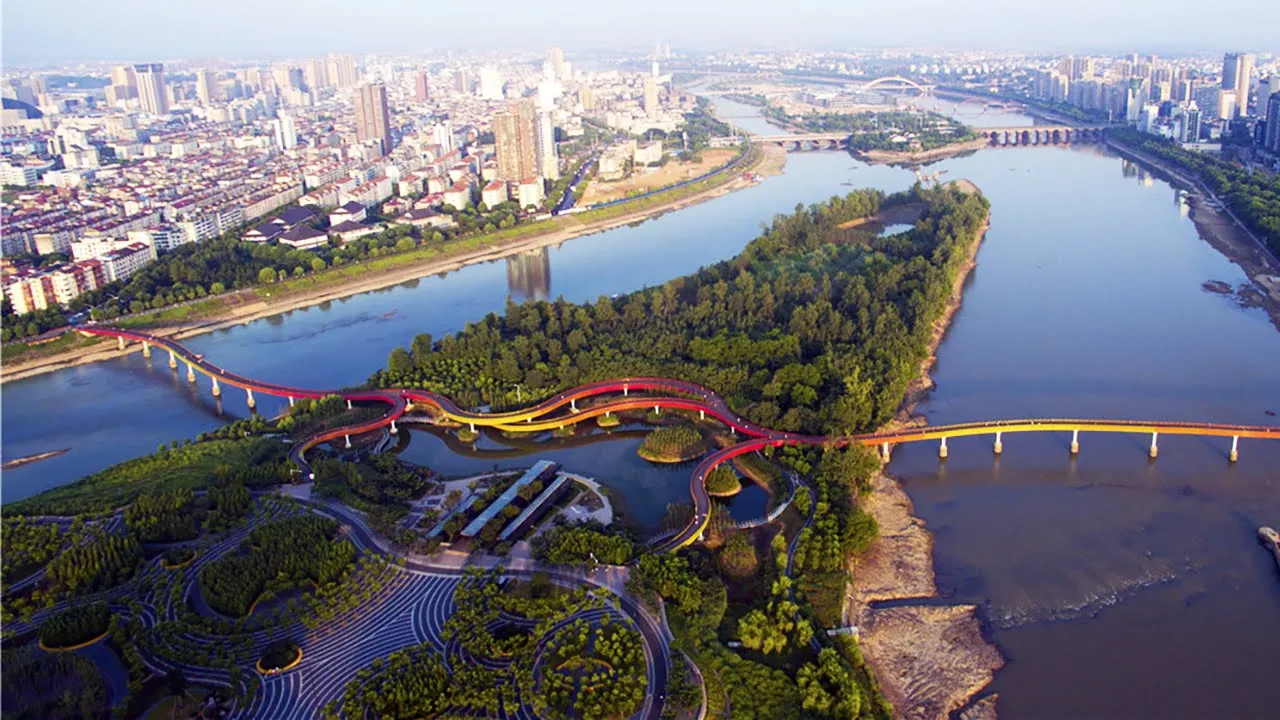
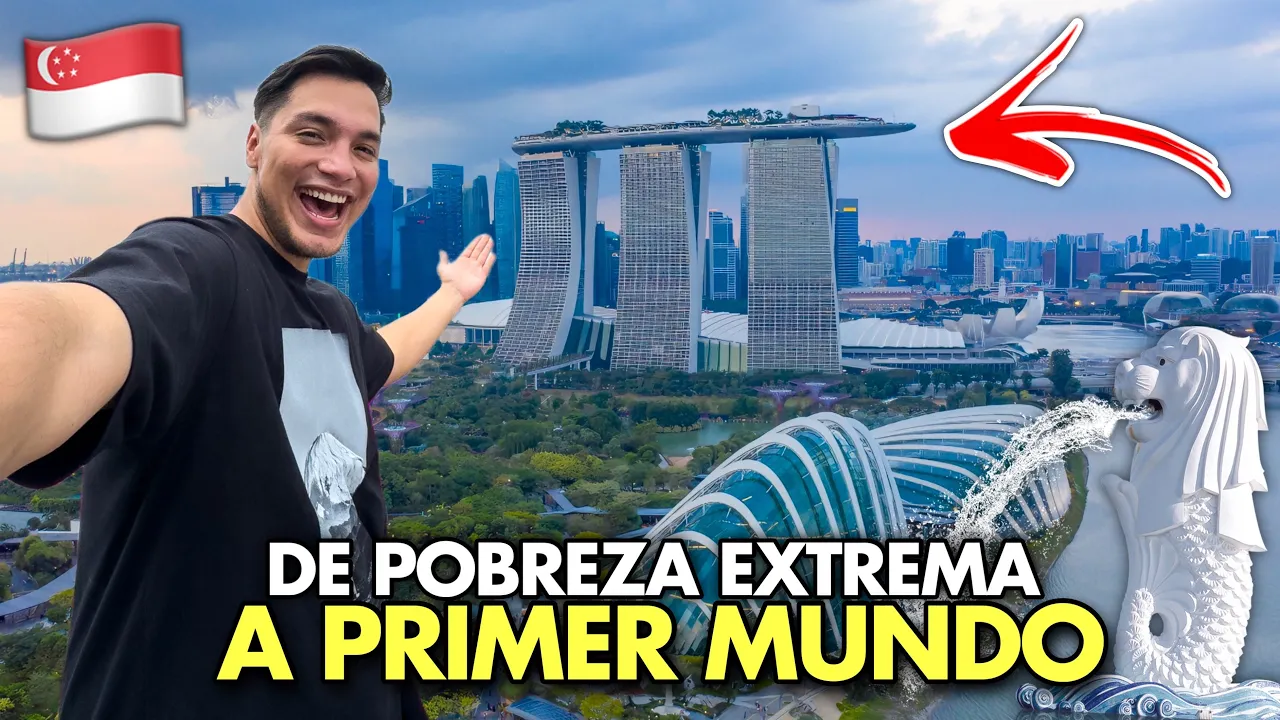

Singapore's City in Nature initiative transforms urban spaces into thriving ecosystems through nature-based solutions, integrating greenery into housing estates, creating interconnected natureways, and promoting community engagement to achieve a sustainable, climate-resilient city where humans and biodiversity coexist harmoniously.
Singapore's City in Nature Challenge: Urban Biodiversity
Added:The fundamental concepts of biodiversity, including species richness, ecosystem services, and ecological balance.
The ecological impacts of rapid urbanization, such as habitat fragmentation, pollution, and the urban heat island effect.
Basic principles of sustainable urban planning and green infrastructure (e.g., biophilic design).
The core goals of conservation biology and the distinction between habitat preservation and ecological restoration.
Advanced principles of biophilic architecture, including vertical greenery, green roofs, and urban forestry management.
Methods for measuring urban biodiversity, such as the City Biodiversity Index (also known as the Singapore Index).
Strategies for human-wildlife coexistence and conflict mitigation in high-density urban environments.
Comparative policy analysis of global green city initiatives, comparing Singapore's model with approaches like Europe's Green Belts or China's Sponge Cities.
43.9K views439likes46:02Original Release: 2022-04-04
an open oasis with a green sanctuary for a heart and nature coursing through its veins supporting life of every kind what started out as a vision 55 years ago has now blossomed into reality but there's more to go on singapore's greening journey to deal with the challenges of urbanization and climate change our island will transform into a city in nature [Music] to achieve this we'll tap on engineering innovations and nature-based solutions to build a more sustainable and climate resilient home both for our community and our rich biodiversity but what does it really mean to live in a city in nature very big welcome to cna green plant challenge residents in three singaporean towns are about to find out we'll send them on journeys of discovery are we ready [Applause] [Music] they will get up close and personal with nature and learn to appreciate our native treasures we love the fruits because it's high in oil empire we have to be grateful for what nature gave us so many disaster trees cannot grow animals cannot survive so we have to help them survive they'll also get personally invested in our natural capital it will grow and that's what our children will see i'm trending and you're watching the debut episode of the cna greenplan challenge [Music] thompson a town enveloped by nature here lush green forests and parks are just a stone's throw away and they are teaming with life [Music] this makes the town a good place to learn about city in nature one of the five pillars of the singapore green plant 2013 under this road map to a sustainable future nature will be restored in the urban environment and natural habitats will be enhanced across the country there are also plans to have every household within a 10 minute walk from a park by 2030 our most treasured green spaces our core biodiversity hotspots are in the heart of the city and our challenge is to ensure that these core habitats are protected by urbanization around it but also ensure that flora and fauna in each of these core hot spots for biodiversity are able to be ecologically connected through a very density and so our conservation strategy as part of city in nature is radically different from any other country in the world and very unique in its deployment of science of policy of inter-agency collaboration of partnership with nature community and society as a whole these efforts are already underway in thompson and neighboring marymount in recent years forest restoration projects have started to bear fruit as the town's greenery increases so too will the chances of meeting wildlife do residents know how to live in harmony with nature our team led by host chen ning conducts a pop quiz to find out which of the following is not an example of responsible wildlife encounters which of the following are allowed as pets in singapore i have a pet therapist that i want to release into the wow where can i release it maybe you children you shouldn't yeah okay they cannot survive and that is right congratulations [Music] with every correct answer participants earn a piece of a jigsaw puzzle they are tasked to solve the puzzle by the end of the day i was super impressed by all the participants because i imagine if i were one of them i would have failed the test very badly but they realized that no matter how many they have they couldn't fill up the whole bot whether you are amateur or pro there's always something to learn out there the empty spaces on the puzzle board represent knowledge gaps in society regarding what it means to be part of a city in nature we offer them a chance to earn the missing pieces the challenge should they choose to accept it is to go on an adventure trail at a nearby forest [Music] [Applause] we're off to thompson nature park open in 2019 it's a ripe example of a secondary rainforest where trees have started to grow over disused agricultural land we saw about a few whales covered with bushes remind me of my kampung days [Music] until the 1970s this place used to be a hainanese village known for its chickens and rambutans although most of it has been cleared passages of civilization still remain but the past is not the only thing that dwells in these woods in the decades since the land was abandoned life has flourished here thompson nature park is now home to numerous species of birds insects and mammals including the raffles banded langer [Music] as they embark on their challenge participants will learn about the efforts to protect these animals and their habitats do you know what animals [Music] what about you at every leg of their journey participants will be guided by green coaches from the youth stewards for nature a program run by the national parks board or n-parks each coach will get participants to perform a task designed to teach them about a specific habitat in the forest they are actually food sources for different kinds of animals upon completing the task they will receive a piece of the jigsaw puzzle that's waiting for them back at marymount community club we're going to find my lovers and my other animals let's go their first checkpoint the rumbertown trail yes rambutan trees still grow here and they're an important food source for animals like monkeys and birds to ensure that the forest can continue sustaining the wildlife here for generations in parks has been planting native tree saplings as part of its species recovery efforts but sometimes these efforts are undone by animals such as the wubble that are attracted to this oil pump plant which is actually an invasive species they also go after food scraps and rubbish that were left here by visitors to the park in the course of their meal these hungry creatures unwittingly dig up or trample on the young saplings and when the whale pigs come here equipped with this new knowledge our participants will now view rules like no feeding wildlife and no straying from the trail in a new light they will also have a better appreciation for singapore's habitat enhancement efforts try to guess which animal eat what kind of thing monkey eats the rambutan leaves excellent i walk more than her so when i walk through vision park of course you can see it's being upscaled being nurtured and looked after but i haven't been to other parks so i thought this would be a nice opportunity that's the irony of the situation that even though i live right next to a park i don't really go out much and go for walks and stuff so i didn't know much about biodiversity and all this stuff trying my best there's not a lot of streams left in singapore so we should really protect the ones that we have when learning streams help to cool the forest provide fresh drinking water for animals and are also home to a variety of aquatic species here our participants will learn how they can do their part to protect them and that is to admire them from a distance do not drink or fish out of the streams they are also taught not to release any animals into the wild as some exotic species might pose a threat to our ecosystem so do you have any ideas what does not belong in our singapore streams salamander yes perfect what's been reinforced the whole journey today is know that we live alongside the biodiversity they're not separate from us me personally i haven't really paid attention so i think bringing out more and more awareness among the community is going to help tremendously singapore is a city built in nature so i think my takeaway is that basically learning about the animals the forest you know the flora and fauna and everything and just appreciating and respecting where it all started a lot of people think that oh we can release our pets that we don't want into the wow and that is a real threat to the natural habitat nature should be kept as it is don't disturb them don't introduce things that are not native and and so forth i think it's important we have to be grateful for what nature gave us too many disaster trees cannot grow animals cannot survive so we have to help them survive it's like some sound oh look it's holding something in the hand it's eating something i was telling her i said let's have a mother and daughter bonding connecting with nature there's something you know that we can venture and discover so i invited her with me we will go on trails regularly actually like at least once a month together but we never noticed specifics like insects or particular birds right now you are in the grassland habitat listen to the audio recordings and identify the birds that you can see in this area as well okay [Music] i think it's just the babe have you seen any here at the moment for today no but we've seen many swiftlets flying what kind of sound they make or they don't but [Laughter] i'm a rated dj so i should be very sensitive to sounds but i'm very guilty to say earlier on i didn't score too well i feel like i need to be more sensitive to my surroundings let's all just take a moment and absorb the sounds around the environment to the next one even though we were not able to see those insects orchards ourselves we found out our names the sounds that they make their habitats what they eat that was the highlight the sounds of nature the smell of nature it was really a wonderful experience we learned a lot awareness of nature animals and how to respect and love them [Music] okay welcome to checkpoint five so this is a wildlife encounter checkpoint okay so firstly we are on langer trail this is the final checkpoint the langer trail visitors flock here daily to get a glimpse of the crown jewel of the forest the rare and revered raffle's banded langer with trails like this the community now has easier access to these unique animals as well as other creatures which share this habitat that this accessibility also comes with great responsibility to remember that all these nature areas in singapore shouldn't be taken for granted the trees the animals can't tell us what they feared so we have to stand up for the wildlife and be their defenders be a voice so in its envelope there's a scenario okay based on how do you responsibly interact with your life so you can spin then we'll get a color i'll give you a scenario then you'll tell me how you act accordingly what are you going to i think it's very important for young children to get in touch with nature to appreciate nature and also hopefully when they grow up play a part in building you know the green in singapore my favorite part of the trail might be when i saw a bird on the brunch and it looked like one of the animals that we were supposed to discover on the trail so yeah i was excited i learned that we should respect wildlife because when we encounter our animals we shouldn't aggravate them because we might cause some to them and also concern to ourselves we need to respect them give them space that we have taken from them and importantly is that we can coexist every animal big or small helps make our ecosystem vibrant and healthy from pollinating plants and trees to regulating the food web and providing pest control conserving our rich biodiversity to ensure there is a continuation of these vital ecosystem services is a key part of singapore's city in nature plans let's take a look at the department that's driving some of these efforts [Music] these folks are from endpark's wildlife management and outreach department a big part of their job is conducting research on where different species of animals can be found across singapore and their population numbers we actually help to look at potential wildlife conflicts across the whole of singapore this includes actually identifying the conflicts before they occur and actually mitigating them should they occur we are also promoting the conservation of a very precious resource in this case it's biodiversity we are telling the public how important biodiversity is is the only thing that we have is not replaceable and to use it wisely and not to pollute or damage it as part of its city and nature plans the government will improve how singapore looks after the health and welfare of wildlife residing in the city-state as nature becomes more and more part of our daily life there is actually a need to know how to respond to it and how to actually better rehabilitate nature and that's what we are looking towards there are certain animals that will need to be rescued and it is not an effort the end part is going at it alone we are working with various partners to how best to do this and it's a growing process and we are actually making good headway having completed all their tasks participants returned to marymount community club with the puzzle pieces they collected at the different checkpoints they leave the event with a fuller picture about what it means to be part of a city in nature we did the challenges we won the pieces and then we come back here and it just culminates into this big one um considering the fact that we're all from different groups and we don't know each other so it's nice to see that this whole big picture of greenery coming together during the checkpoints that is where you gain the knowledge we will definitely want to bring our family members to the park again to show them what we have learned and to go through with them whatever we have learned today to share the knowledge that we gained i hope that the participants enjoy themselves when they come back again they are more attentive they look out for the animals and the sounds the sights that we share with them and i also hope that they learn how to responsibly interact with our lives guys look this is the first time you've ever seen a monitor lizard in my whole entire life look he's posing for us for me i'm very humbled by today's experience it's amazing to see so many people who wants to be involved and to be immersed in the environment as well with the most important person in your life i've yet to do that with my mom i hope i'll be able to do it before the end of 2022.
it's a great day for tracking with my son enjoy each other's company right and also take our minds off of you know the hustle and bustle of city life meeting a lot of the volunteers that have a lot of knowledge about animals parks in singapore i learned a lot from them when you go about your daily lives you will have a chance to encounter some wild animals that is residing in singapore so please give them space allow them to drive in singapore together with us [Music] bukit panjang a mature housing estate surrounded by lush greenery much of which has grown on land where a village once stood [Music] here nature greets you at every turn providing a tranquil environment that nourishes the mind body and soul this has made focus banjo an ideal location for our next city in nature challenge same drill different town what is the ratio of three to people in singapore seven to six seven to six and then option one that is residents race to fill up a jigsaw puzzle which identifies knowledge gaps soon they'll go on a quest in search of answers to their unanswered questions [Music] in a previous challenge at thompson participants learned about the do's and don'ts of wildlife encounters here at chestnut nature park residents of phuket punjab will be introduced to other natural treasures that are equally precious our native trees today residents will learn how to identify some of them as well as the benefits they bring to society and the environment welcome to chestnut nature i'll be your green coach for today my name is the green coaches for today are volunteers from friends of chestnut nature park [Music] so you walk from the kappa to here you notice any temperature differences yeah so this canopy really helps to block out the heat and the sunlight that gets to the forest floor so it's really important we only became interested in the last two years because of the pandemic we started sitting nature park in singapore so before that i think we were quite ignorant and because of that new discovery new interest we visit the chestnut nature park orphan actually because we live around the area so far we've been there maybe more than eight times so we just explore at will uh randomly quite randomly if you look around here how many ficus trees do you see so all that you see in front of you is probably one malayan fake yes james and his wife siole are meeting one of bukit panjang's oldest residents the nearly century-old malayan banyan a type of fig tree native to singapore this living relic is the first checkpoint in our challenge here residents learn about the symbiotic relationship the trees enjoy with wildlife but this tree here is very important animals depend on trees for shelter and food they return the favor by scattering pollen and seeds to help the trees reproduce participants are also let in on a little secret the flora and fauna here are actually part of a larger ecosystem which extends beyond this forest chestnut nature park is actually a buffer park for the nearby central catchment reserve buffer parks help take the pressure off our nature reserves by providing the community with more venues to enjoy nature they also serve as corridors for animals to travel between green spaces [Music] after learning about these buffer parks participants make their way to the next checkpoint where they're about to get a tall order they have to guess the height of this pulai tree one of the tallest trees in this forest [Music] here guess the height of this tree the idea is to help participants learn that a forest has multiple layers with each layer playing host to different animals the teams also learn to tell friend from foe these are invasive plants they actually deprive the native plants and then from surviving our natural treasures are constantly under threat from exotic invasive species some of these plants were introduced during singapore's colonial days others creeped in together with foreign plants that were imported into the country over the years some species have grown out of control to the point that they crowd out or even strangle our native plants i used to think that all trees are good for environment but now i learned there's native trees and non-native trees are actually harmful there's a lot of grasses that i thought there was somebody there but actually it's not it's invasive but when the universe says harmful you will keep a look of to give our rainforest a stronger fighting chance n parks will intensify nature in buffalo parks and nature reserves through the forest restoration action plan different layers of the forest that have been damaged will be replenished with native trees and the greening will extend beyond the forest to our streetscapes too [Music] these are nature ways where shrubs and trees of varying heights and sizes are planted to mimic the different layers of a forest by 2030 there will be 300 kilometers of natureways across the island there are at least four distinct ecological layers such that from a bird's eye view there are actually various options and as you know different animals like to occupy different spaces with diversity of levels layers of greenery in which you can occupy it will hopefully attract a greater diversity of animals pollinators of dispersers who will then use it to cross from big green space to big green space [Music] these natureways will create immediate homes for birds and butterflies and allow them to move across different habitats if you are looking at an area where big green space is totally isolated and there are no options for connectivity to another area what you typically get is what we call an island effect whereby everything there is contained the animals can move out and they won't be able to then spread their genetic material across populations because they are able to make use of these nature ways of these connectors that we have instituted right they can literally cross and then intermingle and strengthen their genetic strength so the nature ways program is a very very important program for us because it will turn singapore hopefully within the next 10 years into a highly interconnected area the final station in the trail is the forest restoration area volunteers from friends of chestnut nature park have been looking after a cluster of native shrubs and trees that were planted here recently these young saplings are constantly under siege by exotic weeds [Music] we've asked our participants to remove these weeds and plant new trees they are led by a mystery green coach we will lose trees to disease to development unfortunately because we have needs for housing and other purposes but we aim to plant a million trees on top of what we lose so we replace what we lose and then and only then we plant a million it's the first time i'm doing d planting and it really feels very fulfilling to to plant a tree yeah that's definitely my favorite part i asked the person that was guiding us why we put the plants so close together so he was telling us that actually only about 50 will grow up to be trees it's close together because at the end they want to form a canopy we are contributing to rebuilding a part of chestnut nature park so that was exciting to pull it up you'll find that it's connected for a very very very very long time a lot of them were very surprised when i told them that oh look this patch of green over here is actually non-native species and even though it looks very nice and green it doesn't have a canopy so the idea of forest restoration means we are trying to bring back a forest we're trying to bring back the structure of a forest so that it can create more habitats for wildlife the squirrel is just following us so today i met natasha and rauf and this is their third time to chestnut nature park the first time with that baby when i first saw them and the baby i was a little worried because carrying a baby to walk this trail is definitely not easy at all especially at the checkpoint of planting and weeding because ralph was carrying the baby so natasha was all alone doing the planting but that didn't stop her at all in fact she gave her 100 so standing by the side i was very amazed by her strength this is mommy high awards you're doing great so it was mostly her doing the work because i was carrying the baby so i think she did a very good job her form and her posture was really well it was easier than i thought i think because they thought the right technique but it's nice because you know you get to hold the soil and i feel like you know when you're so used to playing with computers and all that it's very nice once in a while to get down and plant something and yeah it felt nice like connecting with nature all over again [Music] the trees planted today will contribute towards the 1 million trees movement under this plan a million new trees will be planted by 2030 singapore has already met a third of this target with over 320 000 trees planted as of february 2022 trees are nature-based solutions to mitigate climate change they improve air quality and help reduce the urban heat island effect by cooling down temperatures trees have ecosystem functions so by planting as diverse as possible and also planting native trees native trees support native pollinators native dispersers as well so they actually go beyond that and it really helps us in our species recovery program in this environment you see there are a lot of trees you can hear the straw-headed bubu in the background a critically endangered bird as well so trees actually provide habitats for a lot of our native species as well we hope to involve as many singaporeans as possible because to be a city in nature we need everyone to have that biophilic mindset hope that every singaporean families come together plant trees together and that becomes almost like a rite of passage of every singaporean and in that sense of ownership that stick that they have in the green city the city nature around them i think is also an important part of the 1 million trees movement [Music] in completing this challenge participants leave chestnut nature park with more than just puzzle pieces they return home with newfound knowledge and a deeper connection with the nature that surrounds them i was very heartened to see that the participants were actively asking questions they were really interested to know more about nature and environment around them so i think that's really you know the kind of habit that we should have as well towards our surroundings i think today is a first step for them to appreciate that nature is wild and nature is very rich in biodiversity and hopefully as we go towards a vision of city in nature people want to be near green spaces and to appreciate the kind of biodiversity that's present in this kind of green spaces through all these our relationship with nature has definitely improved a lot and we hope to nurture it further whatever we planted today in 10 20 years time it will grow and that's what our children will see i think it's important that you know there is enough for us around when the next generation grows up for them to enjoy the nature and being able to sustain it [Music] it's singapore's first eco town known for its clean and vibrant waterways and lush greenery integrated into its urban environment bringing nature closer to residents this is pongol and it's the setting of our next cna green plan challenge today our first stop is the famed oasis terraces it's the housing and development board's first new generation neighborhood center a one-stop destination for a range of services where you can eat shop and see a doctor it's also one of the most iconic green buildings in the town [Music] it boasts of sustainable features like a well-ventilated community plaza specially designed to bring in natural light and the breeze fans and lights are triggered by motion sensors to save energy and cascading green terraces work to cool down the building and help reduce urban heat all these make the center an ideal venue for residents to begin their journey of discovery this time our jigsaw experiment has been tweaked to find out how much residents know about the green features in their town floating wetlands in pongo have been adapted for use at an island named the island pony island coney island is wrong we know each other through running and also he those high intensity are training every week we actually run in pongo i think we are pretty competitive i think most of the questions we raised our hand to participate but i think there are people who raise their heads faster than us it would take more than fast fingers to complete this challenge are we ready [Applause] [Music] participants will be sent on a four kilometer trail around the neighborhood along the way they will have to hunt for sustainable engineering innovations hidden across the town this will put their patience and resolve to the test they'll have some help they will be guided by green coaches from the friends of our heartlands network a group of volunteers under the housing and development board welcome to the community gather this is the muhiba garden the first checkpoint with a large variety of plants and even fruit trees it's a haven for urban biodiversity situated six stories above ground it's proof that the sky is not the limit this rooftop community garden was designed to bring residents of punggol together through gardening while giving them a sense of ownership in their living environment participants have to identify and take pictures of the unique plants and trees planted here before we moved to pongol we were in other places of singapore we felt pongol the area full of buildings everywhere like i go i see buildings one thing i saw different was like they they grow uh plants in the rooftop so in that way we have the nature along with the buildings so it's nice it's already or not yeah yeah yeah there's three right there rooftops are not the only places in pongo where you can see examples of nature being woven into the urban fabric you can witness this along the waterways too [Music] welcome to checkpoint two this is the wave breacher at the wave bridge participants are introduced to special residents living along the banks of pongol waterway they don't live in flats and they aren't fish or turtles they are freshwater tolerant mangroves and they were specially cultivated here by hdb besides beautifying the waterways these mangroves act as natural filters that improve water quality by up to 30 percent they also help capture carbon and attract a wide spectrum of biodiversity now we understand so many of mangroves and their functionality this is quite interesting and refreshing to know that there are so many other things or places to discover about singaporeans that probably need more effort to go and read up about it [Music] the next checkpoint is tree lodge at pongol it's singapore's first public housing development with eco-friendly features these include a rainwater collection system recycle bins on every floor energy-saving lighting and abundant cycling racks to encourage green commuting oh what's this oh i think it's explaining the design of these places the teams discover that the flats here are orientated towards the south west to face the prevailing northeast winds [Music] this is to maximize natural lighting and ventilation to help mitigate the urban heat island effect [Music] we test participants on their knowledge of treelodge's biophilic design [Music] point out the direction of the tree lodge was not easier yeah not fine because we mentioned earlier all the vlogs are here to take advantage of the north eastern winds software it's a trick question [Laughter] every checkpoint will learn different things but i think as the resident of a hdb plan i would think that maybe trilog give me a deeper impression i didn't know that there's so much thing in hdb pongo will be a place that we are proud to stay in given the development it has a balance of everything coming from the north south we are staying in a more mature estate so we don't get to enjoy what these new residents in pongo actually get to enjoy like collecting all the rain water if it really opens up our eyes you know we thought more plants basically another urban area we pull a flat but when we came here i think we saw the other part of singapore more greenery more trees and buildings we are proud that actually singapore is going to us this way so that our future generation can actually enjoy this as much as well [Music] we live so near each other so like walking along the waterway and all this is actually something that we do occasionally because we both like being outdoors and surrounded by greenery but today we actually got to learn more details about the nature that's around us versus when we just do our own walks bio diversity area meaning birth butterfly don't cry with somebody to tell us more in that it really matters and that really makes me feel i'm living in a very special place this is the final pit stop and it's where teams can check out a unique engineering innovation that was invented and patented by hdb the floating wetlands inspired by the honeycomb they are made of hexagon-shaped modules that can be easily assembled or dismantled anywhere when put together they form strong and stable green islands which allow biodiversity to thrive in the waterways it's a very new thing like i'm not sure like many people in punggol knows about this wetland floating but at least is very good in terms of expanding the nature i hope that participants will appreciate the waterway which act as an outdoor classroom enabling them to learn and appreciate the fauna in their shared living environment i believe these lessons are important as they allow residents to appreciate how engineering innovations and nature can go hand in hand to bring about an environment where biodiversities drive congo is my home then there are so many plants around and all this really brought nature to home which really makes us happier even on weekends when we come really makes us so much more relaxed [Music] innovation a biophilic mindset and community spirit these are the secrets to what makes pongol an eco town which our participants uncovered in the course of their challenge along with their puzzle pieces [Music] it's made me appreciate the essay even more with pongo being a relatively new town we've had the benefit of urban planning where nature has been built into the town it's a good step that we are moving towards incorporating a lot of these sustainability initiatives and eco-friendly features integrating it into our daily lives i think out of this skill i noticed that a fungal is a place of nature you're really close to greenery landscape and make yourself feel very fresh in the environment and hope it can be copied into other town as well to make living more beautiful my impression is that urban and nature can coexist and i think that's very important pongol is a good case study of how needs such as housing and transport can be balanced with sustaining a green haven shared by the community and our native flora and fauna singapore's conservation and development challenge is particularly acute and one which makes us focus our minds on how to strike the right equilibrium and that equilibrium is always a dynamic and moving one striking that delicate balance requires a continuous process of engagement but also the application of science for example we are now engaging in ecological profiling exercise or epe partnering academics researchers environmentalists in order to understand each green space in singapore and what it means for us in our urban city our bastions of biodiversity are within the heart of the city and to ensure that there is ecological connectivity you have to traverse urban spaces over the next decade the lessons learned from pongol would be gradually applied to other parts of the island in new and creative ways one example is in bidadari an upcoming housing estate it's envisioned to be a tranquil urban oasis where residents can live relax and connect with family and friends in a garden-like setting residents here will soon enjoy easy access to nature with six kilometers worth of trails connecting them to a variety of habitats and numerous species of plants and animals the public housing developments in bidadari also harness the elements of nature wherever possible to promote sustainable living through an array of equal features we've capitalized on vitadari's rolling green rich heritage and convenient transport connections we have large landscaping and green spaces integrated within our public housing development with this initiative residents ambiti is able to enjoy nature at their doorsteps be it in video any part of singapore soon you will no longer be able to tell where the green ends and the urban begins our three challenges in thompson bukit panjang and pongal gave residents a taste of this new reality vibrant and healthy habitats teeming with life interconnected green spaces that can be enjoyed for generations and the community living in harmony with nature as one large ecosystem i feel that sometimes we are living in a concrete jungle so city in nature is bringing nature into our concrete jungle a warm and more comfortable living environment at least for us living in flats it's important that enough for us around when the next generation grows up for them to enjoy the nature being able to sustain it we live alongside the biodiversity they're not separate from us this is the central part that biodiversity pays in the city of singapore so i think bringing out more and more awareness among the community is going to help tremendously we all have a part to play in building a city in nature i'm extremely proud of all contestants from the three towns and i hope they'll go forth and share what they have learned with their friends and family in applying and spreading this knowledge they will plant the seeds for a sustainable future [Music] channing for one has already selected somebody to share her green journey with her mom [Music] to where the feeling is [Music] join us again next week for another episode of the cna green plan challenge in the meantime we would like to congratulate the residents of bukit panjang your town is the winner of the cna green plan online challenge city in nature edition thank you for sharing stories of your green journeys with the us is [Music] you
Up Next

10:24
OpenCV Python Tutorial: Build a Real-Time Grayscale Webcam Application
@CodingEntrepreneurs
89.2K views•2018-04-08

26:22
Walking in the City: Urban Rituals and the Flâneur in Contemporary India
@PSBTIndia
1.9K views•2016-08-02

45:40
Myanmar Civil War: Ethnic Insurgencies & Fragmentation Risks
@CNAInsider
3M views•2024-02-20

1:42
Game of Thrones Opening Credits: A Cinematic Analysis
@gameofthrones
46.3M views•2011-04-18
Related Study Plans & Knowledge Roadmaps
Structured learning paths in General & Interdisciplinary Studies
general-studies
Artificial Light: History, Tech & Human Impact
01The Pre-Electric Era: Fire, Oil, and Gas Lighting
02The Incandescent Revolution and Grid Electrification
03Gas Discharge and Fluorescent Illumination
+ 3 more learning modules
14h6 modules
Explore Roadmap
general-studies
Elevator Engineering: History, Physics & Cities
01From Hoists to Safety Brakes: The Dawn of Vertical Lift
02Hydraulic vs. Traction: The Engineering Physics of Elevators
03Modern Speed, Safety, and Algorithms
+ 2 more learning modules
12h5 modules
Explore Roadmap
general-studies
Rubber: Material Science, History & Geopolitics
01Origins of Natural Rubber & Mesoamerican History
02The Chemistry of Natural Rubber & Vulcanization
03The Geopolitics of the Rubber Boom & Colonization
+ 2 more learning modules
12h5 modules
Explore Roadmap
general-studies
Containerization: Evolution, Logistics & Trade
01Ancient Trade & Bulk Cargo: Amphorae to Barrels
02The Industrial Revolution & Cardboard Packaging
03The Containerization Revolution: Malcom McLean
+ 2 more learning modules
12h5 modules
Explore Roadmap