


![[ความจริงที่ถูกลบ] ทำไม “รัฐฉาน” ไม่ได้เป็นของไทย? เปิดเอกสารลับปี 1947 ที่เปลี่ยนแผนที่ชาติ!](https://i.ytimg.com/vi/oKtF2jB6fuc/maxresdefault.jpg)



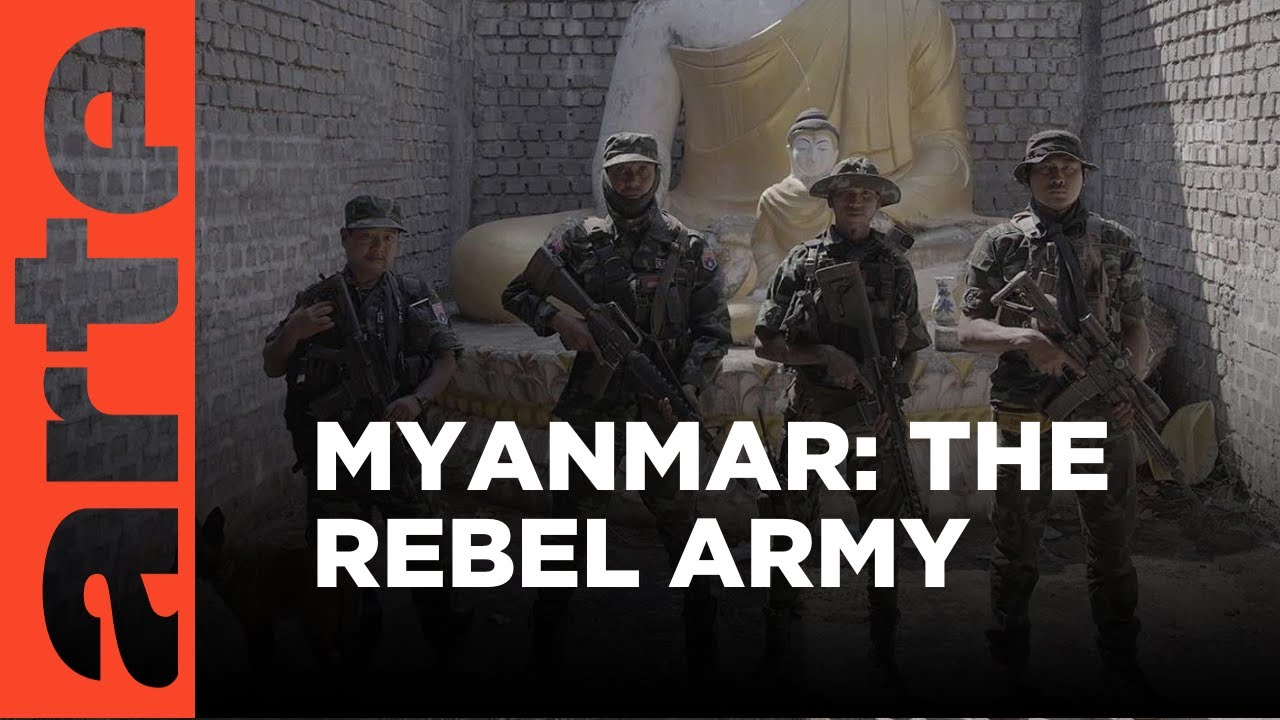


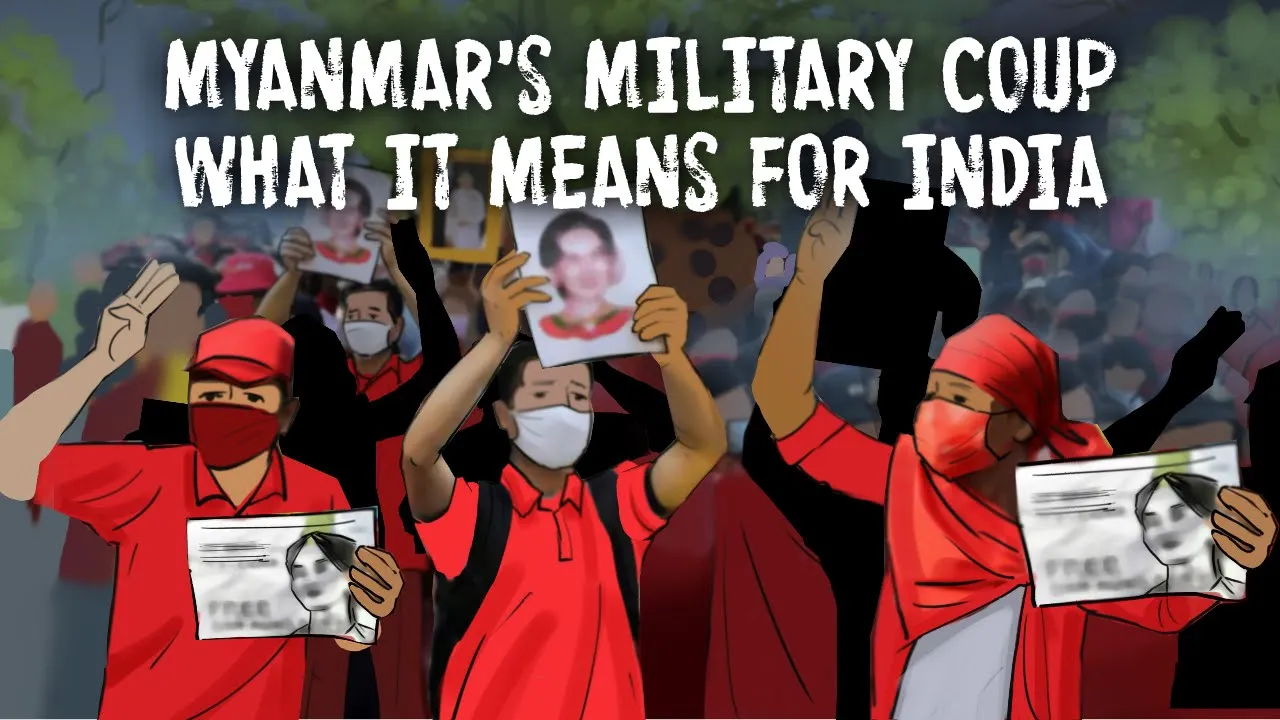


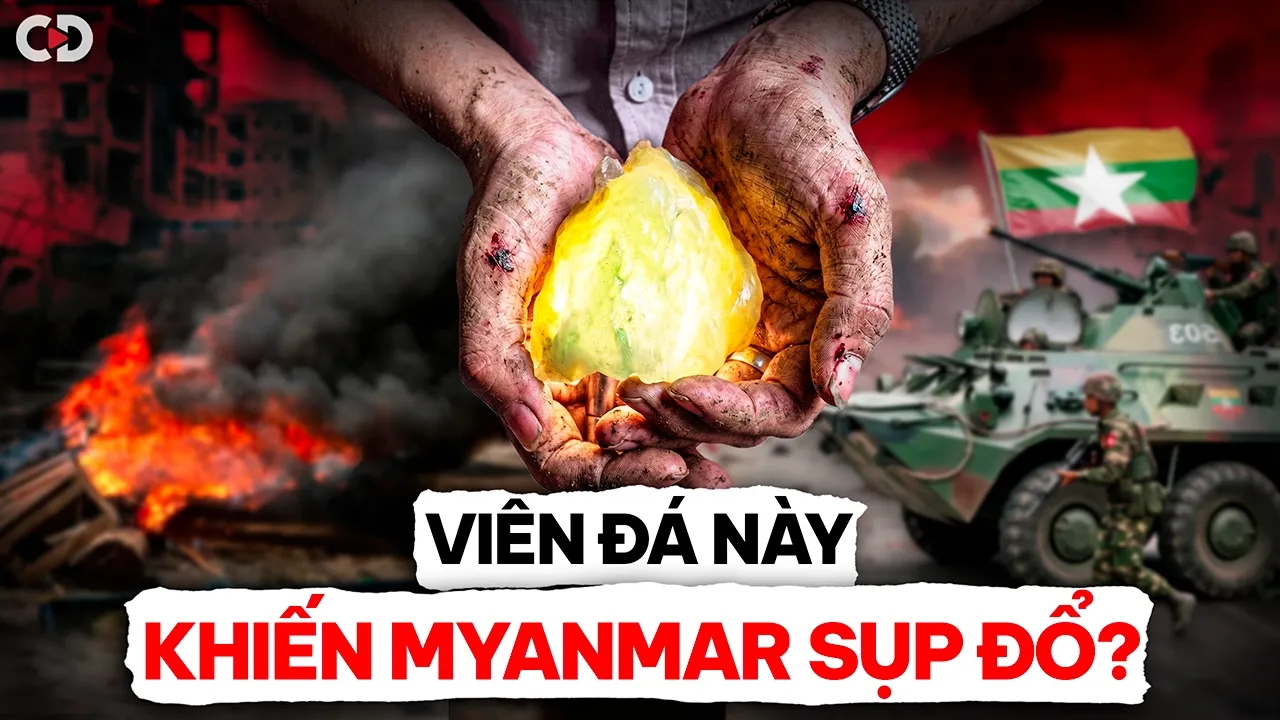




The 2021 Myanmar coup triggered a complex civil war involving multiple ethnic armed organizations (EAOs) that shifted from independent operations to coordinated attacks like Operation 1027, capturing significant territory and forcing the military into defensive positions; this transformation demonstrates how fragmented insurgent groups can unite against a common enemy, though the resulting power vacuum may lead to a fragmented post-conflict configuration where different armed groups control their own territories rather than a unified federal solution, with ASEAN and China playing key roles in potential peace negotiations.
Myanmar Civil War: Ethnic Insurgencies & Fragmentation Risks
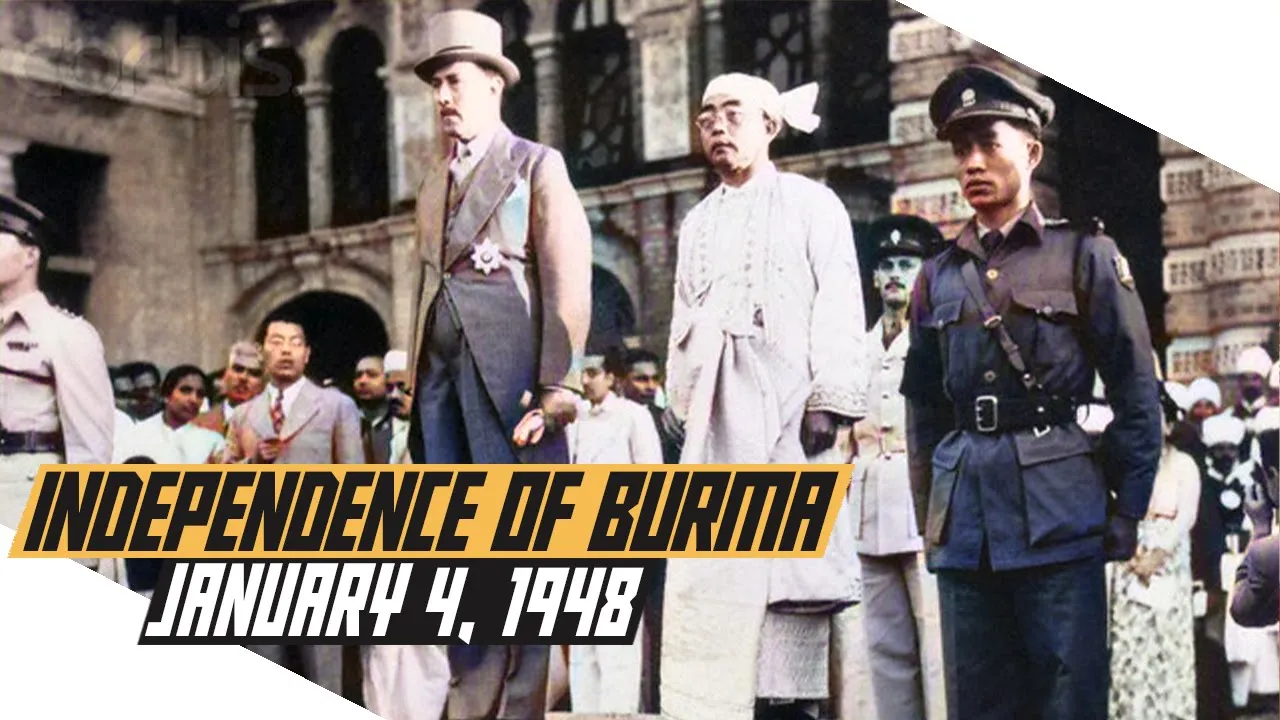
Added:The colonial history of British Burma and how 'divide and rule' policies laid the groundwork for modern ethnic tensions.
The significance of the 1947 Panglong Agreement and the unresolved promises of ethnic federalism and autonomy.
The political dominance of the Tatmadaw (Myanmar's military) and the history of coups, particularly the transition from democratic reform back to military rule in 2021.
The demography of Myanmar, including the distinction between the majority Bamar population and the various Ethnic Armed Organizations (EAOs).
Comparative models of federalism and constitutional design that could potentially reunify a highly fragmented state.
The geopolitical strategies of neighboring regional powers, specifically China and India, regarding border security and economic investments in a destabilized Myanmar.
The political economy of conflict in Southeast Asia, focusing on how illicit trade (such as narcotics, jade mining, and cyber-scam syndicates) funds non-state armed groups.
The international legal frameworks and humanitarian responses required to address mass displacement and refugee crises resulting from protracted civil wars.
3M views17.2Klikes45:40Original Release: 2024-02-20
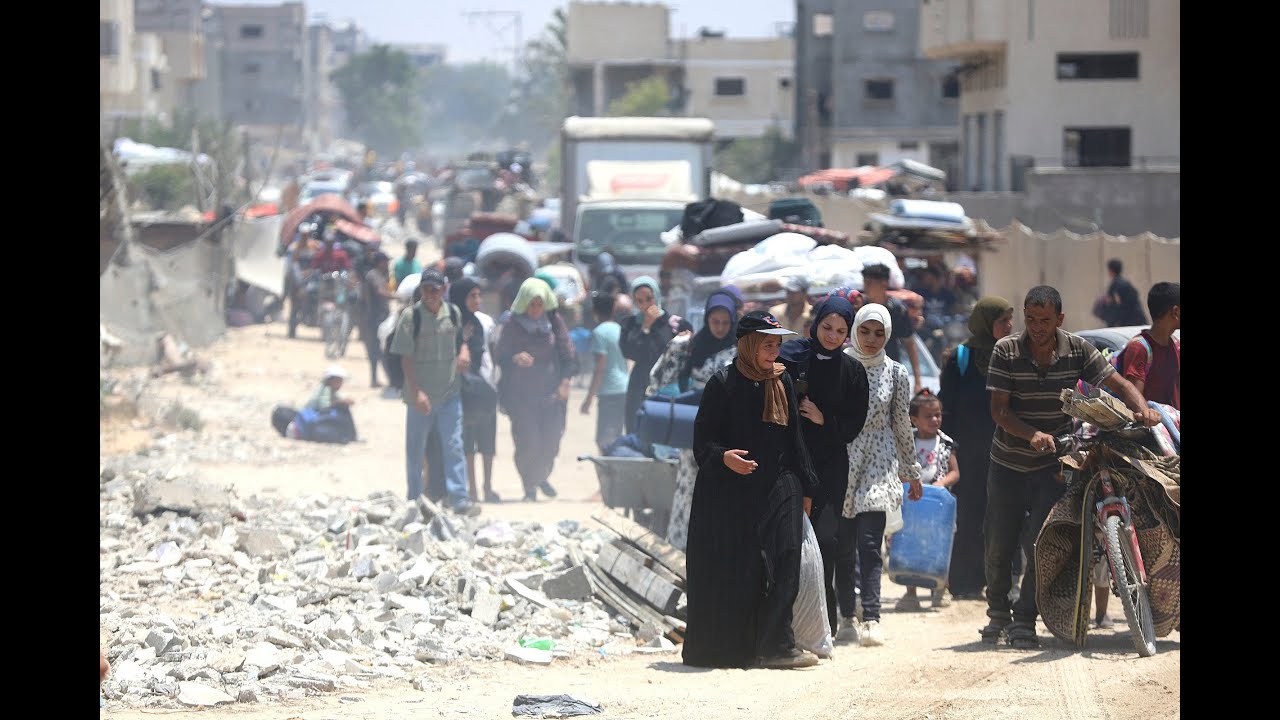
[Music] the tide of War appears to be turning against the Myanmar military regime within the space of a few days several towns these were captured as myanmar's humanitarian crisis continues 3 years since the military takeover there have been over 2 million people uh displaced when the dust settles what will become of the baged country we will see a lot of different armed groups controlling their own [Music] territory Karen State Eastern Myanmar somewhere in the mountain terrain these young people are out under the stars keeping warm by the campfire it's Christmas a time to gather and be merry while the holidays are a break from school or work for most young people here things are different [Music] these youths are Rebel soldiers from the urban revolutionary front embroiled in a deadly civil war against myanmar's military government whose forces are air 32 km away the URF is an armed resistance Group which formed in 2021 the military toppled myanmar's elected government in February of that year on the grounds that it subverted the election [Music] the military took control forming a government known as the state Administration Council or sac since the coup the sac has waged deadly battles against the armed resistance groups throughout the country one report estimated that almost 7,000 civilians have been killed and another 2,600 injured in months after the coup although numbers are likly higher in fighting the jint resistance groups like The URF have found themselves outgunned the rebels and the military Trader blows for over 2 years neither side gaining much ground then on October 27th 2023 a dramatic Turning Point Rebel forces launched operation 1027 so 1027 is a an offensive by the three Brotherhood Alliance which comprises the mymar national Democratic Alliance Army the Tang National Liberation Army and the arakan army so these three ethnic armed organizations have taken over hundreds of military outposts and bases and taken over about a dozen key towns in northern Shan State uh and I think they've gained territory at a quite a surprising rate uh since the cool we've not seen anything like this and uh within the space of a few days uh several towns um District level towns border uh I think uh the more strategic locations along the uh the trade route with China uh these were captured Morgan Michaels of The International Institute for strategic studies leads to production of the Myanmar conflict map which shows the state of the armed conflict in the country so 1027 was launched uh in Northern sha State along the border with China the Brotherhood Alliance so far has been able to capture the cocine self-administered Zone uh in this area and the other is the palong self admin Minister Zone in this area we saw also saw intensified tax on the regime uh in Sag and then of course one of the members of the three Brotherhood Alliance the iraan Army uh has launched its own campaign here in rine state to understand the offensive we have to first understand the ethnic makeup of Myanmar there are 135 ethnic groups in the country divided into eight main ones each concentrated in different are areas the majority are the Bama or burmes who live mostly in the irawadi Basin then they are the chin the kachin the Shan the rakine the Kaya the Ken and the mon many of these ethnic groups have been fighting for autonomy even before the coup Myanmar has been embroiled in armed conflict uh for the last 75 years prior to the 202 C fighting was mostly concentrated in the peripheries of the country and then over the last uh decade several groups Rose to prominence uh these are the three Brotherhood Alliance groups ethnic separatist groups are collectively known as ethnic armed organizations or eaos after February 2021 they stepped up their fight against the military what made operation 1027 different was how the these desperate Rebels came together that that folks were actually apparently working together in communication coordinating their military and tactics that is the impression that we're getting is the biggest change in the in the game the key issue here was that it seemed that these groups that are normally working independently of of each other seem to be working in coordination with each other and that uh was a surprise and was able to the combined numbers seemed to overwhelm the the ability of these local bases and the and the and the military to to re to push these guys away by the end of November 2023 the Brotherhood Alliance claimed that over 220 military outposts and positions have fallen to the rebels perhaps sensing the Jin's vulnerability other resistance groups join the frey launching operation 1111 on November 11th operation 111's main objective is to capture the kayos state capital of lyo and so to do this uh hundreds if not thousands of Ken Fighters uh pulled themselves from the rural areas of the state and converged on the city uh launching a major urban assault and were able to capture about half the city in several weeks then there is one other important faction in the war when the military took control in 2021 they oued the democratically elected government mostly made up of the national league for democracy the deposed nldd leaders fled Yangon and reformed as the national Unity government or the nug and so they formed their their government and are in a sense a government Exile but they have a lot of support you know of many of the folks who saw that their future in a sense had uh been robbed you know by the actions of the military when they enacted emergency law in in 2021 and from the supporters of the nug and armed resistance would CIS these are the so-called people's Defense Forces uh which rose up in opposition uh to the military's power grab uh people's Defense Forces are mainly concentrated in the center of the country in an area known as the dry Zone this is uh where the Bama majority lives from the captured city of Loy cow 28-year-old cortet a leader of the urban revolutionary front is planning their next move broadly United by a common foe the nug and the ethnic armed organizations appear to be on the same side but with different goals and allegiances the real picture is a complicated [Music] one of the 20 or so EOS there are some that are explicitly aligned with the nug and then there are some who keep quiet about it but in in in spirit aligned with the goals of the nug and then there are others who have a are more interested in safeguarding their own autonomy and are less involved in the contestations between the nug and the SEC for the PDFs there are PDFs that are hundreds of PDFs under the direction of the n's Ministry of defense and there are also lots of smaller local Defense Forces that are inclined to stay in their own area and protect their own uh civilians from raids from the SA or the mymar military nonetheless According to some reports the combined nug and ethnic Fighters number over 200,000 this outnumbers the military's 15,000 troops pretty much all of the groups that are fighting the Myanmar military regime uh share a common interest uh in either defeating the regime or at least seeing it significantly weakened or removed from politics and so that is a unifying uh Common Ground across the broad opposition movement in the country this common goal has given the resistance success in the recent months but how long can this [Music] last [Music] since operation 1027 the military Hunter has been the back foot losing territory to the [Music] rebels well there are several significant factors behind the Brotherhood Alliance alliance's success uh first of all these are not new armed organizations these are experienced Insurgent outfits uh that have been fighting the military off and on for the past decade and a half so there's a lot of experience that these groups have uh also the Brotherhood Alliance since the 2021 coup uh did not openly join the armed opposition movement uh to the new regime uh instead they sort of abided by an informal ceasefire with the regime uh and laid low and during this time they uh were arming recruiting uh preparing and planning currently the junas might is Consolidated in the central plains around urban areas like gangan and napor the rural parts of the country are where the military is being pushed back sat if the resolve is strong among the Rebels the picture appears different on the other side since 10:27 thousands of jentle forces have abandoned the fight some fled across the border to neighboring countries While others defected and joined the opposition so in terms of the military of course there's there's there stories of dissension and and and changing in the ranks and and and low morale when the Army sees itself as being the Protectors of the country and they're seeing that many of the people of the country don't see them that way it's got to be a very difficult position to operate in the military's uh it's being challenged across the country so its forces are overstretched and its strategy has been to try to hang on to uh static territories uh and so it's been unable to Pivot to mobile operations or other fighting styles that may have been more successful from a broader perspective uh the military seems very weak and it seems potentially beatable uh probably for the first time since the coup in this battle of attrition who comes out on top will depend on which side can fill their War coffers so where are the the rebel groups getting their funds the newer opposition forces are relying on crowdfunding and donations uh but the more established ethnic armed organizations uh are more tied into the the country's long-standing conflict economies uh they operate a number of businesses uh some of them could be hotels uh even in in regime areas but there's also a lot of resource extraction in Myanmar uh and there are also some illicit economies uh related to the drug trade a report by the United Nations office on drugs crime say that since the coup in 2021 there has been a surge in synthetic drug production in Myanmar The Yaba tablet trade used to be about 2% a year that they would produce of the total that was seized in the region uh we're up almost to 30% since the coup so it's been a really really big Jump by small producers and it's coming out of the same areas where the armed groups or non-state armed groups that are uh basically countering the government happen to be based there's chaos in those areas right now which are perfect conditions for producing traffickers there's money to be made in the trade all along the value chain from the production Point all the way through to the borders of other countries on the other side the military regime has the advantage of the Central Bank State economy and taxes but it is also facing severe challenges according to the World Bank myanmar's GDP is expected to grow 1% in 2024 the US and EU have collectively issued some seven rounds of economic sanctions the value of the currency the chat has plummeted inflation has skyrocketed and foreign investment has all but vanished they are struggling right now because the state is is weaker than it's ever been they don't have U they're trying to recover from the economic crisis that Co brought around so they're already operating at a disadvantage but the second thing that we're also operating in a disadvantage is also in the sense that the the state itself the Civil Service personnel has been severely weakened with many of the civil servants and so forth stepping away from their offices and their roles either out of protest or out of fear or whatever and and so the state isn't operating either at the at the capacity there have been rising costs of living inflation power Cuts have increased the cost of fuel has skyrocketed as well in recent months and behind the scenes one power broker could tip the balance China when the military grabbed power in the 2021 coup China was one of the first countries to engage with the regime China refused to condemn the coup and called it a major cabinet reshuffle in effect legitimizing the military government China has always played a role in myanmar's conflicts uh it supports both sides it provides diplomatic support and weapons to the military regime and it also provides diplomatic support and at least indirectly weapons and Munitions to some of the ethnic armed organizations Myanmar and China share a border that's more than 2,000 km long bilateral relations have traditionally been warm with China being myanmar's top trading partner China's interest interest in myma has has always been one um of you know strategic engagement they've been there with different governments um they're interested in in my's resources they're interested in access to the Bay of Bengal it's also part of the broader brri um uh framework and so from a strategic standpoint it's anything to stabilize um the the Borderland area um is something that I think they would um promote but as the sa's control of the outskirts deteriorated there was a surge in crossborder crime including cyber scams drug trafficking and online gambling of which Chinese citizens were the victims there has been an issue which has become a thorn in the side of Beijing are these scam centers across the country but especially in Northern sha State uh where tens of thousands of national foreign Nationals including Chinese National have been trafficked uh into slave likee conditions uh and forced to uh to operate these digital scam centers and so China had uh protested these asked the regime to crack down on these uh and the regime essentially did not comply with the success of operation 1027 observers looked for signs if China has turned its back on the regime despite speculations Beijing has maintained it was not involved in the [Music] fighting I think the the Chinese would have known of the operation uh that it was commencing soon uh they have always provided uh Military Support uh to these ethnic armed organizations uh people say that there was T sit approval I think it's less a a green light than the absence of a red light in the case of the Chinese I think one of the key factors uh in the success of operation 1027 is the Firepower available to these groups uh some of these weapons are originating from other groups uh but at least the base inputs uh for these weapons and the Munitions uh are coming from China and so without access to this weapons markets these groups would have never been able to capture these territories uh and so uh China plays an important role there as it lost ground the military turned to the one trump card it has advanced Weaponry in the form of air strikes and artillery fire sadly tragically of course the myar military's response has been uh with to use more aerial power and and that has uh has uh very sad and unfortunate consequences of course on many communities who are kind of caught in the crossfires of the conflict areas and displacing even more people the humanitarian crisis in Myanmar is spiraling the UN Refugee agency estimated that almost 2 million people are displaced within Myanmar and another 1 million have fled the country and the burden is falling on its neighbors the Karen Hills of myanmar's Shan State serve as a base for some members of the Ken nationality's Defense Force it's a new group formed after the 2021 coup the kdf scored victories in the recent months capturing several major towns including the regional capital Loa 21-year-old pad joined the k&f about a year ago he's the only child of a single [Music] mother as the fighting rages on in Myanmar ordinary citizens are caught in the crossfire the UN Refugee agency reports that many have left their homes and escaped to other parts of the country they are known as internally displaced peoples or idps there have been over 2 million people uh displaced uh the military has burned down upwards of 70,000 homes across the country there is a a very serious risk for idps of being caught up in the fighting in the crossfire but also of being hit by air strikes and we get news of of casualties from air strikes almost Every Other Day 69-year-old Dam is from meay Village one of some 4,000 villages in the cayen state in the Southeastern part of Myanmar she's lived in the village her whole life raising chickens and farming the land until last March when the fighting reached her area foree together with her daughter and two granddaughters they abandoned their home and fled into the forest with over 40% of the country covered by forests the trees provided cover from [Music] bombardment [Music] for Fore uh they are often cut off from Aid groups because they're in Conflict areas these are very remote areas in the peripheries difficult to reach uh the economic situation in these areas is already difficult uh so there isn't necessarily uh stockpiles of medicine or food available to these uh internally displaced person after 2 weeks of hiding in the jungle Doria and her family found the nearest refugee camp on the thong River on the border with Thailand the camp is called T Po and it's subdivided into six sites there are some 1,400 refugees here in total when we talk about a million displac people um what that means to to the everyday people is not being sick and not having the medicine being hungry and not having the food being thirsty not having the the water you know not being able to go to school for for kids um not taking care of your basic hygiene and and diseases and so forth building on top of that bdbd f Wawa I is a medical doctor in the same refugee camp as D there are 15 medical staff including three doctors he started working in the area in December 2021 when it wasn't even a refugee camp then January [Music] February while the fighting has not reach reach the big cities living is also proving difficult 56y old tantan and her family moved from her Village to yangan 2 years after the 2021 coup for the humanitarian crisis has also spread to myanmar's neighbors the country's shared border with Thailand is some 2,400 km long while it has 20 official checkpoints most of the border is porous Thailand hosts over 990,000 refugees from Myanmar about 45,000 of them arrived after the 2021 coup the ties having you know instability and Civil War on your border is not something that you're going to be uh looking forward to Thailand is one of the largest um trading partners with myma this has got to be hurting their um economic uh situation as well not to mention the the communities that moving back and forth across a very long border so a lot of this displacement is more around Northern Chan State uh the displacements uh that is closer to the tii borders in Karen and Karen States the ties have always allowed Civil Society to operate along its borders quietly I think Thailand is is absolutely essential to to the future of Myanmar uh not just because it shares that border but there's a need for a lot of humanitarian assistance to come across that border but what is the future for Myanmar when the dust settles what will be left of what was once Asia's richest country after months of intense fighting the new year has brought some semblance of Peace on January 12th 2024 the military regime and the Brotherhood Alliance announced a ceasefire so the ceasefire is very significant because the military agreed to it uh not because necessarily it was trying to achieve peace or reduction in hostilities but because it's essentially been beaten uh in this area of Northern sha State uh and to prevent further losses to prevent the Alliance from continuing to move on regime territories the regime has agreed to this ceasefire uh and the opposition groups also agreed to this ceasefire because they have essentially captured their objectives at this point the Chinese had a big hand in brokering the ceasefire China was likely willing to see the Brotherhood groups uh capture their own territories uh once this problem became much bigger for the Myanmar uh military uh China started to pressure all sides to negotiate and to reduce hostilities Insight reached out to the state Administration Council by email for their response to the ceasefire and their plans to uphold peace peace we have not received a reply currently the ceasefire looks shaky within days of the agreement the Tang National Liberation Army part of the three Brotherhood Alliance accused the military of attacks in rakine state the arakan Army continued to seize territory from the Juna and outside of the three Brotherhood Alliance other groups are Keen to keep fighting apart from China other external groups could hold the keys to peace in particular myanmar's Neighbors in asan the association of Southeast Asian Nations so asan I think is the organization that has a standing and the interest to play a role in the in the Myanmar crisis so I think what asan can do is as Indonesia has done in 2023 which is to facilitate all kinds of conversations with and between uh stakeholders in Myanmar on January 29th asan held its annual foreign Minister's meeting in Laos where for the first time in over 2 years the me military government sent a non-political representative asan has B the Juna leadership from meetings for failing to progress the organization's fivepoint peace plan so Asian's line is that it wants an all-inclusive dialogue it wants to talk to everybody so that is a very complex line to balance if you are openly talking to the SEC you may not be able to reach some of the stakeholders if you are talking with certain stakeholders you may not be able to talk to the sa there are a lot of groups that will not accept uh any form of discussion of the sa uh it's also not clear that the sa at this time is a reliable dialogue partner at [Music] all then in a surprise move on February 10th the Juna ordered a nationwide conscription for men between the ages of 18 to 35 and women between the ages of 18 and [Music] 27 the sa is looking to show up its troop strength but conscription could also Drive some to sign up with the rebels instead in either case the fighting is likely to drag and it is difficult to say who will come out on top yeah it's quite messy the the whole thing because the resistance itself is made up of so many different groups so different groups will see what a win might be very differently I mean a win by the more urban Elites might be taking over the government and establishing a new constitution uh that's something that's very different from what the eaos are looking at I think that uh we will not be able to see a single force or a single leader or a single organization uh come up to take control or to govern the whole of the country at least for many years to come we will see a lot of different armed groups controlling their own territory and making sure that their own territory is uh safe from external attacks first another possibility is that the military could begin to recede in fact we're already seeing this uh recede from the peripheries of the country lose greater control over the ethnic States uh and essentially become a rump State uh confined to the center of the country and while the nug and the eaos are currently United by a common foe it's unclear if this solidarity will continue once hostilities end many people see the nug as the legitimate government of the country and many see that the only way forward is for the energ to come into power and which would immediately some say would get recognition from aan and other countries in the world I'm not sure it's going to be as smooth and as simple as that the nug itself it's made up of different groups being able to find consensus amongst themselves the leadership is not even in the country it's in outside of the country um so it's an an exile government and I think if a political vacuum were to emerge you're going to see like what you had when the British left you had a political vacuum everyone started fighting each other the n's claims of legitimacy are its ties to the National League of democracy or nld the civilian government ousted by the Juna the nld had previously achieved electoral Victory because of the popularity of its General Secretary Onan sui angan sui was immediately imprisoned uh by the myar military following the 2021 coup and she remains in prison at this time uh there is no uh single figure in Myanmar uh who comes close to representing the sort of unifying Figure Head that Anansi was for the country so I don't think it's healthy actually to have an anonui as the Savior you know for the country the system is not going to work um purely through through the Charisma of a single person anymore the biggest challenge is that there hasn't haven't been any leaders that have been able to articulate a a cohesive Vision that everyone can buy into through a language that everyone can understand um with um with hopes and aspirations that people can um can accept and work towards a large proportion of the Myanmar population wants to cre create a federal Democratic Union so they are very clear that this is not business as usual it is not regime change meaning we take away the sa and replace it with a set of democratic rulers now whether All actors are on board with this vision of Revolution and whether they agree on the same vision of Revolution uh that's that's not entirely clear for now at least in the Borderlands of the northern Shan state the precarious ceasefire is holding and in this fragile peace the people of Myanmar can dream of their own and the country's [Music] future [Music] fore [Music] [Applause] for
Up Next
92:38
Strait of Hormuz: Iran's Strategic Military Threat Analysis
@Gametheory101
1.1M views•2024-10-26

12:54
Triumph of Orthodoxy Icon: Byzantine Art & History Explained
@BenCallan
2.1K views•2024-08-06

46:02
Singapore's City in Nature Challenge: Urban Biodiversity
@CNAInsider
43.9K views•2022-04-04

1:42
Game of Thrones Opening Credits: A Cinematic Analysis
@gameofthrones
46.3M views•2011-04-18
Related Study Plans & Knowledge Roadmaps
Structured learning paths in General & Interdisciplinary Studies
general-studies
Elevator Engineering: History, Physics & Cities
01From Hoists to Safety Brakes: The Dawn of Vertical Lift
02Hydraulic vs. Traction: The Engineering Physics of Elevators
03Modern Speed, Safety, and Algorithms
+ 2 more learning modules
12h5 modules
Explore Roadmap
general-studies
Rubber: Material Science, History & Geopolitics
01Origins of Natural Rubber & Mesoamerican History
02The Chemistry of Natural Rubber & Vulcanization
03The Geopolitics of the Rubber Boom & Colonization
+ 2 more learning modules
12h5 modules
Explore Roadmap
general-studies
Containerization: Evolution, Logistics & Trade
01Ancient Trade & Bulk Cargo: Amphorae to Barrels
02The Industrial Revolution & Cardboard Packaging
03The Containerization Revolution: Malcom McLean
+ 2 more learning modules
12h5 modules
Explore Roadmap
general-studies
Textile Tech: Evolution, Labor & Global Impact
01Pre-Industrial Textiles: Handloom & Cottage Industry
02Mechanization: The Spinning Jenny to the Power Loom
03The Factory System & Global Labor Transformation
+ 2 more learning modules
10h5 modules
Explore Roadmap