





















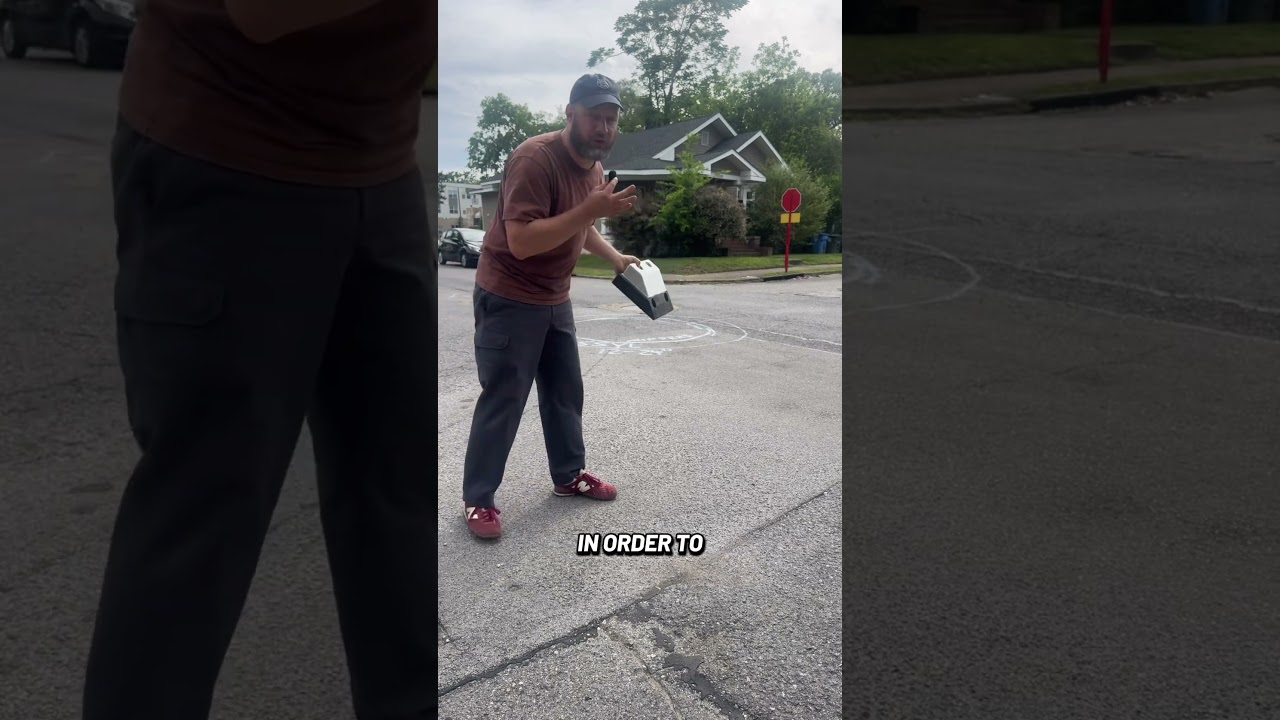

Defensive urban design, also known as hostile or exclusive architecture, is an intentional design strategy that uses physical features like modified benches, barriers, and lighting to guide or restrict behavior in public spaces, often targeting homeless individuals and youth; this approach creates exclusionary environments that convey messages about who belongs in urban spaces while making public areas inaccessible for vulnerable populations such as the elderly, disabled, and blind, ultimately displacing social problems rather than addressing them inclusively.
Defensive Urban Design: The Hidden Exclusion in Our Cities
Added:The basic principles of urban planning and how municipal governments allocate and design public spaces.
The distinction between public and private property, including the legal and social rights associated with shared spaces.
The concept of social marginalization, particularly how systemic inequalities affect vulnerable populations like the unhoused and youth.
The fundamentals of behavioral design, which examines how the physical environment can nudge or restrict human actions.
The principles of Universal Design and Inclusive Urbanism, focusing on how to co-create accessible urban environments for diverse populations.
The study of Environmental Psychology to understand the psychological and emotional impacts of defensive design on community trust and mental health.
Advocacy and policy-making strategies to reform municipal zoning laws and building codes against hostile architecture.
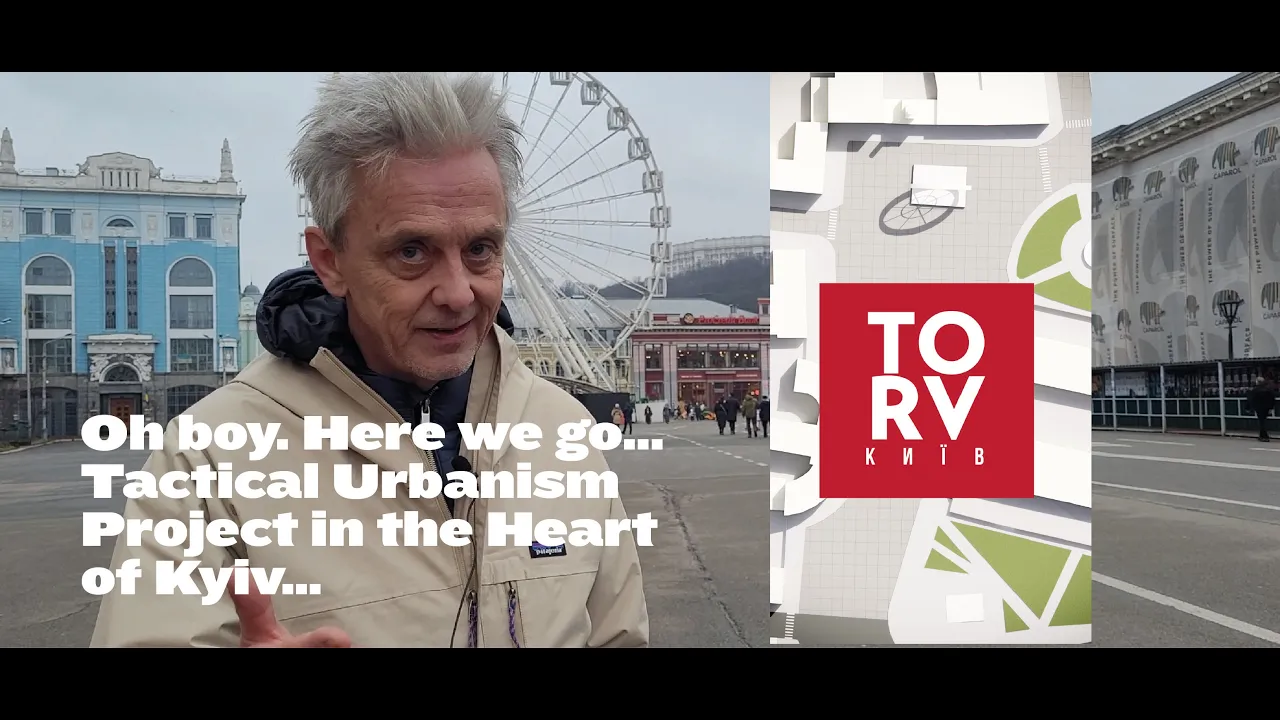
The concept of Tactical Urbanism, exploring how communities use low-cost, temporary interventions to reclaim and humanize exclusionary spaces.
6.7K views125likes12:59Original Release: 2019-03-05
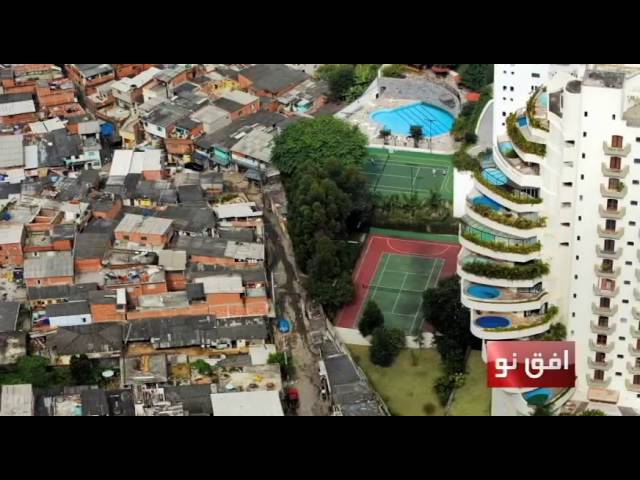
imagine your favorite public space maybe it's a park or a square or your neighborhood street what is it that makes it great there's most likely a place to sit and rest and watch the world go by there's probably some form of shelter from the Sun and the rain maybe there's other people families with young children an elderly couple out for a stroll now imagine the opposite a public space that you dislike for me this is Yonge and Dundas Square in Toronto our version of New York's Times Square lined with video screens and bright lights it's not really a place that I want to stop and linger can be pretty disorienting and even if I did the benches that are there look more like abstract art than a place to sit all around us design shapes how we experience the city some features are meant to guide us provide amenity or keep us safe while others are meant to exclude what looks to be a form of medieval torture is actually an example of defensive urban design also known as hostile unpleasant or exclusive architecture it's used to guide or restrict behavior in urban space as a form of crime prevention or protection of property it's an intentional design strategy the targets people who use or rely on book spaces more than others like people who are homeless and youth and it does this by targeting the behaviors they engage in not only does it limit possible activities it conveys messages like who belongs here and who was welcomed in the space over the past three years I've been studying defensive urban design in Toronto Canada's largest and most populous city what started as research while I was a planning student at York University turned into defensive teo an online project that documents its various forms taking Toronto as a starting point and expanding to other cities defensive teo works to cover hidden design strategies that are meant to exclude forms of defensive design of very depending on the behavior it's designed to restrict drawing from hundreds of photos I've taken in Europe and North America I've tried to categorize its most common forms modified seating is the most visible form of defensive design benches with a centre bar are designed to keep homeless people from sleeping online and seating without back rests are meant to keep people from lingering for too long ledges are also targeted because they attract unwanted behaviors like skateboarding or loitering they can be adapted with metal objects called caps or pig's ears or they can be specially designed with varying angles to keep people from skateboarding or lying down barriers can be temporary or permanent and are used to restrict access to urban space examples include rocks place underneath an overpass to keep people from seeking refuge or planter boxes that are placed strategically to keep people from skateboarding along a ledge surface treatments also transform how we interact with the city objects can be embedded into surfaces to keep people off and in Toronto utility poles are wrapped in a special material that prevents posturing light can be used to increase visibility and safety in a space but it can also be used as a deterrent depending on its brightness and quality blue lights are used in washrooms to prevent drug users from finding a vein and in the UK pink lights are used to amplify the acne and resulting social discomfort of loitering youth sound is also used to target youth an anti loitering device called the mosquito emits an irritating high-pitched sound that only young people can hear this device was actually used in a Toronto Park a few years ago and it was located close to nearby youth shelter but after it made media headlines they decided to remove it and finally surveillance cameras are commonplace in cities around the world but as technology advances forms change recently in San Francisco an anti homeless robot was spotted Turrell in the space outside of an animal shelter which was also the location of a homeless camp this 400-pound robot on wheels was used to read license plates and record security footage until the city ordered it to stay off public sidewalks or face daily fines not only can defensive elements be added to a space objects or amenities can be removed and this removes certain functions this is what I call ghost amenities these are public amenities like washrooms water fountains and benches that should be included in public spaces to make them more hospitable but or not as a way to reduce costs or to prevent vandalism or misuse and although this design strategy isn't discussed as much as others it's often easier to remove an element than it is to alter it or to construct something new while defensive design is pervasive it's often hidden in plain sight implicit forms are largely invisible to everyday users and this is because it's coercive functions are hidden within more socially acceptable ones like a bench designed to keep people from lying down still allows for the function of sitting only when it becomes explicit do people take notice last spring curved metal bars were installed on top of a great outside of a downtown Toronto hospital the bars provoked outrage by the community because it was explicit in its target function a message its target was people who were homeless its function was to keep them from lying on top of the warm and it's message was you are not welcome here after much public pressure the hospital apologized and removed the offending structure whether implicit or explicit defensive design is a form of urban censorship who we see in our public spaces informs our idea of who is a part of the public when we use design to address social issues like homelessness substance use or mental illness it merely displaces the problem rather than confronting it this creates a distorted version of the city free from poverty and social discomfort and this is a problem because it is through our encounters of difference and experiencing the other that we learn different values forms of expression and the unknown becomes known not only does the fence of design target so-called undesirable users it also makes public space inaccessible for others for people who are blind for heart of seeing defensive elements can be a hazard if they're accidentally tripped on or sat on and for people who are elderly or have a disability the lack of public amenities like benches and washrooms makes navigating public space difficult or impossible rather than using design to exclude we should be using design to bring people together and this starts with recognizing that everyone should have the right to access the benefits of public space in Montreal when the city decided to read a sign a city centre Park home to a number of substance users and people who are homeless rather than using design to displace they decided to bring people together by making the park a focal point for social services well it may seem like defensive design is everywhere it doesn't have to be this way we can all advocate for more inclusive public spaces you can go to a neighborhood planning meeting or contact your local politician you can start a social media campaign or link into one that already exists from New York to LA people are documenting defensive design under the hashtag hostile design and in France homeless charities have started an online campaign and mapping project under the hashtag Swale humane which means let's be human in order to create a truly inclusive City we must not shy away from difference in our public spaces everyone deserves to have a place in their City and everyone should have the right to access the benefits of public space thank you [Applause]
Up Next

22:18
Urban Planning Pioneer: Robert Moses and the Creation of Modern New York City
@Biographics
163.2K views•2021-06-28

12:54
Triumph of Orthodoxy Icon: Byzantine Art & History Explained
@BenCallan
2.1K views•2024-08-06

11:43
Indigenous Astronomy: Rethinking Space Ethics | Karlie Noon TEDx
@TEDx
15.1K views•2025-11-30

1:42
Game of Thrones Opening Credits: A Cinematic Analysis
@gameofthrones
46.3M views•2011-04-18
Related Study Plans & Knowledge Roadmaps
Structured learning paths in General & Interdisciplinary Studies
general-studies
Elevator Engineering: History, Physics & Cities
01From Hoists to Safety Brakes: The Dawn of Vertical Lift
02Hydraulic vs. Traction: The Engineering Physics of Elevators
03Modern Speed, Safety, and Algorithms
+ 2 more learning modules
12h5 modules
Explore Roadmap
general-studies
Rubber: Material Science, History & Geopolitics
01Origins of Natural Rubber & Mesoamerican History
02The Chemistry of Natural Rubber & Vulcanization
03The Geopolitics of the Rubber Boom & Colonization
+ 2 more learning modules
12h5 modules
Explore Roadmap
general-studies
Containerization: Evolution, Logistics & Trade
01Ancient Trade & Bulk Cargo: Amphorae to Barrels
02The Industrial Revolution & Cardboard Packaging
03The Containerization Revolution: Malcom McLean
+ 2 more learning modules
12h5 modules
Explore Roadmap
general-studies
Textile Tech: Evolution, Labor & Global Impact
01Pre-Industrial Textiles: Handloom & Cottage Industry
02Mechanization: The Spinning Jenny to the Power Loom
03The Factory System & Global Labor Transformation
+ 2 more learning modules
10h5 modules
Explore Roadmap