






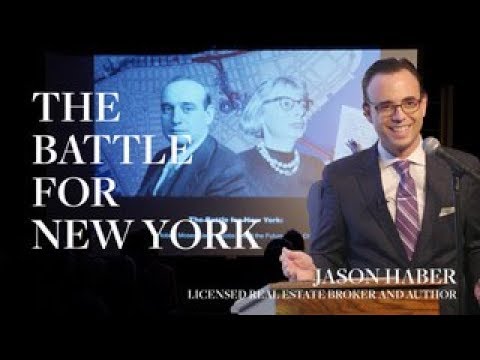












Robert Moses, a powerful unelected public official in New York City who never held elected office, fundamentally transformed urban planning in America by championing car-centric infrastructure and highway development, which destroyed countless neighborhoods and replaced them with highways and sterile public housing blocks, illustrating how well-intentioned public works projects can devastate communities when implemented without democratic oversight or consideration for human impact.
Urban Planning Pioneer: Robert Moses and the Creation of Modern New York City
Added:Understanding the basic principles of urban planning, including the distinction between mass transit-oriented and automobile-centric infrastructure.
Familiarity with the concept of Eminent Domain and how governments acquire private land for public infrastructure projects.
An overview of early-to-mid 20th-century American history, particularly the Great Depression, the New Deal, and rapid post-WWII suburbanization.
Knowledge of the political structure of public authorities (like the Triborough Bridge and Tunnel Authority) and how they operate independently of traditional democratic oversight.
The clash of urban ideologies: Studying Jane Jacobs' grassroots activism and her seminal work, 'The Death and Life of Great American Cities', as a direct response to Moses.
An in-depth analysis of the social and economic consequences of 'urban renewal' projects, including displacement, redlining, and environmental justice issues.
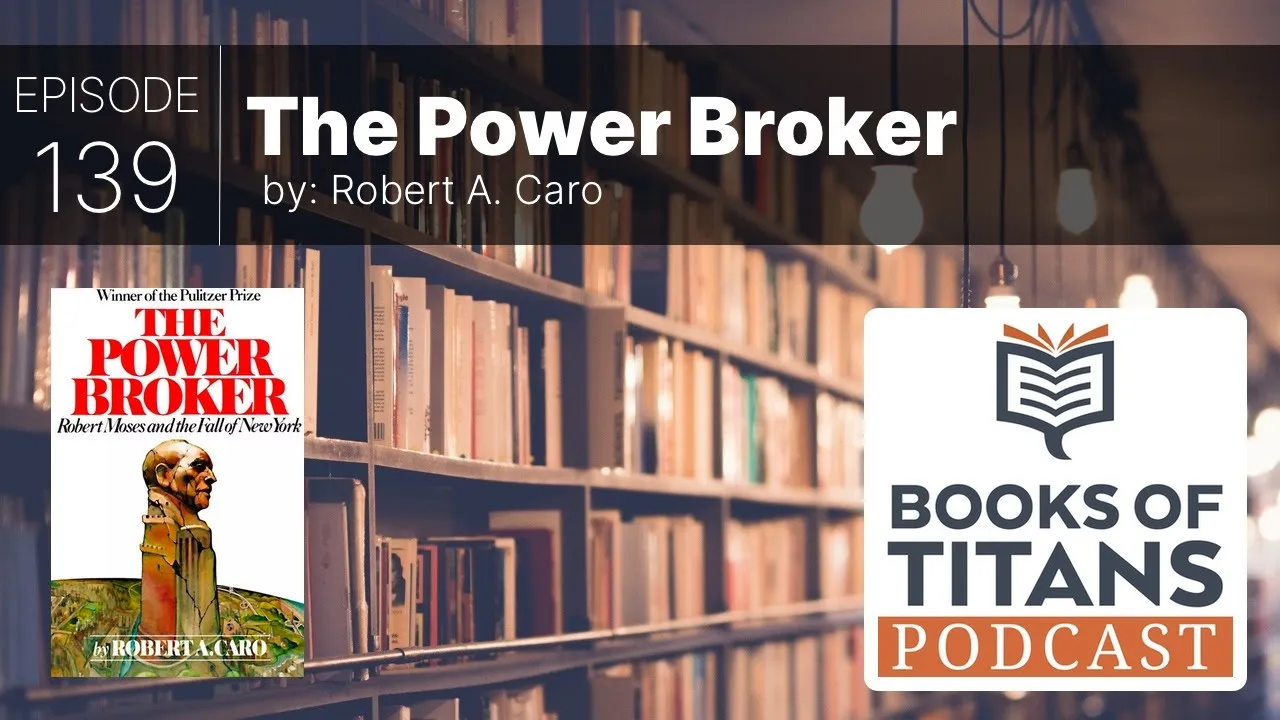
Examining Robert Caro's 'The Power Broker' to analyze the political mechanics of unelected power and municipal bureaucracy in 20th-century America.
Exploring modern urban design paradigms, such as New Urbanism, Transit-Oriented Development (TOD), and the revitalization of public spaces.
163.2K views5.4Klikes22:18Original Release: 2021-06-28
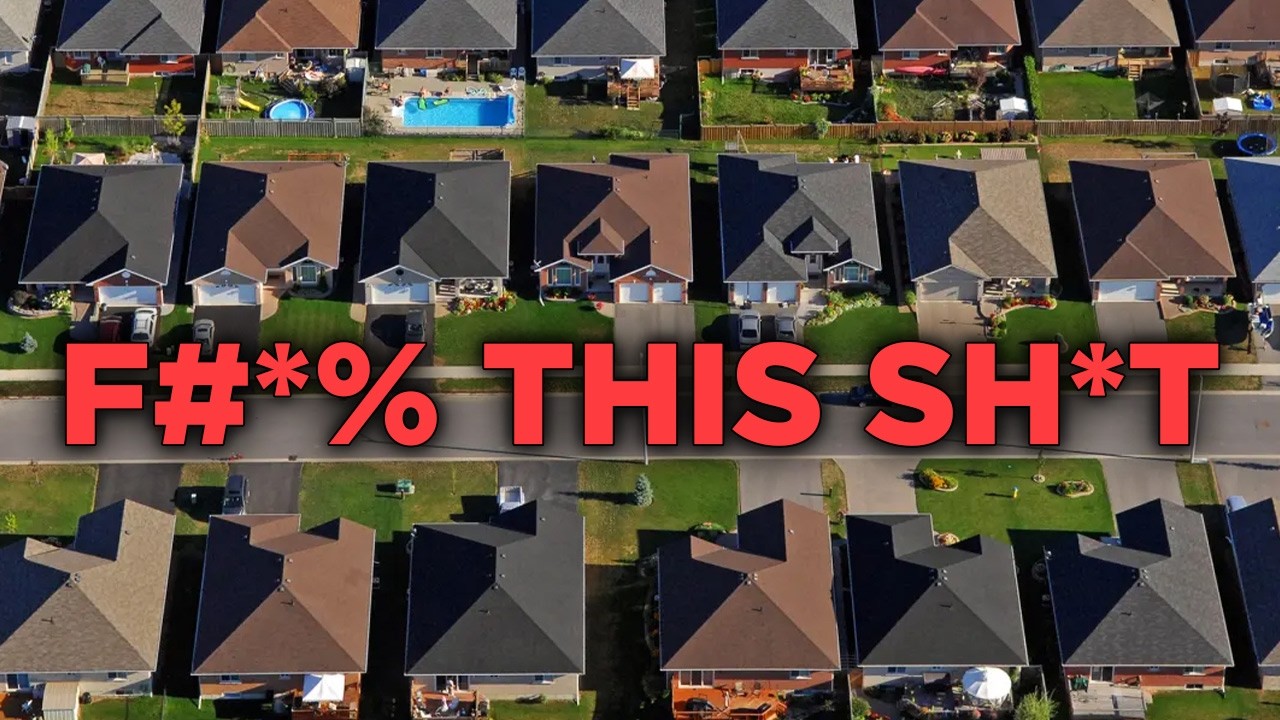
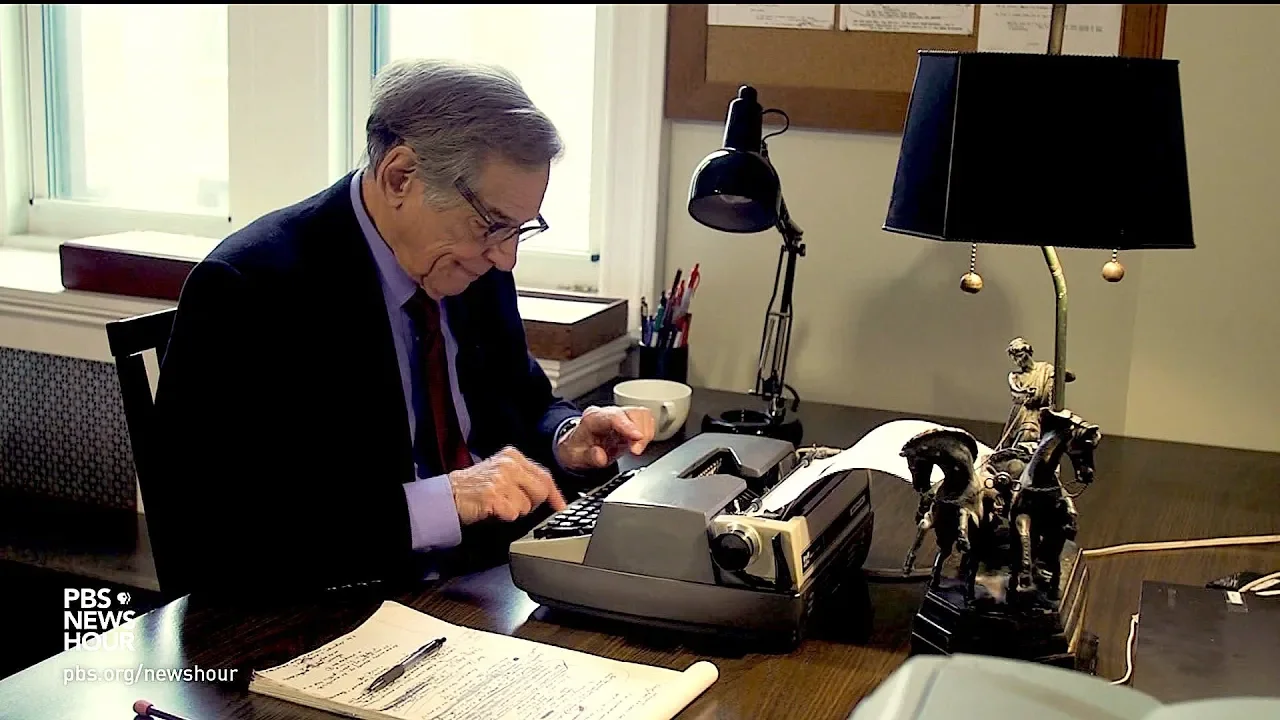
this video is brought to you by squarespace whether it's your new profession or just a lifelong passion start your journey to website glory with squarespace check out their awesome all in one platform through the link in the description below more about them in a bit the invention of the automobile changed america and the world irrevocably it did so in a way that few other inventions across human history really have the car transformed the way people lived as the very landscape we reside in transformed to accommodate its needs commerce entertainment and the relationship between people and cities were all changed throughout the 20th century and people began to question whether we as a society needed cities at all or if we should replace it with endless suburban sprawl at the center of all of this was robert moses moses might not be a widely known name outside of his native new york city but he is in fact one of the most important figures in not just new york history but in american history though he never held elected office at one point he was the most powerful man in all of new york state a tireless public official who built bridges roads and tunnels all the while not seeming to care that much about the people who used them he was america's biggest advocate for the transformed city based around cars and their needs and he did whatever he had to in order to facilitate his vision for the modern new york at the beginning of his long career moses was celebrated as new york's master builder constructing a number of the city's most important transportation and civic landmarks helping to lift the city out at the depths of the great depression but by the end of it and in the decades after his death his reputation was tainted by allegations that he behaved as an autocrat running roughshod over the people in his quest for power destroying countless neighborhoods and replacing them with highways or sterile public housing blocks that may have been efficient but tore the heart and soul out of the old city in the process this is the story of a man who proved the old adage that the road to hell is paved with good intentions especially when you pave the road yourself it's hard to overstate how disastrous the great depression was to the united states throughout the 1920s the country's economy had seemed to have no ceiling which made it all the more shocking when the stock market crash of 1929 precipitated a general economic downturn unlike anything ever seen before or since in 1929 the united states had around 2 million unemployed workers by 1932 there were a little under 2 million unemployed people in new york city alone as banks failed factories shut down international trade slowed to a trickle and countless millions lost their jobs homes and possessions new york was america's financial heart so it only made sense that the depression hit the city hardest of all central park was home to a shanty town called hooverville full of desperate homeless people who had nowhere else to go into the disaster step to the city's newly elected mayor fiorello laguardia a brash excitable little man who loved the city and the people who lived there able to speak multiple languages and a tireless candidate for reform from the time he took office in 1934 he worked to dismantle the old system of patronage the tammany hall machine that had effectively ruled new york since the time of the civil war and in the first years of the depression were more notable for siphoning off most of the federal relief dollars for themselves than anything else once he was done reforming the civil services he sought to use the federal money pouring out of washington as part of franklin roosevelt's new deal to rebuild new york's economy through massive public works projects putting people to work while providing essential upgrades to new york's crumbling infrastructure in this he found a perfect partner in robert moses robert moses was born on december the 18th 1888 in new haven connecticut growing up two blocks from the prestigious yale university which he would eventually attend his father was a successful businessman who moved his family to new york city in 1897 beginning a lifelong connection with the big apple he was exceptionally well educated getting his bachelor's from yale his masters from oxford and his phd from colombia and he took a keen interest in the politics of new york city's reform movement he caught the attention of al smith elected new york governor in 1922 and a passionate advocate for reform in spite of his origins within tammany hall in 1924 smith created the long island state park commission and named robert moses's chairman moses went immediately to work his definition of parks grew to include parkways roadways filled with plenty of green space and plant life along the route the idea was that at a time when most people drove automobiles purely for pleasure that its parkways should be a pleasure to drive on as a destination for his parkway on long island he chose jones beach one of long island's barrier islands facing the atlantic ocean moses led a team that extensively remade the island into a state park that was the perfect summer getaway for new york city residents by now the car was transforming from a rich man's toy to an affordable means of transportation for middle-class americans thanks to henry ford's assembly line new yorkers flocked to jones beach using the newly constructed parkways this success propelled robert moses to the forefront of new york politics being briefly considered as a political candidate in his own right before mayor laguardia appointed him as new york city's parks commissioner in 1934. their first project together was to renovate the central park zoo which had been allowed to deteriorate so badly that men with shotguns were stationed at the entrance in case the animals escaped from the rusty old cages moses used works project administration wpa funds and workers from the federal government to build playgrounds and swimming pools across new york but it was a project that had nothing to do with parks that made his reputation as the master builder of new york a project that would become known as the mighty tri-borough there had been plans as early as 1916 to build a tri-burro bridge that connected manhattan the bronx and queens at the confluence of the harlem and east rivers that separated them the city broke grounds on the project on october 25 1929 which unfortunately also happened to be the day after the beginning of the stock market crash that triggered the depression construction proceeded at a snail's pace until it hold it all together by 1932 people in new york have begun to refer to the project as the bridge to nowhere in 1934 the state legislature created the tribara bridge authority a public benefit corporation that was empowered to issue bonds in other words borrow money to finance the construction of the bridge which would be repaid with the revenue from the tolls charged once it opened robert moses became the chairman of the tba in april of that year and from that point on was the driving force behind the project construction began in earnest in 1935 and it was a massive project employing 5 000 workers at the bridge site itself supported by many times that number that worked to provide the raw materials and logistics needed to bring those materials to the side building the bridge would eventually encompass 31 million man-hours of work from people in 20 different states as well as 60 million dollars almost a billion dollars in today's money the triborough bridge was dedicated in july 1936 in a ceremony attended by president roosevelt mayor laguardia and the governor of new york herbert lehmann the bridge actually a series of three bridges was lauded as a modern marvel of engineering and even today is a vital transportation link between the three boroughs carrying almost 100 000 vehicles across it every day robert moses was hailed as a hero of the city the master builder one of new york's most important public servants what he did next went unnoticed by almost everyone outside of the inner circle of inner politics the idea behind public benefit corporations is for them to be temporary once the cost of construction is met by toll revenue they're supposed to be shut down but robert moses had no intention of shutting down the tba he still chaired instead he used the money triba raised as a steady source of funding for further public works projects or personally controlled by him no one realized at the time but the tri-borough would become the foundation of an empire now if you'd like to build a foundation for your own empire you're going to start with a great website and that of course is where our longtime friends at squarespace come in you know what's great about summer vacation time off a little bit of r r it's the perfect time to spend lying on the beach or in the park thinking about what next project you want to start fortunately squarespace gives you every possible tool you might want to make that dream into a reality whether it's a small business a sports blog a creative portfolio or just a page of dank memes it doesn't matter if you can dream it you can build it with squarespace you're looking to get in and out quick without thinking too much about what your website should look like well use one of their quick and beautiful templates to make a website that's fresh and for you or maybe you're more of a hands-on person you've got lots of opinions and ideas about what exactly your site should look like while squarespace gives you all the customization options you could ever want with no updates no patches no technical bs to worry about once you're done setting up your website tinkering with the design if you're so inclined or maybe just playing with the colors there are so many extra features that squarespace provides that your website can thrive email campaigns patronage portals social integrations member only areas analytics commercial options travel customer support everything you really need is in one place so when you're ready to get started on the next project of yours big or small if it involves a website it's got to be the squarespace right now you can go to squarespace.com for a free trial and when you're ready to launch go to squarespace.com forward slash buy graphics to save 10 of your first purchase of a website or a domain now let's get back to building the big apple moses and laguardia did the best they could to drag their city out of the depths of the depression throughout the rest of the 1930s in 1939 new york hosted the world's fair a massive event that drew 44 million visitors through its gates though the hopeful message of the dream of tomorrow was dampened somewhat by the outbreak of the second world war just four months after it opened the design and construction of the site was directed by moses who was now considered the authority on any public building project in the metropolitan area he had big plans for the future of new york but those had to be shelved when the united states was finally dragged into the global conflict by the japanese attack on pearl harbor in december of 1941.
everything was put on pause for the duration of the war as america transformed its empire economy into building war material by the time the war ended in 1945 the world had changed america emerged from the conflict as the most powerful and prosperous country on earth the centre of what would become a global economy the huge factories that had built planes and tanks could now be turned over to civilian use and before long refrigerators washing machines vacuum cleaners and especially cars were rolling off the assembly line across the country it also marked the end of an era as mayor laguardia retired after three terms in office at the end of 1945.
he was exhausted and already sick with the cancer that would claim his life in september of 1947.
may laguardia and robert moses had not liked each other personally but they had formed a remarkable partnership over the course of 12 years that had accomplished a lot of good for the city without laguardia around to serve as a counterweight to moses the personal power that the latter had been steadily accumulating for the last decade was now completely unchecked the influence he now wielded was on full display in 1946 when moses was able to persuade the newly formed united nations to choose new york as the location of their headquarters moses oversaw construction of the magnificent building that is still in use today as the center of world diplomacy it would prove to be the last uncontroversial thing that robert moses ever did one of moses most prolific skills was his ability to write his own bills convincing the state legislature to pass them into law without really reading the fine print which usually enhanced moses's own power to a degree that most people would consider alarming in a democracy for instance in 1946 moses convinced the new mayor william o'dwyer to appoint him the city's construction coordinator something that hadn't existed until moses decided that it should what no one realized until after the appointment was already made was that hidden in the pages of the job description was a clause that made the construction coordinator the official representative of new york city in washington d.c from now on all requests from new york to the federal government had to go through robert moses meanwhile moses used the toll revenues from the triborough bridge and other bridge authorities that he had created and operated over the years to control vast sums of money this freed him from the power of the purse he no longer needed to ask the city or the state of new york for money for his public works projects he was not beholden to the will of the voters since he wasn't an elected official and he was so well connected in the business and political community that no mayor could hope to remove him from his post now that he had made himself arguably the most powerful figure in the city he was free to pursue all of his projects without interference the master builder had a vision for the future of his kingdom and new york would never be the same again [Music] in the years following the end of world war ii it had become apparent that the infrastructure of american cities was woefully inadequate to meet modern needs in the span of a single generation the car had gone from being a plaything of the wealthy to an essential part of every middle-class american's life the rise of the car had dispelled one of the longest-held notions of american life that you needed to live close to where you worked now that commuting to and from work via car was possible those who could afford it began to move from cities into the newly built suburbs the new american dream was to own a single family house with a backyard and a white picket fence but to get back and forth commuters needed to use roads roads that were too small for the amount of traffic that was now flooding them what was needed was highways huge limited access roadways that could transport cars at high speeds to and from cities robert moses was one of the first to recognize this and was perhaps the most passionate advocate for what is today known as car culture he was determined to transform new york into a car-friendly city by criss-crossing the five boroughs with highways but he encountered a problem that he hadn't had to deal with in his previous projects with the long island parkway the triborough bridge and the united nations headquarters and his other buildings he had been building upon land that was either unoccupied or had previously been dedicated to commercial use but the plan drew for highways cut huge swaths right through the heart of residential neighborhoods where working-class new yorkers had lived for generations fortunately for moses the federal government had given him the tools he needed to move the residents out of the way by force since the 1930s the federal government had been concerned about living conditions within cities one report from 1950 suggested that 20 of housing units in american cities fell into the category of slums they decided to enact legislation that would pay municipal governments to move residents out of neighborhoods classified as slums and into public housing than to demolish nearly all structures within that neighborhood so that the lands could be redeveloped moses wielded the slum clearance program like a cudgel having added control of public housing to his portfolio in the years after laguardia retired with a stroke of his pen he could designate entire neighborhoods self-contained ecosystems where people lived worked and did business as being irredeemable slums subject to the wrecking ball if it just so happened that these slums happened to be in the way of a proposed highway well that was all the better for him one of the most affected parts of the city was the bronx where the cross bronx expressway was built in the 1950s right across the middle of the borough 6.5 miles long and over 200 feet wide even those residents whose homes were spared saw their property values lowered dramatically thanks to the proximity of the new highway and the cultural heart of their neighborhood had been permanently ripped out in the decades that followed the bronx would become home to some of the most distressed neighborhoods in the united states rife with abandoned buildings high crime and desperate poverty there was undoubtedly a racist undertone to all of this as most of the neighborhoods designated for demolition and the slum clearance program were overwhelmingly filled with black and latino residents the move to the suburbs had been called white flight since most of the new transplants were members of the white middle class people of color encountered difficulties finding banks willing to give them mortgages and when they did they were forced to purchase homes in neighborhoods designated as suitable for members of their race a process known as redlining moses was certainly no stranger to accusations of racism in the 1930s moses spilled over 200 public playgrounds across new york city only two of those were in neighborhoods with a majority of black residents even more outrageously moses is supposed to have ordered the city's public pools be kept at a temperature a few degrees cooler than normal in an attempt to keep black new yorkers from using them a common racial stereotype at the time was that black people were less able to handle the cold than whites [Music] for years robert moses had rough shot over any opposition to his projects calling on his connections and the vast amount of personal power that he had accumulated to get his way he is remarkable among public servants for his apathy even disdain for the people that he was supposed to be building these public works for he didn't need people to like him to get what he wanted so he didn't even attempt to court public opinion nonetheless the master builder's laster started to take a hit in the late 1950s when the first in a series of setbacks started that would end with the destruction of his reputation it started with of all things a baseball team new york city in the 1950s was home to three professional teams the yankees may have been the most successful but it was the brooklyn dodgers that were the most beloved by their fiercely loyal fan base but the dodgers ballpark ebbetts field was falling apart and the owner of the team walter o'malley desperately wanted to build a new stadium like all large building projects in the city and needed to be run through robert moses and moses refused to allow the dodgers permission to build their new stadium in brooklyn he wanted a city-owned multi-purpose stadium built in the neighboring borough of queens another piece of moses's expanding empire but o'malley refused to consider it arguing that the dodgers were strongly associated with brooklyn in his usual manner moses refused to yield and o'malley rather than giving in decided to move his team to los angeles adding insult to injury o'malley persuaded horus stoneham owner of the new york giants to move along with them to san francisco in an instant two out of three baseball teams in the city were gone shocked and horrified baseball fans cast a bell for someone to blame emali and stoneham were out of reach in california so the only one left to take the heat was moses though the city would be awarded an expansion team a few years later the mets who would play in moses's desired multipurpose stadium in queens it was a poor substitute for what they had lost and many people continued to resent moses for decades afterwards over the loss of the teams this was only a warm up for the real trouble looming ahead by 1960 the only borough in new york that didn't have a highway running through it was manhattan and moses sought to change that through his lower manhattan expressway a proposed 100 million dollar eight lane highway that was to be built right through the neighborhoods of greenwich village soho and little italy opposition to the proposed highway was virulent much stronger than any previous moses project and far more organized they were led by a community activist named jane jacobs whose book the death and life of american cities was a stinging critique of the concepts of urban renewal and slum clearance as being harmful to the residents of a neighborhood jacobs had a personal stake in the fight against the lower manhattan expressway where she lived was on the chopping block for years jacobs and moses battled each other in the press and in public hearings as jacobs led mass protests against the highway protests moses found himself unable to swat away as he had done previously things came to a head in 1965 when the mayoral election became a referendum on the highway mayor robert wagner and the democrats supported it while the republicans led by congressman john lindsay opposed it lindsay was elected mayor and quickly moved to kill the highway the expressway was never built and to date no major highway exists in manhattan nor is ever likely to robert moses had overplayed his hand at last and now lindsay decided to move against him in 1968 the triborough bridge authority was merged into the newly created metropolitan transit authority its revenues were now under control of the city of new york losers have been completely outmaneuvered by lindsay and new york's governor nelson rockefeller and now the source of his power was gone what was left of moses's reputation was completely shredded in 1974 when robert carro's seminal biography of him entitled the power broker was published the book which won a pulitzer prize was an exhaustive account of moses accomplishments both the good and the bad it detailed his backroom dealings his accumulation of personal power the destruction of neighborhoods to build highways and his racism it also revealed one very quirky fact about robert moses the man who championed the need of cars over people and that was that he never bothered to learn to drive moses was defiant until the very end refusing to apologize for anything he did he died on july 29 1981 at the age of 92 and was buried at new york city's woodlawn cemetery historians still argue over the exact contribution robert moses made to the city of new york good or bad certainly he accomplished a lot many of his bridges and roadways are still in use today vital lifelines throughout the city it is also notable how quickly he was able to finish projects once he began building them with most of his projects being completed on time or ahead of schedule a very rare occurrence today at the same time the damage he did is also apparent the destruction of entire neighborhoods hold blocks of historic buildings destroyed and replaced with sterile mega blocks public housing that are universally reviled his construction plans only encouraged white flight to the suburbs and made the resulting ghetoization of large sections of the city that much worse as people of color were deprived of their homes through slum clearance programs what's worse his model of urban planning was followed in other american cities particularly in the north east and midwest it is likely that car culture would have prevailed in the united states even without robert moses intervention but he certainly made it worse so who is robert moses the master builder who helped shape new york city into the modern metropolis it is today or a bully who used public works to increase his own power while spitefully depriving working-class people of their homes as incredible as it seems well both are true making him both a hero and a villain at the same time one thing's for sure though robert moses will continue to cast a long shadow over new york city and will continue to do so as long as the city's cars rumble across his highways and over his bridges so i really hope you found that video interesting if you did please do hit that thumbs up button below don't forget to subscribe and thank you for watching [Music] you
Up Next

13:07
Understanding Impostor Syndrome: Causes, Effects, and Coping Strategies
@councilofresidencydirector391
611 views•2018-10-04

12:54
Triumph of Orthodoxy Icon: Byzantine Art & History Explained
@BenCallan
2.1K views•2024-08-06

9:49
FastAPI vs Flask vs Django: Choosing the Right Python Web Framework
@TechWithTim
302.5K views•2024-05-26

1:42
Game of Thrones Opening Credits: A Cinematic Analysis
@gameofthrones
46.3M views•2011-04-18
Related Study Plans & Knowledge Roadmaps
Structured learning paths in General & Interdisciplinary Studies
general-studies
Elevator Engineering: History, Physics & Cities
01From Hoists to Safety Brakes: The Dawn of Vertical Lift
02Hydraulic vs. Traction: The Engineering Physics of Elevators
03Modern Speed, Safety, and Algorithms
+ 2 more learning modules
12h5 modules
Explore Roadmap
general-studies
Rubber: Material Science, History & Geopolitics
01Origins of Natural Rubber & Mesoamerican History
02The Chemistry of Natural Rubber & Vulcanization
03The Geopolitics of the Rubber Boom & Colonization
+ 2 more learning modules
12h5 modules
Explore Roadmap
general-studies
Containerization: Evolution, Logistics & Trade
01Ancient Trade & Bulk Cargo: Amphorae to Barrels
02The Industrial Revolution & Cardboard Packaging
03The Containerization Revolution: Malcom McLean
+ 2 more learning modules
12h5 modules
Explore Roadmap
general-studies
Textile Tech: Evolution, Labor & Global Impact
01Pre-Industrial Textiles: Handloom & Cottage Industry
02Mechanization: The Spinning Jenny to the Power Loom
03The Factory System & Global Labor Transformation
+ 2 more learning modules
10h5 modules
Explore Roadmap