



![[Curso Gratuito Kaisser] Marketing & Vendas - CAPTAÇÃO DE LEADS pt. 2 | AULA: 03](https://i.ytimg.com/vi/BziRr9KioV0/maxresdefault.jpg)


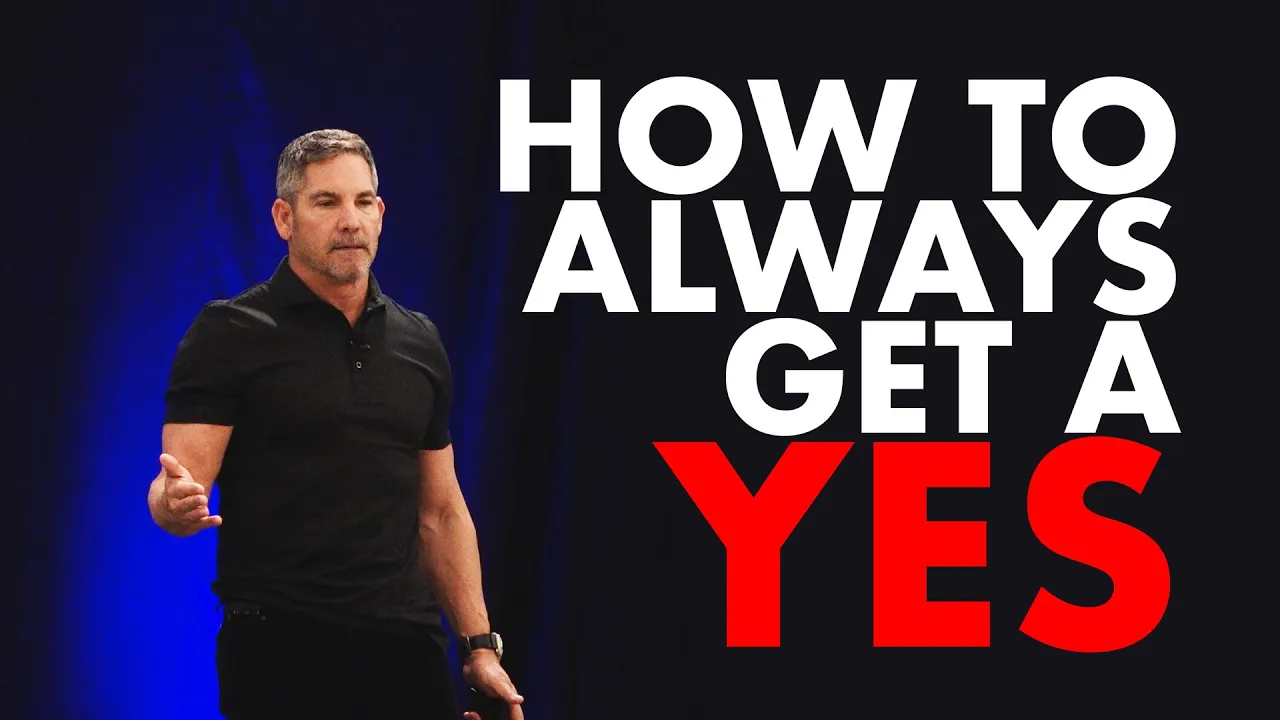










A successful high-ticket sales call follows a structured framework: (1) Open with rapport-building techniques like the 'boring business guy' approach to lower prospect defenses; (2) Conduct a triage call to qualify prospects and set expectations; (3) Recap the triage to demonstrate active listening; (4) Create doubt by highlighting the gap between current and desired states; (5) Use identity reframing to transition prospects from technician to business owner mindset; (6) Pre-handle objections by asking about past attempts and solutions; (7) Label problems for later reference; (8) Ask cost-of-inaction questions to build internal urgency; (9) Present a solution with clear pillars (systems, roadmap, accountability); (10) Secure in-principle agreement before closing; (11) Handle objections by reinforcing the prospect's own stated needs; (12) Close with clear next steps. The ideal sales call duration is 30 minutes or less to prevent prospect overwhelm.
High Ticket Sales Call Breakdown: Full Analysis for Beginners
Added:Hey guys, what's up? This is Connor here. Hope you're having an amazing day as per usual. Now, in today's video, I have something very, very special for you. To my knowledge, I have not seen this anywhere in the industry. And so, I mean, what I'm, you know, alluding to is the reason why you've clicked on this video, which is a fully uncut sales call recording from somebody, one of the gurus, right? One of the guys that's teaching this type of stuff, right? how to get into high ticket sales. Actually doing the stuff, not just talking the talk, but actually walking the walk.
That is the difference, right? And so, look, I could have charged 97 USD, 150 USD for this core recording, but I'm doing this for two reasons. I'm releasing it to my YouTube channel for two reasons. Uh, the first reason is, of course, for the returning subscribers and the guys that watch my YouTube channel, free value for you. Hopefully, you enjoy it. Hopefully, you learn something and hopefully you pick up a few things. And the second reason is to finally put my foot down as to I actually know what I'm talking about, right? A lot more than about 95% of the industry. And the reason why I say there's that 5% is there are some people that I do know out there that I trust and I think are amazing people and get their clients amazing results. Actually, friends of mine, some of them, right?
But you're probably never going to see this in the industry. You might see a few couple people follow because I'm really kind of put my foot down here is like the people that you are looking at to help you transition the high ticket sales industry. Do you trust the Lambos, the the trips to Greece, where whatever they're doing, their lifestyle that is funded by your money, by the the money they pay that you paid for the course, not by ticket sales. It was it was funded by the money that you paid for the course. Or do you want to work with somebody who again actually did the stuff, actually does the stuff day in daily, right? Actually, still takes their own calls for own business, right?
Actually still does this. And I actually have done this not for just a couple months, not just 6 months, not just a year, but four plus years now. Invested $50,000 in my own sales training, taken thousands of hours of sales calls, studied sales for thousands of hours, right? I've done the work and I really just want to put my foot down as to like if you are looking at somebody to help you transition into high ticket sales in the industry successfully. I want to show you that I can potentially be that person, right? Because again from what I've seen is I I just see too many people, it happens literally on a daily basis, daily and weekly basis. people come to me, they buy a gurus program, they buy a marketer program, and then they have no funding left to spend on the right skills that they need to actually get in this industry the right way. Hence why I've created the RSA is because I want people to have all the skills, the community, the coaching, and the mentoring necessary, the right expectations, everything to actually make this make money online thing work.
That's why I've created it. I'm obsessed with client results and hence I want to put my foot down with this video training as to why like again I actually did this stuff. Now one thing I do want to preface by saying this someone might have out there them reviewing a sales call recording for their own business.
Different story guys really need to understand that if you're selling your own stuff you have what's called the founder effect. And that actually makes selling your own stuff infinitely easier to that compared of a another thing. If you're just some random guy or some random person selling for a strangers or for for a company, right, it's a totally different story. But when you're selling your own stuff, it's infinitely more easy. I could show you guys a sales call recording of me selling my own stuff and to me to me that wouldn't be walking the walk because I've again I've done this for four or five plus years now. So, I actually have, believe it or not, some sales call recordings that are actually good to look at and good for us all to analyze and look at and yeah, just kind of put out there and show it to the world. Now, one last thing I do want to say about this, I know the intro has been a little bit long, but I'm assuming due to the nature of this video, it's probably going to reach a lot of people.
It's going to be shared around a lot.
So, I do want to give some more context.
I am not claiming to be the best sales trainer on the planet. I am far from it.
I'm not claiming to be the best salesperson ever, right? I'm far from that. But I definitely know internally with a lot of certainty and a lot of conviction, I'm better than most sales people.
Definitely a lot better than average.
Right? So again, I'm not saying I'm the best salesperson on the planet. I'm far from it. But the only intention with this video is if you are looking at somebody to help you get into high ticket sales, right? Take a look. Did they actually do this? How long do they do it for? How many years? Do they have proof? Do they have video receipts? Do they have sales call recordings they can review for you? I'm going to assume that I'm going to see a lot of fake sales calls popping up or sales calls of guys selling their own stuff popping up to try and kind of uh match up to what I've done here. But hopefully you can see from this video is again if you've watched my channel for a while or you're new to the channel, go watch all my previous videos. I really want to show full length sales call recording to show that I actually did this. I'm not just talking, right, and just saying all this stuff, right? I actually did this for a very, very long time. And it took me a long time to figure it out because I paid attention to what the gurus were saying, the marketers, right? But then I had to figure out as a sales guy, as a saleserson, what I actually need to do to not only sell very well in this industry, but also how to navigate it, right? Those are two completely different skills, which again, if you're not used to it by now, go watch all my other YouTube videos. I'll take you through all of what I'm talking about, what I meant by that there. So, without further ado, let's jump into what you guys want to see. We're going to go and dive straight in to the live sales call recording.
All right, guys. So, let's start the training. So, without further ado, we're going to jump in after I've given you some context. So, for this specific sales call now, trust me, guys, I've tried to record this video almost three times now. Three times. [laughter] I'm not I'm not joking when I say that. And, you know, audio issues have come up or something was said in a sales call that like just, you know, I didn't really want to edit out anyway. Like, it just it didn't make much sense to upload it to the public from like a confidentiality point of view. and sound and like I've I've tried to film this video multiple times. So hopefully this one finally makes it to YouTube and it finally makes it to the public. If you're watching it now, I'm guessing it has, right? So with the context of this call, all right, this was selling a $5,000 business coaching program that was specifically designed for tradesmen.
So in Australia, it's an Australian company. So for painters, builders, plumbers, right? Chippies as we call them in Australia. Australia like carpenters, things like that. And so that's pretty much the context. Now, before this sales call had actually occurred and actually happened, I had what's called a 15minute triage call.
For those of you that are new to sales, a triage call potentially and and basically acts as what we would say is like a filtration method. So, helps people uh qualify themselves out from a time perspective, from a financial perspective, and from a commitment perspective. Usually you have a two call process because it works pretty well or you have a large volume of leads and you're wanting to narrow down the best types of calls, the best types of people to speak to that's going to be most effective use of your time. Right?
Sometimes if there's uh abundance of lead flow, you're going to have a filtration method like a triage. or if you uh if you don't have abundance of lead flow, you're probably just going to let all the calls through and you either you triage them in the first place or you just have what we call like a one call close. Okay, so that's the context.
So, I've already had a 15-minute call with this gentleman and uh yeah, typical problems that we're going to be encountering this call for most tradesmen or a business coaching and what I was selling is like profitability, numbers, team hours, uh admin, marketing, sales, a bunch of that stuff, right? Which you're probably going to hear about that in this call.
Now, I've tried to record this a bunch of times. Like I've mentioned, I had it on two times speed because it takes a very long time to review this call. I don't know how long this training is going to be, but it's probably going to be very long uh because it's just so much stuff to unpack. But we're going to put it on 1.25 speed. So hopefully you guys can follow along and hopefully this time it is audible. So without further ado, let's go ahead and dive in.
Just uh being the being the boring business guy over here. Just don't have trouble. Nothing too crazy. Right. So it so first couple seconds we have to unpack something. I told you guys this training would be long. So, more specifically, essentially the boring business guy. I learned this from a mentor of mine, and there's so many different variations it can come into, but essentially what I'm trying to do is in the initial stage of the call, as we open the call, what I want to do is downplay myself and really have a lot of sarcasm behind that. And basically I want to be trying to induce a laugh initially in the first parts of the call because what this does is from a human behavior perspective this opens somebody up. The more open somebody is the better answers they will give us, right? The better answers we get, the more sales we will make, right? Cuz again, a man convinced against his will of the same opinion still. So the more that they convince and persuade themselves as to why they need to do something now, the more chance they would do it. There's a very small part there of just like, hey, just, you know, being the boring business guy, right? Works really well, really effective.
See, you know, we we had a chat um just a couple days ago about, you know, you possibly getting some help in the business so you can grow and scale in the right way. Now, right now, really, I would say the first part of this call is just kind of for me to for us to get just to kind of find a little bit more about your background, like what you may have been doing in the past and and kind of what you're doing now in a little bit more detail. And then really what I would say is what you're actually looking for just to see if we can actually help you because you know there are some trades some businesses and some business owners that we just can't help.
There's not much we can really do for them. You know what I mean by that, right?
Yeah. So this is what we would call frame up for a call. Now I see frames done the incorrect way. I've seen frames done very poorly. So in this specific case and scenario, all I'm doing is I'm just setting the expectation of the call. So the prospect knows where it's going instead of uh this if you don't set a frame the correct way. So you're not going to say, hey, you have to make a decision by the end of the call, yes or no, right? That again induces what we call sales resistance or sales pressure on the prospect, which is not what we want in this specific case. I'm just letting the prospect know the direction of where the call's going so he has some context as to the questions that I'm asking.
Otherwise, if you don't set this type of frame, what can typically happen is, "Hey, man, like what's the price?" Or number two, uh why you ask me all those questions, right? It just becomes a little bit confused the prospect and confused minds don't buy. Now, there was a last piece there where I said it may not be a fit for you because I generally did mean that. And what that does is it eases off the pressure for him. So he goes, "Okay, so I might not be sold today, right?" essentially most people know this is a sales call. So generally with intention, I am telling him, "This actually may not be a fit for you." And so he's like, "Okay, makes sense." And I asked him if he if that made sense to him because otherwise if I just say that and I don't check in with a confirming of agreement question, it's just going to fly over his head. Right. So let's move on.
Yeah. Yeah. Yep. Okay. Awesome. Now I guess just to kind of run through what we went through a little bit before. So I mean just bit of recap of what we talked about. So you basically were talking about the moment you're running electrical business right and you're you know at the moment you're working about 8 8 to 14 hours per day. You want to cut that down to eight and you want to make that consistently 8 hours per day. Um you're looking to increase the profitability um and you've been in business for about a year and a half or so. Um and you're looking to kind of improve like the admin and the quoting process you have in place as well. Um, and at the moment you're constantly varying between 5 and 10,000 per month in revenue. Um, and your goal is, what was that? I don't think we actually covered that. What do you ideally want to be making with the business?
So, what I've done just there is what we would call a recap of the triage, right?
So, a triage in most cases can actually be uh the first half or the first section of your sales call. And essentially, you're not going to ask the same questions you asked in the previous conversation. Otherwise, it would be unprofessional and unccalibrated. So, what I did is just recap what he said in the first half of what we initially had in our first call and what we discussed.
So, he knows I was taking notes. I'm listening, but more importantly, uh, we're just recapping what he said. So, we're basically skipping that initial step on that line of questioning that would normally have in a typical sales call if it was a one call close.
Oh, B, I'd like to pay myself enough, you know, so start saving and Okay.
Yeah. In order to do that, like how much do you think you'd need to be earning in revenue in the business?
Uh, anywhere from 1,500 grand a week?
About 1,500 to 2 grand a week, you mean?
Yep.
Okay. Is that in revenue or is that in profits?
Oh, that's what I just like. Um, yeah, profit.
Okay. Profit. So, at the moment, where are the profit margins at at the moment?
Uh, probably only a couple hundred a week at the moment.
Probably a couple hundred a week. Okay.
And so, like dollars a week sometimes, right? And so I mean where the profit margins are right now though specifically do you have a specific metric that you have in place in the business that you know that with most jobs you're going to be walking away with XYZ profit?
Uh no because jobs you know sometimes they blow out other times it's [snorts] you forget something. That's a big thing I want to try and get on top of is when you quote you know you forget something and you do your ass on the job straight away.
Yeah. So like processing for quoting because I mean how much money do you think you might have potentially lost by just kind of making that simple mistake?
I've definitely done $500 on a job straight away. That's pretty much there the profit out of the job.
Yeah. You want to change that?
Okay. All right. So, I think what I was doing upon reflection looking at that question was again, you got to understand with all sales, sales is just doubt and change. Like that's all that you're doing, right? And in a sales process, you're trying to build the gap between where they are now and where they want to be. their current state to their desired state. And so I'm just creating doubt in the sales process, right? So how much money do you feel like you might have potentially lost by not having that system in place immediately? That's always basically pain, but it's also again giving a actual monetary figure to the amount that he's actually lost. So the more we stack up those losses or the different gaps he has there, the lighter or the less expensive our solution is going to look and the less painful it's going to see because he needs to solve it because he's losing X, Y, and Z money already on that point there.
So you're looking at more profitability, right? So just understand, so at the moment you're at, you know, 5 10,000 per month in revenue. Let's say you're at 10,000 per month in revenue, right? How much profit would you be taking from the business at that point?
Uh probably about a month. Four grand.
Four grand. And so you want to get that up to about 2K a week.
Yeah.
So you need to be at minimum at least doing double what you're doing now, if not more to actually start paying yourself 2K a week, right?
Yeah.
Yep. So that's what it's going to start to require, right?
So I think again upon reflection, I haven't watched this sales call for a long time. This is over like a year and a half ago. I think I actually took the sales call. What I'm primarily trying to do again there is just stretch the gap.
So he needs to double the income in the business to achieve the numbers that he wants. So that again it's just further stretching the gap between where he is now and where he wants to be.
Yeah, I think that's cool because I do really enjoy working with people um and business owners that are making that transition, right? From having problems to owning problems, right? And taking the leap to transitioning to the CEO because right now in the business at the moment, you've made that transition to electrical business. You've been doing it for a while, but the way I see things is at the moment you're running it like a technician, right? But you need to start stepping into the role as a business owner because that's where I guess you can try and actually take control and start having some growth, right? Would you agree on that?
Yeah, definitely. Definitely. Okay, so to unpack that, that's what we call an identity reframe. Now, this is more advanced type selling. It's not something that you need to really worry about too much until you've really master mastered the fundamental like foundational principle like base process, right? But essentially what I'm doing there is I'm normal normalizing the transition from his current identity to his new identity, right? So his current identity is what we would call a technician, right? A business owner who works in their business, not on their business. So, he's making the transition from technician to business owner. So, what this can do is really aid and help me in my objection handling process later on if that was what I had to do, which I don't think I spoiler, I don't think I had to objection handle this prospect. Uh, what it does is it normalizes the process. And so, there's a whole objection cycle, which I'm not going to cover in this video unless it's needed because it's probably going to make the video too long. But it's a whole objection process and a system and a framework that I use that really helps objection handling later on and makes it a like a lot easier. It's a very straight line path just because I've already normalized that transition because if they want to think about it, right, I've already normalized that their current identity wants to think about it. And so instead of attacking him or attacking the way he is now, we're attacking his current identity to where he wants to be. And so he has to get to his current identity. So his current his new identity to get to where he wants to go has to think and make decisions and take actions that his desired identity would make. So we're both looking at his old identity and figuring out how can we get to his new one. So it's more of a collaborative style of objection objection handling less of a combative if that makes sense.
All right. So I mean just just before you started talking with me like were you out there looking for ways to um I guess but just so I understand so I mean when it comes to you know maybe doing this stuff on your own right just so I can understand the So key thing here is I would have noticed that I was asking one question and then I reverted back to the previous question cuz I actually missed a question within my sales process. So I did that relatively smoothly. Uh but it was still a bit of a mistake on my end like why specifically might you be looking for some outside possible help right with the right systems right training right coaching rather than just maybe doing what you're doing with running the business continue to scale that way and trying to figure this out on your own. Um, so the reason that we ask that question is it primarily gets rid of the uh do-it-yourself objection here, right? So this is going to get rid of the objection of hey, I'll try and do it on my own or just try and use all the free resources I have because that's a bit every time I've not asked this question my sales process, this objection comes up quite often and it's quite common. So even just asking this one question, although it doesn't seem like it makes a huge impact, it absolutely does because you got to understand majority of the sales that you make are at a subconscious level, not at a conscious level. You might see some body language, you might see things surface on the surface level, but a lot of what's happening is on the subconscious. So your words, your verbal queuing, your pauses, everything has everything to do as to why you are making the sales that you want to make versus not. Right?
Really important to understand. Not very business savvy. I guess I'm not real good when it comes to terminology and stuff. Yeah.
I' a bit more schooling on, you know, how to talk properly and get my head in the right mindset on like out of the technician stage. Like you said, yeah, for sure. And that's that's a So you can see he's already leaning into my frame, right? He's leaning into that identity frame that I just mentioned earlier.
Common thing for a lot of our clients, a lot of our successful clients, they come in and they they came in to do what they've learned to do, right? Which is the trade, right? They learn to get good at their craft, become a technician. But like I talked about, right, it requires like a different mindset, I would say, as a business owner, right? So working as a technician, you're in the day-to-day, don't really know what's going on, losing money on quitting jobs, right? But as as a business owner, the mindset's required. It's it's required to get after it, take risks, like step into the unknown, and more importantly, become resourceful, right? Because with any business, when you're bootstrapping it, it's important to become resourceful so you can get the right skills so you can actually get where you want to go, right? Does that make sense?
Yeah. Yep.
So again, it's very interesting to see that watching reflection. So basically what I did here is I did a second identity reframe but further hammered on the point of the transition from technician to business owner. But what I use there was the specific actions that a business owner would do. Taking action like taking action getting after it and more importantly the piece that I that I did mention was becoming resourceful. So I noticed very very early on in the piece that the prospect may have some trouble with the funding or the resources for the training program that I'm selling. And so what I normalize with that identity, they may not have the funding together because they're bootstrapping it, but they're able to become resourceful to find the funds necessary to get to where they want to go. So again, already seeing the mindsets for him as to when if I have to handle objections when it comes to money later on, it's going to be much easier.
Okay. Now, before you started talking to me, were you out there looking for different ways to where you could work less hours, get a right, you know, quoting process in place so and systemize business so you could work less hours and, you know, maybe like make more profits or what you really doing?
Yeah, basically just picking the brains of my mates that own small electrical business as well, that little circle of us that do it.
Okay. And did you implement any of the advice that I've given you?
So, just kind of playing it back a couple seconds. The reason I asked that question more specifically is to really find out if the prospect has tried any methods of solving this issue or solving this problem in the past because more than likely more often than not they have or they haven't. And even if they have or they haven't, there's going to be like a small section here of like where if they haven't, it's because of ignorance, right? They just don't know what they don't know. And that's fine.
We don't need to handle it. But there's two ways because this can go here. It can go down the route of yes, I have tried things in the past and it hasn't worked and here's why. So they might have been burnt or they may have not have been burnt but then you need to point out the reason as to why they weren't successful was actually them or there's also an alternative path or variable of to where they go down and they would say um sorry long training uh apologize. So there's a path of being burnt, not being burnt, the current method they're using or the last one is if they haven't taken action on what they need to do to get to they want to go and got the outside help that they need. My question would be as to why they haven't done that. Now the reason why is because that is typically going to happen as a fear objection and it's going to happen later on. So usually what I'll do is I'll pre-handle that in that case if I'm hearing the right things. And there's obviously three of those cases. There's three cases where I would prehandle the objection, which you might see a little bit of that here, but there is of course one occasion where people are just ignorant. They don't know what they don't know. And uh yeah, there's there's no reason to handle an objection there.
Uh no, not really. Not I didn't really agree with some of it. It's just people ripping people off, you know. I don't I don't like doing that to people.
Yeah. No, that's that's fair enough. And I guess have you actually ever got some outside help or some coaching that actually would help you with this issue so you can surpass it or have you been that I've come across that? Yeah, I haven't really had time to actually sit down and go in exploring who's out there and who can help and [clears throat] for sure.
So as you saw there, he fell into one of the four categories which is just pure ignorance, right? He just had no idea.
He just doesn't know what he doesn't know and that's okay. There's no reason to handle that objection. I guess how long have you felt like this issue's been going on but you haven't had the time to go out and look for a solution?
Uh probably the last six months it's just yeah client and tell you know like I have two weeks straight work and I got two weeks sitting on my ass doing nothing you know.
Yeah that's that's when I'll go back and do me other job where I'm on casual right there.
Yeah exactly right and can I make a suggestion?
Y can you see knowing that the problem in the business for 6 months and it hasn't been fixed can you see how not getting the outside helping right training in place in place has actually kept you in the same place that you're in in the business?
Oh definitely. Yeah, it's definitely like Yeah, I just need to take that step in the in the unknown, I guess.
Yeah. Time to make a change possibly, I would say.
Right. Would you say at the moment you would kind of feel like you're building like a hamster wheel?
Yeah. Oh, definitely. Definitely. Y What do you mean by that?
So, this was a very interesting thing that I learned from my mentor Matt.
Whereas, what you can do is you can label them with a problem and then get them to explain that problem to you, which will basically label the problem.
So, you can use that later on in your presentation. It's really, really cool.
So he never said that, you know, he's on hamsville. I actually said it. I said, you know, sometimes it feels like you're a little bit on a hamster wheel. And he said, "Yeah, yeah, for sure." And I go, "What do you mean by that?" And so what he's doing is I'm actually forcing a label onto a problem so I can use that later in my presentation, which is again is going to directly link to the pain and the problem that he's told me about before that he's expanded on. It's almost like a key label and anchor point. So I can say, "Remember when you earlier said that you were having problems being on a hamster wheel?" And he'll go, "Oh, yeah, absolutely." So it's it's much easier to keep it more vivid and give a really good visual inside the prospect's mind of the pain and the problem. It just it's a very effective strategy, but something that's more advanced that you don't really need to use until you've really got the fundamentals down first.
Yeah, it's the same same mistakes I make. It's I need to get the auditing system process in place so I can sit there and audit myself and Yeah. and get forms out, checklists, and you know, when I'm quoting, take off the checklists.
Yeah.
I spend that extra half an hour, you know, so I'm not costing myself $1,500 bucks, you know, every job I'm quoting.
Yeah. Exactly. Right. So, I mean, you feel like sometimes it might be costing you like $1,500 per job you're quoting because you don't have the right systems in place.
Yeah, I do. Yeah. Other times I think that if I'm doing more paperwork, more paperwork, it's costing me more time, but I'm starting to realize that will start saving me money if I do spend that extra an hour before I do another six hours work, you know, for free.
Yeah. How how much money do you think you might have left on the table in the past six months by not having the right systems in place? I don't want to think about it if you really thought about.
Yeah.
So, this is a really key thing is I'm really stressing like how much money do you think you've actually lost in the last months, couple months by not having the right systems. And he said, I don't really want to think about it. And then I think as I just said before, if I if I remember correctly, if you if you really thought about it, but but if you really thought about it, because sometimes a prospect is not initially going to give you the answer that that you're looking for. So that might be if you're asking for an income goal and they say, "Oh, I don't really think about it." Or maybe you're asking like a cost of an action question or a consequence question and they say, "I don't really want to think about it." All you do is just you double down. You'd say, "Well, if you really thought about though, usually that's sometimes all that you need to do.
Probably a couple thousand." Yeah.
A couple thousand.
Okay, that sounds serious, right? Do you think it's really a couple thousand or you think it's more than that?
Uh, I'd hate to actually really think about it, but it could be it could be more. Could be. No, it's from the jobs I've lost and ones I have one that where I could have made a bit more money and could have been tens of thousands, man.
Yeah, it could. Yeah, potentially. Yeah, it could be.
That's definitely some trouble. Okay.
So, I mean, let's do this then like just to make sure that I guess what we're doing would actually fit into what you're looking for and could actually help you, right? So, you know how you're talking about you want like drop and deploy systems. You kind of want to hop off this handle that you've been talking about, right? What do you feel like you need from, you know, some outside help?
So, some training, some coaching like we mentioned, um like drop and deploy systems, road map, strategies, you know, accounting systems, all that kind of stuff. What do you feel like you need in a business so that you can increase the profitability, work less hours, and start going towards working full-time, what you're doing? Like what do you feel like you need to be successful?
So the purpose of this question is again just to get the prospect to tell me what they need, what they want, so I can see if our solution aligns, but also so I can use what they tell me they need and align that is my presentation and highlight it so the presentation seems customtailored specifically to them and hence shows that I'm listening and aligns to again their pains, their problems and our solution lines up to exactly what they're looking for. So I'm going to ask directly what do you need from us to put yourself in the best position to be successful. I need to know that because again is it is our solution the right thing but also be able to give the best presentation to the prospect so they ultimately have a higher chance of buying.
I probably should be going doing a business course get me head around how the basics of a business does run. I'll just jump into this straight off the ship sort of thing I guess.
Yep. So business course. So basically having a road map step by step you would say in kind of turning this business towards full-time and making the profits that you want. So like a step-by-step road map is that what you mean?
Yeah. Yeah. Yep. Yep.
Okay. All right. And I guess having that road map in place I guess is there anything else you feel like is is important to you?
Um yeah just basically getting getting my head around how to run a small business properly. You know learn how to talk and act like a business owner rather than a technician.
Yeah. So more of like I guess like a mindset transition. So again, you can kind of see that frame that I've set earlier on has really hit home there and that's really really good. And so that positions I guess my my position on the call as much more status and more of his authority again he's really opt into that frame of he's making that transition from a technician to a business owner. So if I had an objection at the end, which again spoiler alert, there isn't an objection. If there was, it would be very easy to handle it. If he has the funding, there's no way that he's not buying because I have a very easy way to go ahead and objection handle at the end of the call and seamlessly transition to getting a commitment from the prospect, but also I guess coaching accountability to that, right? Are you are you okay and uncomfortable for me to hold you accountable to that level of knower?
Yeah.
Okay. All right.
So the reason I do that is asking if they're willing and able to be held to a level of accountability is again it's just normalizing the option for uh objection handling at the end. Right?
That's a really really important piece.
Of course it's great for the coaching uh and the coaches and the delivery team.
However, for me as a saleserson I'm just primarily using that. So, it's going to be able to make it much easier for myself to objection handling objection handle at the end because if they're it's not me objection handling them, it's already starting our coaching journey together of me keeping them accountable to their goal and what they're looking to do.
Perfect. Now, I guess I would say with with the income, so you're looking to ideally pay yourself 2K per week in profit, right? So, get into the business. Okay, that makes sense. And to do that, you're basically going to, let's say, I mean, let's assume worst case scenario, if you're doing 5,000 per month, because it can vary from 5 to 10, you're almost going to have to quadruple your revenue, right? To do that, right?
And so, with with all the systems in place that you have now, how close do you feel like you are to being able to So, before we follow that question, quadruple your revenue, again, remember spacing out the gap, creating doubt, all right, and making him want change from where he is now to where he wants to be.
Go full-time in the business. scale to 20K per month consistently with all the systems that you have in place in the business right now.
I don't think I'd get there. I need to get an advertisement system going and something I work on and yeah try and get more clientele on board. So I am I have got the four weeks fully booked, you know.
Mhm.
Rather than just waiting for the phone ring sort of thing.
So you'd say having a marketing system is also quite important to you as well.
Yeah, definitely. Yeah. I'm reallyizing Yeah. No, that makes sense. Okay. And like also like you mentioned like the communication skills to represent yourself as a business owner, not just a technician. I know what you're saying.
For sure. Now let's say you're able to come in right you to change that where you transition from you know doing 5k per month to working towards you know you know these 20k per months you're getting those consistently you got all the right systems in place so that you could do that right I mean how how might things in the business I mean for you dayto-day how might things be different than they are now so this question I'm trying to get the logical or what I would call the logistical tie downs or tangibles towards the goal we already know what the income goal for the business is the revenue goal for the business is. Now, our next step for us together is again to find out what he actually achieves from achieving those goals. So, how would things be different? There's many different ways you can ask this question, but uh this is what I found to be one of, if not the best ways to ask for the logical or logistical tie downs towards the goal and outcomes.
I think I'd have a lot less stress.
That's that's probably I want to get rid of as well. Stop stressing about the business.
Yeah.
And I guess how how long has that stress been going?
Uh well I've been electricians a high stress job anyway dabbling with life every day and everyone else around you just and you know someone doesn't pay their invoice because I'm small I can't afford to give them 30-day accounts.
Most big businesses I am working for they want to start doing 90day accounts and stuff and I just I just can't do that.
I mean that going on since you started like is that like has that had like a like an impact on you? Yeah, because I've had to use my wage from my other job to pay my account and wait for money to come in and pay myself back, which doesn't always happen because I've got insuranceances, you know, just everything coming out at once. Yeah.
A lot more control over my cash flow.
Mhm. [clears throat] And if you're able to change that where you had confidence in cash flow, you knew what was going on and you systemize the business point where you can scale it up and have full confidence in that, like what would that do for you maybe like personally?
I think it make me a better person. I'll definitely be a lot less stressed, you know, better. So that specific question is going to get what would be the opposite opposite side of things which is the emotional tie downs or the emotional tangibles towards the goal.
Yeah.
Yeah. Just want to be able to go to bed at night, you know, and wake up in the morning happy and down in the business.
Yeah, 100%. I can understand what you're saying there, man. For sure. And something for further context as well.
You know, I've barely been on, you know, the phone with this prospect. It's almost practically I'm a stranger to him, but we're getting to this level of conversation this deep in less than 15 minutes. What does that tell you? What that tells you is I'm asking the right questions and I have a good enough sales process to where the prospect feels open and vulnerable enough to share this information with me. Right? It's really really key to understand.
I guess I mean what's going to happen, brother, if you just stay doing what you're doing in the business, right?
Work your other job, work this job, right? you don't get the right systems, you never figure out how to communicate as a business owner, get these marketing systems in place, quoting systems in place, and you leave this money on the table, and you just stay where you are now for the next 2 days, 2 weeks, 2 months, 2 years from now. Like, what happens then? This is what we call a cost of an action question or a consequence question. I've heard it called many different names. It's very similar the same whatever you really want to call it. But essentially what this is doing is building true internal urgency in the prospect's mind as to opposed to using all the external tactics you might use. So uh there's value price drops, right? This is worth $15,000 and because I think you're special, I'm going to give it to you for $10,000. Right? I hate that. I think that's a terrible way to sell. Sure, it's effective for some, but I think I think it's just a very it's just it's not the best, right? And also, you're thinking that your prospect is dumb, and I don't think my prospects are dumb. I think I'd like to sell them with the most authenticity uh and integrity possible. And I'm not going to do that by I'm not going to force them to make a decision or buy something. I mean, you can't do that anyway. But the important thing is here that with this question is I'm trying to get him to develop true internal urgency, not external urgency.
Not fast action bonuses, not price drops, not any of that stuff to get them to take action. I'm getting him to build his own internal urgency rather than me telling me I have to do something now.
Oh, probably be the Boston Child.
Okay. Are you willing to settle for that?
No.
Okay. And whose choice is it if you settle that outcome or not?
That's my choice.
Okay. All right. Look, I think that's what I need to hear because you know how you're talking about in the business right now. Um, you know, you're looking for systemizing the business to where you can have a right quoting system, a consistent cash flow, you learn how to market yourself, you learn how to communicate as a business owner and more like think like one so you can quadruple your revenue, go from 5K a per month to 20K per month and actually start reaping the rewards of a business and not just create another job for yourself, right?
Because doing what you're doing right now, you potentially left tens of thousands of dollars in quoting mistakes, you know, in the past 6 months, right? You're a constant hamster. you don't have any systems in place and without those systems you're just going to stay in the same place you're in right now right and quite frankly if you don't get these systems in place not only those consequences like you mentioned of like divorce child support going going to bed with stress but to be honest man I would recommend that you go and work somewhere else or just work for that company cuz where things are at right now if you don't solve this then it's better that you just have a job somewhere else cuz it's just not worth the stress okay now I think you mentioned with a lot of that stuff going on it's caused you to feel just like a little bit of stress sometimes oh definitely you're always thinking about so that whole transition was a bit too wordy and upon reflection and looking at it, I probably could have done it a little bit better. I think it was still a very smooth transition, a lot better than most sales people, but I still think it was a little bit too wordy and had a little bit too much verbiage in it. The word tracks were good in my opinion, but I think there was a little bit too much at that point.
The phone's going to ring, you know, open those invoices are coming in.
Yeah. What's that doing to you?
Oh, it definitely has an effect on me, you know, and then your mind's not on the job. And that's that's when mistakes happen. when you let go of the three phase mode, you know, that's a costly mistake. You know, you can't put that back on the customer. That's my fault.
Yeah. Okay. Well, I think what I can do with your permission is we can kind of go through step by step on on how I actually know that we can help and get you out of the position that you're in start changing situations where you can make this business successful. Okay.
Would that help you?
Yeah.
All right. Let's let's go through it together, brother, and we'll go through everything step by step. All right. So, let me just share.
So, just to show you how effective and quickly the sales process is. So, the total length of the sales call is 30 minutes, right? That's a very good length for a sales call. and we're about 18 minutes now about to go through the presentation. So, it's a very very fast sales call. So, that's ideally where you want most of your sales calls time frames to be, right? Little 30 minutes or less. Usually, you want to be, you know, very very fast cuz the longer the sales call, the more likely chance you're going to induce to think about it. You're going to overwhelm the prospect with information screen with you. Um, and we'll go through and cover everything that you need. All right. Now, can you see my screen? Okay.
Yep. Perfect. All right. Now, just so I understand, um, you know, w with with everything that you kind of talked about, right? I think that at the moment, the best thing for you to do is what we call the trady accelerator, right? So, really what this is designed to do, it's designed from where you are right now, take you from where you are right now to in within 90 days, transforming the business, right? Going to towards where you mentioned getting that confidence, becoming a business owner, switching the mindset, drop deploy systems, so you can actually start moving the business forward, making more profits and working less hours, right? Now, so the investment introp we can break that up is we probably do 3 months at 1667, right? And in that way we can kind of break it up a little bit more so that you can actually kind of get in and do the training because at the position in the business right now it's going to be quite difficult, right? We can just work that out together, brother. It's more important that you actually kind of get the skills and that's probably that's thing that's on my mind. Okay, does that make sense?
Yeah. Yep.
All right. So, uh, in this particular case, I wouldn't recommend dropping straight from a painful to a parent plan immediately. The only reason I did it on this specific offer is I was getting paid fixed commission. So, it didn't matter what cash collected I had up front, I could sell anybody on any parent plan and I would get paid in full regardless. So, it didn't really matter what payment plan I sold them on, I'd always get paid a fixed commission from memory. I might be mistaken, but that's that's what I remember. So that's the reason why I did that. In in most cases, I wouldn't I' you'd usually go for like a pen in full and then you go for like different payment plans and things like that and explore that later on. But in this case again circumstantially I got paid by you know a flat rate commission.
So that's the reason why I dropped the price to sorry I dropped to the payment plan relatively early. So what this is is yeah it's 90 days right? So you basically come in and transform the business right. So you know how you said you're working about 8 to 14 hours you know per day and you know you're working quite a bit per week and you've been more of like a technician in the business versus an actual business owner right so and the profits aren't quite where they need to be and as far as like what we talked about with mentorship kind of here's what we do for you so you can kind of solve all that right the first pillar I would say pillar number one is what we call the will right so really what this is is basically pre-done drop and deploy systems and templates to kind of implement in the business to solve all these issues you're talking about so quoting task management um marketing right everything that you need, right?
We're going to have all those systems that we use and all of our other successful clients have used with trade businesses in all different kinds of industries. So, cabinet making, fencing, sparky, plumbing, whatever it's going to be, man, it's all been done, right? So, there's no reason to reinvent the wheel.
So, right away, we give you everything imported into your account so that you have everything you need. So, a catalog of done for you drop systems designed to work with your business because you know how you said that you're struggling with marketing, quoting, task management systems, thinking like a business owner, we just give all that to you, right? And so what that will mean to you is instead of just trying to figure out these systems on their own, you're going to have systems that have been deployed through, you know, hundreds if not thousands of successful clients businesses. So that will actually ensure them to scale. Okay? Do you see how that would be helpful?
Yeah.
Okay. Perfect. Now, pillar number two.
Can you hear me? Okay.
Yeah, man. Yeah. Sorry, I just got another call coming through.
No worries. I just lost the camera there. Can you see me? Okay.
Yeah, I can still see you. There we go.
We're back.
Perfect. There we go. We're back. Right.
So, the kind of second thing is the robot, right? I'm not going to give too much input in this phase. I just wanted to again just show you the full length sales call because I mean there's not too much input to give here. I mean I could I could really break it down but I don't think it's really necessary here.
I just want to show you the full length sales call. So if you want to see skip to the end probably skip a few minutes.
I'm going to go I'm just going to keep rolling through the presentation. So you know how you're talking about you need to do a course in business. You need to understand not just as a technician thinking but as a business owner. You need to understand that because you just don't know what you don't know and you just haven't learned that. Right? not your fault, but it is your problem, right? As a business owner, we need to be taking that responsibility and that accountability. So, really what we do is we give you that step-by-step road map, right? So, we give you a step-by-step plan of how to use your systems and the template. So, we we're basically the navigator, but you're driving the car, right? So, we know exactly what's around the next bend because we've worked with all different kinds of trades, right?
Many, many Sparkies, right? Especially in the electrical space. So, we know exactly what's going to happen as you scale to, you know, 20K per month, right? If you want to do more, you want to grow a team, we've got all the systems to help you do that, right? If you want to make a million right in the next 12 months or 24 months, we have the systems for you to do that, right? We've got everything there. So, it's all proven. It's all done. And so, the reason we do that is we we do that to speed up the implementation. So, we map out everything for you. Um, basically to mitigate the growth and teaching issues that are basically an enable result of growth and scale because as you scale, right, right now things a little bit chaotic. You fix those systems initially and then fix them as we grow, right?
Because you know how you said, you know, at the moment you kind of don't really know what to do in the business.
Everything's all over the place. It's all a little bit like you. You kind of got a bit of hamster wheel. So what we do is we basically make sure that we have everything in place to strategize one-on-one with a coach so you know exactly what to fix and where exactly to go and what your next move is going to be. Okay.
So if you guys heard there just I you know again pulled out the hamster wheel thing that I spoke about earlier on the piece. So it's just something to take note of.
Do you see how that works?
Yeah. Yeah.
You feel like that could be helpful?
Oh definitely. Yeah.
Yeah. Right. Now the last thing that you're going to need is portal. Right.
So really what we what we basically do is we have a lot of stuff to go through the portal. Right. But we don't want you spending three hours in the data portal pretending to be busy which is you know why a key part component of the road mapap is the breakdown of what videos and training are most relevant to you.
I.e. the coding we talked about the marketing that we talked about the systems task management all that kind of you're going to be pointed directly to exactly what systems that you need to know right away how to do it and in what time frames you need to do so right so we're not work around for 6 months 12 months we're here in the next 30 60 90 days to fix the business and grow it so that you can actually start turning profits um and actually being overall more happier with the business. Right?
And so um you know basically what this will able to do is you know ensure that you're spending more time with the family right making sure that you spend more time at home and you know making more money. So the portal is really basically accessible tool for you. Um any any team in the future if you do want to get like subbies or anything like that or anyone that's going to kind work with the business, you want to help them with that, we're going to give them training as well. Right. So with the last thing that's going to be important to you is the accountability, right? So you know how you mentioned there's a level of accountability that I'm going to hold you to.
Oh yes.
Okay. So really what we do is um the problem most business owners have is that when they are in business that they don't have anyone holding them accountable, right? So when you know you can imagine when you know you started your art your craft which is you know in electrical, right? You didn't come into business with all the skills, right? You didn't come into that with experience, right? You just kind of figured out on your own and that's kind of led you to being on that handle that we talked about. So it's easy to let yourself down um but it's hard to let someone else down. So what we do is we address that with two coaching sessions every single week. two group coaching sessions every single week with all different kind of business owners from all different kind of industries. You know, some here or there in those coaching sessions are going to be, right? And so the reason we do this is we can literally hold you by the hand step by step over the next 90 days through your game plan, right? So when you get stuck, you hit a robot, you have any questions, you bring them to the call, you overcome that obstacle, you keep moving forward. Um, and you're also surrounded by other business owners who are already at the level that you want to be, right? So it's an accelerated learning environment and you're not just having chats with guys like you talked about who aren't successful and don't have the right plan in place. So you're going to be learning off people that are already at the level that you want to be at. You want to be a 28 month where you got guys who are your position 90 days earlier, 90 days later they're at that position right now, right? So you've got people that are ahead of you in that journey. So you can reach out to them. You're in that supportive environment. And so really there's a couple things. You got your Monday call with Rick, right? You got your weekly education session as well.
Um and you really kind of yeah basically surrounded by other contractors learning other ways to better quote better manage the business, systemize the business, right? Our job as coaches um isn't to be your best friend or to tell you what you want to hear, right? It's to tell you what you need to do and what you need to hear to actually achieve your goals.
Right. So are you open to that level of accountability?
Yeah.
Okay. Right. So with with everything there, if you that's pretty much the full presentation through and through. Now we're going to go to the cycling stages of going to close or commit. Now I would say that presentation upon reflection is a little bit longer than I wanted it to be. I probably wanted it to be a little bit shorter, but there was obviously quite a bit to cover. So it's just a keynote reflection just there. Had all the systems that have proven already working implementing in the business and you had a robot to do it and you knew exactly what you need to do. Do you feel like do you feel like that could be the answer for you? Yeah, definitely be the confidence boost I'm looking for.
Okay, so what I'm doing here is I'm going for commitment. So I'm trying to get an inprincipal agreement. So this is good for objection handling later on. An inprincipal agreement that what I'm selling is in his best interest. So objection handling becomes much easier.
But also I'm getting a full commitment from him that he wants the solution.
He's told me he wants a solution. And let's show the question that I follow up with shortly afterwards.
Why do you feel like why do you feel like it could work for you though?
why do you feel like it could work for you? Which basically further again ties down as to really why it's going to work for him? So, he said yes, but sometimes people say, "Yeah, I think it would, but and that's when you interrupt and you really get them to tie themselves down to your solution."
H just the um training and the help, especially with the one-on-one, you know, you can probably go at my speed rather than down at the classroom speed.
Yeah, exactly right. And that's why we get you to sit down with a coach in the beginning to kind of map out your strategy. Make sure that you've got everything all mapped out, road mapped out so you know exactly what's going to happen in the next 30 days. Because believe me, man, we've seen it. We've seen these events occur day by day, week by week, month by month, year by year with hundreds of clients. So I can understand exactly what's going to happen, when it's going to happen. Okay.
Okay. So look, I'd say at this point, uh, I don't really have too much else to go over with you. Looks like we covered maybe like the basis of what you were looking for in systemizing a business, getting the right systems in place, you can actually get to level the business to where you want to go, save the business, and like you mentioned, prevent a divorce from happening, right?
So you can actually get to the point where you want to go with the business, right? Making more money, right?
So really what the next step would be, if it's appropriate, is we just kind of make some type of arrangement for, you know, the 90 days in the program. Um, and you can use like a credit card or a Visa, it really doesn't matter at all.
At that point, I basically arrange you on boarding with the coach, right? Make sure that we send out your training modules, your tools, um, introduce you to the coach and kind of start the process. you can start working less hours in the business, get that quote in place and that tools in place so you're not losing, you know, potentially tens of thousands over the next couple months and you actually start making the profits that you want and could the business. Okay. Would that be appropriate or how would you kind of like to proceed from here?
Yeah, I definitely definitely want to give it a go.
Okay, sounds good, man. Let's let's do it together. All right.
All right. So, there you have it. A fulllength sales call from somebody actually selling somebody else's stuff, right? $5,000 coaching program. The proof is in the pudding, guys, right?
It's just there. So, hopefully you enjoyed it. Hopefully you got some insights. You know, share it with a friend if you really enjoyed it. You know, maybe someone else might enjoy it as well. And to tie things off, right?
If this is the proof that you needed to see, if this is the certainty that you needed to have in I guess basically something that Sorry, it's been a long training. is this is what you need to see to get the certainty in somebody to help you get uh and transition into the high ticket sales space successfully.
Right? I would like to invite you to take a look at my Instagram. Send me a DM. Send me a message. There might be a link below this video to book a call.
You know, I'd love to speak to you. We actually, you know, we have an intake every single week, every single month for the remote sales academy. We are only accepting about four to five people a week, about 16 to 20 people per month.
the moment I'm speaking about two to three people a day sometimes four. So we are very restrictive of who we let in because we are trying to build you know a really really uh cool community where people can learn they can grow they can network they can collaborate and get all the skills they need necessary to get to the way we want to go in high ticket sales right so with that being said guys again hopefully you really enjoyed the training hopefully you really enjoyed the video and hopefully you can finally see between what's real and what's not.
I know as a beginner it's very easy to be tricked. It's very easy to be deceived and it's very easy to be persuaded. So hopefully this gives you a free resource that you can continue to use whether or not you use it for your own sales process. You're already in a sales role or again you just see the difference between a sales guy and a marketer and once for all you can see the proof is in the pudding. And uh yeah guys hope you enjoy the rest of your week. Hope hope you enjoy the rest of your day whenever you're watching this.
And uh yeah, I'll see you in the next one.
Up Next
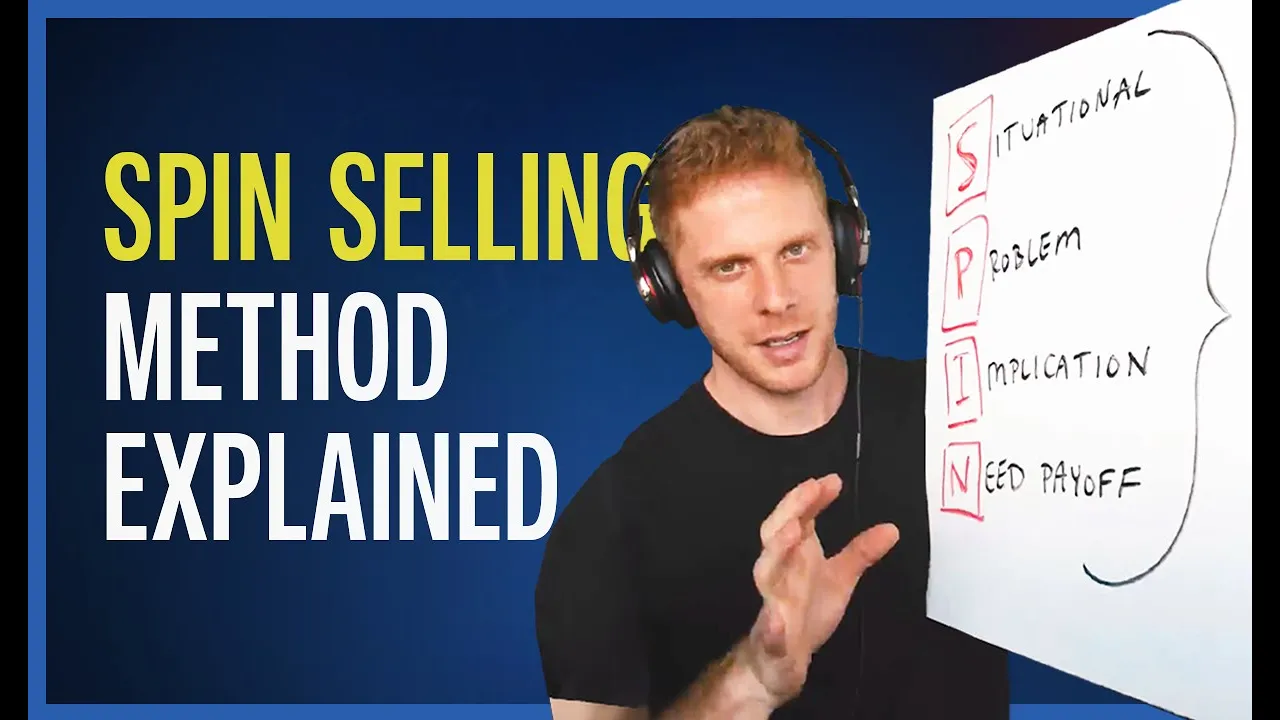
Applying the SPIN Selling Framework to High-Ticket B2B Sales
@RobORourke
111.2K views•2019-04-03
Retention Habits of Top DTC Ecommerce Brands Revealed
@SendItPodcast
44K views•2026-03-03

Decoy Effect: How Pricing Psychology Influences Consumer Spending
@bobinvestsUS
90K views•2026-01-05

The Planned Obsolescence of Light Bulbs and Tech
@veritasium
25.3M views•2021-03-26
Related Study Plans & Knowledge Roadmaps
Structured learning paths in Business