













![LULA SABE O QUE FAZER, E MUITO. [21 de fevereiro de 2025]](https://i.ytimg.com/vi_webp/tm2IIaqKelU/maxresdefault.webp)





Intensive livestock farming is fundamentally incompatible with planetary sustainability, as it causes disproportionate environmental damage including massive land use (28% of Earth's surface for grazing producing only 1% of protein), severe water pollution, and biodiversity loss; however, sustainable alternatives exist through regenerative agriculture practices that enhance soil biology, precision fermentation for protein production, and perennial grain crops that reduce environmental impact while maintaining productivity.
George Monbiot on Regenesis: Feeding the World Without Devouring the Planet
Added:Understanding the environmental impacts of industrial agriculture, such as soil degradation, eutrophication, and biodiversity loss.
Basic knowledge of the global carbon and nitrogen cycles, particularly how synthetic fertilizers and livestock affect greenhouse gas emissions.
Familiarity with the concept of planetary boundaries and the ecological footprint of human food production.
An introduction to the global food security challenge, including the projected population growth and food demand by 2050.
Exploring the science and technology of cellular agriculture and precision fermentation as alternatives to traditional animal farming.
Analyzing the economic and political barriers to agricultural reform, such as government farm subsidies and land-use policies.
Investigating the 'land sparing vs. land sharing' debate in conservation biology and how it relates to rewilding efforts.
Studying agroecology and regenerative farming practices, comparing their scalability and yield potentials to intensive farming.
15.9K views414likes1:18:27Original Release: 2023-12-04
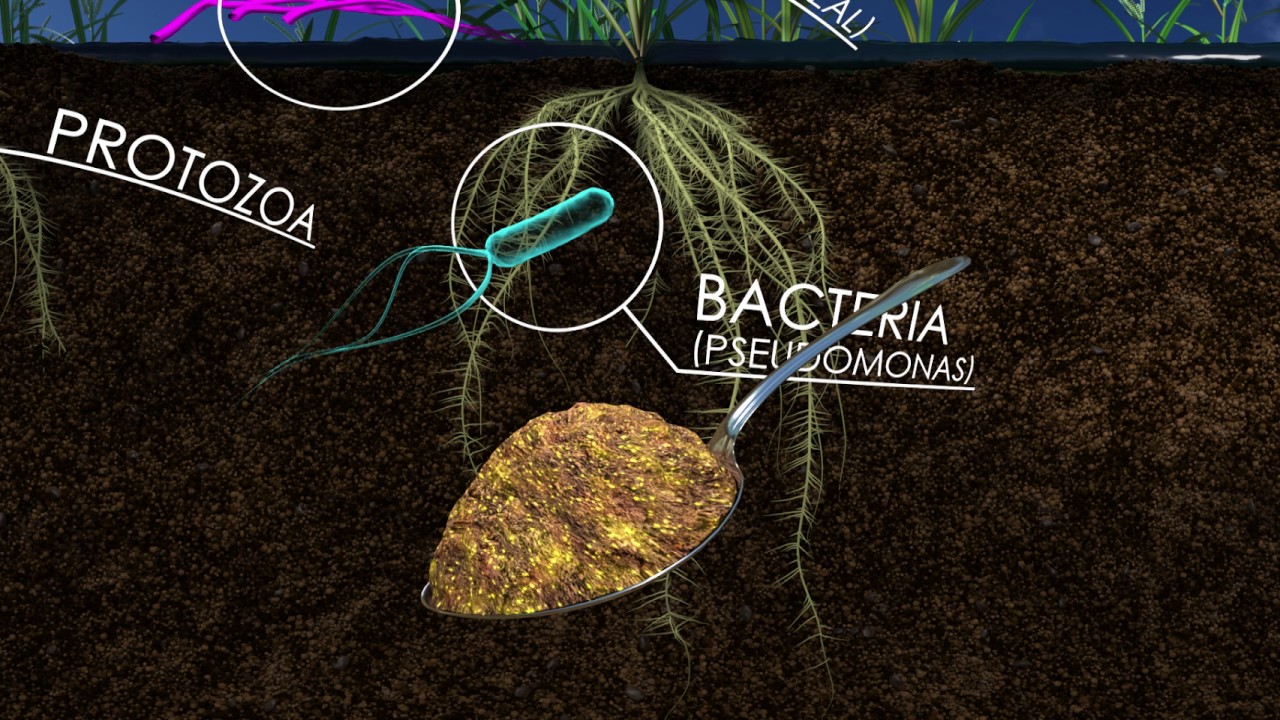
good evening and welcome to tonight's guardian live event for those of you that do use twitter we'd love to hear from you during and after the show please use guardian live but do keep your phones on silent now please put your hands together and give a very warm welcome to tonight's guests i'm going to pretend that whistle was for me i'm sure it was thank you isn't it exciting to be here oh god it's so great to see you um i'm so great to be up here with george monbiot i feel like i've won a competition um so i'm lucy siegel i should probably tell you who i am so you think who is that woman um i'm a freelance journalist and broadcaster and i specialize in climate and nature issues and obviously i've been reading george for a long time um let me tell you about him he doesn't really need much introduction this is going to be embarrassing for you but there you are um he's been a columnist for the guardian since 1996 and over his career he has made documentaries not enough i'd love you to make more but that's a different issue published many books made an album with musician ewan mclennan and even had a short-lived contemporary dance career performing in a musical inspired by his book feral i thought that was a joke but it's true it is true yes i i announced my retirement the following day i thought i'd peaked at that point to the great disappointment of my new fans we're not going to make you uh reprise that career tonight but i mean maybe we will who knows who knows how how it will go um anyway we all know why we are here tonight um it's because george has written this incredible book regenesis this is my copy that i've scrawled all over but this is the posh cover and this is the one i hope you've either already got your hands on or you're going to get your hands on because i enjoyed reading this so much i find it hard to articulate and it's a corker it really really is and one of the things that if you have read it you'll be able to verify is that although it takes a very hard line on livestock um you managed to slay a lot of sacred cows which we will talk about we will talk about because it's extremely interesting but before we begin a big big hello to the audience here at king's place as i said it's very exciting to see you but we're also joined by over 1200 people in the online audience so hello to all of you and thank you so much i know there's a lot of competition for your time so we really really appreciate it now i'm going to talk to george for a while but i know that there are so many questions that i will try not to hug him for too long if you are joining us online please start sending your questions as soon as you can really um via the q a button now in fact and we'll get to some of those later but if you'd like to because it's always nice please tell us your name and where you're watching from we love that because i know there's people joining us from all over the world so some people it'd be like 4am and 6am so it's just weird isn't it um we'll also take some questions from you here in the hall and you may have to wave a bit because my eyesight is not what it was um but we've also got some questions that you've submitted as well so loads and loads of questions so i'm gonna get on and start asking my questions so that we can take yours and leave plenty of room so regenesis feeding the world without devouring the planet i want to start from the very beginning and i want to know why you decided to take on the global food system at this point and how is this book and is it connected to feral which was your last book which was 2013. i was amazed to find out because it feels like yesterday so how how how did that happen well um everything is connected so so yeah there definitely is a sort of organic link with feral but i suppose the origins for me go back a long way in that when i was a teenager i worked on an intensive pig farm and and while i sort of enjoyed the work because i like physical work two questions just kept occurring to me like first of all hang on a moment is this what i was told farming was and because it was so different from the bucolic image which you brought up and the second was why is this legal and and that sort of planted the seeds of curiosity i suppose which have stayed with me ever since but i also just became more and more aware of what an enormous impact food and farming is having on the living world i mean it is it's the greatest cause of habitat destruction the greatest cause of biodiversity loss greatest cause of extinction greatest cause of uh fresh water use greatest cause of soil loss one of the greatest causes of climate breakdown of water pollution of of air pollution even and yet we sort of granted a free pass there's like a no trespassing sign in front of it we'll we'll talk about industry we'll talk about the oil companies we'll talk about almost anything except food and farming it's like we we we don't apply the same standards as we apply to other industries so i thought what would happen if if we did what would we see and that's kind of the starting point and how does it follow on from feral yes sorry i didn't answer the question um so so in feral um i i call for like the rewinding of as much land as we can and one of the things i realized in writing that was that the primary reason why we're very limited in the amount of rewilding we can do is the amount of land which is taken up by farming and something which began to occur to me was that land use is possibly the most important of all environmental issues and yet it's almost entirely neglected you know quite rightly we're obsessed by climate breakdown we should be we're obsessed by by air pollution we should be we're obsessed by water pollution we should be and yet we just don't focus on this issue of land use now most people i know most environmentalists are i really hate urban sprawl and we should hate urban sprawl urban sprawl is bad for the countryside and bad for the cities right but urban sprawl well the whole urban environment worldwide occupies one percent of the planet's surface agricultural sprawl known as farming occupies 40 of the planet's surface now obviously we need farming but we don't need nearly so much land under farming because when you look at the the way that land is distributed it's like the most extreme profligacy you could imagine so of that 40 which incidentally is just about all the farmer will land on the planet because much of the rest is is desert or ice cap or rocky mountain or other places which can't be farmed or nature reserves not not enough for those uh protected areas um and forests which have yet to be felled for farming but could easily be um but of that 40 percent the 12 is under crops right 28 is used for grazing livestock and yet on that 28 of the planet's surface from grazing alone we get just one percent of our protein this is a phenomenally wasteful use of land and the reason it's important is this that all the land you use for an extractive industry and you know however kind and caring farming is it is an extractive industry and requires a massive ecological simplification so that we can extract something that we can eat is land that can't be used for forests for wetlands for savannas for all the other wild ecosystems on which the great majority of the world's species depend and indeed on which earth systems themselves our life support systems depend every hectare we take for our purposes is a hectare not available for nature and so that 28 used for grazing livestock is this massive chunk of the forest which oh sorry of the land surface which could be forest could be savannah could be wetland and could make the difference as to whether or not we get through this century and the centuries that follow and yet somehow for reasons i explore in the in the book deep cultural reasons root metaphors as a cognitive historian jeremy lent calls them we won't go there we won't look at it we don't want to tackle it and in fact on on the contrary we we valorize it we sacralize it we we create this this sort of holy space around it this this sanctuary into which we cannot intrude and it's time we intruded well may i say that i feel that you have uh launched something of an intrusion with this book but we'll come to that in a second um what strikes me is i'd love to come back and talk a little bit more about that that um that deep those deep cultural reasons and what they might be but one of the reasons that or maybe an excuse that was given in the past may have been well that's a shame that 28 of the world is now used for crops but that's the way it is and we are where we are and that land is now lost but i suppose with rewilding what you've done is made a case for getting it back so you've already you've already um destroyed part of that excuse system if it is if it is an excuse system so this was a natural sort of follow-up yeah so so so this what runs through this book the theme running through is more food with less farming and by less farming i don't just mean less land area i also mean less use of pesticides or fertilizers of water less soil erosion less less harm done to the those parts of the planet we do need to keep farming but and i'm sure we'll come to this i now believe we can take a very large part of food production out of farming altogether and in doing so can massively reduce its environmental footprint well am i right to say that you believe that we that that we cannot have the environmental stability that we need um is not compatible with livestock farming that that came across to me so clear i mean this i did a ridiculous amount of research in this book and i tried to challenge everything i believed and to go back to source all the time to read as many scientific papers as i could i ended up reading over 5 000 scientific papers which was insane but it was kind of necessary at the same time as well as the field work and stuff and again and again it's like we cannot reconcile any of this with livestock there is no good way of keeping livestock which is compatible with the living planet that we have to sustain so we all know about the the horrors of intensive livestock keeping right the the the chickens or pigs packed into these massive factories these huge steel barns fed on soya and maize from halfway around the world whose cultivation is trashing the savannas trashing the rainforests and the rest of it causing a massive pollution disaster because when all that food passes through them they poop out loads of the nutrients those get dumped on the land in the name of fertilizer but actually there's far too much for the land to absorb so then it kills the rivers and we've seen that in several parts of britain with devastating effects so we know the intensive livestock farming is severely damaging but the really shocking thing i think this will shock people as much as almost anything in the book and there's a lot of shocking things in the book it seems to be an inescapable conclusion that extensive livestock farming pasture-fed beef pasture-fed lamb is much much worse from the environmental point of view in fact i don't think there is a more damaging farm product than organic pasture-fed beef or lamb so the reason for this i know is that it's a huge land take absolutely massive land take required to to to produce this so there was a study in the united states which said what if we were to do what all the foodies and celebrity chefs and a lot of environmentalists want us to do which is to switch from grain-fed beef to pasture-fed beef you know as sort of michael pollan and so many people recommend um and and they found that if if the us was to do that you would have to increase the land required for that beef by 270 percent that would mean all the forests all the national parks all the deserts all the cities in fact the entire land surface of the united states and you would still have to import most of it from brazil um where a lot of it is coming from already where this pasture-fed beef is is beef taken from the rainforest because the rainforest has been cut down for cattle pasture and of course that's already happened in many parts of the world it's just amazingly profitable that in terms of land use but also in terms of greenhouse gases because um they they they the pasture-fed animals take longer to rear they produce more uh methane and nitrous oxide during that time um organic is even worse because um it needs still more land and there are still more greenhouse gases associated with it and so this story we tell ourselves you know we've got to have less and better meat and and and you know we we cut out all the intensive meat production and we'll switch to organic pasture-fed meat instead is a formula for planetary destruction if you're to do it on any scale at all it will trash everything and it's already trashed huge tracts to the planet it's only when you get down to really tiny numbers of livestock um small enough for trees to be able to grow while those livestock are there which in the british hills means about one sheep per 20 hectares because they selectively nibble out the trees only sheep yeah a very lonely sheep no no not not so much of a flock as a as a single yeah that's right a lone wolf lone sheep or down to neps level so the net wildland the sort of nepa states have massive publicity and the story that's been told about it a lot is look this is how we can reconcile farming and rewilding and it's a brilliant example of rewilding it's an appalling example of farming if you were to turn the whole country into nap all the farmland in britain was to become nep we would each have 75 calories of meat a day one thirtieth of a calorific requirement and nothing else that would be it because their livestock numbers are so low that they produce almost no food but they have to be that low if you're going to have that resurgence of life which we've seen there and so when people say oh you know we can eat less and better basically what it means is that extremely rich people can continue to eat meat and nobody else can and we should just say then that the people of nep are not just received a lot of publicity but they're sort of friends of yours as well yeah no no they are and i love what that you know they're lovely people and i love what they're doing but i hate it when they say this is how we can do it this is how we can we we can feed people this is how we should produce our meat no it's not this is how we can rewild it's one good model of rewilding not the only one incidentally and not the full-scale trophic rewilding which has lions and stuff in it but you know it's a model it's a model of rewilding but you can't you can't do both successfully is not a model for feeding people and and we just have to stop pretending and and the problem here is you know we have lots of good pictures of how food should be produced we have pictures in our mind of how food which should be produced we do not have the numbers and one of the things i call for in this book is for us to become food numerate for us to understand things like the amount of land being used or the food being produced per area of land um the the amount of fertilizer being produced the amount of greenhouse gas is being produced all the rest i mean it's not you know it's not a list of numbers this by any means but you know i'm trying to just hammer home the point that everything has payoffs and that the pretty pictures that we're brought up with and that are instilled in our minds through well thousands of years of culture but also throughout our whole lifetime because about 50 of the books for very young children are about the livestock farm but not a livestock farm which exists in the real world at all a livestock farm where you've got a rosy cheap farmer and one dog one cat one cow one horse one pig one chicken and they all talk to each other and there's no indication of why they're there or what might happen to them at the end of their short and distressing lives um and we sort of absorb this you know we think that's what it's like the livestock farm becomes a place of safety and comfort and having worked on an intensive pig farm i could tell you it's not quite like that and and that chimes with these root metaphors you know which go back to theocritus in the third century bc with you sort of develop the form of pastoral poetry taken up by virgil and then by the renaissance poets and then by the bbc you know every sunday night it's sort of you know one man and his dog or lambing live and all the rest of it country file absolutely if the bbc or any kinder and sheep it'd be illegal and and and and we have this sort of this pastoral image constantly impressed in our minds and what i'm saying all the time is it's not like that you know so for instance on the on these bbc programs you never see how the farmers make their living it's not from selling sheep sheep are lost making in this country massively the average english hill farm farming sheep makes minus sixteen thousand six hundred pounds a year from keeping sheep it's from filling out subsidy forms on the computer your ship find the subsidy you know nobody wants to see that you know there's no drama in that that's and and but that's the reality you know but we're shielded constantly from these realities and so i'm trying to sort of rip down the veil and expose the realities behind these bucolic myths these idles these romantic notions of how our food is produced which are so far from those realities and to show that in some ways the most idyllic scenarios that we create are the most destructive in environmental terms how would you characterize your relationship with the farming community at this point mixed now i mean i mean this book follows some amazing and remarkable and pioneering farmers and i'm hoping that at least one of them is it's tolly here there we go so so can we talk about tolly now we're here so this uh tony can you stand up a moment do you mind sorry sorry to embarrass you whoa welcome tolly yeah and not just of the book he is one of the heroes of the century so so um i mean he'll tell you much better than me and he's very good at telling it but he's he's a fantastic speaker actually you should get him up here one day you know to do one of these um so so so tally is one of the sort of standout amazing success stories in this book who has you know through years and years decades of trial and error of working it out from first principles has anticipated the latest developments in soil ecology i mean he was 20 years ahead of the scientists on this and what he's discovered before science did before the formal science did because actually he's a great scientist though he was really surprised when i told him that but he really is you know he's he's rigorous he's got all the data he's constantly experimenting and recording the results um was that fertility is as much a function of soil biology as it is of soil chemistry um and and what we've begun to discover over the past few years is is that the soil is is a biological structure it's like a wasp's nest or a beaver dam but but immeasurably more complex it's built by the creatures that live in it in order to make homes for themselves there'll be no soil without those creatures at all it's this thin cushion between rock and air which is entirely constructed by life forms and at the bottom of the food chain you have bacteria and bacteria are mind-blowing and incredible and wonderful and the things they do in the soil it is just it's hard to get your head around but basically they they're the sort of they they create the building blocks which everything else uses they use the carbon in the soil um as cement they turn it into these polymers this glue which sticks together the little mineral particles and makes these little capsules in which they live called aggregates and these capsules are so extraordinary that even if you air dry soil it's still 98 humidity inside those capsules so they can form the biological films in which they live and they trap oxygen and the rest of it and then the little tiny soil animals build from those capsules their own capsules and then the giants of the soil such as ants and worms they they build their own aggregates out of those and soil is fractally scaled it looks it's got the same structure at every level of magnification which gives it this incredible structural stability is why in the state of nature it doesn't just wash off the land if it were just a heap of minerals and organic matter that we thought it was they wouldn't it wouldn't exist it's only because it's structured it's been built does soil exist at all now the other thing which the bacteria and the fungi in the soil do is to feed the plants that grow on the soil because the plants can't gather the minerals by themselves they need the bacteria and fungi particularly the bacteria which some biologists describe as the eye of the needle through which all the soils nutrients must pass and when a root hair of a plant breaks into a a lump of soil it starts to talk and this is one of these extraordinary things that we've learned recently that plants can talk and they talk in a very specific language that changes from place to place and circumstance to circumstance and they talk through chemical messages very very complex chemicals which they build specifically for the purposes of communication and what they want to do is to talk to their friends they talk to very specific bacteria species in the soil and in doing so they wake them up because bacteria exist in a sort of state of torpor until the plant comes and signals to them they wake up and then the plant soaks them with sugar up to 40 percent of all the sugars plants create photosynthesis they pour into the soil to feed those bacteria and in return the bacteria feed them not only with minerals but also with growth hormones they help defend them against hostile bacteria and fungi they help fire up the plants immune systems in other words this zone of soil immediately surrounding the root which we call the rhizosphere which can have some of the densest bacterial communities on earth functions in an identical way to the human gut it is the plant's external gut and all the things that happen in our gut happen also in the rhizosphere and what tolley has done is to sort of anticipate that science and to mediate the relationship between plants and the bacteria and fungi in the soil and in doing so on what most farmers would see as rubbish land grade 3b 40 stone only fit for pasture he's growing vegetables which are considered to be a very hungry crop without fertilizer and without manure and he's hit the lower bound of what conventional vegetable growers achieve on good land it's extraordinary it's revolutionary it's a transformative discovery that tully has made and he's managed to do it through a whole series of of complex techniques you know including the very clever use of green manures keeping the soil covered at all times so that you don't get leaching of the minerals way through the soil but primarily by just tweaking the balance between the plants the bacteria and the fungi so that those bacteria and fungi feed the plant exactly what it needs when it needs it and then just as importantly lock up the minerals in the soil when the plants don't need them so they're these two elements to good farming really which is mineralization and immobilization the mineralization is the release of minerals the immobilization is locking up in minerals and both are equally important because if you don't immobilize those minerals when plants don't need them they will leach away through the soil now in conventional farming over 50 percent of the nitrates and over 80 of the phosphates which are applied to the land never touch a plant they just wash off the land and and we we sort of saturate the land with with fertilizer it's even worse incidentally when you use animal manure you lose even more one paper says you lose 37 percent more nitrate when you're farming organically with animal manure than when you're farming conventionally with harbor bosch nitrogen with artificial nitrogen so and we farm disastrously in this respect because we're massively exceeded the planetary boundaries from nitrate and phosphate with the result that we've got this eutrophication this this massive overfeeding of rivers of the sea of the soil with devastating impacts on life forms all the way down and so tolle's extraordinary ability to cut out fertilizers and manure all together he's got no animal products no artificial inputs at all the only thing he adds to the soil is one millimeter of wood chip a year it's not a fertilizer it's an inoculant and that wood chip being mostly carbon just very subtly alters the carbon to nitrogen ratio in the soil and this appears to make all the difference and and and the the reason being i think though you know it's still being studied and you know we urgently need to find out how to replicate what tolley is doing a few people are doing it with some success but we need to find ways of spreading it out as wide as possible in an aerated soil which is a complex system all complex systems seek equilibrium states one element of the equilibrium state appears to be a carbon to nitrogen ratio of 12 to one and if you can tweak it so that it reaches that equilibrium state and it's not the life forms aren't constantly sort of fighting to get back into that state then you seem to be in that sweet spot where the plants get what they want without you losing minerals that's part of it i'm sure it's far more complex than that we've yet to find out exactly i mean has proved it in practice we've yet to prove it in theory you know we have to find out exactly how he's doing it and um and so there's a lot more work to be done and we need to learn a lot more about what's going on under the soil surface but it's an extraordinary example and and we need now masses of r d so we can roll that out worldwide we need loads of tallies we need loads of tallies yeah [Applause] okay before we start taking questions which we're going to do really soon i promise you there's a few things that i just want to so first of all i just wanted to say that the the depth of your knowledge about soil and your enthusiasm for it there is a lot of this book that's like a love letter to soil and i never thought i would enjoy that so much but i really did and one of the things that i enjoyed about um the book and you're inquiry is you've mentioned how you have um poured over papers thousands of papers and at one point you sort of take six months just to look into alan savory's um uh livestock system yes yeah his claims um which spoiler you don't think there's much in them anyway um but you also do this thing which comes across in every chapter really where you are literally doing the spade work and you are you describe so wonderfully the signs that you are getting from nature and some of it's distressing you know especially around rivers for example and i wondered if you could just talk a little bit about the river y what's happening there and is it is it crowfoot is that the sometimes you're alerted by an absence yes as much as what is there yeah so so the river wide right is one of the most celebrated rivers in britain it's covered by every possible conservation designation it's meant to have these fantastic runs of salmon and lamprey and shad and the rest of it and it was a beautiful stunning amazing river i used to go kayaking down it or canoeing down at most years and now it's dead it's pretty well dead it's like a filthy stinking brown channel of slime if you swim in it it's like you've bathed in a solution of liquid snot and it stinks and the reason for this is that um hundreds of chicken farms have been built along its length what what what's happening in britain and indeed in many parts of the world is that a big multinational corporation will set up a processing plant for chicken or for pork or for dairy and then we'll sub-contract local farmers and say right you know we'll we'll supply you with the breeding stock with the feed with the techniques and you basically act as a sort of franchise for us and supply us with the chickens or with the pigs or with the milk and and so and so what you got is in different parts of the country livestock farmers becoming hyper specialized in just all doing exactly the same thing with exactly the same breed of animal exactly the same feed the same regime and and all killing those animals at a particular time and they get hiked off to the factory for this totally standardized product which they've been contracted to to to produce and in the y and the welsh borders in general it's chickens and and those chickens are fed um partly on soy from the brazilian amazon and sahadu which is absolutely devastating in brazil not just in brazil i mean it's wiping out brazil's massive rivers because of all the fertilizer coming down so much fertilizer is now pouring down the tapas joists the jingu the token cheese into the amazon and out to sea that every year now for six months of the year there's a bloom of sargassum weed which runs down from the gulf of mexico all halfway down the coast of south america and then right the way across the atlantic to the shores of west africa nine thousand kilometers long fed by this fertilizer being used to grow soy that soy is shipped across to places like the y valley the chickens are fed in it they get this massive nutrient flux in their dung which is dumped on the land as i say it's called fertilizer it's not it's just dumping the land can't absorb anything like the amount that's put in it then it all washes straight off into into the river and kills the river and in in rivers like the river y um there's a weed called crow foot a ranunculus water crow foot which has got these long streaming ribbons very beautiful weed it has these lovely white and yellow flowers which break the surface is a member of the buttercup family and it is the mangroves of our rivers it's where all the baby fish and the insects hang out it anchors the ecosystem and in the main stem of the river y in just two years between 95 and 97 percent of that ranunculus was wiped out and it has not returned it was basically the the chicken factories reached a critical mass so much dung was coming down so many so much algae was being um unicellular algae diatoms in the water column were being fed by it that they cut out all the light and the crow foot could no longer grow and it all died and that's ecology gone and that's happening again and again the global standard farm producing the global standard diet is producing the global standard river over fertilized and hostile to all but a few life forms so you do this live documentary um which i watched live at one point you almost fell out of the canoe did the social media for it thank you you know it was brilliant my first time as a professional social media player a fantastic job a fantastic job yeah it was it was the world's first a live investigative documentary yeah yeah and in a canoe riverside yes exactly just to make just to make life more different yeah if you if it's i think it's still up i think you could just watch this it's worth a watch it's called riverside with a sea side so you you do this documentary and then the next day i think it's a chapter five starts when you're in urine hey on y and um somebody sort of marches past you as they do and they say really helpfully which happens to journalists and presents all the time well you missed the main question which is why is food so cheap they don't wait for the answer they scoot off leaving you desperate to sort of tell them um but this provokes a really interesting bit of the book so very briefly is food too cheap you don't think it is no well i mean it is and it isn't i mean it's too cheap for farmers to farm as they might wish to farm but it's too expensive for most people to eat well and you know un food and agriculture organization says that it costs five times as much to eat a healthy diet as one that's merely adequate in terms of calories um and and as we now know in in the uk food is actually so expensive that large numbers of people can't afford to buy it at all and are totally dependent on food banks and and i i visited the local food bank several times and talked to people there and you know the message i got again and again was well you know you can't not pay the rent or you get evicted you can't not pay your bills or you get cut off the only thing you can vary is the amount you spend on food and so if we don't come to the food bank we staff and and and and what i mean it's so it's just there's so many painful things here but we we just got a totally crocked economics of food so to give one example worldwide we spend half a trillion dollars on farm subsidies right and those subsidies are totally perverse almost all of them go to the very richest and biggest farmers or landowners many of whom really don't qualify as farmers their absentees you know some of them haven't even seen their land the land they own and they still get paid subsidies for it you know the some of the richest people on earth are harvesting these subsidies um almost none of them have an environmental component in fact even the so-called environmental subsidies often have perverse effects and as often as not they raise the price of food they just do no good at all they're just just a handout for very rich and powerful people we could totally repurpose those you know we could pay farmers to restore land which has been ecologically damaged in fact to reverse the impacts of grazing and bring the trees back and the rest but we could also and i don't know why we don't do this we should subsidize healthy food particularly fruit and vegetables at the point of sale make them affordable so that people like tolly still get paid a fair price but the the people who need to buy this pay less than tolly is being paid because the state that's where state state subsidies come in to reduce that price so that the people i meet at the food bank can actually afford to buy fruit and veg because because they can't they can't they cannot afford a healthy diet and they have to eat rubbish food because because they have no option and in in a country as rich as ours that's just disgusting just very briefly the changes to the subsidies environmental elves or yes yeah will they do will they make a difference well they will if it actually happens rhys smog and others um ree smog some people call him um ari hyphen smog um because of his uh that he seems determined to destroy every possible environmental resource we have not like the planet doesn't he oh god and planet doesn't like him much either so you know in fairness it's reciprocal but anyway he um he and others are trying to destroy you know the only good thing to come out of brexit which is is that we get out of the european common agricultural policy which is the most perverse and insane and ridiculous thing where it's this huge incentive for clearing land and destroying wildlife habitat i mean i've seen these stunning forests and wood pastures in romania being felled solely in order to harvest subsidies because your land has to be an agricultural condition to harvest substances you don't need to produce any food it just doesn't look as if food production is taking place there you can't get the subsidies unless you've removed permanent ineligible features which you and i know as wildlife habitat it's oh and this is the eu so so the one good thing was we were going to get out of this well now they're trying to destroy all that but also even if they don't monitoring and enforcement is so weak in this country because all the agencies have been slashed yeah that you know how do you know it's actually happening yes welcome to this inaugural meeting of the uh jacob rees-mogg appreciation society we're now going to take some questions whilst you are attracting our attention and putting your hands up really um clearly so that we can get yes okay brilliant we've got one here and i'm just going to leap in with a quick question from tony but keep your hand up so we can see um a change from large-scale fruit and vegetable production to smaller more local production will require many more people to work the land how do we motivate local people to work on farms existing commercial growers can't attract them well you had to pay them that would help i mean the well this is you know this is another really good example of how the economics work against good practice you know it's is that the the money you get from growing is just really really tiny at the moment and and it's you know sully can testify to this it's not it's not a great way to get rich is it tony so there is this issue i mean you know we shouldn't fetishize local food i mean it's definitely good to produce locally if we possibly can we can't produce all our food locally i mean this is something which you know people people assume that you know everything should be local but not everything can be there was a paper in nature food which showed that the minimum distance over which the world's people can be fed with grain is 2 200 kilometers and the reason for that is that where we live isn't necessarily where it's good for growing stuff and we are dependent to a rather frightening degree on super exporters which are which are countries with huge amounts of land not many people um so you know large tracts of the us of canada of brazil of russia and ukraine which are two of the super exporters in which we become highly dependent now we do need to do something about that but we can't eliminate exports altogether and we we we need to make it fairer we need to distribute it more but this you know we we shouldn't go we shouldn't assume that we can solve all this with food nationalism and food localism we can't okay thank you sorry i told you keep your arm up the whole time you did it well really good well done we're getting it here and then we're going to go to this lady here yes who's doing a sort of star hand so we'll go for you first i'm jenny lloyd i'm a green party counselor brighton hove and hello lucy hello yes yes um i'm fascinated we've got 13 000 acres of downtown estate in brighton hove much of which is used for grazing i'm afraid how can we maximize in your opinion that estate land that we have at our capacity to feed people and i understand the local food argument but it it would be wonderful if we could feed as many people as we could locally and i'm i'm equally fascinated by the development of new sort of what i call fake meats which are so good now they taste more like meat than meat does in fact my vegetarian family can't eat some of them because they're so is that a potential solution thank you okay so so first of all let's try to get away from the idea that all all farmable land needs to be farmed you know i so often hear people say uh to justifying um pasture-fed beef and lamb well you can't do anything else with the lamb with the land oh yes you can you can you can restore ecosystems on it which possibly is the most important task of all now i recognize it in the south downs there are some um unique um nature reserves um download ecosystems which it's fine to preserve you know that's absolutely fine and you need some grazing to do that but you know let's not pretend that that's significant food production you know the other places which are basically just been trashed on the downs i've seen it is pretty sad and in some cases actually the best thing to do is not to be farming them at all but to be restoring restoring ecosystems there now yes this crucial issue of of you know replacing animal products um in fact replacing pretty well all the protein and fat that we get from farming whether it's from animals whether it's in soya whether it's from palm oil i believe we can take all of that out of farming and massively reduce the impact of producing those things because we now have this gift really which has come along just as we need it most which is precision fermentation it actually goes back quite a long way i mean it was developed by nasa in the 1960s for speeding for feeding astronauts um on on spaceships um because they they found that as a hydrogen oxygenating bacterium from the soil cuprey avidis necator which doesn't require any photosynthetic products to to to survive it just requires hydrogen carbon dioxide uh water and a very small amount of nutrients and you can produce hydrogen by splitting water with with renewable electricity um you can draw the water and the carbon dioxide directly from the air and in doing so you can produce extraordinary quantities at low prices of a pro of a flower that's 60 protein 30 lipids fat which can be turned into anything you know i i ate the first pancake on earth um outside the laboratory staff made from this flower and it tasted exactly like a pancake small flip for man um um but but you know this this now gives us this can become the the um the basis of a whole lot of things products with which we can substitute animal products but also a whole new cuisine we can't even imagine you know just as the the first neolithic farmers to domesticate a wild cow weren't thinking about camembert right we we we don't know where this is gonna go but i think it's it's really really exciting because you're talking about a tiny fraction of the land a tiny amount of all the other things through which animal farming in particular is trashing the planet you can just shrink that you could in theory produce all the protein the world eats in an area the size of greater london by this means it's absolutely essential that we get in there at the beginning and stop the corporations from monopolizing this we've got to yeah we have to destroy corporate intellectual property or it will destroy us not just in future technologies but in current ones as well i mean their four companies now own 90 of the global grain trade this is more concentrated than the financial sector was before the 2008 crash and it's just as palace i mean the state of the global food system looks very much like the state of the global financial system in the approach to 2008. and for 10 years farmers have been trying to warn about this in the scientific literature no one's been paying a blind bit of notice now if the financial system had gone down that would have been bad enough if the global food system goes down you know you could bail out finance with future money right you can't bail out food with future food this this is a real really really dangerous situation so you know we must just destroy corporate intellectual property rights they've grabbed all this property over the food system right across right across the board intellectual property should always be weak anti-trust laws should always be strong and that's particularly the case in any new food technology which comes along especially with this precision fermentation that needs regulation it means regulation it right throughout it means regulation and yet everywhere you know governments say oh we need to cut red tape because that that's worked out so well don't get back and what they mean is well exactly but what they mean is cutting public protections um cutting the protections which prevent the rich from exploiting the poor the powerful from exploiting the weak okay and just a quick um mention to our online audience um we know there was a few technical problems for you at the start and the full video is going to be available after the talk so don't worry about that but please do send in your questions to george now and it is nice if you tell us where you're watching from and give us your name if you feel so inclined that'd be lovely okay we're going to take this question here thank you and then we'll go to this lady i think you're wearing a grey top but i can't quite see yes you are good okay um i've read a fair bit about soil it's my medium i run a community garden and it's a market garden incidentally i can't make it pay everybody's voluntary but one of the concepts that i've come across is mob grazing as a way of increasing soil fertility so mimicking the way that large herds would would cross a territory followed by predators they'd sort of turn it up they'd dung on it they'd eat the plants down move on the plants produce more exudates into the soil and it seems to be a way of capturing carbon in the soil is this something that you address i'm sure you've studied it yeah thank you is this the allen savory yes this is the elements can i just ask you is this the same as herbal lays or is that different no that's different i get my information so yes there's been a huge amount of this in in in the popular press but it's not shadowed in the scientific literature and and there's been you know all these claims that you can store carbon in the soil and you can save the world i mean alan's take i mean bless him you know he's a lovely guy ellen he's very kind to me when i got cancer he's a really great guy but he's wrong and um his ted talk has been watched like 11 million times across the ted site on youtube it's one of the very few which has actually now got a warning on it saying this might not actually be true um but um and he makes these great claims about how we can draw down so much of the carbon we produce bar through livestock livestock can save the world and this has become this massive theme in fact the u.s government has put 300 million dollars into using livestock to draw down carbon well a paper a report published by the oxford martin school um a drawing on 300 scientific papers found there wasn't a single instance of livestock grazing sequestering more greenhouse gases than it produces the best you get to is sixty percent of uh you sequester sixty percent of the um carbon as the greenhouse gases which those livestock are producing so it doesn't even wash its own face let alone advancing the cause of removing carbon from the atmosphere but much more important than this is the carbon opportunity cost of grazing those livestock because all that land where the livestock of being grazed could instead be hosting natural ecosystems and there's a paper in nature searching at owl um 2018 um showing that um the the carbon opportunity cost of of beef pasture-fed beef especially is massively greater than any other um food stuff that they they examined such that um a kilo of of beef protein which is about four kilos of beef has a carbon opportunity cost of 1250 kilograms of co2 which is the equivalent if you can make a direct translation from the sort of capital account carbon to current account carbon are flying to new york and back from london so so so that's you know that's when you look at what you could be doing with that land if you didn't keep cows so it's like it's an absolute catastrophe this and we've now got companies like microsoft and others investing in carbon offsets in cattle ranching you might as well be investing carbon offsets in coal mining i'm sorry but thank you for the question you're okay she's she's good she's okay okay yes thank you we'll take this lady here i mentioned before thank you hello i'm not a farmer i'm an architect actually julia barfield i'm just wanting to know what you think about vertical intensive vertical farms that use no fertilizers and very little land thanks great wondering what you thought about another great great all great questions thanks so so look i don't want to diss vertical farming because in my city there's some very successful vertical farmers um using um building space very effectively very neatly with pumps and temperature controls also exactly the right nutrients and stuff and and they do a really good job but every so often they're busted and led away in handcuffs and and the reason it works is that um skunk is a highly valuable farm product unfortunately it doesn't work for anything less valuable than skunk so when vertical farming first became a big thing about sort of 12 years ago i i i wrote an article in the guardian saying like i don't think this adds up you know and the only financial advice i give to anyone is don't take financial advice from me right but the only even i could see that this just didn't make any sense because you know here you are on urban land with load-bearing structures going head-to-head with horizontal land in the countryside which costs like one percent of what the urban land costs and you don't have to have any load-bearing structures moreover you've got to supply the heat and light inside your load-bearing structures which nature provides to the farms in the countryside and even if you're growing products which would otherwise be grown in greenhouses you're still you're having to build these massive structures which the green green houses you know they don't have to carry all that load and so it's like this just doesn't add up this makes no sense at all and then i watched a ghast as one startup after another builds these massive um towers or sort of actually they didn't never got very big but these sort of sort of vertical vertical startups we're going to grow all the vegetables this city needs inside this building and then they go bust and they always say oh i was ahead of my time no no you were a head of physics and then another one comes along and does the same thing and they go bust and then and no one seems to learn from anyone else and and i look at this lot and say actually by comparison to these people i'm some kind of a financial genius so sadly for legal products no okay we're just going to take a couple of questions from our online audience max is watching his desk in the middle of his finals hi max near the end of the book george he says you write these are all political choices politics is key so how do you actually transform a seemingly immovable political system ah well thank you another great question thanks max and um good luck um so um so so i've become a complex system obsessive and in fact everything in this book is about complex systems what they are how we engage with them how they interact how they engage with us how they will completely destroy us if we don't understand them and and get them right but among all the fascinating complex systems i look at the soil the global food system the various ecosystems that i discuss in the book there's one called society and like all complex systems human society has a number of consistent characteristics it's it's it's a sort of self-regulating system created by this a random interaction of billions of decision points which has emergent and adaptive characteristics and it has tipping points and all complex systems have tipping points if within a certain range of stress they tend to seek an equilibrium state and they regulate themselves if they're pushed beyond that level of stress they'll pass the critical threshold and collapse into a different regulation in a different equilibrium state now with earth systems that can be absolutely catastrophic and if the whole show comes to an end it will be because of that right but you can have positive good tipping points as well where and in society you can go from one political state to another political state very quickly indeed and in fact rewilding gives an excellent example of this i mean when i published feral in 2013 it was like what is this ridiculous idea yeah i mean most people never heard of it it was received with enormous hostility i was mad bad and dangerous to know well i'm still mad bad and dangerous to know but in the intervening nine years it's become so mainstream that last week it won the chelsea flower show they still slagged it off they still slagged it off but you don't get more establishment than that right it's just like it's just gone from zero to hero it's just sort of just changed almost overnight it's quite extraordinary and what seems to have happened is it's reached what um scientists have studied tipping points in society see as the critical threshold which with a combination of research work and observational work sorry experimental work and observational work seems to be about 25 social acceptance that once you reach once an idea reaches 25 social acceptance suddenly it goes boom and you and it and and society flips into a different equilibrium state what seems to happen in these circumstances is that we're all we're all highly socially attuned and whether we know it or not we're looking out for where the status quo is where where the sort of equilibrium point of society is and if we perceive that the wind has changed we swing round to catch it and so you can have very rapid social change indeed i mean we've seen this in revolutions we've seen it in revolutions and attitudes you know if you look at the the the the great the massive social change from homophobia um just in the course of really a few years to sort of acceptance of gay marriage and you know and so generalized social acceptance and and understanding came about it didn't come about passively it was through massive campaigning very very brave campaigning by gay rights activists but that social threshold was achieved and society flipped it changed it has happened again and again in many societies and meant many cases throughout history and we can do it and so often we sort of fall into a state of despair and say oh it's all overwhelming you can't do anything at all that despair is unwarranted because you know it you can be embedded in a situation it looks like there's no hope but it's surprising just how small a tweak you need to get past that critical threshold and tip society overnight into a different state of understanding and yet we smog well they tipped it they tipped it with brexit classic social tipping point you know it's like so a totally preposterous idea which was just like completely on the fringes until you know within the course of you know three years of campaigning really they they they they want it they they got that they reached that social tipping point i mean it's i think it's a terrible example but it's an example of how quickly change can happen okay let's take some more questions because we're running out of time yes this gentleman here and then this lady here is there anyone up in the on in this has someone got a question about grain because i feel i i urgently need to answer a question about grain it can be about great amazing thank you george we used to cycle around the plain roundabout oh my gosh [Music] in oxford that is um yeah i was going to ask you about i mean i'm carrying on with your the title of your book genesis you know seven days what would how would you change the food world but if you want to talk about grain and talk about grain that's a great question i'm so glad you asked me thank you well so so so we've talked about fat and protein we've talked about fruit and vegetables of course you know we still need grain and i'm i'm i'm so pressed the interview to bring this subject just the right time thank you and and you know i mean it is a huge proportion of our diet comes from grain actually now from just a very few grains from basically maize rice wheat and soya it's far too concentrated on those few um and you know we will need to keep producing grain but we need to do it in radically different ways because you know to give one example uh us farmland according to one study has become 48 times more toxic to bees in just 25 years because of the neonicotinoid pesticides used primarily in grain farming um not just but grain farming is a big part of it and so so you know we urgently need to change the way we do this and a big part of the problem is that the grain crops we grow are annual crops which means they live and die within one year and there's very good reasons why is because annual crops grow very fast and they produce their seeds very quickly because in nature they've got to spread fast into an area they can occupy and large areas covered by annual crops are rare in nature and almost always happen in the wake of a catastrophe so like a fire or a volcanic eruption or a landslide where there's bare soil and they can quickly colonize it because there aren't any perennial crops the longer lasting ones to overwhelm them in order to grow annual crops we have to create a catastrophe every year right we had to plow the land we have to spray it with herbicide whatever in order to create a tabula rasa or a blank slate where we can sow these annual crops which are very very vulnerable you know they can easily be overwhelmed by perennials so what if instead we grew perennials now is there anyone from the land institute here i'm hoping they might have come yay hello the land institute so thank you could you stand up sorry to embarrass you as well yay thank you very much thank you well so and another great set of pioneers here can we give them a problem yeah proper round of applause so so the land institute based in salina kansas have fulfilled a dream which scientists have been pursuing for the past century which is to grow perennial grain crops in other words grain from from crops which stay in the ground from one year to the next and can last indeed for years and they've already had one standout success which is a rice variety now being grown commercially in china which has been harvested six years in a row from the same plants and still produces the same yield as annual rice produces it's an extraordinary scientific breakthrough through conventional breeding they've done this through crossing with a a wild perennial species um in conjunction in this case with yunnan university in china and farmers are desperate for this seed because while it tastes exactly i mean it is rice it's it's a standard short grain rice i've eaten it and it's exactly like any other short grain rice you'd eat [Applause] you don't have to plow the land every year to produce it and so you have much less soil erosion and in yunnan soil erosion is a massive issue terrace is sliding off the hillsides because of the erosion caused by plowing um but also of course it requires much less labor and they're desperately short of labor because so many young people have moved to the cities and so people will also fighting to get hold of this of this seed and so that's a sort of complete success um so far and there's loads of other rice varieties being developed they're developing a perennial wheat a other perennial grains which are completely different to things we've eaten before there's um one from a grass called kernser um which is a type of wheat grass it's not actually related to wheat and you can see why it might be so much more effective than um than uh than standard wheat at um basically reducing environmental impacts uh they got this lovely photograph have you brought brought a copy of this by any chance with you of this photo maybe not yeah okay we'll show people afterwards uh where you got a picture of a wheat plant with its roots exposed and it's this little sort of thin goatee of roots on a standard wheat plant the roots are about this long and next to it is this intermediate wheat grass the kernser growing with the roots exposed and and it's like zz top it's this huge ginger beard of roots going down three meters and and not only does this mean you're going to use fo need far less water applied to the crop because it's it's much better able to get its own water you're likely to need far less nutrients because it's much better able to get nutrients from the subsoil it also is likely to make these plants far more resilient to climate breakdown and one of the other land institute crops is is a perennial sunflower and they've grown it alongside annual sunflowers and and this perennial has sailed through a drought which completely wiped out the annual sunflowers growing alongside it because its roots were much better established and its above ground structures are much stronger it was able to withstand this climate disaster which the annuals were not able to withstand so there's a whole lot of reasons why perennial grains could be a big part of the answer and of all the um new developments in arable farming this to me is by far the most exciting and so what the land institute has done by by basically scouring thousands and thousands of species around the world to find suitable species of of everything from you know cereals to to oil crops to beans and and lentils and peas right the way across every kind every possible kind of grain and then breeding up the most suitable candidates and seeing if they can reach the high yields that we need to reach i think they they've done the most exciting thing on earth today in arable agriculture and unlocked one of the doors to the future so thank you very much [Music] thank you thank you for being here thank you for your question what would you like this ladies question today sorry i'm not going to do it again do you still have a question what has it been answered oh we capacity um i just wanted to ask a further question about sort of grand systemic solutions as you've kind of touched on and one opportunity that's surely on the horizon is cop 27 being billed as sort of a food cop um so i was wondering what you personally would like to see come out of that any any grand changes you'd like to see from cop20 thank you very much could i add something on to that from one of our thank you for the question from one of our online viewers and do you think that the climate regime will benefit now from australia taking a more active role yeah thanks so so to answer that first yes is the answer to that i should hope so at any rate because scott morrison's government could not have been worse for for the global climate um i mean really a total catastrophe but yeah so that is that is one really good thing that's happened this year um so i think we need to look at what it is about the global food system which now makes it so fragile it's not just that the big companies have become too big to fail you know so these these those four big companies which control on one estimate 90 of the global grain trade they also control loads of the seed trade the chemicals trade the machinery trade uh the packaging the processing the retailing and it's it's terrifying the level of corporate concentration both horizontally and vertically and it's all driven by intellectual property you know this is why i p rights are like a gun pointed at society's head i mean that's so so dangerous but it's also that just like with finance where where the big banks were all sort of linked together in ways which weren't entirely visible through securitization and derivatives trading and stuff like that we're seeing a synchronization of behavior between those big corporations which means that if one goes down they might all go down so you know you could easily have a layman brothers and some of them are actually in quite a fragile financial situation and but to make matters worse we got this enormous polarization i mentioned before into super exporters and super importers so of these sort of those those four crucial grain commodities the the maize the wheat the rice and the soy each of them is overwhelmingly produced for export by just four or five countries you know four or five countries are pretty well mopped up that and we've suddenly seen with russia's invasion of ukraine how you only have to take one or two of them out of that picture and you've got big trouble especially if it coincides with environmental impacts so you know in mid-april the government of india said oh don't worry we'll fulfill the the missing um wheat from that that ukraine hasn't been able to to sell this year because we've got a bumper harvest on the way four weeks later they said um about that bumper harvest this huge heat wave has shriveled all the grain and we're now imposing a total export ban yeah which is contributing to this real gathering food disaster we're now looking at um so so you you've you've got that very dangerous situation where we become extremely reliant on just a few exporters you also got bottlenecks all around the world potential ones you've got the turkish straits big trouble at the moment because of russia's war with ukraine you've got the suez canal which got into big trouble last year when a bulk carrier got got shoved across it um panama canal malacca straits um the babo mandab the straits of oramuz the gibraltar states are all highly highly fragile you know these pinch points through which a huge amount of global trade goes a couple of those need to go down ships stack up everywhere and what you suddenly discover in those circumstances is that because of the development of frictionless trade around the world right the the harmonization of trading standards everywhere the upgrading of infrastructure the creation of these huge ports and roads and things companies have gone hang on a moment we don't need to store food anymore we've switched to flows instead and what you suddenly discover when things get choked up is that our food stocks are basically at sea you know our food stores are in ships at sea and if those ships get stopped suddenly the shelves empty because they're hardly any silos left storing grain we didn't think we needed them you know just in time delivery that'll sort everything out and it's fine in good times but you know the re we got this extraordinary paradoxical situation at the moment which is that you know yeah yeah at the moment grain prices are soaring and people are going hungry as a result but from 2015 until 2021 grain prices were a pretty well a historic low in at least in recent times between 2008 and 2014 they've been very high but world hunger was falling throughout that time 2015 um to to into well you know through 2020 but it was beginning to be affected by the pandemic in 2020 grain prices were much lower so they the global food index was 115 in in 2014 it was down to 93 in 2015 and stayed below 100 until 2021 but throughout that time global hunger was rising any economist will tell you that's nonsense that can't possibly be true how can food prices be falling while hunger is rising and how come hunger was lower when when food prices were higher it just doesn't seem to make any sense until you realize that what we're looking at here is systemic instability this is a system approaching its tipping point and when a complex system approaching approaches a tipping point its outputs begin to flicker and what happens is that shocks get transmitted through that system and in the rich countries we don't notice those shocks we we don't see because we got we've got hard currencies we've got buying power the food comes to us but as soon as there's a a a a break in the supply chain as soon as there's a speculative surge going on as soon as there's some sort of failure somewhere it's the poorer countries with weak currencies who suddenly can't get that grain and so they then get price spikes locally even when the global price is very low and what's been driving world hunger up since 2015 which has taken everyone by surprise because everyone assumed that world hunger was on its way to extinction has been the increasing transmission of shocks through this highly synchronized highly efficient highly regularized system which has lost its redundancy has lost its modularity it's lost its circuit breakers has lost its backup systems has lost all the things which maintain a system's resilience and is beginning to look very much like that financial system in the approach to 2008 as a result and what's happened is that the war in ukraine on the back of the pandemic has not created the food crisis it has exposed the food crisis the crisis was already there and now with food prices rocketing we're in a dire situation so to get to your question the answer today sorry answer the question i talk too much um to get to the answer we desperately need to diversify our global food system we need to break up those huge corporations we need to desynchronize their activities we need to store food again we we need to introduce redundancy in a system which has lost all its spare capacity we need completely different food systems food systems like tolles food systems like the land institutes food systems like precision fermentation which operate in parallel to that global system but aren't sucked into that system are doing a different thing producing food by different means because then if one part of the system goes down you've still got other parts which are still there we need circuit breakers so we we lose that global synchronization reintroduce all that resilience back into a system which has become extremely fragile and this isn't like a game to play this isn't like something all that would be nice to do this is an urgent global priority in fact you know i looked at a lot of horrendous environmental issues in this book but nothing frightened me as much as looking at the economics of a global food system that has lost its resilience and there we're going to end it apart from one final question from our online audience george have you ever thought of running for prime minister they're not joking well one of the things you learn um as you get older is how crap you are everything except the thing that you do and and and you know and i'm i'm lucky in that i've found one or two things i'm capable of but everything else i'm absolutely useless at and politics would be close to the top of that list so in a word no it's a shame it's a shame i'm so sad we're out of time i could listen to you forever um thank you so much um remember regenesis is out now there's the book um george you're going to sign some copies for us out in the foyer now so do make your way out there i'd like to say massive thank you to everybody for coming here tonight and for joining us um online as well um just so many of you thank you so much and thank you for all of your questions i wish we could have taken more but i'm glad we answered some of them and so brilliantly as well remember by joining this by joining this event you're supporting our journalism and helping to protect the guardian's independence for those of you online a page will pop up after this event where you can find out other ways to contribute every contribution however big or small is so valuable for our future as well thank you and finally please join me in a huge round of applause for george monbiot [Applause] you
Up Next
13:11
Food Sovereignty and Indigenous Wisdom: Valerie Segrest | TEDx Talk
@TEDx
72.8K views•2014-01-23

15:54
Life in Biosphere 2: Sustainable Ecosystems & Human Survival
@TED
334.9K views•2009-06-16
14:30
Microplastics Everywhere: How Plastic Impacts Our Lives
@TEDx
100.9K views•2018-05-08
10:28
Ice Stupa Artificial Glaciers: Solving Ladakh's Water Crisis
@SonamWangchuk66
3.2M views•2015-05-03
Related Study Plans & Knowledge Roadmaps
Structured learning paths in Environmental Science
environmental-science
Ocean Noise: Cetacean Impacts & Mitigation
01Fundamentals of Underwater Acoustics
02Marine Mammal Bioacoustics
03Anthropogenic Noise: Shipping & Seismic Surveying
+ 2 more learning modules
16h5 modules
Explore Roadmap
environmental-science
Road Ecology: Corridors, Overpasses & Fencing
01Foundations of Habitat Fragmentation and Carnivore Ecology
02The Road Barrier: Ecological Impacts of Transport Infrastructure
03Principles of Ecological Corridors and Connectivity Mapping
+ 3 more learning modules
14h6 modules
Explore Roadmap
environmental-science
Ocean Acidification: Kelp Buffering & Shellfish
01Fundamentals of Ocean Chemistry & pH
02Chemical Pathways of Coastal Acidification
03Bivalve Physiology & Calcification Under Stress
+ 2 more learning modules
18h5 modules
Explore Roadmap
environmental-science
Ice Stupas: Glacial Retreat & Water Security
01Foundations of Glaciology & Mountain Hydrology
02Climate Change and Glacial Retreat Dynamics
03The Science of Ice Stupas & Artificial Glaciers
+ 2 more learning modules
14h5 modules
Explore Roadmap