
![Let's Chat with Meor Addelan [EP53] Prof Dr Jamal Othman - Budget 2021; What's in The Numbers?](https://i.ytimg.com/vi_webp/3raSJby8fFI/maxresdefault.webp)

![[CHARLA] Crísis ecológica y sostenimiento de la vida](https://i.ytimg.com/vi/q9Z6_5vWt9s/maxresdefault.jpg)
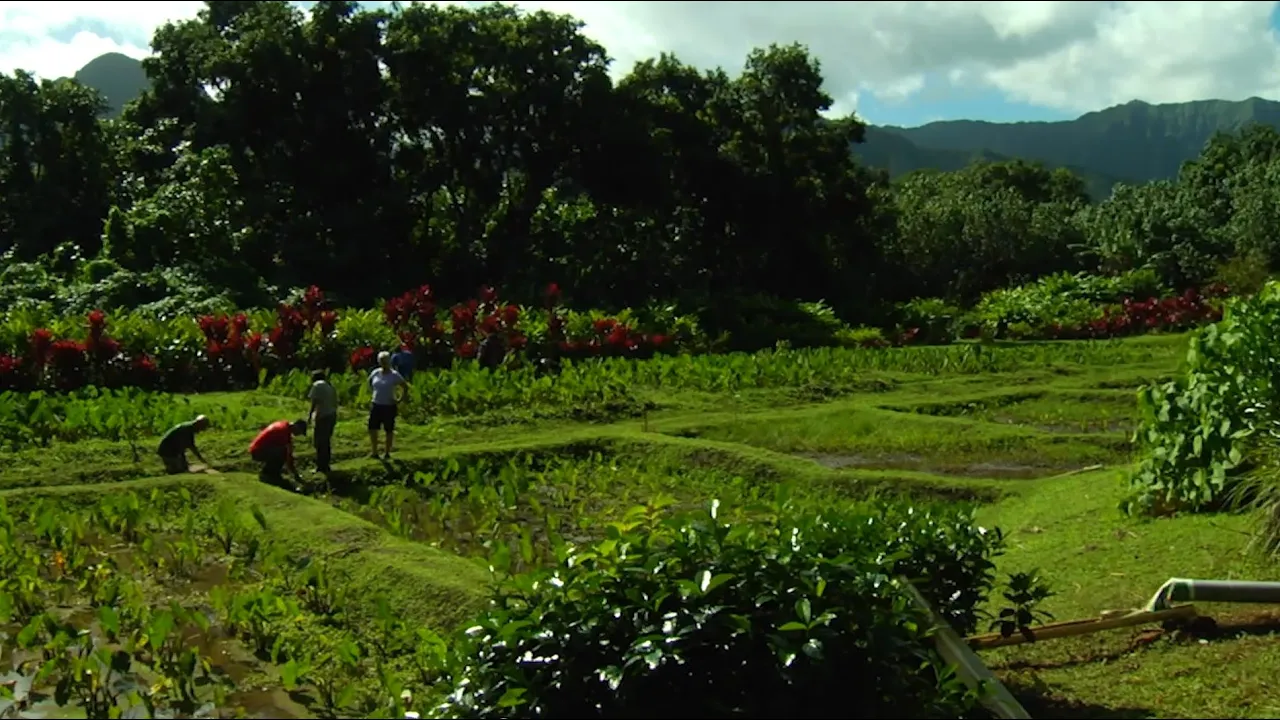



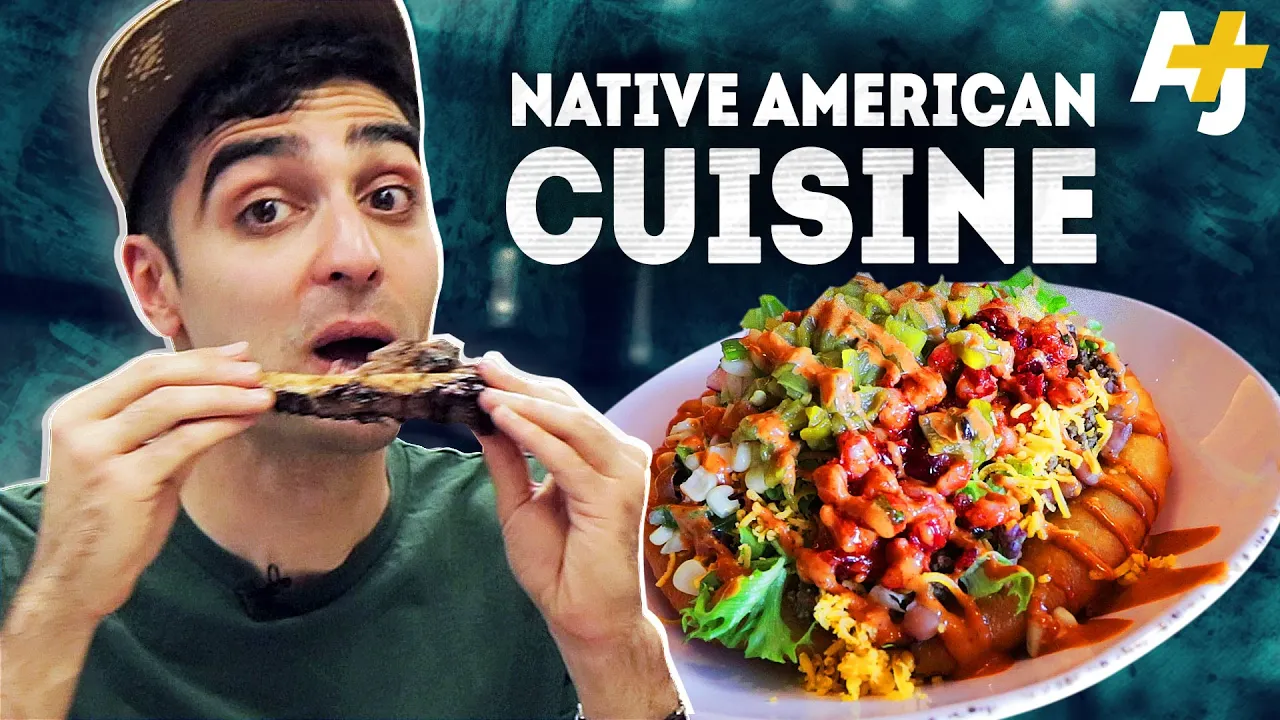




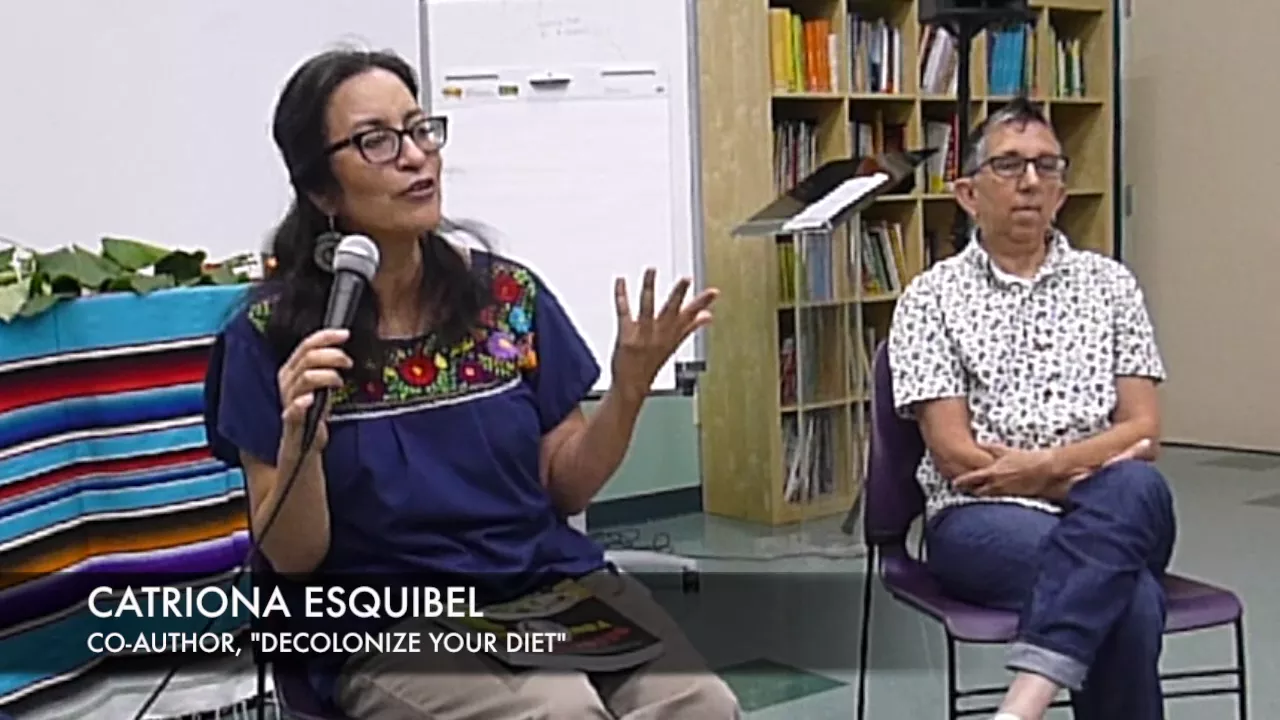

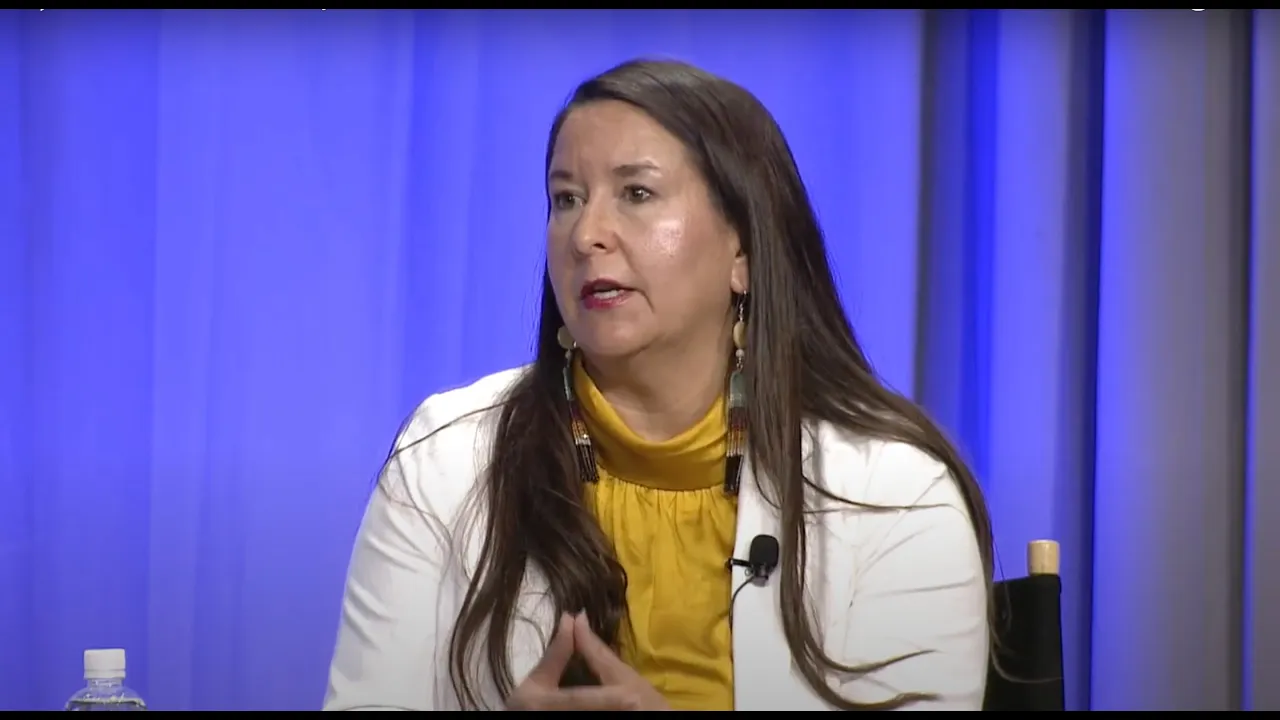



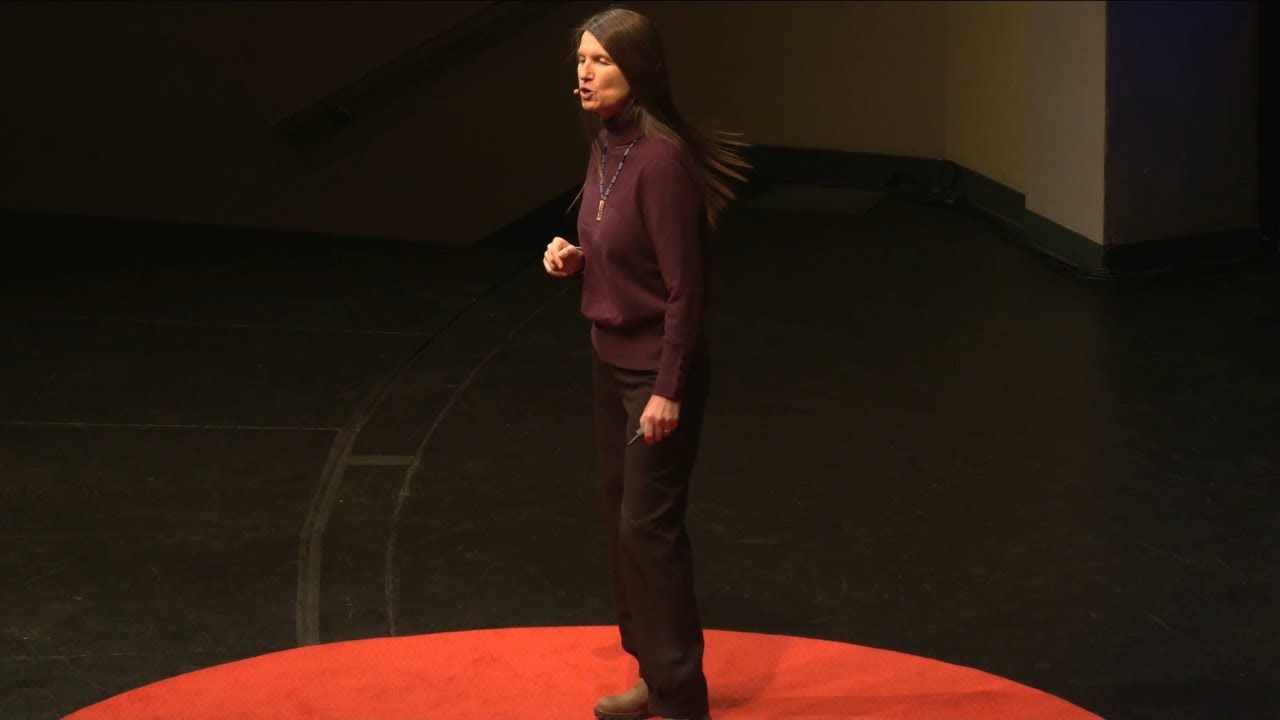


Food sovereignty is the right of a community to define its own diet and shape its own food system, which for indigenous peoples like the Coast Salish means maintaining traditional foods that serve as living links to the land, culture, and ancestors, teaching values of love, generosity, and abundance through natural cycles like salmon returns and cedar tree growth; however, colonization has reduced tribal diets from nearly 300 pre-contact foods to just 13-20 foods annually, threatening sacred relationships with land and requiring community-led initiatives to restore traditional food knowledge and practices.
Food Sovereignty and Indigenous Wisdom: Valerie Segrest | TEDx Talk
Added:The conceptual distinction between 'food security' (having access to enough food) and 'food sovereignty' (the right of peoples to healthy and culturally appropriate food produced through ecologically sound and sustainable methods).
An understanding of Traditional Ecological Knowledge (TEK) and how Indigenous worldviews emphasize reciprocal, kin-like relationships between humans and the natural environment.
The historical impact of colonization, forced relocation, and the reservation system on the dietary health and cultural practices of Native American tribes.
Basic knowledge of the social determinants of health, particularly how historical trauma and systemic disruptions to traditional diets contribute to contemporary health disparities in Indigenous communities.
Exploring the 'Decolonizing Diet' movement and practical, community-led initiatives (such as tribal community gardens and food preservation workshops) to revitalize traditional foodways.
Analyzing the intersection of treaty rights, tribal sovereignty, and federal food policy (such as the Food Distribution Program on Indian Reservations) in the United States.
Investigating how Indigenous land management practices and agroecology can be integrated into modern conservation science to address climate change and biodiversity loss.
Studying the 'Land Back' movement and how land repatriation is directly linked to restoring ecological health, local food systems, and cultural resilience.
72.8K views965likes13:11Original Release: 2014-01-23
[Music] good morning thank you for being here my name is Valerie seest and I'm a member of the Muckle Indian tribe which is located just 30 miles south of Seattle at the base of the beautiful Mount rineer and we're in between the green and white rivers uh I work as a community nutritionist and a Native Foods educator and for the past several years have coordinated the muleo food sovereignty project and when I first heard that term food sovereignty I thought hm does that mean that plants and animals will have treaty rights and reservations and uh because you know in tribal communities that term sovereignty really carries significant meaning it means it's what holds upholds our right to practice our culture and so I thought that was perplexed at the idea of food upholding its right to practice culture and decided to researched the term and found that it was a term uh that was coined in the early 1990s by a group of peasant Farm Workers called Lavia cacina and they Define it essentially as the right of a community to Define its own diet and therefore shape its own food system and that was really inspiring for me to think about as as how people can become change agents in their own food system so um but at the same time really felt that tribal food sovereignty carried cre a different meaning something unique and I wanted to really take a look at that specifically to our region so I spent some time researching ethnographic accounts I have um been collecting stories and teachings from my community for the last several years and through research and applied practice here's what I've come up with In 1855 when my ancestor Pat Kum met when my ancestor Pat kanum met with other gu uh tribal leaders and Governor Isaac Stevens to sign the Treaty of Point Elliot he was the very first person to speak and um and the very first thing that he spoke to was access to Foods we wanted access to all of the game the fish the shellfish The Roots the berries and the cedar tree and so at the very moment when my ancestors were defining sovereignty it is clear that the first priority was access to Foods so at the core of tribal sovereignty is food s Y and this is significant because we know that our traditional foods are a pillar of our culture and that they feed much more than our physical bodies they also feed our spirits and this is because they're a living link with the land and with our Legacy helping us to always remember who we are and where we come from well for the co- Salish people we see our traditional foods as more than just our foods and medicines they're also our greatest teachers and they teach us without a spoken word which is much different than what we're used to today or like what I'm doing today where I'm standing here telling you about what I think food sovereignty means they teach us by example um without a spoken word and that's one of the most powerful teachings that could ever be given so an example of that a couple of examples would be that you know every year we have uh we have these seasonal runs of Ulin or smelt fish that would return to the rivers and my elders tell me that when these when these fish would return to the river they would be so abundant that the waters would look like they were boiling and that when the Herring would spawn the blue river waters would turn a Milky creamy color so we also have these runs of salmon here in the Northwest where they would return traditionally upon the millions and my elders tell me that these runs are so abundant that you could walk across the river by walking across the backs of those returning salmon and the coish people see this return as an act of love and a demonstration of generosity and a teaching of abundance and so we ask ourselves how we might live a life of such love and generosity and abundance as the salmon people do we have the cedar tree in our culture or what we call Long lifegiver who provides us with everything we need to survive in this world World canoes for transportation housing materials basketry materials clothing medicine and the aroma of all that is sacred in this world Cedar Tree Stands Tall against the fierce storms side by side with other nations of tree people taking root and holding the Earth together living its life as a teaching for those to come in the future for all of us and so we see this and we ask ourselves how we might live in such a way where the story of our life is told as a teaching for those to come in the future we have these really diverse lands here in the Puget Sound these large mountain ranges that produce these fast running rivers that flow to the Waters of the Sailor sea and in some places it is just 50 miles from White Cap to White Cap and within that 50 that short stretch of land those Rivers nourish our ancient food forests our mountain berry Meadows our Lily buub prairies and our Rich shellfish Gardens we have a bond one that is woven right into the social fabric of who we are and that is with this land with the White Cap to the White Cap um and we see this we see this as a teaching of diversity and abundance we know that pre- contact nearly 300 different kinds of foods were eaten in a co- Salish diet which is very different from the westernized and superimposed diet many tribal folks consume today which consume which consists of anywhere between 13 and 20 different foods per year we live in a time where these sacred friendships are threatened the colonization and changing landscape of the Pacific Northwest has left us with less than 2% of our Prairie lands our mountain berry Meadows our dwindling every year as a result of poor harvesting practices climate change and the disregard of traditional ecological land man management knowledge which is inextricably intertwined with our cultural practices these sacred friendships are being threatened and you know we have uh salmon runs that are dwindling every year and archaeologists recently researched and uh found that the salmon has been a cultural keystone species for the co- Salish people for back 10,000 years 10,000 years which is such an incredible demonstration of sustainable fisheries and an illustration of the depth of knowledge that tribes carry around fish management 10,000 years is a tremendous amount of time and we may be the generation that watches the last salmon come up the river we have a tremendous amount of work to do um the the um so it's you know a loss of land a loss of Rights a loss of knowledge environmental toxins cultural oppression and a modern lifestyle that impedes our access to our tradition foods and that is the important work of the Muckle food sovereignty project we are this is a project that has emerged from our community and an attempt to overcome our barriers and access our tradition and increase access to our traditional foods so we do this by uh using our community foods and medicines as an organizing tool and we hold edible educational workshops and create platforms for tribal members to come and share their gifts and we see traditional food knowledge as a gift um so that means that if you know how to filet a salmon or prepare an earn oven that knowledge is valued and brought out as a teaching for those who want to learn we work with our tribal Cooks to develop healthy food protocols that can be implemented from the daycare to the senior center and some of those protocols include things like eating a traditional foods meal one day a week and menus inspired by local season Al availability we prioritize purchasing from Community food producers like our tribal fishermen and that's important because it's a every year it's getting harder and harder to maintain a livelihood as a tribal fisherman and once this Muckle shoot told me that he would be nobody without his fishing that he he tried to get a 9 to-5 once and became severely depressed so the act of harvesting hunting and preparing our traditional foods are more more than just feeding hunger and a and a sense of identity it's also about our mental health and our own selfworth so these are just a couple of examples that are happening in our community and when we do hold our events we always ask an elder to come and witness the work that we're doing and their testimonies become our Guiding Light and our inspiration to continue our work in our community so a couple of years ago we installed an orchard at the mle tribal school and I arrived there and found our honored Elder standing on top of a pile of wood chips with all these little Muckle shoots running around throwing dirt at each other and playing in their new garden and she turned to me with these huge tears in her eyes and said this young man had just come to her and shared with her his experience planting a native crab apple tree and that he learned that if we take care of this tree it will live to be over 200 years old and this young man said said to his Elder that means that this tree will be feeding people long after I'm gone and she said to me I get it I understand why this work is so important and this story to me is the essence of cultural teachings this here we have this young man who's Outdoors playing in the dirt getting his hands in the dirt getting to know a plant and in that moment experiencing a profound lesson of reciprocity in Forward Thinking and then he was able to share that with his Elder these are the moments of healing that we're hungry for and this is the medicine that we truly seek so I'd love to tell you about all the other work that's happening in tribal communities um throughout the Sailor sea because we're just one example but quickly I'll run through that three examples the the lummy tribe uh Vanessa Cooper a tribal member has been coordinating with several lummy families uh who receive community supported agricultural boxes weekly they meet and they do recipe sharing and uh talk about their dietary changes together as a group the Nali tribe has an incredible Community gardening program that grows fresh produce for their community members and telip has an impressive growing our groceries Garden program at the Hebb cultural center and these are just some examples of numerous accounts of tribes rising up to overcome barriers increase access to their traditional foods and celebrate our food traditions in the process so recently somebody asked me what do you think that this traditional foods movement is hungry for and after some thought I said for us to remember we're not doing anything new this is just about remembering what we already know what we already know to be true and right and then more importantly sharing those memories in a way that promotes active citizenship and promotes us being active in our own food system so I think about how important it is to remember those things because it's feeding a hunger and as we all know when you feed something it grows so in closing I'm remembering the teachings of the salmon people who ceremoniously return to their ancestral Rivers every year and how they are the nation of people who are truly committed to life eternal I'm remembering the teachings of the plants and the trees taking root and in all their diversity standing in solidarity holding the Earth together and living their life as a teaching for those to come in the future I remember that when we take better care of the land we are ultimately taking better care of ourselves and finally I ask you to remember these teachings and the environment that we live in and how precious it is and how worth caring about it is and how you too are precious and worth caring about thank you [Applause]
Up Next

3:52
Understanding VOCs and Indoor Air Quality Risks
@IAQMarketer
34.5K views•2014-06-05

15:54
Life in Biosphere 2: Sustainable Ecosystems & Human Survival
@TED
334.9K views•2009-06-16
21:35
Ocean Acidification in Washington: Dr. Shallin Busch
@TEDx
25.7K views•2013-05-02
10:28
Ice Stupa Artificial Glaciers: Solving Ladakh's Water Crisis
@SonamWangchuk66
3.2M views•2015-05-03
Related Study Plans & Knowledge Roadmaps
Structured learning paths in Environmental Science
environmental-science
Ocean Noise: Cetacean Impacts & Mitigation
01Fundamentals of Underwater Acoustics
02Marine Mammal Bioacoustics
03Anthropogenic Noise: Shipping & Seismic Surveying
+ 2 more learning modules
16h5 modules
Explore Roadmap
environmental-science
Road Ecology: Corridors, Overpasses & Fencing
01Foundations of Habitat Fragmentation and Carnivore Ecology
02The Road Barrier: Ecological Impacts of Transport Infrastructure
03Principles of Ecological Corridors and Connectivity Mapping
+ 3 more learning modules
14h6 modules
Explore Roadmap
environmental-science
Ocean Acidification: Kelp Buffering & Shellfish
01Fundamentals of Ocean Chemistry & pH
02Chemical Pathways of Coastal Acidification
03Bivalve Physiology & Calcification Under Stress
+ 2 more learning modules
18h5 modules
Explore Roadmap
environmental-science
Ice Stupas: Glacial Retreat & Water Security
01Foundations of Glaciology & Mountain Hydrology
02Climate Change and Glacial Retreat Dynamics
03The Science of Ice Stupas & Artificial Glaciers
+ 2 more learning modules
14h5 modules
Explore Roadmap